The Story Behind Favoriot – Part 4: How Favoriot Became More Than Just an IoT Platform

I never planned for Favoriot to be more than just an internal tool.

Back when we first started developing the platform, it was purely out of necessity. We weren’t thinking about commercializing it. We just needed a reliable way to manage IoT data, and the existing platforms? They just didn’t cut it. Too rigid, too limited, and definitely not built with our specific needs in mind.

So, we decided to build our own.

I still remember that moment vividly—one of those late-night discussions with my team, fueled by frustration and too much coffee.

“Why are we wasting time forcing a square peg into a round hole?” I said. “Let’s just create something that actually works for us.”

And just like that, Favoriot was born.

At first, it was just for us—a solution to our own headaches. We never imagined it would one day be used by universities, students, or businesses. That wasn’t even on our radar. But then, something kept bothering me.

The Eye-Opener: Why Are We Using Foreign Platforms?

Every time I gave an IoT lecture at a university, I saw the same thing. Students were using foreign platforms like ThingSpeak and Blynk.

At first, I brushed it off. But then, it hit me—why were we relying so much on platforms from outside Malaysia? Didn’t we have something just as good, if not better?

That thought gnawed at me for weeks.

“We have this amazing platform,” I told my team. “Why aren’t we making it available to students and researchers here?”

The more I thought about it, the more sense it made. If we could offer Favoriot as a local alternative, students wouldn’t have to rely on foreign tools. So, I started introducing it in my lectures, offering free access to encourage students to use it in their projects.

I was optimistic. Maybe a little too optimistic.

The Harsh Reality: No One Was Interested

Despite our efforts, students weren’t biting. They continued using ThingSpeak and Blynk. I couldn’t figure it out.

“What are we doing wrong?” I asked myself.

Then it hit me—content.

Those platforms had an overwhelming amount of learning resources. Tutorials, YouTube videos, step-by-step guides. Everything a beginner needed was right at their fingertips.

Favoriot? Not so much.

It wasn’t that students didn’t want to use our platform; they just didn’t know how. Without accessible tutorials, they naturally gravitated toward platforms with a smoother learning curve.

That realization stung.

Taking Matters Into My Own Hands

At first, I thought, Maybe I can get students to create tutorial videos.

Wrong.

Most weren’t comfortable putting themselves out there as content creators. And honestly, I understood. It’s not easy to create educational content, especially when you’re just starting.

So, I made a decision.

“If no one else is going to do it, then I will.”

We started producing our own YouTube tutorials, pushing Favoriot on TikTok, and making the platform more accessible. It wasn’t easy, and it took time, but I knew it was the only way forward.

At first, progress was slow.

I had my doubts.

Is this even worth it? Are we just shouting into the void?

But I held on. If I’ve learned anything from this journey, it’s that persistence pays off.

The Turning Point: From Struggle to Recognition

Bit by bit, Favoriot started gaining traction. More students began using it, and word started to spread. But the real breakthrough? That came when external organizations started noticing us.

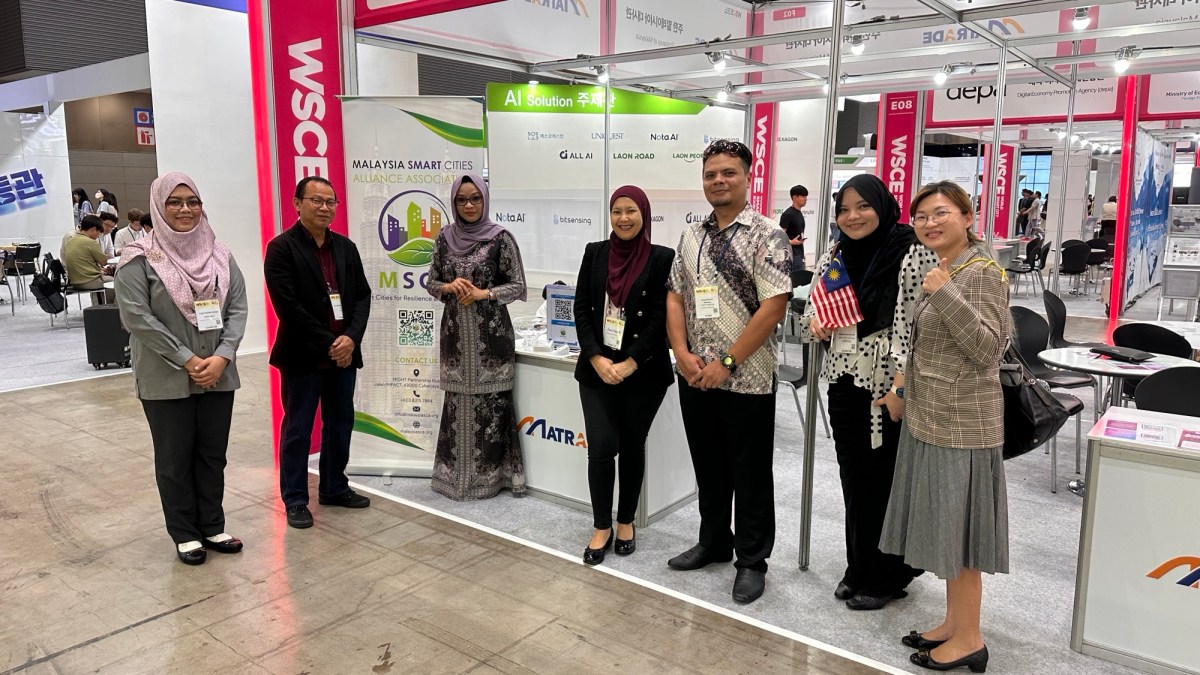
Suddenly, Favoriot wasn’t just an educational tool—it was being used in agriculture, industry, smart cities, and security systems.

I remember watching it all unfold, feeling both humbled and proud.

“Alhamdulillah,” I whispered. But deep down, I knew—this was just the beginning.

We didn’t stop there. We worked on differentiating Favoriot, adding unique features that platforms like ThingSpeak and Blynk didn’t offer. We weren’t just another IoT platform anymore. We were a better IoT platform.

What’s Next?

The journey hasn’t been easy. We’ve faced rejection, setbacks, and moments of self-doubt. But every challenge has taught us something valuable.

And this story? It’s far from over.

In Part 5, I’ll dive deeper into the specific challenges we faced, the roadblocks we overcame, and the key moments that shaped Favoriot into what it is today.

The best is yet to come.

More Stories About Entrepreneurship

  1. The Story Behind Favoriot – Part 6: Expanding The Business Models
  2. The Story Behind Favoriot – Part 5: Finding the Right Fit
  3. The Story Behind Favoriot – Part 4: How Favoriot Became More Than Just an IoT Platform
  4. The Story Behind Favoriot – Part 3: Why No One Wanted Our IoT Platform—And How We Turned It Around
  5. The Story Behind Favoriot – Part 2: Turning Failures into Milestones
  6. The Story Behind Favoriot – Part I: The Humble Beginnings of Favoriot
  7. Building My Personal Brand: The Stepping Stone to Favoriot’s Success
  8. From Research Lab Critiques to Startup Pitches: My Slide Story
  9. The Illusion of RFPs in the IoT World: Managing Expectations as a Startup
  10. Favoriot’s Odyssey: Navigating the Rough Waters of Early Revenue

ChatGPT, CoPilot, Gemini, Grok, Perplexity, Claude & DeepSeek: Which One Should You Choose?

Here’s a breakdown of the main features to help you decide which AI tool suits your needs:

1️⃣ ChatGPT (OpenAI)

✅ Versatile and reliable: Perfect for writing tasks, explaining technical concepts, and generating or debugging code.

✅ Supports multiple languages: Works well even in non-English languages, including Malay.

✅ Developer-friendly: Offers a stable API, making it ideal for building applications with AI capabilities.

❌ Paid plans for heavy use: A subscription is required to unlock more advanced features or handle large-scale tasks.

2️⃣ Gemini (Google, formerly Bard)

✅ Live search integration: It’s directly connected to Google Search, making it great for delivering the most up-to-date information.

✅ Fact-focused: Excels at answering general knowledge questions and providing factual details.

❌ Context sensitivity can be inconsistent: Sometimes, struggles to grasp complex or nuanced questions fully.

3️⃣ CoPilot (Microsoft, powered by GPT-4 Turbo)

✅ Productivity-focused: Fully integrated with Microsoft Office tools like Word and Excel, making it a powerful assistant for work-related tasks.

✅ Seamless Windows integration: An excellent choice for Windows users who need AI within their workflow.

❌ Access requirements: You’ll need a Microsoft account; in some cases, access may be restricted to specific users or organisations.

4️⃣ Grok (X, by Elon Musk)

✅ Social media-savvy: Specially designed for users of X (formerly Twitter), offering features to analyse and follow social media trends.

✅ Trend-aware: Focuses on staying current with the latest online conversations.

❌ Still evolving: As a relatively new tool, it lacks the maturity and extensive testing of more established platforms.

5️⃣ DeepSeek AI

✅ Specialist in technical fields: Excellent for research, coding, and solving complex mathematical problems.

✅ Completely free: A budget-friendly option for students, researchers, or anyone exploring technical AI applications.

❌ Limited advanced features: Compared to tools like ChatGPT or Gemini, it doesn’t offer comprehensive capabilities or integrations yet.

6️⃣ Perplexity AI

✅ Great for fact-checking: It can reference the internet in real-time, making it highly effective for quick research or verifying information.

✅ Focused research tool: Handy for researching specific topics and finding credible sources.

❌ Can lack deeper understanding: Tends to compile data rather than analyse or interpret it meaningfully.

7️⃣ Claude (Anthropic)

✅ Contextually intelligent: Known for its ability to generate high-quality text and clearly understand the context in conversations.

✅ Safe and ethical: Less prone to producing harmful, biased, or inaccurate content, making it a reliable option.

❌ Less recognition locally: Not as widely known or used in Malaysia, though its features are robust and competitive.

How to Choose the Right AI for Your Needs

  •  For writing, coding, or creative projects, → Go for ChatGPT or Claude for their depth and versatility.
  •  If you need real-time information or up-to-date research, → Consider Gemini or Perplexity.
  •  To boost productivity at work with office tools, → Use CoPilot, which works seamlessly with Microsoft applications.
  •  Social media enthusiasts → Try Grok, designed to help navigate trends on X (Twitter).
  •  For technical problem-solving or coding on a budget, → Choose DeepSeek AI.

Each tool has unique strengths, so the choice depends on your specific use case and preferences.

Why Building AI and IoT Products Locally Can Save a Country

The appearance of DeepSeek, which shook the world, taught us an important lesson — technology sovereignty.

Have you ever wondered why some countries have more control over their technology and future? It’s not magic.

They’ve invested time and effort in developing their technologies, especially in Artificial Intelligence (AI) and the Internet of Things (IoT).

These two areas are no longer just fancy buzzwords – they are the backbone of modern nations.

Let me explain why building these technologies locally is essential and could be a real game-changer for any country.

Keeping Our Data Safe

Think about how much data is collected daily – from your smartwatches, smartphones, traffic cameras, and building sensors. All of this data tells a story about us, about our country.

If this data goes to foreign companies, they control it, not us. That’s scary, right?

When we build AI and IoT products locally, we keep our data within our borders. We don’t have to rely on someone else to store or protect it.

This means we reduce the chances of our information falling into the wrong hands. It’s like having your valuables locked in your safe rather than someone else’s.

Protecting Our Security

Imagine if someone could hack into your country’s power grid or water supply.

What happens then? Chaos.

That’s why it’s essential to have secure technologies. When we depend on foreign-made systems, we give our critical infrastructure to them.

Local AI and IoT solutions can protect public transportation, hospitals, and defence systems. It’s like building a strong fortress – we control who gets in and out.

Creating Jobs and Boosting the Economy

Here’s the fun part – when we make our own AI and IoT products, we create jobs.

Think about all the engineers, researchers, factory workers, and even marketers involved in these projects.

Big companies like Google invest billions in countries like Malaysia to help build these technologies locally.

Google’s recent investment is expected to create over 26,000 jobs in Malaysia alone. Imagine what we can do if we take the lead ourselves!

Making Technology That Fits Us

Sometimes imported technology doesn’t work well for us because it wasn’t designed with our needs in mind.

For example, an IoT system designed for a cold country might not work perfectly in Malaysia’s tropical climate, or an AI chatbot might not understand our local languages or culture.

When we create our products, we can ensure they are right for us. We can design innovative farming tools for our crops, smart city systems for our traffic, and AI systems that understand Malay and other local languages.

Staying Strong During Global Tensions

Let’s be honest – the world is full of political tensions. Trade wars and sanctions can disrupt access to foreign technologies. I

f we rely too much on others, what happens when they suddenly pull the plug?

By building our own AI and IoT, we ensure that our systems continue running no matter what happens in the rest of the world. It’s like growing your food instead of relying on someone else’s farm.

Saving Money in the Long Run

When we use foreign technologies, we often have to pay licensing fees or deal with high costs.

Local solutions cut out the middleman, making things cheaper for businesses and citizens.

Plus, the money stays in the country, helping our economy grow further.

Empowering Our People

One of the most inspiring parts of building local technologies is how they empower our people. It gives our youth opportunities to work on cutting-edge projects without having to leave the country.

It also encourages entrepreneurship, where anyone with a good idea can start their own business.

We’ve seen how tech-savvy countries like China and India are building their systems and becoming global leaders.

Why can’t we do the same? We have the talent; we need the vision and support.

Keeping Control Over Our Culture

AI and IoT shape how we live, work, and even think. If these technologies come from other countries, they might not reflect our values and culture.

Building our systems means ensuring they align with what’s important to us as a nation.

For example, we can develop AI systems that promote our local heritage, preserve our languages, and respect our cultural norms.

It’s about staying true to who we are while moving forward.

A Future We Control

Building AI and IoT products locally is about one thing – control. It’s about taking charge of our future rather than leaving it in someone else’s hands. It’s about ensuring that our technology serves us and not vice versa.

Countries like Malaysia are already taking steps in this direction with investments in AI parks and national AI offices. But this is just the beginning. With the right mindset, resources, and determination, we can become leaders in this space.

So, the next time someone asks why local AI and IoT matter, remember – it’s not just about technology.

It’s about independence, security, and building a future we can be proud of.

DeepSeek vs NVDIA: How China Build Their AI Sovereignty

The recent developments in the global technology landscape highlight a pressing need for countries and organisations to rethink their dependency on external technologies. NVIDIA’s staggering loss of $432 billion in market value in just a single day, driven by the rise of the Chinese AI startup DeepSeek, serves as a cautionary tale. DeepSeek’s disruptive advancements have shaken the foundations of major American tech companies and caused ripples across the global market, wiping out over $2 trillion in value.

But what does this mean for us as a society? These events are not just numbers—they are lessons that underline the importance of building our own technology capabilities.

The Reality of Dependency

When nations or industries heavily rely on external technologies, they place themselves vulnerable. The case of NVIDIA illustrates how a single external factor—a competitor with disruptive innovations—can lead to catastrophic consequences.

DeepSeek’s ability to replicate advanced AI technologies like ChatGPT with just a fraction of the cost and resources is a prime example of what can happen when a new player enters the game.

The dominance of companies like OpenAI, which spends over $100 million to train an AI model, has been disrupted by DeepSeek’s efficient model, built for just $6 million.

This highlights a glaring issue: while reliance on established tech giants may seem convenient, it can be detrimental in the long term if alternatives arise or access is restricted.

The Geopolitical Factor

Geopolitics often plays a significant role in accessing technology. Restrictions, sanctions, and bans are too common in the tech industry as countries compete to maintain dominance.

Relying solely on foreign technology means being at the mercy of these geopolitical dynamics. A single ban can halt progress, cripple industries, and leave entire sectors scrambling for alternatives.

The Lesson from DeepSeek

DeepSeek’s rise is an excellent example of how investing in local talent and resources can lead to groundbreaking achievements. By developing their technology independently, they have challenged global leaders and shown the world that innovation does not require exorbitant budgets.

This should inspire others to invest in homegrown talent and create ecosystems that encourage innovation.

The Role of Governments and Businesses

To avoid over-reliance on external technologies, governments and businesses must:

  1. Invest in R&D: Encourage research and development in cutting-edge technologies, providing grants and incentives to innovators.
  2. Build Talent Pipelines: Develop educational programmes focusing on future technologies like AI, IoT, and robotics.
  3. Collaborate Locally: Foster collaborations between universities, startups, and industries to drive innovation.
  4. Strengthen Infrastructure: Create an ecosystem that supports tech development, from affordable cloud services to secure data centres.

A Call for Technological Sovereignty

Technological sovereignty is not about isolating oneself from global advancements but about ensuring resilience and independence.

By reducing dependency on external technologies, we can safeguard against disruptions caused by bans, restrictions, or competitive threats.

Conclusion

The world is changing rapidly, and the recent events surrounding NVIDIA, DeepSeek, and the broader tech market highlight an essential truth: relying solely on external technologies is a risk we cannot afford to take.

The solution lies in fostering a culture of innovation, investing in local talent, and building resilient ecosystems that can withstand global disruptions.

The future belongs to those who can adapt, innovate, and lead.

It’s time to take control of our technological destiny.

The question is: are we ready?

The Story Behind Favoriot – Part 3: Why No One Wanted Our IoT Platform—And How We Turned It Around

The Beginning of a Daunting Journey

In 2019, we officially launched our self-developed IoT services with high hopes. The FAVORIOT IoT platform was our pride and joy—a product we believed could transform how data is collected, processed, and visualized. Yet, reality hit us hard. No one wanted to use it.

I still remember the sting of those early days. We offered our platform for free to the first ten customers to gain traction, but even that didn’t work. “Why doesn’t anyone want to use our platform?” I would ask myself almost every night.

It wasn’t just a passing thought but an all-consuming question that kept me awake. Was our product flawed? Did we miss something crucial?

The truth was more complicated to accept than I imagined. The issue wasn’t with our product’s functionality or potential—it was the lack of understanding about IoT itself. People didn’t know how to use an IoT platform because they didn’t know what IoT could do for them. This was not just a technical problem but a knowledge gap that needed bridging.

Planting Seeds of IoT Awareness in Universities

I’ve always believed that education is the foundation of progress. As an Industry Advisory Panel member at several universities, I saw an opportunity to address this knowledge gap. In meetings with lecturers and deans, I passionately advocated for curriculum changes.

We need to teach students how to use IoT technology more systematically,” I said repeatedly. “It’s not just about theory; it’s about hands-on experience.”

Slowly, my efforts began to bear fruit. Universities started incorporating IoT-focused courses into their programs, and students were introduced to connected devices. Knowing that a new generation of tech-savvy individuals was emerging was a proud moment for me.

But just when I thought the tides were turning, I encountered another challenge.

Why Not Favoriot?

Despite the growing interest in IoT, many students opted for platforms like Blynk and ThingSpeak for their final-year projects. It was disheartening to see them bypass Favoriot. I couldn’t help but wonder, “Why aren’t they choosing us? What does our platform lack compared to these alternatives?

It wasn’t just about competition—it was about understanding what made those platforms more appealing. I realized that we needed to work harder to showcase Favoriot’s value, unique features, and potential to become the preferred IoT platform for students and professionals.

Introducing Favoriot to the World

Determined to make a change, I began organizing seminars and workshops to introduce the Favoriot IoT Platform to the public. Each event allowed me to share my vision and educate participants about the platform’s capabilities.

I would stand in front of the audience, often a mix of students, lecturers, and industry professionals, and speak with passion:

This platform is not just for students. It’s for professionals and large companies, too. It’s designed to support larger R&D projects and commercial applications.”

The road wasn’t easy, but gradually, people started paying attention. They saw the potential in Favoriot—not just as another IoT platform but as a solution tailored to meet diverse needs.

The Turning Point

By 2024, our persistence began to pay off. Favoriot was no longer an unknown name in the IoT landscape. Out of 9,375 users (as of January 27, 2025), 80% came from our own country—a milestone that filled me with pride.

We did it,” I told my team with a sense of accomplishment. “We’ve proven that we can compete with global platforms and carve out our own space.

The Favoriot IoT Platform is now widely used for collecting data in larger R&D projects and commercial applications. It has become a trusted tool for those who see the power of IoT in solving real-world challenges.

Reflections and Looking Ahead

As I reflect on this journey, I can’t help but feel grateful for the challenges we faced. They taught us resilience, creativity, and the importance of education in driving technological adoption.

But our story doesn’t end here. Favoriot is still evolving, and we’re just scratching the surface of what’s possible. We aim to expand beyond Malaysia, reach users worldwide, and continue empowering individuals and organizations with IoT solutions.

This journey is a testament to the power of perseverance and the impact of believing in your vision. I say to anyone facing challenges in their entrepreneurial journey, don’t give up.

Every obstacle is an opportunity to learn, grow, and return stronger.

Stay tuned for the next chapter of our story, where I’ll share how Favoriot continues to innovate and expand its reach.

More Stories About Entrepreneurship

  1. The Story Behind Favoriot – Part 6: Expanding The Business Models
  2. The Story Behind Favoriot – Part 5: Finding the Right Fit
  3. The Story Behind Favoriot – Part 4: How Favoriot Became More Than Just an IoT Platform
  4. The Story Behind Favoriot – Part 3: Why No One Wanted Our IoT Platform—And How We Turned It Around
  5. The Story Behind Favoriot – Part 2: Turning Failures into Milestones
  6. The Story Behind Favoriot – Part I: The Humble Beginnings of Favoriot
  7. Building My Personal Brand: The Stepping Stone to Favoriot’s Success
  8. From Research Lab Critiques to Startup Pitches: My Slide Story
  9. The Illusion of RFPs in the IoT World: Managing Expectations as a Startup
  10. Favoriot’s Odyssey: Navigating the Rough Waters of Early Revenue

Are You a Digital Immigrant? Who Are They?

Do you remember when we used a typewriter to prepare a document, or did listening to music mean carefully rewinding a cassette tape?

I do. Those were simpler times, but they were also incredibly different from the fast-paced, tech-driven world we live in now. People like me, born in an era before the internet and smartphones, are often called digital immigrants—individuals who grew up in the analogue world and had to adapt to the digital age.

Let’s explore what it means to be a digital immigrant and why this generation holds a unique place in today’s technology-driven society.

What Does It Mean to Be a Digital Immigrant?

A digital immigrant wasn’t born into a world filled with digital gadgets but has learned to navigate and adapt to these tools as they became part of everyday life. I’ve lived through this shift, and let me tell you—it wasn’t always easy, but it was fascinating.

We grew up with analogue technology: rotary phones, VHS tapes, handwritten letters, and physical maps. Then, one day, the internet arrived. Email replaced letters, mobile phones replaced landlines, and everything started going online. It felt like entering a new world.

The Traits of Digital Immigrants

So, what defines us as digital immigrants? Let me share a few observations:

1. Adapting to New Technology

When computers became the norm, I had to learn how to use them from scratch.

I still remember how intimidating it was to figure out the commands on MS-DOS or how exciting it was when Windows introduced a graphical interface. Today, I can confidently use all kinds of tech tools, but the learning process was gradual and required patience.

2. Fondness for Analog Methods

Despite embracing the digital world, many of us still feel a sense of nostalgia for analogue methods. For instance, I still prefer jotting notes in a physical notebook rather than typing them on my phone.

There’s something satisfying about the tactile experience that digital just can’t replace.

3. Bridging Two Generations

We’re in a unique position—we can relate to both the older generation that struggles with technology and the younger generation that seems to know how to use a smartphone before they can even talk.

This makes us valuable in workplaces and communities because we can act as a bridge between these two worlds.

4. The Constant Learner

Learning never stops. Every new app, software, or device is an opportunity to grow. Sure, it can be frustrating at times, but adapting to change is what keeps us relevant and connected.

Challenges Along the Way

Being a digital immigrant isn’t always easy. I’ve faced my share of challenges, and I’m sure many others have, too.

1. Keeping Up with Rapid Advancements

Technology evolves so quickly. By the time you master one tool, another one is released. I’ve spent countless hours figuring out how to use new platforms like social media, cloud storage, or even AI tools like ChatGPT.

2. Initial Resistance

There’s always that initial hesitation when encountering something unfamiliar. I remember when smartphones first became popular—I thought, “Do I really need a phone that’s more than just a phone?” Fast forward to today, and I can’t imagine life without one.

3. Generational Divide

Sometimes, interacting with younger generations can feel like they’re speaking a different language. They grew up with technology, so they took things for granted that I had to work hard to learn. But instead of feeling left out, I’ve found that collaboration is key. They teach me about new trends, and I share my perspective with them.

Why Digital Immigrants Matter

Despite these challenges, digital immigrants are incredibly valuable in today’s world. We bring a unique blend of experiences that no other generation can replicate.

Adaptability

Having grown up in one era and learned to thrive in another, we’re proof that people can adapt to change at any age.

Appreciation for Both Worlds

We’ve experienced the best of both analogue and digital. We know the value of a handwritten letter and the convenience of an email. We cherish the past but embrace the future.

Wisdom and Perspective

Our life experiences allow us to approach technology thoughtfully. We don’t adopt trends just for the sake of it; we think about how they can truly make a difference.

The Future of Digital Immigrants

As I continue to learn and grow in this digital era, I’ve realised that being a digital immigrant isn’t about competing with younger, tech-savvy generations. It’s about finding your place in a world where change is constant. It’s about being curious, open-minded, and willing to adapt.

To my fellow digital immigrants: don’t let technology intimidate you.

Take your time, ask questions, and keep exploring. Remember, we’re living proof that it’s never too late to learn something new.

The journey from analogue to digital has been a wild ride, but it’s one I wouldn’t trade for anything.

What about you? How has your experience as a digital immigrant shaped your view of the world today?

Share your thoughts—I’d love to hear them!

15+ Must-Have AI Tools for Master’s and PhD Students – From Research to Writing!

If you are a Master’s or PhD student, here is a list of useful AI tools for your study and research work.

How things have changed with AI. Studying and research are becoming much more effortless.

A) Search Engine for Researchers

  1. Consensus
    https://consensus.app/
  2. SciLynk
    https://www.scilynk.com
  3. Scinapse
    https://scinapse.io
    3.Perplexity
    https://www.perplexity.ai
  4. Semantic Scholar
    https://www.semanticscholar.org
  5. OpenAlex
    https://openalex.org

B) To Answer Research Questions

  1. Claude
    https://www.anthropic.com/claude
  2. ChatGPT
    https://chat.openai.com

C) For Literature Review

  1. Iris
    https://theiris.ai
  2. Elicit
    https://elicit.org
  3. Inciteful
    https://inciteful.xyz
  4. Research Rabbit
    https://www.researchrabbit.ai
  5. Connected Papers
    https://www.connectedpapers.com
  6. Keenious
    https://keenious.com/
  7. Google Scholar
    https://scholar.google.com/
  8. Litmaps
    https://app.litmaps.com/

D) For Reading Research Articles

  1. SciSpace
    https://typeset.io
  2. Scholarcy
    https://www.scholarcy.com

E) To Assist in Writing

  1. Paperpal
    https://paperpal.com/

The list Credit to Pendakwah Teknologi

Why I’m Leaving Medium: A Writer’s Journey to Rediscovering Joy

The Allure of Writing on Medium

I’ve always loved writing.

It’s been my escape, my way of sharing thoughts, ideas, and dreams with the world. And for a while, Medium was the perfect platform for that. It wasn’t just about the money – although, let’s be honest, the earnings did provide a nice boost of motivation.

But more than that, the sense of community drew me in.

The idea that my words could resonate with readers from all walks of life was exhilarating.

At its best, Medium felt like a writer’s haven, where effort and creativity were rewarded.

The Golden Days: When Writing Felt Rewarding

I was making a comfortable three-digit monthly income on Medium for a time. It wasn’t a fortune, but enough to validate the hours I spent crafting my pieces.

That three-digit figure felt like a pat from the universe, acknowledging that what I was doing mattered. I would eagerly check my earnings dashboard, and even when the numbers weren’t astronomical, they were steady.

They were enough to keep me going.

The Harsh Reality: Declining Earnings

But here we are in January 2025, and everything’s different now. My earnings have plummeted to a single digit. Yes, you read that correctly – single digit. I’ve earned just about a dollar with only five days left in the month.

A dollar! It feels almost laughable, doesn’t it?

I can’t buy a decent cup of coffee with my earnings any longer. And it’s not just me; this seems to be the collective frustration of countless writers on the platform.

Writers in Frustration: What Went Wrong?

Over the past year, conversations about declining earnings on Medium have surged across forums and social media.

Writers share their disappointment, confusion, and anger. Some blame the algorithm; others point fingers at changes in the Partner Program.

Whatever the root cause, one thing is certain: the joy of writing on Medium has been overshadowed by an air of disillusionment.

My Breaking Point: January 2025

For me, January 2025 has officially been the breaking point. It’s not just the earnings, though they have been a significant factor.

It’s the feeling of constantly being let down by a platform I once believed in.

Each time I check my dashboard this month, it reminds me how far things have fallen. And frankly, it’s exhausting.

The Decision to Move On

After much thought, I’ve decided that it’s time to move on.

I won’t be renewing my Medium subscription. Instead, I’ll be redirecting my custom domain to WordPress.

It feels like the right move for now – a fresh start on a platform where I can control my content completely.

On WordPress, I won’t have to worry about algorithms or earnings reports dictating my writing journey. I can write freely without the weight of disappointment looming over me.

A Bittersweet Goodbye to Medium

Saying goodbye to Medium isn’t easy.

There was a time when this platform felt like home, a space where my voice could thrive. But the frustration has peaked, and I refuse to let it drain my energy.

Life is too short to cling to something that no longer brings joy or fulfilment.

Rediscovering the Joy of Writing

As I enter this new chapter, I’m filled with sadness and hope.

I’m sad about what Medium once was and could have continued to be. I hope for what lies ahead, for the opportunities that come with a fresh start.

I’m ready to rediscover the joy of creating, to write without constraints, and to build something meaningful on my own terms.

A Message to Fellow Writers

If you’re reading this and feeling a similar frustration, know you’re not alone. Letting go isn’t easy, especially when something once meant so much.

But sometimes, a fresh start is precisely what we need to rediscover our passion.

Whether moving to a new platform, exploring a different medium, or simply taking a break, it’s okay to pivot. It’s okay to prioritize your happiness and your creative spirit.

Here’s to New Beginnings

So here’s to new beginnings—writing freely, passionately, and without the weight of algorithms or earnings reports—to rediscover the pure joy of storytelling, sharing ideas, and connecting with others.

Goodbye, Medium.

You’ll always be a part of my past, but you won’t define my future.

The Story Behind Favoriot – Part 2: Turning Failures into Milestones

The Journey Before Favoriot

If you’ve been following my journey, you already know that the Favoriot IoT Platform wasn’t our first attempt in the IoT world. Before we arrived at this point, my team and I worked tirelessly on two earlier products: Raqib and Favorsense. Despite our best intentions and efforts, neither venture has gained traction in the market.

The Launch of Raqib

I still vividly remember the day we launched Raqib. I looked at my team and said, “This is going to be a game-changer!” The enthusiasm in the room was electric. But reality had its own plans. We faced unexpected technical challenges, and our marketing efforts fell short. It was a tough pill to swallow, but we kept pushing forward.

Lessons from Favorsense

Then came Favorsense, a product built on a promising idea. This time, I thought, “Surely, we’ve learned from our mistakes.” And while the concept was strong, it struggled to capture user interest. I’d often sit at my desk late at night, reflecting on what went wrong. “Where did we falter? What could we have done differently?” I asked myself over and over again. Two products, two failures—it was a sobering experience.

A Silver Lining

But even amidst these setbacks, there was a silver lining. One element stood firm throughout the ups and downs: the Favoriot IoT Platform. I began to realize its potential. “This could be a tool for anyone wanting to build their own IoT solutions,” I told my team. With renewed determination, we made a bold decision—to pivot. We offered the Favoriot IoT Platform for free, hoping this move would attract a broader audience.

The Challenges of Adoption

However, even that wasn’t the end of our challenges. Offering the platform at no cost didn’t automatically translate into widespread adoption. I often asked, “Why aren’t people using it?” Despite creating tutorials and sharing resources, the uptake remained slow. It was frustrating and disheartening.

Bridging the Gap

But giving up wasn’t an option. I knew we had to dig deeper to address the gap. “We need to guide them more effectively,” I told my team. That’s when the idea of offering IoT courses took shape. These courses weren’t just about teaching theory; they were designed to provide hands-on experience with the Favoriot IoT Platform.

A Breakthrough in Education

And it worked. Today, over 16 universities and polytechnics in Malaysia use the Favoriot IoT Platform for their students’ final-year projects. I still remember the pride I felt when we hit that milestone. “This is a significant achievement for us,” I said to my team, filled with gratitude. Seeing students learning about IoT and applying it to real-world projects has been incredibly fulfilling.

Inspiring the Next Generation

I’m blown away by the students’ creativity whenever I visit these universities. I’ll ask them, “How are you integrating Favoriot into your project?” Their passion and excitement remind me why we started this journey in the first place. These moments make all the struggles worth it.

Expanding Beyond Malaysia

Looking ahead, our vision is to take the Favoriot IoT Platform beyond Malaysia. “The global stage is where we’re heading next,” I shared with my team. We’re already in talks with international institutions, and I’m hopeful that students worldwide will soon have access to our platform.

Innovating for the Future

Of course, the path forward won’t be without its challenges. I often ask myself, “How can we continue to innovate and improve?” In the fast-paced world of technology, standing still is not an option. Every evening, as I reflect on the day’s work, I remind myself, “We’ve come this far because of the lessons we learned from failure.”

Turning Failure into Success

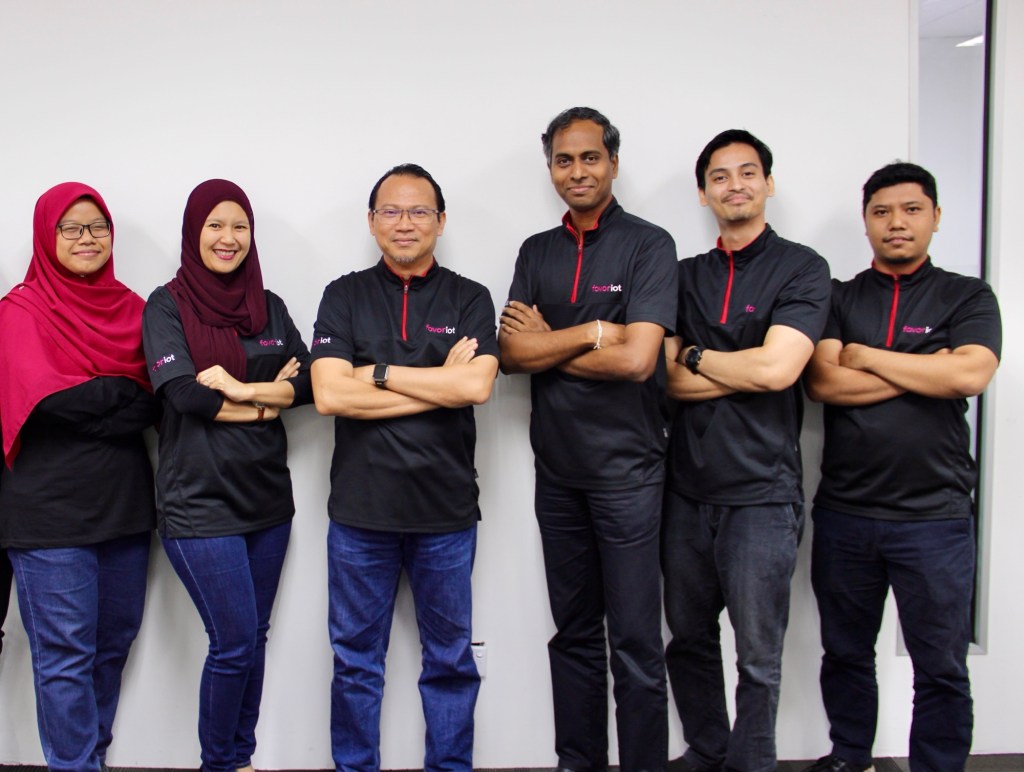
Those early failures with Raqib and Favorsense weren’t the end of our story—they were the beginning of something greater. The Favoriot IoT Platform has become the cornerstone of IoT education in Malaysia, and it’s all thanks to the unwavering dedication of my team. I always make it a point to say, “Thank you,” because this success is as much theirs as it is mine.

The Journey Ahead

This journey is far from over. “This is just the beginning,” I tell my team. We’ll keep pushing boundaries, overcoming challenges, and reaching new heights together. Our story proves that failure isn’t the end—it’s an opportunity to rise stronger.

The Favoriot IoT Platform stands as a testament to perseverance and the belief that with hard work, even the most challenging setbacks can lead to incredible success.

More Stories

My Startup Journey

The Story Behind Favoriot – Part I: The Humble Beginnings of Favoriot

When I look back to 2017, I vividly recall the early days of building the Favoriot IoT Platform. We started small, working in a modest room with only a few dedicated staff members. It was a humble beginning, but our vision was anything but small.

The Idea Behind the Platform

The idea for the platform arose from a simple but pressing need—to support our first IoT product, Raqib. At the time, we realised there was a significant gap in the market for an IoT platform that could cater to businesses and developers in a user-friendly and accessible way. But as the idea began to take shape, doubts crept in.

Can we really compete with giants like AWS and Azure?” I often asked myself. The thought was daunting. Competing against well-established platforms felt like an insurmountable challenge. We knew that many people didn’t know who we were, and there were plenty who doubted the capabilities of a small team attempting something so ambitious. But despite the naysayers, we pressed on. Deep down, we were confident in our technology’s potential and our ability to deliver something meaningful.

A Bold Move: Offering the Platform for Free

By 2019, we decided to take a bold step—offering the Favoriot IoT Platform to the public for free. “Maybe this will be the best way to attract attention and build an early user base,” I thought. It seemed like a logical approach. But the reality didn’t match our expectations. The response was underwhelming, to say the least. Only a handful of people showed interest, and our efforts didn’t yield the results we hoped for.

Finding a New Strategy: Education

Sitting down with the team, I voiced my concerns. “We need to do more. This isn’t enough. We must find a better way to introduce our platform.” The team brainstormed tirelessly, and that’s when the idea of offering IoT courses emerged. It was a lightbulb moment. We realised that one of the best ways to attract users was through education—teaching people about IoT while simultaneously showcasing the capabilities of our platform.

But what if no one registers for the courses?” The doubt lingered. Investing time and resources into something that might not succeed was nerve-wracking. Still, we decided to take the plunge. We structured the courses so that participants could learn the fundamentals of IoT and get hands-on experience with the Favoriot IoT Platform.

Success Through IoT Education

Alhamdulillah, the effort paid off. The response to the courses was beyond encouraging. Participants appreciated the knowledge they gained and began to explore our platform in more significant numbers. It was a turning point for us. From those early courses, word began to spread, and the Favoriot IoT Platform started gaining traction. The numbers grew steadily; today, I’m proud to say that we have over 9,343 users from 111 countries. Seeing the global reach of something we built from scratch fills me with immense pride.

I can’t believe we’ve come this far,” I shared with the team during our discussions. “But this is just the beginning. We still have so much more to achieve.

Expanding to New Horizons

With the foundation now solid, we set our sights on the future. Our next goal is to expand our presence to neighbouring countries. The team and I are confident that the Favoriot IoT Platform can achieve even greater success beyond Malaysia. This journey has taught us that with effort and dedication, even the boldest dreams are within reach.

Ready for the next phase?” I asked the team one day, knowing full well that the challenges ahead would be just as demanding as the ones we’ve overcome. Their answer was clear and resolute. We are ready to take on the IoT world.

Reflecting on the Journey

Looking back, I see how every step we took was filled with challenges and uncertainties, but it was also marked by resilience and an unrelenting drive to succeed. No matter how small, each decision was crucial in shaping where we are today. The journey has been extraordinary, from a tiny room with a handful of staff to a global platform with thousands of users.

A Glimpse of What’s Next

This is only part of the story behind the development of the Favoriot IoT Platform. There’s much more to share—the challenges we faced, the lessons we learned, and the milestones we celebrated. Stay tuned for Part II, where I’ll delve deeper into the obstacles we’ve encountered and how we’ve navigated them to reach where we are now.

This journey is a testament to what can be achieved with a clear vision, unwavering determination, and a great team by your side. I hope our story inspires others to pursue their big or small dreams. After all, every outstanding achievement starts with a single step and the willingness to take it.

More Stories

My Startup Journey