My Journey Through Academia, Telco, and Startup Mayhem — And Why I’d Do It Again

From Signals to Sensing: The Early Spark

Every time I look back at where this whole adventure began, I’m reminded of how simple the starting point was. I was just a young engineer obsessed with how things connected. My academic path shaped the first chapter — electrical engineering, telematics, and finally a doctoral dive into telecommunications.

Those years were filled with long nights, dense textbooks, and moments where I quietly wondered, “Is this really the road I want to stay on?” But something about networks — the way invisible signals could connect lives — kept pulling me forward.

My early years in academia gave me a grounding that I still rely on today. Teaching forced me to explain ideas clearly, question assumptions, and stay curious. It was the first real test of whether I understood the world of connectivity or was just reciting formulas.

Into the Telco Trenches

Eventually, the classroom walls felt too small. I wanted to see how these theories behaved under real pressure. That shift took me deep into the telecommunications industry.

Those years were intense: real customers, real failures, real deadlines. It wasn’t just about making a system work; it was about keeping it alive when the world depended on it.

Later, I moved to a national research agency, where I led teams working on early broadband, wireless sensor networks, and technologies that today fall neatly under the label of IoT. Back then, it felt like tinkering with the future. Testing prototypes in rural villages, deploying sensors in unfamiliar places, experimenting with wireless technologies that many considered too early or too ambitious.

Yet I couldn’t shake the thought: “What if this tech leaves the labs and enters daily life?” That question lingered for years.

The Entrepreneurial Leap

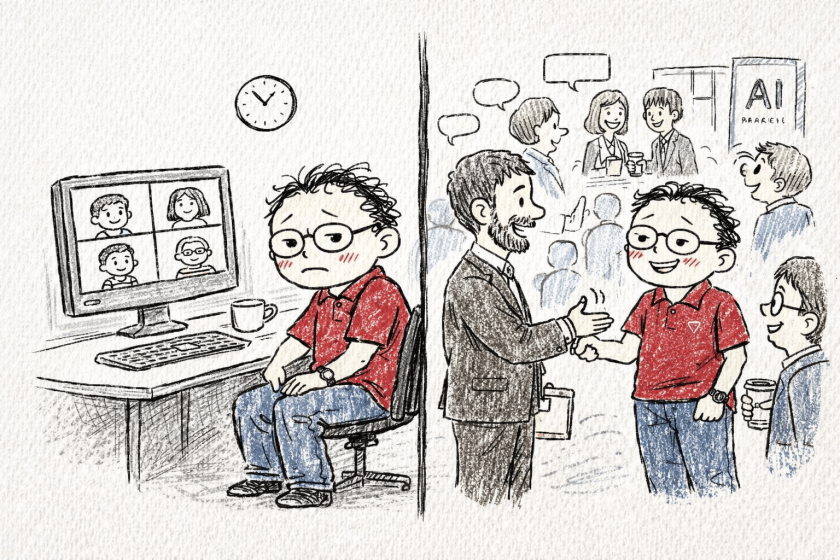
Eventually, that question grew too loud to ignore. I left the comfort of corporate structures and returned to the raw, unknown world of startup life.

First came a role in shaping a national IoT initiative. Then came the big leap: building a company from scratch.

That company was REDtone IoT. Running it taught me one of the toughest lessons — great tech means nothing if people can’t use it easily. Every client wanted IoT, but most didn’t know where to start. They struggled with device integration, cloud setups, dashboards, maintenance, and the countless hidden complexities that IoT quietly hides behind its shiny promise.

That frustration became the seed for something bigger.

The Birth of FAVORIOT

By 2017, the vision crystallised: create a platform that removes the chaos and gives everyone — students, SMEs, city councils, engineers — a simple way to bring IoT ideas to life.

FAVORIOT wasn’t built to be fancy. It was built to be practical.

I wanted a platform where a lecturer could run a complete IoT project without having to manage 10 different systems. Where a hardware company didn’t need to customise dashboards endlessly. Where a city council could monitor sensors without drowning in integration nightmares.

FAVORIOT was designed for inclusion. For accessibility. For the everyday builder, not just the big spender.

And every year since, that vision has deepened.

Wearing Many Hats

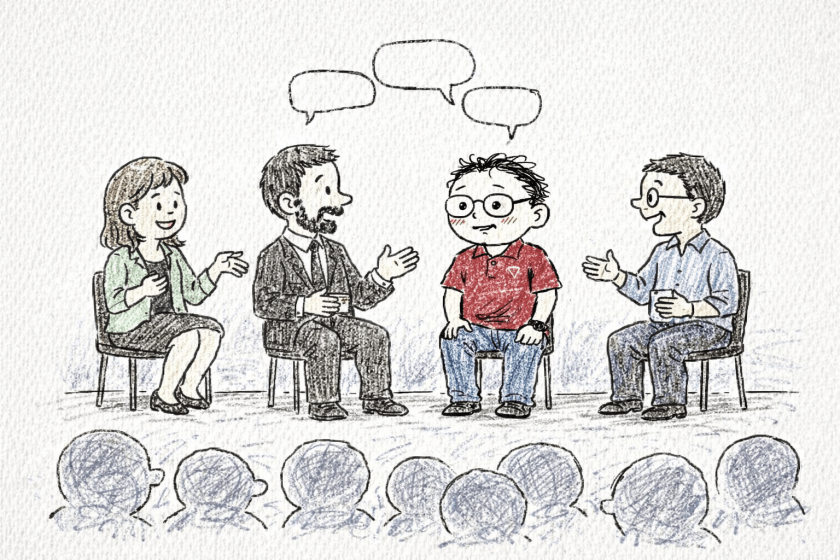
Even as FAVORIOT was growing, I continued teaching and speaking. These weren’t side gigs. They kept me grounded. They reminded me why I started.

Standing in front of students made me rethink complexity. Speaking to industry leaders challenged my ideas. Engaging with smart city stakeholders, founders, and device makers kept me aware of the real obstacles people face.

Sometimes I’d walk out of a lecture hall thinking, “This feedback is better than any consultancy report.”

Sometimes a conversation with a frustrated engineer made me go back and tweak the platform design.

Those experiences shaped FAVORIOT as much as any technology roadmap ever did.

Recognition and Reality Checks

Over time, things began to click. FAVORIOT earned recognition. My own work in IoT and smart cities gained global visibility. Industry groups listed me among the top influencers. Conferences kept inviting me to speak.

But none of that ever felt like a trophy finish. If anything, it reminded me that the journey had only just reached a new checkpoint.

“Alright, Mazlan, now don’t get comfortable,” I’d quietly tell myself.

The pressure increased. Expectations rose. The work became heavier… but also more meaningful.

Why the Story Still Matters

When I piece the chapters together, it becomes clear that every phase — the student, the professor, the telco engineer, the researcher, the entrepreneur — served a purpose.

  • Academia taught discipline.
  • Telco taught scale.
  • Research taught imagination.
  • Entrepreneurship taught resilience.
  • Teaching and speaking taught clarity.

FAVORIOT stands today as more than a platform. It’s a symbol of what happens when technology is shaped around people — their pains, their limitations, their hopes.

I’ve always believed IoT should be accessible. Not something locked behind expensive teams or giant corporations. Not something only “experts” can touch.

If we can empower everyday builders, we’re doing something right.

A Note to My Younger Self

If I could sit with the younger version of me — the one carrying textbooks thicker than his arm — I’d probably smile and say:

“Every jump you make will make sense one day. Every detour, every frustration, every late night… you’re collecting tools. Don’t rush the process.”

And maybe I’d add:

“When you build for people, not systems, that’s when the real magic happens.”

If you’ve read this far, I’m curious — which part of this journey speaks to you the most? Drop your thoughts. Let’s connect through stories.

Hi. I’m the Guy Behind FAVORIOT

And this isn’t another tech pitch.
It’s a confession… and a promise.

FAVORIOT didn’t appear out of thin air.
It was born from years of watching brilliant Malaysians fight battles they shouldn’t have to fight.

I’ve been in telco rooms where engineers looked exhausted after stitching ten different systems together.
I’ve sat with lecturers who said their students had the passion but no real platform to grow on.
I’ve listened to system integrators torn between pleasing clients and staying sane.
I’ve seen founders pour their hearts into pilots that never scaled because every new project felt like starting from scratch.

I saw all of it up close.
I asked questions.
I listened carefully.
I heard the frustration that people rarely say out loud.

One lecturer confided, “My students can build anything… but we have no common place to make it real.”

A hardware partner admitted, “We’re drowning in dashboard customisations. It’s slowing us down.”

A founder whispered what many felt, “Every pilot feels like a science experiment that no one wants to repeat.”

The pattern was unmistakable.
The problem wasn’t talent.
It wasn’t ideas.
It wasn’t ambition.

It was the weight of chaos…
devices speaking ten different languages, dashboards built for every new customer, integrations that kept breaking, and projects that died because the foundations were never steady.

Everyone was building islands.
No bridges.
No unity.
No momentum.

And it hurt to see so many capable Malaysians struggling not because of skill… but because the ecosystem never gave them a proper foundation.

So I decided to build one.

Not a platform for show.
Not a platform for slides.
But a platform shaped by every frustration I witnessed.

A platform that starts you at 60 percent instead of zero.
A platform that speaks to every device, every protocol, every idea.
A platform that lets students learn without drowning.
A platform that lets partners grow without rebuilding the same thing endlessly.
A platform that lets enterprises keep their data close and their confidence intact.

FAVORIOT wasn’t built to impress you.
It was built to lighten your load.

Because I’ve seen the late nights.
The soldering iron on the table at 2am.
The dashboards rebuilt for the fifteenth time.
The excitement in students fading because nothing works the way it should.
The startups who gave up not because their idea was bad, but because everything around their idea was too messy.

I built FAVORIOT so that your talent doesn’t get buried under problems that shouldn’t exist.

I’m not saying it will fix bureaucracy.
I’m not saying it will make everyone tech-ready overnight.
And I’m not saying it will solve every problem under the Malaysian sun.

But I am saying this:

The struggles that slow you down the most are solvable.

The confusion.
The repeated work.
The endless customisation.
The feeling of always starting over.
The platforms that fight you instead of helping you.

Those problems shouldn’t be your burden anymore.

You were meant to build solutions.
To teach.
To innovate.
To create impact.
To push Malaysia forward.

Your tools should support that… not get in the way.

So try it.
Connect a single sensor.
Send one stream of data.
Build one dashboard.

And see if something inside you says…
“This is how it should have been all along.”

My belief?
You’ll finally feel the freedom to build without fighting the foundations.

FAVORIOT exists because Malaysia deserves that freedom.
Innovators deserve that clarity.
And you deserve a platform that works with you.

No hype.
No fireworks.
Just the foundation you’ve been asking for… quietly waiting for you to take the next step.

— The guy who built Favoriot because too many Malaysians were struggling in silence.

Why “Pick My Brain” Isn’t Free Anymore — And That’s OK

You’ve probably heard it before — or maybe you’ve said it yourself.

“Can I pick your brain?”

It sounds innocent. Harmless. Even flattering, right?

But if you’ve ever been on the receiving end of that phrase more times than you can count — especially after years of hard-earned experience, long nights, and lessons learned the hard way — you start to notice a pattern.

Let me guess…

They want your expertise.
They want your contacts.
They want your strategy.
They want your playbook.

But they don’t want to pay for it.

Wait, when did my brain become a free buffet?

There was a time when I said yes to every coffee meeting, every DMs asking for “advice,” every student request to “chat for 15 minutes.” I thought, why not? It’s good karma. I’m helping someone.

But over time, something shifted.

I began to feel drained. Not just mentally — emotionally too.

People would show up with notebooks, ask 100 questions, take furious notes… and disappear. No follow-up. No thank you. Just silence — until the next person showed up asking the same thing.

It wasn’t a conversation. It was extraction.

Here’s the brutal truth: Free advice isn’t free.

Behind every answer I give, there are:

  • 10+ years of doing the work
  • Thousands of dollars in mistakes
  • Countless hours learning what NOT to do
  • Relationships I spent decades building

That doesn’t mean I’m unwilling to help. Not at all.

It just means I now value my time — and I hope you do too.

So when someone says “Can I pick your brain?” — here’s what I really hear:

“Can I get the shortcuts, distilled wisdom, and customized advice that you earned through blood, sweat, and tears… for the price of a latte?”

And that’s just not sustainable.

But what if you genuinely want help?

Great! There’s a better way to ask.

Try this instead:

  • “Do you offer consulting? I’d love to book a session.”
  • “Is there a paid way I can access your insights?”
  • “Can I attend your workshop or buy your guide?”

That tells me you respect the value of what I bring to the table — and you’re serious about acting on it.

Because let’s be honest: People who pay, pay attention. When you invest in something, you show up differently. You listen harder. You apply faster. You get results.

Free advice, more often than not, just collects dust in someone’s Google Drive.

It’s not personal — it’s professional.

This boundary isn’t about being arrogant. It’s about being aligned.

My time is now reserved for:

  • People who are ready to commit
  • Clients who want transformation, not just information
  • Collaborations that are mutually respectful and energizing

The rest? Well… they’ll be okay. Google exists. YouTube is full of free content. Libraries are still around.

But if you want my brain — the years, the insights, the customized roadmap?

That’s called consulting. And yes, it comes with a price tag.

I still want to give back — just differently.

I still write free blog posts. I still create podcast episodes. I still share value-packed content online. That’s me giving back at scale — to everyone.

But my one-on-one time?

That’s sacred now.

Because here’s what I’ve learned the hard way:

“If you don’t put a price on your time, someone else will — and it’ll be far lower than it’s worth.”

So, if you’re someone who’s ever wanted to ask “Can I pick your brain?” — pause for a second. Ask yourself:

  • Do I value this person’s time?
  • Am I ready to act on what I learn?
  • Am I willing to invest in the outcome I want?

If the answer is yes — fantastic.

Let’s talk. But let’s do it the right way.

Because your brain isn’t a buffet either.

And it’s time we all started acting like it.

The Most Expensive, Yet Most Valuable Decision: When I Left Comfort to Create Meaning

“Are you sure you want to let go of all this?”

That question wasn’t just about salary, status, or position. It was actually a much deeper dilemma: Do I keep living in a system… or start building my own?

And my decision at the time—although it seemed like just a career move—was in fact a personal geopolitical shift. I didn’t leave because I was disappointed. I left because I saw a map no one else had drawn yet.

When the Comfort Zone Becomes a Cage

Many believe that the comfort zone is a reward after years of struggle. But few realize—stay too long, and it becomes a silent prison.

I was in a well-established organization, with a stable salary and a high-ranking position. But quietly, I became an actor in a script I didn’t write. The world was moving forward—IoT, AI, data economy—but we kept repeating old templates.

I saw young Malaysians becoming increasingly tech-savvy, yet there was no local platform to be their launchpad. We were still consumers, not creators. Still dependent on foreign digital infrastructure, without control or data sovereignty.

“If not us, then who?”

And that’s when the decision was born—not from courage, but from a sense of historical responsibility.

Leaving Power to Create Direction

I left my position. With no guarantees.

No office. No big team. No funding. Just an idea, conviction, and one burning resolve:

To build Favoriot as Malaysia’s true digital infrastructure.

Not just a platform. But a symbol. That we can be self-reliant. That innovation isn’t exclusive to Silicon Valley. That locals too can build world-class solutions.

But I knew the world doesn’t offer space just because of noble intentions.

The credibility I once had didn’t carry into the startup world. Emails that once received quick replies now fell silent. I was no longer a “Senior Director”—just an unproven founder.

But that’s the real cost of walking away from the old system—you lose short-term influence to build long-term strength.

Becoming an Architect in an Unbuilt World

Starting from zero is a spiritual exercise.

I had to become the thinker, the marketer, the engineer, the writer, the salesman—and sometimes… the coffee maker for guests who might not even become clients.

But in that process, I saw something I never did in the corporate world.

I saw how one IoT dashboard could change how a city council manages their city and provide information to their citizens.

How students using Favoriot got hired before graduation.

How universities started incorporating IoT into their syllabus not because the Ministry told them to—but because they saw the future.

And I began to understand—sometimes, real impact doesn’t come from applause. But from quiet change in the system.

This Decision Was Never Just About Me

Looking back, I realized this decision was never just personal.

It was about building an alternative.

In a world increasingly dependent on technology, those who control data, control the future.

If Malaysia continues to rely solely on foreign platforms, we will always be spectators in a drama written by others.

Favoriot is not the ultimate answer.

But it’s an attempt to carve a new lane.

So that Malaysia doesn’t remain on the sidelines.

So we have a choice. So we are not forever users—but creators.

What I Learned

We can’t wait for national change to trickle from above. Sometimes, true change begins when someone chooses to exit the system… and starts building a new one.

And yes, it hurts. It’s lonely. It’s full of failure.

But in that silence, I found my voice again.

And in those failures, I found strength I never knew I had.

The Question We Must Ask

Malaysia today is also standing at a similar crossroads.

Do we keep waiting for outside directives?

Or do we start writing our own script?

As I’ve learned from my own decision—what seems small, can ignite something far bigger.

The real question is:

Do we dare to leave our national comfort zone… to become a nation of builders?

Or will we remain a stepping stone in someone else’s grand agenda?


Because history won’t wait. And the future… belongs only to those bold enough to write it.


A New Chapter Begins: My Heartfelt Mission for Malaysia’s IoT Future

Alhamdulillah.
There are moments in life that make you pause. Not because you’re unsure—but because you feel the weight of something bigger than yourself. Being appointed as the Deputy Chairman of the Malaysia IoT Association is one of those moments for me.

I didn’t chase this title. It found me after years of walking the path—failing, building, sharing, writing, and dreaming about how technology could transform our nation. And now, I’ve been entrusted with a greater purpose: to carry the hopes of a growing community of changemakers and to help shape a future that belongs to every Malaysian.

This isn’t just a new role. It’s a calling.

This Land is Full of Potential

Malaysia is not short of talent. We are not short of ideas. But for far too long, we’ve been stuck in wait mode—waiting for foreign platforms, waiting for permission, waiting for funding. We must break that cycle. We must choose action.

Because Malaysia doesn’t need to follow trends anymore.
We have what it takes to create them.

The Role of IoT in Our Nation’s Story

Let’s get one thing straight—IoT is no longer about devices.

It’s about connecting hearts and systems.
It’s about bridging rural and urban, old and new, human and machine.
It’s about giving our nation eyes that can see in real time and ears that can listen before disaster strikes.

From the farms of FELDA to the traffic lights of KL…
From lecture halls to factory floors…
IoT is not just a tool. It’s a lifeline.

And what many don’t realise is—AI needs data.
But not just any data. It needs real-world, real-time, reliable data.
And IoT is the only way we can feed that intelligence.

A Personal Mission, A National Cause

So what do I see ahead?

I see a Malaysia that no longer depends on imported systems we don’t control.
I see homegrown platforms like FAVORIOT becoming the national backbone.
I see students graduating not with theoretical knowledge—but with hands-on IoT skills, certified and industry-ready.
Every Majlis Perbandaran has its own IoT dashboard, managing waste, lighting, traffic, and water in real-time.
I see SMEs embracing smart automation—not fearing it.

But more than anything…

I see people—living safer, healthier, and more connected lives.

The Time is Now

Some say we’re not ready yet.
But if we keep waiting for perfect conditions, we’ll never move.
Neither was Korea ready in the 1980s. Or China in the 1990s. But they moved.
And now the world watches them.

It’s our turn.
Let’s start messy. Let’s start small.
But most importantly—let’s start now.

To the Silent Fighters

To every young innovator quietly coding in a dorm room.
To every lecturer who buys sensors out of pocket to teach their students.
To every entrepreneur who builds despite rejection after rejection.

I see you.
And in this new role, I carry your hopes with me.

Let us walk this path together—not because it’s easy. But because it matters.

A Final Word from the Heart

This journey is no longer mine alone. It belongs to all of us who believe in a better digital Malaysia.

To those who built the foundation before me—thank you.
To my peers in MyIoTA and the wider tech community—I’m ready to stand with you.
And to the next generation—we’re building this for you.

Let’s make IoT not just a technology—but a legacy.
Let’s make Malaysia not just relevant—but revolutionary.

The future doesn’t wait.
And neither should we.

Bismillah. We begin.

The Birth of “IoT Man”: Why the Name Means More Than Just a Title

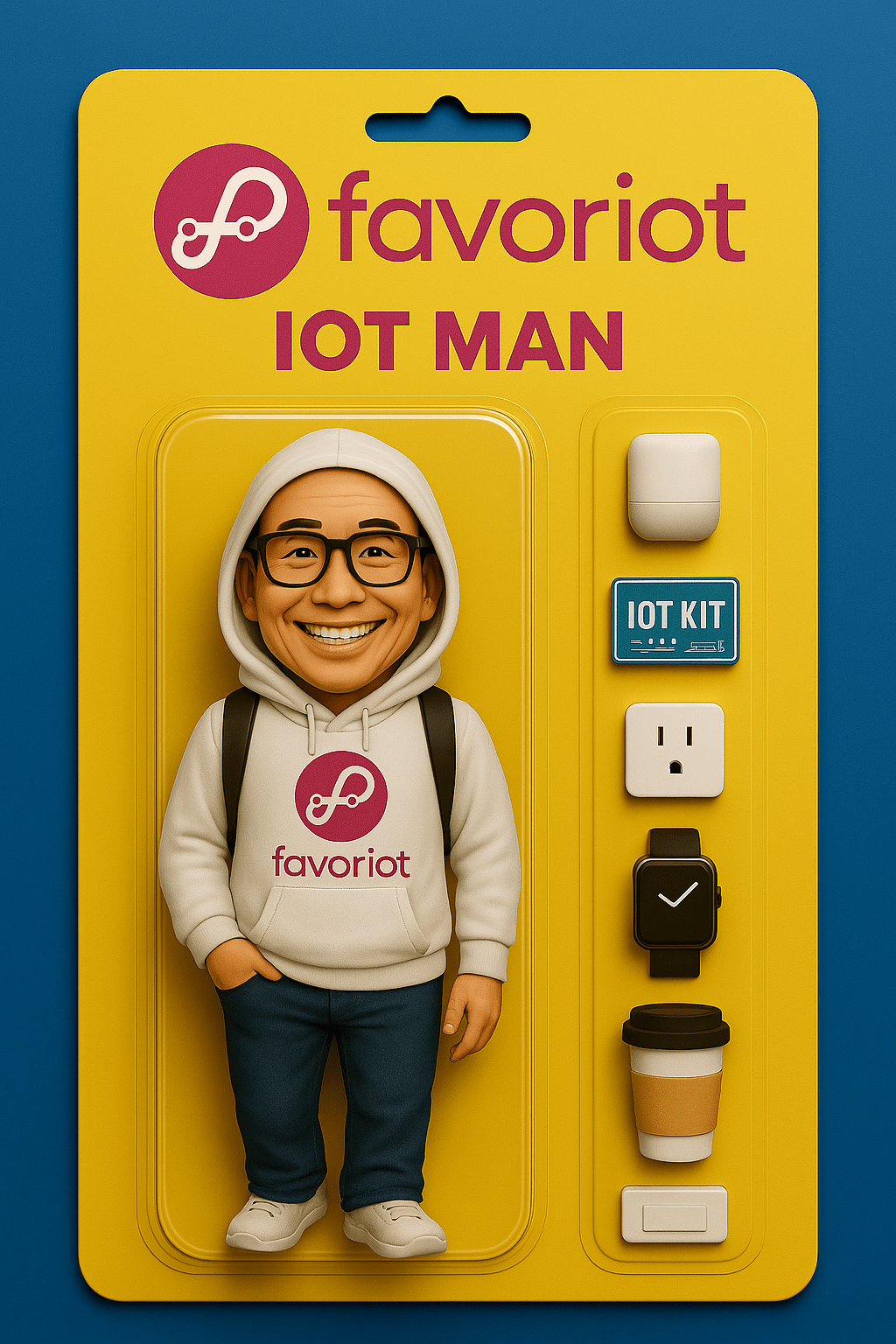
“You can call me IoT Man.”

That was the casual yet defining moment when I embraced the name—not just as a label but as a symbol of everything I’ve poured into it.

But before that nickname ever stuck, before anyone even recognized my face or my voice in the realm of smart cities and connected devices, I was just a curious kampung boy who loved science fiction, obsessed with The Jetsons, and dreamt of a future where machines talked to each other.

I didn’t know it then, but that fantasy would eventually become my destiny.

The Spark That Ignited It All

In the 70s, I grew up with dusty comics, DC superheroes, and futuristic cartoons that seemed out of reach. I was always asking questions: “How does that work?”, “What if buildings could talk?”, “Why can’t my bicycle tell me when its tire is flat?” You know… typical “crazy kid” questions no one took seriously.

But I took them seriously.

Years later, that same boy became an engineer, researcher, and executive, hopping across universities, government agencies, and corporate towers. I had the titles and the recognition—and yet, I felt something was missing.

I wasn’t building the future I dreamed about.

Until I stumbled upon three letters that changed everything: IoT.

To me, the Internet of Things wasn’t just a buzzword. It was the missing puzzle piece. It was like someone finally handed me the blueprint of the world I used to imagine as a child.

I dove headfirst into it. It became an obsession. No, scratch that — it became a mission.

Why the Name “IoT Man” Chose Me

People often ask me, “Did you give yourself that name?” No, I didn’t. It started as a whisper on social media.

I was posting daily. Articles, LinkedIn updates, tweets, TikToks — all about IoT. I shared failures, ideas, insights, and case studies. Some people rolled their eyes. “Dia ni tak habis-habis cerita pasal IoT.”

Others started to notice.

One day, someone tagged me in a post and wrote, “Here comes the IoT Man again.” At first, I chuckled. “Macam superhero pulak.”

But then it stuck. People started calling me that — students, entrepreneurs, CEOs, even strangers at conferences. I would introduce myself, and they’d say, “Oh! You’re the IoT Man!”

And honestly?

It warmed my heart every single time.

Because it meant they saw me, they saw what I stood for, and they recognized the fire I carried.

Why It’s More Than Just a Nickname

You see, “IoT Man” isn’t just a personal brand.

It’s a reminder that in a world flooded with noise, consistency still matters. If you keep showing up, keeping writing, and keeping sharing, people will notice.

It’s a tribute to every sleepless night I spent building FAVORIOT from scratch with a small team and big dreams, to every time I was told, “Malaysia’s not ready for IoT,” or “Smart Cities won’t work here.”

It’s a badge earned through trials, through countless rejections, postponed projects, budget cuts, technical failures, and platform bugs, and through restarting when others gave up.

“But what if this doesn’t work?” I often asked myself during those quiet, lonely moments.

“Then I’ll try again tomorrow,” I’d reply.

The name “IoT Man” represents that spirit.

The Responsibility That Comes With It

Being known as the “IoT Man” also means people expect answers, solutions, and inspiration.

And that’s not something I take lightly.

That’s why I started sharing knowledge for free through podcasts like Jom Pakai IoT, articles, TikTok videos, and books. I also train others, mentor startups, and advise universities.

Because I’m not just building a company. I’m building a movement.

A movement to make IoT accessible. To make Malaysia a global hub of smart innovations. To show the kampung boy in every corner of the country that yes, you can shape the future too.

Legacy Over Popularity

I don’t want to be remembered just as a CEO or engineer.

I want to be remembered as the guy who sparked a generation.

The one who didn’t just talk about the future — but built it.

The one who lifted others along the way, who simplified the complex, who wore the “IoT Man” cape not for show but to carry the hopes of students, makers, entrepreneurs, and dreamers.

Because at the end of the day, all I ever wanted was to make a difference.

Final Reflection: A Name, A Mission

Sometimes, I look in the mirror and ask myself, “Are you still worthy of that name?”

Some days, I feel I’ve done enough, and most days, I feel like I’m just getting started.

So, if you see me online or bump into me at a café or tech event, don’t hesitate to say hi. Just say, “Hey, IoT Man!”

I’ll smile. And I’ll know that the journey — every twist, every fall, every leap — has been worth it.

Because that name is no longer just about me.

It belongs to the mission.

And the mission still burns bright.

Mazlan Abbas, your friendly neighborhood IoT Man. Let’s transform the world together!

What Makes a Person Truly Unique?

As someone who has spent decades navigating the academic world, corporate boardrooms, government agencies, and startup trenches, I’ve come to realise that what makes a person truly unique is not just one defining trait but a combination of mindset, experience, and passion.

It’s the signature blend of your past, values, and vision for the future.

Let me break it down through my own lens—through personal stories, reflections, and the questions I’ve asked myself.

1. The Journey You Choose (or Endure)

“Why did I move from academia to government, then to corporate, and finally to building my startup?”

Many thought I was indecisive. But I saw it differently. Each step gave me a new superpower.

  • In academia, I learned how to think deeply and teach simply.
  • In government, I saw how policy can impact innovation nationally.
  • In corporate, I experienced the pace of execution and the demand for ROI.
  • In startup life, I learned humility, agility, and how to survive with little but dream big.

Not everyone chooses this “multiverse” path, but embracing it made me unique. I carried lessons from each world into the next.

2. How You React to Failure

“Mazlan, you left a comfortable job to start something uncertain?”

Yes—and I failed more times than I can count. But here’s the thing: I never let failure define me. Instead, I documented, reflected, and shared.

Every rejection, every “no,” became fuel for the next attempt.

What’s unique is not that you fail but how you rise from it—with clarity, grace, and a story others can learn from.

3. Your Obsession

“You’re still talking about IoT after all these years?”

Absolutely. I eat, sleep, and breathe IoT—not because it’s trendy but because I believe it can change lives. Even now, I run FAVORIOT to democratise IoT and make it accessible for students, startups, and governments.

Obsession—when combined with purpose—is what sets someone apart. It’s the thing you can’t shut off. You read about it, dream about it, and keep pushing the boundaries.

That’s the heartbeat of uniqueness.

4. The Way You Communicate

I once blogged about gadgets. Then, I pivoted to writing about technology, leadership, and storytelling. Today, I use WordPress, LinkedIn, podcasts, and even TikTok to reach different audiences.

Why?

I realised that what makes my voice unique isn’t just my technical knowledge but how I simplify it, narrate it, and humanise it.

People don’t remember jargon. They remember stories, analogies, and emotions. If you can make someone say, “Now I get it,” you’ve done something special.

5. The Values You Don’t Compromise

I’ve had opportunities that promised more famemoney, or power throughout my career. But I always asked myself:

“Is this aligned with what I believe?”

I don’t play politics. I don’t sell out. I don’t cut corners. I treat my team like family, and I lead with empathy.

In a world of copy-paste personalities, your principles become your fingerprint.

6. What You Do When No One’s Watching

In my quiet moments, I read articles from new writers, reply to comments, and refine my writing. I write even when no one reads because consistency builds credibility.

“But no one reads your articles.”

I kept writing anyway. Until one day—people did.

Your uniqueness is often born in the shadows, when no one claps, shares, or notices.

And still—you show up.

7. How You Inspire Others

I don’t just want to build a business. I want to develop people.

That’s why I mentor students, share my lessons, and give talks—even to small audiences. That’s why I created FAVORIOT Academy—to train the next generation of IoT professionals.

You become unique by climbing the ladder and extending your hand to those below you.

8. Your Curiosity and Lifelong Learning

Even today, I explore new platforms, write new articles, and learn from people much younger than me.

“Why are you still experimenting?”

Curiosity is a fire that never retires. The moment you stop learning, you become static. I choose to evolve—even at 64.

Uniqueness comes from the courage to keep updating yourself and stay relevant not by age but by adaptability.

9. Your Ability to Connect Across Generations

I often speak to university students, young engineers, and even teenagers on TikTok. Some are surprised—“Dr. Mazlan, you’re on TikTok?”

Yes, and I love it.

If you can speak every generation’s language, whether through blog posts or memes, you become a bridge. That connection—not just knowledge—is what makes someone unforgettable.

10. How You Turn Passion Into Impact

I don’t work on IoT just to build cool gadgets. I do it to solve real problems, from smart agriculture to healthcare, education, and even energy management.

Passion becomes power when you channel it into something greater than yourself.

When your work serves others, your uniqueness becomes your legacy.

A Personal Formula

If you ask me to define what makes a person unique, I’d say:

Uniqueness = (Journey + Failure + Obsession + Voice + Values + Discipline + Impact + Curiosity + Communication + Empathy) x Authenticity

You don’t need to be the smartest or the loudest in the room.
You just need to be the most you.

So, find your intersection.
Share your scars.
Own your quirks.
Speak your truth.

The world doesn’t need another replica.
It needs your story—told your way.

“Mazlan, what makes you unique?”

I’d say it’s because I’m still learning, experimenting, and daring to dream… even after all these years.

What Would I Want Named After Me? I Never Asked for a Title, But They Gave Me One Anyway

“Do you want something named after you, Dr. Mazlan?”

That question caught me off guard.

Not because it was unexpected — people love giving names to legacies, buildings, awards, even algorithms. But because deep inside, I never asked for any of it.

You see, I’m just a man who fell in love with technology. Not for fame. Not for glory. But because I truly believed it could make lives better.

Yet, along the way… names started sticking.

From “Dial-a-Coke” to Global Conferences

Let me rewind to the early 2000s.

I worked in the telecommunications industry back then—CELCOM Axiata, to be specific. This was long before the word “IoT” entered mainstream vocabulary. Yet even then, we were already experimenting with early machine-to-machine (M2M) communication forms.

One of our most exciting innovations at the time was a Coke vending machine that could be triggered by SMS.

“Wait… you mean you can buy a drink just by texting a number?”

Yes, precisely that. The concept was called “Dial-a-Coke.” You send a text, and it deducts the amount from your mobile credit. Voila, a cold can drop out of the machine.

Was it revolutionary? For that time — absolutely.

But to me, it wasn’t about being revolutionary. It was about solving problems in simple ways using connectivity. That mindset never left me.

IoT: A Journey of Passion, Not Titles

Fast-forward to 2013. That’s when I began immersing myself even more seriously into IoT—this time not just as a technologist but also as a speaker, writer, researcher, and eventually, entrepreneur.

Everywhere I went, I would talk about IoT.

At conferences. In classrooms. On stage. Off stage. At coffee shops. In boardrooms.

The energy never ran out. In fact, it grew stronger every time I saw someone’s eyes light up with an “Aha!” when they understood what IoT could do for their lives or business.

Radio interviews followed, then television. Podcasts. Newspapers. Magazines. Even my children rolled their eyes when I’d go into another “IoT monologue” during dinner.

Then came the birth of FAVORIOT — a company built to democratise IoT for developers, enterprises, and even students.

It wasn’t just business. It was my passion translated into a platform.

And Then, They Started Calling Me…

One day after a seminar, someone walked up to me and said,

“Dr. Mazlan, you’re like the Father of IoT in Malaysia.”

I laughed. A little awkwardly, I must admit.

Because if anyone deserves that title globally, it’s Kevin Ashton — the man who coined the term the “Internet of Things. I’ve always credited him for that.

But the person insisted,

“You’ve been advocating this in Malaysia longer than anyone I know. You make people understand IoT in a simple, practical way. That’s a gift.”

And slowly… it started spreading.

Father of IoT Malaysia.

Was it official? No.
Was it universally agreed? Probably not.
Was it something I asked for? Never.

But I accepted it—not for the ego—but for what it represents: a shared belief that maybe, just maybe, I had helped lay some of the digital foundations in this country’s IoT journey.

TikTok, Branding, and a Name That Stuck

In 2022, I did something unexpected — I joined TikTok.

Yup, at the age when most people would be watching TikTok videos, I started making them.

My handle? @iotman2030.

Why 2030? People often ask.

Simple. Because I wanted the technology I championed to be relevant by then.

“What if you just used @iotman2022 or 2023?”

Well, that would age too quickly, wouldn’t it? Who wants to be known by a handle that feels like it expired with last year’s tech trends?

Since then, “IoT Man” has become another name people have started calling me. Some jokingly, some with admiration, but it stuck.

I never corrected anyone. Because, in a way, it perfectly captured who I was and what I stood for.

So, If I Could Name Something After Me…

Honestly? I wouldn’t.

I believe names should be earned by impact, not intent.

But if someone else names something after me—maybe a scholarship, an award, or a lab—I just hope it’s for the right reasons.

That it inspires young minds to build the next generation of connected solutions.
That it reminds people how persistence, curiosity, and belief can shape an entire career.
That it stands for passion without ego.

And maybe it helps a few dreamers realize that technology isn’t just about wires and sensors. It’s about people.

A Legacy Beyond the Name

I never started this journey wanting to be known as anything.

Not the Father of IoT.
Not IoT Man.
Not even Dr. Mazlan the Technologist.

But I did want to make a difference.

And if making a difference earns me a name, then so be it.

Let it not be a pedestal but a platform.
Let it not be a brand but a bridge.

Because names will fade, but impact — that lingers.

So, if you ever hear someone call me Father of IoT Malaysia or IoT Man, just know —
It’s not about me.
It’s about the mission.

And that mission? Still going strong.

Even in 2030.

Everyone Wants the Spotlight. Few Are Willing to Wait for It

What’s Something Most People Don’t Understand?

Most people don’t understand how long it takes to build something meaningful.

Even after all these years, people still think things happen overnight.
They see the highlight reels. They see the LinkedIn success stories. They see the awards, the recognition, the partnerships. And they say— “Wow, you’re lucky.”

But they don’t see what happens behind the scenes.

When I co-founded FAVORIOT, I wasn’t stepping into a shiny, ready-made startup with capital pouring in and clients lining up at the door. No, it was the opposite. I entered a tiny room with big dreams, minimal funding, and zero guarantees.

I had to reset my ego.
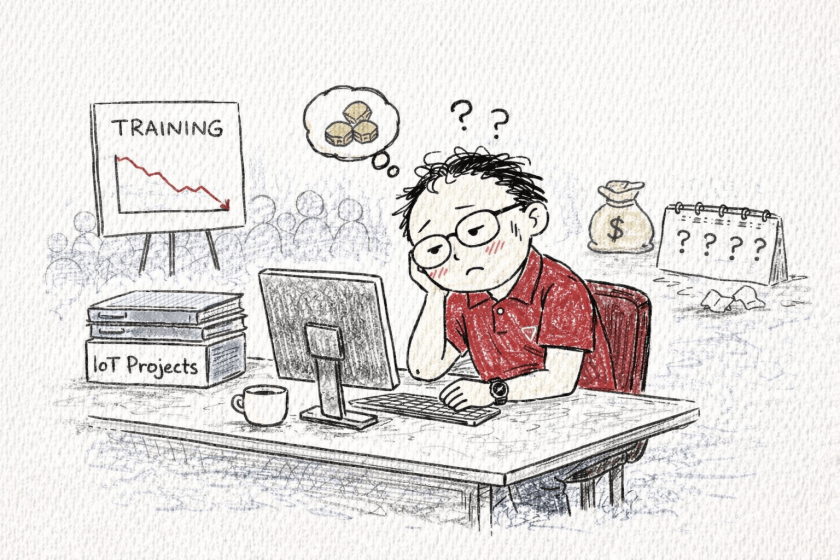
After holding senior positions at MIMOS and CELCOM, I was now doing everything—research, customer support, marketing, writing blog posts, uploading YouTube videos, conducting training, chasing potential clients, and even troubleshooting hardware late at night. I was a CEO, but I was also the janitor.

That’s what most people don’t understand.

They think success is linear.
They think you just launch a product and are suddenly on a TED stage.
They don’t see the years of trial and error, the failed pitches, the near-burnouts, and the countless self-doubts.

I still remember attending an international Smart Cities conference years ago. Delegates were surprised when I told them we were a small team from Malaysia, building our own IoT platform. Some of them didn’t even believe it. They asked, “But how did you build it? Don’t you need a huge team? Venture capital?” I smiled and said, “No. We built it because we believed we could.”

Belief is underrated. And persistence—even more so.

People underestimate how long you must persist when nothing seems to work.

I wrote blog after blog when no one was reading.
I spoke at conferences when no one knew my name.
I kept talking about IoT and Smart Cities when the market didn’t understand IoT.

Even on Medium, when I started writing actively in 2023, I wasn’t writing for an audience. I was writing because I had something to say, something to teach, something to reflect on.

Some articles flopped. Others resonated deeply. But most people only see the few that succeeded—they don’t see the hundred others that didn’t.

They don’t understand the patience it takes to outlast the silence.

Let’s talk about time.
People think one or two years is enough time to build a company, an audience, or a movement.

But FAVORIOT has been around since 2017.
We didn’t become known overnight.
We had to win trust, prove our value, build case studies, make mistakes, recover from them, and try again. Again. And again.

It’s like planting a seed. You don’t dig it up every week to check if it’s growing. You water it, give it sunlight, and trust that one day it will break through the soil. But that trust? That takes faith. That’s the part most people struggle with.

“Why isn’t it growing yet?”
“Why is no one noticing me?”
“Maybe I’m not good enough.”

Believe me—I’ve had those thoughts, too.
I’ve looked at competitors with massive followings and felt small.
I doubted whether I was too old to do this startup thing.
I’ve wondered if people even cared about what I was trying to build.

But each time, I returned to the same answer:
Because I care.

I care about helping people learn about IoT.
I care about giving Malaysians a home-grown IoT platform.
I care about empowering universities, cities, and entrepreneurs with technology that works.

I realized that most people don’t need motivation. They need understanding.
Understanding that the journey will be extended.
It’s okay to feel invisible at first.
That mastery takes years.
Most “overnight successes” are 10 years in the making.

So here’s what I want you to remember:

  • You don’t need everyone to understand your journey.
  • You just need to understand it yourself.
  • And you need to commit to showing up, even when no one’s clapping.

Because one day, someone will ask you, “How did you do it?”
And you’ll smile, knowing they won’t really understand until they walk the same path.

But maybe, just maybe, they’ll listen a little closer.
And perhaps that will inspire them to start their own long, messy, beautiful journey.

And that’s enough.

Now, back to work. The journey continues.

The Power of Saying “No” to Protect Your Goals

I used to struggle with saying “no.” Opportunities, invitations, and requests would pile up, and I was constantly stretched thin. Every time I turned down something, it felt like I was missing out on an experience, a potential collaboration, or a chance to prove myself.

But over time, I learned something crucial—saying “yes” to everything meant saying “no” to my own priorities. That realization changed everything.

The Illusion of Opportunity

It’s easy to believe that more opportunities equal more success. Early in my career, I had this mindset. I accepted every speaking engagement, every meeting, every project—thinking that the more I did, the faster I’d reach my goals.

But something felt off. My time was constantly divided, and I wasn’t making meaningful progress on what truly mattered. My passion for IoT, my vision for FAVORIOT, and even my writing—everything was diluted because I wasn’t focused.

Was I really advancing, or was I just keeping busy?

It was a tricky question, but I knew I had to answer it honestly. And the answer was clear: I was busy, but I wasn’t productive.

The Turning Point: Learning to Say “No”

One of my mentors once told me, “Every time you say yes to something, you are saying no to something else.” That hit me hard.

I looked at my commitments and realized how many were distractions in disguise. They seemed valuable, but were they truly aligned with my long-term goals? Most of them weren’t.

That’s when I started consciously trying to say “no.”

  • No to meetings without a clear purpose.
  • No to projects that didn’t align with my expertise or vision.
  • No to social events that drained my energy.
  • No to collaborations that felt forced.

At first, it felt uncomfortable. Would people think I was rude? Would I miss out on something valuable? But then something surprising happened—I felt relieved.

For the first time in a long while, I had the mental clarity to focus on what truly mattered.

The Freedom of a Focused “Yes”

Saying “no” isn’t about shutting doors—it’s about opening the right ones. When I started protecting my time, my work improved. I had more energy to dedicate to building FAVORIOT. I could write with a deeper focus. I had space to think creatively, to strategize, to innovate.

Instead of chasing every opportunity, I started choosing the right opportunities. And that made all the difference.

When I said “yes” to something, it was a focused yes that truly aligned with my goals.

  • Yes to speaking engagements that positioned me as a thought leader in IoT.
  • Yes to partnerships that had long-term potential.
  • Yes to writing consistently and sharing insights with my audience.
  • Yes to mentoring people who truly valued my guidance.

By filtering my commitments, I became more valuable, not less. People respected my time more. My work had a more significant impact. And most importantly, I felt fulfilled.

The Discipline of Saying “No”

Saying “no” is a skill that requires practice. It’s easy to slip back into the habit of overcommitting. But I remind myself of a simple rule:

If it doesn’t move me closer to my goals, it’s not a priority.

Now, before I agree to anything, I ask myself:

  • Does this align with my long-term vision?
  • Will this add significant value to my mission?
  • Am I doing this out of obligation or genuine interest?

If the answer is “no,” then my response is clear.

The Cost of Saying “Yes” Too Often

Many people fear saying “no” because they don’t want to disappoint others. But the real danger is saying “yes” too often and disappointing yourself.

Saying “yes” to unnecessary things leads to:

  • Burnout – Overcommitting drains your energy.
  • Lack of progress – You stay busy but don’t move forward.
  • Resentment – You start feeling frustrated because your time is no longer yours.

I’ve been there. I’ve learned that protecting my time isn’t selfish—it’s necessary.

The Impact on My Life

Since adopting this mindset, I’ve achieved things I never thought possible. FAVORIOT has grown, my writing has reached thousands, and I’ve had the chance to collaborate with impactful people.

Not because I did everything—but because I did the right things.

Saying “no” is one of the most powerful tools for success. It allows you to protect your goals, stay focused, and make meaningful progress.

So, how often do I say “no” to things that interfere with my goals?

As often as necessary.