Reflecting on a Grounded 2025: Lessons from Favoriot’s Journey

I am writing this ten days before 2025 comes to an end.

When I look back at the year, it does not feel loud. It does not feel dramatic. It feels focused. Demanding. Grounded. A year where most of my time, energy, and thinking revolved around one thing only: Favoriot.

If I am being honest, 2025 was not a year of balance. It was a year of commitment.

Most of my days were spent at the office. And when I was not physically there, my mind was still working on Favoriot. Nights. Weekends. Quiet moments that could have been rest often turned into planning or problem-solving. I did not spend much time on myself personally. There were no real holidays. The only breaks I had were during overseas business trips, and even then, work followed me closely.

I told myself more than once, This is not a sacrifice. This is a choice.

And I am at peace with that choice.

Fewer Invitations and a Shift in How We Connect
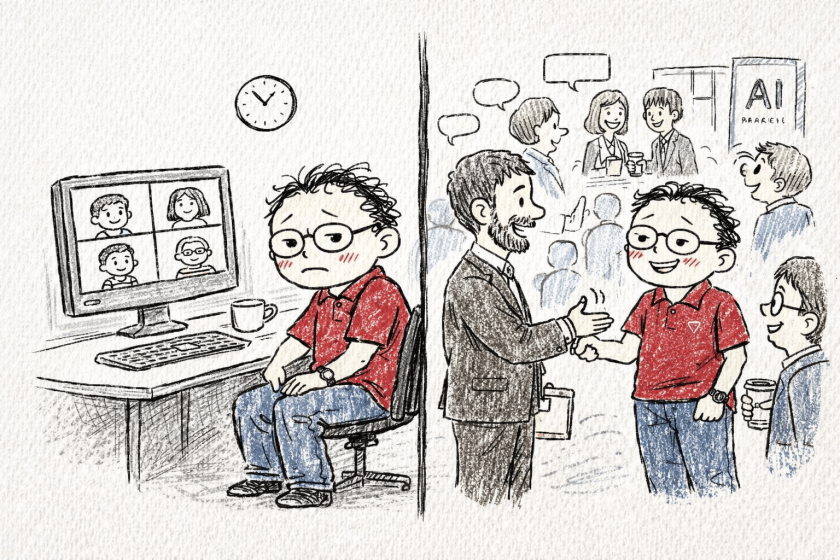
One noticeable change in 2025 was the drop in invitations from universities and public conferences. Many engagements that used to be physical moved online. Meetings became links. Conversations became scheduled time slots on screens.

I realised something about myself quite clearly this year.

I do not enjoy online meetings anymore.

They are convenient, but they remove the human layer. The casual chats before meetings start. The spontaneous conversations after sessions end. The subtle signals that build trust faster than formal presentations ever can.

I still prefer face-to-face meetings. They feel more honest. Better for networking. Better for understanding people beyond their titles.

Public conferences were fewer as well. Part of it could be the current spotlight on AI. IoT felt quieter this year, almost like it had stepped back from centre stage. I was not bothered by it. I was observant.

Trends move quickly. Real work moves steadily.

Why Panel Sessions Still Matter to Me

While formal speaking invitations slowed, one format still felt right to me: panel sessions.

No slides. No heavy preparation. Just conversations.

Sitting on stage, exchanging views, listening, responding, sometimes disagreeing politely. That feels closer to how decisions are made in real life.

I often think that insight shows up better in dialogue than in bullet points.

That belief stayed strong in 2025.

A Year Focused on Partnerships

Behind the scenes, 2025 was anything but quiet.

We spent a significant amount of time building partnerships. By the end of the year, we had signed MOUs with more than 40 partners across 15 countries. Our original target was 25 countries, so on paper, we fell short geographically.

But numbers do not tell the whole story.

I have learned that more partners do not automatically mean more revenue or more projects. Partnerships only matter when they are actively engaged, aligned, and nurtured.

Signing is easy. Building trust takes time.

Some partnerships moved faster. Some are still warming up. Some will likely take longer to show results. That is the nature of building across borders.

This year reminded me that ecosystems are built patiently, not collected quickly.

When People Find You on Their Own

One encouraging pattern this year was how people and companies started approaching us unexpectedly.

Each time, I asked the same question. “How did you find us?”

The answer was often simple. They searched online. They did their own research. They were surprised to discover an IoT platform company operating from this region.

That always made me pause.

Years of writing, sharing, and building quietly compound over time. Visibility does not always arrive with announcements. Sometimes it comes as an unexpected email or message.

That is when you realise the work has travelled further than you thought.

Fewer Projects, Fewer Trainings, a Cautious Market
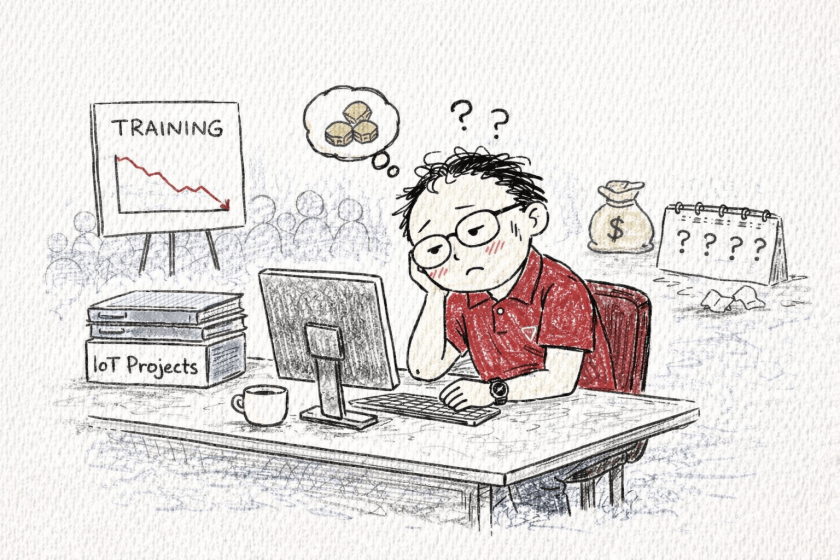
Not everything grew this year.

Real IoT projects were fewer compared to previous years. IoT training numbers dropped as well. In-house training, which used to scale better, became harder to secure. We relied more on public training sessions, which are always challenging when it comes to attendance.

The market felt cautious.

Budgets were tighter. Decisions took longer. Interest was still there, but commitment required more patience.

There were moments when I questioned the pace. Is this a temporary slowdown, or is the market resetting itself?

Perhaps it is both.

Shifting My Focus Between Industry Associations

This year, I was less active in the Malaysia Smart City Alliance Association.

At the same time, I became more involved with the Malaysia IoT Association, partly due to my role as Vice-Chairman.

More importantly, MyIoTA’s Smart City Nexus activities align closely with the reasons I joined the association. The Nexus focuses on bringing members’ solutions directly to local councils. It creates a practical space for business matching, not just discussion.

That matters to me, and I plan to be more active there moving into 2026.

Favoriot Sembang Santai Podcast: Keeping Conversations Human

Another meaningful chapter in 2025 was the start of the Favoriot Sembang Santai.

We started the podcast in February 2025, and by December, we had reached Episode 38.

The reason was simple. I wanted a space for honest conversations. No scripts. No slides. No pressure to sound formal. Just honest discussions about Favoriot’s journey and what we were seeing in the IoT space.

The primary host is Zura Huzali, and I serve as the primary guest and speaker. The chemistry works because it feels natural. Curious questions. Straight answers. Occasional debates. Plenty of laughter.

The topics evolved naturally from Favoriot’s story into broader themes such as AI, robotics, satellite IoT, and Ambient IoT. Not as buzzwords, but as technologies we were trying to make practical sense of.

Anyone who misses the live sessions can catch the recordings on YouTube, Spotify, and Amazon Music.

The podcast will continue throughout 2026. For me, it is a long conversation, not a series.

TikTok Live on IoT Man: Ask Me Anything

Alongside the podcast, we also started doing casual TikTok Live sessions on the IoT Man channel.

The central theme is simple. “Ask Me Anything.”

No agenda. No slides. Just live questions and real-time answers. What excites me about these sessions is that they capture a different segment of listeners. Shorter attention spans. Younger audiences. People who may not sit through a long podcast but are curious enough to drop in and ask.

It feels raw. Immediate. Human.

Sometimes the most honest questions come without preparation.

Working With AI to Prepare for 2026

As 2025 draws to a close, one personal highlight has been working with my AI companion.

Not to replace thinking, but to sharpen it.

I spent many late nights shaping 2026 playbooks. How we approach the market. How we engage customers. How we manage partners. New business models. New IoT solution ideas.

The picture ahead feels clearer now.

Looking Forward

2025 was not flashy. It did not come with loud milestones.

But it mattered.

It tested focus. It strengthened conviction. It prepared the ground.

I am genuinely excited about 2026. The plans are clearer. The energy feels different. I hope the long-standing plans around IoT certifications with universities will finally become a reality.

Here is to a better, steadier, and more rewarding year ahead.

I would love to hear how your 2025 has been. Share your reflections in the comments.

Why Some Startup “Failures” Are Actually Training

Failing Forward… Startup Mistakes I’d Make Again

Here’s a truth most founders won’t say out loud.

Some mistakes are not regrets.
They are training.

I’ve made decisions that looked wrong on paper.
Moves that confused people.
Choices that invited questions, doubts, raised eyebrows.

And yet…
I’d make many of them again.

Because those moments shaped how I think today.

I learned what spreadsheets never show.
I learned how people behave when pressure enters the room.
I learned how fast confidence disappears when certainty is gone.

There were launches that came too early.
Partnerships that felt right but weren’t.
Features built with hope instead of evidence.

Painful? Yes.
Pointless? No.

Those moments sharpened my judgement.
They taught me what signals matter.
They taught me what noise to ignore.

Growth rarely comes from getting everything right.
It comes from staying awake while things go wrong.

From asking better questions next time.
From spotting patterns sooner.
From knowing when to push… and when to pause.

Founders don’t grow by avoiding mistakes.
We grow by surviving them with our eyes open.

So if you’re replaying a decision in your head tonight…
Wondering if it set you back…

Take a breath.

Some steps only make sense later.
Some lessons only arrive through friction.
Some mistakes are simply tuition fees for better judgement.

Failing forward is not weakness.
It’s how builders are made.

And some mistakes?
They’re worth every step they gave you.

We’re Teaching IoT Wrong … And Industry Is Paying the Price

We don’t have an IoT talent shortage.

We have a relevance problem.

I’ve seen too many IoT syllabuses that look good on paper…
but fall apart the moment students touch the real world.

Slides are polished.
Exams are passed.
Graduates are confident.

Then industry asks a simple question.

“Can they deploy this?”

Silence.

Building an IoT curriculum is not about chasing buzzwords.
It’s about closing the gap between classrooms and construction sites.
Between theory and messy reality.

Students don’t need more definitions.
They need exposure.

To sensors that fail.
To networks that drop.
To dashboards that confuse users.
To data that refuses to behave.

Industry doesn’t need perfect graduates.
It needs graduates who can think, troubleshoot, adapt.

Who understand why edge matters.
Who know when cloud makes sense.
Who can justify costs, not just architectures.
Who see security as responsibility, not a chapter at the end.

TVET schools and universities hold a powerful lever.
They shape how the next generation thinks about building systems that people rely on.

If we teach IoT as a subject, we produce students.
If we teach IoT as a practice, we produce builders.

The future skills gap is not about technology.
It’s about judgement.

And that starts with how we design what we teach.

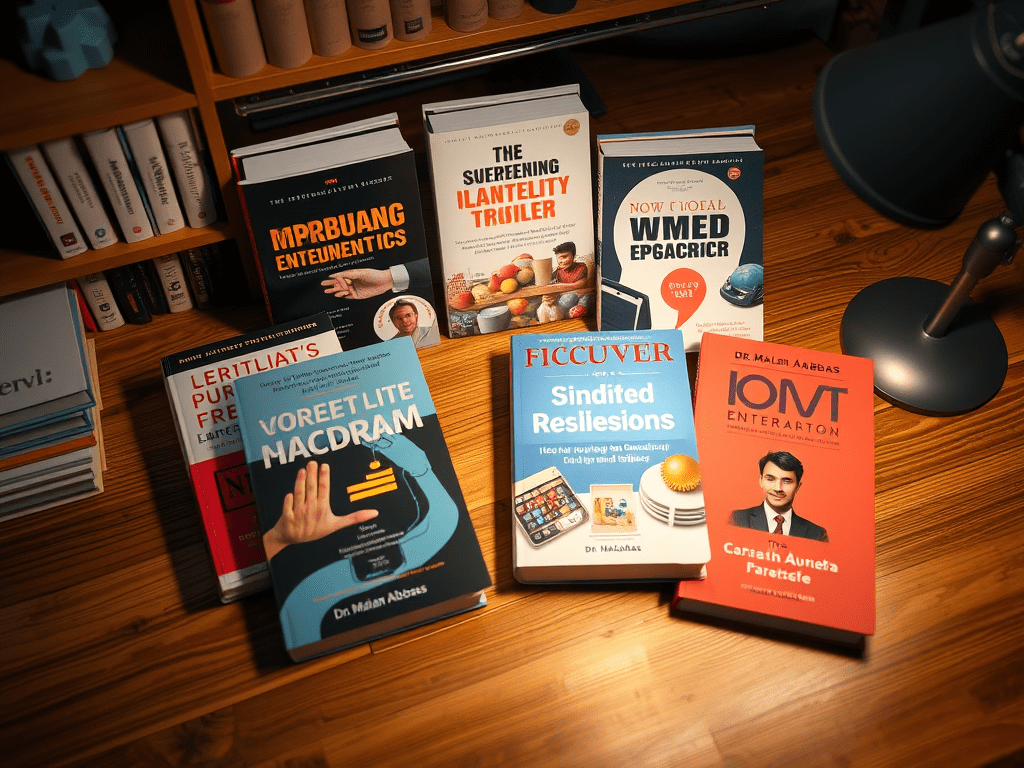
Books Written by Dr. Mazlan Abbas

My Journey Through Academia, Telco, and Startup Mayhem — And Why I’d Do It Again

From Signals to Sensing: The Early Spark

Every time I look back at where this whole adventure began, I’m reminded of how simple the starting point was. I was just a young engineer obsessed with how things connected. My academic path shaped the first chapter — electrical engineering, telematics, and finally a doctoral dive into telecommunications.

Those years were filled with long nights, dense textbooks, and moments where I quietly wondered, “Is this really the road I want to stay on?” But something about networks — the way invisible signals could connect lives — kept pulling me forward.

My early years in academia gave me a grounding that I still rely on today. Teaching forced me to explain ideas clearly, question assumptions, and stay curious. It was the first real test of whether I understood the world of connectivity or was just reciting formulas.

Into the Telco Trenches

Eventually, the classroom walls felt too small. I wanted to see how these theories behaved under real pressure. That shift took me deep into the telecommunications industry.

Those years were intense: real customers, real failures, real deadlines. It wasn’t just about making a system work; it was about keeping it alive when the world depended on it.

Later, I moved to a national research agency, where I led teams working on early broadband, wireless sensor networks, and technologies that today fall neatly under the label of IoT. Back then, it felt like tinkering with the future. Testing prototypes in rural villages, deploying sensors in unfamiliar places, experimenting with wireless technologies that many considered too early or too ambitious.

Yet I couldn’t shake the thought: “What if this tech leaves the labs and enters daily life?” That question lingered for years.

The Entrepreneurial Leap

Eventually, that question grew too loud to ignore. I left the comfort of corporate structures and returned to the raw, unknown world of startup life.

First came a role in shaping a national IoT initiative. Then came the big leap: building a company from scratch.

That company was REDtone IoT. Running it taught me one of the toughest lessons — great tech means nothing if people can’t use it easily. Every client wanted IoT, but most didn’t know where to start. They struggled with device integration, cloud setups, dashboards, maintenance, and the countless hidden complexities that IoT quietly hides behind its shiny promise.

That frustration became the seed for something bigger.

The Birth of FAVORIOT

By 2017, the vision crystallised: create a platform that removes the chaos and gives everyone — students, SMEs, city councils, engineers — a simple way to bring IoT ideas to life.

FAVORIOT wasn’t built to be fancy. It was built to be practical.

I wanted a platform where a lecturer could run a complete IoT project without having to manage 10 different systems. Where a hardware company didn’t need to customise dashboards endlessly. Where a city council could monitor sensors without drowning in integration nightmares.

FAVORIOT was designed for inclusion. For accessibility. For the everyday builder, not just the big spender.

And every year since, that vision has deepened.

Wearing Many Hats

Even as FAVORIOT was growing, I continued teaching and speaking. These weren’t side gigs. They kept me grounded. They reminded me why I started.

Standing in front of students made me rethink complexity. Speaking to industry leaders challenged my ideas. Engaging with smart city stakeholders, founders, and device makers kept me aware of the real obstacles people face.

Sometimes I’d walk out of a lecture hall thinking, “This feedback is better than any consultancy report.”

Sometimes a conversation with a frustrated engineer made me go back and tweak the platform design.

Those experiences shaped FAVORIOT as much as any technology roadmap ever did.

Recognition and Reality Checks

Over time, things began to click. FAVORIOT earned recognition. My own work in IoT and smart cities gained global visibility. Industry groups listed me among the top influencers. Conferences kept inviting me to speak.

But none of that ever felt like a trophy finish. If anything, it reminded me that the journey had only just reached a new checkpoint.

“Alright, Mazlan, now don’t get comfortable,” I’d quietly tell myself.

The pressure increased. Expectations rose. The work became heavier… but also more meaningful.

Why the Story Still Matters

When I piece the chapters together, it becomes clear that every phase — the student, the professor, the telco engineer, the researcher, the entrepreneur — served a purpose.

  • Academia taught discipline.
  • Telco taught scale.
  • Research taught imagination.
  • Entrepreneurship taught resilience.
  • Teaching and speaking taught clarity.

FAVORIOT stands today as more than a platform. It’s a symbol of what happens when technology is shaped around people — their pains, their limitations, their hopes.

I’ve always believed IoT should be accessible. Not something locked behind expensive teams or giant corporations. Not something only “experts” can touch.

If we can empower everyday builders, we’re doing something right.

A Note to My Younger Self

If I could sit with the younger version of me — the one carrying textbooks thicker than his arm — I’d probably smile and say:

“Every jump you make will make sense one day. Every detour, every frustration, every late night… you’re collecting tools. Don’t rush the process.”

And maybe I’d add:

“When you build for people, not systems, that’s when the real magic happens.”

If you’ve read this far, I’m curious — which part of this journey speaks to you the most? Drop your thoughts. Let’s connect through stories.

Hi. I’m the Guy Behind FAVORIOT

And this isn’t another tech pitch.
It’s a confession… and a promise.

FAVORIOT didn’t appear out of thin air.
It was born from years of watching brilliant Malaysians fight battles they shouldn’t have to fight.

I’ve been in telco rooms where engineers looked exhausted after stitching ten different systems together.
I’ve sat with lecturers who said their students had the passion but no real platform to grow on.
I’ve listened to system integrators torn between pleasing clients and staying sane.
I’ve seen founders pour their hearts into pilots that never scaled because every new project felt like starting from scratch.

I saw all of it up close.
I asked questions.
I listened carefully.
I heard the frustration that people rarely say out loud.

One lecturer confided, “My students can build anything… but we have no common place to make it real.”

A hardware partner admitted, “We’re drowning in dashboard customisations. It’s slowing us down.”

A founder whispered what many felt, “Every pilot feels like a science experiment that no one wants to repeat.”

The pattern was unmistakable.
The problem wasn’t talent.
It wasn’t ideas.
It wasn’t ambition.

It was the weight of chaos…
devices speaking ten different languages, dashboards built for every new customer, integrations that kept breaking, and projects that died because the foundations were never steady.

Everyone was building islands.
No bridges.
No unity.
No momentum.

And it hurt to see so many capable Malaysians struggling not because of skill… but because the ecosystem never gave them a proper foundation.

So I decided to build one.

Not a platform for show.
Not a platform for slides.
But a platform shaped by every frustration I witnessed.

A platform that starts you at 60 percent instead of zero.
A platform that speaks to every device, every protocol, every idea.
A platform that lets students learn without drowning.
A platform that lets partners grow without rebuilding the same thing endlessly.
A platform that lets enterprises keep their data close and their confidence intact.

FAVORIOT wasn’t built to impress you.
It was built to lighten your load.

Because I’ve seen the late nights.
The soldering iron on the table at 2am.
The dashboards rebuilt for the fifteenth time.
The excitement in students fading because nothing works the way it should.
The startups who gave up not because their idea was bad, but because everything around their idea was too messy.

I built FAVORIOT so that your talent doesn’t get buried under problems that shouldn’t exist.

I’m not saying it will fix bureaucracy.
I’m not saying it will make everyone tech-ready overnight.
And I’m not saying it will solve every problem under the Malaysian sun.

But I am saying this:

The struggles that slow you down the most are solvable.

The confusion.
The repeated work.
The endless customisation.
The feeling of always starting over.
The platforms that fight you instead of helping you.

Those problems shouldn’t be your burden anymore.

You were meant to build solutions.
To teach.
To innovate.
To create impact.
To push Malaysia forward.

Your tools should support that… not get in the way.

So try it.
Connect a single sensor.
Send one stream of data.
Build one dashboard.

And see if something inside you says…
“This is how it should have been all along.”

My belief?
You’ll finally feel the freedom to build without fighting the foundations.

FAVORIOT exists because Malaysia deserves that freedom.
Innovators deserve that clarity.
And you deserve a platform that works with you.

No hype.
No fireworks.
Just the foundation you’ve been asking for… quietly waiting for you to take the next step.

— The guy who built Favoriot because too many Malaysians were struggling in silence.

Creating an IoT Revolution: The FAVORIOT Journey

Everyone was waiting for the IoT wave.
We decided to build the ocean.

When the world was busy talking about potential, we rolled up our sleeves and created it.

FAVORIOT didn’t start with millions in funding or a big global name. We started with an idea… that Malaysia could build its own IoT platform and lead the way.

While others waited for perfect timing, we launched training.
While others chased hype, we built real projects.
While others looked overseas, we grew our own ecosystem.

From classrooms to enterprises…
From pilot projects to national platforms…
FAVORIOT became the leap — the moment a small fish jumped into its own ocean.

We didn’t wait for opportunity.
We created it.

Building a Digital Future: The FAVORIOT Journey

It didn’t start with money.
It started with frustration.

Everywhere I looked, people talked about digital transformation…
but the platforms driving it were foreign.

I asked myself — why can’t Malaysia build its own?

That question became the spark that lit FAVORIOT.

We had no funding.
No big team.
Just conviction.

There were nights when the servers failed…
days when investors turned away…
and moments when quitting felt easier.

But we held on.

Because deep down, I believed —
if we didn’t build it, who would?

Slowly, the rise began.

Universities started using FAVORIOT for their IoT projects.
Students built real solutions.
Enterprises came on board.
Then partners from across the world joined the mission.

From Malaysia to Singapore, India, Indonesia, the Philippines, and beyond…
the name FAVORIOT began to travel.

We weren’t selling software.
We were building belief.

That Malaysia can create.
That local talent can lead.
That we can be a Producer Nation… not a reseller one.

This is not just my story.
It’s the emotional arc of a dream that refused to die.

FAVORIOT — built with heart, powered by purpose.

The Story of FAVORIOT

We never set out to build another IoT platform.
We set out to solve a problem no one was fixing.

Our country had talent.
Brilliant engineers, students, and innovators.
But every time they tried to build something, they hit a wall.

Global platforms were too expensive.
Too complex.
Too far from our local reality.

They didn’t understand our challenges.
They didn’t speak our language.
They didn’t believe we could build our own.

So we decided to prove them wrong.

FAVORIOT was never about selling software.
It was about creating a space where Malaysians could build, learn, and lead.

We gave universities a platform to teach real IoT skills.
We gave enterprises the tools to scale safely with local data.
We gave governments the confidence that innovation and sovereignty can coexist.

Every dashboard, every line of code, every training session…
was built with one purpose — to make technology accessible.

Because we believe talent should never be limited by cost or geography.

FAVORIOT became more than a company.
It became a belief.

A belief that we can be producers, not just consumers.
That we can own our data, our ideas, and our destiny.
Malaysia can stand tall in the world of IoT.

We don’t sell a product.
We sell a promise.

A promise that when you build with FAVORIOT,
you are not just connecting devices…
You are connecting dreams, people, and nations.

That’s the real story of FAVORIOT.
A story about courage.
A story about belief.
A story about us.

Lessons Learned in Building FAVORIOT’s IoT Ecosystem

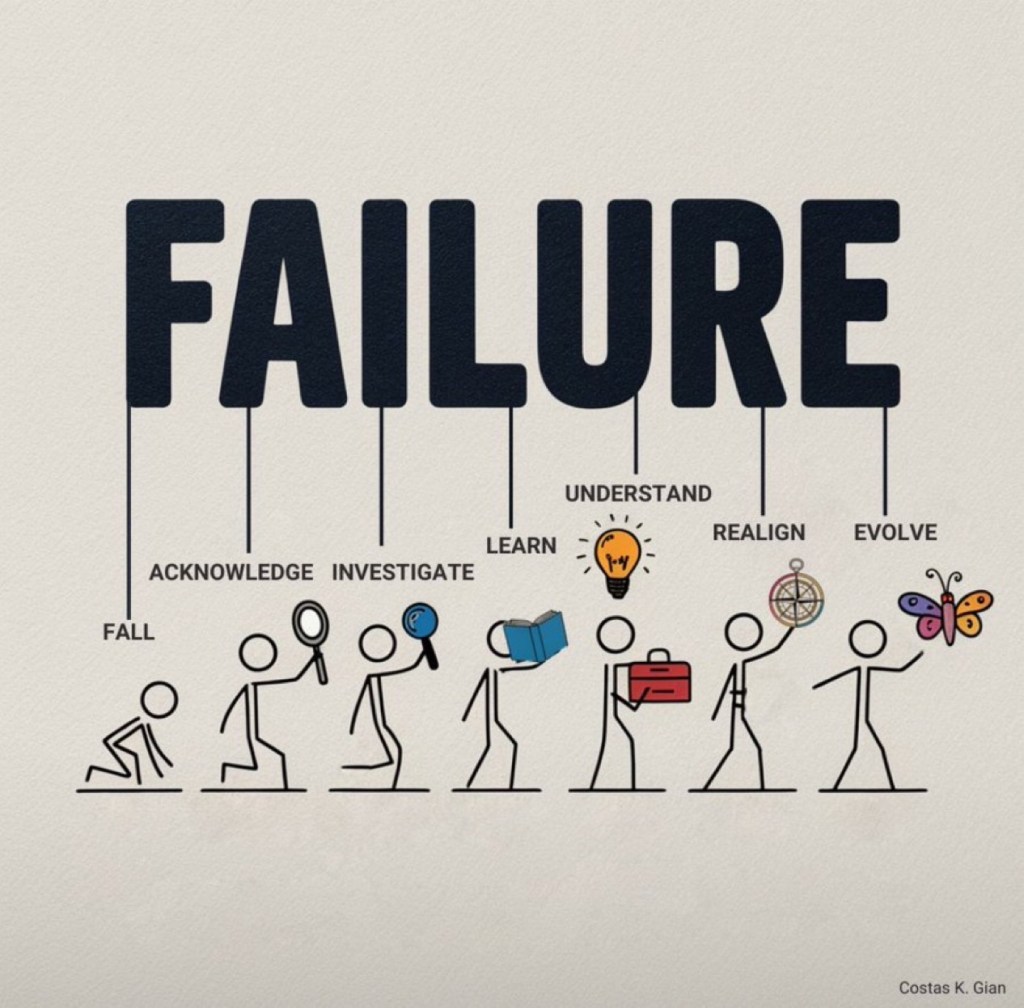
The story of FAVORIOT mirrors the word in that image, FAILURE, not as an end but as a teacher.

It began with a fall.
When FAVORIOT was first founded, the dream was bold — to make Malaysia a producer of IoT technology, not just a consumer. But reality was harsh. Funding was scarce, and few believed that a local IoT platform could compete with global giants like AWS or Azure. There were moments when the lights almost went out.

Then came acknowledgement.
The team looked in the mirror and admitted that building a platform alone was not enough. They needed to build an ecosystem. An IoT movement. Training, community, developers, partners, the entire value chain. It was not about selling software anymore. It was about empowering people.

Next was investigation.
What went wrong in those early pilots? Why were customers hesitant? FAVORIOT analysed every feedback, every failed proof of concept, and every lost deal. They realised the issue was not the technology but trust, awareness, and readiness.

So they began to learn.
They turned lessons into playbooks, products, and courses. They trained universities, upskilled engineers, and worked hand in hand with students and enterprises to show that IoT was not rocket science. Every workshop, every certification, every hands-on project became a step towards mastery.

Then came understanding.
The mission became clearer. Build Malaysia’s own IoT backbone for data sovereignty and local innovation. FAVORIOT was not just a platform; it was a bridge between learning and real-world application, between local talent and global opportunity.

With clarity, they began to realign.
FAVORIOT expanded globally, partnering with system integrators from Indonesia, the Philippines, India, and Canada. The vision grew into “25 countries by 2025.” They built the Fayverse, a galaxy of innovators orbiting the same belief that local technology can shine on the world stage.

And finally, they evolved.
FAVORIOT became more than a company. It became a story of resilience. A proof that falling is not failure. Staying down is. Every setback became a stepping stone. Every obstacle, a teacher.

From falling to flying, that is the real story of FAVORIOT.