Why Universities Need a Real IoT Lab, Not Just Another Embedded Lab

I still remember a meeting with a group of lecturers, where I asked a simple question.

“Why do we really need an IoT Lab in universities?”

I paused for a moment.
Because deep down, I already knew the answer.

Most universities already have something they proudly call an IoT lab. Rows of ESP32 boards. Arduino kits. LEDs are blinking happily. LCD screens displaying temperature values. Students smile because something lights up.

And yet, something feels incomplete.

This is not IoT. This is just the beginning.

This blog is not meant to criticise universities. I have spent years inside them. I was once a lecturer designing syllabuses, labs, and assessments. This comes from care. From concern. From watching students graduate with confidence in embedded programming but struggle the moment systems become real, connected, and dependent upon.

This reflection is based on a recent lecture I delivered on the need to establish a proper IoT Lab in universities, one that reflects how systems are actually built, deployed, and trusted today.

Embedded Systems Taught Us How to Build Devices

Let me be very clear.

Embedded systems are important. They are foundational.

Students need to learn how to program microcontrollers. They need to understand sensors, actuators, interrupts, memory, and power consumption. All of that matters.

An embedded system is usually a standalone device. It senses something. It controls something. It logs data into local storage.

There is nothing wrong with that.

In fact, embedded systems are still used today in places with no connectivity. Remote areas. Harsh environments. Offline conditions.

But here is the problem.

Once the data is captured, someone has to physically go to the site, connect a laptop, download the data, return with it, and process it manually.

I have seen this happen too many times.

Two technicians. One vehicle. Hours of work. Just to retrieve data that could have been transmitted automatically.

I always ask myself… why are we still doing this in 2026?

Connectivity Changes Everything

The moment a device is connected to the internet, everything changes.

Data no longer waits for humans to come and collect it.
It flows.
It moves.
It becomes alive.

This is the moment embedded systems evolve into the Internet of Things.

Now we can monitor systems remotely.
Now we can detect failures early.
Now we can see battery levels dropping before devices die silently.
Now we can act before complaints arrive.

And yet, most university labs stop just before this moment.

Students are taught how to blink LEDs, but not how to send data reliably.
They learn how to display values, but not how to secure data in transit.
They build devices, but not systems.

And systems are what the real world depends on.

A Real IoT Lab Must Teach Technology Layers
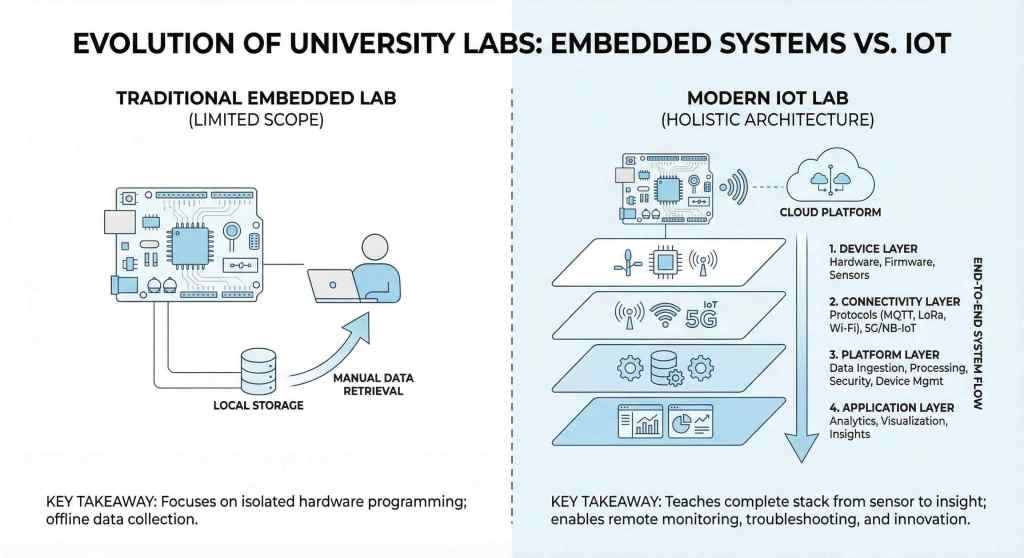
IoT is not a single skill. It is a stack.

In my lecture, I stressed that a proper IoT Lab must expose students to multiple technology layers, not in theory, but through hands-on work.

Layer 1: Hardware and Firmware

This is where universities are already strong.

Sensors. Controllers. Actuators. Firmware logic. Power management.

Students should continue learning this well.

But they must also understand that this is just one layer.

Layer 2: Connectivity and Protocols

This is where gaps start to appear.

Students must learn how data travels.

Wi-Fi. Cellular. LPWAN.
Bluetooth. ZigBee. RFID.
MQTT. CoAP. REST. HTTP.
LoRa. NB-IoT. Sigfox.

Not as a list to memorise.
But as choices with consequences.

Which protocol suits low power?
Which network works for long range?
What happens when connectivity drops?

Without this understanding, troubleshooting becomes guesswork.

Layer 3: Platform and Middleware

This is the heart of IoT.

Devices do not talk directly to dashboards. They talk to platforms.

An IoT platform manages devices.
Authenticates them.
Stores data.
Provides APIs.
Handles scale.

This is where students should learn about device identities, data ingestion, databases, and analytics pipelines.

This is also where they start to understand why platforms like FAVORIOT exist in the first place.

Not to replace learning.
But to enable it.

Layer 4: Analytics and Visualisation

Dashboards are not the end goal.

They are the beginning of understanding.

Students should learn how data evolves from descriptive charts to deeper insights.
They should see patterns.
Spot anomalies.
Ask better questions.

This prepares them for real projects, not demos.

Security Must Exist Across All Layers

Security cannot be an afterthought.

Devices must be authenticated.
Data must be encrypted.
Platforms must be protected.
Applications must be hardened.

Most labs barely touch this.

And yet, this is where real systems fail.

When Systems Break, Knowledge Is Tested

I often tell students this.

The real test of IoT knowledge is not when everything works.

It is when something breaks.

Data stops arriving.
Dashboards go blank.
Alerts do not trigger.

At that moment, students panic if they only know how to code LEDs.

But students who understand layers start asking better questions.

Is it the device?
Is it the network?
Is it the platform?
Is it the visualisation?

This is the mindset a real IoT Lab must build.

Research, AI, and the Future of IoT Labs

Universities are not just about projects. They are about research.

To do meaningful research, students need data. Lots of it. Clean data. Continuous data.

IoT Labs enable this.

Once data flows reliably, students can apply machine learning.
They can explore pattern recognition.
They can experiment with predictive models.

Today, this also means understanding edge AI.

Inference running on devices.
Decisions made locally.
Latency reduced.
Systems are becoming smarter as they operate.

This is where IoT Labs naturally evolve into AIoT Labs.

And this is where universities must go.

This Is a Call to Universities, Lecturers, and Policymakers

If we want graduates who can build real systems, not just academic projects, we must change how we teach IoT.

IoT Labs must move beyond embedded programming.
They must teach architecture, trade-offs, and responsibility.
They must reflect how systems are deployed outside campus walls.

I believe universities can do this.
I believe lecturers want this.
I believe students deserve this.

But it requires intention.

It requires investment.
It requires collaboration with the industry.
It requires courage to redesign labs that have been unchanged for years.

If you are a lecturer, start asking what your lab is missing.
If you are a dean, ask whether your graduates can troubleshoot real systems.
If you are a policymaker, ask whether our talent pipeline matches national ambitions.

And if you are a student reading this, ask yourself one question.

Am I learning how to build a device… or how to build a system people can trust?

I would love to hear your thoughts, experiences, and struggles in building or teaching IoT.
Drop a comment. Let’s talk.

I Thought Favoriot Users Were Like Any Other SaaS Users. I Was Wrong.

For a long time, I carried a quiet assumption in my head.

I told myself, “A user is a user. SaaS is SaaS.”

I thought Favoriot users would behave like most consumer SaaS users. Log in daily. Click around. Expect things to feel smooth, friendly, almost playful. If something took too long, they would leave. If a screen felt confusing, they would complain. If onboarding was not instant, they would disappear.

That mental model sat comfortably in my head. Too comfortably.

Then one day, a simple question landed in my lap.

A question that forced me to stop using generic labels and actually picture real humans.

I paused.

Who exactly is using Favoriot?

And once I answered that honestly, everything shifted.

What I Actually See When I Think About Favoriot Users

When I close my eyes and picture a Favoriot user now, I don’t see someone lounging on a couch, scrolling through a polished interface with a coffee in hand.

I see something else.

I see sensors scattered on a desk.
Loose jumper wires tangled like spaghetti.
A laptop open with a dashboard on one screen.
Telegram buzzing on the other.
A multimeter nearby.
Sometimes a soldering iron.
Sometimes panic.
Sometimes excitement.

I see people trying to make something real work.

Ah. This is not a consumer SaaS crowd.

This is a builder crowd.

Builders, Not Browsers

Favoriot users are builders.

They don’t log in to be entertained.
They don’t log in to feel productive.
They log in because something must work.

A lecturer wiring ESP32 boards in a lab late in the evening.
A student is testing temperature data at 2 a.m. before demo day.
An engineer is checking why a sensor stopped reporting right after a rainstorm.

Their first question is almost never about aesthetics.

It’s usually raw and practical.

“Can I connect this device?”
“Is the data coming in?”
“Why did it stop at 3:17 p.m.?”
“Did I configure something wrongly or did the network die?”

They are hands-on by instinct.

And once I accepted this, I had to admit something uncomfortable.

I had been projecting the wrong expectations onto them.

Problem First, Not Feature First

Most consumer SaaS users start with features.

They ask things like:

“Does it have dark mode?”
“Can it sync with my calendar?”
“Is there a mobile app?”
“Can I customise the theme?”

Favoriot users start with a problem.

“I need to monitor the water level.”
“I must prove this concept works before funding.”
“My lecturer wants a dashboard by Friday.”
“My boss wants alerts, not charts.”

Features only matter if they help solve that problem quickly.

If a feature does not move them closer to a working outcome, it may as well not exist.

This was a big wake-up call for me.

I realised that talking about features without anchoring them to real use cases was missing the point entirely.

Learning While Doing Is the Default Mode

Another thing I misunderstood.

I used to think users came prepared. That they would read everything first. That they would know what they were doing.

Reality check.

A large portion of Favoriot users are learning while doing.

Students.
Fresh engineers.
Lecturers experimenting with new lab setups.
SMEs touching IoT for the first time.

They are not experts yet. And they know it.

They expect mistakes.
They expect trial and error.
They expect data that looks wrong at first.
They ask questions like:

“Did I wire this wrongly or configure it wrongly?”
“Why is the payload showing weird values?”
“Is this sensor faulty, or am I misunderstanding the units?”

Consumer SaaS users expect things to just work.

Favoriot users expect to work through things.

That difference matters more than most people realise.

A Bit of Friction Is Not the Enemy

Consumer SaaS products live in fear of friction.

One extra click and users leave.
One confusing screen, and churn happens.
One long form and conversion drops.

Favoriot users are different.

They tolerate friction if it leads somewhere meaningful.

They accept setup steps.
They read tutorials.
They debug payload formats.
They learn what MQTT or HTTP means.
They try again after failing.

As long as the payoff is real data and real insight, they stay.

I remember thinking to myself, “They are not lazy users. They are patient users with a purpose.”

That insight changed how I think about onboarding, documentation, and even UI decisions.

Usage Comes in Bursts, Not Habits

Here’s another mistaken assumption I had.

I assumed success meant daily logins.

That is true for many consumer tools.

It is not true for Favoriot.

Favoriot usage is project-based.

Users may log in intensely for two weeks.
Then disappear.
Then return when deployment starts.
Then vanish again.
Then come back when something breaks.

This is not abandonment.
This is reality.

Favoriot is not a habit-forming app.
It is a project enabling platform.

Once I stopped forcing a consumer SaaS lens onto usage patterns, the data suddenly made sense.

Ah. They didn’t leave. They just finished phase one.

Credibility Matters More Than Vibes

This part surprised me the most.

Favoriot users care deeply about credibility.

They ask questions like:

“Is this used by real organisations?”
“Can I show this to my supervisor?”
“Will this scale if my pilot succeeds?”
“Can I put this in my report or proposal?”

Consumer SaaS users care about brand feeling.
Favoriot users care about trust.

They want to know that what they are building on will not collapse when things get serious.

This is why things like:

Clear documentation.
Real case studies.
Honest limitations.
Professional dashboards.

matter more than flashy design.

They are building something that must stand scrutiny.

A Simple Mental Contrast That Helped Me

Once I framed it this way, everything clicked.

Consumer SaaS user:
Browses.
Seeks convenience.
Is the feature curious?
Hates setup.
Form daily habits.
Is emotion-led?

Favoriot user:
Builds.
Seeks control.
Is problem driven.
Accepts setup if useful.
Works in project bursts.
Is outcome-led.

Two very different humans.

Why This Changed How I Talk About Favoriot

I now remind myself constantly:

Stop comparing Favoriot to Notion, Canva, or Spotify.

Favoriot is closer to:

A lab bench.
A toolbox.
A test rig.
A learning environment.

This is why certain decisions suddenly felt obvious.

Why Lite plans for students matter.
Why simple dashboards matter.
Why examples matter more than slogans.
Why tutorials matter more than polish.
Why honesty beats hype.

Favoriot users don’t want magic.

They want clarity.

They want to understand what is happening.
They want to know what to do next.
They want confidence that they are not wasting time.

And when they succeed, something interesting happens.

They stay.
They recommend.
They come back with bigger ideas.

The Real Lesson I Had to Learn

The biggest mistake I made was not technical.

It was mental.

I assumed the wrong persona.
So I used the wrong language.
So I emphasised the wrong things.
So I measured the wrong signals.

Once I corrected that, everything else became easier.

Marketing messages became clearer.
Product decisions felt grounded.
User feedback made sense.

I remember thinking, “This is not about making things simpler for the sake of simplicity. It is about making things understandable for builders.”

That distinction matters.

Where This Leaves Me Now

Today, when I write, design, or explain Favoriot, I imagine a real person.

Someone with wires on the table.
Someone racing against a deadline.
Someone is trying to prove that an idea works.

If my message helps that person move forward, then it is doing its job.

If not, it needs rewriting.

And maybe that is the real takeaway.

Before we talk about growth, conversion, or positioning, we must first answer one honest question.

Who is actually on the other side of the screen?

If you are building, teaching, or learning with Favoriot, I would love to hear your story.

Drop a comment.

I Started a Startup at 56. This Is What the Journey Really Taught Me.

Techtamu Talk | 17 January 2026

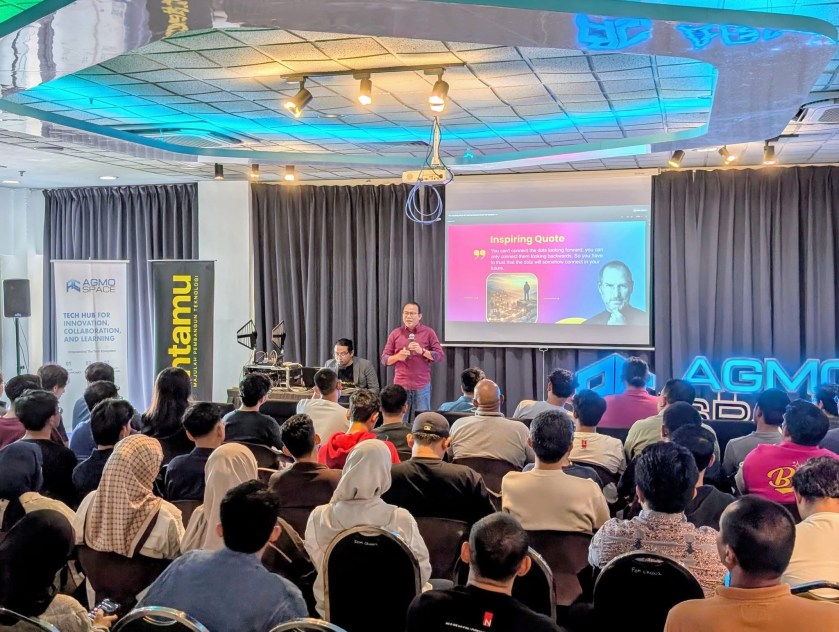
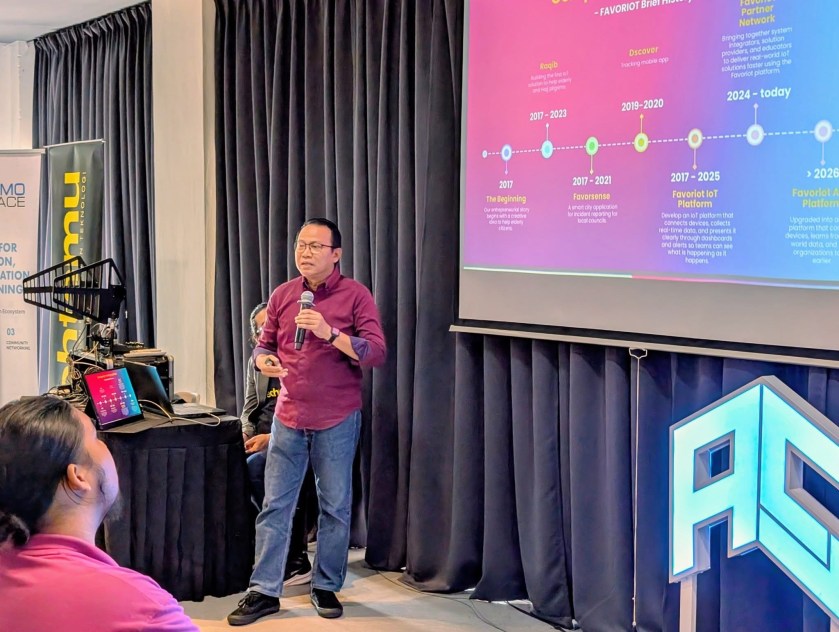
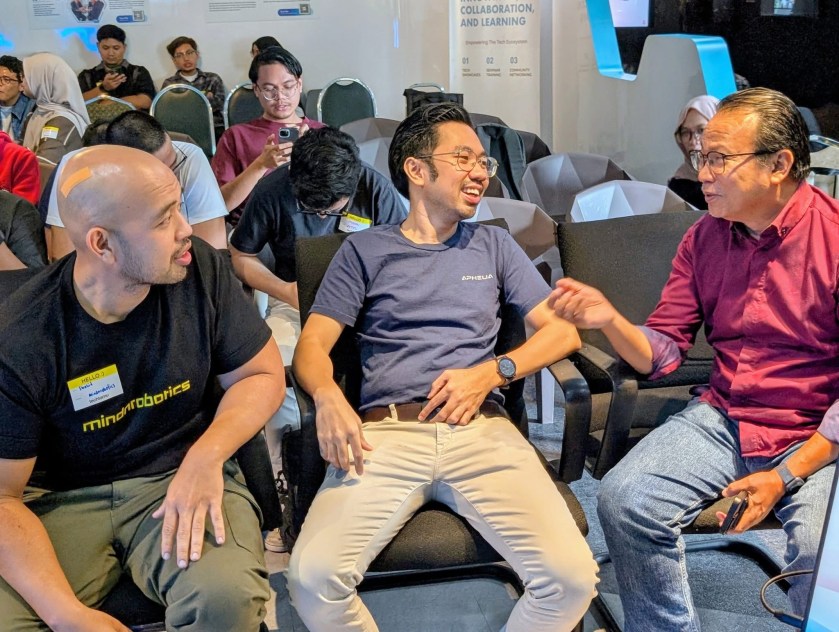
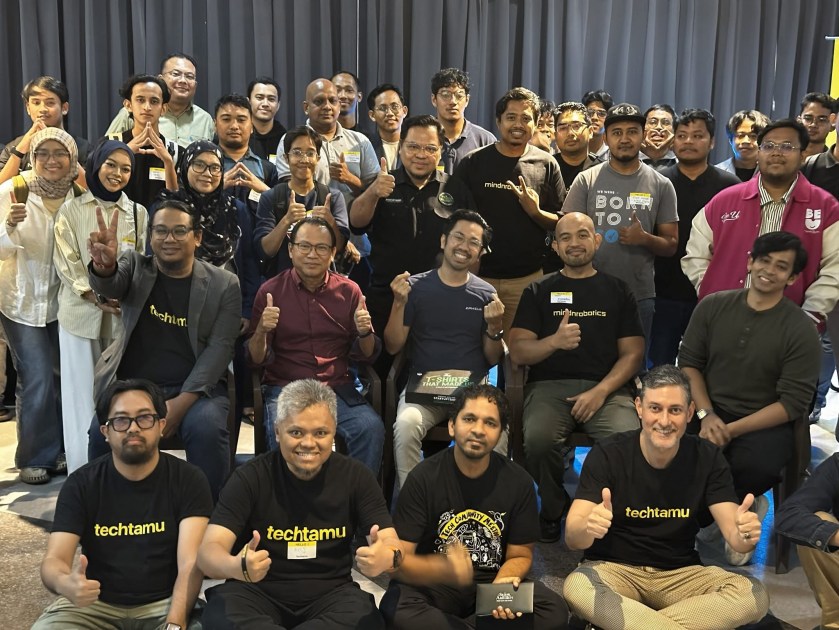
On 17 January 2026, at around 10 in the morning, I stood before a room full of students, founders, and curious minds.

Before I spoke, I paused for a second.

“How do I explain a journey that never followed a straight line?”

Entrepreneurship, at least in my life, was never a planned destination. It was a series of connected experiences that only made sense much later.

That lecture was not about IoT.
It was not about startups.
It was about life, timing, courage, and knowing when to let go.

You Only Understand the Journey When You Look Back

I opened the session with a quote from Steve Jobs that has stayed with me for years:

You can’t connect the dots looking forward. You can only connect them looking backward.

That sentence explains my life better than any resume ever could.

When you are young, you worry too much about choosing the “right” path. The right course. The right job. The right company.

What nobody tells you is this.
Every experience counts, even the ones that feel like detours.

You just won’t see it yet.

From a Curious Child to a Technology Lifelong Learner

My interest in technology did not start in a lab or a classroom.

It started at home.

My late father was a clerk. But in the evenings, he repaired televisions and radios. I would sit beside him, watching circuits come back to life.

“So this is how things work.”

Then came science fiction.

Cartoons like The Jetsons showed a future that felt impossible at the time. Video calls. Smart watches. Flying machines.

Today, many of those ideas sit quietly in our pockets.

That early exposure planted a question in my mind that never left me.

“What if we could actually build these things?”

Living in Four Different Worlds

I consider myself fortunate. Few people get to experience all four.

Academia.
Corporate.
Government.
Startup.

I began as a lecturer at Universiti Teknologi Malaysia, immersed in theory and research. Later, I joined the corporate world at Celcom, where reality hits hard and fast. Customers matter. Deadlines matter. Revenue matters.

At MIMOS, I worked on national-scale research, including wireless sensor networks, long before the term IoT became popular.

Then came REDtone, where I helped build IoT initiatives inside a corporate structure.

Each world taught me something different.

But they also gave me baggage.

Experience gives confidence.
It also gives fear.

Young founders often believe everything is possible.
Older founders carry doubt.

“What if this fails?”
“What if I lose my savings?”

That voice gets louder with age.

Silicon Valley Changed Everything

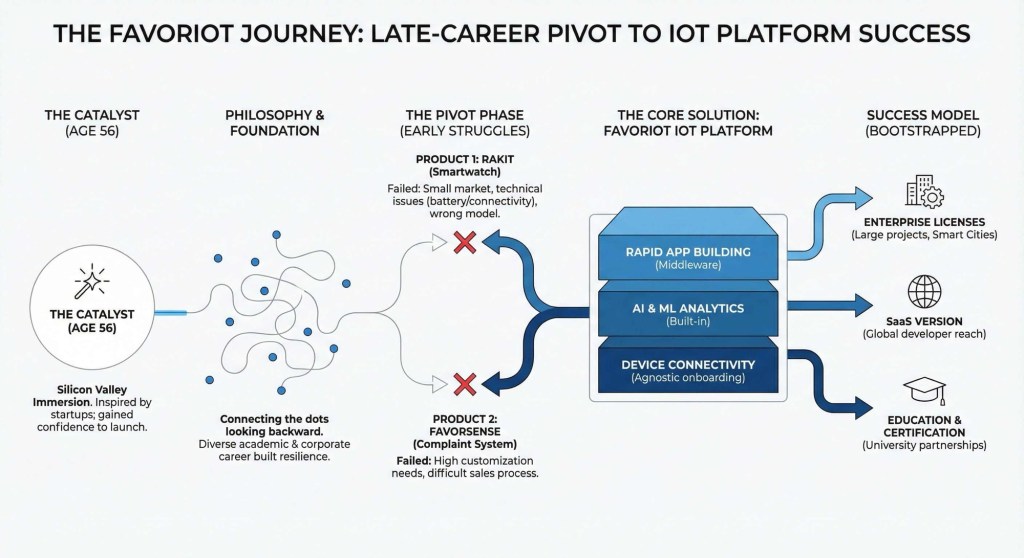
At 56, I joined an immersion trip to Silicon Valley.

That trip changed my identity.

I walked into Plug and Play Accelerator and saw cubicles, whiteboards, and founders who looked just like us. That was where companies like Dropbox began.

I remember thinking:

“If this guy can do it, why can’t we?”

That was the moment I stopped seeing myself as a CEO-in-waiting.

I started seeing myself as an entrepreneur.

Not someday.
Not after retirement.
Now.

Starting Late Comes With a Price

I started my startup using personal savings. No incubator. No startup playbook. No fancy terms like ‘MVP’ or ‘pitching decks’.

Just belief and experience.

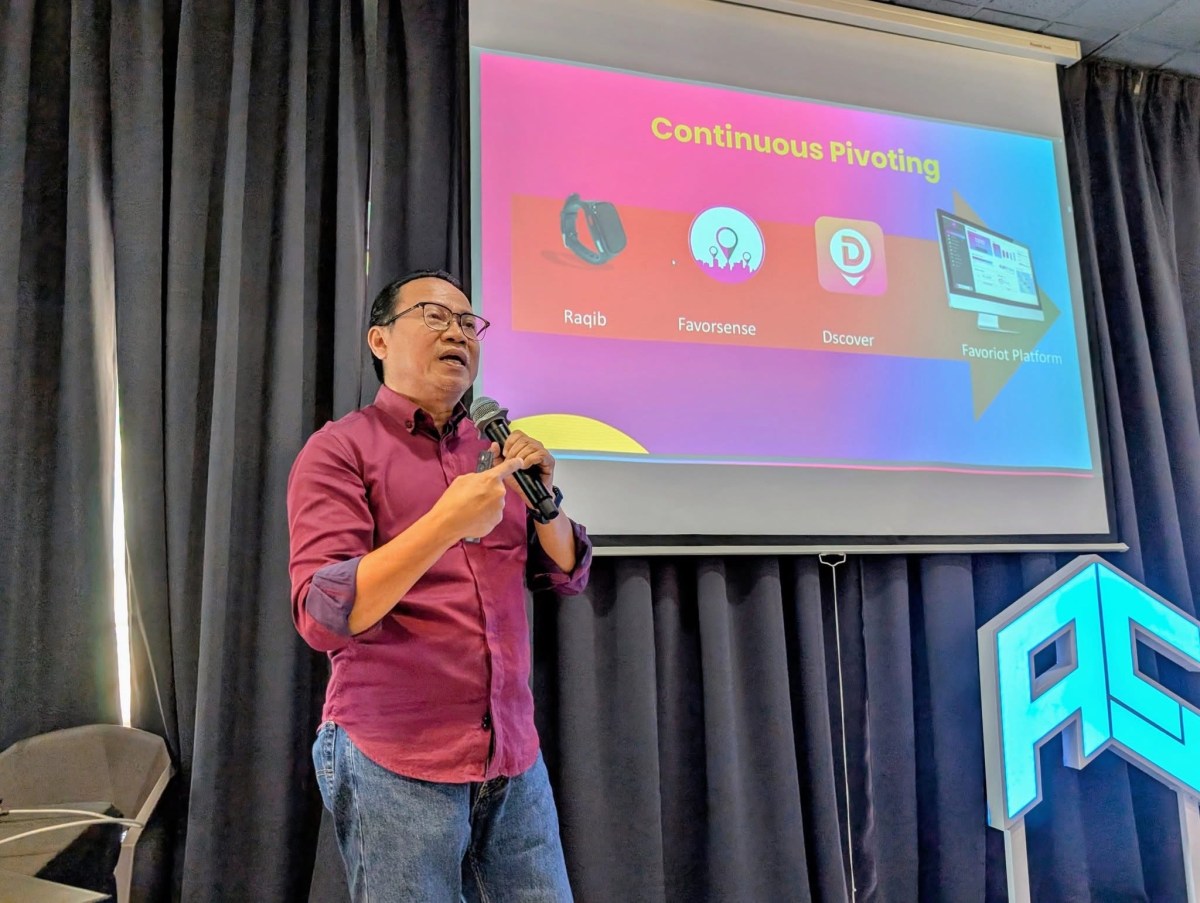
Our first idea was a smartwatch for the elderly with fall detection and emergency alerts. It looked noble. It sounded meaningful.

It failed.

The market was too small.
Children did not want to pay.
The device did not suit care homes.

That was my first real startup lesson.

Good intentions do not build businesses.
Paying customers do.

Learning the Art of the Pivot

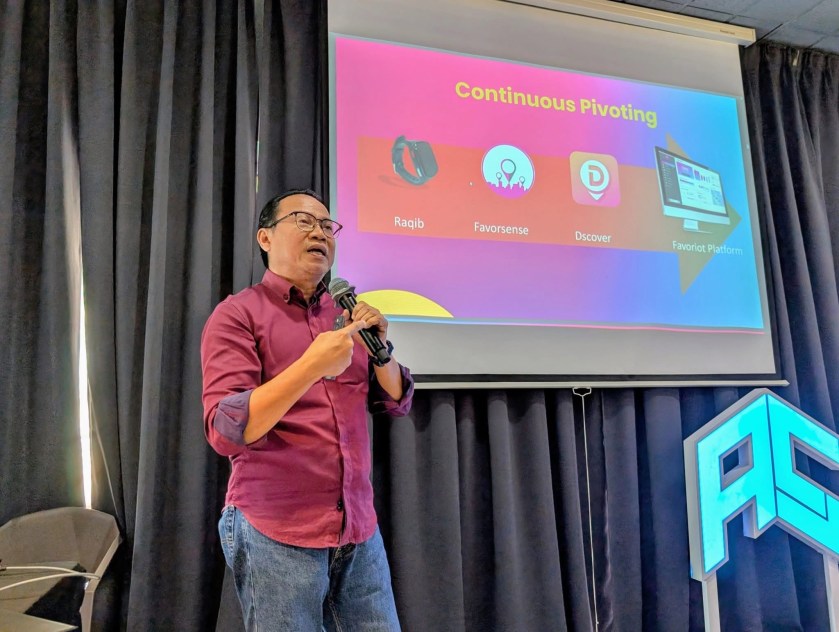
In the startup world, pivoting is survival.

We repurposed the watch for Hajj and Umrah pilgrims. New market. Same core idea.

New problems appeared.

Unrealistic pricing expectations.
Battery life demands that defy physics.
Hardware sourcing from China.
Network roaming issues.
Travel agencies are unwilling to add cost.

Then came COVID-19. We proposed quarantine monitoring. It went nowhere.

Eventually, I made one of the hardest decisions of my life.

Ending a product.

I shared this honestly during the lecture.

Ending a product feels like ending a child you raised with love.
But holding on too long can kill the company.

A CEO must choose growth over attachment.

When More Products Mean Less Identity

We built other solutions too.

A civic complaint app sounded promising. Until each client wanted heavy customization and complaint volumes exploded beyond what they could manage.

A consumer tracking app failed because people care deeply about privacy and free alternatives already exist.

At some point, I realized something painful.

When you build too many products, people no longer know who you are.

Neither do you.

The Shift That Saved the Company

That realization led to our biggest change.

We stopped building products for users.

We started building a platform for builders.

That platform became Favoriot.

An IoT platform that lets others connect devices, visualize data, and deploy solutions quickly. Over time, intelligence was added so data could speak, not just sit on dashboards.

This shift reduced risk.

Instead of betting on one product, we enabled hundreds of use cases.

Why One Revenue Stream Is Never Enough

Another hard truth I shared with the audience.

Pure SaaS subscriptions rarely pay the bills in emerging markets.

We survived by building multiple streams.

Enterprise licensing.
Project-based solutions.
Training and certification with universities.

The platform stayed at the core. Everything else wrapped around it.

That balance kept the company alive.

Partners Build What You Cannot

No startup wins alone.

We built a partner ecosystem covering hardware, software, AI, and system integration. Today, that network spans multiple countries.

Each partner brings strength we do not have.

That is how scale really happens.

Marketing Without Big Budgets

We never had large marketing budgets.

So we wrote.
We shared.
We taught.

Blogs.
Social media.
Free e-books.

Inbound marketing works when your story is honest and your knowledge is real.

People do not buy immediately.
But they remember.

The Lesson I Hope You Carry Forward

I ended the lecture with a simple reminder.

Whatever path you take, it is building something inside you. Even when it feels random.

Do not fall in love with your product. Fall in love with solving problems.
Do not trust praise until someone pays.
Do not depend on one revenue stream.
Do not fear pivoting. Fear standing still.

And most of all, do not believe it is too late.

I started my startup at 56.

If I could begin then, what is stopping you now?

I would love to hear your thoughts.
What dots in your life are starting to connect? Share them in the comments.

When Writing Free eBooks Still Feels Like Shouting Into the Void

I did not expect this feeling to arrive so quietly.

No dramatic moment.
No emotional breakdown.
Just a soft question that kept returning while I stared at my screen.

Should I stop writing eBooks about IoT, startups, and entrepreneurship?

I have written several eBooks over the years. Some came from years of experience building platforms. Some from scars earned while running a startup. Some from observing founders struggle with the same blind spots again and again.

I made them free.
No paywall.
No upsell tricks.
Just knowledge, stories, and lessons shared openly.

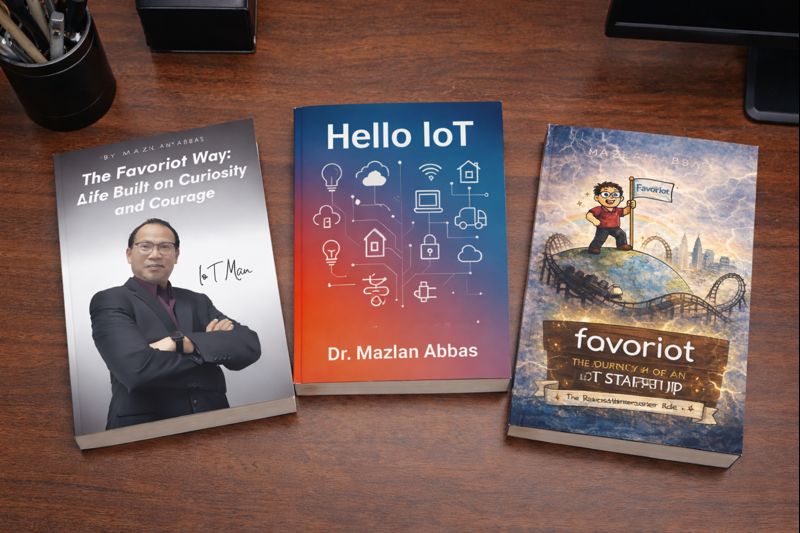
Yet after my last three books (Hello IoT, The Favoriot Way: A Life Built on Curiosity and Courage, Favoriot : The Journey of an IoT Startup), something felt off.

Downloads slowed.
Shares dropped.
The quiet became louder.

At first, I blamed myself.

Maybe the topics are stale.
Maybe I am repeating myself.
Maybe people are tired of hearing from me.

Then another thought crept in.

Or maybe the world has changed.

The Moment I Could No Longer Ignore

I noticed something about my own habits before blaming anyone else.

I no longer Google as much.
I open ChatGPT.
I type a question.
I get an answer.

Direct.
Fast.
Clean.

And here is the uncomfortable truth.

I am guilty too.

I ask AI to summarise books.
I ask for key takeaways.
I skim instead of sitting with pages.

Who am I to complain when I do the same thing?

That realisation stung.

Because I used to love reading slowly. Highlighting sentences. Rereading paragraphs. Letting ideas sit for days.

Now, time feels compressed. Attention feels borrowed. Everything competes for mental space.

The Silent Shift No One Talks About

This is not about AI replacing writers.

It is about AI changing readers.

People no longer want to search.
They want answers.

They no longer want ten blog posts.
They want one response.

They no longer want to explore.
They want to arrive.

Why buy a book when a prompt gives you a clean summary?

Why spend hours reading when minutes feel enough?

That question hurts writers, but it is not wrong.

Books were once a journey.
Now they are treated like databases.

Tell me what matters. Skip the rest.

Short Attention Is Not a Moral Failure

I hear people complain about attention spans all the time.

But I do not think it is laziness.
I think it is survival.

We are flooded with inputs. Messages. Alerts. Updates. Noise.

Reading a 150-page eBook feels heavy when your mind is already full.

The new generation did not lose patience.
They adapted to overload.

They want clarity, not volume.
Direction, not depth.

At least not by default.

When Free Still Feels Expensive

Making my eBooks free was supposed to remove friction.

Yet free does not mean easy.

Reading still costs time.
Thinking still costs energy.

AI removed that cost.

One prompt feels cheaper than one chapter.

So why am I surprised?

The Hard Question I Keep Avoiding

I keep asking myself something uncomfortable.

Am I writing for impact, or am I writing out of habit?

In the past, writing eBooks felt like leaving a trail behind. Something lasting. Something searchable. Something meaningful.

Now it feels like throwing paper planes into a sky full of drones.

They fly faster.
They reach further.
They respond instantly.

Paper planes still matter.
But fewer people look up.

Books Versus Conversations

AI feels like a conversation.

Books feel like a lecture.

That difference matters.

People want interaction. They want follow-up questions. They want context tailored to their situation.

A book cannot ask back.

AI can.

And that changes expectations.

What Writing Used to Give Me

I did not write eBooks just for readers.

I wrote to think.

Writing forced clarity.
It slowed my thoughts.
It made experiences visible.

If I stop writing books, what replaces that?

Blogs?
Short posts?
Conversations?
Voice notes?

I do not know yet.

That uncertainty is unsettling.

Maybe Books Are No Longer the First Door

Here is a thought I am still wrestling with.

Books may no longer be entry points.
They may become reference points.

Not where people start, but where they return when they want depth.

AI gives direction.
Books give texture.

AI answers questions.
Books explain why the questions matter.

But fewer people reach that stage.

The Ego Check I Needed

Another truth I had to face.

I assumed free meant valuable.
I assumed experience meant relevance.

Neither guarantees attention.

The world does not owe writers readers.

Attention is earned every day.

Even by those who have written before.

Am I Really Stopping?

When I say I feel like stopping, I am not quitting writing.

I am questioning the format.

Maybe eBooks are not where my thoughts want to live anymore.

Maybe ideas want to breathe in smaller spaces.
Or in stories.
Or in conversations.

Or maybe fewer books, written slower, with deeper intent.

I am not sure yet.

What I Do Know

AI has changed how we read.
AI has changed why we read.
AI has changed when we read.

That shift is real. It is not a phase.

Fighting it feels pointless.

Understanding it feels necessary.

The Choice In Front of Me

I can keep writing eBooks and accept fewer readers.

I can stop writing books and find new ways to share ideas.

Or I can redefine what a book means in a world that no longer reads the same way.

Right now, I am sitting with the discomfort.

No dramatic announcement.
No final decision.

Just honesty.

A Quiet Ending With an Open Question

I still believe ideas matter.
I still believe stories shape thinking.
I still believe writing is worth doing.

But I no longer believe format guarantees relevance.

Maybe the real question is not whether I stop writing eBooks.

Maybe it is whether I am brave enough to write differently.

If you are a writer, a reader, or someone who quietly stopped reading books, I would love to hear your thoughts.

Have you felt this shift too?

Books Written by Dr. Mazlan Abbas

Success is a Decision: My CEO Journey

SUCCESS IS A DECISION, NOT A MIRACLE.

I still remember standing at my own “two doors” moment.

On one side was comfort — a stable career, predictable days, and a familiar path.
On the other was uncertainty — risk, sleepless nights, and the weight of leading something that didn’t even exist yet… FAVORIOT.

Becoming a CEO wasn’t something that happened overnight. It was a choice.

A choice to leave behind the safety of titles and the illusion of stability.
A choice to start from zero when people around me thought I’d already “made it.”
A choice to believe in an idea when others only saw obstacles.

That first day as CEO, there was no red carpet waiting. No big office. No team of hundreds. Just a laptop, a vision, and an endless staircase marked by courage, patience, discipline, and focus.

Every step demanded something.
Courage to face rejection.
Routine to build momentum.
Focus to silence the noise.
Discipline to show up — even when no one was watching.
And patience… the hardest of all.

Because success wasn’t a miracle waiting to happen. It was a series of small, stubborn decisions.

Each time I faced a setback — a failed pitch, a cancelled project, a delayed payment — I reminded myself why I opened that “new life” door in the first place.

Years later, FAVORIOT stands not just as a company, but as proof that choosing the harder door can change everything.

If you’re standing between comfort and courage right now…
remember this — your new life begins the moment you decide to walk through that door.

Building a Digital Future: The FAVORIOT Journey

It didn’t start with money.
It started with frustration.

Everywhere I looked, people talked about digital transformation…
but the platforms driving it were foreign.

I asked myself — why can’t Malaysia build its own?

That question became the spark that lit FAVORIOT.

We had no funding.
No big team.
Just conviction.

There were nights when the servers failed…
days when investors turned away…
and moments when quitting felt easier.

But we held on.

Because deep down, I believed —
if we didn’t build it, who would?

Slowly, the rise began.

Universities started using FAVORIOT for their IoT projects.
Students built real solutions.
Enterprises came on board.
Then partners from across the world joined the mission.

From Malaysia to Singapore, India, Indonesia, the Philippines, and beyond…
the name FAVORIOT began to travel.

We weren’t selling software.
We were building belief.

That Malaysia can create.
That local talent can lead.
That we can be a Producer Nation… not a reseller one.

This is not just my story.
It’s the emotional arc of a dream that refused to die.

FAVORIOT — built with heart, powered by purpose.

Lessons Learned in Building FAVORIOT’s IoT Ecosystem

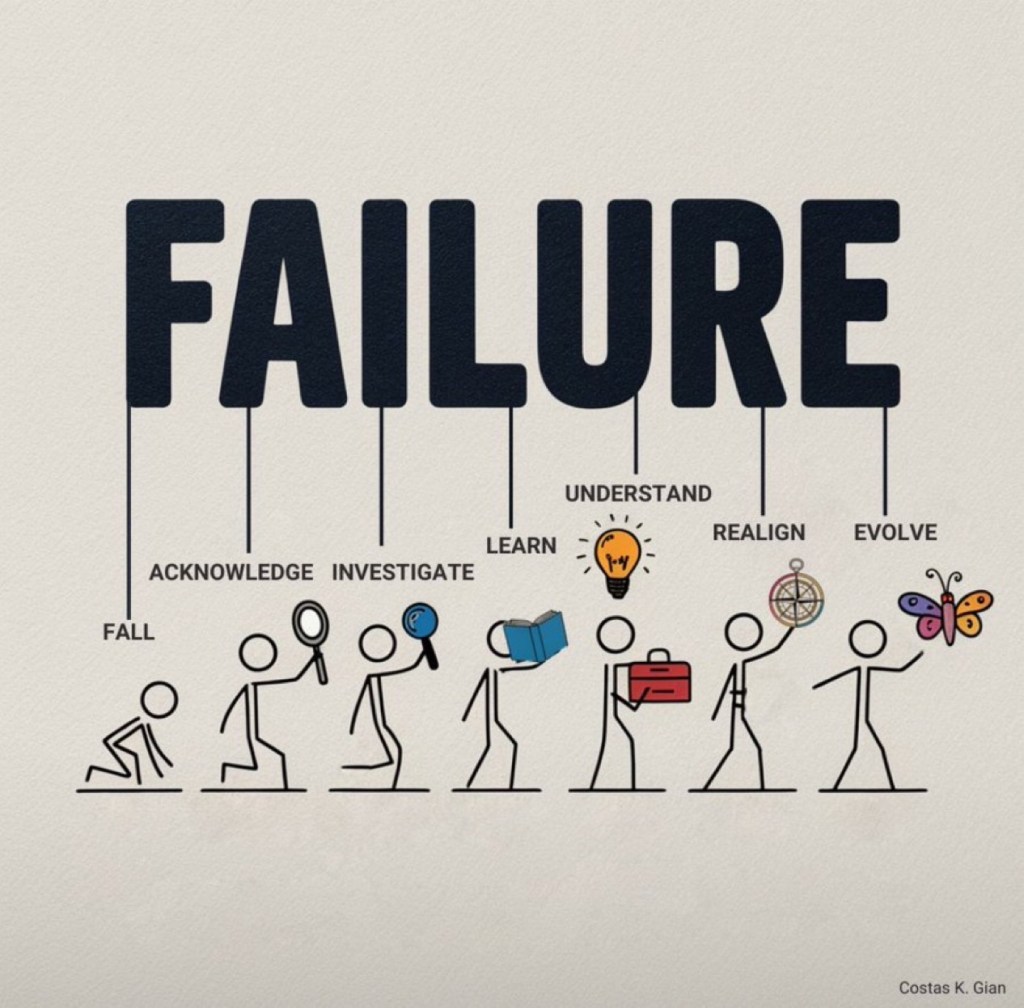
The story of FAVORIOT mirrors the word in that image, FAILURE, not as an end but as a teacher.

It began with a fall.
When FAVORIOT was first founded, the dream was bold — to make Malaysia a producer of IoT technology, not just a consumer. But reality was harsh. Funding was scarce, and few believed that a local IoT platform could compete with global giants like AWS or Azure. There were moments when the lights almost went out.

Then came acknowledgement.
The team looked in the mirror and admitted that building a platform alone was not enough. They needed to build an ecosystem. An IoT movement. Training, community, developers, partners, the entire value chain. It was not about selling software anymore. It was about empowering people.

Next was investigation.
What went wrong in those early pilots? Why were customers hesitant? FAVORIOT analysed every feedback, every failed proof of concept, and every lost deal. They realised the issue was not the technology but trust, awareness, and readiness.

So they began to learn.
They turned lessons into playbooks, products, and courses. They trained universities, upskilled engineers, and worked hand in hand with students and enterprises to show that IoT was not rocket science. Every workshop, every certification, every hands-on project became a step towards mastery.

Then came understanding.
The mission became clearer. Build Malaysia’s own IoT backbone for data sovereignty and local innovation. FAVORIOT was not just a platform; it was a bridge between learning and real-world application, between local talent and global opportunity.

With clarity, they began to realign.
FAVORIOT expanded globally, partnering with system integrators from Indonesia, the Philippines, India, and Canada. The vision grew into “25 countries by 2025.” They built the Fayverse, a galaxy of innovators orbiting the same belief that local technology can shine on the world stage.

And finally, they evolved.
FAVORIOT became more than a company. It became a story of resilience. A proof that falling is not failure. Staying down is. Every setback became a stepping stone. Every obstacle, a teacher.

From falling to flying, that is the real story of FAVORIOT.

The Origin of Fayverse

When we first built FAVORIOT, it was never just about connecting devices. It was about connecting people — the students, the dreamers, the engineers who believed that a local platform could change the world.

One afternoon, Zura and I were deep in discussion about how the ecosystem had begun to bloom. Universities were adopting the platform, partners from other countries were joining, and we could feel this vibrant network of minds expanding beyond anything we’d imagined.

Zura looked at me and said, almost casually,

“It’s becoming like a Favoriot Universe.”

The phrase lingered in the air. Favoriot Universe. It captured exactly what we were building — not just a company, but a living cosmos of innovators.

Later that night, as I replayed those words in my mind, I thought: Universe… verse… and smiled. That’s it. Fayverse.

“Fay,” drawn from the heart of Favoriot — the warmth, the kindness, the human connection behind every innovation.
And “verse,” a world of endless stories and possibilities.

From that moment, the Fayverse wasn’t just an idea. It became our philosophy. A universe where creativity meets connectivity, where every person can be both a learner and a creator.

Today, when I see students exploring IoT projects, entrepreneurs building solutions, and educators nurturing future technologists — I see the Fayverse alive and thriving.

Because what started as a simple comment during one conversation between Zura and me has now grown into something far bigger — a world powered by Favoriot, built by people who believe that technology should always have a heart.

The Friends Who Make the World Less Heavy

Some friendships don’t make sense to the outside world.

But to you, they make life worth living.

They’re the ones who laugh at the same ridiculous things.

Who turn ordinary moments into unforgettable memories.

Who find joy in the silly, the random, the nonsense.

Because it’s not about being “normal.”

It’s about finding someone who matches your kind of crazy.

Someone who reminds you that life isn’t just about deadlines and achievements it’s about connection, laughter, and freedom to be unapologetically yourself.

In leadership, in business, in life having people like this matters more than we admit.

The colleagues who stay late with you not because they have to, but because they want to.

The friends who brainstorm wild ideas that sound impossible, but somehow light a spark.

The partners who understand your quirks and don’t try to fix them.

Shared values keep teams together.

Shared dreams keep communities alive.

But shared “craziness”? That’s what keeps us human.

The truth is life will throw challenges, stress, and expectations.

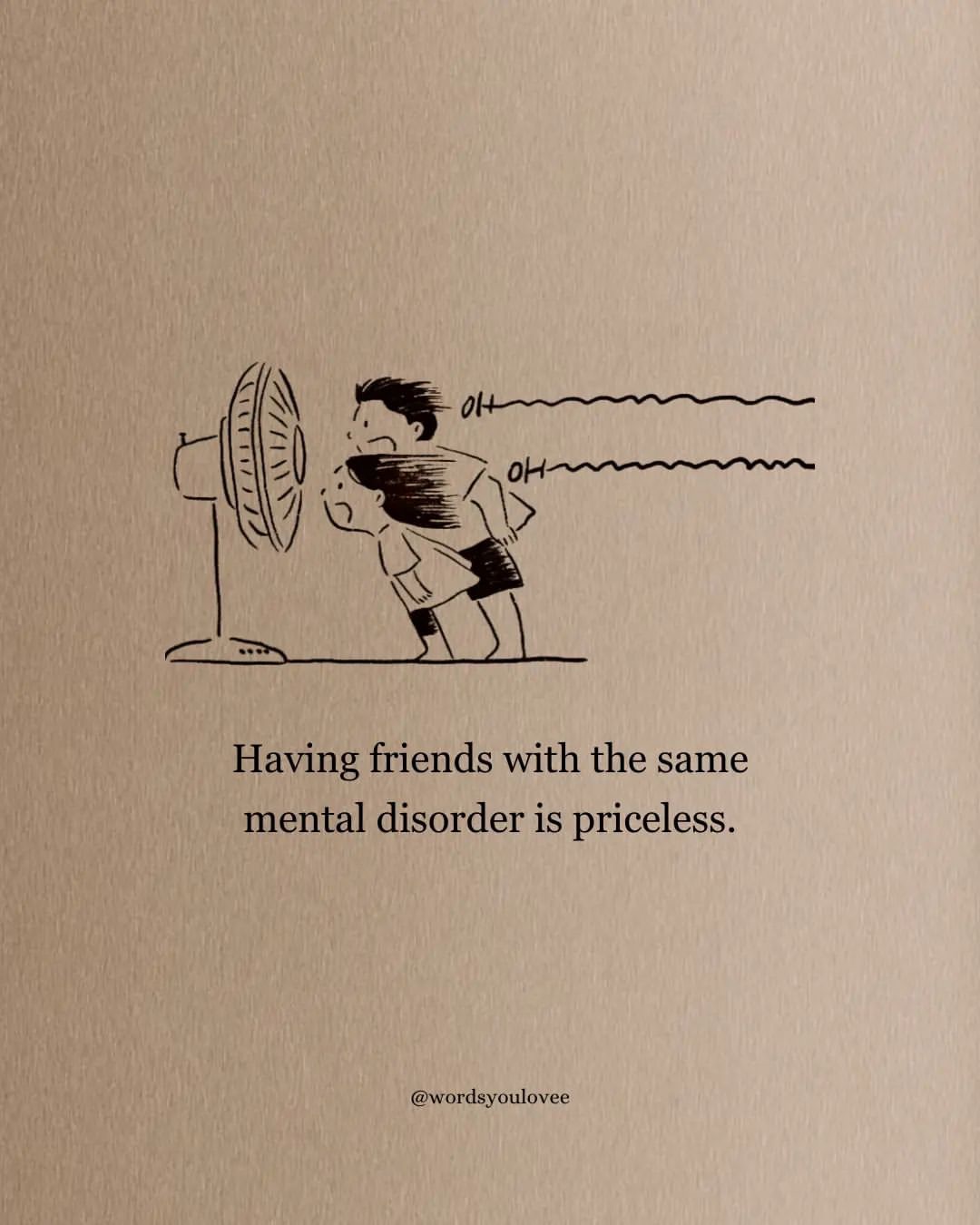
But if you have even one friend who laughs with you in front of the metaphorical fan… you’re rich.

So here’s to those friends, colleagues, and partners who don’t just walk with us in logic, but dance with us in madness.

Because in a world that often feels heavy, they remind us to stay light.

What’s one silly thing you and your closest friend or colleague do that no one else would understand?