A Letter to My 100-Year-Old Self

Dear Mazlan,

I hope this letter finds you in good health—though, at 100, I imagine your definition of “good health” is quite different from what I know now at 64. Have you finally achieved the balance of wisdom, patience, and acceptance that I am still working on? Or are you still chasing new ideas, thinking about the next innovation, the next disruption, the next frontier?

I sit here today, reflecting on the years that have passed, and I wonder—what has changed?

Did You Finally Slow Down?

Let’s be honest, slowing down was never in your nature. Even now, people tell me to “take it easy,” to “relax,” but that’s just not who I am. You were always restless, always looking for something to build, something to improve. You loved the feeling of being in the middle of things—whether it was pioneering IoT solutions, pushing smart city initiatives, or mentoring young entrepreneurs.

Did you ever truly retire? Or did you redefine retirement in your own way, turning it into just another phase of productivity? Did you ever stop writing, stop speaking at conferences, stop brainstorming new projects? I doubt it. The fire to create has been in you since childhood—remember those early days when you imagined futuristic worlds after watching The Jetsons? Did you ever outgrow that curiosity?

I sincerely hope not.

Did FAVORIOT Become the Legacy You Dreamed Of?

I need to ask—what happened to FAVORIOT? In my time, it is still growing, still making an impact in the world of IoT. We have expanded to multiple countries, partnered with great companies, and empowered countless developers, businesses, and cities to leverage IoT for a better future. But where is it now, at 100?

Did it grow beyond expectations? Did it become an industry leader, a force to be reckoned with in the global IoT landscape? Or did it evolve into something unexpected, something I can’t yet imagine?

I hope you nurtured it well. I hope you surrounded yourself with the right people—the kind who believe in the vision as much as you do. Because ideas are nothing without the right execution, and a company is nothing without the right people.

Did you finally see Malaysia fully embrace smart cities, powered by IoT in ways we once dreamed about? Or are we still lagging behind, still dealing with bureaucracy, still convincing people of the importance of innovation? I wonder if you are reading this with a knowing smile, shaking your head at how impatient I was.

What Lessons Did You Learn?

If you could talk to me now, what would you tell me? What mistakes should I avoid in the years ahead? What regrets did you accumulate along the way? I know myself—I will always be driven by ambition, always thinking of what’s next. But did I ever pause enough to appreciate the now?

Did I spend enough time with family? Did I express my gratitude to those who helped me along the way? Did I leave behind a legacy of knowledge, inspiration, and kindness, or did I get too caught up in the chase for success?

I hope you learned to let go of unnecessary worries. Right now, I stress over things that perhaps, in the grand scheme of life, don’t really matter. Did all those small worries fade into irrelevance with time?

Did the World Change the Way You Hoped?

Technology is moving fast—AI, IoT, robotics, quantum computing. At 64, I see the world changing, but at 100, how much more has it evolved? Did humanity finally master AI in a way that benefits all of society, or did we lose ourselves in our creations?

Is technology still something we control, or did it end up controlling us?

And what about space exploration? Have humans finally set foot on Mars? Did Elon Musk’s vision become a reality? Or did the world get too distracted with its own problems to look beyond Earth?

More importantly, did people become kinder? Did society learn from its mistakes? Did we finally find a way to balance progress with humanity, innovation with ethics? Or are we still making the same mistakes, just with more advanced technology?

I hope we got it right.

Are You at Peace?

At 100, what do you think about when you wake up? Do you still carry the same fire in your heart, or have you finally learned the art of contentment? Do you smile more often, laugh more freely, appreciate the simple things more deeply?

I hope you’ve come to terms with the things you couldn’t change, the dreams that didn’t materialize, and the roads you didn’t take. I hope you have no regrets about the things you did pursue, the risks you took, and the people you chose to keep close.

I hope you’ve forgiven yourself for the mistakes of the past and have found joy in the memories that remain.

Final Thoughts

Mazlan, if there’s one thing I want you to remember, even at 100, it’s this—life was never just about achievements, numbers, or titles. It was always about the people you touched, the lessons you shared, and the passion you lived with every day.

So, if you’re reading this with tired eyes but a heart full of stories, then I know you lived well.

And if by some miracle you still have the energy to pick up a pen, write back to me. Tell me what I got right. Tell me what I was wrong about. But most importantly—tell me that you’re happy.

With admiration,

Mazlan (the 64-year-old version of you)

How “The Jetsons” Sparked My Lifelong Passion for Technology

“Can you imagine living in a world where cars fly, robots prepare your breakfast, and your boss talks to you through a giant video screen? Wait a minute…that sounds oddly familiar!”

As a young boy in the 1960s, glued to our old family television, watching The Jetsons was more than entertainment—it was my window into the future. Back then, it was nothing short of magical. A futuristic family living in Orbit City, navigating daily life with technologies that, to me, seemed pure fantasy. Fast-forward to today, and I realize how incredibly prophetic this cartoon actually was.

My First Encounter with the Future

“Eh, takkan lah manusia boleh cipta robot yang pandai masak sarapan?” I often asked myself skeptically.

In my childhood, my weekend routine revolved around television shows and comic books. Among the Batman comics and Superman TV series, The Jetsons stood out for a specific reason: it painted the future as something exciting, fun, and incredibly convenient. Unlike many dystopian or overly complicated portrayals of technology, The Jetsons gave me hope and wonder.

I would sit cross-legged in front of our bulky black-and-white TV set, amazed by flying cars, robots like Rosie, and video conversations that seemed impossibly futuristic. I remember vividly telling my mother:

“Mak, suatu hari nanti, orang mesti ada telefon yang boleh nampak muka orang lain!” She just laughed, probably thinking it was an impossible dream. Yet, here we are today, with video calls as common as a glass of water.

Predicting Technologies That Didn’t Yet Exist

“Biar betul? Cartoonists ni boleh ramal masa depan ke?”

What fascinated me most about The Jetsons wasn’t just the sleek aesthetics or the witty dialogues but how eerily accurate their predictions were. The cartoon first aired in 1962—decades before the internet, smartphones, or even personal computers became mainstream. Yet, astonishingly, they showcased technologies that closely mirror today’s innovations:

1. Drones and Autonomous Vehicles

I distinctly remember the excitement of seeing George Jetson commute to work in a flying autonomous vehicle. It seemed impossibly futuristic—no steering wheels, no pilots, just smooth automated flights. Fast-forward to now, and autonomous vehicles and drones are rapidly becoming mainstream. Companies like Tesla, Waymo, and countless drone startups are turning the once-cartoonish concept into reality.

2. Video Conferencing and Teleworking

Who could forget George Jetson’s daily arguments with his boss, Mr. Spacely, via a giant video screen? Even as a child, I wondered how amazing it would be to talk to someone face-to-face from afar. Decades later, platforms like Zoom, Microsoft Teams, and Google Meet have made this our everyday reality.

3. Smartwatches and Wearable Tech

One of my favorite gadgets from the cartoon was the smartwatch. George Jetson regularly spoke into his wristwatch, something I emulated with a toy watch. Today, devices like the Apple Watch enable voice communication and monitor health, provide notifications, and manage daily activities effortlessly. It feels surreal, like I’ve stepped straight into George Jetson’s life.

Robots in Daily Life: From Rosie to Reality

“Wow, imagine having a Rosie at home… I’d never have to clean my room again!”

Perhaps one of the most beloved elements of The Jetsons was Rosie, their family robot. Rosie wasn’t just a tool; she was part of the family, intelligent, helpful, and capable of conversation. Today, we see early glimpses of Rosie through voice assistants like Siri, Alexa, and Google Assistant. Companies like Boston Dynamics and Samsung are pushing boundaries even further, creating humanoid robots capable of performing household chores, providing care, and interacting with humans meaningfully.

I distinctly remember asking my mother, “Mak, one day kita boleh cakap dengan robot macam ni tak?” Again, it seemed impossible, but now, conversational AI is an integral part of our lives.

How The Jetsons Influenced My Career Path

“Mazlan, tengok cartoon je dah nak jadi saintis?” my parents chuckled when I expressed dreams of a technology-driven future.

Looking back, I realize how significantly this cartoon shaped my path. The whimsical portrayal of technology in The Jetsons not only inspired my interest in science fiction but also subtly guided me toward my career in telecommunications, IoT, and smart cities. I pursued electrical engineering and telecommunications and eventually became deeply involved in building smart cities—environments not unlike Orbit City, where IoT devices, smart transportation, and digital assistants simplify life.

When I founded FAVORIOT, a platform designed to empower IoT applications, the spirit of innovation and imagination instilled by The Jetsons was always at the forefront. I saw clearly how dreams from animated fiction could fuel real-world technological advancements.

A Visionary Cartoon That Still Inspires Today

“Tak sangka, cartoon yang aku tonton masa kecil dulu betul-betul jadi kenyataan hari ni.”

Revisiting the show today makes me marvel at its creators’ visionary minds. How did they manage to foresee so accurately? Was it pure creativity or a deeper understanding of technological trajectories?

In my opinion, The Jetsons succeeded because it tapped into universal human desires: convenience, connectivity, and curiosity. These remain consistent through decades, guiding technologists, innovators, and entrepreneurs alike. The show taught us to dream boldly and envision beyond current limitations.

Imagining Tomorrow’s Technologies Today

“Apakah lagi teknologi yang kita belum capai? Apa lagi yang boleh aku wujudkan?”

As a technologist deeply involved in IoT and smart cities, I often reflect on how fiction shapes reality. Today, when developing smart city initiatives or mentoring young innovators, I remind them how important imagination is. Every groundbreaking technology begins as a seemingly impossible idea.

What about the technologies from The Jetsons that we haven’t fully realized yet? The cartoon showed cities elevated above the clouds due to environmental challenges on Earth. Given the increasing urgency of climate change, such imaginative solutions might not remain fictional forever. Maybe vertical, sustainable cities aren’t as far-fetched as we once believed.

Encouraging the Next Generation to Dream Big

“Kalau cartoon pun boleh predict future, kenapa kita tak boleh cipta teknologi baru lagi hebat?”

To inspire today’s youth—just as The Jetsons inspired me—I constantly share this simple message: imagination has no limits. I challenge them to envision solutions for future problems because what is imagined today is tomorrow’s reality. My journey, from a fascinated kid sitting on the living room floor watching George Jetson to an IoT entrepreneur and technologist, is proof of this.

Now, every time I make a video call, glance at my smartwatch, or see news about autonomous vehicles, I smile silently.

It all started with a cartoon.

Who knew? Maybe Hanna-Barbera creators were the real visionaries.

What futuristic cartoon today will become the blueprint for tomorrow’s innovations? Until then, I’ll continue watching, imagining, and building the future inspired by The Jetsons.

Why I Felt That Writing is an Adventure

WRITER’S STORIES

The Call to Adventure

Photo by Holly Mandarich on Unsplash

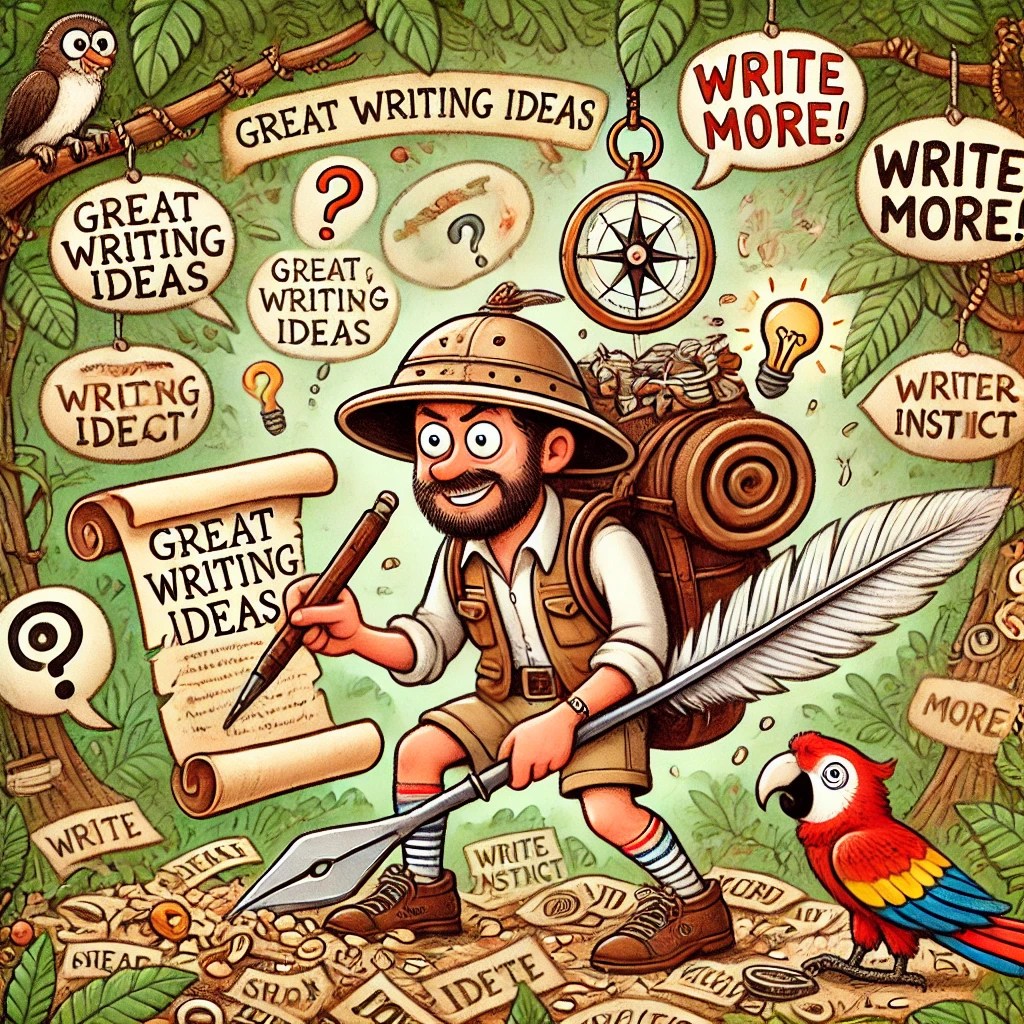
I’ve always been fascinated by the idea of being an adventurer, exploring uncharted territories and uncovering hidden treasures.

While I don’t carry a compass or a backpack, I’ve realised that my journey as a writer on Medium mirrors the life of an explorer.

Every article I write feels like stepping into the unknown, like embarking on a new expedition.

The journey began with a single question: What should I write about? It was as if I stood at the edge of a dense forest, staring at countless paths ahead. The possibilities felt thrilling yet intimidating.

Should I write about IoT? Entrepreneurship? Or something completely different?” I wondered. It was like being a novice explorer, equipped with no map and only a vague sense of direction.

But I knew one thing: staying put was not an option.

The First Step

Photo by Andrew Neel on Unsplash

Taking that first step was the hardest.

I decided to write about something close to my heart — IoT.

The words felt clunky as I typed, like trudging through a thick jungle. Doubts crept in: Is this good enough? Will anyone read this?

It’s not about perfection,” I reminded myself, echoing a lesson I’d read about explorers. “It’s about taking the journey.

When I published my first article, it felt like finding a small clearing in the forest. It wasn’t groundbreaking, but it was progress. “You did it,” I told myself. “What’s next?

Navigating New Terrain

Photo by NEOM on Unsplash

With each article, I ventured deeper into the unknown.

Some topics were like familiar trails that were easy to navigate. Others felt like steep mountains, daunting and full of uncertainty.

The first time I attempted to write about a personal experience, stepping outside my usual IoT expertise.

Will anyone care about this story?” I hesitated, staring at the screen.

It felt like standing at the base of a towering peak.

But as I wrote, I discovered something powerful: authenticity and vulnerability were like ropes and harnesses, helping me climb those intimidating heights.

When readers commented, “This resonated with me,” it felt like reaching the summit.

The view from the top was worth every moment of doubt.

Facing Setbacks

Photo by NEOM on Unsplash

Not every journey went as planned.

I remember pouring my energy into an article about smart cities, only to see it receive minimal views.

What went wrong?” I asked myself, frustrated.

It felt like wandering through a desert, searching for water but finding none. But even in those moments, I learned valuable lessons.

Like an adventurer adapting to the terrain, I realised I needed to experiment with different topics and perspectives.

Every setback became an opportunity to recalibrate my compass.

Discovering Hidden Treasures

Photo by Scott Goodwill on Unsplash

One of the most rewarding aspects of being an adventurer is stumbling upon hidden treasures, and writing offers plenty.

Sometimes, it was an unexpected idea that turned into a well-received article.

Other times, it was a connection with a reader who shared how my words impacted them.

I recall writing about how IoT could revolutionise agriculture, thinking the topic was too niche.

To my surprise, it became one of my most-read pieces. “This is your treasure,” I told myself. “Even the smallest ideas can hold immense value.

Finding Fellow Travellers

Photo by krakenimages on Unsplash

Every adventurer needs a tribe, and the Medium community became mine. Fellow writers shared tips, encouragement, and camaraderie.

I remember a comment on one of my articles: “Your story gave me the courage to share my own.

It felt like meeting another traveller at a campfire, exchanging stories that inspire and uplift. “Keep going,” they said. “You’re on the right path.

Embracing Risks

Photo by NEOM on Unsplash

What’s an adventure without risks?

Sometimes I stepped far outside my comfort zone, tackling controversial topics or experimenting with new styles.

It felt like crossing a rickety bridge over a canyon.

What if this fails?” I often asked myself. However, I knew that growth required pushing boundaries. Even when I stumbled, the experience taught me resilience and courage.

The Journey, Not the Destination

Photo by Danka & Peter on Unsplash

Over time, I realised that writing, like adventuring, isn’t about reaching a final destination.

It’s about the discoveries, challenges, and growth along the way. Each article became a chapter in my story, marking where I’d been and how far I’d come.

One day, someone asked, “Why do you keep writing?

I smiled and replied, “Because I’m not done exploring.

Looking Ahead

Photo by NEOM on Unsplash

Writing has shown me that the world of ideas is vast and limitless.

There’s always another path to take, another treasure to find, another story to tell.

Each article is a new expedition filled with twists, turns, and surprises.

As an adventurer of words, I’ve learned this: the journey is far from over.

The horizon stretches endlessly, and I can’t wait to see what lies beyond.

Dr. Mazlan Abbas: A Visionary in IoT and Smart Cities

It’s often said that great leaders are not born but made through years of experience, innovation, and unwavering determination. Dr. Mazlan Abbas is a living testament to this philosophy. His journey—from academia to telecommunications, research, and eventually, entrepreneurship—paints the story of a man driven by a relentless pursuit of knowledge and the desire to transform the world through technology.

A Passion for Technology from the Start

Born on January 23, 1961, in Malaysia, Dr. Mazlan Abbas demonstrated an early interest in science and technology. His academic pursuits set the foundation for what would become an extraordinary career. He graduated with a Bachelor of Electrical Engineering (First-Class Honors) from Universiti Teknologi Malaysia (UTM) in 1984, followed by a Master of Science in Telematics from the University of Essex, UK, in 1986. Not stopping there, he went on to complete his Ph.D. in Telecommunications at UTM in 1993. His thirst for knowledge and understanding of communications engineering would soon propel him into the telecommunications industry.

An Academic Start: Nurturing Minds at UTM

Before stepping into the corporate world, Dr. Mazlan spent 10 years at UTM, where he served as a Lecturer (1986-1993) and later as an Associate Professor (1993-1994) in the Faculty of Electrical Engineering. It was here that he developed his passion for research and innovation, particularly in data communications and network technologies.

A Pioneering Force in Telecommunications

Dr. Mazlan made a decisive career move into the telecommunications industry, joining Celcom Axiata in 1994, where he held multiple leadership roles over 13 years. His tenure at Celcom saw him rise through the ranks, taking on various Vice President roles, including:

  • Vice President of R&D (1997-2001) – He was responsible for developing and driving Celcom’s research initiatives, shaping the company’s technological advancements.
  • Vice President of Billing Operations (1999-2001) – Successfully led the migration from Celcom’s old billing system to a new convergent billing platform.
  • Vice President of Network Management & Administration (2002-2004) – Ensured the efficient operation of Celcom’s nationwide network, integrating systems after the TMTouch and Celcom merger.
  • Vice President of Mobility Solutions (2005-2006) – Spearheaded the development of mobile data services, laying the groundwork for the future of mobile connectivity.

Bridging Research and Industry at MIMOS

After over a decade at Celcom, Dr. Mazlan transitioned into a research-intensive role as Senior Director of the Wireless Communications Cluster at MIMOS Berhad (2006-2014). Here, he led groundbreaking projects in IPv6, WiMAX, IoT, Cognitive Radio, and Wireless Sensor Networks, contributing to Malaysia’s national broadband initiatives. Under his leadership, MIMOS developed 39 research prototypes and secured over 27 patents, a testament to his relentless push for innovation.

At MIMOS, he also conceptualized WiWi, a patented wireless technology that was successfully commercialized in various deployments, including Melaka Smart City and River Thames, London.

REDtone IoT and the Path to Entrepreneurship

With a vision to drive IoT adoption in Malaysia, Dr. Mazlan co-founded REDtone IoT Sdn Bhd, serving as CEO from 2014 to 2017. Here, he led initiatives in smart city solutions, IoT middleware, and enterprise IoT adoption. His ability to foresee the digital transformation needs of businesses and municipalities placed him among the pioneers of IoT in the ASEAN region.

FAVORIOT: Revolutionizing the IoT Landscape

In 2017, Dr. Mazlan took his biggest leap yet—founding FAVORIOT Sdn Bhd, an IoT-focused company aimed at simplifying the development and deployment of IoT solutions. As CEO and Co-Founder, he envisioned FAVORIOT as a platform for businesses to accelerate their IoT journey without the complexities of hardware and software integration.

FAVORIOT quickly gained recognition as one of Malaysia’s most innovative startups. The company won multiple accolades, including:

  • Best IoT Startup (Malaysia) at the ASEAN Rice Bowl Startup Awards in 2019
  • Merit Awards at the MSC Malaysia APICTA 2018 for Health and Wellbeing Solutions
  • The 10 Most Innovative Startups to Watch by Insights Success Magazine in 2018

His work with FAVORIOT reflects a core belief: IoT is not just about technology but about transforming lives, businesses, and cities. The company’s platform is now used across smart agriculture, smart healthcare, industrial IoT, and smart city applications.

A Global Thought Leader in IoT

Dr. Mazlan’s contributions to IoT and smart cities have been recognized globally. He has been listed in:

  • Onalytica’s “Who’s Who in IoT” (2022)
  • Top 50 Global Thought Leaders on IoT (2019)
  • Top 50 Most Impactful Smart Cities Leaders (2017)
  • Top 10 IoT Influencers by Postscapes (2017, 2018)

An Educator, Mentor, and Advisor

Despite his extensive corporate and entrepreneurial journey, Dr. Mazlan never lost touch with academia. He has served as an Adjunct Professor at multiple universities, including:

  • UTM (2008-2013)
  • UTHM (2004-2005, 2013-2016)
  • Universiti Teknologi Petronas (2018-2019)
  • MMU (2022-2024)

He has also been a Board Member of Multimedia University (MMU) and a mentor in various startup accelerator programs like MaGIC Amplify.

A Speaker and Influencer in Smart Cities and IoT

Dr. Mazlan is a sought-after keynote speaker, frequently presenting at IoT, IR 4.0, and Smart Cities conferences worldwide. His expertise has been featured on:

  • TEDx
  • Astro Awani
  • BERNAMA Radio
  • Niaga Awani

His speeches focus not just on the technical aspects of IoT but on how technology can drive economic growth and improve quality of life.

Honors and Awards

Beyond industry accolades, Dr. Mazlan has been recognized for his contributions to technology and education. In 2017, he was awarded an Honorary Doctorate in Electrical Engineering by UTHM. His alma mater, UTM, named him the UTM Alumni Industry Personality in 2016, celebrating his impact on the telecommunications and IoT sectors.

The Legacy Continues

As CEO of FAVORIOT, Dr. Mazlan remains dedicated to expanding IoT adoption across businesses and cities. His latest initiative, the FAVORIOT Partner Network Program, aims to establish IoT partnerships in 25 countries by 2025, solidifying his vision for a connected world.

Despite his vast achievements, Dr. Mazlan remains humble and passionate about mentoring the next generation. Through his books, articles, and social media engagement, he continues to share knowledge, inspire innovators, and shape the future of IoT.

Final Thoughts

Dr. Mazlan Abbas’s career is not just a story of professional success—it is a lesson in perseverance, vision, and the power of technology to create a better future. From an academic researcher to a corporate leader and now a pioneering entrepreneur, his journey exemplifies what it means to embrace change, lead with innovation, and build a legacy that lasts.

Dr. Mazlan Abbas’ Achievements in IoT Talks and Publications: A Global Influence

Dr. Mazlan Abbas has established himself as a thought leader in IoT, Smart Cities, Industry 4.0, and emerging technologies through his extensive talks, keynote speeches, panel discussions, and academic publications. His contributions have spanned academia, industry, and policymaking, covering diverse topics related to IoT development, smart cities transformation, 5G, AI, and digital disruption.

Below is a categorization of his achievements, presentations, and places he has traveled to share his expertise.


1. Talks and Keynote Speeches on IoT & Smart Cities

Dr. Mazlan has delivered hundreds of talks worldwide, discussing IoT adoption, smart cities strategies, business digitalization, and technological trends. His key areas of focus include:

A. IoT for Smart Cities and Public Sector

  • Smart Infrastructure and IoT Integration – Future Cities, MITEC, KL (Oct. 2024)
  • Harnessing the Power of IoT-Digital Innovations in the Public Sector – INTAN Talk, Malaysia (Sept. 2023)
  • IoT in Action- How Smart City Observatories Drive Data-Driven Decision-Making – National Technology Sensor Forum, Malaysia (July 2023)
  • Smart City Concept in Real-World Case Studies – SEKOPI UKM, Malaysia (March 2023)
  • IoT for Smart Cities: Lessons from Malaysia – IoT Asia, Singapore (2019)
  • How Smart Cities Can Improve Citizen Engagement with IoT – TM Forum Live! Asia, Singapore (2016)

B. Industrial IoT and Business Digitalization

  • Industry Insights – Winning Strategies for IoT Implementation – UMPSA, Pekan (Nov. 2023)
  • The Entrepreneurship Journey of Pre & Post Covid-19 – Humanizing Innovation @MMU Webinar (2021)
  • Developing a Digital Framework for Manufacturing in Malaysia – Manufacturing Seminar, Malaysia (Jan. 2023)
  • IoT – The Core Technology for IR 4.0 and How It Benefits SMEs – MPC Chemical Productivity Nexus (2021)
  • The Role of Fintech in IR 4.0 – ESTCON, Kuala Lumpur (2018)

C. AI & IoT Integration for Future Technologies

  • Artificial Intelligence of Things (AIoT) – The Next Human Generation – MRANTI, Malaysia (Nov. 2022)
  • 5G and AI: The Next Wave in Digital Transformation – Digital Outlook Series, Putrajaya (2019)
  • AI and IoT – A New Frontier – Learning Pal Webinar (July 2020)

D. IoT in Energy and Sustainability

  • Academia and Industry Leading the Way in Energy Sustainability – ICSEIE, Le Meridien Putrajaya (Oct. 2024)
  • IoT and IR 4.0 – Revolutionizing the Energy Sector – Distributed Network Technical Conference, DCON (Nov. 2023)
  • The Future of Sustainable Cities – Climate Adaptation and Resilience – The Energy Transition Conference, KLCC (Aug. 2023)

2. International Conferences & Summits

Dr. Mazlan has presented at various international conferences covering IoT advancements, digital transformation, AI adoption, and smart city innovations. His global influence is reflected in his participation in:

A. Asia-Pacific Region

  • IoT Asia – Singapore
  • CommunicAsia – Singapore
  • World Smart Cities Expo – South Korea
  • Smart Cities Asia – Kuala Lumpur
  • Industrial IoT Conference – Penang, Malaysia
  • TechTrend Conference – APU, Kuala Lumpur
  • APAN 48 – Malaysia

B. Middle East & South Asia

  • LEAP 2022 – Riyadh, Saudi Arabia
  • IoT Kuwait 2017 – Kuwait
  • Gulf Digital Future Summit – UAE

C. Europe & North America

  • IOT Global Innovation Forum – Dallas, USA
  • International Wireless and Telecommunications Symposium – Germany
  • CeBIT 2009 – Hannover, Germany

3. Publications and Research Contributions

Dr. Mazlan’s work in wireless communications, IoT middleware, network management, and smart city solutions has led to numerous academic and industry publications.

A. IoT and Smart Cities

  • “IoT Middleware – The Critical Missing Component in the IoT Value Chain” – INTI International University Symposium, Malaysia (2021)
  • “Internet of Things – Building a Smarter World” – Taylor’s University, Malaysia (2015)
  • “IoT-based Technology in the Era of IR 4.0” – ConFIG 2019, Kuala Lumpur

B. Telecommunications and Network Infrastructure

  • “Wireless Broadband – Building the Ecosystem for Emerging Markets” – Dubai (2011)
  • “Mobile WiMAX – Will it Stand on its Own to Be Successful?” – MIMOS Technology Forum, Malaysia (2007)
  • “Ensuring ATM Network Quality” – Telekom Journal (1994)

C. AI and Emerging Technologies

  • “Humanizing IoT – Placing People at the Centre of Technology” – ICoICT 2023, Malaysia
  • “AI and IoT – Get Ready for Jobs That Don’t Exist Yet” – UTeM Lecture (2019)

4. Advisory & Industry Panel Engagements

Dr. Mazlan has served as an advisor, mentor, and industry panelist for multiple organizations, helping shape IoT policies, smart city strategies, and digital transformation roadmaps.

  • Panel Expert for Malaysia’s National IoT Framework – MOSTI
  • Judge for Maxis IoT Challenge 2020
  • Panel Member for Malaysia Digital Economy Corporation (MDEC) PCF Evaluation Committee
  • Board Member of Multimedia University (MMU) 2020-2022

Conclusion: A Global Leader in IoT Innovation

Dr. Mazlan Abbas has dedicated his career to IoT research, development, and implementation, impacting businesses, governments, and academia worldwide. His talks, keynote addresses, and publications have positioned him as one of the leading voices in IoT, Smart Cities, and Industry 4.0.

His contributions continue to shape the future of digital transformation, smart infrastructure, and AI-driven IoT solutions, making him a pioneer in the field.

Dr. Mazlan Abbas’ Industry Advisory Panel Roles and Academic Contributions

Dr. Mazlan Abbas has been actively involved in shaping academic curriculums and research directions across multiple universities. His Industry Advisory Panel (IAP) and Board of Studies roles highlight his commitment to bridging the gap between academia and industry, ensuring that graduates are industry-ready in the fields of IoT, telecommunications, AI, and smart cities.


1. Industry Advisory Panel (IAP) Roles

Dr. Mazlan has served as an Industry Advisory Panel (IAP) member across various universities and institutions, focusing on IoT, AI, telecommunications, and emerging technologies.

A. Recent & Ongoing IAP Roles (2024 – Present)

  • Panel Penasihat Industri, Program Sarjana Muda Teknologi Kejuruteraan Elektronik (Sistem Pintar Elektronik) dengan KepujianUiTM Cawangan Terengganu (Nov 2024 – Oct 2026)
  • Industry Advisor Panel for Bachelor of Information Technology (Hons.) in Internet of ThingsKolej Universiti Islam Perlis (KUIPs) (Nov 2024 – Oct 2026)
  • External Industry Advisor, Faculty of Technology, Design and ManagementUCYP University (Sept 2024 – Aug 2026)
  • Ahli Jawatankuasa Penasihat Kurikulum Program Ijazah Sarjana Muda Teknologi Kejuruteraan Komputer (BCE) Dengan KepujianJabatan Pendidikan Politeknik dan Kolej Komuniti, KPT (2024-2025)
  • Ahli Jawatankuasa Pengajian Program Akademik Doktor Kejuruteraan FTKEKUTeM (July 2024 – July 2027)
  • Industry Advisor, Faculty of Business Technology (FBT)Smart College (April 2024 – Present)
  • Industry Advisor, Program DiplomaKolej Antarabangsa Mighty Skills (KAMS) (Jan 2024 – Present)

B. Previous IAP Roles (2020 – 2023)

  • Industry Advisory Panel (IAP), Bachelor of Computer Engineering Technology (Computer Systems)UniKL-MIIT (2023 – 2028)
  • Ahli Jawatankuasa Penasihat Kurikulum Program Diploma Teknologi Maklumat (Teknologi Digital) – DDTJabatan Pendidikan Politeknik dan Kolej Komuniti, KPT (2022 – 2025)
  • Industry Advisory Panel (IAP), Faculty of Electrical and Electronic EngineeringUTHM (2021 – 2023)
  • Industry Advisory Board MemberUNIMY (2020 – 2022)

C. Previous IAP Roles (2010 – 2019)

  • Industrial Advisory Panel (IAP), School of Electrical EngineeringUTM (2021 – 2022)
  • Industry Advisor Panel for Bachelor of Information Technology (Hons.) in Internet of ThingsKUIPs (2021 – 2022)
  • Industrial Advisory Panel (IAP), Department of Electrical and Computer Engineering (Communications)IIUM (2018 – 2022)
  • Penasihat Akademik, Program Sarjana Muda Sains Komputer (Komputeran Mudah Alih)Universiti Malaysia Terengganu (UMT) (2021 – 2022)
  • Industrial Advisory Panel (IAP), Bachelor of Computer Science (Systems and Networking) (Hons.)UNITEN (2017 – 2019)
  • Industry Advisory Panel (IAP), Faculty of Information Communication & TechnologyKUIPs (2018 – 2020)
  • Industry Advisory Panel, Faculty of Computing, Engineering & TechnologyAPU (2017 – 2020)
  • Industrial Advisory Panel (IAP), School of Computer Engineering and CommunicationsUNIMAP (2016 – 2020)
  • Industry Advisory Panel (IAP), Bachelor of Electronic Engineering TechnologyUniKL-BMI (2015 – 2020)

2. Member of Board of Studies & Curriculum Development

Dr. Mazlan has also contributed to academic program development and evaluation as a Board of Studies member across multiple universities and institutions.

A. Board of Studies Memberships

  • Board of Studies, Doctor of Philosophy (Computer Science & IT) and Master of ITIIUM (2019 – 2021)
  • Board of Studies, Bachelor of Computer Engineering (Hons.)UTeM (2017 – 2019)
  • Board of Studies, Master of Science (Computer & Information Engineering)IIUM (2012 – 2016)
  • Board of Studies, Bachelor of Engineering (Communication)IIUM (2009 – 2013)

B. Program & Curriculum Advisory

  • UTMSPACE Integrated Professional Digital Programs (IPDP)UTM (2021 – 2025)
  • Program Master Kejuruteraan Komunikasi, Fakulti KejuruteraanUPM (2021 – 2024)
  • Program Master Kejuruteraan Komputer dengan Keusahawanan Teknologi, Fakulti KejuruteraanUPM (2020 – 2023)
  • Bachelor of Science (Data Analytics), Centre of Informatics and Applied MathematicsUMT (2018 – 2021)
  • Bachelor of IT (Hons) Data Communications and NetworkingMMU (2015 – 2019)
  • Diploma in Information Technology (DIIT), Academic & Industry Advisory Board (AIAB)Sunway College (2018 – 2020)

3. Universities & Institutions Associated with Dr. Mazlan Abbas

Dr. Mazlan has lectured, advised, or collaborated with several higher education institutions across Malaysia. His contributions span lecturing, adjunct professor roles, industry advisory, and research collaborations.

A. Universities Where He Served as an Adjunct Professor

  1. Universiti Teknologi Malaysia (UTM) (2008 – 2013)
  2. Universiti Tun Hussein Onn Malaysia (UTHM) (2004-2005, 2013-2016)
  3. Universiti Teknologi Petronas (UTP) (2018 – 2019)
  4. Universiti Sultan Zainal Abidin (UniSZA) (2017 – 2018)
  5. Malaysia-Japan International Institute of Technology (MJIIT, UTM KL) (2020 – 2022)
  6. Multimedia University (MMU) (2022 – 2024)
  7. University Malaysia of Computer Science and Engineering (UNIMY) (2017 – 2019)

B. Universities Where He Served in Industry Advisory & Research Collaboration

  1. Universiti Putra Malaysia (UPM)
  2. Universiti Kebangsaan Malaysia (UKM)
  3. International Islamic University Malaysia (IIUM)
  4. Universiti Malaysia Terengganu (UMT)
  5. Universiti Kuala Lumpur (UniKL-MIIT, UniKL-BMI)
  6. Universiti Teknikal Malaysia Melaka (UTeM)
  7. Universiti Sains Islam Malaysia (USIM)
  8. Asia Pacific University (APU)
  9. Sunway University
  10. Taylor’s University
  11. Wawasan Open University (WOU)

Conclusion

Dr. Mazlan Abbas has played a pivotal role in shaping IoT and telecommunications education in Malaysia through curriculum development, research collaborations, and industry advisory. His efforts ensure that students are well-prepared for careers in IoT, AI, and smart cities, bridging the gap between academia and industry.

His association with more than 15 universities and technical institutions demonstrates his commitment to education, research, and innovation, making him a respected leader in academia and industry alike.


Ripples of Technology and the Tsunami of Disruption

IOT NOTES

Lecture Notes

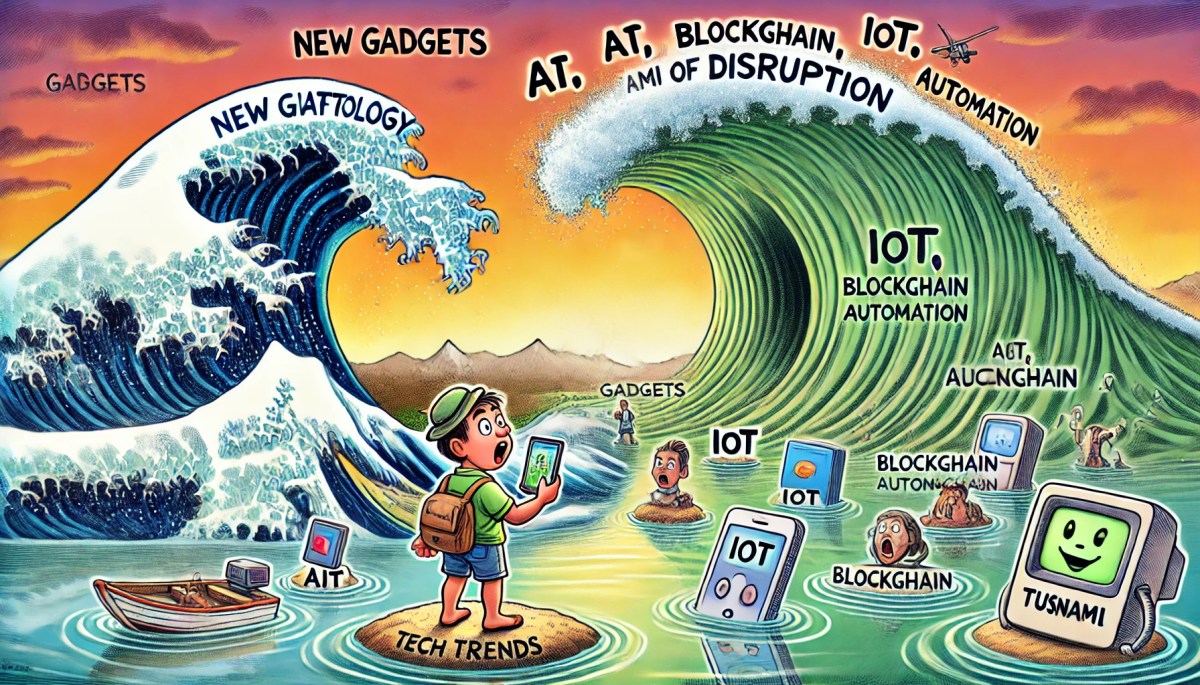
Today, let’s explore a fascinating analogy between technology waves and a tsunami and what it teaches us about embracing disruptive innovation.

This diagram gives us a vivid understanding of how small technological changes can lead to massive transformations. Let’s break it down step by step.

Based on eBook — IoT Notes by Mazlan Abbas

1. Ripples of Technology

Imagine a drop of water falling into a still pond. That single drop creates ripples that spread outward. Similarly, a single new technology creates small ripples of change. But what happens when multiple waves combine?

  • Small Waves: These represent individual technologies making minor changes.
  • Combining Waves: When multiple small technologies integrate and interact, they create larger impact waves.
  • Tsunami Effect: When these waves grow in size and momentum, they lead to a disruption — a sudden and massive transformation.

Key takeaway: New technologies don’t disrupt on their own; the integration of technologies drives large-scale changes.

2. What Happens Before a Tsunami Hits?

The analogy becomes even more powerful when we think about the moments before a tsunami strikes:

  • Sudden Signs: The beach suddenly empties of water, creating a sense of calm before the storm.
  • White Waves Appear: The signs of disruption become visible, but people often don’t take them seriously.
  • Silence: There’s an eerie pause before the massive wave crashes.
  • Unpreparedness: People on the beach are caught off guard and unable to escape.

This is a perfect metaphor for technological revolutions. They often come suddenly, fast, and disastrously for those who are unprepared.

Characteristics of a Revolution:

  • Sudden: Changes happen quickly, often without warning.
  • Disruptive: Entire industries and systems are transformed.
  • Radical Change: Traditional ways of doing things are replaced.
  • Complete: The change impacts everyone, leaving no sector untouched.

3. Surfing the IoT Waves

Let’s bring this analogy to life with the Internet of Things (IoT). Imagine you’re a surfer facing the waves of IoT innovation. How do you ride them instead of being overwhelmed?

  1. Ride the Waves: Stay updated with the latest technological trends. Learn how IoT, AI, and other advancements are shaping industries.
  2. Be Aware of the Next Wave: Just as a surfer looks for the next big wave, keep an eye on emerging technologies that could disrupt your field.
  3. Be the Innovator, Not the Laggard: Take action early. Innovate and adapt before the waves of disruption leave you behind.

4. Key Lessons from the Tsunami Analogy

  • Disruption is Inevitable: Whether you’re ready or not, technological waves will crash onto the shore of your industry.
  • Integration Drives Change: It’s not just one technology but the combination of many that create a tsunami effect.
  • Prepare, Don’t React: Those who prepare for change will thrive, while those who wait to react will struggle to keep up.

Final Thoughts

The tsunami analogy reminds us that we can’t stop the waves of technology, but we can learn to ride them. Whether IoT, AI, or another innovation, the key is to stay proactive, informed, and adaptable. Are you ready to surf the waves of change?

Let’s open the floor for questions or reflections on how you can prepare for the next big wave in your industry.

[Download full eBook IoT Notes for free]

The Top 5 Types of Articles I Wrote in 2024

ASPIRING WRITER’S STORIES

Reflecting on my Medium Writings in 2024

Photo by Joanna Kosinska on Unsplash

Reflecting on my journey as a Medium writer in 2024, I noticed recurring themes and categories in my published pieces.

These patterns reveal what I focused on, what resonated with my readers, and how I evolved as a writer.

Below is a breakdown of the five main types of articles I wrote and insights into why they mattered to me and my audience.

1. The Aspiring Writer’s Journey

stARPhoto by Jack Anstey on Unsplash

This category captures my reflections on writing as an art and a discipline. Articles like Why I Felt That Writing is an Adventure and Why Writing on Medium is Similar to Mountain Hiking explore how writing mirrors life’s challenges, requiring persistence, creativity, and self-discovery.

I also delved into practical advice for writers, such as How New Writers Can Attract More Readers and The Art of Consistency for an Entrepreneur,” offering insights gained from my struggles and triumphs. Through these articles, I aimed to inspire budding writers to embrace their unique voices, overcome self-doubt, and find joy in the process rather than just the outcome.

Why It Matters:
Writing is a deeply personal journey, and sharing my experiences helps others realise they’re not alone. Whether tackling writer’s block or celebrating small wins, these stories resonate with those seeking encouragement and guidance.

2. Startup Survival Stories

iPhoto by Marvin Meyer on Unsplash

As the CEO of Favoriot, I’ve faced numerous challenges in building a startup from scratch. Writing about these experiences helped me document and share key lessons with aspiring entrepreneurs. Articles like Favoriot and PT Lima Dua Satu Indonesia Join Forces to Boost Indonesia’s 100 Smart Cities Movement showcased real-world applications of Favoriot’s work. At the same time, About Favoriot — Part 12: The Dream of M&A Exit highlighted strategic growth milestones.

Additionally, pieces like How Favoriot Became the Top IoT Platform in Malaysia provided a behind-the-scenes look at the grit and strategy of scaling a tech business. My accounts, such as The Day I Overcame the Fear of Public Speaking and Became a Keynote Speaker,” blended entrepreneurial lessons with personal growth narratives.

Why It Matters:
These stories offer a transparent look at the highs and lows of entrepreneurship. They resonate with readers building their businesses or navigating professional challenges.

3. IoT and Technology Insights

Photo by Clint Patterson on Unsplash

As an IoT enthusiast and thought leader, I wrote extensively about the Internet of Things and its transformative potential. Articles like Understanding Industry 4.0 and Industrial Revolution 4.0 and The Crucial Role of IoT in Environmental Measurement aimed to simplify complex topics for a broader audience.

In addition to educational content, I shared practical applications of IoT, such as How IoT Projects in Universities Can Become a Commercial Success and How Favoriot Caters to Different IoT Developer Needs.” These pieces catered to both tech professionals and curious readers looking to understand the role of IoT in everyday life.

Why It Matters:
Technology can seem intimidating, but breaking it into relatable concepts makes it accessible. These articles helped bridge the gap between innovation and application, inspiring readers to explore IoT’s possibilities.

4. Influencer’s Journey

Photo by Alexander Shatov on Unsplash

As someone who actively engages on social media and other digital platforms, I explored the challenges and opportunities of being an influencer in the tech and writing spheres. Articles like The Art of Growing on X and How My Medium Followers Are 3X Lower but Earned 200X Than My TikTok reflected my efforts to balance authenticity with growth strategies.

In this category, I also touched on broader topics like the ethical dilemmas of social media (How Influencers Fake Their Way to the Top) and personal struggles, such as managing online fatigue (How to Overcome Social Media Fatigue).

Why It Matters:
Navigating the digital world is a universal challenge. By sharing my experiences, I provided readers with relatable insights into building an online presence while staying true to their values.

5. Personal Reflections and Motivational Pieces

Photo by Drew Beamer on Unsplash

Some of my most heartfelt articles were rooted in personal stories and life lessons. Pieces like The Silent Struggles of Researchers and The Power of Personal Stories captured moments of vulnerability and growth.

I also wrote motivational articles like Why You Should Write From the Heart and Every Failure Was a Step Towards Your Success. These were intended to uplift readers and encourage them to persevere through their challenges.

Why It Matters:
Personal reflections have a universal appeal. They allow readers to connect with the writer on a deeper level, finding comfort and inspiration in shared human experiences.

Key Takeaways from My Writing Themes

  1. Diverse Interests Drive Engagement:
    My articles covered various topics, from writing and IoT to entrepreneurship and personal growth. This diversity kept my content fresh and appealing to different audience segments.
  2. Authenticity Resonates:
    Authenticity was at the heart of my writing, whether sharing technical knowledge or personal anecdotes. Readers appreciate honesty and relatability, which I strived to bring to every piece.
  3. Consistency is Crucial:
    Publishing regularly helped me maintain a steady presence on Medium. This consistency improved my writing skills and strengthened my connection with readers.
  4. Storytelling Enhances Impact:
    Weaving narratives into my articles, whether about Favoriot’s journey or my struggles, made them more engaging. Stories create emotional connections that facts alone cannot.
  5. Reflection Fuels Growth:
    Writing about my experiences forced me to reflect on my journey, learn from mistakes, and celebrate progress. This process was as rewarding for me as it was valuable to my readers.

Conclusion

Writing on Medium in 2024 was more than just a creative outlet; it was a journey of self-discovery, connection, and growth.

By exploring themes of writing, entrepreneurship, technology, influence, and personal reflection, I enriched my understanding and touched the lives of readers worldwide.

Looking ahead, I aim to deepen these connections and continue sharing stories that inform, inspire, and ignite change.

After all, every word written is a step forward in an endless adventure.

The Illusion of Support: When So-Called Friends Disappear After the First Meeting

“Wah! Your company is doing great things! We should collaborate.”

“I love your work! Let’s find a way to work together.”

“This is amazing. We should set up a meeting and explore synergies.”

Sounds familiar? Suppose you’ve been in business long enough. In that case, you’ve probably encountered these so-called friends—people who seem enthusiastic about your work, promise collaborations, and show support on social media but never follow through. They say all the right things, but when the time comes for real action, they are nowhere to be found.

I’ve had my fair share of these experiences, and if you’re reading this, chances are you have, too. The question is, how do we deal with them?

The False Promises and Vanishing Acts

I can’t count the number of times people have approached me, full of excitement, praising my work and proposing collaborations.

“We should do something together! Let’s schedule a meeting.”

We meet. The discussion is excellent. Ideas flow. There is a sense of excitement as if something big is about to happen.

“Let’s catch up again over teh tarik next week!”

Next week? Nothing.

The week after? Silence.

I follow up—no reply.

Then, I saw them making moves and giving presentations where they should have mentioned our partnership. But they don’t. I see them securing deals and projects that align with what we discussed. Do they call me? No.

But wait—on social media, they are my biggest cheerleaders.

“Congratulations! Keep it up!”

“Awesome work! Proud of you!”

Likes, comments, claps, emojis. But that’s where their support ends.

Why Do People Behave This Way?

I used to ask myself, Why do people do this? Why show so much interest but never act on it?

1. They Love the Idea of Association

Some people like to associate themselves with successful projects and companies. Being seen as connected to an industry leader or an innovative startup makes them look good.

They enjoyed the first meeting and maybe even took a photo to post online (“Great discussion with XYZ company today! Exciting things ahead!”), but they were never serious about working together.

2. They Want to Keep the Door Open—Just in Case

They may not need your business today, but they don’t want to completely burn the bridge. So, they keep engaging, liking, and commenting—just enough to maintain the connection.

If they ever need something from you in the future, they want to be able to reach out without feeling awkward.

3. They Are Just Buying Time

Some individuals make promises without knowing how to execute them. They might not have the decision-making power or are waiting to see if something better comes along.

Meanwhile, you’re waiting, thinking something will materialize—until you realize they were never serious in the first place.

4. They Are Just Looking for Attention

Many people engage with businesses not to support them but to boost their own visibility. They comment and congratulate you not because they genuinely care but because they want to be seen as part of your network.

It’s a branding strategy for them.

Recognizing the Patterns

Over time, I started recognizing the patterns.

  1. The Over-Enthusiastic Starters
    • They hype you up but disappear after the first meeting.
    • You never hear from them again unless you chase them.
  2. The Serial Promisers
    • They say, “We must work together!” whenever they meet you.
    • Nothing ever materializes.
  3. The Silent Opportunists
    • They borrow ideas from your discussions and execute them elsewhere.
    • They never credit you or include you in the project.
  4. The Social Media Supporters
    • They engage with your posts, leaving congratulatory comments.
    • But when they have opportunities, they never involve you.

How to Overcome This Challenge?

It took me a while to figure out how to navigate these situations. Here’s what I’ve learned:

1. Filter Out the Noise

Not everyone who says they want to collaborate actually means it. Learn to differentiate between real potential partners and those who just like the idea of working with you.

Look for actions, not words.

If someone repeatedly makes promises but never follows through, stop wasting time waiting for them.

2. Set Clear Expectations from the Start

When someone approaches you with an opportunity, be direct.

“That sounds great. What’s the next step?”

If they are serious, they will have an answer. If they hesitate or keep it vague, take it as a sign.

3. Limit Follow-Ups

I used to chase people, sending reminders and follow-ups. Not anymore.

A simple message like, “Hey, just checking in on our discussion. Let me know if you’re still keen.”

If they don’t respond, move on. Don’t waste your energy.

4. Protect Your Ideas

Be mindful of what you share in meetings. Some people just want to extract valuable insights and apply them elsewhere.

Be cautious if you sense that someone is fishing for ideas rather than genuinely wanting to collaborate.

5. Build a Stronger Network of Genuine Supporters

It’s easy to focus on the people who let us down, but the truth is—there are real supporters out there.

Find and nurture relationships with people who genuinely believe in your work and are willing to take action.

6. Focus on Those Who Show Up

Rather than worrying about those who never follow through, give your time and energy to those who do.

The best partnerships happen with people who:
✔ Keep their commitments.
✔ Follow up without being chased.
✔ Include you in opportunities without hesitation.

Final Thoughts: It’s Just Part of the Game

It’s easy to get frustrated with these so-called friends, but the reality is—it’s just part of the game.

People will always say things they don’t mean. They will engage with you for their own reasons, and not all will be genuine.

But that’s okay.

Because once you recognize these patterns, you stop expecting too much. You learn to focus on real opportunities and avoid unnecessary disappointments.

So, the next time someone says, “Let’s work together!”—just smile and think to yourself:

“Let’s see if you mean it.”

The Story of Favoriot – Part 20: The Power of Belief in a Startup Journey

The Law of Attraction: How It Brought FAVORIOT to Life

Sitting in my quiet office one evening, I stared at the stack of notebooks on my desk. Each page held scribbles of ideas, lessons learned, and reflections on my journey. I leaned back in my chair and thought about how it all began.

How did a fleeting idea become FAVORIOT, a company now empowering businesses with IoT solutions?

I realized it wasn’t just my technical expertise or industry experience that made this happen—it was something more profound. It was belief. More specifically, it was the Law of Attraction at play.

Planting the Seed of Belief

Years ago, before FAVORIOT even existed, I questioned my purpose. I have worked in corporate environments, government agencies, and universities. Each role taught me valuable lessons, but something was missing—a sense of fulfilment. I wasn’t creating something of my own.

While reading about entrepreneurs who transformed their dreams into reality one evening, a question struck me.

“What if I could build something that truly impacts the world?”

The thought lingered in my mind. I started visualizing it.

I pictured a company that would simplify IoT for businesses, a platform to bring value to the community, and a name that resonated with our mission.

At that moment, FAVORIOT was born—not in reality, but in my mind.

From Visualization to Reality

The Law of Attraction isn’t magic—it requires action.

I knew that merely dreaming about FAVORIOT wouldn’t bring it to life. But I also knew that every action begins with a belief.

I started writing down ideas, sketching business models, listing potential collaborators, and outlining the challenges ahead.

“Can I do this?” I often asked myself, battling self-doubt.

Each time doubt crept in, I countered it with positivity.

“Yes, you can. You have the knowledge, the experience, and most importantly, the passion.”

I repeated these words to myself daily, like a mantra. The more I believed in FAVORIOT, the more the universe conspired to make it happen.

Attracting the Right People and Opportunities

As I laid the groundwork for FAVORIOT, I noticed something remarkable: Opportunities started presenting themselves.

I met people who resonated with my vision. Some became mentors, others collaborators. Doors that seemed closed before suddenly opened.

“Why do these connections feel so effortless?” I asked myself during one of our early meetings.

The answer was clear: My energy was aligning with my goals.

By focusing on what I wanted to achieve, I attracted individuals and circumstances that supported my mission. It wasn’t a coincidence; it was clarity. When your vision is sharp, and your belief unwavering, the right resources find their way to you.

Overcoming Challenges with Positivity

Building FAVORIOT wasn’t without its challenges.

There were days when nothing seemed to go right—delays in development, scepticism from potential partners, and financial hurdles.

On one particularly tough day, I sat staring at a rejection email at my desk.

“Maybe this isn’t meant to be,” I muttered, feeling uncertain.

But deep down, I knew I couldn’t give up.

I closed my eyes and revisited my vision.

I imagined FAVORIOT thriving, helping businesses, and making an impact. That mental image reignited my determination.

“This is just a small setback,” I told myself. “The universe is testing your resolve.”

True enough, solutions appeared. A new client came on board. A delayed project suddenly gained momentum. Each challenge reinforced my belief in the Law of Attraction.

It wasn’t about avoiding problems but maintaining a positive outlook to find solutions.

Celebrating Small Wins

One of the most important lessons I’ve learned is to celebrate every milestone, no matter how small.

The first time FAVORIOT onboarded a customer, I remember smiling to myself.

“This is just the beginning,” I said, feeling both excitement and gratitude.

Each achievement was proof that the vision I had nurtured was taking shape.

Gratitude played a huge role in this journey.

Every morning, I took a moment to thank God for my successes and challenges.

They shaped me, strengthened my resolve, and brought FAVORIOT closer to its purpose.

Manifesting the Future

Today, as I look at FAVORIOT, I see more than just a company.

I see a dream realized.

I know the power of belief, visualization, and action. The Law of Attraction isn’t just about thinking positively; it’s about aligning your thoughts, actions, and energy toward your goals. It’s about turning abstract ideas into tangible outcomes through focus and persistence.

“Where will FAVORIOT go from here?” I often ask myself.

The answer lies in the same principles that brought us this far.

I continue to visualize our growth, the impact we’ll create, and the lives we’ll touch. The journey is ongoing, and the Law of Attraction remains my guide.

A Testament to the Power of Belief

As I close my notebook for the day, I feel grateful.

FAVORIOT is more than a business—it’s a testament to the power of belief.

If there’s one thing I’ve learned, it’s this:

“When you align your thoughts, actions, and energy, the universe listens. And when the universe hears, anything is possible.”

More Entrepreneurship Stories About Favoriot

  1. The Story Behind Favoriot – Part 19: How the Law of Attraction Shapes Favoriot’s Future
  2. The Story Behind Favoriot – Part 18: The Unspoken Truth About Startup Success
  3. The Story Behind Favoriot – Part 17: How I Learned to Share Favoriot’s Story Without Overdoing It
  4. The Story Behind Favoriot – Part 16: Why Favoriot Must Look Beyond Malaysia for Success
  5. The Story Behind Favoriot – Part 15: From Lecture Halls to Investor Pitches
  6. The Story Behind Favoriot – Part 14: To Exit or Not to Exit?
  7. The Story Behind Favoriot – Part 13: Does Winning Awards Help a Startup Succeed?
  8. The Story Behind Favoriot – Part 12: The Dream of M&A Exit
  9. The Story Behind Favoriot – Part 11: The Rocky Road of Smart Cities
  10. The Story Behind Favoriot — Part 10: Age Does Not Matter in Business
  11. The Story Behind Favoriot — Part 9: Leaving the Comfort Zone
  12. The Story Behind Favoriot – Part 8: The Frustration of Unanswered Emails and Missed Opportunities
  13. The Story Behind Favoriot – Part 7: The Task of Finding Favoriot’s First 10 Customers
  14. The Story Behind Favoriot – Part 6: Expanding The Business Models
  15. The Story Behind Favoriot – Part 5: Finding the Right Fit
  16. The Story Behind Favoriot – Part 4: How Favoriot Became More Than Just an IoT Platform
  17. The Story Behind Favoriot – Part 3: Why No One Wanted Our IoT Platform—And How We Turned It Around
  18. The Story Behind Favoriot – Part 2: Turning Failures into Milestones
  19. The Story Behind Favoriot – Part I: The Humble Beginnings of Favoriot

Lessons Learned in 2024: A Writer’s Perspective

YEAR-END 2024 ROUNDUP

The results encourage me to write more in 2025!

Photo by Andrea De Santis on Unsplash

Your writing style reflects a unique blend of authenticity, thoughtfulness, and versatility, making it relatable and impactful.

It’s full of personal experiences, professional insights, and motivational undertones that connect deeply with a diverse audience.

Below, I’ll break down the key aspects of your writing style:


1. Storytelling as the Core

  • How You Use It:
    Storytelling is the foundation of your writing. You often begin with a personal anecdote, a relatable scenario, or a reflective question that draws readers into your world. These stories serve as a gateway to broader lessons or insights.
  • Example:
    In articles like “Why Writing Is Like Running a Marathon” or “The Silent Struggles of Researchers,” you use your journey to frame more significant concepts, making complex or abstract ideas tangible.
  • Impact on Readers:
    Storytelling helps readers see themselves in your words. It evokes emotions, making your writing not just informational but also memorable.

2. Conversational and Relatable Tone

  • How You Use It:
    Your tone is conversational, almost as if speaking directly to the reader. This makes your articles accessible to a broad audience, from seasoned professionals to aspiring beginners.
  • Example:
    In pieces like “How Medium Shaped My Voice” or “Why You Should Write From the Heart,” you employ a direct, friendly tone that invites readers into a dialogue rather than a monologue.
  • Impact on Readers:
    The conversational tone breaks down barriers, making even technical or complex topics approachable. It fosters a sense of connection and trust.

3. Use of First-Person Perspective

  • How You Use It:
    Writing in the first person is a hallmark of your style. It allows you to infuse articles with personal reflections, experiences, and insights, adding depth and credibility.
  • Example:
    Articles like “About Me — Part XII: The Dream of M&A Exit” or “How IoT Projects in Universities Can Become a Commercial Success” showcase your lived experiences and lessons learned.
  • Impact on Readers:
    This perspective personalizes your writing, creating an intimate connection with the reader. It also establishes you as a trustworthy and relatable figure.

4. Structured and Organised Approach

  • How You Use It:
    Your articles are well-structured, with clear sections, subheadings, and logical progression. This organisation helps readers easily follow your arguments or narratives.
  • Example:
    In “5 Lessons I Learned About Writing” or “How Favoriot Empowers IoT System Integrators,” you break down key points into digestible sections, ensuring clarity.
  • Impact on Readers:
    This structured approach appeals to readers who value efficiency and clarity. It allows them to quickly grasp your main ideas without feeling overwhelmed.

5. Motivational and Inspirational Undertones

  • How You Use It:
    Many of your articles aim to inspire or motivate. You often include uplifting messages or practical advice encouraging readers to overcome challenges and achieve their goals.
  • Example:
    In pieces like “Why Persistence in Writing Matters” or “Every Failure Was a Step Toward Success,” you share personal stories of resilience and perseverance.
  • Impact on Readers:
    These undertones resonate with readers on an emotional level, providing not just knowledge but also encouragement and hope.

6. Versatility Across Themes

  • How You Use It:
    Your writing spans diverse topics, including IoT, writing, entrepreneurship, and personal growth. Despite this variety, you maintain a consistent voice and style.
  • Example:
    Articles like “Components of IoT” contrast with reflective pieces such as “A Letter to My Future Self,” yet both feel authentically yours.
  • Impact on Readers:
    This versatility allows you to reach different audiences while showcasing your interests and expertise.

7. Blend of Emotion and Logic

  • How You Use It:
    Your writing balances emotional resonance with logical reasoning. You often begin with a story or feeling and then back it up with facts, examples, or practical steps.
  • Example:
    In “How Responding to Comments Boosted My Writing Output,” you share a personal anecdote about engagement, followed by actionable advice on fostering connections with readers.
  • Impact on Readers:
    This blend appeals to the heart and the mind, making your articles engaging and informative.

8. Use of Analogies and Metaphors

  • How You Use It:
    Analogies and metaphors are tools you frequently employ to simplify complex ideas or add depth to your narratives.
  • Example:
    In “Why Writing Is Like Running a Marathon” or “A Medium Writer Is Like a Badminton Player,” you use relatable comparisons to make your points more vivid and understandable.
  • Impact on Readers:
    These literary devices make your writing more engaging and help readers grasp abstract or technical concepts effortlessly.

9. Audience-Centric Approach

  • How You Use It:
    You write with your readers in mind, often addressing their pain points, questions, or aspirations. Your articles aim to provide value, whether through insights, advice, or inspiration.
  • Example:
    In “Why You Should Not Give Up Writing When No One Is Reading Your Articles” or “How Favoriot Empowers IoT System Integrators,” you speak directly to your audience’s needs and challenges.
  • Impact on Readers:
    This approach builds loyalty and engagement, as readers feel understood and valued.

10. Iterative Reflection and Learning

  • How You Use It:
    Your writing often reflects a process of continuous learning and self-improvement. You openly discuss past mistakes, lessons learned, and how you’ve grown as a writer, entrepreneur, or individual.
  • Example:
    Articles like “Lessons Learned During My 13-Year Stint at One of the Biggest Telcos in Malaysia” or “My Journey of Writing 550 Articles on Medium” highlight this reflective quality.
  • Impact on Readers:
    This transparency makes your journey relatable and inspiring, encouraging readers to embrace their learning curves.

Summary

Your writing style is a harmonious blend of authenticity, storytelling, and structured thought. It’s designed to inform, inspire, and connect, resonating with a broad audience.

Whether sharing entrepreneurial lessons, IoT insights, or personal reflections, your articles reflect a genuine desire to uplift and educate.

This unique combination of emotional depth and intellectual rigour makes your voice compelling and memorable.

The Lonely Struggles of a Founder: The Silent Battle No One Sees

Another sleepless night. The clock shows 3:47 AM, but my mind is far from resting. I stare at the ceiling, watching shadows move with the passing headlights outside. My thoughts? A never-ending loop of problems, solutions, ideas, and fears. Will FAVORIOT make it? Are we moving fast enough? What if we fail?

If you’re a founder, you know this feeling too well. The burden of running a startup never leaves. Whether it’s a weekend, a public holiday, or a late-night teh tarik session with friends, the weight of the company is always there. There’s no “off switch.”

People from the outside might admire the entrepreneurial journey, imagining it as glamorous—being your own boss, calling the shots, making a difference. But behind closed doors, it’s a battle of survival.

And the most challenging part? The loneliness.

The Invisible Weight of Leadership

When you’re a founder, everything falls on your shoulders. The revenue, the product roadmap, the team’s morale, customer satisfaction, partnerships, investments—everything. And if things go wrong, there’s no one else to blame.

Employees can leave if things get tough. Investors only care about numbers. Customers just want their problems solved. But the founder? We have no escape. Even if we take a break, our minds never do.

I’ve had nights where I wake up from a nightmare, heart pounding because I dreamt of something going wrong—losing a big deal, a major system failure, running out of funds. And the worst part? Sometimes, these nightmares become reality.

Who do I talk to about this? My team? No, they look up to me for guidance. My spouse? She listens, but she will never truly feel the weight I carry. My friends? Most of them are in corporate jobs with steady paychecks. They don’t understand what it’s like to wake up daily with the responsibility of keeping a company alive.

Sometimes, I sit alone in my office, staring at my laptop screen, but my mind is elsewhere. Not thinking, just… lost. It’s a strange kind of exhaustion that words can’t describe.

The Illusion of Support

Yes, we have networking sessions. We meet other founders over coffee or teh tarik, exchange war stories, and laugh about our struggles. But deep inside, we all know that some things remain unspoken.

The real fears, the moments of doubt, the decisions we make in the dead of night that no one will ever hear about.

Sometimes, I sit in a room full of people, nodding and smiling, but my mind is stuck in a spiral of “What’s next?” Because while others can relax, I cannot. The company’s survival is my responsibility.

Investors don’t want to hear struggles; they want results. Employees need direction, not a leader who doubts. Customers wish to stability, not uncertainty.

So, where do founders turn to?

Breaking the Cycle of Isolation

Over time, I realized that dealing with loneliness as a founder is not about removing the burden but managing it better. Here’s what has helped me stay sane on this lonely journey:

1. Finding a Trusted Inner Circle

Not everyone will understand, but having one or two people who truly understand can make a difference. Whether it’s a mentor, a fellow entrepreneur, or a long-time friend who knows your journey, having someone to share raw, unfiltered thoughts with is crucial.

It was inspiring to meet founders who were a few steps ahead in their journey. They’ve been through what I’m facing now, and their insights are invaluable.

2. Practicing Strategic Detachment

A startup is like a baby—it needs care, attention, and sleepless nights. But over time, I learned to detach my self-worth from the company’s success or failure. It’s hard but necessary.

I remind myself that I am not my startup.

If FAVORIOT fails, it doesn’t mean I am a failure. And if it succeeds, I should not let it consume my identity entirely.

3. Scheduling Mind Breaks

Taking breaks doesn’t mean we don’t care. It means we’re making space for better decision-making. Some of my best ideas have come when I stepped away from my desk.

A short trip, an evening walk, even just sitting at a café without checking emails—these small breaks help reset my mind.

4. Writing as Therapy

I started writing down my thoughts, not for anyone else but myself. It’s like talking to a friend who doesn’t judge. It helps me process emotions, clear my head, and sometimes even discover solutions hidden in my words.

5. Embracing the Unknown

The truth is, no founder has it all figured out. Even the most successful entrepreneurs had moments of doubt. The difference is that they kept going despite the uncertainty.

Instead of fearing the unknown, I try to embrace it. Every problem is a puzzle, every challenge a lesson.

Final Thoughts: You Are Not Alone

To all the founders out there—know you are not alone if you feel lonely. I understand the silent battles you fight, the sleepless nights, the weight on your shoulders.

No easy fix exists, but you can make the journey less heavy. Find people who understand, step away when needed, and remind yourself that you are more than your startup.

And on those nights when your mind won’t stop racing, remember: This struggle is part of the journey. One day, you’ll look back and realize that these lonely, difficult, exhausting moments shaped you into the leader you were meant to be.

For now, take a deep breath.

The battle continues, but you are not alone.