When Writing Free eBooks Still Feels Like Shouting Into the Void

I did not expect this feeling to arrive so quietly.

No dramatic moment.
No emotional breakdown.
Just a soft question that kept returning while I stared at my screen.

Should I stop writing eBooks about IoT, startups, and entrepreneurship?

I have written several eBooks over the years. Some came from years of experience building platforms. Some from scars earned while running a startup. Some from observing founders struggle with the same blind spots again and again.

I made them free.
No paywall.
No upsell tricks.
Just knowledge, stories, and lessons shared openly.

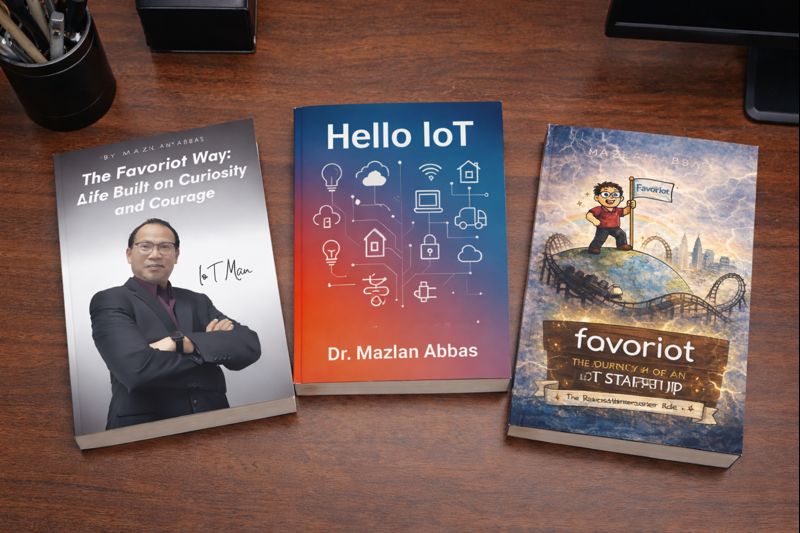
Yet after my last three books (Hello IoT, The Favoriot Way: A Life Built on Curiosity and Courage, Favoriot : The Journey of an IoT Startup), something felt off.

Downloads slowed.
Shares dropped.
The quiet became louder.

At first, I blamed myself.

Maybe the topics are stale.
Maybe I am repeating myself.
Maybe people are tired of hearing from me.

Then another thought crept in.

Or maybe the world has changed.

The Moment I Could No Longer Ignore

I noticed something about my own habits before blaming anyone else.

I no longer Google as much.
I open ChatGPT.
I type a question.
I get an answer.

Direct.
Fast.
Clean.

And here is the uncomfortable truth.

I am guilty too.

I ask AI to summarise books.
I ask for key takeaways.
I skim instead of sitting with pages.

Who am I to complain when I do the same thing?

That realisation stung.

Because I used to love reading slowly. Highlighting sentences. Rereading paragraphs. Letting ideas sit for days.

Now, time feels compressed. Attention feels borrowed. Everything competes for mental space.

The Silent Shift No One Talks About

This is not about AI replacing writers.

It is about AI changing readers.

People no longer want to search.
They want answers.

They no longer want ten blog posts.
They want one response.

They no longer want to explore.
They want to arrive.

Why buy a book when a prompt gives you a clean summary?

Why spend hours reading when minutes feel enough?

That question hurts writers, but it is not wrong.

Books were once a journey.
Now they are treated like databases.

Tell me what matters. Skip the rest.

Short Attention Is Not a Moral Failure

I hear people complain about attention spans all the time.

But I do not think it is laziness.
I think it is survival.

We are flooded with inputs. Messages. Alerts. Updates. Noise.

Reading a 150-page eBook feels heavy when your mind is already full.

The new generation did not lose patience.
They adapted to overload.

They want clarity, not volume.
Direction, not depth.

At least not by default.

When Free Still Feels Expensive

Making my eBooks free was supposed to remove friction.

Yet free does not mean easy.

Reading still costs time.
Thinking still costs energy.

AI removed that cost.

One prompt feels cheaper than one chapter.

So why am I surprised?

The Hard Question I Keep Avoiding

I keep asking myself something uncomfortable.

Am I writing for impact, or am I writing out of habit?

In the past, writing eBooks felt like leaving a trail behind. Something lasting. Something searchable. Something meaningful.

Now it feels like throwing paper planes into a sky full of drones.

They fly faster.
They reach further.
They respond instantly.

Paper planes still matter.
But fewer people look up.

Books Versus Conversations

AI feels like a conversation.

Books feel like a lecture.

That difference matters.

People want interaction. They want follow-up questions. They want context tailored to their situation.

A book cannot ask back.

AI can.

And that changes expectations.

What Writing Used to Give Me

I did not write eBooks just for readers.

I wrote to think.

Writing forced clarity.
It slowed my thoughts.
It made experiences visible.

If I stop writing books, what replaces that?

Blogs?
Short posts?
Conversations?
Voice notes?

I do not know yet.

That uncertainty is unsettling.

Maybe Books Are No Longer the First Door

Here is a thought I am still wrestling with.

Books may no longer be entry points.
They may become reference points.

Not where people start, but where they return when they want depth.

AI gives direction.
Books give texture.

AI answers questions.
Books explain why the questions matter.

But fewer people reach that stage.

The Ego Check I Needed

Another truth I had to face.

I assumed free meant valuable.
I assumed experience meant relevance.

Neither guarantees attention.

The world does not owe writers readers.

Attention is earned every day.

Even by those who have written before.

Am I Really Stopping?

When I say I feel like stopping, I am not quitting writing.

I am questioning the format.

Maybe eBooks are not where my thoughts want to live anymore.

Maybe ideas want to breathe in smaller spaces.
Or in stories.
Or in conversations.

Or maybe fewer books, written slower, with deeper intent.

I am not sure yet.

What I Do Know

AI has changed how we read.
AI has changed why we read.
AI has changed when we read.

That shift is real. It is not a phase.

Fighting it feels pointless.

Understanding it feels necessary.

The Choice In Front of Me

I can keep writing eBooks and accept fewer readers.

I can stop writing books and find new ways to share ideas.

Or I can redefine what a book means in a world that no longer reads the same way.

Right now, I am sitting with the discomfort.

No dramatic announcement.
No final decision.

Just honesty.

A Quiet Ending With an Open Question

I still believe ideas matter.
I still believe stories shape thinking.
I still believe writing is worth doing.

But I no longer believe format guarantees relevance.

Maybe the real question is not whether I stop writing eBooks.

Maybe it is whether I am brave enough to write differently.

If you are a writer, a reader, or someone who quietly stopped reading books, I would love to hear your thoughts.

Have you felt this shift too?

Book Review by a Young Founder: How The Favoriot Way Sparked New Fire in Me

I picked up The Favoriot Way: A Life Built on Curiosity and Courage by Mazlan Abbas at a time when I felt stuck between ambition and uncertainty. The title alone sounded like something a seasoned founder might write after years of success. What I didn’t expect was how personal, honest, and relatable this book would feel from the very first page.

Right away, I could sense this wasn’t a typical business book full of polished charts and bright promises about overnight success. It felt like sitting down with someone a few steps ahead of me on a road I’m still trying to map out. I could almost hear his voice explaining how curiosity pushed him forward in ways no strategy ever could.

Curiosity as a Compass

What hit me first was how Mazlan traced his journey back to childhood curiosity, fiddling with broken radios, wanting to know how things worked. It made me reflect on my own early curiosities. For me, it was taking apart gadgets as a kid, even though I rarely put them back together. Reading that made me laugh and nod at the same time.

As a young entrepreneur, it’s easy to look at seasoned founders and assume they had some secret formula from the start. This book reminded me that the real engine behind growth is simple curiosity showing up with questions and staying with them even when answers aren’t obvious.

Real Talk About Real Challenges

The book moves through Mazlan’s life from student days to corporate leadership and into entrepreneurship with Favoriot. But it doesn’t boast or brag. What stood out most were the honest moments where he wasn’t sure what came next. That was refreshing. I often worry that not knowing the next step means I’m failing. Reading about someone I respect being uncertain and still moving forward felt like a permission slip.

There was one part where he talked about choosing entrepreneurship at an age when many people are thinking about stability. That hit me hard. I’ve always wondered if my dreams make sense in the real world. His reflections made me rethink that fear and see it as part of the journey, not a detour.

Lessons That Feel Personal

What I appreciated most about this book is that it doesn’t give you a checklist of things to do. There are no fluff headlines about “10 steps to success.” Instead, Mazlan shares what he learned about being patient, thinking clearly, and trusting that consistent effort compounds over time. As someone building something from scratch, that perspective felt grounding.

I highlighted lines about:

  • Taking time to think clearly
  • Putting curiosity ahead of shortcuts
  • Treating failure not as a dead end but as data

Every time I paused on a passage, I found myself thinking “Yes, that’s exactly how it feels.” It was like someone had put into words things I’d been feeling but couldn’t articulate.

Accessible and Encouraging

The writing style is simple but powerful. Some moments felt like candid conversations instead of formal text. If you’re like me, juggling ideas and doubts, this tone makes the content feel accessible and encouraging rather than intimidating.

I’ve read business books that left me motivated for a day, only to be forgotten. This one stayed with me at the end of each chapter. It made me reflect on why I’m building what I’m building and how I want to show up for it.

Why This Book Matters for Young Founders

As someone forging my own path, I didn’t need another blueprint. What I needed was perspective. Someone to remind me that uncertainty isn’t a flaw, but part of the startup journey. Someone to say that curiosity will keep me going long after hype fades.

The Favoriot Way gave me that.

It’s short, easy to read, and packed with real insights that feel like they came from lived experience. Whether you are just starting a venture or trying to find clarity in your direction, this book gives you something many other business books don’t: emotional resonance with your struggles.

Final Thoughts

Reading this book felt like a conversation with a mentor who doesn’t sugarcoat but still believes in your potential. For young entrepreneurs like me who sometimes doubt whether we’re on the right track, this was precisely the kind of perspective we need.

It doesn’t tell you what your next move should be. It gives you the confidence to make that move yourself.

If you’re chasing ideas, navigating doubt, or building something that matters to you, The Favoriot Way deserves a spot in your reading list.

Rating: 4.5 out of 5 stars

And if you’ve read it too, I’d love to hear which part spoke to you most. Drop a comment and let’s talk about it.

[Book review: A Young Entrepreneur in the Making]

Download eBooks from Mazlan Abbas

  1. Favoriot – The Journey of an IoT Startup
  2. The Favoriot Way – Life of Curiosity and Courage
  3. Hello IoT
  4. Mastering IoT with Favoriot: A Comprehensive Guide for Business and Educational Institutions
  5. Internet of Things (IoT): A Beginner’s Guide
  6. Startup Survival: The Journey of a Tech Entrepreneur
  7. Your IoT Journey
  8. IoT Notes

How I Turned Dry Tech Topics into Must-Read Articles

WRITER’S STORIES

My Journey from Academic Papers to Engaging Blogs: 6 Essential Tips

Photo by Shaurya Sagar on Unsplash

Writing articles that captivate and engage readers is an art form I’ve had to master over the years through trial and error.

When I first started sharing my thoughts on gadgets and technology, I didn’t realize how important it was to make my content informative and engaging.

This journey has taken me from academic papers to blogs and now to a broader audience interested in the Internet of Things (IoT) and smart cities.

I remember the early days of my blogging journey.

I was sitting at my desk, staring at a blank screen. “How do I make this interesting?” I would ask myself.

Who is going to read this?” Over time, I discovered that writing articles people want to read involves a mix of storytelling, practicality, and a touch of personality.

1. Understand Your Audience

Photo by Melanie Deziel on Unsplash

One of my first lessons was the importance of knowing who you’re writing for. It might sound obvious, but this step is often overlooked.

I used to write purely from my perspective, focusing on what I found interesting.

But as I dig deeper into blogging, I realized that my audience had different needs and interests.

One evening, while reviewing my blog statistics, I asked myself, “Who are my readers?” “What are they looking for?

I started paying attention to the comments, the most-read articles, and the feedback I received.

It became clear that my audience was not just tech enthusiasts but also professionals looking for practical applications of IoT and insights into smart city developments.

Understanding my audience meant I had to shift my focus.

Instead of discussing the latest gadgets, I explored how these technologies could be applied in real-world scenarios.

This approach made my content more relevant and helped establish a connection with my readers.

2. Start with a Hook

Photo by Steve Johnson on Unsplash

Getting someone’s attention in the first few seconds is crucial.

In today’s fast-paced world, people have short attention spans.

If your article doesn’t grab them immediately, they’ll move on to something else.

I recall an article I wrote about the future of IoT in healthcare. “How do I begin this?” I pondered, knowing the importance of a strong opening.

I decided to start with a personal story — a visit to a hospital where I saw IoT devices in action. “Imagine walking into a hospital where every device is connected, providing real-time data to doctors and nurses,” I wrote.

This hook was engaging and set the stage for the detailed analysis that followed.

3. Use a Conversational Tone

Photo by LinkedIn Sales Solutions on Unsplash

One of the most significant shifts in my writing style was adopting a conversational tone.

I was used to formal writing in the academic world.

However, blogging and writing for a broader audience required a different approach.

How would I explain this to a friend over coffee?” I often asked myself.

This mindset helped me simplify complex topics and make my writing more accessible.

Using a conversational tone made my articles feel like dialogue rather than lectures, which resonated well with my readers.

4. Make it Practical

Photo by Joel Rohland on Unsplash

People love articles that offer practical advice they can apply in their lives.

This realization came to me after I wrote several articles that dug deep into the theoretical aspects of technology but received lukewarm responses.

While writing about IoT deployment strategies, I wondered, “How can I make this more useful?

I began to include step-by-step guides, tips, and case studies.

For example, I didn’t just talk about the benefits in an article about smart city implementation.

I provided a roadmap for city planners on how to get started, from conducting feasibility studies to choosing the right technology partners.

5. Incorporate Visuals

Photo by Alex Litvin on Unsplash

A picture is worth a thousand words, and in the digital age, visuals are more important than ever.

This was a harsh lesson for me.

As someone who loves words, I initially resisted incorporating too many images or infographics.

One day, while revising an article on IoT sensors, I realized how text-heavy it was. “Would I read this if I wasn’t so passionate about the topic?” I asked myself honestly.

The answer was no.

I started adding diagrams, charts, and photos to break up the text and illustrate my points.

The feedback was overwhelmingly positive.

Readers appreciated the visual aids, and they made the information more accessible and digestible.

6. Keep It Concise

Photo by Hamish Duncan on Unsplash

While my articles are now more comprehensive, I’ve learned the importance of conciseness.

This may seem contradictory, but even in longer pieces, being concise is about making every word count.

I used to write long-winded explanations, thinking that more words equaled more value.

However, readers often need help to skim through or lose interest. “How can I say this more succinctly?” became a constant question during my writing process.

Trimming unnecessary words and focusing on clarity made my articles more engaging and effective.


Finding My Unique Voice

Photo by Etienne Girardet on Unsplash

Beyond these six strategies, finding my unique voice was a crucial part of my journey.

As a professional in IoT and smart cities, I wanted my expertise to shine through and be relatable.

While working late in my office one evening, I reflected on my journey. “What makes my perspective unique?” I asked myself.

The answer lay in my diverse experiences — from academia to industry, local projects to international collaborations.

Embracing these aspects, I started sharing personal anecdotes, challenges, and successes.

For instance, I shared a story from my time at CELCOM Axiata in an article about overcoming obstacles in Billing System migration implementation.

We faced a significant hurdle in integrating a new technology with our existing infrastructure.

By narrating this experience, including the sleepless nights and the eventual breakthrough, I connected with my readers on a deeper level.

They saw not just the expert but a person who had faced and overcome challenges similar to their own.

Building a Community

Photo by mauro mora on Unsplash

Writing is not just about creating content; it’s about building a community.

Over time, I realized the value of engaging with my readers beyond the articles.

Responding to comments, participating in discussions, and being active on social media platforms like LinkedIn and Twitter helped me build a loyal readership.

How can I foster a sense of community?” I often asked myself.

I started hosting webinars and live Q&A sessions where readers could interact with me directly.

This boosted my engagement and provided valuable insights into what my audience cared about.

Their feedback became a crucial part of my content strategy.

Embracing Feedback

Photo by Jon Tyson on Unsplash

Feedback, both positive and negative, is a powerful tool for growth.

In the early days, negative comments would discourage me. “Am I not good enough?” I would wonder.

But over time, I learned to see feedback as an opportunity to improve.

Constructive criticism helped me identify areas for improvement. For instance, after receiving feedback that some of my articles were too jargon-heavy, I consciously tried to simplify my language.

How can I explain this in a way everyone can understand?” became a guiding principle.

Positive feedback, on the other hand, reinforced what I was doing right.

Knowing that my articles had helped someone or sparked a new idea was incredibly rewarding and motivated me to keep writing.

Continuous Learning

Photo by Dmitry Ratushny on Unsplash

The world of technology is fast moving, and so is the world of writing.

Staying updated with the latest trends in both fields is essential.

I dedicate time to reading other thought leaders, attending conferences, and participating in workshops.

How can I stay relevant?” I frequently ask myself.

By continuously learning and adapting, I ensure that my content remains fresh and insightful.

This commitment to growth is about staying ahead in my field and providing the best value to my readers.

The Journey Ahead

Photo by Mantas Hesthaven on Unsplash

Reflecting on my writing journey, I’m grateful for the lessons learned and the community I’ve built.

Writing articles that people want to read is not a destination but an ongoing journey.

It requires patience, persistence, and a willingness to evolve.

Every article I write is an opportunity to connect, inspire, and make a difference.

Whether it’s a piece on the latest IoT innovation or a personal reflection on my experiences, my goal remains to provide value to my readers.

What’s next?” I often wonder.

The possibilities are endless, and the journey continues.

With each article, I strive to refine my craft, learn from my audience, and contribute to the ever-growing world of knowledge.


In conclusion, writing articles people want to read is about understanding your audience, starting with a hook, using a conversational tone, making it practical, incorporating visuals, and keeping it concise.

It’s also about finding your unique voice, building a community, embracing feedback, and committing to continuous learning.

This experience has been enriching, and I’m excited about what lies ahead.

Top 10 Books on Entrepreneurship That You Have to Read

[Disclaimer: This article includes Affiliate Marketing links]

Embarking on an entrepreneurial journey is akin to setting sail on uncharted waters, where every challenge is an opportunity and every setback a lesson.

In this ever-evolving odyssey, books on entrepreneurship are not just resources; they are compasses that guide, mentors that inspire, and tools that equip.

This review is a curated exploration of the top 10 books in entrepreneurship, each a gem that shines a light on different facets of the entrepreneurial universe.

Imagine this: a collection where each book is a conversation with a thought leader, a masterclass from a seasoned entrepreneur, or a strategic session with a visionary venture capitalist.

These authors don’t just write; they speak from a place of profound experience and insight, offering a rich tapestry of knowledge that ranges from the grit of starting up to the finesse of innovative leadership.

In this analytical yet engaging journey, we will navigate through the core ideas of these groundbreaking works.

We’re not just listing books; we’re unraveling the wisdom within their pages, assessing their impact in the entrepreneurial sphere, and connecting their lessons to the pulsating rhythm of today’s business world.

Whether you’re sketching your first business plan or scaling new entrepreneurial heights, these books are more than just a read; they’re a transformative experience for any entrepreneur. Get ready to turn their pages and turn your entrepreneurial dreams into reality.

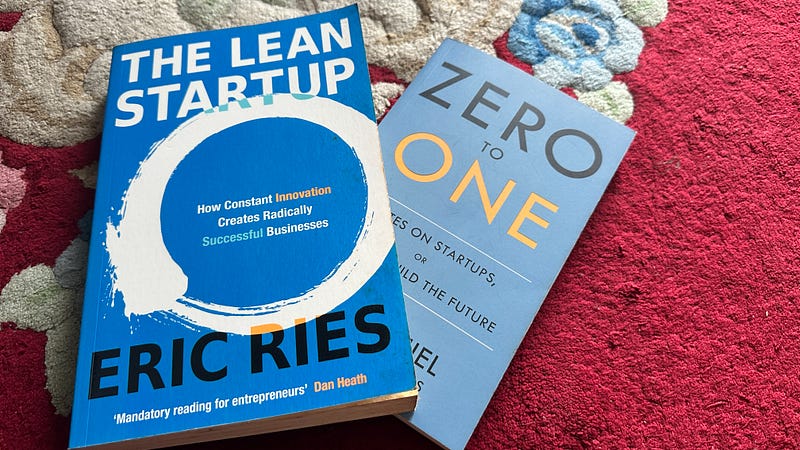
  1. “The Lean Startup” by Eric Ries: This book introduces the Lean Startup methodology, emphasizing the importance of agile development, minimum viable products, and iterative design in launching successful startups. Its approach to managing and scaling a startup is highly regarded for its practicality and efficiency.
  2. “Zero to One: Notes on Startups, or How to Build the Future” by Peter Thiel with Blake Masters: Thiel, a renowned venture capitalist, provides a contrarian viewpoint on building startups. He emphasizes creating something new and going from ‘zero to one’, rather than iterating on existing ideas. The book is celebrated for its thought-provoking take on innovation and competition.
  3. “The $100 Startup” by Chris Guillebeau: This book is praised for its approach to entrepreneurship as a reachable goal for anyone, even with minimal capital. Guillebeau shares insights from hundreds of entrepreneurs who have built successful businesses with modest investments, highlighting the accessibility of entrepreneurship.
  4. “The E-Myth Revisited” by Michael E. Gerber: Gerber challenges the myths surrounding starting your own business and shows how commonplace assumptions can get in the way of running a business. He outlines an effective business model that focuses on systems and scalability.
  5. “Start with Why: How Great Leaders Inspire Everyone to Take Action” by Simon Sinek: While not solely focused on entrepreneurship, Sinek’s book is crucial for understanding the importance of the ‘why’ behind a business. It’s about the inspiration that drives successful entrepreneurship.
  6. “The Hard Thing About Hard Things: Building a Business When There Are No Easy Answers” by Ben Horowitz: Horowitz shares wisdom from his experiences as a startup founder and venture capitalist, offering insights into the tough decisions entrepreneurs must make.
  7. “Rework” by Jason Fried and David Heinemeier Hansson: This book challenges traditional business practices and offers unconventional wisdom and practical advice for anyone looking to start a business. Its straightforward, no-nonsense approach is particularly appealing.
  8. “How to Win Friends and Influence People” by Dale Carnegie: Although not exclusively about entrepreneurship, Carnegie’s classic is fundamental for understanding business relationships and effective communication, skills every entrepreneur needs.
  9. “Lean In: Women, Work, and the Will to Lead” by Sheryl Sandberg: Sandberg’s book, while broader in its approach to career and leadership, offers critical insights into entrepreneurship from a female perspective, discussing challenges and providing advice for women in leadership and entrepreneurial roles.
  10. “The Innovator’s Dilemma” by Clayton M. Christensen: This book introduces the theory of disruptive innovation and its impact on industries and businesses. Christensen’s insights are crucial for entrepreneurs looking to innovate and disrupt existing markets.