Harnessing the Power of Positive Thinking: Your Blueprint for a Resilient Mindset

In life, it’s easy to get caught up in negativity, especially when things don’t go your way.

You’ve probably faced days when problems felt overwhelming and solutions seemed out of reach.

But what if you could change how you respond to those challenges?

By shifting your mindset and adopting positive thinking, you’ll not only navigate difficulties more effectively but also improve your overall well-being.

Let’s break down how you can cultivate this powerful mindset in your everyday life.

1. Understanding Why Mindset Matters

Think of your mindset as the lens through which you view the world. If that lens is clouded with negativity, everything appears difficult and discouraging. On the flip side, when you approach life with a positive mindset, obstacles become opportunities, and failures turn into valuable lessons.

Positive thinking isn’t about ignoring reality or pretending that everything is perfect. It’s about controlling your response to what happens around you. Instead of focusing on problems, you’ll start seeing solutions. Science supports this idea too—research shows that positive thinking reduces stress, improves mental health, and helps build stronger relationships.

2. Spotting Negative Thought Patterns

You can’t change what you don’t notice. Pay close attention to your inner dialogue. How often do you catch yourself thinking things like:

• “I’ll never succeed at this.”

• “Why does this always happen to me?”

• “I’m just not good enough.”

These negative thought patterns don’t just lower your confidence; they also limit your potential. But here’s the good news—you can rewire your mind by replacing these thoughts with empowering alternatives.

Action Tip: The next time a negative thought pops up, challenge it. Ask yourself: “Is this thought helping me? How can I reframe it?”

For instance, change “I’ll never succeed” into “I’m learning and getting better every day.”

3. Daily Habits to Cultivate Positivity

Adopting a positive mindset takes practice, but small daily habits can make a big difference. Here’s how you can get started:

Start Your Day with Gratitude

Every morning, write down three things you’re grateful for. It could be as simple as a good night’s sleep or a supportive friend. This simple act shifts your focus from what’s lacking to what’s already abundant in your life.

Surround Yourself with Positivity

You are the sum of the people you spend the most time with. If your circle is full of negative energy, it’s time to rethink who you let into your space. Seek out people who uplift you, inspire you, and share your enthusiasm for growth.

Limit Negative Inputs

The news, social media, or even toxic conversations can drain your energy. While staying informed is essential, be mindful of how much negativity you consume. Take breaks and protect your mental space.

Learn from Setbacks

Failures are inevitable, but how you react to them makes all the difference. Instead of dwelling on what went wrong, focus on what you can learn. Each failure is a step closer to success.

Practice Positive Self-Talk

Your inner dialogue can be your biggest supporter or harshest critic. Treat yourself with the same kindness and encouragement you would offer a close friend. Speak words that build you up rather than tear you down.

4. Self-Talk: Your Inner Coach

Imagine you’re about to give an important presentation, but anxiety creeps in. Your inner voice starts whispering: “What if I mess this up? Everyone will think I’m a failure.”

Now, pause for a second. What if you could switch that voice into an encouraging coach instead? “I’ve prepared for this. I’m ready. I’ve got this.”

Talking to yourself isn’t strange—it’s a powerful tool for realigning your thoughts. When self-doubt creeps in, speak to yourself out loud as you would advise a friend. You’ll be surprised how much clarity it brings.

5. Positivity as a Leadership Tool

If you’re in a leadership role—whether at work, in your family, or within your community—your mindset directly impacts those around you. Your energy is contagious. When you stay calm, focused, and optimistic during tough times, others will follow your lead.

As a leader, it’s essential to model the mindset you want others to adopt. It’s not just about solving problems; it’s about showing resilience and inspiring those around you to keep pushing forward.

6. The Ripple Effect of Positive Thinking

Positivity doesn’t just benefit you—it creates a ripple effect that spreads to those around you. Your friends, family, and colleagues will notice the shift. They’ll feed off your energy and feel more encouraged to approach life with the same optimism.

When you choose positivity, you’re not just improving your own life; you’re making the world around you a little brighter too.

7. A Daily Commitment to Growth

Positive thinking isn’t a one-time fix; it’s a lifelong practice. Some days will be easier than others, and that’s okay. What matters is your commitment to getting back on track when negativity creeps in.

Remind yourself: “I have the power to choose how I respond to this.”

Embrace the Power Within You

Your thoughts are more powerful than you realise. They shape your reality and dictate your actions. By adopting positive thinking, you open yourself up to endless possibilities. Start small—replace one negative thought today. Add a daily gratitude practice. Surround yourself with uplifting influences.

With time, you’ll notice the shift—not just in your mindset but in every area of your life. You’ll become more resilient, more confident, and more equipped to handle whatever comes your way.

The power of positive thinking is within your reach. The only question is: Are you ready to harness it?

Let me know if you want this expanded with more personal anecdotes or examples!

The Story Behind Favoriot – Part 11: The Rocky Road of Smart Cities

The Allure of Smart Cities

When I first entered the world of Smart Cities in 2015, I was brimming with excitement. The concept was mesmerizing — technology could transform urban living, making cities more efficient, sustainable, and responsive to the needs of their citizens.

Imagine a city where traffic jams are minimized through intelligent transportation systems, waste collection is optimized, and city services are seamlessly integrated into residents’ lives. It was hard not to get excited about being part of this transformation.

However, what seemed like an adventure full of promise quickly became a reality check. I soon realized that the road from idealism to realism was filled with unforeseen challenges, complex processes, and harsh lessons. The idea of Smart Cities was perfect on paper but far more complicated in practice.

The Birth of an Idea: A Reporting App for Citizens

It all began with a simple yet ambitious idea — a citizen reporting app called Favorsense. This app would allow people to report issues like potholes, broken streetlights, and uncollected trash directly to local councils.

Not only that, but users could also track the progress of their complaints, bringing a new level of transparency and accountability to local governance. We believed we had created the perfect solution for improving city management. Our plan was to roll it out to all local councils across Malaysia through a cloud-based system. It felt like a game-changer.

Initial Optimism: “How Hard Can It Be?”

I remember thinking, “Surely, local councils will embrace this innovation!” After all, who wouldn’t want to improve city services and engage better with citizens? The app could streamline operations and boost efficiency overnight.

But my optimism didn’t last long. The first few meetings with local councils were eye-opening, and the challenges were more significant than I had anticipated.

The Harsh Reality: An Open Can of Worms

The first major hurdle was convincing local councils to adopt and pay for the system. It wasn’t that they didn’t see the value; it was more about what the app would reveal.

The app was like an open can of worms. It exposed inefficiencies and shortcomings in city services that many preferred to keep hidden. Some council representatives resisted, saying, “We can build this ourselves.” Others attempted to create their own versions, only to end up with poorly developed solutions that didn’t work.

The Sobering Realization: “Why Isn’t Anyone Using It?”

Once the app was launched, another issue arose: nobody seemed to use it. Despite its simplicity and functionality, citizens remained unaware of its existence.

The question haunted us: “Why isn’t anyone using it?” We had assumed that just building a great app would be enough to drive adoption. Unfortunately, we learned that even the best ideas need proper promotion and education to succeed.

Copycats and Tough Decisions

As if things weren’t challenging enough, we soon saw copycat apps emerge. Competitors replicated our idea, flooding the market with similar solutions.

It was disheartening. After some time, we made the difficult decision to stop supporting the app. This was a painful lesson in the realities of the Smart Cities market—not every great idea translates into success.

Nine Years of Persistence

Fast forward nearly nine years, and my company, FAVORIOT, is still trying to penetrate the Smart Cities segment. It’s been a long and challenging road. We even joined the Malaysia Smart City Alliance Association (MSCA), hoping it would provide easier market access.

Being part of the alliance did offer new perspectives, but the reality was still complicated. Building Smart Cities in Malaysia is a long and tedious process, fraught with uncertainties and obstacles.

The Complexity of Building Smart Cities in Malaysia

One of the most common questions I hear from local councils is, “Where do we even start?”

Without clear Smart City Indicators to guide them, many cities don’t know how to begin their transformation. There is a lack of a unified vision, confusion about priorities, and an overwhelming sense of inertia.

Talent Gap and Slow Decision-Making

Another significant challenge is the talent gap. Many local councils lack professionals with the expertise to manage Smart City initiatives.

Decision-making is painfully slow, with proposals often stuck in layers of bureaucracy.

And then there’s politics. Decision-making in public projects often involves political interests, making things even more complicated.

The Funding Dilemma

Perhaps the biggest challenge of all is funding. Most local councils don’t have the budget to implement Smart City solutions. When they seek financing, they often turn to private companies with a risky proposition:

“We want you to fund everything upfront. Maybe you’ll see a return on your investment later.”

It’s a tough sell because most local council services don’t generate revenue. Their true value lies in cost savings, operational efficiency, and improved quality of life for citizens — concepts that don’t always resonate with decision-makers seeking immediate financial returns.

Greenfield vs. Brownfield Cities

Not all cities are created equal. Greenfield cities — built from scratch — have different challenges than brownfield cities, which are older and more developed.

Each type of city presents unique obstacles, making it difficult to scale solutions across multiple locations. What works in one city may fail in another, adding to the complexity of Smart City projects.

The Frustration of Endless Trials

I’ve also encountered the frustrating trend of endless trials. “Let’s start with a proof of concept,” they often say.

However, many of these trials never progress beyond the testing phase. They fizzle out, leaving everyone involved feeling disillusioned.

The Reality of Smart Cities in Malaysia

Whenever I hear someone proudly mention the number of Smart Cities launched in Malaysia, I approach it cautiously. Many so-called Smart Cities are proof-of-concept projects that never complete full-scale implementation.

A Strategic Shift: Diversifying Beyond Smart Cities

Given the challenges, we had to make some tough decisions at FAVORIOT. While we remain involved in Smart Cities, we’ve diversified our focus. We started taking on other IoT projects in industries like manufacturing and agriculture.

We couldn’t afford to put all our eggs in the Smart Cities basket. It was a matter of survival.

Balancing Ambition with Practicality

I’m still passionate about the potential of Smart Cities, but I’ve learned to balance ambition with practicality. Not every solution will become a commercial success, and that’s okay.

Smart Cities are an exciting concept, but they’re also highly complex. We must be smart about where we invest our time and resources.

Reflecting on the Journey

Looking back, the journey has been both humbling and enlightening. The Smart Cities market wasn’t the easy win I had imagined. Still, the experience taught me valuable lessons about persistence, adaptability, and the realities of innovation.

Who knows? The next big breakthrough may be just around the corner.

Until then, we keep moving forward — wiser, more resilient, and ready for whatever comes next.

More Favoriot Entrepreneurship Stories

  1. The Story Behind Favoriot – Part 11: The Rocky Road of Smart Cities
  2. The Story Behind Favoriot — Part 10: Age Does Not Matter in Business
  3. The Story Behind Favoriot — Part 9: Leaving the Comfort Zone
  4. The Story Behind Favoriot – Part 8: The Frustration of Unanswered Emails and Missed Opportunities
  5. The Story Behind Favoriot – Part 7: The Task of Finding Favoriot’s First 10 Customers
  6. The Story Behind Favoriot – Part 6: Expanding The Business Models
  7. The Story Behind Favoriot – Part 5: Finding the Right Fit
  8. The Story Behind Favoriot – Part 4: How Favoriot Became More Than Just an IoT Platform
  9. The Story Behind Favoriot – Part 3: Why No One Wanted Our IoT Platform—And How We Turned It Around
  10. The Story Behind Favoriot – Part 2: Turning Failures into Milestones
  11. The Story Behind Favoriot – Part I: The Humble Beginnings of Favoriot

How Influencers Fake Their Way to the Top: The Dark Side of Social Media Fame

“Not everything that glitters is gold.”
It’s a phrase we often hear, but it holds an even deeper meaning in social media. As I scroll through Instagram, TikTok, and LinkedIn, I can’t help but notice how easy it is to fake success. In the age of social media, perception has become a new reality. It got me thinking—how many of these so-called influencers have earned their fame, and how many have taken a shortcut to reach the top?

Let’s explore the darker side of this phenomenon and uncover the tricks influencers use to climb the popularity ladder.

1. The Illusion of Success

Social media is a world of carefully curated images and videos designed to give the illusion of a perfect life. Influencers know how to craft content to make it seem like they’re living the dream. Exotic vacations, luxury cars, designer clothes—everything is staged to project an image of success.

But here’s the truth: most of it is fake.
“Wait a minute… Are those rented cars? Are those designer bags actually borrowed?” I found myself asking these questions as I learned more about this world.

Fake it Until You Make It.

Some influencers adopt the “fake it until you make it” strategy. They stage photo shoots in luxury settings to give the impression of a high-flying lifestyle. They might rent luxury cars for a day or even use photo editing tools to enhance their photos. All this effort is just to project an image of success and wealth.

And you know what? It works. People are drawn to the idea of success, even if it’s fabricated.

2. Buying Popularity: Followers, Likes, and Comments

“Did this influencer really grow their audience so quickly?” I used to be amazed by how some accounts gained thousands of followers almost overnight—until I discovered the truth.

In reality, many influencers boost their numbers by buying followers, likes, and comments. There’s a whole market dedicated to selling social media engagement. You can pay for followers or hire bots to flood your posts with likes and comments.

But this approach has a significant flaw—fake engagement is easy to detect. Social media platforms have algorithms that can differentiate between genuine and fake followers. Despite this, many influencers still take the risk, hoping no one will notice.

The Vicious Cycle of Validation

The sad reality is that social media has created a validation loop. The more likes and followers someone has, the more likely they attract real followers. This is why some influencers see buying engagement as an “investment” in their future. The strategy is simple: fake your popularity until the algorithm works in your favour and real followers pour in.

3. Fake Partnerships and Collaborations

Another tactic influencers use to boost their credibility is creating fake brand partnerships.
“Is this a sponsored post, or is the influencer just pretending?”

Some influencers claim to collaborate with well-known brands to gain credibility. They’ll tag the brand in their posts or write captions that suggest a partnership exists. Sometimes, they’ll even purchase products and pretend they were sent for free as part of a sponsorship deal.

Why Fake Collaborations Work

The power of association is real. By aligning themselves with established brands, influencers gain instant credibility. Followers are likelier to trust someone they perceive as being endorsed by a reputable company. The irony is that some brands don’t even know they’ve been “collaborating” with these influencers until it’s too late.

4. The Mental Toll on Followers

Let’s shift focus for a moment. Have you ever felt discouraged after browsing your feed and seeing everyone living their “best life”?
“Am I doing something wrong? Why isn’t my life that exciting?”

The rise of fake influencers has a significant psychological impact on their followers. Seeing these seemingly perfect lives can lead to feelings of inadequacy, anxiety, and even depression. People compare their reality to someone else’s highlight reel, forgetting that much of it is staged.

The Pressure to Keep Up

Social media has created an unhealthy culture of comparison. Influencers feel the pressure to constantly one-up each other, while followers feel the pressure to keep up with unrealistic standards. It’s a vicious cycle that leaves everyone feeling drained.

5. Why Authenticity Still Matters

Despite all the fakeness, there’s hope. People are becoming more aware of influencers’ tricks to fake their way to the top. The demand for authenticity is growing, and those who can genuinely connect with their audience will always stand out.

I’ve seen this shift firsthand. Real, relatable, and honest content tends to perform better in the long run.

Building Genuine Connections

Here’s the truth: building a genuine following takes time and effort. There are no shortcuts. It requires authenticity, consistency, and a willingness to be vulnerable. But the reward is worth it—a true connection with your audience.

6. How to Spot Fake Influencers

Now that we’ve uncovered how influencers fake their way to the top, how can you spot them? Here are a few tips:

  1. Check Engagement Rates – Do the likes and comments match the number of followers? A high follower count with low engagement is a red flag.
  2. Look for Generic Comments – Many generic comments like “Nice post!” or “Great pic!” are often the work of bots.
  3. Research Their Collaborations – Are their brand partnerships verified? A quick search can reveal the truth.
  4. Inconsistent Content Quality – High-quality posts followed by low-effort ones could indicate that they’re staging certain content for appearances.
  5. Trust Your Instincts – It probably is if something feels too good to be true.

Choose Authenticity Over Illusion

Social media is a double-edged sword. While it offers endless opportunities for connection and growth, it also opens the door for deception. The next time you encounter an influencer living a seemingly perfect life, take a step back and ask yourself: Is this real?

Influence built on lies is temporary. It’s only a matter of time before the truth comes out. As for me, I’d rather grow slowly and authentically than fake my way to the top. Authenticity may not get you instant fame, but it will earn you something more valuable—trust.

And trust is the actual currency of influence.

Letting Go: How I Outgrew Jailbreaking and Badminton

It’s funny how our interests and hobbies evolve over time. What once fueled our passion eventually fades, replaced by new priorities and pursuits. When I reflect on my own journey, two activities stand out—jailbreaking my iPhone and playing badminton. Both were integral parts of my life for years, but as time passed, I slowly outgrew them. Here’s how it happened.

The Early Days of Jailbreaking: Freedom at My Fingertips

When the iPhone first hit the market, it was revolutionary, but it came with limitations. The devices were locked to specific telcos, meaning if you bought an iPhone from overseas, it wouldn’t work with a local SIM card. I experienced this firsthand when I purchased my first iPhone from abroad.

Holding that sleek device in my hands, I felt excited and frustrated. I couldn’t use it with my local telco—unless I jailbroke it. That’s when my passion for jailbreaking began.

The Thrill of the Hack

I spent countless hours exploring forums, following guides, and experimenting with jailbreak tools. Each successful jailbreak was like a small victory. Suddenly, my iPhone was no longer constrained by Apple’s rules. I could install apps that weren’t available on the App Store, customize the interface, and unlock hidden features.

It wasn’t just about functionality—it was about freedom. Jailbreaking turned my iPhone into a personalized device that reflected my preferences, not Apple’s restrictions.

Creating “The Future is Here” Blog

As my interest grew, I wanted to share what I learned. That’s how my blog, The Future is Here, was born. It became a place where I documented everything—step-by-step guides on jailbreaking, tips for customizing iPhones, and recommendations for third-party apps.

What started as a small hobby quickly gained traction. My blog became a popular resource for people in the jailbreaking community. Comments and questions poured in:

“How do I unlock my iPhone 3G?”
“What’s the best jailbreak tool for iOS 4?”

I loved helping others. The excitement of solving problems and connecting with like-minded people fueled my passion even more.

The End of an Era

But like all good things, the jailbreaking craze eventually slowed down. Apple started releasing unlocked versions of the iPhone, and the App Store grew, offering a wide variety of apps that met most users’ needs. Jailbreaking was no longer necessary—or exciting.

My blog traffic dwindled as fewer people needed jailbreak solutions. I found myself losing interest. It felt bittersweet, but I knew it was time to move on. The blog that once consumed my time and energy quietly faded into the background.

My Love for Badminton

While jailbreaking was my intellectual passion, badminton was my physical outlet. It wasn’t just a sport—it was part of my identity. I loved the fast-paced rallies, the mental strategy, and the sheer thrill of smashing the shuttlecock across the court. Every week, I would hit the badminton court, pushing myself to improve and enjoying the camaraderie with friends.

The Signs of Change

For years, badminton kept me fit and competitive. But one day, something changed. I noticed my stamina wasn’t what it used to be. At first, I thought it was just a bad day. Maybe I didn’t sleep well last night, I told myself. But it happened again and again.

Then came the moment of realization—my grip started slipping. The racquet no longer felt secure in my hand. My shots lost power, and no amount of rest seemed to restore my strength.

Letting Go

It was hard to admit, but I had to face the truth. Maybe it’s time to let go.

Hanging up the racquet wasn’t easy. Badminton had been a big part of my life, and giving it up felt like losing a piece of myself. But over time, I realized it wasn’t about failure but evolution. My body told me to slow down, and I had to listen.

Lessons Learned

Looking back, both jailbreaking and badminton taught me invaluable lessons. Jailbreaking sparked my curiosity, pushed me to solve problems creatively, and introduced me to online communities and blogging. Badminton taught me discipline, resilience, and the importance of staying active.

Even though these hobbies are no longer part of my life, the memories remain. They remind me of how life is constantly changing, how our interests shift, and how it’s okay to let go of what no longer serves us.

Embracing New Chapters

Letting go doesn’t mean forgetting. It simply means making space for new passions and adventures. Jailbreaking and badminton will always be a part of my story, but they’ve paved the way for new pursuits.

Who knows what the next chapter will bring? The beauty of life lies in its unpredictability.

All we can do is keep evolving, learning, and remaining open to whatever comes next.

And that’s the real adventure, isn’t it?

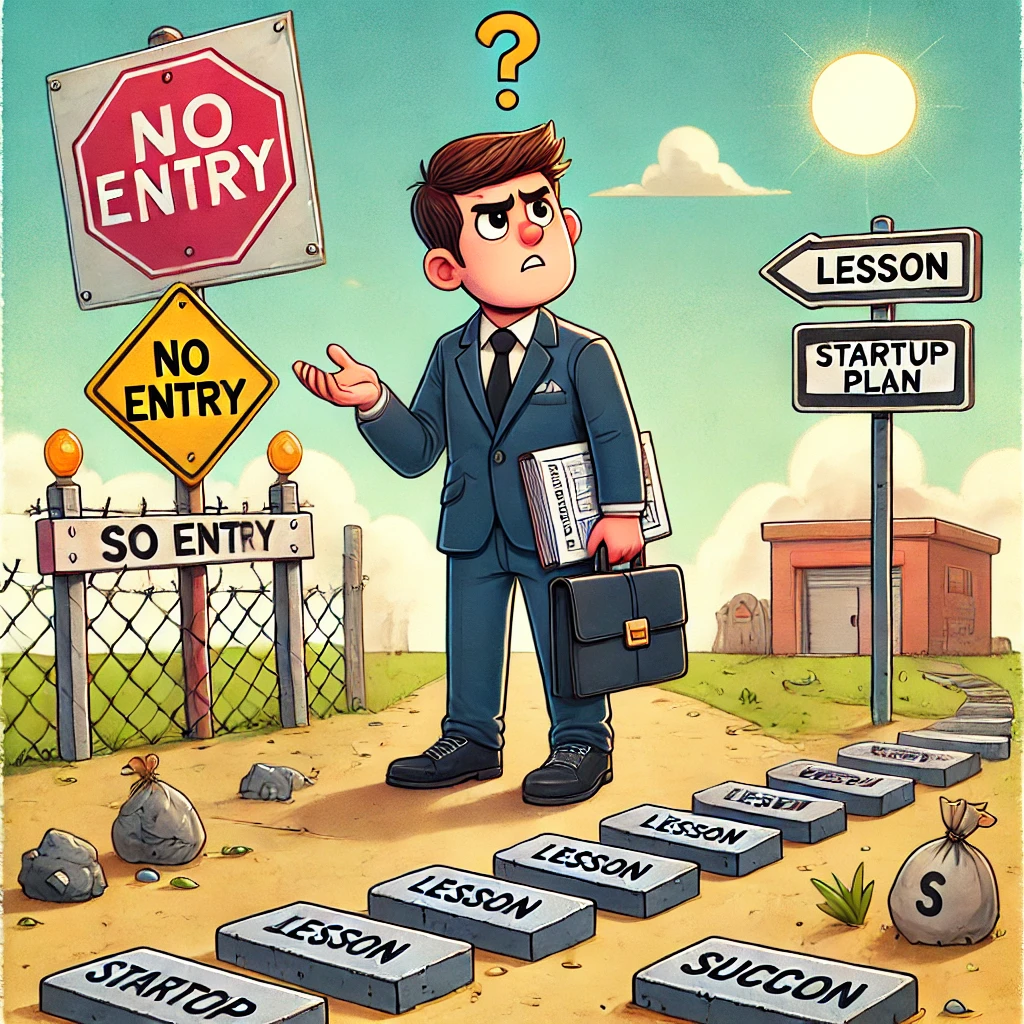
Turning Life’s Challenges into Stepping Stones

Why do challenges always show up at the worst possible time?

For a long time, that question lingered in my mind. Every time I thought life was finally settling down, another curveball would hit me hard. At first, these challenges seemed like nothing more than obstacles determined to stop me from reaching my goals.

But as I navigated through each one, I realized that life’s challenges were not meant to hold me back. They were, in fact, disguised opportunities—stepping stones that prepared me for the next phase of my journey.

Here’s how I turned those challenges into stepping stones and why I now welcome them with a different perspective.

The Crossroads: When Uncertainty Knocked

It was during a pivotal moment in my career. I was in a comfortable place—a good position, steady income, and a predictable life. Yet, deep down, I knew it was time for something different—something bigger.

Leaving a stable environment to build something from scratch felt like jumping off a cliff. Are you sure about this, Mazlan? I remember asking myself again and again. The fear of failure loomed large, and the unknown was terrifying.

That’s how my journey with FAVORIOT began—a leap of faith that was more like building a plane while flying it. No guarantees, no safety nets. Just a dream, a vision, and an endless sea of challenges ahead.

Self-Doubt and Fear

The early days of building a startup were a mental battle. There were moments when I doubted every decision. What if no one cares about IoT? What if this vision is too ahead of its time?

The hardest part was not knowing whether the efforts would pay off. Every rejection, every roadblock chipped away at my confidence. It felt like running in quicksand—working harder but sinking deeper.

But giving up wasn’t an option. Each night, I reminded myself why I started. I focused on taking one small step at a time, no matter how insignificant it seemed.

Reframing Challenges: The Turning Point

I hit a turning point when I realized that challenges weren’t the enemy. They were my greatest teachers. Instead of seeing them as roadblocks, I treated them as stepping stones—lessons that would prepare me for something bigger.

One early challenge was convincing others of FAVORIOT’s vision. Convincing potential clients to adopt IoT solutions wasn’t easy. We knocked on countless doors and presented to numerous stakeholders, but progress was painfully slow.

Each rejection felt like a personal failure. Why don’t they see the potential in this technology? I often wondered.

Then, it hit me—those rejections were feedback, not failures. Every “no” forced us to refine our message, improve our strategy, and strengthen our value proposition. Slowly but surely, we learned to pivot, adapt, and move forward.

The Power of Resilience

Resilience doesn’t come naturally. It’s built through experience—often painful ones. In the early days, we experienced setbacks that made me question everything.

One of the biggest challenges was when a significant partnership we had been counting on fell apart. It was a heavy blow, and I remember thinking, Maybe this is it. Maybe this dream is over.

But instead of dwelling on the loss, we regrouped. We analyzed what went wrong and found another path forward. Looking back, that setback was a blessing in disguise. It forced us to rethink our approach and ultimately made us more agile and adaptive.

Lessons from Life’s Toughest Challenges

Every challenge carries a lesson—if we’re willing to listen. Here are some of the biggest lessons I’ve learned from turning obstacles into opportunities:

1. Embrace the Unknown

Starting something new always feels scary. The unknown is intimidating, whether it’s a new job, a startup, or a personal project. But the magic happens when you take that first step.

I learned that the unknown isn’t something to fear—it’s a place of endless possibilities. Every time I stepped out of my comfort zone, I discovered new strengths and skills I didn’t know I had.

2. Adapt and Pivot Quickly

No plan survives reality unchanged. You can plan everything down to the smallest detail, but life throws unexpected challenges at you.

Our early business strategy at FAVORIOT had to be reworked entirely multiple times. At first, this felt like a failure, but I quickly realized it was just part of the process. Our greatest strength became our ability to pivot, adapt, and move quickly.

3. Rejection is Redirection

One of the hardest lessons was learning that rejection isn’t the end—it’s a redirection. Every “no” pushed us closer to a better solution, forcing us to think creatively and improve.

I remember one key rejection that led us to develop an entirely new service that became a core part of FAVORIOT’s offerings. We would have never explored that path if we hadn’t faced that rejection.

A New Perspective on Challenges

These days, I no longer panic when a challenge comes my way. Instead, I ask myself: What is this teaching me?

Every challenge is an opportunity to grow, no matter how painful or inconvenient. It’s no longer about “Why me?” but “What can I learn from this?”

I’ve come to appreciate that challenges are not obstacles in life’s journey—they are the journey. They’re the stepping stones that lead us to our destination, shaping us into who we’re meant to be.

Trusting the Process

If you’re going through a tough time right now, take heart. The challenges you face today are shaping you for something greater. They may not make sense now, but one day, you’ll look back and realize how they helped you grow in ways you never imagined.

Trust the process. Keep moving forward. Those stepping stones will take you to places beyond your wildest dreams.

And when you get there, you’ll smile and realize it was all worth it.

Looking back, I wouldn’t change a thing.

Every challenge, every failure, and every lesson shaped the person I am today.

A Deeper Dive into My Journey

If we were sitting down for coffee, I’d probably tell you that my story isn’t linear. It’s full of shifts, experiments, and surprises—each decision shapes who I’ve become. It’s not just about IoT, entrepreneurship, or blogging; it’s about finding my voice and figuring out where it belongs.

Let me take you back to the beginning, where curiosity sparked everything.

My First Affair with Technology

It all started long before technology became mainstream. I was that kid who loved tinkering with radios and gadgets, often dismantling them to see how they worked. Sometimes I managed to put them back together successfully—other times… not so much. But the thrill of discovery always kept me going.

Then came the blogging era. I stumbled upon Blogspot in the early 2000s, and it became my playground. Back then, I blogged about technology and gadgets, sharing tips and experiences with anyone willing to read. It was simple, but it gave me a voice.

“Imagine if YouTube had been around,” I often muse. My tech reviews would’ve been so much more engaging on video.

Beyond Tech Reviews: A New Perspective

Over time, my interests began to shift. I wanted to write about more than just gadgets. So, I expanded the topics—some posts were written in English, others in Malay, reflecting my bilingual journey. I found joy in writing about life experiences, challenges, and even personal reflections.

Each post was a piece of my evolving identity. Writing wasn’t just about sharing knowledge anymore—it became a way to connect, reflect, and grow.

The Birth of the IoT World

By the mid-2010s, IoT (Internet of Things) captured my attention like no other. This is the future, I thought. I launched IoT World, a focused platform dedicated to exploring and discussing IoT’s endless possibilities.

It became my canvas for explaining complex IoT concepts in simple terms, sharing case studies, and inspiring others to join this exciting field. I wrote with passion, knowing that IoT was more than just a trend—it was a revolution.

But, as always, my curiosity nudged me to broaden my horizons again. My inner voice said there’s more to share beyond IoT. Why not explore it?

Embracing Medium

In 2016, I discovered Medium—a place that felt like home for writers, thinkers, and storytellers. It was where creativity met community, and I knew I had to be a part of it.

Still, I was hesitant at first. I posted sporadically but was unsure if my content fit the platform’s audience. That all changed in September 2023 when I joined the Medium Partner Program. Suddenly, writing became a serious business. I decided to commit fully and see where it would take me.

On Medium, I explored different niches—IoT, entrepreneurship, social media strategies, poetry, and book reviews. Surprisingly, the candid posts about writing on Medium resonated the most. They taught me the value of niche-focused content while leaving room for exploration.

I began to love Medium’s dynamic energy. I constantly experimented with different formats and topics, learning what worked and what didn’t.

The Big Move: Back to WordPress in 2025

But then, in January 2025, something changed again. Medium felt crowded, I thought. I missed the creative freedom of building something that felt uniquely mine.

So, I decided to return to WordPress (which is this Mazlan Abbas Blog that you are reading). It felt like returning to my roots with a fresh perspective. This time, it wasn’t just about personal blogs or tech reviews. I wanted to create a digital space that combined all aspects of my journey—IoT, entrepreneurship, personal stories, and writing tips—all under one roof.

It was more than just a platform change. It was a symbolic return to independence and creativity. WordPress allowed me to build my site exactly how I wanted, without style, structure, or content restrictions.

It felt like home again.

My Professional Odyssey

Outside of blogging and writing, my professional journey has been equally dynamic. I’ve worn many hats over the years:

  • Associate Professor at Universiti Teknologi Malaysia, where I discovered the joy of teaching and mentoring young minds.
  • Senior Director at MIMOS Berhad, where I delved deep into technology research.
  • CEO of REDtone IoT, leading projects that transformed businesses through IoT solutions.
  • Co-Founder and CEO of FAVORIOT, a startup that’s been a rollercoaster ride of challenges, breakthroughs, and growth.

Each role added new dimensions to my story, giving me unique insights into technology, leadership, and the startup ecosystem. It’s been quite the journey.

The Magic of Storytelling

One of the unexpected joys of this journey has been the opportunity to speak at global conferences and share my experiences with others. Whether discussing smart cities, IoT, or entrepreneurship, I’ve learned that storytelling is the secret ingredient.

It’s not just about data or facts—it’s about making a connection. Sharing real stories—about successes, failures, and lessons learned—resonates more deeply than any PowerPoint slide ever could.

Looking Forward: The Unwritten Chapters

So, what’s next?

The truth is, I’m not entirely sure—and that’s exciting. Life has a funny way of surprising you. Maybe I’ll write a book, start a new podcast, or create more TikTok videos about IoT. Perhaps I’ll discover an entirely new passion and dive headfirst into it.

For now, I’m focusing on building mazlanabbas.com into a platform that reflects every facet of my journey. A space where I can share knowledge, connect with others, and continue to evolve as a writer and storyteller.

This journey is far from over.

The unwritten chapters are waiting, and I’m ready to explore them.

Lessons from My eBooks Sales

Someone asked me whether downloadable guides are a good lead generator for your business.

I never expected my eBooks to reach thousands of readers, let alone generate meaningful engagement. But looking at the numbers on my Payhip dashboard, I realise that writing and sharing knowledge can have a far-reaching impact.

The Journey of Sharing Knowledge

When I started publishing eBooks, my goal was simple: to document my experiences in IoT, entrepreneurship, and emerging technologies. I wanted to provide insights, guides, and frameworks that others could use, whether beginners or seasoned professionals.

Some books were offered for free to encourage accessibility, while others were priced modestly to reflect the value they provided. The result? A mix of high engagement and steady sales across different topics.

What the Numbers Reveal

Here’s a quick breakdown of how my eBooks have performed:

  • Most Popular Titles:

These two books clearly stand out. They focus on IoT, a topic I’ve been deeply involved with for years. It confirms that readers are eager to learn about IoT from a practical perspective. (Note: Initially, I sold these eBooks but now have made it for free)

These free resources were downloaded hundreds of times, proving that people appreciate concise and visual learning materials. Even though they didn’t generate direct revenue, they helped establish credibility and expand my reach.

These books didn’t attract huge numbers, but those who did purchase them found value in the content. It shows that niche topics may have a smaller audience but can still be monetised effectively. However, I have significantly reduced the prices of these eBooks.

Lessons from This Experience

  1. Free Resources Create Awareness
    Many downloads came from free materials, proving that giving knowledge away can be a powerful strategy. It builds trust and increases the likelihood of people exploring paid content later.
  2. IoT is a Strong Niche
    Books related to IoT consistently performed well. This reinforces that IoT remains a hot topic, and people actively seek structured knowledge.
  3. Engagement Doesn’t Always Mean Revenue
    Some books had high views but few orders, while others had lower views but better conversion rates. Pricing, perceived value, and the topic’s urgency significantly influence an eBook’s performance.
  4. Presentation Matters
    The success of IoT Notes and Your IoT Journey suggests that readers appreciate structured, well-organised content with clear takeaways.

What’s Next?

Seeing these numbers has given me new ideas. I plan to refine my offerings, update content, and possibly bundle resources to increase value. I’m also considering interactive formats like video courses based on my books.

Publishing these eBooks has been a rewarding experience—not just in sales but in the connections and conversations they have sparked. If you’re thinking of writing your own eBook, go for it. You never know who might find value in your words.

Check out my eBooks here: Payhip Store.

What do you think makes an eBook successful? Let’s discuss it!

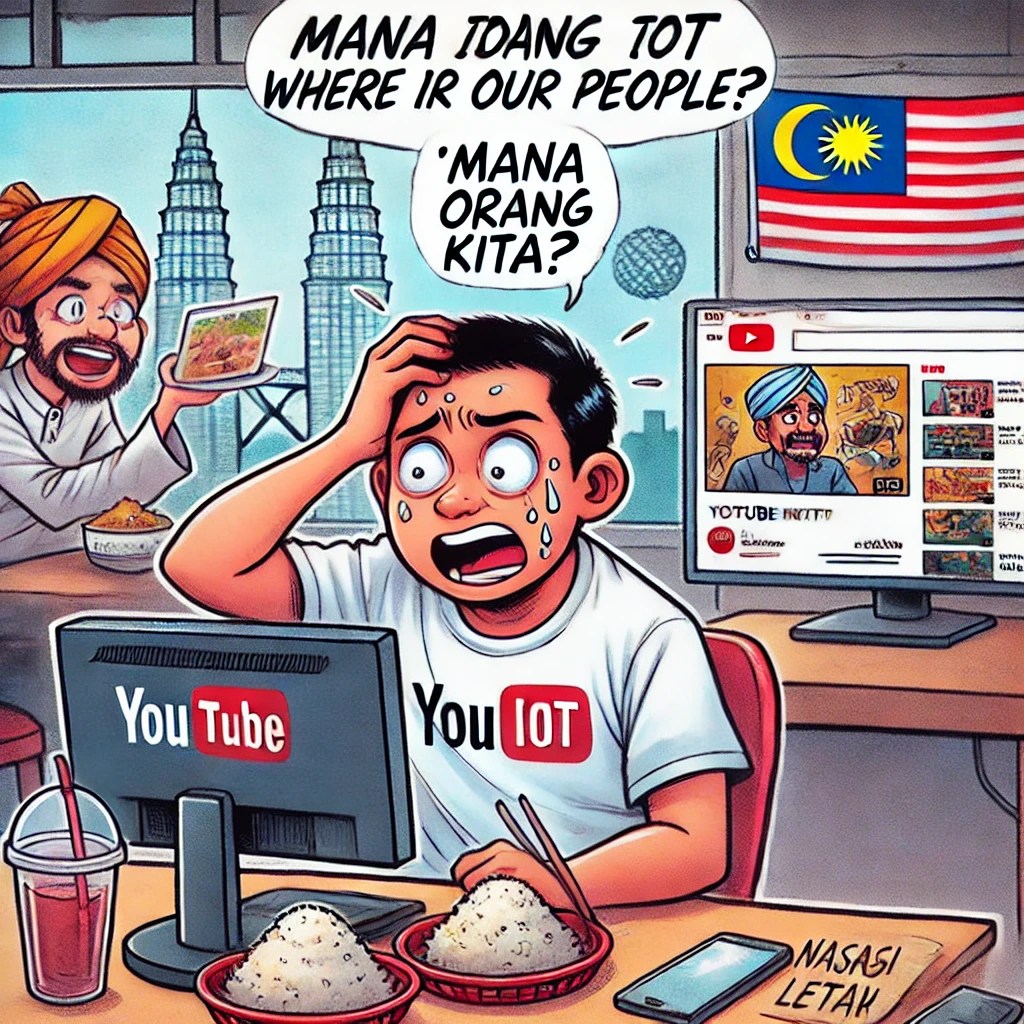
Why Are Malaysians Not Creating IoT Content on YouTube?

I was scrolling through my social media and came across an interesting observation—very few Malaysians create IoT tutorial content on YouTube. The majority of these tutorials come from India. Why is that?

So, I threw the question out there, hoping to spark some discussion. And wow, did people have opinions!

“Malaysia is Small Compared to India.”

One of the first responses I got was, “Malaysia is much smaller compared to India. If you compare us with our ASEAN neighbours, maybe it makes more sense.”

Okay, I get it. India has a massive population and a thriving tech ecosystem. But does that mean we just accept that we aren’t producing enough content? Shouldn’t our ambition go beyond just comparing ourselves with our neighbours?

“Sharing Knowledge Isn’t Our Culture.”

Another comment caught my attention: “India suka sharing knowledge kali.

That hit me hard. Is it true that we don’t have a strong culture of sharing technical knowledge? I know plenty of Malaysian engineers and tech enthusiasts who are brilliant at what they do, but why aren’t they making educational content? Are we too protective of what we know? Are we afraid that sharing our expertise might somehow put us at a disadvantage?

One person even admitted, “Source code aku, aku yang susah-susah buat, aku punya, tak nak share dengan orang lain. Kongsi je lah.” That made me chuckle, but deep down, I felt a little sad. If we all think this way, how do we expect to build a community of learning?

“People Prefer Entertainment Over Education.”

Another perspective: “Expertise tak ramai compared to India + audience sukakan content hiburan compared to education.

This one stings. It’s no secret that entertainment content dominates YouTube in Malaysia. Food reviews, travel vlogs, comedy skits—they all get millions of views. But educational content, such as IoT tutorials, barely gets any traction.

Does this mean Malaysians aren’t interested in learning tech? Or is it because no one is making content that makes tech exciting? Maybe we need to find a way to blend education with entertainment. After all, if a cooking channel can get millions of views, surely a well-presented IoT tutorial can capture some attention, right?

“Technology Isn’t in Our DNA.”

Then came a comment that really made me pause: “Sembang technology bukan budaya dalam masyarakat kita. Tengok industri filem saja lah. Teknologi dalam filem kita hanyalah fiksyen sains yang entah apa-apa. Cuma bezakan dengan filem Bollywood macam Three Idiots… Bapa kat kampung pun nak anaknya jadi engineer dan kerja di multinational kat Silicon Valley.

Ouch.

I don’t want to believe this, but there’s some truth to it. In India, engineering and technology are deeply embedded in their aspirations. Parents push their kids towards STEM careers. In Malaysia, how many parents encourage their children to be engineers, developers, or IoT experts? Not many. And if we don’t nurture this mindset early, how can we expect a surge of local content creators in technical fields?

“Go Where the Grass is Greener.”

Then someone simply commented: “Go for greener grass.

Is that the answer? Just abandon hope and move to a place where IoT content is more appreciated? I refuse to believe that. There’s potential here. There’s talent here. The problem is that we haven’t created a culture where sharing knowledge is normal, where technical education is valued, and where engineers feel motivated to teach others.

What’s the Solution?

I don’t want to just sit here and complain. I want to do something about it. So, here’s my plan:

  1. Start Creating More IoT Content – If no one else is doing it, I’ll do it. I’ll make IoT tutorials, I’ll share what I know, and I’ll make it accessible to everyone.
  2. Encourage More People to Share – If you’re an engineer, a tech enthusiast, or anyone with IoT knowledge, start sharing. Even if it’s a short video, a blog post, or a simple explainer—put it out there!
  3. Make IoT Fun and Engaging – If entertainment dominates, let’s make IoT entertaining. Let’s present it in a way that captures attention and excites people.
  4. Build a Community – Let’s create a space where Malaysians who are passionate about IoT can exchange ideas, support each other, and grow together.

I refuse to accept that Malaysia can’t be a hub for IoT education.

It starts with us, with sharing, and it starts today.

The Internet: The Greatest Invention of My Lifetime

Looking back at how life used to be, it’s astonishing how much the internet has transformed the world.

The connection was slow, unreliable, and expensive when I first encountered it in the early 1990s. A dial-up modem would make its signature screeching sound as it struggled to connect, often cutting off if someone picked up the landline.

At the time, it felt like a luxury, but little did I know that it would soon become the backbone of modern civilization.

Before the Internet, access to information was tedious. If I needed references for research, I had to manually search through library card catalogues, flipping through hundreds of index cards just to locate a book or journal.

If the resource wasn’t available, I had to wait days—sometimes weeks—for an interlibrary loan. Once I finally got my hands on a journal article, the only way to keep a copy was to photocopy every page, hoping I didn’t miss a critical section.

Researchers were also challenging to reach. Since they didn’t have personal email addresses, the only way to contact them was through their university’s administration office, which meant waiting indefinitely for a response. I

nternational communication was equally challenging—long-distance calls were expensive, often requiring careful planning to avoid excessive charges.

Then the internet arrived, and the world we knew it changed forever.

1. The Digital Transformation of Knowledge

One of the internet’s most remarkable impacts is its revolutionized access to information. Instead of relying on physical books, libraries, or printed journals, knowledge is now just a few keystrokes away.

Search engines have replaced card catalogues, offering instant access to research papers, academic articles, and books. Online databases like Google Scholar and IEEE Xplore have made high-quality research available in seconds. What used to take weeks to obtain can now be accessed in mere moments.

Education has also evolved. Online courses, video tutorials, and digital textbooks have made learning more accessible. Whether university students attend virtual lectures or self-learners take free courses from top institutions, knowledge is no longer limited by geography or financial constraints.

Had the internet existed when I was a student, I imagine how much easier research and learning would have been. The barriers that once made education exclusive have now been dismantled, making knowledge a universal asset.

2. The Evolution of Communication

The way we connect with others has undergone a drastic transformation. In the past, international communication was slow and costly. Writing letters meant waiting weeks for a reply, and long-distance calls were prohibitively expensive.

Today, messaging apps and video conferencing tools have made global communication instant and nearly free. Emails replaced traditional mail, while WhatsApp, Zoom, and other platforms made real-time conversations possible across continents. What once required careful budgeting is now an everyday convenience.

Even within professional and academic circles, networking has become effortless. Researchers and experts are now accessible via email, LinkedIn, and social media, fostering faster collaborations and knowledge sharing. We no longer have to rely on university administrators to forward our inquiries.

It’s fascinating to think about how disconnected the world once was compared to today. Borders have blurred, and communication is no longer a privilege but an expectation.

3. The Rise of a Digital Economy

The internet improved communication, but it also reshaped business and work. Entire industries have been transformed, with traditional models giving way to digital platforms.

  • E-commerce has replaced physical stores, making shopping a seamless online experience.
  • Streaming services have overtaken CDs and DVDs, shifting entertainment into the digital realm.
  • Remote work and freelancing have allowed people to earn a living from anywhere, breaking the dependency on physical office spaces.

Even my own company, FAVORIOT, thrives because of the internet. Our IoT solutions depend on cloud-based platforms that enable real-time monitoring and automation. Smart cities, connected industries, and digital transformation would remain a distant dream without the Internet.

The shift from traditional to digital business models has created new job opportunities and redefined how work is done. The internet has empowered entrepreneurship, enabling individuals to launch businesses with minimal resources and a global reach.


4. The Internet of Things: From SMS to Smart Connectivity

Before widespread internet adoption, early machine-to-machine (M2M) communication relied on SMS. Utilities like electricity and water meters sent data via text messages—a slow and costly method.

With the advent of the internet, IoT has evolved dramatically. Devices now communicate through cloud platforms, enabling seamless automation and real-time analytics. IoT has unlocked once unimaginable capabilities, from smart homes that adjust to user preferences to industrial systems that optimize efficiency.

This transformation isn’t just about convenience—it has real-world applications in agriculture, healthcare, transportation, and urban planning. By integrating IoT with artificial intelligence, industries can optimize processes, reduce costs, and improve decision-making like never before.

The internet didn’t just connect people and machines, paving the way for a future where data-driven automation is the norm.

5. Challenges and Responsibilities in the Digital Age

Despite its many advantages, the internet has introduced new challenges. The rise of cybercrime, misinformation, and privacy concerns has raised questions about security and ethical responsibility.

  • Cybersecurity threats continue to grow, with hackers exploiting vulnerabilities in digital systems.
  • Misinformation spreads rapidly, making it harder to distinguish fact from fiction.
  • Data privacy concerns are more prominent than ever as companies collect vast amounts of personal information.

While the internet has democratized access to information and communication, it has also created a landscape where digital literacy and security awareness are essential. As technology evolves, society must adapt to ensure the internet remains a tool for progress rather than exploitation.

6. The Future of the Internet

What lies ahead for the internet? Connectivity continues to evolve, with advancements that promise to further reshape the digital landscape:

  • 5G and beyond will make internet speeds faster and more reliable.
  • AI-driven personalization will make digital interactions more intuitive and efficient.
  • Quantum computing may redefine encryption and security standards.
  • Decentralized systems (Web3) could shift power back to users, promoting greater data ownership.

As we move forward, the internet’s influence will only expand. The possibilities are endless, and its role in shaping future innovations is undeniable.

The Invention That Defined an Era

Reflecting on the past few decades, imagining life without the internet is hard. It has shaped my career, business, and daily interactions. The transformation is extraordinary from struggling with library catalogues to having unlimited knowledge at my fingertips, from expensive phone calls to instant global communication.

Had the internet never existed, we might still be waiting weeks for letters, manually searching for references, and relying on costly international calls. The convenience, accessibility, and opportunities it has created are immeasurable.

The internet didn’t just change how we live—it redefined the very fabric of society.

And for that reason, I firmly believe it is the greatest invention of my lifetime.

The Story Behind Favoriot — Part 10: Age Does Not Matter in Business

What is the Best Age to Become an Entrepreneur?

“Is there a perfect age to start? Or is it just an illusion we create to delay our dreams?” These questions echoed when I embarked on my entrepreneurial journey with Favoriot.

As someone deeply rooted in the tech industry for decades, I often wrestled with the idea—does age truly matter in business? Let me share my reflections, not just as an entrepreneur but someone who dared to start when many might think it’s “too late.”

The Myth of the Perfect Age

Is There an Ideal Age?

People love to romanticize the idea of youth being synonymous with entrepreneurship. Fresh ideas, boundless energy, fearless risk-taking—it all sounds convincing, right? But here’s the catch: youth might give you the fire but not always the compass.

On the flip side, with age comes wisdom, battle scars from past failures, and a more strategic mindset. But do we lose the spark to take risks as we grow older? Not necessarily. The truth lies somewhere in between.

The Misconception of Youthful Success

Why Do We Glorify Young Entrepreneurs?

It’s hard to escape the headlines celebrating young tech prodigies turning startups into billion-dollar empires. But success doesn’t come with an age tag. Look at Colonel Harland Sanders, the iconic founder of KFC. He didn’t franchise his first restaurant until he was 62.

Think about it: while many consider retirement at that age, Sanders was just getting started. His story isn’t just about late success—it’s about resilience. “Overnight success”? Far from it. His journey was marinated in years of hardship, trial, and rejection before the world tasted his secret recipe.

My Own Entrepreneurial Awakening

Starting Favoriot “Late” in Life

When I launched Favoriot, some might have whispered, “Isn’t he too old to be a startup founder?” But here’s the thing—I wasn’t starting from scratch. I was building on decades of experience in telecommunications and IoT.

My career in the corporate and government sectors wasn’t a detour; it was the foundation. Every meeting, project, and failure shaped my understanding of technology and business. “Experience isn’t baggage; it’s your arsenal.” That arsenal gave me the confidence to take the leap.

The Blank Canvas of Entrepreneurship

Building From Scratch Without a Safety Net

Colonel Sanders had a secret recipe people already loved. I, however, started Favoriot with no customers and no brand recognition—just a vision. It was terrifying and exhilarating.

I remember cold calls that ended with polite rejections, presentations where only three people showed up, and proposals that gathered more dust than signatures. But every “no” brought us closer to the “yes” that mattered.

“Resilience isn’t about never falling; it’s about standing up one more time than you fall.” That mantra kept me going.

The Courage to Start

Age is Just a Number; Courage is Timeless

What truly matters isn’t the year on your birth certificate. It’s the courage to begin. Whether you’re 25 or 55, the entrepreneurial path demands boldness.

Colonel Sanders’ story still fuels my motivation. If he could start a global empire at 62, what’s stopping me? Or you, for that matter?

The Importance of Resilience

Lessons From Rejection

Failure is not the opposite of success; it’s part of the process. I’ve faced projects that flopped, deals that fell through, and moments when quitting seemed easier than continuing. But every stumble taught me something new.

“Resilience isn’t a trait you’re born with; it’s a muscle you build.” And the older you get, the stronger that muscle becomes.

Age is No Barrier

The Real Ingredients of Success

Experience, resilience, and an undying spirit are the real ingredients of entrepreneurial success—not age. Colonel Sanders proved it, and my journey with Favoriot reaffirms it.

Your entrepreneurial clock doesn’t tick based on age. It starts the moment you decide to act.

Key Takeaways for Aspiring Entrepreneurs

  1. Age is Just a Number: Don’t let societal timelines dictate your dreams.
  2. Experience is Your Superpower: Every job, success, and failure adds to your toolkit.
  3. Resilience is Non-Negotiable: The road will be rough. Get used to it. Embrace it.
  4. Adaptability Wins: The business landscape changes fast. Stay flexible.
  5. Believe in Yourself: Doubt will creep in. Acknowledge it, but don’t let it drive.

Final Thoughts: Entrepreneurship is a Lifelong Lesson

Starting a business isn’t about chasing quick wins but lifelong learning. Success isn’t age-dependent. It’s resilience-dependent.

So, if you’re wondering, “Am I too old to start?” 

Let me answer that for you: 

No, you’re not. Yesterday was the best time to start, and today is the next best time.