Why Becoming a Producer Nation Still Keeps Me Awake at Night

There was a moment some time ago when I paused in the middle of a talk and looked around the room. Not because I forgot my slides. Not because I lost my train of thought.

But because something heavier crossed my mind.

I was surrounded by capable people. Young engineers. Curious technologists. Lecturers who cared. Students who wanted to build something meaningful.

And a question whispered quietly in my head.

What kind of future are we actually preparing them for?

That question refuses to leave me. It follows me into meetings, classrooms, and late-night reflections. It comes back whenever I see another imported system being installed, another local prototype ignored, another talented graduate settling for work that barely scratches their potential.

This is not about blaming anyone.
This is about being honest with ourselves.

The comfort trap we rarely talk about
Let me say this plainly.

Being a consumer nation feels safe.

You buy what already works.
You rely on someone else’s research.
You avoid the pain of early failure.

There is no embarrassment in using technology built elsewhere. We all do it. I do it too. The problem begins when using becomes the end of the story.

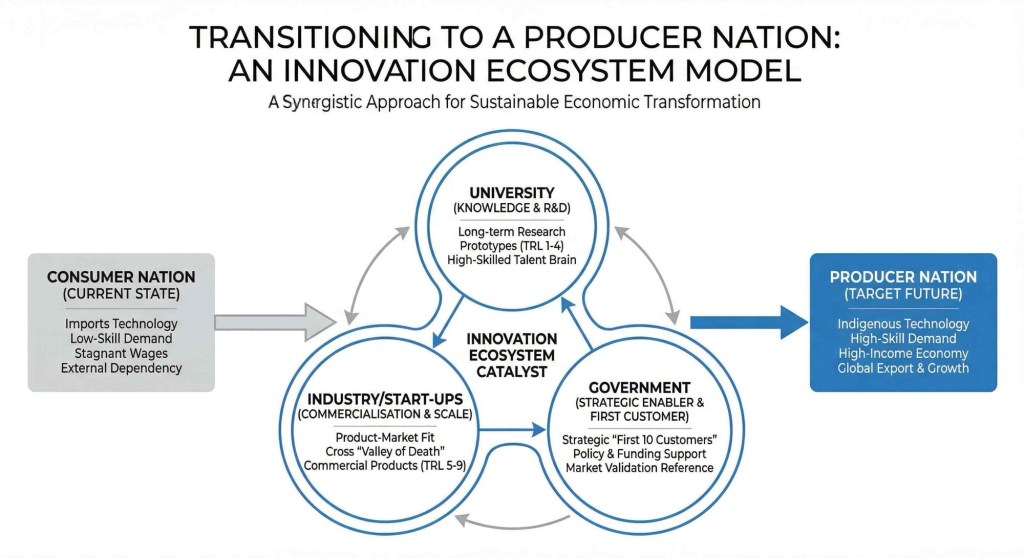
When a country only consumes, it slowly forgets how to create.

Companies no longer need deep technical teams.
Jobs no longer demand strong problem solvers.
Graduates are hired, but not challenged.

And when skills are not demanded, they are not rewarded.

I have watched this cycle quietly repeat itself.

Low demand for advanced skills leads to low salaries.
Low salaries keep household income stuck.
And national ambition stays trapped in speeches instead of results.

I often ask myself, what is the point of producing bright graduates if the economy only needs users?

What changes when a nation chooses to build

A producer nation changes the conversation entirely.

Instead of asking, “What can we buy faster?”
It asks, “What can we build better?”

The moment local companies start developing their own products, something shifts inside the system.

Skills suddenly matter.
Experience becomes valuable.
Talent is no longer replaceable overnight.

Companies compete for people who can design, test, deploy, and maintain real systems. Salaries rise not because someone demands it, but because value is being created on the ground.

This is how strong economies grow. Quietly. Patiently. Through capability, not dependency.

I remind myself often that a producer nation is built by people who are willing to be uncomfortable first.

The painful truth about local innovation

Here is where the story becomes uncomfortable.

Most local startups do not fail because their ideas are bad.
They fail because nobody buys from them early enough.

There is a fragile phase every builder faces.
The search for the first ten customers.

Without those early believers, there is no runway. No learning loop. No chance to improve.

And this is where I sometimes feel uneasy.

We encourage innovation.
We fund research.
We celebrate prototypes.

Yet when it is time to adopt, trust disappears.

I catch myself thinking: why do we support people in building, but hesitate to stand beside them when they are ready?

Without local adoption, many promising efforts fade away. Not loudly. Quietly. One by one.

Universities are not broken. Expectations are.

For years, I have heard the same complaint repeated.

“Universities are not producing commercial products.”

That statement misses the point.

Universities were never meant to be factories.
They are meant to be places where thinking goes deep.

They excel at long-term exploration.
They are strong at building early prototypes.
They train minds, not sales pipelines.

The problem starts when we expect universities to sprint like startups.

I often tell myself, you do not ask a marathon runner to win a 100-meter dash.

When companies bring real, long-term problems to universities, something powerful happens. Research becomes grounded. Students work on issues that matter. And ideas mature with purpose.

The missing bridge between lab and market

There is a wide gap between a working prototype and a product that survives in the field.

Many people underestimate this gap.

A system that works in a lab has not yet faced real users, harsh environments, unreliable networks, or unexpected behaviour. This is where companies must step in.

Universities build understanding.
Companies build resilience.

When they work separately, both struggle.
When they move together, progress accelerates.

This bridge was not built overnight. It takes patience, shared goals, and trust.

Why the first believer matters most

Every global success begins at home.

Before the world trusts you, someone local must.

That is why early adopters matter so much. Especially large organisations and government bodies.

Being the first customer is not charity.
It is leadership.

It gives builders confidence.
It creates reference stories.
It signals belief.

Belief, more than marketing, opens doors beyond borders.

Why I chose to build instead of complain

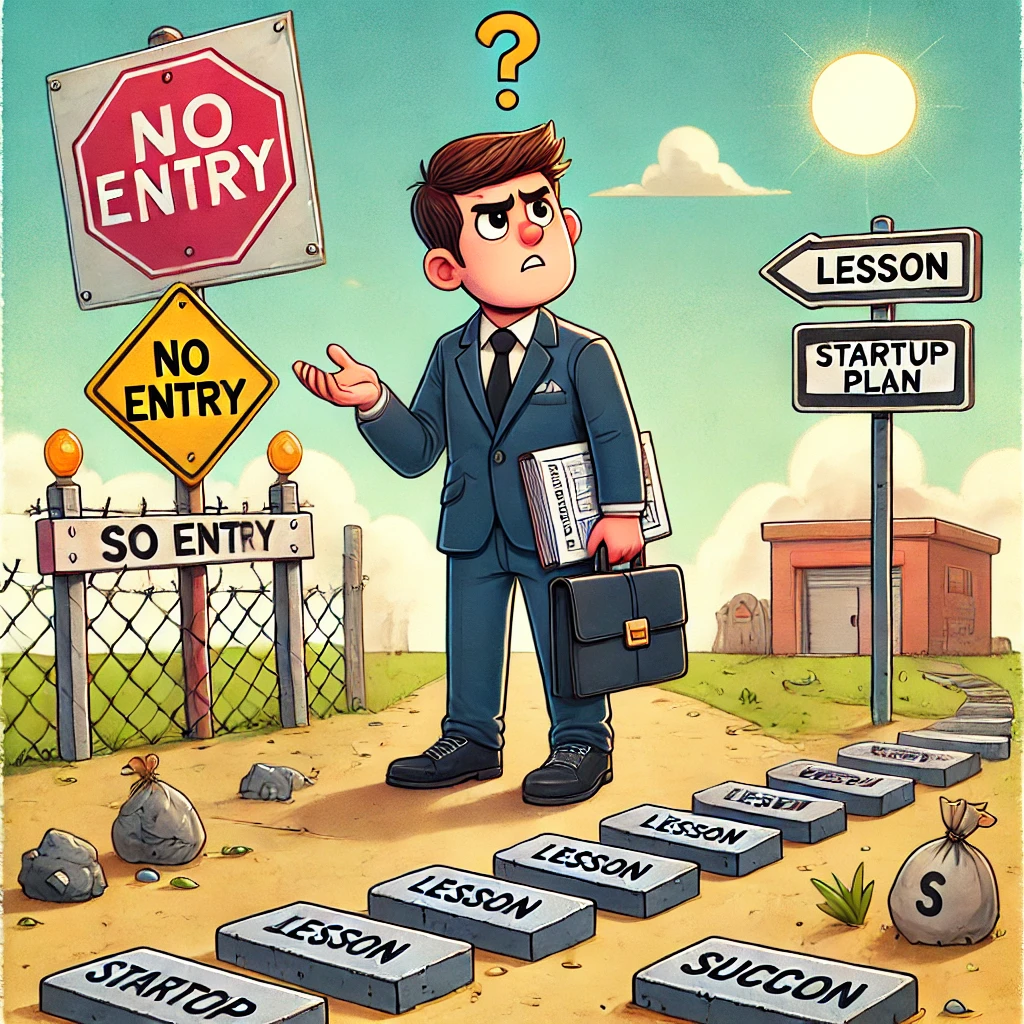
At some point, reflection was not enough.

I asked myself a harder question.

If I believe in building local capability, what am I personally doing to make it happen?

That question led me to Favoriot.

Favoriot was never about flashy dashboards.
It was about enabling builders.

A place where students move beyond demos.
Where startups test ideas without fear.
Where organisations grow solutions they understand and own.

I wanted a platform that supports responsibility, not just visibility.

A quiet piece of advice I return to often

Do not wait for perfect systems.
Do not wait for perfect policies.
Build anyway.

To students
Choose projects that solve real problems.

To universities
Work with companies that think beyond short grants.

To companies
Invest in local capability, even when it feels slower.

To decision-makers
Adopt local solutions early, not after they succeed elsewhere.

My invitation to you

If you believe our future depends on building, not just buying.
If you believe talent deserves meaningful challenges.
If you believe local solutions deserve real trust.

Then take one step.

Support a local product.
Adopt a local system.
Encourage someone who is trying.

And if you are looking for a place to start building, experimenting, and growing with confidence, explore Favoriot.

Not as software.
But as a choice.

I would love to hear your thoughts.
Are we ready to move from comfort to courage?

The Story Behind Favoriot – Part 11: The Rocky Road of Smart Cities

The Allure of Smart Cities

When I first entered the world of Smart Cities in 2015, I was brimming with excitement. The concept was mesmerizing — technology could transform urban living, making cities more efficient, sustainable, and responsive to the needs of their citizens.

Imagine a city where traffic jams are minimized through intelligent transportation systems, waste collection is optimized, and city services are seamlessly integrated into residents’ lives. It was hard not to get excited about being part of this transformation.

However, what seemed like an adventure full of promise quickly became a reality check. I soon realized that the road from idealism to realism was filled with unforeseen challenges, complex processes, and harsh lessons. The idea of Smart Cities was perfect on paper but far more complicated in practice.

The Birth of an Idea: A Reporting App for Citizens

It all began with a simple yet ambitious idea — a citizen reporting app called Favorsense. This app would allow people to report issues like potholes, broken streetlights, and uncollected trash directly to local councils.

Not only that, but users could also track the progress of their complaints, bringing a new level of transparency and accountability to local governance. We believed we had created the perfect solution for improving city management. Our plan was to roll it out to all local councils across Malaysia through a cloud-based system. It felt like a game-changer.

Initial Optimism: “How Hard Can It Be?”

I remember thinking, “Surely, local councils will embrace this innovation!” After all, who wouldn’t want to improve city services and engage better with citizens? The app could streamline operations and boost efficiency overnight.

But my optimism didn’t last long. The first few meetings with local councils were eye-opening, and the challenges were more significant than I had anticipated.

The Harsh Reality: An Open Can of Worms

The first major hurdle was convincing local councils to adopt and pay for the system. It wasn’t that they didn’t see the value; it was more about what the app would reveal.

The app was like an open can of worms. It exposed inefficiencies and shortcomings in city services that many preferred to keep hidden. Some council representatives resisted, saying, “We can build this ourselves.” Others attempted to create their own versions, only to end up with poorly developed solutions that didn’t work.

The Sobering Realization: “Why Isn’t Anyone Using It?”

Once the app was launched, another issue arose: nobody seemed to use it. Despite its simplicity and functionality, citizens remained unaware of its existence.

The question haunted us: “Why isn’t anyone using it?” We had assumed that just building a great app would be enough to drive adoption. Unfortunately, we learned that even the best ideas need proper promotion and education to succeed.

Copycats and Tough Decisions

As if things weren’t challenging enough, we soon saw copycat apps emerge. Competitors replicated our idea, flooding the market with similar solutions.

It was disheartening. After some time, we made the difficult decision to stop supporting the app. This was a painful lesson in the realities of the Smart Cities market—not every great idea translates into success.

Nine Years of Persistence

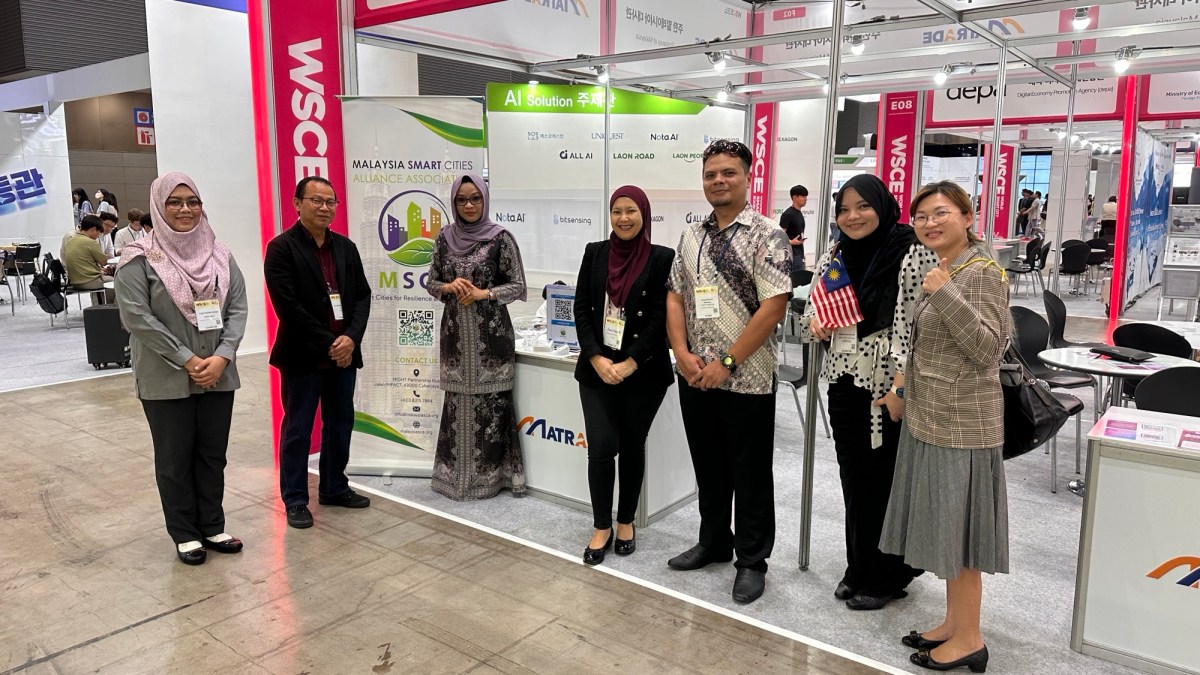
Fast forward nearly nine years, and my company, FAVORIOT, is still trying to penetrate the Smart Cities segment. It’s been a long and challenging road. We even joined the Malaysia Smart City Alliance Association (MSCA), hoping it would provide easier market access.

Being part of the alliance did offer new perspectives, but the reality was still complicated. Building Smart Cities in Malaysia is a long and tedious process, fraught with uncertainties and obstacles.

The Complexity of Building Smart Cities in Malaysia

One of the most common questions I hear from local councils is, “Where do we even start?”

Without clear Smart City Indicators to guide them, many cities don’t know how to begin their transformation. There is a lack of a unified vision, confusion about priorities, and an overwhelming sense of inertia.

Talent Gap and Slow Decision-Making

Another significant challenge is the talent gap. Many local councils lack professionals with the expertise to manage Smart City initiatives.

Decision-making is painfully slow, with proposals often stuck in layers of bureaucracy.

And then there’s politics. Decision-making in public projects often involves political interests, making things even more complicated.

The Funding Dilemma

Perhaps the biggest challenge of all is funding. Most local councils don’t have the budget to implement Smart City solutions. When they seek financing, they often turn to private companies with a risky proposition:

“We want you to fund everything upfront. Maybe you’ll see a return on your investment later.”

It’s a tough sell because most local council services don’t generate revenue. Their true value lies in cost savings, operational efficiency, and improved quality of life for citizens — concepts that don’t always resonate with decision-makers seeking immediate financial returns.

Greenfield vs. Brownfield Cities

Not all cities are created equal. Greenfield cities — built from scratch — have different challenges than brownfield cities, which are older and more developed.

Each type of city presents unique obstacles, making it difficult to scale solutions across multiple locations. What works in one city may fail in another, adding to the complexity of Smart City projects.

The Frustration of Endless Trials

I’ve also encountered the frustrating trend of endless trials. “Let’s start with a proof of concept,” they often say.

However, many of these trials never progress beyond the testing phase. They fizzle out, leaving everyone involved feeling disillusioned.

The Reality of Smart Cities in Malaysia

Whenever I hear someone proudly mention the number of Smart Cities launched in Malaysia, I approach it cautiously. Many so-called Smart Cities are proof-of-concept projects that never complete full-scale implementation.

A Strategic Shift: Diversifying Beyond Smart Cities

Given the challenges, we had to make some tough decisions at FAVORIOT. While we remain involved in Smart Cities, we’ve diversified our focus. We started taking on other IoT projects in industries like manufacturing and agriculture.

We couldn’t afford to put all our eggs in the Smart Cities basket. It was a matter of survival.

Balancing Ambition with Practicality

I’m still passionate about the potential of Smart Cities, but I’ve learned to balance ambition with practicality. Not every solution will become a commercial success, and that’s okay.

Smart Cities are an exciting concept, but they’re also highly complex. We must be smart about where we invest our time and resources.

Reflecting on the Journey

Looking back, the journey has been both humbling and enlightening. The Smart Cities market wasn’t the easy win I had imagined. Still, the experience taught me valuable lessons about persistence, adaptability, and the realities of innovation.

Who knows? The next big breakthrough may be just around the corner.

Until then, we keep moving forward — wiser, more resilient, and ready for whatever comes next.

More Favoriot Entrepreneurship Stories

  1. The Story Behind Favoriot – Part 11: The Rocky Road of Smart Cities
  2. The Story Behind Favoriot — Part 10: Age Does Not Matter in Business
  3. The Story Behind Favoriot — Part 9: Leaving the Comfort Zone
  4. The Story Behind Favoriot – Part 8: The Frustration of Unanswered Emails and Missed Opportunities
  5. The Story Behind Favoriot – Part 7: The Task of Finding Favoriot’s First 10 Customers
  6. The Story Behind Favoriot – Part 6: Expanding The Business Models
  7. The Story Behind Favoriot – Part 5: Finding the Right Fit
  8. The Story Behind Favoriot – Part 4: How Favoriot Became More Than Just an IoT Platform
  9. The Story Behind Favoriot – Part 3: Why No One Wanted Our IoT Platform—And How We Turned It Around
  10. The Story Behind Favoriot – Part 2: Turning Failures into Milestones
  11. The Story Behind Favoriot – Part I: The Humble Beginnings of Favoriot

Letting Go: How I Outgrew Jailbreaking and Badminton

It’s funny how our interests and hobbies evolve over time. What once fueled our passion eventually fades, replaced by new priorities and pursuits. When I reflect on my own journey, two activities stand out—jailbreaking my iPhone and playing badminton. Both were integral parts of my life for years, but as time passed, I slowly outgrew them. Here’s how it happened.

The Early Days of Jailbreaking: Freedom at My Fingertips

When the iPhone first hit the market, it was revolutionary, but it came with limitations. The devices were locked to specific telcos, meaning if you bought an iPhone from overseas, it wouldn’t work with a local SIM card. I experienced this firsthand when I purchased my first iPhone from abroad.

Holding that sleek device in my hands, I felt excited and frustrated. I couldn’t use it with my local telco—unless I jailbroke it. That’s when my passion for jailbreaking began.

The Thrill of the Hack

I spent countless hours exploring forums, following guides, and experimenting with jailbreak tools. Each successful jailbreak was like a small victory. Suddenly, my iPhone was no longer constrained by Apple’s rules. I could install apps that weren’t available on the App Store, customize the interface, and unlock hidden features.

It wasn’t just about functionality—it was about freedom. Jailbreaking turned my iPhone into a personalized device that reflected my preferences, not Apple’s restrictions.

Creating “The Future is Here” Blog

As my interest grew, I wanted to share what I learned. That’s how my blog, The Future is Here, was born. It became a place where I documented everything—step-by-step guides on jailbreaking, tips for customizing iPhones, and recommendations for third-party apps.

What started as a small hobby quickly gained traction. My blog became a popular resource for people in the jailbreaking community. Comments and questions poured in:

“How do I unlock my iPhone 3G?”
“What’s the best jailbreak tool for iOS 4?”

I loved helping others. The excitement of solving problems and connecting with like-minded people fueled my passion even more.

The End of an Era

But like all good things, the jailbreaking craze eventually slowed down. Apple started releasing unlocked versions of the iPhone, and the App Store grew, offering a wide variety of apps that met most users’ needs. Jailbreaking was no longer necessary—or exciting.

My blog traffic dwindled as fewer people needed jailbreak solutions. I found myself losing interest. It felt bittersweet, but I knew it was time to move on. The blog that once consumed my time and energy quietly faded into the background.

My Love for Badminton

While jailbreaking was my intellectual passion, badminton was my physical outlet. It wasn’t just a sport—it was part of my identity. I loved the fast-paced rallies, the mental strategy, and the sheer thrill of smashing the shuttlecock across the court. Every week, I would hit the badminton court, pushing myself to improve and enjoying the camaraderie with friends.

The Signs of Change

For years, badminton kept me fit and competitive. But one day, something changed. I noticed my stamina wasn’t what it used to be. At first, I thought it was just a bad day. Maybe I didn’t sleep well last night, I told myself. But it happened again and again.

Then came the moment of realization—my grip started slipping. The racquet no longer felt secure in my hand. My shots lost power, and no amount of rest seemed to restore my strength.

Letting Go

It was hard to admit, but I had to face the truth. Maybe it’s time to let go.

Hanging up the racquet wasn’t easy. Badminton had been a big part of my life, and giving it up felt like losing a piece of myself. But over time, I realized it wasn’t about failure but evolution. My body told me to slow down, and I had to listen.

Lessons Learned

Looking back, both jailbreaking and badminton taught me invaluable lessons. Jailbreaking sparked my curiosity, pushed me to solve problems creatively, and introduced me to online communities and blogging. Badminton taught me discipline, resilience, and the importance of staying active.

Even though these hobbies are no longer part of my life, the memories remain. They remind me of how life is constantly changing, how our interests shift, and how it’s okay to let go of what no longer serves us.

Embracing New Chapters

Letting go doesn’t mean forgetting. It simply means making space for new passions and adventures. Jailbreaking and badminton will always be a part of my story, but they’ve paved the way for new pursuits.

Who knows what the next chapter will bring? The beauty of life lies in its unpredictability.

All we can do is keep evolving, learning, and remaining open to whatever comes next.

And that’s the real adventure, isn’t it?

Turning Life’s Challenges into Stepping Stones

Why do challenges always show up at the worst possible time?

For a long time, that question lingered in my mind. Every time I thought life was finally settling down, another curveball would hit me hard. At first, these challenges seemed like nothing more than obstacles determined to stop me from reaching my goals.

But as I navigated through each one, I realized that life’s challenges were not meant to hold me back. They were, in fact, disguised opportunities—stepping stones that prepared me for the next phase of my journey.

Here’s how I turned those challenges into stepping stones and why I now welcome them with a different perspective.

The Crossroads: When Uncertainty Knocked

It was during a pivotal moment in my career. I was in a comfortable place—a good position, steady income, and a predictable life. Yet, deep down, I knew it was time for something different—something bigger.

Leaving a stable environment to build something from scratch felt like jumping off a cliff. Are you sure about this, Mazlan? I remember asking myself again and again. The fear of failure loomed large, and the unknown was terrifying.

That’s how my journey with FAVORIOT began—a leap of faith that was more like building a plane while flying it. No guarantees, no safety nets. Just a dream, a vision, and an endless sea of challenges ahead.

Self-Doubt and Fear

The early days of building a startup were a mental battle. There were moments when I doubted every decision. What if no one cares about IoT? What if this vision is too ahead of its time?

The hardest part was not knowing whether the efforts would pay off. Every rejection, every roadblock chipped away at my confidence. It felt like running in quicksand—working harder but sinking deeper.

But giving up wasn’t an option. Each night, I reminded myself why I started. I focused on taking one small step at a time, no matter how insignificant it seemed.

Reframing Challenges: The Turning Point

I hit a turning point when I realized that challenges weren’t the enemy. They were my greatest teachers. Instead of seeing them as roadblocks, I treated them as stepping stones—lessons that would prepare me for something bigger.

One early challenge was convincing others of FAVORIOT’s vision. Convincing potential clients to adopt IoT solutions wasn’t easy. We knocked on countless doors and presented to numerous stakeholders, but progress was painfully slow.

Each rejection felt like a personal failure. Why don’t they see the potential in this technology? I often wondered.

Then, it hit me—those rejections were feedback, not failures. Every “no” forced us to refine our message, improve our strategy, and strengthen our value proposition. Slowly but surely, we learned to pivot, adapt, and move forward.

The Power of Resilience

Resilience doesn’t come naturally. It’s built through experience—often painful ones. In the early days, we experienced setbacks that made me question everything.

One of the biggest challenges was when a significant partnership we had been counting on fell apart. It was a heavy blow, and I remember thinking, Maybe this is it. Maybe this dream is over.

But instead of dwelling on the loss, we regrouped. We analyzed what went wrong and found another path forward. Looking back, that setback was a blessing in disguise. It forced us to rethink our approach and ultimately made us more agile and adaptive.

Lessons from Life’s Toughest Challenges

Every challenge carries a lesson—if we’re willing to listen. Here are some of the biggest lessons I’ve learned from turning obstacles into opportunities:

1. Embrace the Unknown

Starting something new always feels scary. The unknown is intimidating, whether it’s a new job, a startup, or a personal project. But the magic happens when you take that first step.

I learned that the unknown isn’t something to fear—it’s a place of endless possibilities. Every time I stepped out of my comfort zone, I discovered new strengths and skills I didn’t know I had.

2. Adapt and Pivot Quickly

No plan survives reality unchanged. You can plan everything down to the smallest detail, but life throws unexpected challenges at you.

Our early business strategy at FAVORIOT had to be reworked entirely multiple times. At first, this felt like a failure, but I quickly realized it was just part of the process. Our greatest strength became our ability to pivot, adapt, and move quickly.

3. Rejection is Redirection

One of the hardest lessons was learning that rejection isn’t the end—it’s a redirection. Every “no” pushed us closer to a better solution, forcing us to think creatively and improve.

I remember one key rejection that led us to develop an entirely new service that became a core part of FAVORIOT’s offerings. We would have never explored that path if we hadn’t faced that rejection.

A New Perspective on Challenges

These days, I no longer panic when a challenge comes my way. Instead, I ask myself: What is this teaching me?

Every challenge is an opportunity to grow, no matter how painful or inconvenient. It’s no longer about “Why me?” but “What can I learn from this?”

I’ve come to appreciate that challenges are not obstacles in life’s journey—they are the journey. They’re the stepping stones that lead us to our destination, shaping us into who we’re meant to be.

Trusting the Process

If you’re going through a tough time right now, take heart. The challenges you face today are shaping you for something greater. They may not make sense now, but one day, you’ll look back and realize how they helped you grow in ways you never imagined.

Trust the process. Keep moving forward. Those stepping stones will take you to places beyond your wildest dreams.

And when you get there, you’ll smile and realize it was all worth it.

Looking back, I wouldn’t change a thing.

Every challenge, every failure, and every lesson shaped the person I am today.

Why I’m Leaving Medium: A Writer’s Journey to Rediscovering Joy

The Allure of Writing on Medium

I’ve always loved writing.

It’s been my escape, my way of sharing thoughts, ideas, and dreams with the world. And for a while, Medium was the perfect platform for that. It wasn’t just about the money – although, let’s be honest, the earnings did provide a nice boost of motivation.

But more than that, the sense of community drew me in.

The idea that my words could resonate with readers from all walks of life was exhilarating.

At its best, Medium felt like a writer’s haven, where effort and creativity were rewarded.

The Golden Days: When Writing Felt Rewarding

I was making a comfortable three-digit monthly income on Medium for a time. It wasn’t a fortune, but enough to validate the hours I spent crafting my pieces.

That three-digit figure felt like a pat from the universe, acknowledging that what I was doing mattered. I would eagerly check my earnings dashboard, and even when the numbers weren’t astronomical, they were steady.

They were enough to keep me going.

The Harsh Reality: Declining Earnings

But here we are in January 2025, and everything’s different now. My earnings have plummeted to a single digit. Yes, you read that correctly – single digit. I’ve earned just about a dollar with only five days left in the month.

A dollar! It feels almost laughable, doesn’t it?

I can’t buy a decent cup of coffee with my earnings any longer. And it’s not just me; this seems to be the collective frustration of countless writers on the platform.

Writers in Frustration: What Went Wrong?

Over the past year, conversations about declining earnings on Medium have surged across forums and social media.

Writers share their disappointment, confusion, and anger. Some blame the algorithm; others point fingers at changes in the Partner Program.

Whatever the root cause, one thing is certain: the joy of writing on Medium has been overshadowed by an air of disillusionment.

My Breaking Point: January 2025

For me, January 2025 has officially been the breaking point. It’s not just the earnings, though they have been a significant factor.

It’s the feeling of constantly being let down by a platform I once believed in.

Each time I check my dashboard this month, it reminds me how far things have fallen. And frankly, it’s exhausting.

The Decision to Move On

After much thought, I’ve decided that it’s time to move on.

I won’t be renewing my Medium subscription. Instead, I’ll be redirecting my custom domain to WordPress.

It feels like the right move for now – a fresh start on a platform where I can control my content completely.

On WordPress, I won’t have to worry about algorithms or earnings reports dictating my writing journey. I can write freely without the weight of disappointment looming over me.

A Bittersweet Goodbye to Medium

Saying goodbye to Medium isn’t easy.

There was a time when this platform felt like home, a space where my voice could thrive. But the frustration has peaked, and I refuse to let it drain my energy.

Life is too short to cling to something that no longer brings joy or fulfilment.

Rediscovering the Joy of Writing

As I enter this new chapter, I’m filled with sadness and hope.

I’m sad about what Medium once was and could have continued to be. I hope for what lies ahead, for the opportunities that come with a fresh start.

I’m ready to rediscover the joy of creating, to write without constraints, and to build something meaningful on my own terms.

A Message to Fellow Writers

If you’re reading this and feeling a similar frustration, know you’re not alone. Letting go isn’t easy, especially when something once meant so much.

But sometimes, a fresh start is precisely what we need to rediscover our passion.

Whether moving to a new platform, exploring a different medium, or simply taking a break, it’s okay to pivot. It’s okay to prioritize your happiness and your creative spirit.

Here’s to New Beginnings

So here’s to new beginnings—writing freely, passionately, and without the weight of algorithms or earnings reports—to rediscover the pure joy of storytelling, sharing ideas, and connecting with others.

Goodbye, Medium.

You’ll always be a part of my past, but you won’t define my future.

The Story Behind Favoriot – Part 2: Turning Failures into Milestones

The Journey Before Favoriot

If you’ve been following my journey, you already know that the Favoriot IoT Platform wasn’t our first attempt in the IoT world. Before we arrived at this point, my team and I worked tirelessly on two earlier products: Raqib and Favorsense. Despite our best intentions and efforts, neither venture has gained traction in the market.

The Launch of Raqib

I still vividly remember the day we launched Raqib. I looked at my team and said, “This is going to be a game-changer!” The enthusiasm in the room was electric. But reality had its own plans. We faced unexpected technical challenges, and our marketing efforts fell short. It was a tough pill to swallow, but we kept pushing forward.

Lessons from Favorsense

Then came Favorsense, a product built on a promising idea. This time, I thought, “Surely, we’ve learned from our mistakes.” And while the concept was strong, it struggled to capture user interest. I’d often sit at my desk late at night, reflecting on what went wrong. “Where did we falter? What could we have done differently?” I asked myself over and over again. Two products, two failures—it was a sobering experience.

A Silver Lining

But even amidst these setbacks, there was a silver lining. One element stood firm throughout the ups and downs: the Favoriot IoT Platform. I began to realize its potential. “This could be a tool for anyone wanting to build their own IoT solutions,” I told my team. With renewed determination, we made a bold decision—to pivot. We offered the Favoriot IoT Platform for free, hoping this move would attract a broader audience.

The Challenges of Adoption

However, even that wasn’t the end of our challenges. Offering the platform at no cost didn’t automatically translate into widespread adoption. I often asked, “Why aren’t people using it?” Despite creating tutorials and sharing resources, the uptake remained slow. It was frustrating and disheartening.

Bridging the Gap

But giving up wasn’t an option. I knew we had to dig deeper to address the gap. “We need to guide them more effectively,” I told my team. That’s when the idea of offering IoT courses took shape. These courses weren’t just about teaching theory; they were designed to provide hands-on experience with the Favoriot IoT Platform.

A Breakthrough in Education

And it worked. Today, over 16 universities and polytechnics in Malaysia use the Favoriot IoT Platform for their students’ final-year projects. I still remember the pride I felt when we hit that milestone. “This is a significant achievement for us,” I said to my team, filled with gratitude. Seeing students learning about IoT and applying it to real-world projects has been incredibly fulfilling.

Inspiring the Next Generation

I’m blown away by the students’ creativity whenever I visit these universities. I’ll ask them, “How are you integrating Favoriot into your project?” Their passion and excitement remind me why we started this journey in the first place. These moments make all the struggles worth it.

Expanding Beyond Malaysia

Looking ahead, our vision is to take the Favoriot IoT Platform beyond Malaysia. “The global stage is where we’re heading next,” I shared with my team. We’re already in talks with international institutions, and I’m hopeful that students worldwide will soon have access to our platform.

Innovating for the Future

Of course, the path forward won’t be without its challenges. I often ask myself, “How can we continue to innovate and improve?” In the fast-paced world of technology, standing still is not an option. Every evening, as I reflect on the day’s work, I remind myself, “We’ve come this far because of the lessons we learned from failure.”

Turning Failure into Success

Those early failures with Raqib and Favorsense weren’t the end of our story—they were the beginning of something greater. The Favoriot IoT Platform has become the cornerstone of IoT education in Malaysia, and it’s all thanks to the unwavering dedication of my team. I always make it a point to say, “Thank you,” because this success is as much theirs as it is mine.

The Journey Ahead

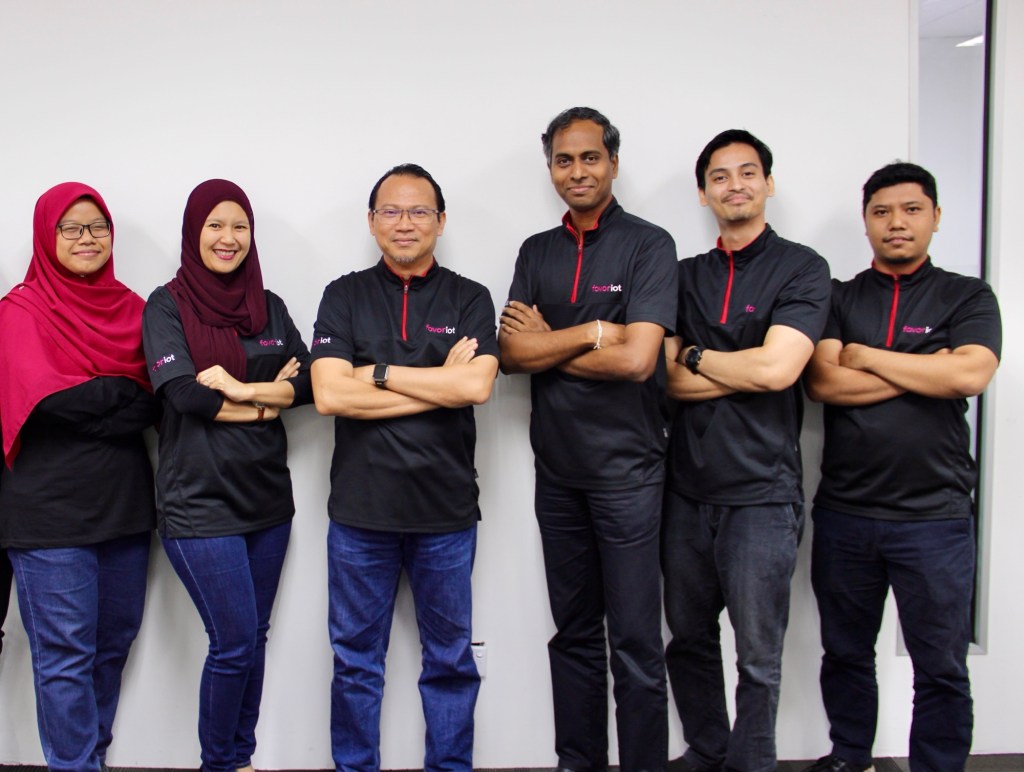
This journey is far from over. “This is just the beginning,” I tell my team. We’ll keep pushing boundaries, overcoming challenges, and reaching new heights together. Our story proves that failure isn’t the end—it’s an opportunity to rise stronger.

The Favoriot IoT Platform stands as a testament to perseverance and the belief that with hard work, even the most challenging setbacks can lead to incredible success.

More Stories

My Startup Journey

The Story Behind Favoriot – Part I: The Humble Beginnings of Favoriot

When I look back to 2017, I vividly recall the early days of building the Favoriot IoT Platform. We started small, working in a modest room with only a few dedicated staff members. It was a humble beginning, but our vision was anything but small.

The Idea Behind the Platform

The idea for the platform arose from a simple but pressing need—to support our first IoT product, Raqib. At the time, we realised there was a significant gap in the market for an IoT platform that could cater to businesses and developers in a user-friendly and accessible way. But as the idea began to take shape, doubts crept in.

Can we really compete with giants like AWS and Azure?” I often asked myself. The thought was daunting. Competing against well-established platforms felt like an insurmountable challenge. We knew that many people didn’t know who we were, and there were plenty who doubted the capabilities of a small team attempting something so ambitious. But despite the naysayers, we pressed on. Deep down, we were confident in our technology’s potential and our ability to deliver something meaningful.

A Bold Move: Offering the Platform for Free

By 2019, we decided to take a bold step—offering the Favoriot IoT Platform to the public for free. “Maybe this will be the best way to attract attention and build an early user base,” I thought. It seemed like a logical approach. But the reality didn’t match our expectations. The response was underwhelming, to say the least. Only a handful of people showed interest, and our efforts didn’t yield the results we hoped for.

Finding a New Strategy: Education

Sitting down with the team, I voiced my concerns. “We need to do more. This isn’t enough. We must find a better way to introduce our platform.” The team brainstormed tirelessly, and that’s when the idea of offering IoT courses emerged. It was a lightbulb moment. We realised that one of the best ways to attract users was through education—teaching people about IoT while simultaneously showcasing the capabilities of our platform.

But what if no one registers for the courses?” The doubt lingered. Investing time and resources into something that might not succeed was nerve-wracking. Still, we decided to take the plunge. We structured the courses so that participants could learn the fundamentals of IoT and get hands-on experience with the Favoriot IoT Platform.

Success Through IoT Education

Alhamdulillah, the effort paid off. The response to the courses was beyond encouraging. Participants appreciated the knowledge they gained and began to explore our platform in more significant numbers. It was a turning point for us. From those early courses, word began to spread, and the Favoriot IoT Platform started gaining traction. The numbers grew steadily; today, I’m proud to say that we have over 9,343 users from 111 countries. Seeing the global reach of something we built from scratch fills me with immense pride.

I can’t believe we’ve come this far,” I shared with the team during our discussions. “But this is just the beginning. We still have so much more to achieve.

Expanding to New Horizons

With the foundation now solid, we set our sights on the future. Our next goal is to expand our presence to neighbouring countries. The team and I are confident that the Favoriot IoT Platform can achieve even greater success beyond Malaysia. This journey has taught us that with effort and dedication, even the boldest dreams are within reach.

Ready for the next phase?” I asked the team one day, knowing full well that the challenges ahead would be just as demanding as the ones we’ve overcome. Their answer was clear and resolute. We are ready to take on the IoT world.

Reflecting on the Journey

Looking back, I see how every step we took was filled with challenges and uncertainties, but it was also marked by resilience and an unrelenting drive to succeed. No matter how small, each decision was crucial in shaping where we are today. The journey has been extraordinary, from a tiny room with a handful of staff to a global platform with thousands of users.

A Glimpse of What’s Next

This is only part of the story behind the development of the Favoriot IoT Platform. There’s much more to share—the challenges we faced, the lessons we learned, and the milestones we celebrated. Stay tuned for Part II, where I’ll delve deeper into the obstacles we’ve encountered and how we’ve navigated them to reach where we are now.

This journey is a testament to what can be achieved with a clear vision, unwavering determination, and a great team by your side. I hope our story inspires others to pursue their big or small dreams. After all, every outstanding achievement starts with a single step and the willingness to take it.

More Stories

My Startup Journey

The Secret to Faster, More Scalable IoT Deployments for System Integrators

IOT WORLD

Why System Integrators Should Embrace the Favoriot Platform for IoT Solutions

Businesses increasingly leverage the Internet of Things (IoT) to enhance efficiency and unlock new revenue opportunities.

At the heart of these initiatives are system integrators (SIs), whose expertise in connecting diverse devices, protocols, and systems is vital to the success of IoT deployments.

Despite their pivotal role, SIs often face challenges that hinder their progress and complicate projects.

Challenges in Building IoT Solutions

Developing IoT solutions is far from straightforward.

System integrators must juggle various device protocols, manage massive volumes of real-time data, ensure robust security, and scale projects as they grow.

These complexities can lead to prolonged development cycles, labour-intensive custom coding, and fragmented implementations.

As a result, SIs often find it challenging to innovate and meet evolving customer demands.

The Need for Streamlined IoT Deployments

How can system integrators overcome these hurdles and deliver reliable, scalable IoT solutions more efficiently?

Adopting a platform that simplifies and accelerates IoT project development and management is the answer.

Introducing the Favoriot Platform

Favoriot offers a comprehensive solution tailored to the needs of system integrators.

Its secure, scalable cloud environment supports multiple communication protocols, enabling seamless connectivity for diverse IoT devices.

With real-time data ingestion and analytics capabilities, the platform reduces the complexity of managing large-scale deployments.

Favoriot also provides customisable dashboards and API integrations, allowing SIs to effortlessly transform raw data into actionable insights.

Security and Scalability for Confidence

Security and scalability are at the core of the Favoriot platform.

System integrators can confidently deploy solutions that meet industry standards while ensuring their projects can grow alongside their customers’ needs.

By minimising the need for time-consuming custom integrations, Favoriot frees up SIs to focus on delivering value-added services that differentiate them in the market.

Faster Time-to-Market with Favoriot

By leveraging Favoriot, system integrators can significantly reduce project timelines.

The platform’s unified approach eliminates many technical challenges, enabling SIs to bring solutions to market faster.

This efficiency enhances productivity and strengthens customer relationships by delivering reliable results.

Empowering Innovation in IoT

Favoriot equips system integrators with the tools to excel in a competitive IoT landscape.

By simplifying the complexities of IoT projects, the platform allows SIs to concentrate on driving innovation and meeting customer expectations.

With Favoriot, system integrators can unlock the full potential of IoT, creating scalable solutions that deliver lasting impact.

Examples of IoT Applications and Their Benefits

Today, look at some real-world examples of IoT applications and their benefits.

This diagram focuses on two industries—transportation and logistics and Oil and gas —to illustrate how IoT solutions can reduce costs and improve efficiency. Let’s examine each example in detail.

Based on the eBook — IoT Notes by Mazlan Abbas

1. Transportation & Logistics

In this industry, IoT solutions are used to improve the management of vehicles and delivery systems.

IoT Solution:

  • Sensors are installed in vehicles to provide real-time data on their state and performance.
  • These sensors report on engine health, location, and delivery progress.

Benefits (Payback):

Cost Savings:

  • Reduces truck operation and delivery costs by identifying and addressing maintenance issues early.
  • Minimises fuel consumption by optimising delivery routes.

Improved Efficiency:

  • Reduces delivery disruptions and delays.
  • Ensures on-time deliveries and improves overall logistics system performance.

Example in Action: A logistics company uses IoT-enabled fleet management to track delivery vehicles and proactively schedule maintenance, avoiding breakdowns and saving costs.

2. Oil & Gas

The Oil & Gas industry faces unique challenges that IoT can address by enhancing safety and efficiency.

IoT Solution:

  • Sensors are deployed throughout an oil rig to monitor critical components.
  • These sensors detect potential issues and provide operators with real-time alerts.

Benefits (Payback):

Cost Savings:

  • Increases safety by providing early and reliable warnings of potential equipment failures.
  • Prevents costly shutdowns by identifying problems before they escalate.

Improved Efficiency:

  • Real-time alerts enable quicker responses, reducing downtime and improving time-to-revenue.
  • Enhances asset utilisation by ensuring equipment operates optimally (4x improvement).
  • Complete data analysis allows for near real-time decision-making and operational adjustments.

Example in Action: An oil rig uses IoT sensors to monitor drill performance and prevent malfunctions, ensuring smoother operations and faster oil extraction.

Key Takeaways

IoT in Transportation & Logistics:

  • Reduces costs and enhances delivery efficiency through real-time monitoring of vehicles.

IoT in Oil & Gas:

  • Improves safety, reduces downtime, and maximises asset utilisation with real-time alerts and analysis.

Final Thought:
IoT transforms industries by providing actionable data that saves money and improves efficiency. These examples show how IoT can adapt to specific industry needs and bring measurable benefits.

Discussion Question: Which other industries do you think can benefit from similar IoT solutions? Let’s brainstorm together!

[Download IoT Notes eBook for FREE]

How Enablers, Engagers, and Enhancers Drive the IoT Journey

IOT WORLD

The IoT Revolution: Shaping the Future with Enablers, Engagers, and Enhancers

The Internet of Things (IoT) has always been a fascinating space for me.

It’s incredible how a concept that seemed futuristic not too long ago has become a driving force in the tech industry.

IoT has opened up a world of opportunities, with market projections ranging from $2 trillion to $14 trillion. That’s mind-boggling! But here’s the thing – jumping into IoT without understanding your role in the ecosystem is like trying to build a house without knowing which part you’re responsible for.

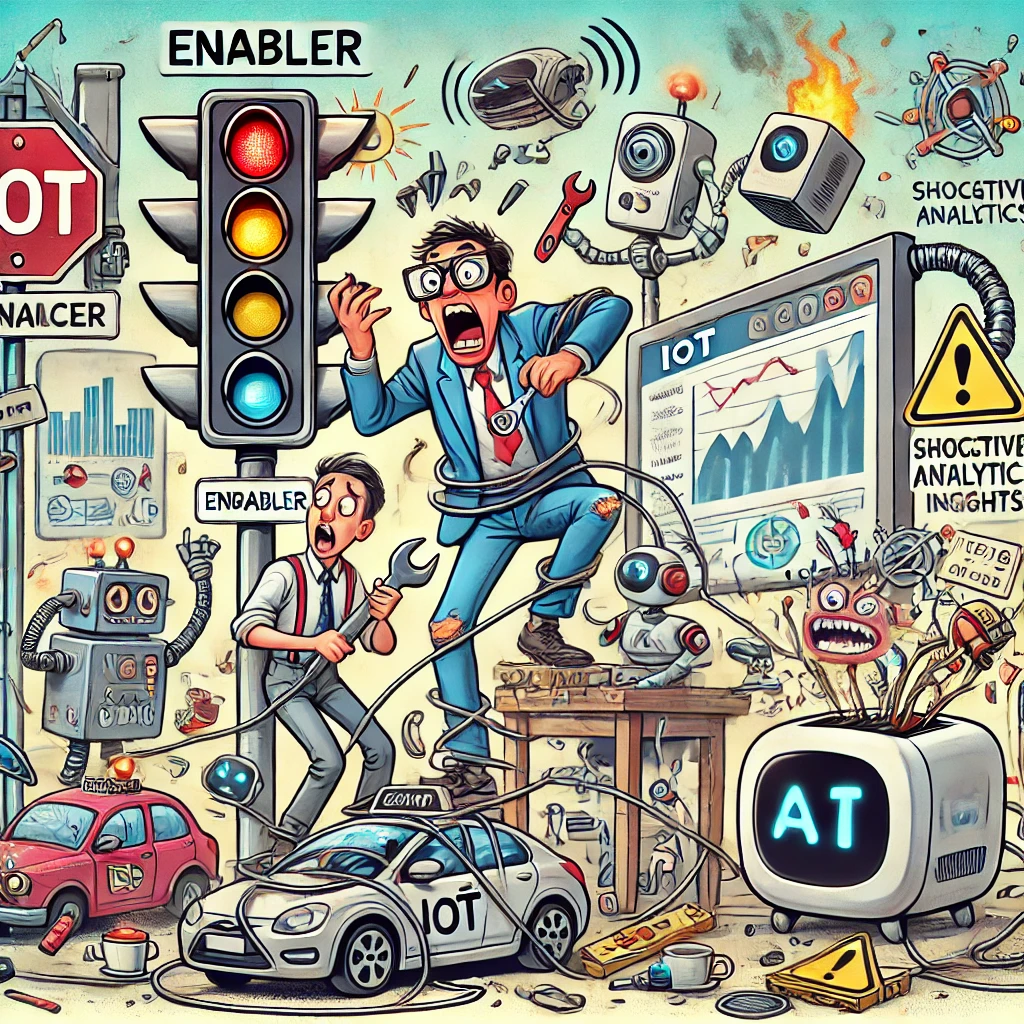
Let me walk you through this ecosystem as I see it, breaking it into three leading roles: Enablers, Engagers, and Enhancers.

Enablers: The Builders of IoT

Think of Enablers as the architects and construction workers of the IoT world.

They’re laying the groundwork – developing the technologies, hardware, and infrastructure that make IoT possible. Without them, there’s no IoT, period.

When I worked at MIMOS Berhad, Malaysia’s national R&D centre, I saw how challenging this role can be. You’re not just building products; you’re creating the tools others will use to develop their solutions.

Companies like Cisco and Intel are perfect examples. They design the chips, the communication protocols, and the platforms that allow data to flow between devices.

At FAVORIOT, our platform plays a similar role.

It’s a foundation for developers to connect devices and scale their applications. Being an Enabler means thinking about scalability, security, and reliability ahead of time.

It’s demanding but also incredibly rewarding because you’re shaping the future of IoT.

Engagers: Bringing IoT to Life

If Enablers are the builders, Engagers are the storytellers.

They take the raw capabilities provided by Enablers and turn them into solutions that make sense to the everyday user. This is where IoT comes alive for people.

I love this role because it’s all about creativity and problem-solving.

Engagers design and deliver IoT services that address real-world needs. For instance, Nest’s smart thermostats made IoT relatable and accessible to millions of households.

While leading REDtone IOT, I saw how challenging it is to balance innovation with practicality.

You have to create solutions that are not only cutting-edge but also easy to use and affordable.

Whether it’s developing intelligent farming systems, health monitoring devices, or city-wide solutions, Engagers connect IoT to its audience.

At FAVORIOT, we stepped into this role with projects like RAQIB, a health monitoring system for Hajj pilgrims.

The idea was simple: make it easier for caregivers to monitor pilgrims’ health remotely. It’s about identifying and meeting a need with IoT tools.

Enhancers: Turning Data into Action

Here’s where things get exciting.

Enhancers take all the data IoT devices collect and turn it into something meaningful.

They’re the analysts, the data scientists, and the visionaries who uncover patterns and insights that help people make better decisions.

This role is close to my heart because it’s where IoT’s actual value is unlocked.

For example, RAQIB isn’t just about collecting health data – it’s about analysing it to predict potential issues and alert caregivers. Without that intelligence layer, the data would be numbers on a screen.

Enhancers rely on AI and machine learning technologies to transform raw data into actionable insights.

Companies like Palantir and Splunk are masters at this.

They build platforms that help businesses make sense of complex data. It’s a challenging role but incredibly impactful, especially as IoT continues to generate more and more data daily.

At Favoriot, we are now enhancing our IoT platform with Agentic AI, making it an “AIoT”.

Where Do You Fit In?

So, how do you decide where you belong in this ecosystem?

Should you build the infrastructure as an Enabler, create applications as an Engager, or analyse the data as an Enhancer?

Here’s my advice: start with what you’re good at.

If you’re a tech wizard with a hardware and software development knack, the Enabler role might be for you.

If you understand market needs and enjoy creating user-centric solutions, focus on being an Engager. And if data is your thing, Enhancers have plenty of opportunities for innovation.

At FAVORIOT, we started as Enablers, building our IoT platform. Over time, we expanded into the Engager and Enhancer roles by creating solutions like Favorsense, a crowdsensing platform, RAQIB and now become AIoT platform.

It’s a natural progression, but it all began with identifying and focusing on our strengths.

The Real Power of IoT

At its core, IoT isn’t just about connecting devices; it’s about connecting insights.

The more devices you have collecting data, the more opportunities there are to make meaningful discoveries. But here’s the catch – you need the right tools and expertise to turn that data into something valuable.

That’s why Enhancers are so crucial.

With advanced analytics, they can predict equipment failures, improve operational efficiency, or even save lives.

It’s about more than just technology; it’s about creating solutions that make a difference.

Let’s Shape the Future Together

The IoT landscape is vast, and the opportunities are endless.

But success comes down to understanding your role – whether you’re an Enabler, an Engager, or an Enhancer – and playing to your strengths.

Don’t try to do everything.

Focus on where to add the most value, and the rest will follow.

For me, IoT is more than just a field of work – it’s a mission to create smarter, more connected communities.

Whether you’re building the infrastructure, designing the applications, or analysing the data, you’re contributing to something bigger: a future where technology works seamlessly to improve lives.

So, let’s get out there and make it happen.

The IoT revolution is just starting, and there’s plenty of room for us to make our mark.

Where will you begin?