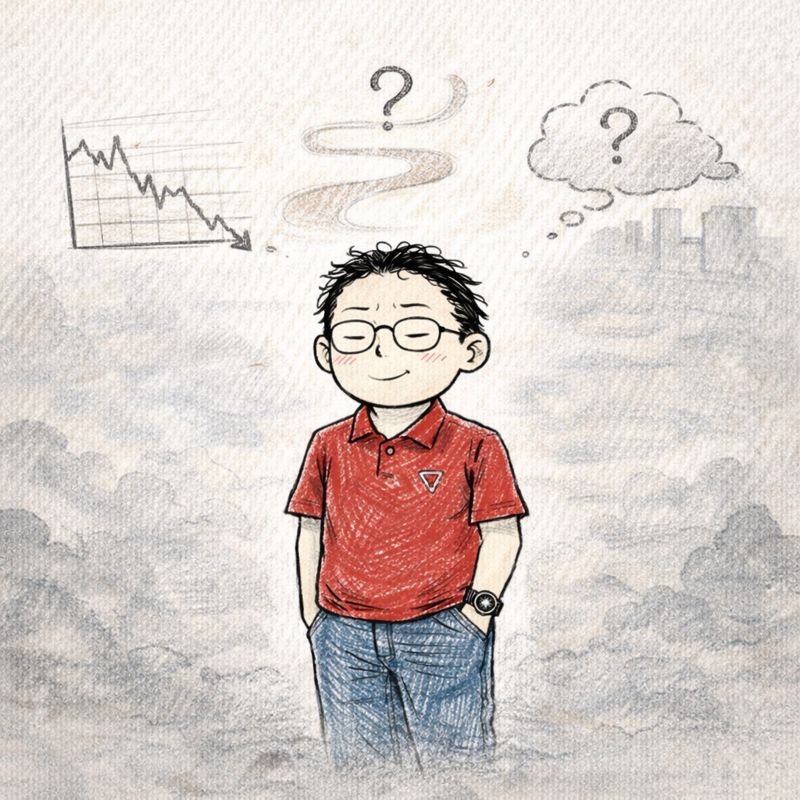
I did not expect this feeling to arrive so quietly.
No dramatic moment.
No emotional breakdown.
Just a soft question that kept returning while I stared at my screen.
Should I stop writing eBooks about IoT, startups, and entrepreneurship?
I have written several eBooks over the years. Some came from years of experience building platforms. Some from scars earned while running a startup. Some from observing founders struggle with the same blind spots again and again.
I made them free.
No paywall.
No upsell tricks.
Just knowledge, stories, and lessons shared openly.
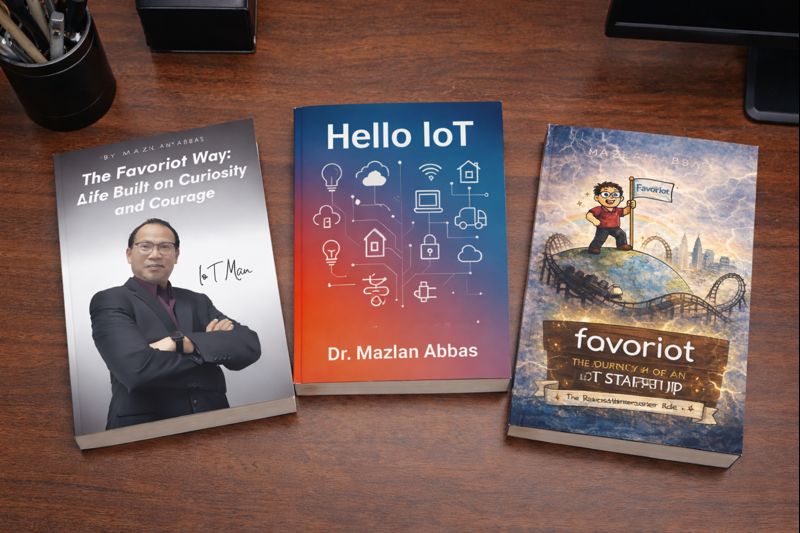
Yet after my last three books (Hello IoT, The Favoriot Way: A Life Built on Curiosity and Courage, Favoriot : The Journey of an IoT Startup), something felt off.
Downloads slowed.
Shares dropped.
The quiet became louder.
At first, I blamed myself.
Maybe the topics are stale.
Maybe I am repeating myself.
Maybe people are tired of hearing from me.
Then another thought crept in.
Or maybe the world has changed.
The Moment I Could No Longer Ignore
I noticed something about my own habits before blaming anyone else.
I no longer Google as much.
I open ChatGPT.
I type a question.
I get an answer.
Direct.
Fast.
Clean.
And here is the uncomfortable truth.
I am guilty too.
I ask AI to summarise books.
I ask for key takeaways.
I skim instead of sitting with pages.
Who am I to complain when I do the same thing?
That realisation stung.
Because I used to love reading slowly. Highlighting sentences. Rereading paragraphs. Letting ideas sit for days.
Now, time feels compressed. Attention feels borrowed. Everything competes for mental space.
The Silent Shift No One Talks About
This is not about AI replacing writers.
It is about AI changing readers.
People no longer want to search.
They want answers.
They no longer want ten blog posts.
They want one response.
They no longer want to explore.
They want to arrive.
Why buy a book when a prompt gives you a clean summary?
Why spend hours reading when minutes feel enough?
That question hurts writers, but it is not wrong.
Books were once a journey.
Now they are treated like databases.
Tell me what matters. Skip the rest.
Short Attention Is Not a Moral Failure
I hear people complain about attention spans all the time.
But I do not think it is laziness.
I think it is survival.
We are flooded with inputs. Messages. Alerts. Updates. Noise.
Reading a 150-page eBook feels heavy when your mind is already full.
The new generation did not lose patience.
They adapted to overload.
They want clarity, not volume.
Direction, not depth.
At least not by default.
When Free Still Feels Expensive
Making my eBooks free was supposed to remove friction.
Yet free does not mean easy.
Reading still costs time.
Thinking still costs energy.
AI removed that cost.
One prompt feels cheaper than one chapter.
So why am I surprised?
The Hard Question I Keep Avoiding
I keep asking myself something uncomfortable.
Am I writing for impact, or am I writing out of habit?
In the past, writing eBooks felt like leaving a trail behind. Something lasting. Something searchable. Something meaningful.
Now it feels like throwing paper planes into a sky full of drones.
They fly faster.
They reach further.
They respond instantly.
Paper planes still matter.
But fewer people look up.
Books Versus Conversations
AI feels like a conversation.
Books feel like a lecture.
That difference matters.
People want interaction. They want follow-up questions. They want context tailored to their situation.
A book cannot ask back.
AI can.
And that changes expectations.
What Writing Used to Give Me
I did not write eBooks just for readers.
I wrote to think.
Writing forced clarity.
It slowed my thoughts.
It made experiences visible.
If I stop writing books, what replaces that?
Blogs?
Short posts?
Conversations?
Voice notes?
I do not know yet.
That uncertainty is unsettling.
Maybe Books Are No Longer the First Door
Here is a thought I am still wrestling with.
Books may no longer be entry points.
They may become reference points.
Not where people start, but where they return when they want depth.
AI gives direction.
Books give texture.
AI answers questions.
Books explain why the questions matter.
But fewer people reach that stage.
The Ego Check I Needed
Another truth I had to face.
I assumed free meant valuable.
I assumed experience meant relevance.
Neither guarantees attention.
The world does not owe writers readers.
Attention is earned every day.
Even by those who have written before.
Am I Really Stopping?
When I say I feel like stopping, I am not quitting writing.
I am questioning the format.
Maybe eBooks are not where my thoughts want to live anymore.
Maybe ideas want to breathe in smaller spaces.
Or in stories.
Or in conversations.
Or maybe fewer books, written slower, with deeper intent.
I am not sure yet.
What I Do Know
AI has changed how we read.
AI has changed why we read.
AI has changed when we read.
That shift is real. It is not a phase.
Fighting it feels pointless.
Understanding it feels necessary.
The Choice In Front of Me
I can keep writing eBooks and accept fewer readers.
I can stop writing books and find new ways to share ideas.
Or I can redefine what a book means in a world that no longer reads the same way.
Right now, I am sitting with the discomfort.
No dramatic announcement.
No final decision.
Just honesty.
A Quiet Ending With an Open Question
I still believe ideas matter.
I still believe stories shape thinking.
I still believe writing is worth doing.
But I no longer believe format guarantees relevance.
Maybe the real question is not whether I stop writing eBooks.
Maybe it is whether I am brave enough to write differently.
If you are a writer, a reader, or someone who quietly stopped reading books, I would love to hear your thoughts.
Have you felt this shift too?



 Dr. Mazlan Abbas