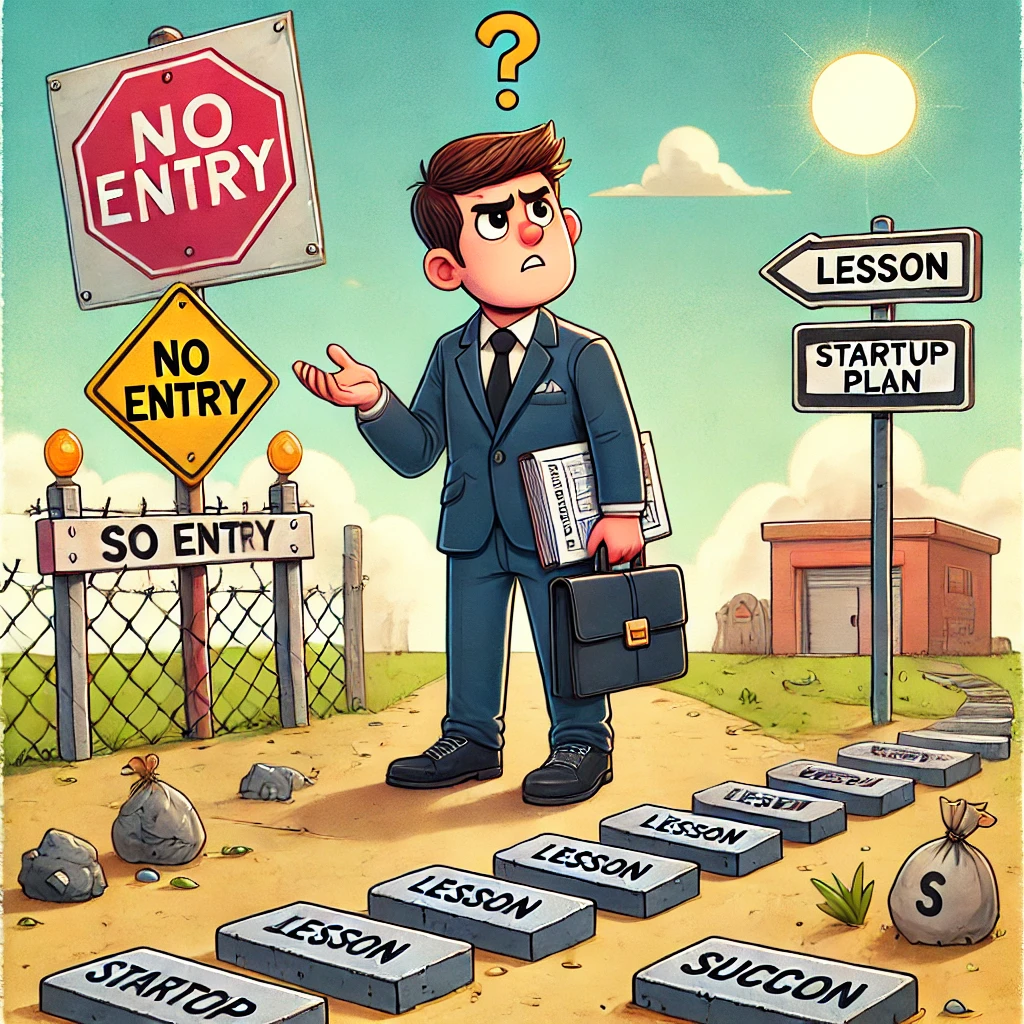
The Story Behind Favoriot – Part 13: Does Winning Awards Help a Startup Succeed?

A Founder’s Perspective on What Truly Matters

It’s an incredible feeling when your hard work is recognized. I still remember when Favoriot was named Malaysia’s Best IoT Startup in 2019. The news brought a surge of pride and validation. Finally, we’re getting the recognition we deserve, I thought. This felt like a pivotal moment for a startup struggling to make its mark in a competitive landscape. I imagined the doors it would open — new customers, investor interest, and big projects.

But reality had a different plan.

Let me explain what happened next. Spoiler alert: It was not the fairy-tale ending I had envisioned.

The Early Days: Riding the Wave of Recognition

When Favoriot received its first big award, it felt like a turning point. Invitations started pouring in — podcasts, TV shows, radio interviews. Suddenly, we were everywhere.

This is the exposure we’ve been waiting for!

Being featured in the media was a game-changer. Every interview felt like an opportunity to tell the world our story, to let them know how Favoriot was building solutions to empower smart cities and businesses with IoT. My calendar filled up with media appearances and speaking engagements.

At that moment, it felt like the award had delivered its promise. We’re on the map now.

The Sobering Reality: Do Awards Bring Customers?

But once the initial excitement faded, the hard questions began creeping in.

“Did the award translate into more customers?”

The short answer: No.

Despite the massive exposure, we didn’t see a surge of clients knocking on our doors. I kept thinking, Surely people have heard of us by now? But recognition doesn’t automatically lead to sales.

Building trust takes more than a shiny trophy or a few headlines. Customers want proof — tangible results, real value, and solutions that solve their pain points. An award doesn’t give them that assurance.

Winning an award is like an introduction at a networking event — worthwhile, but it won’t close the deal for you.

Investors: The Harsh Reality Check

What about investors? Surely, they’d take notice. Wouldn’t an award boost their confidence in Favoriot’s potential?

Again, the answer was disappointing: No.

I found myself asking, How can they not see the potential in us? But investors are pragmatic. They’re not impressed by accolades alone. They want a solid business model, proof of scalability, and a clear path to profitability.

No matter how prestigious, an award isn’t enough to unlock an investor’s wallet. They want to see traction — growing customer numbers, revenue, and a sustainable strategy.

Big Contracts: Still Out of Reach

And then there were the big projects we had been dreaming about. Would winning an award finally help us land those elusive large-scale contracts?

The answer was another sobering “No.”

Despite our growing reputation, big opportunities remained just out of reach. I wondered, What’s the point of all this recognition if it doesn’t open real doors?

The reality hit hard: Awards are nice but not magic keys to success.

The Award Industry: Merit or Marketing?

Another thing I learned along the way is that not all awards are created equal.

I’ve seen awards handed out based on who could afford to buy an expensive table at a gala dinner or secure a full-page editorial. Where’s the value in that?

At Favoriot, we’ve always believed recognition should be earned, not bought. If we’re going to win something, it must reflect our genuine achievements. We never wanted to be part of an ecosystem where awards are another marketing tool.

Shifting Our Focus: What Really Matters

It took a while, but we eventually realized that awards weren’t the goal. They’re a nice bonus, but they shouldn’t define our journey. What matters most is our customers.

“What’s more important,” I remind myself often, “is attracting customers who believe in our product and are willing to pay for it.”

Ultimately, a startup’s true measure of success isn’t a trophy on the shelf — it’s the customers who return, the partners who trust us, and the impact we make.

Aiming for Global Impact

With that in mind, we’ve shifted our focus to a bigger stage: the global market.

“Let the world see what we can do,” I told my team. Our mission is no longer to chase awards but to deliver real results that speak for themselves.

We want to be known for our value to the IoT space, not for the number of awards we’ve won. If recognition comes, it’s a bonus. But it’s no longer our primary pursuit.

The Journey Ahead: Challenges and Lessons

Of course, the road ahead is still filled with challenges. Running a startup is a marathon, not a sprint. There are setbacks, doubts, and tough decisions. But there’s hope, resilience, and a deep belief in what we’re building.

I’ve learned to embrace these moments — even the tough ones. They’re part of the process.

“May our journey be made easier with the prayers and support of our friends,” I often reflect. I can only say thank you to those who have stood by us, cheered us on, and believed in us.

Your belief in us means more than any award ever could.

The True Measure of Success

So, does winning awards help a startup succeed?

Here’s the truth: Awards are just that — awards.

They’re a pat on the back, recognising your hard work. But they don’t guarantee success.

Success is built on consistent effort, customer trust, and genuine impact. It’s about solving real problems, creating value, and building a business that will endure.

That’s the legacy we want to leave behind at Favoriot.

Not a shelf full of trophies but a better world because of the solutions we’ve built.

One step at a time. One customer at a time. That’s what success looks like to me.

How I’m Improving My Blog Writing in 2025

Lessons from My 2024 Mistakes

As I sit back and reflect on my blogging journey throughout 2024, I realize it’s been a mixed bag. There were moments of triumph where I felt proud of my work and other times where I couldn’t shake off the feeling that I could’ve done better. Isn’t that how it always is with personal projects? You start with high hopes and grand plans, only to learn some hard lessons along the way.

2024 has been a year full of such lessons for me. After analyzing my blog posts and feedback, I’ve identified five key mistakes that held me back. In 2025, I’m determined to turn things around. It’s time for a fresh start and a more thoughtful strategy. Here’s my plan to improve my writing and connect more meaningfully with my readers.

1. Cutting Out the Complicated Stuff

Where I Went Wrong in 2024

I have a confession: I fell into the trap of using too much jargon in my blog. Being in the IoT industry for so long, getting carried away with technical terms and buzzwords is easy. In my head, it sounded impressive, but I probably ended up confusing—or worse—boring my readers. Words like “data ingestion” and “end-to-end connectivity” may roll off my tongue effortlessly, but they can feel like stumbling blocks for someone outside my field.

What I’m Doing Differently in 2025

This year, I’m embracing simplicity. If I don’t say a term in a casual conversation, it won’t show up in my blog. Instead of “data ingestion,” I’ll simply say “how data is processed.” It’s all about being reader-friendly. Before hitting publish, I’ll ask myself: Would this make sense to someone who knows nothing about IoT? If not, I’ll rewrite it.
My new mantra: Every post should feel like a friendly chat over coffee, not a technical lecture.

2. Giving My Articles a Clear Path

Where I Went Wrong in 2024

Some of my blog posts felt like wandering through a maze without a map. I’d start with a big idea, but somewhere along the way, I’d get sidetracked. Before I knew it, the article would lose focus, and the conclusion didn’t even tie back to the opening idea.

What I’m Doing Differently in 2025

This year, outlines will be my best friends. Before writing, I’ll map out the structure of each post. A solid introduction to hook the reader, clear subheadings to guide them through the article, and a concise conclusion to tie everything together. No more messy articles that feel like a random stream of thoughts.

I’ll also check if someone can skim my article and understand the main points. If it feels confusing or jumps around too much, it’s time to rework it. A well-structured article should feel effortless, like a story unfolding naturally.

3. Putting Readers First

Where I Went Wrong in 2024

I love sharing personal stories—it’s one of the reasons I started blogging. But last year, I got too focused on my experiences without always connecting them back to something useful for my readers. Storytelling is powerful, but without a takeaway, it can feel self-indulgent.

What I’m Doing Differently in 2025

This year, I’ll make sure every personal story is tied to a lesson or takeaway for the reader. If I’m writing about my IoT journey, I’ll include tips for others—like how they can start their own IoT project or solve a real-life problem with technology. It’s all about balance.


I also plan to engage more with my audience. Responding to comments and understanding what my readers want will help me create content that matters to them. Writing isn’t just about what I want to say—it’s about what they want to read.

4. Nailing Headlines and Adding Visual Appeal

Where I Went Wrong in 2024

I’ll admit—some of my headlines were dull. They didn’t grab attention or give a clear idea of what the article was about. Worse, a few posts lacked visuals altogether. A wall of text without any visual relief? Even I wouldn’t want to read that!

What I’m Doing Differently in 2025

I will focus on headlines this year. Instead of vague titles, I’ll aim for clear, intriguing ones. For example, “How IoT Can Help Businesses” will become “5 Practical Ways IoT Can Transform Your Business in 2025.” It’s more specific and promises real value.

Visuals will also play a more significant role. Whether it’s a chart, an infographic, or a relevant photo, every post will have something to break up the text and make it more engaging. I’ll use tools like Canva to create custom graphics that complement my content.

5. Engaging with Readers More

Where I Went Wrong in 2024

One of my biggest regrets from last year is not engaging enough with my readers. I didn’t spend enough time replying to comments or interacting with the people who read my work. It felt like a missed opportunity to build connections and learn from their feedback.

What I’m Doing Differently in 2025

Engagement is a top priority this year. If someone leaves a comment, I’ll reply thoughtfully. I want my blog to feel like a conversation, not a monologue.

I also plan to write more based on readers’ questions or suggestions. For example, if someone asks how IoT can be applied in agriculture, I’ll turn that into a complete article. The more interactive my blog feels, the more valuable it will be for everyone involved.

Looking Ahead

2025 is going to be the year I write with purpose. I’m leaving behind the jargon, messy structures, and one-sided stories. Instead, I’ll create clear, engaging, and reader-centric content.

The beauty of blogging is that it’s a continuous journey. There’s always something new to learn and room to grow. By reflecting on my mistakes in 2024, I’m excited to see how far I can take my writing in 2025.

Will it be perfect? No. But it’ll be better. And that’s what matters.

Let’s make 2025 a great year for writing!

My Dream Home: Where Innovation Meets Nature

I often dream about my perfect home. It’s more than just four walls and a roof. For someone like me who has always been passionate about technology and smart cities, my dream home isn’t just a physical structure; it reflects my lifelong experiences, love for science fiction, and continuous pursuit of innovation. My dream home is a seamless blend of futuristic technology, smart living, and peaceful nature. In this sanctuary, IoT, AI, and sustainability combine to create the perfect balance between modernity and tranquillity.

I wonder how it would feel to wake up in this house… Maybe it’s time I walk you through it.

A Home That Blends with Nature

Imagine a home on a hillside, surrounded by lush greenery, with large glass walls overlooking the horizon. The house doesn’t fight with nature but coexists with it. Solar panels cover the roof, blending into the design seamlessly. A small stream flows nearby, adding a soothing soundtrack of trickling water throughout the day. This home is self-sustainable, harvesting rainwater and solar energy while being designed to reduce its environmental footprint—a true embodiment of the circular economy I often talk about.

Every room is filled with natural light. The living spaces open to nature through sliding glass doors leading to a large deck. I imagine myself sitting on the deck in the early mornings, sipping my coffee while the birds chirp in the background.

But nature isn’t just about the view; it’s part of the home itself. The walls are lined with vertical gardens—living, breathing walls that regulate the air quality and create a serene environment. There’s also a small indoor garden where I can grow herbs and vegetables, reminding me that technology and nature can coexist harmoniously.

The IoT-Powered Core

Being deeply involved in the IoT industry, separating my dream home from smart technology is impossible. My home would be powered by a central IoT platform, much like FAVORIOT, designed to integrate every system—from security and lighting to climate control and appliances. The house is essentially alive, learning and adapting to my habits.

How cool would it be if the house could predict my mood?

If I’ve had a long day, the house will know. The lights dim to a warm, relaxing hue, the temperature adjusts to my preference, and soft, calming music fills the room. My personal AI assistant would greet me at the door, summarise my schedule, read the latest IoT news, and ask if I wanted to listen to one of my favourite podcasts.

Every room is equipped with sensors that adjust based on who’s inside. If I move to the study, the lighting changes to a focus mode, and the desk automatically adjusts to the right height. The smart fridge keeps track of the kitchen’s inventory, suggesting recipes based on what’s available and even ordering groceries when supplies run low.

A Connected Workspace

I’ve always believed that a house should inspire you, and my dream home would have a dedicated space for creativity and innovation. This is not just a typical home office but a futuristic command centre—a space filled with interactive screens, real-time data dashboards, and digital whiteboards. This is where ideas flow. It’s where I would record my podcasts and create TikTok content about IoT, write my articles, and even connect with global partners.

The workspace is also connected to my home’s IoT system, allowing me to monitor and control every aspect of the house from a single dashboard. I can check energy consumption, air quality, and even the health of my indoor garden at a glance.

Spaces for Family and Friends

Of course, my dream home isn’t just for me. It’s a space where family and friends can gather, share meals, and create lasting memories. The living area is designed for comfort and warmth, with a large fireplace as the focal point. I imagine a cosy reading corner filled with my favourite science fiction books—some DC comics, too, just for nostalgia.

There’s a home theatre where I can watch my favourite movies with my family—“The Jetsons” would be a must-watch on lazy Sunday afternoons. Outside, there’s a small badminton court where we can play together, a reminder of my younger days when sports were an essential part of my life.

A Space for Music and Reflection

Music has always been close to my heart. A dedicated music room in one corner of the house—a place to unwind and get lost in melodies. It’s where my guitar rests, waiting for me to strum Bee Gees classics. I envision this room as a space for creativity and relaxation, where music fills the air, bringing calmness after a hectic day.

The house also includes a meditation room—a quiet retreat for reflection. It’s a simple space with minimal design, facing the morning sun. Here, I can practice mindfulness and regain focus, a necessary escape from my fast-paced world.

Sustainability at Its Core

Sustainability is not just an afterthought in this home; it’s a guiding principle. The house uses green building materials and is designed to be energy-efficient. Solar panels generate power, and a battery storage system ensures the home can operate off-grid when needed.

Water conservation is another key aspect. Rainwater is harvested and filtered for use, while greywater is recycled for irrigation. Waste is minimized through smart waste management systems—recyclable materials are sorted and composted automatically.

The Future at My Doorstep

The future doesn’t just live inside my home; it extends to the surrounding area. Autonomous vehicles pull up to the driveway, and drones deliver packages directly to my doorstep. The neighbourhood is a smart community where homes communicate with each other, sharing energy resources and optimizing consumption.

Even the security system is futuristic—facial recognition for entry, AI-driven monitoring for unusual activity, and a virtual assistant that alerts me when something needs attention.

It’s funny how much this home reflects my personality. Everything is connected, always learning and improving.

Why This Dream Home Matters

For me, this home is more than just a physical space. It’s a manifestation of everything I’ve worked for—a culmination of my journey in technology, my passion for sustainability, and my belief that technology can enhance our lives without compromising nature.

It’s a home that inspires innovation and creativity, a place to share with loved ones, and a sanctuary for personal growth.

Of course, dreams evolve. As technology advances, so will the vision of my dream home. But one thing will always remain constant—it will be a place where the past, present, and future come together.

Who knows? Maybe one day I’ll build it. Until then, I’ll keep dreaming.

Letting Go: How I Outgrew Jailbreaking and Badminton

It’s funny how our interests and hobbies evolve over time. What once fueled our passion eventually fades, replaced by new priorities and pursuits. When I reflect on my own journey, two activities stand out—jailbreaking my iPhone and playing badminton. Both were integral parts of my life for years, but as time passed, I slowly outgrew them. Here’s how it happened.

The Early Days of Jailbreaking: Freedom at My Fingertips

When the iPhone first hit the market, it was revolutionary, but it came with limitations. The devices were locked to specific telcos, meaning if you bought an iPhone from overseas, it wouldn’t work with a local SIM card. I experienced this firsthand when I purchased my first iPhone from abroad.

Holding that sleek device in my hands, I felt excited and frustrated. I couldn’t use it with my local telco—unless I jailbroke it. That’s when my passion for jailbreaking began.

The Thrill of the Hack

I spent countless hours exploring forums, following guides, and experimenting with jailbreak tools. Each successful jailbreak was like a small victory. Suddenly, my iPhone was no longer constrained by Apple’s rules. I could install apps that weren’t available on the App Store, customize the interface, and unlock hidden features.

It wasn’t just about functionality—it was about freedom. Jailbreaking turned my iPhone into a personalized device that reflected my preferences, not Apple’s restrictions.

Creating “The Future is Here” Blog

As my interest grew, I wanted to share what I learned. That’s how my blog, The Future is Here, was born. It became a place where I documented everything—step-by-step guides on jailbreaking, tips for customizing iPhones, and recommendations for third-party apps.

What started as a small hobby quickly gained traction. My blog became a popular resource for people in the jailbreaking community. Comments and questions poured in:

“How do I unlock my iPhone 3G?”
“What’s the best jailbreak tool for iOS 4?”

I loved helping others. The excitement of solving problems and connecting with like-minded people fueled my passion even more.

The End of an Era

But like all good things, the jailbreaking craze eventually slowed down. Apple started releasing unlocked versions of the iPhone, and the App Store grew, offering a wide variety of apps that met most users’ needs. Jailbreaking was no longer necessary—or exciting.

My blog traffic dwindled as fewer people needed jailbreak solutions. I found myself losing interest. It felt bittersweet, but I knew it was time to move on. The blog that once consumed my time and energy quietly faded into the background.

My Love for Badminton

While jailbreaking was my intellectual passion, badminton was my physical outlet. It wasn’t just a sport—it was part of my identity. I loved the fast-paced rallies, the mental strategy, and the sheer thrill of smashing the shuttlecock across the court. Every week, I would hit the badminton court, pushing myself to improve and enjoying the camaraderie with friends.

The Signs of Change

For years, badminton kept me fit and competitive. But one day, something changed. I noticed my stamina wasn’t what it used to be. At first, I thought it was just a bad day. Maybe I didn’t sleep well last night, I told myself. But it happened again and again.

Then came the moment of realization—my grip started slipping. The racquet no longer felt secure in my hand. My shots lost power, and no amount of rest seemed to restore my strength.

Letting Go

It was hard to admit, but I had to face the truth. Maybe it’s time to let go.

Hanging up the racquet wasn’t easy. Badminton had been a big part of my life, and giving it up felt like losing a piece of myself. But over time, I realized it wasn’t about failure but evolution. My body told me to slow down, and I had to listen.

Lessons Learned

Looking back, both jailbreaking and badminton taught me invaluable lessons. Jailbreaking sparked my curiosity, pushed me to solve problems creatively, and introduced me to online communities and blogging. Badminton taught me discipline, resilience, and the importance of staying active.

Even though these hobbies are no longer part of my life, the memories remain. They remind me of how life is constantly changing, how our interests shift, and how it’s okay to let go of what no longer serves us.

Embracing New Chapters

Letting go doesn’t mean forgetting. It simply means making space for new passions and adventures. Jailbreaking and badminton will always be a part of my story, but they’ve paved the way for new pursuits.

Who knows what the next chapter will bring? The beauty of life lies in its unpredictability.

All we can do is keep evolving, learning, and remaining open to whatever comes next.

And that’s the real adventure, isn’t it?

Turning Life’s Challenges into Stepping Stones

Why do challenges always show up at the worst possible time?

For a long time, that question lingered in my mind. Every time I thought life was finally settling down, another curveball would hit me hard. At first, these challenges seemed like nothing more than obstacles determined to stop me from reaching my goals.

But as I navigated through each one, I realized that life’s challenges were not meant to hold me back. They were, in fact, disguised opportunities—stepping stones that prepared me for the next phase of my journey.

Here’s how I turned those challenges into stepping stones and why I now welcome them with a different perspective.

The Crossroads: When Uncertainty Knocked

It was during a pivotal moment in my career. I was in a comfortable place—a good position, steady income, and a predictable life. Yet, deep down, I knew it was time for something different—something bigger.

Leaving a stable environment to build something from scratch felt like jumping off a cliff. Are you sure about this, Mazlan? I remember asking myself again and again. The fear of failure loomed large, and the unknown was terrifying.

That’s how my journey with FAVORIOT began—a leap of faith that was more like building a plane while flying it. No guarantees, no safety nets. Just a dream, a vision, and an endless sea of challenges ahead.

Self-Doubt and Fear

The early days of building a startup were a mental battle. There were moments when I doubted every decision. What if no one cares about IoT? What if this vision is too ahead of its time?

The hardest part was not knowing whether the efforts would pay off. Every rejection, every roadblock chipped away at my confidence. It felt like running in quicksand—working harder but sinking deeper.

But giving up wasn’t an option. Each night, I reminded myself why I started. I focused on taking one small step at a time, no matter how insignificant it seemed.

Reframing Challenges: The Turning Point

I hit a turning point when I realized that challenges weren’t the enemy. They were my greatest teachers. Instead of seeing them as roadblocks, I treated them as stepping stones—lessons that would prepare me for something bigger.

One early challenge was convincing others of FAVORIOT’s vision. Convincing potential clients to adopt IoT solutions wasn’t easy. We knocked on countless doors and presented to numerous stakeholders, but progress was painfully slow.

Each rejection felt like a personal failure. Why don’t they see the potential in this technology? I often wondered.

Then, it hit me—those rejections were feedback, not failures. Every “no” forced us to refine our message, improve our strategy, and strengthen our value proposition. Slowly but surely, we learned to pivot, adapt, and move forward.

The Power of Resilience

Resilience doesn’t come naturally. It’s built through experience—often painful ones. In the early days, we experienced setbacks that made me question everything.

One of the biggest challenges was when a significant partnership we had been counting on fell apart. It was a heavy blow, and I remember thinking, Maybe this is it. Maybe this dream is over.

But instead of dwelling on the loss, we regrouped. We analyzed what went wrong and found another path forward. Looking back, that setback was a blessing in disguise. It forced us to rethink our approach and ultimately made us more agile and adaptive.

Lessons from Life’s Toughest Challenges

Every challenge carries a lesson—if we’re willing to listen. Here are some of the biggest lessons I’ve learned from turning obstacles into opportunities:

1. Embrace the Unknown

Starting something new always feels scary. The unknown is intimidating, whether it’s a new job, a startup, or a personal project. But the magic happens when you take that first step.

I learned that the unknown isn’t something to fear—it’s a place of endless possibilities. Every time I stepped out of my comfort zone, I discovered new strengths and skills I didn’t know I had.

2. Adapt and Pivot Quickly

No plan survives reality unchanged. You can plan everything down to the smallest detail, but life throws unexpected challenges at you.

Our early business strategy at FAVORIOT had to be reworked entirely multiple times. At first, this felt like a failure, but I quickly realized it was just part of the process. Our greatest strength became our ability to pivot, adapt, and move quickly.

3. Rejection is Redirection

One of the hardest lessons was learning that rejection isn’t the end—it’s a redirection. Every “no” pushed us closer to a better solution, forcing us to think creatively and improve.

I remember one key rejection that led us to develop an entirely new service that became a core part of FAVORIOT’s offerings. We would have never explored that path if we hadn’t faced that rejection.

A New Perspective on Challenges

These days, I no longer panic when a challenge comes my way. Instead, I ask myself: What is this teaching me?

Every challenge is an opportunity to grow, no matter how painful or inconvenient. It’s no longer about “Why me?” but “What can I learn from this?”

I’ve come to appreciate that challenges are not obstacles in life’s journey—they are the journey. They’re the stepping stones that lead us to our destination, shaping us into who we’re meant to be.

Trusting the Process

If you’re going through a tough time right now, take heart. The challenges you face today are shaping you for something greater. They may not make sense now, but one day, you’ll look back and realize how they helped you grow in ways you never imagined.

Trust the process. Keep moving forward. Those stepping stones will take you to places beyond your wildest dreams.

And when you get there, you’ll smile and realize it was all worth it.

Looking back, I wouldn’t change a thing.

Every challenge, every failure, and every lesson shaped the person I am today.

A Deeper Dive into My Journey

If we were sitting down for coffee, I’d probably tell you that my story isn’t linear. It’s full of shifts, experiments, and surprises—each decision shapes who I’ve become. It’s not just about IoT, entrepreneurship, or blogging; it’s about finding my voice and figuring out where it belongs.

Let me take you back to the beginning, where curiosity sparked everything.

My First Affair with Technology

It all started long before technology became mainstream. I was that kid who loved tinkering with radios and gadgets, often dismantling them to see how they worked. Sometimes I managed to put them back together successfully—other times… not so much. But the thrill of discovery always kept me going.

Then came the blogging era. I stumbled upon Blogspot in the early 2000s, and it became my playground. Back then, I blogged about technology and gadgets, sharing tips and experiences with anyone willing to read. It was simple, but it gave me a voice.

“Imagine if YouTube had been around,” I often muse. My tech reviews would’ve been so much more engaging on video.

Beyond Tech Reviews: A New Perspective

Over time, my interests began to shift. I wanted to write about more than just gadgets. So, I expanded the topics—some posts were written in English, others in Malay, reflecting my bilingual journey. I found joy in writing about life experiences, challenges, and even personal reflections.

Each post was a piece of my evolving identity. Writing wasn’t just about sharing knowledge anymore—it became a way to connect, reflect, and grow.

The Birth of the IoT World

By the mid-2010s, IoT (Internet of Things) captured my attention like no other. This is the future, I thought. I launched IoT World, a focused platform dedicated to exploring and discussing IoT’s endless possibilities.

It became my canvas for explaining complex IoT concepts in simple terms, sharing case studies, and inspiring others to join this exciting field. I wrote with passion, knowing that IoT was more than just a trend—it was a revolution.

But, as always, my curiosity nudged me to broaden my horizons again. My inner voice said there’s more to share beyond IoT. Why not explore it?

Embracing Medium

In 2016, I discovered Medium—a place that felt like home for writers, thinkers, and storytellers. It was where creativity met community, and I knew I had to be a part of it.

Still, I was hesitant at first. I posted sporadically but was unsure if my content fit the platform’s audience. That all changed in September 2023 when I joined the Medium Partner Program. Suddenly, writing became a serious business. I decided to commit fully and see where it would take me.

On Medium, I explored different niches—IoT, entrepreneurship, social media strategies, poetry, and book reviews. Surprisingly, the candid posts about writing on Medium resonated the most. They taught me the value of niche-focused content while leaving room for exploration.

I began to love Medium’s dynamic energy. I constantly experimented with different formats and topics, learning what worked and what didn’t.

The Big Move: Back to WordPress in 2025

But then, in January 2025, something changed again. Medium felt crowded, I thought. I missed the creative freedom of building something that felt uniquely mine.

So, I decided to return to WordPress (which is this Mazlan Abbas Blog that you are reading). It felt like returning to my roots with a fresh perspective. This time, it wasn’t just about personal blogs or tech reviews. I wanted to create a digital space that combined all aspects of my journey—IoT, entrepreneurship, personal stories, and writing tips—all under one roof.

It was more than just a platform change. It was a symbolic return to independence and creativity. WordPress allowed me to build my site exactly how I wanted, without style, structure, or content restrictions.

It felt like home again.

My Professional Odyssey

Outside of blogging and writing, my professional journey has been equally dynamic. I’ve worn many hats over the years:

  • Associate Professor at Universiti Teknologi Malaysia, where I discovered the joy of teaching and mentoring young minds.
  • Senior Director at MIMOS Berhad, where I delved deep into technology research.
  • CEO of REDtone IoT, leading projects that transformed businesses through IoT solutions.
  • Co-Founder and CEO of FAVORIOT, a startup that’s been a rollercoaster ride of challenges, breakthroughs, and growth.

Each role added new dimensions to my story, giving me unique insights into technology, leadership, and the startup ecosystem. It’s been quite the journey.

The Magic of Storytelling

One of the unexpected joys of this journey has been the opportunity to speak at global conferences and share my experiences with others. Whether discussing smart cities, IoT, or entrepreneurship, I’ve learned that storytelling is the secret ingredient.

It’s not just about data or facts—it’s about making a connection. Sharing real stories—about successes, failures, and lessons learned—resonates more deeply than any PowerPoint slide ever could.

Looking Forward: The Unwritten Chapters

So, what’s next?

The truth is, I’m not entirely sure—and that’s exciting. Life has a funny way of surprising you. Maybe I’ll write a book, start a new podcast, or create more TikTok videos about IoT. Perhaps I’ll discover an entirely new passion and dive headfirst into it.

For now, I’m focusing on building mazlanabbas.com into a platform that reflects every facet of my journey. A space where I can share knowledge, connect with others, and continue to evolve as a writer and storyteller.

This journey is far from over.

The unwritten chapters are waiting, and I’m ready to explore them.

Lessons from My eBooks Sales

Someone asked me whether downloadable guides are a good lead generator for your business.

I never expected my eBooks to reach thousands of readers, let alone generate meaningful engagement. But looking at the numbers on my Payhip dashboard, I realise that writing and sharing knowledge can have a far-reaching impact.

The Journey of Sharing Knowledge

When I started publishing eBooks, my goal was simple: to document my experiences in IoT, entrepreneurship, and emerging technologies. I wanted to provide insights, guides, and frameworks that others could use, whether beginners or seasoned professionals.

Some books were offered for free to encourage accessibility, while others were priced modestly to reflect the value they provided. The result? A mix of high engagement and steady sales across different topics.

What the Numbers Reveal

Here’s a quick breakdown of how my eBooks have performed:

  • Most Popular Titles:

These two books clearly stand out. They focus on IoT, a topic I’ve been deeply involved with for years. It confirms that readers are eager to learn about IoT from a practical perspective. (Note: Initially, I sold these eBooks but now have made it for free)

These free resources were downloaded hundreds of times, proving that people appreciate concise and visual learning materials. Even though they didn’t generate direct revenue, they helped establish credibility and expand my reach.

These books didn’t attract huge numbers, but those who did purchase them found value in the content. It shows that niche topics may have a smaller audience but can still be monetised effectively. However, I have significantly reduced the prices of these eBooks.

Lessons from This Experience

  1. Free Resources Create Awareness
    Many downloads came from free materials, proving that giving knowledge away can be a powerful strategy. It builds trust and increases the likelihood of people exploring paid content later.
  2. IoT is a Strong Niche
    Books related to IoT consistently performed well. This reinforces that IoT remains a hot topic, and people actively seek structured knowledge.
  3. Engagement Doesn’t Always Mean Revenue
    Some books had high views but few orders, while others had lower views but better conversion rates. Pricing, perceived value, and the topic’s urgency significantly influence an eBook’s performance.
  4. Presentation Matters
    The success of IoT Notes and Your IoT Journey suggests that readers appreciate structured, well-organised content with clear takeaways.

What’s Next?

Seeing these numbers has given me new ideas. I plan to refine my offerings, update content, and possibly bundle resources to increase value. I’m also considering interactive formats like video courses based on my books.

Publishing these eBooks has been a rewarding experience—not just in sales but in the connections and conversations they have sparked. If you’re thinking of writing your own eBook, go for it. You never know who might find value in your words.

Check out my eBooks here: Payhip Store.

What do you think makes an eBook successful? Let’s discuss it!

5 Lessons I Learned About Writing (The Hard Way)

When I started writing, I was like an overexcited kid given the keys to a candy store—brimming with enthusiasm but absolutely clueless about what I was doing. I devoured every piece of writing advice I could find, hoping to fast-track my journey to becoming a better writer.

Some tips helped, sure, but a lot of it? Pure noise.

Looking back, I realize I could’ve saved myself from much frustration if I had learned these lessons sooner. But that’s the beauty of growth—you stumble, fall, and eventually figure things out.

I discovered five hard-earned lessons through trial and error and a fair share of facepalms.

1. Write Often, But Fix Your Mistakes

When I first dipped my toes into the writing world, I kept hearing this mantra: “Just write as much as you can. Quantity over quality.” So, I did precisely that. I wrote. A lot. Blog posts, social media updates, random thoughts jotted in the middle of the night—you name it.

But here’s the catch: I wasn’t getting any better.

“Why isn’t this working? I’m writing so much, but nothing feels right.”

One day, curiosity (or maybe self-torture) made me reread my older pieces. I cringed. I mean, really cringed. My sentences felt awkward, and my ideas scattered like puzzle pieces from different boxes. That’s when the lightbulb flickered on. Writing isn’t just about pouring words onto a page; it’s about learning from those words.

Now, I treat writing like a conversation with my past self. I write, but I also pause, reread, and reflect. I ask, “What was I trying to say here? Could I say it better?” Mistakes? Oh, they’re inevitable. But fixing them? That’s where growth lives.

2. Read What Interests You, Not Just to Impress Others

There was a phase when I believed that I needed to read everything under the sun to be a great writer. Self-help books I didn’t care for? Check. Academic articles that felt like decoding alien scripts? Double-check.

But guess what? None of it stuck.

“Am I even absorbing any of this? Or just pretending to?”

I was reading to tick boxes, not to learn. I’d skim through articles, drop a “Great piece!” comment, and move on—thinking I was building connections. Spoiler alert: I wasn’t.

Eventually, I realized that meaningful reading comes from genuine curiosity. Now, I read what sparks my interest. Whether it’s a thought-provoking essay, an IoT case study, or even a quirky poem, I take my time. I underline sentences, jot down notes, and let the words marinate.

Reading this way doesn’t just fill my brain; it fuels my writing.

3. Comment Like You Mean It

Ah, the “comment-for-engagement” strategy. Been there, done that.

In the early days, I thought leaving many comments would make me visible. So, I plastered generic lines like, “Nice post!” or “Interesting thoughts!” across articles.

But here’s the thing—writers can smell insincerity from a mile away.

“Why isn’t anyone responding to my comments? Aren’t I engaging enough?”

One day, I received a heartfelt comment on one of my posts. It wasn’t long, but it was thoughtful. The reader shared how my words resonated with their experience. That comment? It stayed with me.

I realized genuine connections aren’t built on autopilot responses. Now, when I comment, I pause. “Did something in the article make me think differently? Did it remind me of a personal story?” I share that. Authenticity might not flood your notifications, but it builds lasting bridges.

4. Don’t Play the Follow-for-Follow Game

Ah, the seductive trap of the “follow-for-follow” game. In my eagerness to grow my audience, I followed anyone and everyone, thinking they’d return the favour. For a while, it worked. My follower count climbed, but my engagement? Crickets.

“Why do I have so many followers but no real interactions?”

I had an audience, but not a community.

One day, it hit me: “Why am I following people whose work doesn’t inspire me? Why am I chasing numbers instead of connections?”

So, I hit the reset button. I started following writers whose words I genuinely enjoyed and whose thoughts challenged me. The growth became slower, but it felt real. When someone follows me today, I know it’s because they value my voice, not because of an unspoken social contract.

5. Write When You Have Something to Say

“Write every day, no matter what.”

I took that advice to heart. Even on days when inspiration was as dry as the Sahara, I forced myself to write. The result? Words that felt forced, soulless, and frankly, forgettable.

“Why does my writing feel empty even though I’m consistent?”

Then I had an epiphany: Writing isn’t just about writing. It’s about sharing—sharing an idea, a lesson, or a story that matters—even if it’s just for you.

Now, I write when something stirs within me. It could be a fleeting thought, a conversation, or an article that sparked an idea. Writing from that place? It flows. It feels alive. And more often than not, it resonates with readers.

Final Thoughts

Writing isn’t a race. It’s a journey filled with detours, pit stops, and occasional breakdowns.

I’ve stumbled, cringed at my past mistakes, and learned lessons the hard way, but each misstep has shaped my growth.

If you’re starting your writing journey, here’s my two cents: Don’t chase perfection. “Chase authenticity.” Write, reflect, connect genuinely, and let your voice evolve.

After all, the most powerful stories aren’t the ones polished to perfection—they’re the ones that come from the heart.

Why Writing Feels Like Running a Marathon

It all started with a simple comment from a friend: “Writing on a Blog is a marathon, not a sprint.” That line stuck with me. It echoed in my mind like the rhythmic pounding of footsteps on the pavement. It made me pause and think—he’s right. Writing isn’t a quick dash to the finish line. It’s an endurance game. A long race.

I often compare life to the activities we do. Maybe it’s my way of making sense of things. And the more I thought about it, the more it made perfect sense: writing on this Blog feels like running a marathon.

The Starting Line: Hesitation and Excitement

I remember the day I decided to write for this blog. There was no grand announcement or dramatic decision. It was more like an itch—a slight, persistent urge to share my thoughts on IoT and smart cities, which have consumed my professional life.

“Will anyone even read this?” I wondered. The same nervous question runners ask themselves as they stand at the starting line, surrounded by experienced athletes with years of effort etched into their confident postures.

That feeling? Overwhelming. But I started anyway.

Finding Your Rhythm: The First Few Kilometers

In the running, the first few kilometres are deceptive. The excitement tricks you into thinking you can sprint the whole way. But reality sets in quickly. The excitement fades, and you’re left with nothing but your breathing, the sound of your footsteps, and the mental battle against self-doubt.

Writing is the same. My first few articles barely got any views. I’d refresh the stats page often, hoping for a miracle.

“Why aren’t they reading?” Frustration bubbled up. But then I remembered: the first kilometres aren’t about speed; they’re about finding your rhythm.

Each article became a step forward, a chance to refine my voice. It wasn’t about the views. It was about showing up, day after day, word after word.

Small Wins: The First Checkpoint

One day, I posted an article about IoT applications in agriculture. I wasn’t expecting much, but then a comment appeared.

“This is exactly what I was looking for. Thank you!”

That small comment felt like crossing my first marathon checkpoint. Someone was reading, and someone found value in my words.

“Keep going,” I told myself.

That simple acknowledgement shifted everything. I stopped focusing on metrics and started writing because I enjoyed it.

Preparation: The Invisible Work

No marathoner wakes up and decides to run 42 kilometres without training. They prepare, practice, and test their limits.

Writing is no different.

“Do I really have to do this every day?” I’d groan, staring at a blank screen, especially when ideas were hard to find.

But I knew the truth: consistency beats talent. Skipping one day makes it easier to skip the next. So, I wrote. Even when the words felt forced. Even when the drafts were not my best.

Those drafts? They were my practice runs. Not pretty, but necessary.

Pacing: The Art of Sustainability

In a marathon, going too fast too early guarantees burnout. Writing has its version of this, too. At one point, I tried writing articles daily, thinking more output would lead to success.

Spoiler alert: it didn’t.

I learned to slow down, revisit drafts, and refine my ideas. Quality mattered more than quantity. It was like perfecting my stride, finding that balance where effort meets ease.

The Crowd: Finding Support

No marathoner runs alone. There are fellow runners, spectators, and coaches cheering you on.

For me, that support came from the Blog community—fellow writers, readers, even the occasional critic.

I’ll never forget the day I received a message from another writer: “Your story inspired me to start my own business. Thank you for sharing.”

That message? It was my crowd, cheering me on when I needed it most.

Hitting the Wall: The Toughest Part

Every marathon has “the wall”—that dreaded moment when exhaustion hits, and quitting feels like the only option.

For me, that wall was writer’s block. Days when ideas refused to come. When motivation disappeared, leaving only a nagging sense of failure.

“Why am I even doing this?” I’d mutter.

But then I’d remember: you don’t stop because you’re tired. You stop when you’re done.

The Finish Line: A New Beginning

Looking back, I realise writing and running a marathon are deeply personal activities. They test your limits, reveal your strengths, and force you to confront your weaknesses.

But they also offer immense rewards.

Today, as I continue to write, each article feels like another kilometer in the marathon. Some are effortless. Others are tough uphill battles.

But with each word, I grow stronger.

Someone once asked me, “Would you do it all over again?”

Without hesitation, I said, “Absolutely.”

Writing has given me resilience, discipline, and the joy of connection. It has reminded me that success isn’t in the destination—it’s in the process.

So here I am, still running this marathon, one article at a time.

And just like every marathoner knows, the finish line isn’t the end. It’s just the start of another challenge.

How AI Sees My Writing Style – And What It Means for 2025

“Do I really have a writing style?”

That question kept bouncing in my head as I stared at the AI analysis of my articles. I’ve always written instinctively—pouring out thoughts, reflecting on experiences, and hoping they resonate with someone out there. But now, with a year’s worth of writing analyzed, I can’t help but smile.

The verdict?

I’m a storyteller at heart. I thrive on conversations. Most importantly, I write for impact.

So, let’s break it down. What makes my writing style uniquely mine?

1. Storytelling is My Foundation

“You should start with a story.”

I remember hearing that advice long ago. At first, it felt unnecessary—why not just get straight to the point? But over time, I realized that stories bridge the gap between knowledge and understanding.

When I write about IoT, I don’t just list facts. I take readers on a journey, whether they’re entrepreneurs struggling to deploy smart city solutions or university students trying to commercialize an IoT project.

Take “Why Writing Is Like Running a Marathon” or “The Silent Struggles of Researchers”—I don’t just talk about endurance and challenges. I live through them in my writing.

Why it matters: Stories stick. They make abstract ideas tangible and personal.

2. Conversational and Relatable Tone

“Write as if you’re talking to a friend over coffee.”

That’s how I approach my articles. No stiff, robotic sentences. No excessive jargon. Just me, having a conversation with you.

Whether I’m sharing “How Medium Shaped My Voice” or “Why You Should Write From the Heart,” my goal is simple: I want you to feel like we’re just sitting together, chatting about life and ideas.

Why it matters: Readers don’t want to be lectured. They want a dialogue.

3. First-Person Perspective Brings Depth

“Why do you always write in first person?”

Because it’s real. Because it’s personal. Because I believe the best way to inspire is by showing—not just telling.

If I write about IoT projects in universities or my journey in the corporate world, I’m not giving a third-person analysis. I’m sharing my experiences, lessons, and mistakes.

Why it matters: It builds trust. Readers connect with people, not abstract ideas.

4. Structure Matters – A Lot

“Make it easy to read.”

Long, unbroken paragraphs? No thanks. My articles are structured with clear sections, subheadings, and logical flow.

If I’m explaining “5 Lessons I Learned About Writing” or “How Favoriot Empowers IoT System Integrators”, I want you to get value fast.

Why it matters: Clarity keeps people reading. A good article doesn’t feel like work—it flows effortlessly.

5. Motivation and Inspiration Are My Hidden Ingredients

“People don’t just read for information. They read for inspiration.”

When I wrote “Why Persistence in Writing Matters” or “Every Failure Was a Step Toward Success”, I wasn’t just telling stories. I was giving hope.

I know what it’s like to feel stuck. To feel like no one is listening. To wonder if your efforts are even worth it. But every challenge I’ve faced has led me somewhere better. That’s the message I want to leave behind.

Why it matters: Inspiration fuels action.

6. Versatility Without Losing Identity

“Do you only write about IoT?”

No. And I never will.

My interests are broad—entrepreneurship, technology, personal growth, writing—but my voice remains the same. Whether discussing IoT’s future or writing a letter to my future self, it still feels like me.

Why it matters: A consistent voice makes a writer memorable.

7. Emotion and Logic Go Hand in Hand

“Facts alone don’t convince people. Emotions do.”

When I wrote “How Responding to Comments Boosted My Writing Output,” I didn’t just provide statistics. I also shared how engaging with readers felt —the excitement, the connections, the motivation.

Then, I supported my argument with logic—why engagement matters, how it impacts visibility, and what writers can do to grow.

Why it matters: The best articles engage both heart and mind.

8. Analogies and Metaphors Make Everything Click

“Explain it like they’re five.”

If I say, “Writing is like running a marathon,” you immediately understand endurance is key. If I say, “A Medium writer is like a badminton player,” you get that consistency and technique matter.

I use analogies because they simplify complexity. IoT, AI, writing—whatever the topic, if I can compare it to something familiar, it becomes easier to grasp.

Why it matters: Analogies make learning fun and effortless.

9. Audience-Centric Writing

“Who am I writing for?”

Every article I write answers a question or solves a problem.

Whether it’s “Why You Should Not Give Up Writing” or “How Favoriot Empowers IoT System Integrators”, my focus is always: How can this help the reader?

Why it matters: Readers stay loyal when they feel seen and understood.

10. Learning and Growing Through Writing

“Writing is my best teacher.”

I reflect a lot in my articles.

From “Lessons Learned in My 13-Year Telco Career” to “My Journey of Writing 550 Articles on Medium”, I use my past as a learning tool. I talk about mistakes, breakthroughs, and the evolution of my thoughts.

Why it matters: Growth is relatable. Readers appreciate honesty.

What This Means for 2025

Seeing this breakdown made me realize one thing—I love writing.

And in 2025, I’ll write even more.

✔ More stories that resonate.
✔ More conversations that connect.
✔ More insights that inspire.

If AI says my writing has an impact, I owe it to myself (and my readers) to keep going.

Because at the end of the day, writing isn’t just about putting words on a page.

It’s about sharing experiences, shaping perspectives, and leaving a legacy.

Here’s to another year of storytelling.