The 5 Pillars of Steve Jobs’ Success

Steve Jobs, co-founder of Apple Inc., has secured a place in the annals of history as one of the most successful entrepreneurs. His innovative spirit transformed several industries, including computing, music, and telecommunications. This post dives deep into the five critical traits that contributed significantly to Jobs’ success.

  1. Relentless Innovation Steve Jobs was an innovator to his core. He believed in the power of ideas and was not afraid to challenge the status quo. Jobs once said, “Innovation distinguishes between a leader and a follower,” and he certainly led by example. His relentless pursuit of creating groundbreaking products, like the iPod, iPhone, and iPad, reinvented our understanding of technology.
  2. Passion Jobs’ passion was infectious and undeniable. He had an unwavering belief in his vision and the will to make it a reality. Jobs loved what he did, and this was a driving force behind his success. He often stated, “The only way to do great work is to love what you do.”
  3. Attention to Detail Steve Jobs had an exceptional eye for detail, which was evident in every Apple product. From the aesthetics of the product design to the user experience, every detail mattered to him. He once said, “Design is not just what it looks like and feels like. Design is how it works.” This meticulous attention to detail resulted in products that were not just functional but also beautiful and intuitive.
  4. Perseverance Jobs faced several challenges and failures in his career, including being ousted from Apple, the very company he co-founded. But he didn’t let these setbacks deter him. Instead, he used them as learning experiences to grow and come back stronger. This perseverance is best captured in his words, “I’m convinced that about half of what separates the successful entrepreneurs from the non-successful ones is pure perseverance.”
  5. Focus Steve Jobs had the uncanny ability to focus intensely on what he believed was essential. He was famous for his ‘reality distortion field,’ a term coined to describe his capacity to convince himself and others to believe almost anything with his mix of charm, charisma, bravado, marketing, appeasement, and persistence. This unwavering focus was key to his ability to cut through noise and complexity, making sophisticated technology accessible and desirable to the masses.

Steve Jobs was a unique blend of imagination, determination, and visionary thinking. His approach to business and innovation continues to inspire and guide future generations of entrepreneurs. His success was not due to any one trait but rather a potent combination of these characteristics that made him the game-changer he was. Indeed, Steve Jobs’ legacy is a testament to his words, “Innovation distinguishes between a leader and a follower.”

Steve Jobs

Top 50 B2B Thought Leaders & Influencers You Should Work With In 2023 (APAC)

https://www.thinkers360.com/tl/assets/js/badge.js?v=28

List of the latest “Top 50 B2B Thought Leaders & Influencers You Should Work With In 2023 (APAC)

Does AI Pose a Risk to Human Jobs?

[Original article published in The Malaysian Reserve (7 June, 2023) – “Does AI pose a risk to human jobs?” ]

While it is true that AI has the potential to replace certain tasks and jobs, it is important to approach this topic with a balanced perspective

SEVERAL industries have raised concerns about the encroachment of artificial intelligence (AI) as it generates tools to achieve comparable creative results, creating worries revolving around intellectual property (IP). 

Although not all AI risks are as serious and concerning as killer robots or sentient AI, it is all fun and games until technology takes over our chances to become better employees and could also spell the end of the human race. 

Hollywood screenwriters are currently on strike as they are concerned that robots and technology will take over their profession. 

The Writers Guild of America (WGA) labour union representing 11,500 writers on May 2 started seeking higher pay and raising concerns about the emergence of generative AI such as ChatGPT in the creative industries in recent months. 

Meanwhile, as reported by BBC News, AI “godfather” Geoffrey Hinton warns about the growing dangers from developments in the field as he resigns from his post at Google LLC, stating that some of the dangers of AI chatbots were “quite scary”. 

“Right now, they’re not more intelligent than us, as far as I can tell. But I think they may soon be,” he told the media outlet. 

The question remains, should we be worried about the advanced development of AI technology? 

The Malaysian Reserve (TMR) reached out to an AI expert, who is also the Malaysian Research Accelerator for Technology & Innovation (Mranti) GM Dr Afnizanfaizal Abdullah, to provide insights on the matter. 

He said when it comes to the critical risk of AI in terms of IP is the issue of inventions created or generated by AI itself as the patent office generally requires that an invention be the result of human ingenuity or a non-obvious step forward. 

“Determining whether AI-generated inventions meet these criteria can be a legal and technical challenge. At the same time, AI systems can create, reproduce or manipulate copyrighted materials, such as music, images or written content, leading to potential infringement. 

“For example, AI-generated content may replicate or modify existing works without authorisation. This also led to concerns about data ownership and privacy. The right to data used in AI applications and the protection of personal information have become significant considerations,” he told TMR

Afnizanfaizal said while AI can be a threat to future employment, it can also bring more opportunities to the cohort as the technology will significantly impact repetitive jobs that give less value to the outcomes or productivity, especially in manufacturing, transportation, customer service and data entry. 

Despite that, he said, AI can also create new job opportunities by enabling the development and deployment of AI systems, algorithms and applications as these technologies require skilled professionals to design, implement, maintain and oversee. 

“The growth of AI-related industries and emerging fields may result in new employment opportunities. So, most importantly, we as humans need to augment ourselves with new skills and knowledge so that we are able to cope with new waves of technological advancement that may be affecting our professions,” he said. 

When asked about which industries are negatively impacted by AI-related technologies, he mentioned that the manufacturing industry has experienced a significant impact from automation and robotics. This is because AI-powered machines and robots have already automated various production processes, resulting in increased efficiency, reduced labour costs and improved precision. 

He added that AI-powered chatbots and virtual assistants have also become prevalent in customer service and call centres as AI systems can handle routine inquiries, provide automated responses and assist customers with basic tasks. 

“Not only that, autonomous vehicles and drones are being developed and tested, potentially affecting jobs such as truck drivers, delivery personnel and warehouse workers,” he said. 

Additionally, Afnizanfaizal mentioned that two other industries that may be involved in the long run are financial services and healthcare. 

“AI-powered algorithms can analyse vast amounts of data, make predictions and automate decision-making processes. This has led to increased efficiency but also raised concerns about potential bias, transparency and the need for regulatory oversight,” he said. 

Meanwhile, Afnizanfaizal reassured writers that they should not be worried about being replaced by ChatGPT or any other software. He emphasised that these tools act as catalysts for writers to gather points and facts more quickly, eliminating the need to search for them manually in other sources. 

“The only way that writers could be replaced by their AI counterparts is that the content is purely on presenting the data and information without any additional facts that come from their own thoughts and experience,” he said. 

Difference between Humans and AI

To compare the work quality between human beings and AI, he said humans possess unique cognitive abilities, intuition, creativity and emotional intelligence that AI systems currently struggle to replicate, while AI excels in certain areas where it can process and analyse vast amounts of data, recognise patterns and perform repetitive tasks accurately and quickly. 

Taking the manufacturing or transportation industries as an example, he said, AI can monitor equipment and systems, analyse sensor data and predict maintenance needs or potential failures. 

“This proactive approach helps optimise maintenance schedules, minimise downtime and reduce costs. However, human experts are needed to validate whether the outputs from the AI system are correctly predicted based on their experience,” he said. 

When asked about ethical considerations and potential biases associated with AI algorithms and their decision-making process, the AI expert highlighted that it is an important area of concern, particularly because AI learns from data. 

He said if the training data is biased or reflects existing societal prejudices, the algorithm may perpetuate those biases in its decision-making, and biases related to race, gender, age or other protected attributes can lead to unfair or discriminatory outcomes. 

“Establishing clear lines of accountability is crucial, especially in high-stakes domains such as healthcare, finance or criminal justice. Even if not explicitly programmed to be biased, AI algorithms can inadvertently produce discriminatory outcomes due to biased data or flawed model design,” he said. 

This, Afnizanfaizal said, can be seen in an algorithm used in hiring processes that may inadvertently discriminate against specific demographics if the training data reflects existing biases in the past hiring decisions. 

“Thus, systems should be designed to treat all individuals fairly, regardless of their background or characteristics. Fairness considerations include avoiding disparate impact, promoting equal opportunities and accounting for the contextual factors influencing outcomes,” he added. 

When it comes to the limitations of current AI technology, he said the major bottleneck is the infrastructure as AI development and operations often need high-end computational capabilities. 

Furthermore, he said many cloud services provide sufficient computational efficiencies to run AI systems but require significant costs. 

“The potential approach is integrating cloud services with physical hardware and introducing a hybrid cloud infrastructure. The reliance on large amounts of data makes AI systems vulnerable to data breaches and privacy infringements.” 

IP Risks of AI System 

Weighing in on the same matter, Dr Mazlan Abbas, a technology expert and the CEO of Internet of Things (IoT) company Favoriot Sdn Bhd, expressed that AI does pose risks to intellectual property (IP) if users are not mindful of how they input information into the AI system. 

According to Mazlan, AI depends on the information it learns, and without that information, AI could not give the best output (pic source: iotworld.co)

This, he emphasised, is especially true when the AI system is owned by a third party. “For instance, take ChatGPT as an example, which is a service owned by OpenAI. If we input highly confidential information that has not been patented, there is a risk of that information being exposed and becoming prior art.

Consequently, we would be unable to patent our discoveries. “However, if the AI system is being owned by our company, we have better control of the information not to be leaked to external parties,” he told TMR.

When questioned about the potential threat of AI to employment in the future, Mazlan acknowledged that to a certain extent, AI will replace numerous jobs and companies may reduce the number of people they hire compared to before. 

At this stage, he suggested that the human race may utilise AI technology as an assistant since it still requires human inputs and instructions to accomplish tasks. 

However, he cautioned that with more advanced AI systems or chatbots, there may be a reduced need for human interaction, potentially leading to a greater threat to existing jobs in the future. 

“It is already evident that AI technology is assisting in various current jobs, including writers, photographers, artists, voice-over artists, actors, graphic artists, copy-writers, and many others,” he said. 

28COE Quotes Book 100 Members Vol-2

I am grateful to be invited to this 28COE (Credentials of Entrepreneurs) Quotes Book.

Step into a world of profound wisdom and boundless inspiration with “28COE Quotes Book 100 Members Vol-2” This captivating collection takes you on a transformative journey, offering invaluable insights and empowering messages to elevate your thinking and spark your imagination. Immerse yourself in the pages of this remarkable book and discover a treasure trove of thought-provoking quotes guiding you toward personal growth, resilience, and a deeper understanding of life’s complexities.

In this second volume, you’ll find a carefully curated selection of quotes from renowned entrepreneurs, visionaries, academicians, and leaders from various walks of life. Each page is adorned with wisdom that transcends time, offering you a powerful tool to navigate the challenges and triumphs that lie ahead. These quotes are the stepping stones to unlocking your potential and embarking on a remarkable adventure of self-discovery.

28COE Quotes Book 100 Members Vol-2” is a testament to the human spirit, capturing the essence of our shared experiences, dreams, and aspirations. Whether you seek motivation in your personal or professional life, this book will be your constant companion, igniting a fire within you and propelling you toward greatness.

Key Features:

  1. Thoughtfully selected quotes from diverse sources
  2. Insights to expand your mind and broaden your perspectives
  3. An array of topics, including entrepreneurship, success, resilience, growth, and more
  4. Beautifully designed pages to enhance your reading experience
  5. Perfect for personal reflection, gifting, or sharing with loved ones

Embark on a journey of self-discovery and enlightenment as you explore the profound teachings within “28COE Quotes Book 100 Members Vol-2” Let the power of words open doors to new possibilities and inspire you to reach new heights. Dive into this enchanting book and allow your imagination to soar; within these pages, you’ll find a world of endless inspiration and transformative lessons.

Order your copy of “28COE Quotes Book 100 Members Vol-2” today and unlock the secrets to a more prosperous, more fulfilling life!

Malaysia must capitalise on AI-based tools like ChatGPT

[Original article published in Sinar Daily (6 Feb. 2023) – “Malaysia must capitalise on AI-based tools like ChatGPT” ]

SHAH ALAM – With opportunities and challenges that come along with Artificial Intelligence (AI), tech players in Malaysia call for the government to come up with a vision to pursue an endeavour in the booming industry.

While sharing his experience using a recently launched AI tool named ChatGPT, tech start-up owner Dr Mazlan Abbas who was a former lecturer expressed his concern over students at school and university who may just blindly pump answers out of the information tank without bothering to understand any of it.

He worried that they can just copy and paste and cheat with all the answers taken from ChatGPT. Mazlan said, “That’s a possible problem with students; plagiarism.”

ChatGPT or in its full form, Chat Generative Pre-trained Tansformer, is an advanced AI chatbot trained or taught using a set of data which in result, has enabled it to interact in a conversational way. Equipped with a family of large language models, Chat GPT is capable of answering follow-up questions, admit mistakes, challenge incorrect premises and reject inappropriate requests.

The startup CEO compared it to Google which would just blow out a whole bunch of findings he would need to scan through first. In contrast, ChatGPT would hand him a direct answer to a question which he noted depends on the information supplied into its database by humans prior.

Between pros and cons, Mazlan himself claimed that he leans more towards the first outcome as it acts as his assistant without actually taking over his task entirely. To make his point clearer, he said, “The one to ask questions is us. It only helps to give answers.”

Visiting other concerns such as the scam issue, Mazlan revealed that with necessary information put into ChatGPT’s database, it can be positively used to tell the validity of a piece of information. Hence, despite the inevitable challenges, he still found that the technology can do good and assist in existing tasks.

Meanwhile, Terato Tech founder and RONPOS president Reza Razali said that the government needs to look into how the accommodation can be regulated to address the issues mentioned. However, since the tech is relatively new, he suggested that the regulation just needs to give a framework of what needs to be done and does not need to be too strict at this point of time.

The Person Who Had A Positive Impact on My Life

Share a story about someone who had a positive impact on your life.

Without even realizing it, my late father imparted three invaluable lessons that significantly influenced my life.

During my early teenage years, I would accompany my father, a simple government clerk, to television repair shops. It was there he would obtain the TV circuit diagrams, and then fix the TVs single-handedly. Our backyard was filled with TVs lined up for repair – a sight I’ll never forget. I was never certain whether this was a part-time job for him or a personal hobby.

His ability to fix these TVs without any formal education in the field left me in awe.

Inadvertently, he gave me three essential lessons that have had a profound effect on my life:

Autodidacticism: There are many areas where formal education, like college or university, can impart knowledge. But there are also instances where we must seek out knowledge ourselves and become independent learners.

Overcoming Obstacles: If you put your entire heart and soul into something, it can be achieved. Yes, there will always be hurdles in your path, but persistence will eventually lead you to your destination. You’ll never know the realm of possibilities unless you try.

Inspiring Others: Unbeknownst to my late father, he was a constant source of inspiration to me. Imagine the impact we could have if we intentionally aimed to inspire others?

What about you? Who gives you a positive impact in your life?

Top 50 Global Thought Leaders on Emerging Technology 2023

Here’s the Thinkers360 annual leaderboard for our top 50 global thought leaders and influencers on Emerging Technology for 2023.

Published Date: May 6, 2023

IoT Ecosystem – The Malaysian Reserve

Appeared first in The Malaysian Reserve, 8 May 2023 (Physical) and 12 May, 2023 (Online)

Initially published in The Malaysian Reserve – “IoT ecosystem: A catalyst for improved efficiency, life quality, economic growth

Thought Leadership 101: How to Become an Authority in Your Industry

In today’s fast-paced digital age, being recognized as a thought leader in your industry is more critical than ever. But how can you achieve this status? This article will discuss some critical tips for becoming a thought leader in any field.

Educate Others

The first step to becoming a thought leader is to educate others. Share your knowledge with your audience about your industry, product, service, or company mission. One way to do this is by starting a blog and regularly posting content about your industry and product. This can help you establish credibility and build a following of people who look to you for information and advice.

Create a Personal Brand

Once you have established yourself as an expert in your industry, it’s time to create a personal brand. This can be challenging, especially if you don’t have much experience in marketing or public speaking. However, by being yourself and building relationships with others who share your values and beliefs, you can create a personal brand that resonates with your target audience.

Establish Social Proof

Social proof is a measure of how much other people like your content. This can be gained by having a solid social media presence or by having many followers, likes, shares, and comments on your posts. When people see that others are talking about you on social media or that you are verified on Facebook or Twitter, they are likelier to believe what you say, give you money, or buy from you.

Publish Regularly

To establish yourself as an authority in your field, it’s important to publish content regularly. These include blog posts, social media updates, videos, podcasts, or webinars. By sharing your thoughts and ideas with the world, you can build trust with potential clients who may want to hire or do business with you.

Be Active on Social Media

Social media is one of the most essential tools for building your brand and establishing yourself as a thought leader. Share your content on social media platforms like Twitter, LinkedIn, and Facebook. Engage with other thought leaders in your industry by commenting on their posts and participating in online groups and forums.

Make Your Content Easy to Share

Make sure that your content is easy to share. Use a call to action, such as “Share on Facebook!” or “Tweet this!” Make sure the text is easy to read and doesn’t have unnecessary clutter in it. Use high-quality images and subheadings to make your content more readable.

Have a Point of View and Be an Authority

To become a thought leader, you need to have a point of view and be an authority in your industry. Be unique and controversial, but in a good way—not offensive or hurtful. Share your knowledge and experiences with others and create content that is easy to share.

In conclusion, becoming a thought leader takes time and effort. Still, by following these tips, you can establish yourself as an authority in your industry and build a following of people who look to you for information and advice. Remember to educate others, create a personal brand, establish social proof, publish regularly, be active on social media, make your content easy to share, and have a viewpoint and authority in your industry.

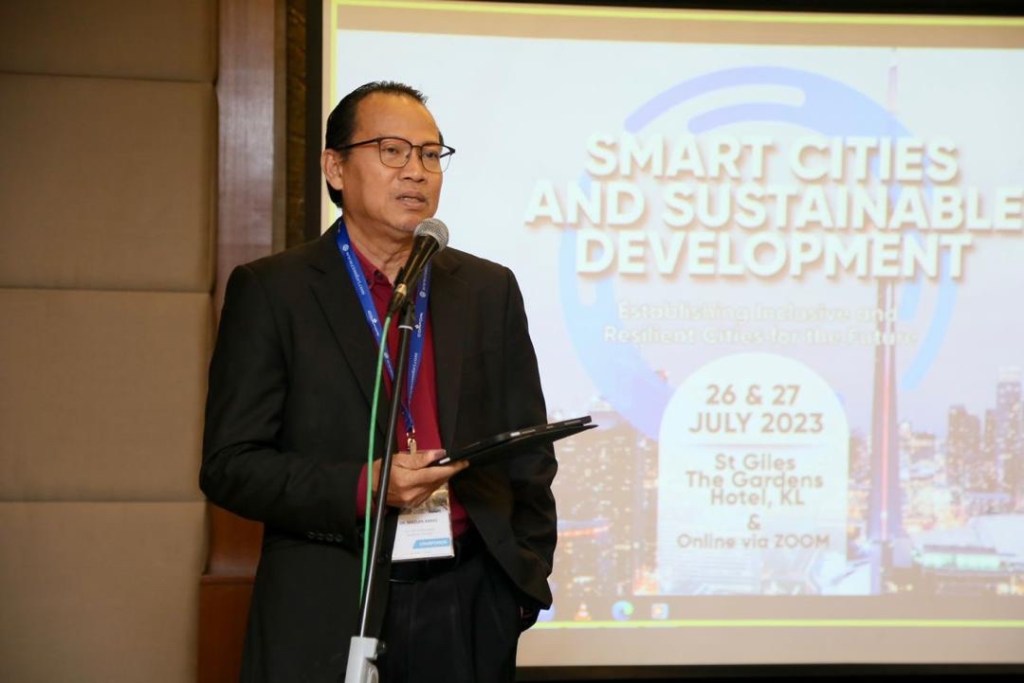
Personal Branding and Reputation Building: The Role of Conference Speaking

Speaking at a technical conference is often daunting for many speakers as they invest their time and resources without any monetary compensation. However, the benefits of presenting at such an event are numerous and go beyond financial gain. Here are some of the benefits:

  1. Establishing Personal Brand: One of the most significant benefits of speaking at a conference is the opportunity to showcase one’s skills and expertise, which can help to build and solidify a personal brand.
  2. Public Relations: Speaking at a tech conference is a great public relations opportunity that can help promote your brand and bring new business opportunities.
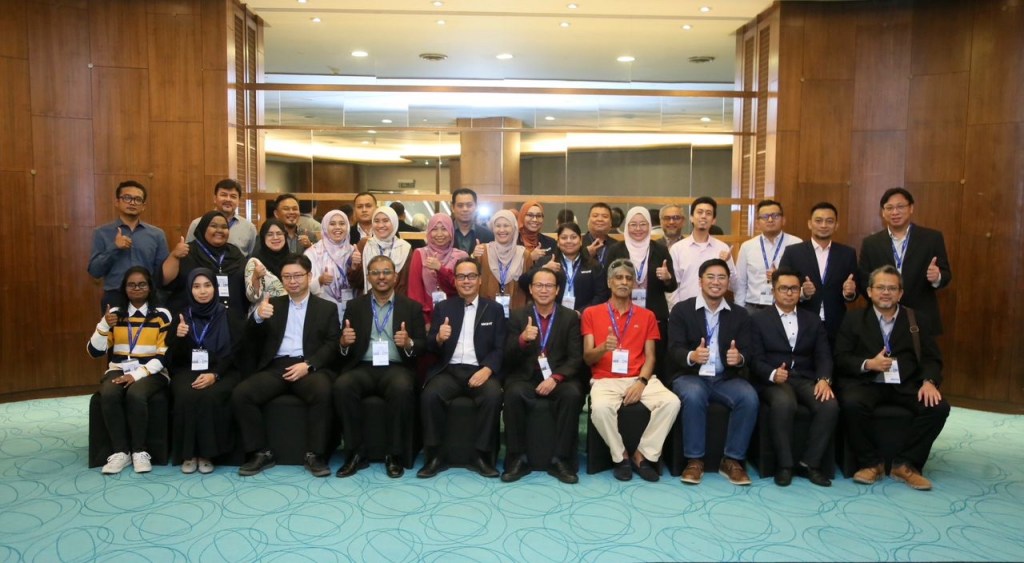
  3. Networking: These events provide an excellent opportunity to network with peers, establish new connections, and build lasting relationships that can be valuable in the long run.
  4. Promotion and Recognition: Speaking at a conference can help you gain exposure and recognition within your industry and provide a platform to promote your services or products.
  5. Engaging with a Diverse Group of People: Engaging with a diverse group is one of the most valuable aspects of speaking at conferences. It allows you to meet and learn from individuals from different backgrounds and cultures, expanding your perspective and knowledge.
  6. Giving Back to the Community: Finally, speaking at a conference is a chance to share your knowledge and expertise with others, contributing to the community and leaving a lasting impact.

Speaking at a technical conference provides many benefits beyond financial gain. It can help establish a personal brand, provide public relations opportunities, network with peers, gain recognition and exposure, engage with a diverse group, and give back to the community.