Lessons Learned in Building FAVORIOT’s IoT Ecosystem

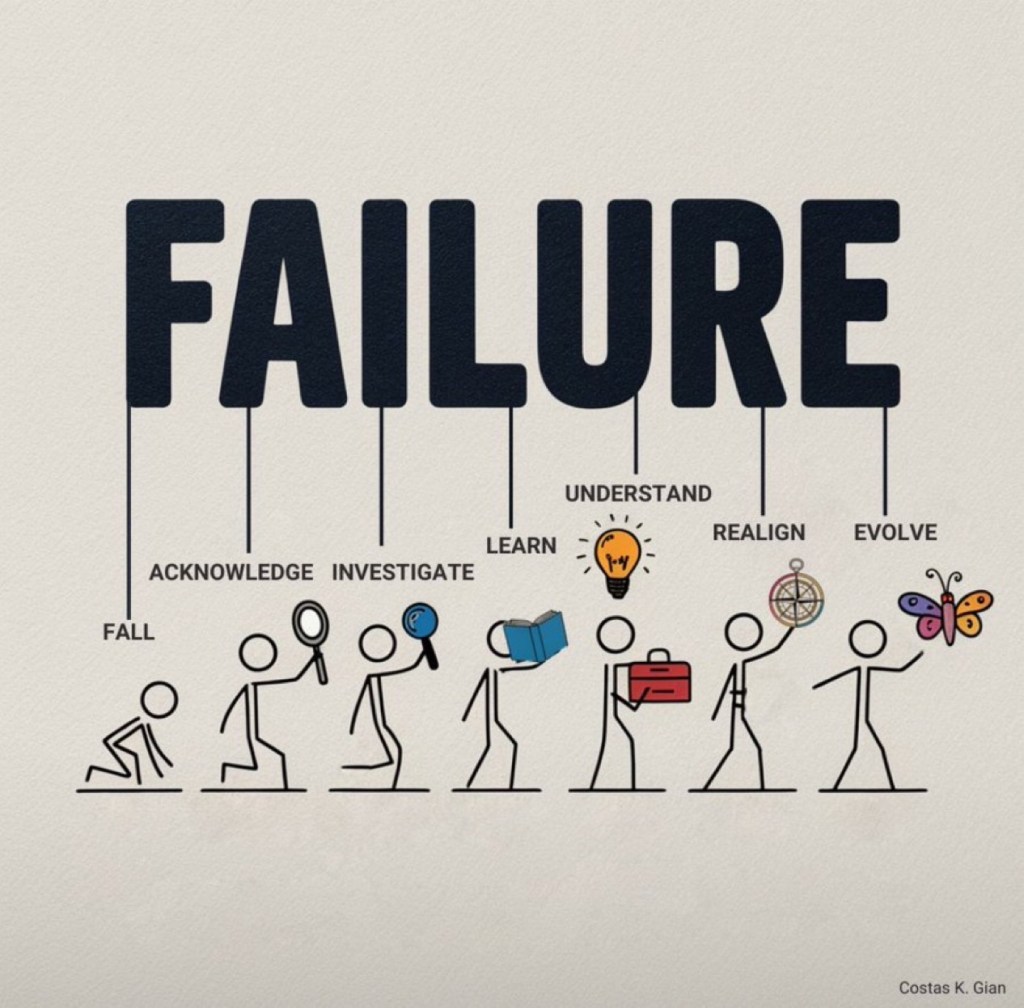
The story of FAVORIOT mirrors the word in that image, FAILURE, not as an end but as a teacher.

It began with a fall.
When FAVORIOT was first founded, the dream was bold — to make Malaysia a producer of IoT technology, not just a consumer. But reality was harsh. Funding was scarce, and few believed that a local IoT platform could compete with global giants like AWS or Azure. There were moments when the lights almost went out.

Then came acknowledgement.
The team looked in the mirror and admitted that building a platform alone was not enough. They needed to build an ecosystem. An IoT movement. Training, community, developers, partners, the entire value chain. It was not about selling software anymore. It was about empowering people.

Next was investigation.
What went wrong in those early pilots? Why were customers hesitant? FAVORIOT analysed every feedback, every failed proof of concept, and every lost deal. They realised the issue was not the technology but trust, awareness, and readiness.

So they began to learn.
They turned lessons into playbooks, products, and courses. They trained universities, upskilled engineers, and worked hand in hand with students and enterprises to show that IoT was not rocket science. Every workshop, every certification, every hands-on project became a step towards mastery.

Then came understanding.
The mission became clearer. Build Malaysia’s own IoT backbone for data sovereignty and local innovation. FAVORIOT was not just a platform; it was a bridge between learning and real-world application, between local talent and global opportunity.

With clarity, they began to realign.
FAVORIOT expanded globally, partnering with system integrators from Indonesia, the Philippines, India, and Canada. The vision grew into “25 countries by 2025.” They built the Fayverse, a galaxy of innovators orbiting the same belief that local technology can shine on the world stage.

And finally, they evolved.
FAVORIOT became more than a company. It became a story of resilience. A proof that falling is not failure. Staying down is. Every setback became a stepping stone. Every obstacle, a teacher.

From falling to flying, that is the real story of FAVORIOT.

The Origin of Fayverse

When we first built FAVORIOT, it was never just about connecting devices. It was about connecting people — the students, the dreamers, the engineers who believed that a local platform could change the world.

One afternoon, Zura and I were deep in discussion about how the ecosystem had begun to bloom. Universities were adopting the platform, partners from other countries were joining, and we could feel this vibrant network of minds expanding beyond anything we’d imagined.

Zura looked at me and said, almost casually,

“It’s becoming like a Favoriot Universe.”

The phrase lingered in the air. Favoriot Universe. It captured exactly what we were building — not just a company, but a living cosmos of innovators.

Later that night, as I replayed those words in my mind, I thought: Universe… verse… and smiled. That’s it. Fayverse.

“Fay,” drawn from the heart of Favoriot — the warmth, the kindness, the human connection behind every innovation.
And “verse,” a world of endless stories and possibilities.

From that moment, the Fayverse wasn’t just an idea. It became our philosophy. A universe where creativity meets connectivity, where every person can be both a learner and a creator.

Today, when I see students exploring IoT projects, entrepreneurs building solutions, and educators nurturing future technologists — I see the Fayverse alive and thriving.

Because what started as a simple comment during one conversation between Zura and me has now grown into something far bigger — a world powered by Favoriot, built by people who believe that technology should always have a heart.

When “Buy Local” Wasn’t Enough

I used to believe that supporting local products and technologies through MySTI would open the doors to the government procurement market.

It made sense. National pride. National sentiment. Building trust in our own capabilities.

But reality hit me hard.

We lost a tender bid to a non-MySTI product. Despite playing by the rules. Despite believing the policy was our shield.

That moment shook my trust.

Because sales don’t work on sentiment alone. Customers don’t always buy what’s local, or what’s logical. They buy what they want.

And wants are complicated.

Wants are psychological.
Wants are about prestige.
Wants are about safety.
Wants are about trust in who else is using it.

It’s rarely just about being “local.”

So I’ve decided to stop building my strategy on that emotion alone.

At Favoriot, we will no longer knock on doors saying “choose us because we’re local.”

We will knock with a different force.

Choose us because we solve your problems faster.
Choose us because our solutions reduce your risks.
Choose us because we innovate with you, not just for you.
Choose us because we deliver real outcomes, not just promises.

That’s the new foundation of our “wants.”

Not sympathy. Not sentiment.
But strength. Value. Impact.

And maybe, just maybe, when local technology wins on those grounds, it will mean even more than a label.

Because true pride comes not from being chosen out of obligation.
But from being chosen because we are the best choice.

Founders, Ideas Won’t Save You. Execution Will.

When I started my journey as a founder, I thought the breakthrough would come from the idea.

That magical spark.

That billion-dollar concept.

But I quickly learned something humbling.

Ideas are everywhere.

Execution is rare.

Look around.

There are endless voices ready to criticize.

Crowds procrastinating.

Groups endlessly brainstorming.

Teams stuck in planning mode.

And then—there are the very few who dare to execute.

Founders, this is where you live.

Not in the comfort of whiteboards.

Not in the echo of pitches.

But in the messy, unpredictable, exhausting grind of building.

Your first version will likely fail.

Your product may look ugly.

Your pitch may flop.

Your team may shrink.

But every stumble you recover from moves you closer to impact.

The truth is this:

The market doesn’t care if your idea sounds brilliant in theory.

Investors don’t fund dreams—they fund traction.

Customers don’t buy potential—they buy results.

What separates a founder who survives from one who fades?

The courage to act.

The resilience to keep going.

The discipline to execute when it’s easier to wait.

So if you’re a founder reading this—stop waiting for perfection.

Ship the MVP.

Make the call.

Knock on the door.

Take the uncomfortable first step.

Because one day, someone will say, “That founder was lucky.”

And you’ll smile knowing it wasn’t luck.

It was execution.

Do you want me to make this one even sharper—shorter one-liner style paragraphs for maximum punch and scroll-stopping effect on LinkedIn?

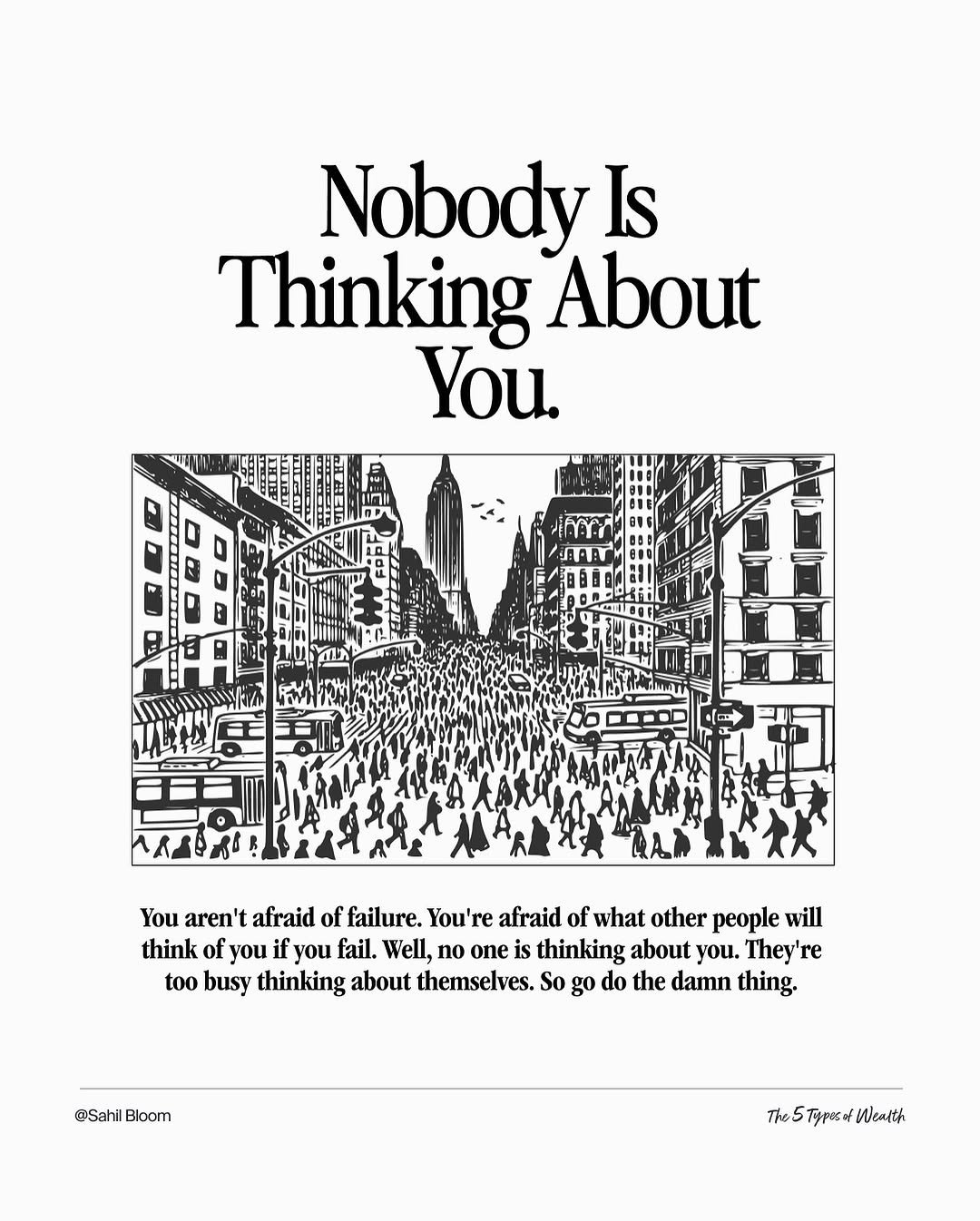
Nobody Is Thinking About You.

That may sound brutal, but for a founder, it’s the greatest relief you can carry.

You’re not really afraid of failure.

You’re afraid of the judgment that follows.

The investors’ raised eyebrows.

The market’s whispers.

The silent verdicts from peers.

But here’s the truth every founder needs to hear:

Nobody is thinking about you.

They’re too busy fighting their own fires.

That pitch you bombed?

They’ve already moved on to the next deck.

That product launch that flopped?

The market barely blinked—it’s already chasing the next shiny thing.

That mistake you obsess over late at night?

It doesn’t even make it to their memory bank.

Founders often chain themselves to ghosts of imagined critics.

But the reality is, no one is holding those chains. You are.

So build the damn thing.

Ship the MVP.

Knock on doors.

Send the cold emails.

Ask for the sale.

The world doesn’t measure you by how many times you stumbled.

It remembers you for the times you had the audacity to rise again.

As a founder, liberation begins when you realize this:

No one is thinking about you.

So stop waiting for validation.

Stop waiting for permission.

And start building the company only you can build.

Do you want me to also create the Malay “santai” founder version so it hits closer to the local entrepreneurial community?

Founders, Stop Hiding. Start Selling.

You need to be selling.

Not next month. Not when you “feel ready.” Not when you finally hire a VP of Sales.
Now.

Whether you like it or not, you are the best salesperson your company will ever have.

You may not have a sales background. You may not even like selling.
But no one will ever carry the conviction you do.

You know the product inside out.
You live the vision every single day.
You bleed the mission in a way no outsider ever could.

And here’s the truth most founders don’t want to hear:
Great VPs of Sales don’t join companies at your stage.
They want predictable revenue, established playbooks, and budgets to spend.

So, waiting for that magical hire? It’s a fantasy.

If you try to outsource this part of the journey, you’re setting yourself up for disappointment.
Because in the early days, selling isn’t about process.
It’s about passion.
It’s about credibility.
It’s about trust.

And no one will sell belief better than the person who dreamed the impossible and built it anyway.

Founders, your first role is not CEO.
It’s not Visionary.
It’s not even Product Builder.

It’s Chief Salesperson.

Step into that role.
Get out of the office.
Shake hands. Pitch hard. Close deals.

Because until you sell, your company is just an idea.
And when you sell, your company becomes a reality.

The future of your startup depends on your ability to embrace the one job you cannot delegate.

What’s your story of the first deal you personally closed as a founder?

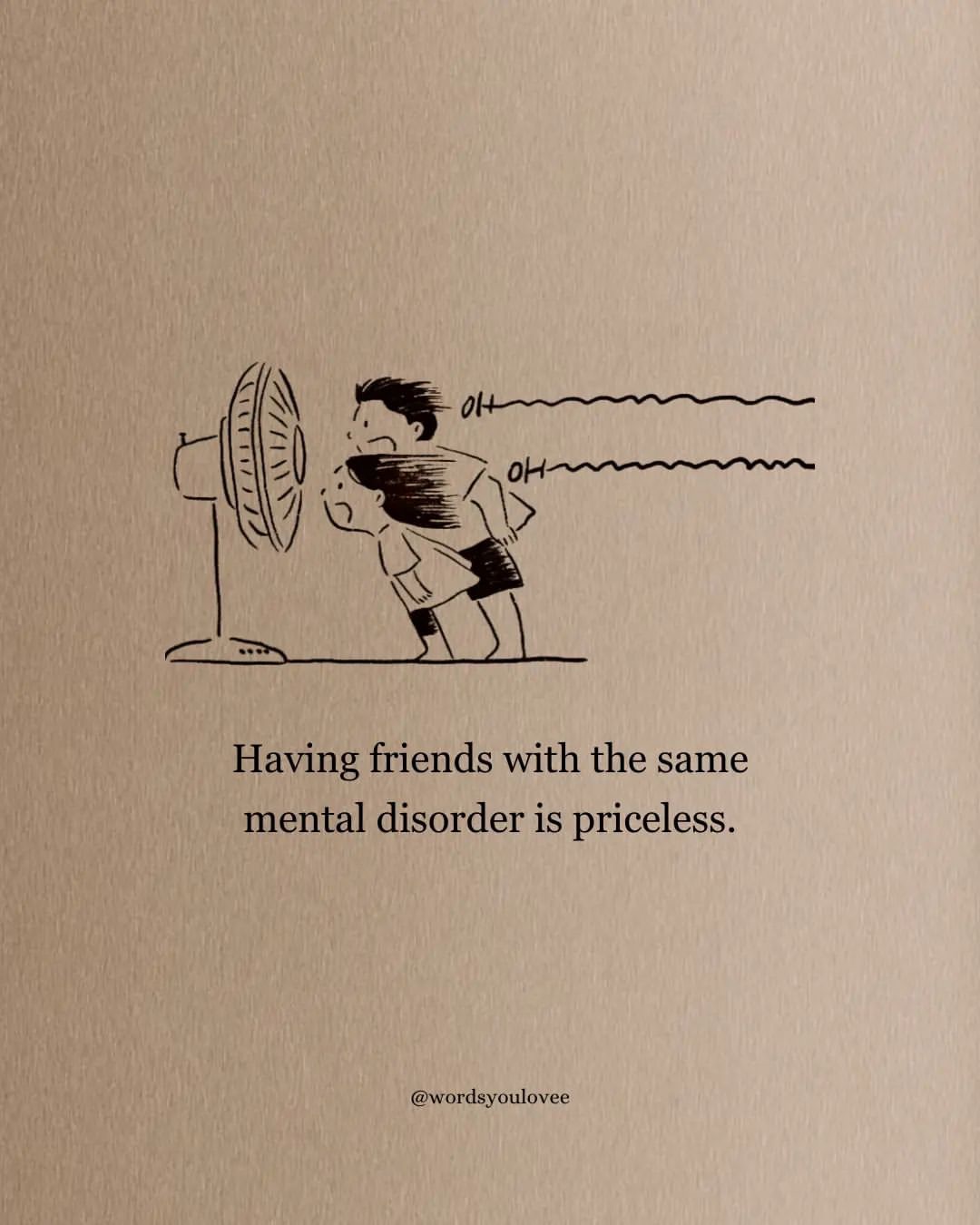
The Friends Who Make the World Less Heavy

Some friendships don’t make sense to the outside world.

But to you, they make life worth living.

They’re the ones who laugh at the same ridiculous things.

Who turn ordinary moments into unforgettable memories.

Who find joy in the silly, the random, the nonsense.

Because it’s not about being “normal.”

It’s about finding someone who matches your kind of crazy.

Someone who reminds you that life isn’t just about deadlines and achievements it’s about connection, laughter, and freedom to be unapologetically yourself.

In leadership, in business, in life having people like this matters more than we admit.

The colleagues who stay late with you not because they have to, but because they want to.

The friends who brainstorm wild ideas that sound impossible, but somehow light a spark.

The partners who understand your quirks and don’t try to fix them.

Shared values keep teams together.

Shared dreams keep communities alive.

But shared “craziness”? That’s what keeps us human.

The truth is life will throw challenges, stress, and expectations.

But if you have even one friend who laughs with you in front of the metaphorical fan… you’re rich.

So here’s to those friends, colleagues, and partners who don’t just walk with us in logic, but dance with us in madness.

Because in a world that often feels heavy, they remind us to stay light.

What’s one silly thing you and your closest friend or colleague do that no one else would understand?

Waiting Almost Killed My Startup

When I first became a founder, I thought success would come after someone else gave me the nod.

I waited for validation.

For investors to say yes.

For partners to recognize our value.

For the market to tell me it was the right time.

But waiting almost killed the dream.

Here’s what I learned: no one is going to hand you permission to build the life or the company you want.

The turning point came when I stopped asking, “Am I ready?”

And started saying, “Let’s build anyway.”

We didn’t have all the resources.

We didn’t have the perfect timing.

But we had the courage to act.

Every milestone we’ve hit since then came because we stepped forward without waiting for approval.

Good things didn’t come while waiting.

They came when we dared to move.

To every founder out there: the gate is open. The opportunity is on the other side of the permission you give yourself.

What’s the bold step you’ve been holding back from taking?

The Silent Test of Friendship

Some truths hurt more than lies.

Most of your friends aren’t really your friends.

They show up when it’s fun.

When you’re winning.

When you’re useful.

But when the music stops, and the room goes quiet, you suddenly see how empty it really is.

Real friends are not measured by convenience.

They’re measured by sacrifice.

By the calls they make when you’ve gone silent.

By the seat they pull up when everyone else has walked away.

I’ve learned this the hard way.

You can lose status, money, health, or direction—and watch the crowd scatter.

But the few who remain, those are your people.

Find them.

Hold onto them.

Be that kind of friend to someone else.

Because in a world full of masks, true friendship is the rarest kind of wealth.

What’s the hardest lesson you’ve learned about friendship?

The Founder Truth No One Tells You

When I co-founded FAVORIOT, I thought the most significant milestones would define me.
The first product launch.
The first government pitch.
The first international partnership.

But what I didn’t expect was how much the mistakes would shape me.

We once lost a tender even though our platform was MySTI certified.
We thought the badge would speak for itself.
It didn’t.
That mistake taught me that credibility means nothing without persistence.

We built features no one used.
We learned that listening to customers is more valuable than perfecting technology in isolation.

We expanded too fast into areas we weren’t ready for.
It humbled us to narrow focus, to build depth before breadth.

Every scar carried a lesson.
Every stumble forced me to shed arrogance and grow resilience.

Achievements bring applause.
But mistakes bring wisdom.
And in the long run, wisdom is what keeps a startup alive.

FAVORIOT isn’t standing today because of my victories.
It’s standing because the mistakes taught me how to rebuild stronger.

A mistake that humbles a founder will always be worth more than an achievement that blinds him with arrogance.

That’s the truth I carry as IoT Man.

What was the one mistake that humbled you but transformed your journey?