How Lecturer Feedback Inspired the Favoriot Lite Plan

Why a University Lecturer’s Feedback Changed Everything and Led to the Favoriot Lite Plan

This story did not start in a boardroom.

It did not start with pricing spreadsheets or growth charts.

It started with a simple, honest conversation with a university lecturer.

A conversation that stayed with me longer than expected.

“Dr. Mazlan, the Beginner plan is good. But for teaching and students, it feels a bit too expensive. And honestly, we do not need all the features. We just need a few dashboards that work well.”

I remember pausing for a moment.

Not because I disagreed.
But because I knew they were right.

That Moment of Realisation

I have spent years working closely with universities. I have seen how students learn best. I have stood in labs where excitement fades the moment tools feel heavy or out of reach.

When that lecturer shared their concern, I did not hear a complaint.

I heard care.

Care for students.
Care for learning.
Care for making sure curiosity does not die because of cost or complexity.

I thought to myself…

If a lecturer is already trying to stretch budgets just to give students real exposure, are we truly helping if we keep things as they are?

That question would not leave me alone.

The Truth About Teaching IoT

Teaching IoT is not about showing everything.

It is about showing enough.

Students do not need ten dashboards.
They need one or two that make sense.

They do not need advanced workflows on day one.
They need to see data move from a device to the cloud and onto a screen they understand.

Most importantly, they need confidence.

And confidence comes from simplicity.

The lecturer was clear.
Less features.
Lower cost.
Focused dashboards.
Real experience.

That feedback mattered.

Why the Lite Plan Had to Be Created

The Favoriot Lite Plan exists because of that conversation.

It exists because education should not feel like a compromise.

The goal was never to strip things down until nothing meaningful remained. The goal was focus.

Lite uses the same core platform that powers real projects on the Favoriot platform.

What we changed was intent.

Lite focuses on a small number of dashboards that matter for teaching and learning. Clean. Clear. Purposeful.

No unnecessary features.
No distractions.
No pressure on budgets.

Just what students and lecturers actually asked for.

Designing Lite With Students in Mind

I kept picturing a classroom.

A lecturer standing in front.
Students are opening their laptops.
Devices blinking on the table.

What do they really need at that moment?

They need to connect.
They need to see data.
They need to understand what just happened.

Lite delivers exactly that.

Students can focus on learning instead of navigating menus. Lecturers can focus on teaching instead of explaining why certain features will not be used this semester.

That was the win.

Why Fewer Dashboards Can Mean Better Learning

This might sound counterintuitive to some.

More features do not always mean more value.

In teaching, fewer dashboards often lead to deeper understanding. When students can concentrate on one or two views, patterns become clearer. Questions become sharper.

Why is the data changing?
What caused that spike?
How does the sensor behave over time?

Those questions matter more than fancy configurations.

Lite gives room for those conversations.

About Cost and Respect

I want to say this clearly.

Lowering the entry cost was not about discounts or promotions. It was about respect.

Respect for students who are still learning.
Respect for lecturers who fight for better tools within tight budgets.
Respect for institutions that want real exposure without overcommitting.

Education should never feel excluded from real platforms.

Lite is our way of saying, you are welcome here.

Not a Step Back, Just a Better First Step

Lite is not a lesser plan.

It is a thoughtful one.

When students finish their projects and want more, moving up feels natural. When lecturers want to expand labs or pilots, the path is clear.

Nothing is lost.
Nothing needs to be rebuilt.

You simply grow from where you started.

What This Means to Me Personally

That lecturer probably does not realise how much their feedback meant.

But it reminded me why Favoriot exists.

Not just to build technology.
But to remove barriers.

I asked myself…

If our platform cannot support learning at its earliest stage, what are we really building?

The Lite Plan is my answer to that question.

An Invitation to Lecturers, Students, and Builders

If you are a lecturer looking for a practical way to teach IoT without overwhelming students, Lite was built with you in mind.

If you are a student who wants hands-on experience without worrying about cost or complexity, this is your starting point.

If you are building something small and want clarity before commitment, Lite is enough.

You can explore the plans here
https://www.favoriot.com/iotplatform/pricing/

I would genuinely love to hear your thoughts.

What do you need in the classroom?
What feels too much today?
What would make learning easier?

Leave a comment. Share your experience. Start a conversation.

Sometimes, the most meaningful changes come from one honest piece of feedback.

Why Do Students Hire Outsiders to Do Their Projects?

A Response from an Educator, Entrepreneur, and Tech Education Advocate

“Why are students willing to pay outsiders to do their projects? What’s the root cause? Where did we go wrong?”

This question isn’t new. It has been raised many times in discussions between academics, industry players, and the tech maker community. But this time, it was addressed with raw honesty by a trainer who truly understands students — someone who has taught students, trained lecturers, and now works with industry professionals. I found the four points he raised very insightful, and I’d like to unpack them — not to dispute, but to build on the conversation with my own experience.

1. University Syllabi Don’t Offer Enough Hands-On Experience?

“Is this really true, or are we not seeing the bigger picture?”

I’ll admit — there’s some truth to this. Many students who’ve come to me for consultation, especially on IoT or Favoriot training, often complain that their final year projects had to rely on self-learning via YouTube because they lacked deep technical guidance.

“But… surely not all universities are like that?”

Exactly. Some universities have moved towards hands-on learning, especially polytechnics, vocational colleges, and certain engineering faculties that actively collaborate with industry. The real problem is inconsistency. Some still rely heavily on simulation — and in fields like IoT, AI, or robotics, learning without touching hardware is like trying to learn swimming on dry land.

When I trained university lecturers through our Train the Trainers program for IoT, I saw firsthand how much they wanted to shift to practical methods — but were sometimes constrained by equipment, budget, or institutional policies. That’s reality.

This is why platforms like Favoriot are designed to break those barriers — offering affordable, easy-to-access platforms that can be embedded into courses, enabling students and lecturers to work from basic projects to advanced real-time data integration.

2. Lecturers Can’t Identify Student Talents?

“Are we too busy to notice the potential blooming right in front of us?”

As a former lecturer, I understand the pressure — full lecture schedules, endless meetings, research deadlines, and admin tasks. It becomes almost impossible to personally assess each student’s potential — unless they step forward.

But that’s not an excuse.

I’ve learned something through running smaller classes. “When the group is small, it’s easier to spot who’s struggling, who’s excelling. But in a lecture hall with 100 students?” We need a system.

Some suggestions:

  • Use mini-projects at the beginning of the semester to diagnose technical aptitude.
  • Bring in industry mentors (like us at Favoriot) to support project work.
  • Offer microlearning platforms like IoT Academy as supplements, not just stick to lecture notes.

Talent has to be discovered — not waited on.

3. Students Chase Paper Qualifications Only?

“Grades matter. But is that the ultimate goal?”

Many students believe excellent CGPAs equal great jobs. But times have changed. Employers now care more about your portfolio than your transcript.

I’ve met students with perfect grades who can’t troubleshoot a sensor. But I’ve also seen average students who build working temperature-monitoring systems with Telegram alerts using Favoriot — and are now working with real IoT startups.

This isn’t about who’s smarter, it’s about who’s brave enough to learn on their own.

That’s why we always encourage students to start with mini-projects early in the semester. Better to fail early and learn fast. We must build a culture of “learn by doing, fail fast, recover faster.”

4. Universities Are Slow to Update the Syllabus?

I fully agree here. Technology evolves every six months — yet syllabi may only change every six years. Changing a curriculum isn’t easy — it requires senate approvals, academic committees, MQA validation, and more.

But I applaud technical institutions like TVET, polytechnics, and certain private colleges that quickly adopt new tech. Some don’t just teach “how to use,” but also “how to think.”

However, we can’t just create skilled workers. We need thinkers, problem-solvers, and future tech leaders — those who can build solutions, not just follow instructions.

That’s why Favoriot is more than just a data platform. It’s a thinking tool. A place where students ask:

  • How can I solve a real-world problem?
  • How does data help decision-making?
  • How can tech integration impact communities?

So… Is It Wrong for Students to Hire Outsiders?

I asked myself the same thing — is it the students’ fault or the system’s?

I don’t fully blame the students. Sometimes they panic, lack support, and just want to pass. I also don’t blame those who offer project services — sometimes that’s the only indirect way a student learns something.

“But… if a student pays and learns nothing — that’s the real problem.”

We need to change the narrative:

  • From “doing it just to pass” to “doing it to learn.”
  • From “copying projects” to “creating value.”

From Training Students to Training Lecturers to Training Industry

I understand what the original author meant when he said:

“I used to train students, then lecturers, and now industry staff…”

That’s the cycle. When students and lecturers reach a certain capability, they don’t need you anymore. And that’s not a loss — that’s a win.

I’ve experienced the same. When IoT becomes embedded in campus life, when the Favoriot dashboard becomes an official teaching tool — I know my mission is progressing. Even if I’m no longer invited, I quietly smile inside.

“Opportunities will always come — maybe not from the same place, but from the impact you’ve already planted.”

To close:

  • Students need more hands-on guidance.
  • Lecturers need time and tools to identify talent.
  • Universities need the courage to match industry demands.
  • And all of us must see education as more than just passing — it’s about living, contributing, and growing.

For those who help students — do it with the heart to teach, not just to earn. Let them learn — even if it’s through you.

One day, they will thank you — not for finishing their project, but for making them someone who can stand on their own and create value.

“That’s the real purpose of education. And that’s the legacy we should all strive to leave behind.”

The Story Behind Favoriot – Part 15: From Lecture Halls to Investor Pitches

I never imagined public speaking would become such a big part of my life. Yet, I stand before audiences—students, industry experts, corporate executives, and even investors—sharing ideas, teaching, and sometimes convincing people to believe in what I say.

Public speaking was never something I actively sought out. It was more of an expectation that grew into a skill and eventually became a passion. But it wasn’t always smooth sailing. There were moments of doubt, nervousness, and even outright fear.

Let me take you on this journey—from my early days as a nervous lecturer to confidently pitching my company’s vision to investors.

The Classroom as My First Stage

My journey into public speaking began in the most unexpected place—a classroom. As a lecturer, I stood before students daily, speaking for an hour or two.

What if they don’t understand what I’m saying? What if they get bored? These thoughts constantly ran through my mind.

At first, I took the traditional approach—delivering information and expecting students to absorb it like sponges. But I quickly realized that wasn’t how learning worked. Students needed engagement, real-world examples, and, most importantly, a connection with their lecturer.

I started tweaking my delivery and experimenting with storytelling, analogies, and humour. Some things worked; some didn’t, but each lecture became a lesson for me as much as it was for them.

I realized that a good speaker doesn’t just present facts; they make the audience feel the knowledge.

From Lecture Halls to Global Stages

After years of teaching, I received invitations to speak at conferences and seminars. This was an entirely different ball game. Instead of students, my audience now consisted of professionals—industry experts, business leaders, and even government officials.

Unlike in a classroom, where I had hours to explain a concept, I was given at most 15 to 40 minutes.

How do I compress years of knowledge into a short presentation, and how do I keep a diverse audience engaged?

I discovered that the opening of a speech is everything. You’ve lost them if you don’t capture attention in the first minute. I began experimenting with provocative questions, compelling anecdotes, or surprising facts. And it worked. The engagement level skyrocketed.

One of my favorite moments was being invited to speak about IoT at an international conference. Instead of diving straight into technical jargon, I started with a simple yet relatable question: “Have you ever lost your keys?”

That one question had the audience hooked. From there, I smoothly transitioned into how IoT can solve everyday problems. The feedback was overwhelming.

That’s when I learned an important lesson: It’s not about how much you know but how well you can make others understand.

The Marathon of Workshops

Then came the next challenge—workshops. Unlike seminars, which last under an hour, workshops stretched for a full day or even two days.

How do I keep people engaged for that long?

A one-way lecture wouldn’t work. No one wants to sit through hours of someone talking non-stop. I had to make workshops interactive. I incorporated discussions, real-life problem-solving, and case studies. I encouraged participants to share their thoughts and experiences.

And something magical happened—I started learning from my audience.

Workshops became two-way learning sessions. I realized that every room I entered was filled with people who had valuable insights. The key was to tap into that collective knowledge.

Selling a Vision: From Knowledge Sharing to Persuasion

As I transitioned into the corporate and technology world, my role in public speaking shifted. It was no longer just about teaching; it was about persuasion.

This is where Product Talks came in—presentations where I had to sell the vision and benefits of our products.

How do I convince people without sounding like a salesperson?

I quickly learned that the secret wasn’t selling but solving. People don’t want to hear about product features; they want to know how a product can solve their problems. So, I stopped listing specifications and started telling stories—stories of businesses that faced struggles and how our solutions helped them overcome challenges.

One time, during a client meeting, instead of presenting slides full of technical details, I told the story of a small business that lost thousands of dollars due to equipment failures and how our IoT solution helped prevent future losses.

The result? The client was more engaged and convinced than they would have been with any technical presentation.

That’s when I realized that people remember stories, not bullet points.

The Ultimate Test: Pitching to Investors

The biggest challenge of all? Investor pitches.

Unlike lectures or product talks, where I had at least 15 minutes, investor pitches often had a brutal time limit—sometimes as short as three to five minutes.

Imagine summarising an entire business, its potential, market opportunity, and financial projections in just a few minutes. It felt impossible.

How do I say everything that matters in such a short time?

I learned three crucial lessons:

  1. Clarity is everything. Investors don’t have time for fluff. Every sentence must add value.
  2. Confidence matters more than words. If you don’t believe in your own vision, why should they?
  3. The slides must be minimalist but powerful. Too much text? They’ll stop listening. Too few details? They won’t take you seriously. Every slide must serve a clear purpose.

I remember one particular pitch where I had only five minutes. Instead of panicking, I focused on three key points: the problem, the solution, and the impact.

That day, at least, we secured interest from investors. That’s when I understood that investors don’t just invest in businesses but in people who clearly communicate a vision.

The Lessons from a Life of Speaking

After years of standing in front of audiences, I’ve come to realize a few things:

  1. Public speaking isn’t about what you say but how you make people feel. If they feel connected, they will remember your message.
  2. Engagement is everything. Whether it’s a lecture, a workshop, or a pitch, if people aren’t engaged, they aren’t listening.
  3. Every speech is a chance to improve. Even after all these years, I still analyze every talk I give, asking myself, What could I have done better?

Now, every time I step onto a stage, whether in a lecture hall, a corporate boardroom, or an investor pitch, I remind myself of one thing:

Speaking is not about impressing people with knowledge; it’s about making them care about what you’re saying.

And if you can do that—you’ve already won.

What About You?

Are you afraid of public speaking? Have you ever struggled to communicate an idea effectively? Or maybe you’re already an experienced speaker looking to improve?

Whatever stage you’re at, just remember: public speaking is a skill that can be mastered. The more you do it, the better you’ll get.

And who knows? Maybe one day, you’ll be the one standing on a stage, inspiring others with your words.

Shaping The Future IoT Talents — The Need to Empower IoT Educators

IOT EDUCATORS

Who are these IoT Educators? Why are they vital in shaping our nation?

Photo by Kenny Eliason on Unsplash

Not a member? Click here to read the whole story for free.

IoT’s omnipresence is undeniable.

However, the key to harnessing this technological marvel lies in nurturing the right talent, which begins with the educators themselves.

My journey, which has encompassed diverse roles from academia to industry leadership, has provided profound insights into the critical aspects of IoT education.

The Vital Role of IoT Educators

Photo by Kenny Eliason on Unsplash

IoT educators are the linchpins in the ecosystem of IoT learning and development.

Their role transcends beyond mere transmission of theoretical knowledge; they are the catalysts that ignite curiosity and innovation among students.

But to kindle this spark effectively, educators themselves need to be adept with not just the theories but the very fabric of IoT technology — its tools, applications, and real-world implications.

Bridging the Practical Knowledge Gap

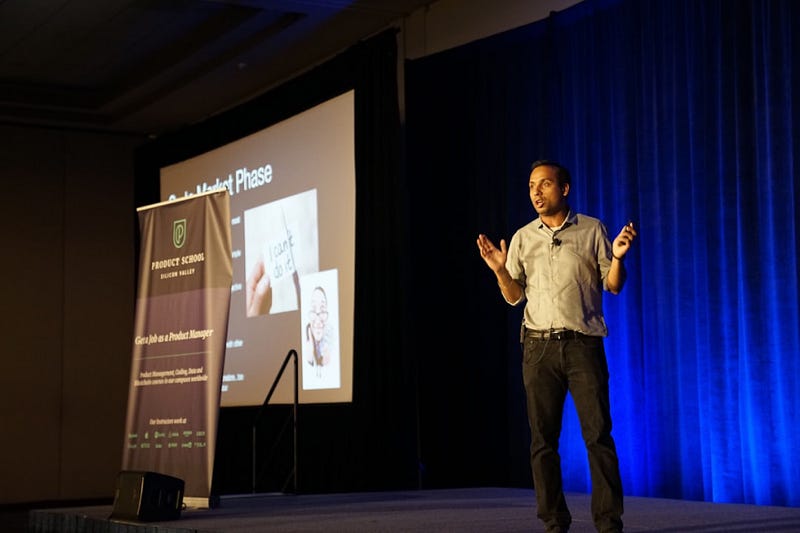
Photo by Product School on Unsplash

The disparity between theory and practice is one glaring void in the current educational framework.

While theoretical knowledge lays the foundation, true mastery of IoT necessitates hands-on experience with cutting-edge hardware and software tools.

Therefore, educators must first be practitioners, immersing themselves in the nuances of these tools.

Only then can they impart meaningful knowledge to their students.

They are responsible for updating the syllabus dynamically, integrating contemporary tools employed by the industry, and thereby ensuring that students are industry-ready.

Syllabus Evolution — Keeping Pace with Industry

Photo by Patrick Tomasso on Unsplash

The IoT curriculum needs to be a living entity, evolving with the field’s rapid advancements.

This evolution is imperative to equip students with relevant and current skills.

Educators should collaborate closely with industry experts to curate a curriculum that mirrors real-world applications and challenges, fostering a learning environment that bridges the gap between academia and industry.

Understanding Industry’s Challenges and Realities

Photo by Rob Lambert on Unsplash

Another critical aspect that often needs to be addressed is comprehending industry-specific problems.

Theoretical learning often showcases IoT applications at a high level, glossing over the intricate web of challenges that professionals face in the real world.

Educators must delve deeper, understanding, and conveying the multifaceted nature of these challenges to their students.

This involves not just a theoretical grasp but an empirical understanding, necessitating educators to engage directly with the industry, gain insights into actual problem scenarios, and integrate this knowledge into their teaching.

Cultivating a Practical and Business-Oriented Mindset

Photo by christopher lemercier on Unsplash

The ultimate test of IoT solutions lies in their viability and acceptance in the market.

Despite their innovative edge, many projects falter because they do not align with practical constraints or fail to address genuine market needs.

Educators need to instill a mindset that looks beyond the technicalities and understands the economic and business dimensions of IoT solutions.

This perspective is crucial for students to develop solutions that are not just technologically advanced but are also pragmatic and market-driven.

My Journey — From Academia to Industry

Photo by Heidi Fin on Unsplash

My career trajectory, spanning academia and industry, highlights the importance of this integrated approach to IoT education.

From my tenure as an academic to leading roles in the industry and now as an Adjunct Professor, the constant learning and interaction with the dynamic field of IoT have been pivotal.

These experiences have enriched my perspective, allowing me to contribute more effectively to educating the next generation of IoT professionals.


Conclusion

The journey of nurturing IoT talents is complex yet rewarding, with educators playing a pivotal role.

By embracing a holistic approach that blends theoretical knowledge with practical insights and industry engagement, educators can unlock the true potential of their students, paving the way for innovative solutions that resonate with real-world needs.

As we continue to navigate the IoT landscape, we must focus on empowering educators, for they are the architects who will shape the future of IoT talents.


Favoriot offers an IoT platform that has become an indispensable tool for learning and teaching IoT in academia. Contact Favoriot to learn how we can help you with your IoT education.


More stories about IoT in Universities:

1 — The Best Universities in Malaysia That Offers IoT Courses or Programmes

View at Medium.com

2 — IoT Education in Universities: The Favoriot Solution

View at Medium.com

3 — How an On-Premise IoT Platform for Universities Can Propel Your IoT Education

View at Medium.com

4 — Malaysian Higher Education Institutions Using Favoriot IoT Platform

View at Medium.com

5 — The Impact of IoT Platforms on Student Innovation

View at Medium.com

A Decade of Teaching at a University and How It Has Evolved Me as An Individual and Educator

Image created using Midjourney by Author of Startup Journey

For the first ten years of my career, my role as a lecturer at Universiti Teknologi Malaysia (UTM) has offered me a treasure trove of experiences, deeply enriching my understanding of education and student engagement.

This period has refined my professional abilities and spurred significant personal development, transforming me into an educator of greater influence and confidence.

Grasping the True Essence of Student Needs

In my early days, I viewed teaching primarily as imparting knowledge.

It didn’t take long to recognize that students sought something more profound – a blend of motivation, engagement, and practical knowledge application.

Recognizing and adapting to these needs marked a pivotal transformation in my teaching approach.

Strategies to Engage and Inspire

Capturing the interest of students requires an innovative approach.

I turned to interactive methods, using group discussions, real-life scenarios, and digital technology integration to make my lectures more dynamic and relevant.

These techniques made learning more enjoyable and deepened students’ comprehension and interest.

The Power of Knowledge and Earning Respect

One vital realization was the necessity of thorough preparation and expertise in my field.

Students naturally gravitate towards and respect lecturers who demonstrate comprehensive subject knowledge.

Earning this respect was instrumental in creating an environment conducive to learning and engagement.

Cultivating Confidence Through Public Speaking

Delivering regular lectures became a foundation for honing my public speaking skills.

Over time, this consistent practice significantly boosted my confidence, equipping me to present with poise and clarity at international conferences.

The skill of effective communication, garnered through my teaching experiences, has been invaluable.

View at Medium.com

Beyond Teaching: Research and Development

My responsibilities extended far beyond the lecture hall, involving rigorous research and academic paper publication.

Staying at the cutting edge of my field advanced my professional development and offered tangible benefits to my students.

This aspect of my career has been particularly gratifying, contributing to the broader academic sphere.

Fostering Enduring Connections

One of the most fulfilling outcomes of my tenure at UTM has been the lasting relationships established with students.

Many of them have evolved into friendships, professional relationships, or even client connections, often reminding me of my positive influence during their academic journey.

This has underscored the enduring impact that educators can have on their students’ lives.

Image created using Midjourney by Author of Startup Journey

Reflecting on this decade-long journey, it’s evident that my experiences at UTM have been as much about personal learning and growth as they have been about imparting knowledge.

I am very thankful. The lessons learned have enhanced my capabilities as a lecturer and enriched my life in numerous ways.

My tenure at UTM underscored that being an educator transcends teaching; it’s about inspiring, connecting, and continually evolving personally and professionally.


The story of my second job in a corporate organization (telco):

View at Medium.com

The story of my third job as a Research Director:

View at Medium.com


You can also check out my personal Blog here or the latest eBooks I have recently published — here.