The Story Behind Favoriot – Part 15: From Lecture Halls to Investor Pitches

I never imagined public speaking would become such a big part of my life. Yet, I stand before audiences—students, industry experts, corporate executives, and even investors—sharing ideas, teaching, and sometimes convincing people to believe in what I say.

Public speaking was never something I actively sought out. It was more of an expectation that grew into a skill and eventually became a passion. But it wasn’t always smooth sailing. There were moments of doubt, nervousness, and even outright fear.

Let me take you on this journey—from my early days as a nervous lecturer to confidently pitching my company’s vision to investors.

The Classroom as My First Stage

My journey into public speaking began in the most unexpected place—a classroom. As a lecturer, I stood before students daily, speaking for an hour or two.

What if they don’t understand what I’m saying? What if they get bored? These thoughts constantly ran through my mind.

At first, I took the traditional approach—delivering information and expecting students to absorb it like sponges. But I quickly realized that wasn’t how learning worked. Students needed engagement, real-world examples, and, most importantly, a connection with their lecturer.

I started tweaking my delivery and experimenting with storytelling, analogies, and humour. Some things worked; some didn’t, but each lecture became a lesson for me as much as it was for them.

I realized that a good speaker doesn’t just present facts; they make the audience feel the knowledge.

From Lecture Halls to Global Stages

After years of teaching, I received invitations to speak at conferences and seminars. This was an entirely different ball game. Instead of students, my audience now consisted of professionals—industry experts, business leaders, and even government officials.

Unlike in a classroom, where I had hours to explain a concept, I was given at most 15 to 40 minutes.

How do I compress years of knowledge into a short presentation, and how do I keep a diverse audience engaged?

I discovered that the opening of a speech is everything. You’ve lost them if you don’t capture attention in the first minute. I began experimenting with provocative questions, compelling anecdotes, or surprising facts. And it worked. The engagement level skyrocketed.

One of my favorite moments was being invited to speak about IoT at an international conference. Instead of diving straight into technical jargon, I started with a simple yet relatable question: “Have you ever lost your keys?”

That one question had the audience hooked. From there, I smoothly transitioned into how IoT can solve everyday problems. The feedback was overwhelming.

That’s when I learned an important lesson: It’s not about how much you know but how well you can make others understand.

The Marathon of Workshops

Then came the next challenge—workshops. Unlike seminars, which last under an hour, workshops stretched for a full day or even two days.

How do I keep people engaged for that long?

A one-way lecture wouldn’t work. No one wants to sit through hours of someone talking non-stop. I had to make workshops interactive. I incorporated discussions, real-life problem-solving, and case studies. I encouraged participants to share their thoughts and experiences.

And something magical happened—I started learning from my audience.

Workshops became two-way learning sessions. I realized that every room I entered was filled with people who had valuable insights. The key was to tap into that collective knowledge.

Selling a Vision: From Knowledge Sharing to Persuasion

As I transitioned into the corporate and technology world, my role in public speaking shifted. It was no longer just about teaching; it was about persuasion.

This is where Product Talks came in—presentations where I had to sell the vision and benefits of our products.

How do I convince people without sounding like a salesperson?

I quickly learned that the secret wasn’t selling but solving. People don’t want to hear about product features; they want to know how a product can solve their problems. So, I stopped listing specifications and started telling stories—stories of businesses that faced struggles and how our solutions helped them overcome challenges.

One time, during a client meeting, instead of presenting slides full of technical details, I told the story of a small business that lost thousands of dollars due to equipment failures and how our IoT solution helped prevent future losses.

The result? The client was more engaged and convinced than they would have been with any technical presentation.

That’s when I realized that people remember stories, not bullet points.

The Ultimate Test: Pitching to Investors

The biggest challenge of all? Investor pitches.

Unlike lectures or product talks, where I had at least 15 minutes, investor pitches often had a brutal time limit—sometimes as short as three to five minutes.

Imagine summarising an entire business, its potential, market opportunity, and financial projections in just a few minutes. It felt impossible.

How do I say everything that matters in such a short time?

I learned three crucial lessons:

  1. Clarity is everything. Investors don’t have time for fluff. Every sentence must add value.
  2. Confidence matters more than words. If you don’t believe in your own vision, why should they?
  3. The slides must be minimalist but powerful. Too much text? They’ll stop listening. Too few details? They won’t take you seriously. Every slide must serve a clear purpose.

I remember one particular pitch where I had only five minutes. Instead of panicking, I focused on three key points: the problem, the solution, and the impact.

That day, at least, we secured interest from investors. That’s when I understood that investors don’t just invest in businesses but in people who clearly communicate a vision.

The Lessons from a Life of Speaking

After years of standing in front of audiences, I’ve come to realize a few things:

  1. Public speaking isn’t about what you say but how you make people feel. If they feel connected, they will remember your message.
  2. Engagement is everything. Whether it’s a lecture, a workshop, or a pitch, if people aren’t engaged, they aren’t listening.
  3. Every speech is a chance to improve. Even after all these years, I still analyze every talk I give, asking myself, What could I have done better?

Now, every time I step onto a stage, whether in a lecture hall, a corporate boardroom, or an investor pitch, I remind myself of one thing:

Speaking is not about impressing people with knowledge; it’s about making them care about what you’re saying.

And if you can do that—you’ve already won.

What About You?

Are you afraid of public speaking? Have you ever struggled to communicate an idea effectively? Or maybe you’re already an experienced speaker looking to improve?

Whatever stage you’re at, just remember: public speaking is a skill that can be mastered. The more you do it, the better you’ll get.

And who knows? Maybe one day, you’ll be the one standing on a stage, inspiring others with your words.
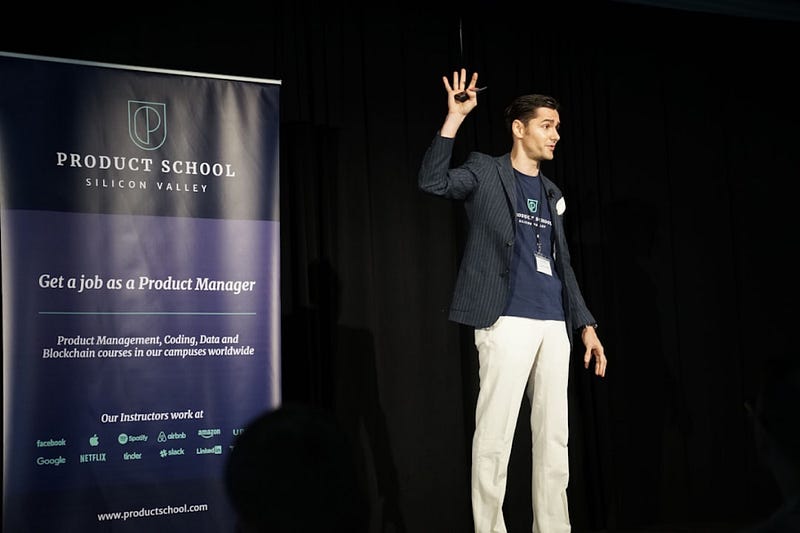

The Day I Overcome the Fear of Public Speaking and Become a Keynote Speaker

SELF-IMPROVEMENT

If I can do it, you can too.

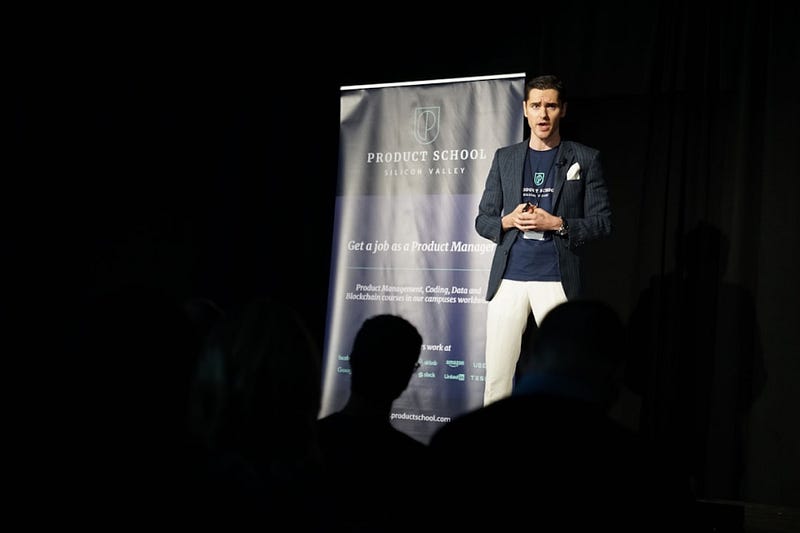
Photo by Product School on Unsplash

Not a paid member? Click here to read the full story for free.

Who isn’t intimidated by public speaking? Anyone who has gone through it would agree: “It is an unforgettable experience, especially the first time.” What about my experience? How did I reach the level of becoming a “Keynote Speaker”? Here’s my journey.

Even though my first job was as a lecturer, many would assume that speaking in public would come naturally to me, given that teaching involves daily presentations to students.

Photo by Miguel Henriques on Unsplash

However, lecturing in front of students and speaking to a broader audience at an international conference are profoundly different experiences.

In my case, delivering lectures to students, speaking at significant international conferences, or appearing on TV required solid confidence.

Building self-esteem and confidence and overcoming fear had to be a step-by-step process.

Without these experiences, I might never have dared to appear on a live TV show.

Photo by Austin Distel on Unsplash

Stages I Went Through

Here are the stages I underwent in my journey to becoming a proficient public speaker:

Lectures at the University Level

  • Initially, my audience was just students, which helped me hone my basic presentation skills.

Participating in Domestic and International Conferences (Technical)

  • Presenting at these events enhanced my ability to communicate complex ideas succinctly.

Invited Lectures Domestically and Internationally

  • These opportunities broadened my horizons and exposed me to diverse audiences.

Keynote Addresses

  • Delivering keynote speeches was a significant milestone that tested my ability to engage and inspire larger audiences.

Panel Moderator

  • Moderating discussions taught me to think on my feet and facilitate meaningful conversations.

Panel Member (Scripted and Unscripted)

  • Participating in panels improved my ability to articulate thoughts clearly and respond to impromptu questions.

YouTube Channel Contributions

  • Creating content for YouTube offered me a platform to refine my message and deliver it to digital audiences.

TV Program Segment

  • Appearing on pre-recorded TV segments helped me get comfortable with cameras and studio environments.

Radio Programs

  • Radio appearances sharpened my vocal delivery and timing.

Live TV Show

  • Live television was the ultimate test of my ability to maintain composure and engage with the audience and the hosts in real time.
Photo by Product School on Unsplash

Overcoming Confidence Issues in Public Speaking

Here’s how I tackled confidence issues when facing the public:

Tailoring PowerPoint Slides

  • Designing slides that resonate with the audience’s tastes (graphics and content) is crucial.

Choosing Engaging Topics

  • I focus on finding topics that captivate and hold the audience’s attention.

Delving into Current Issues

  • Staying informed on contemporary issues makes your content relevant and engaging.

Frequent Practice

  • Regularly giving speeches is vital to building and maintaining confidence.

Engaging with the Audience

  • Making eye contact and speaking directly to each individual creates a personal connection.

Creating Mind Maps

  • Developing mind maps helps in connecting various aspects of the topic coherently.

Early Preparation

  • Preparing weeks in advance allows for thorough research and practice.

Updating Slides

  • I continually refine my PowerPoint slides until the last minute to ensure they’re current and impactful.

Arriving Early

  • Mingling with attendees before the presentation helps establish a rapport and eases nerves.

Relating Topics to the Conference Theme

  • I ensure my speeches align with the overarching theme for coherence and relevance.

Being Casual and Storytelling

  • Adopting a relaxed demeanor and incorporating storytelling makes the presentation more engaging and relatable.

Injecting Humor

  • A bit of humor can lighten the atmosphere and make the speech more memorable.

Throughout my journey, I learned that effective public speaking requires understanding your material and your audience and how to connect with them meaningfully.

By breaking down the process into manageable steps and continuously seeking opportunities to speak, I transformed the daunting task of public speaking into an enjoyable and fulfilling aspect of my career.

Whether addressing a small seminar or delivering a keynote at a large conference, the core principles of preparation, engagement, and genuine interaction have been my keys to success.


View at Medium.com

10 Tips to Turn an Introvert Into a Public Speaker — My Experience

The image was created using Midjourney by the Author of Startup Journey

Are you an introvert?

Many missed sharing their thoughts and knowledge when given the chance to talk on stage.

Embarking from an introverted individual to a confident public speaker can be challenging and exhilarating.

My experiences across various career paths have honed my speaking skills and led to profound personal development.

Let me share ten key insights that facilitated my transformation and could guide others needing more clarification about public speaking.

1. Know Your Audience

Understanding your audience is the cornerstone of effective communication.

Determine if your listeners are students, educators, professionals, or businesspeople.

It is crucial to tailor your content, language, and presentation style to suit their background, knowledge, and interests.

This tailored approach ensures that your message resonates and is valued by your audience.

2. Plan Your Structure

A well-organized presentation is essential.

Adopting a clear structure with an introduction, main body, and conclusion lets your audience quickly follow and remember your points.

Think of it as guiding them on an enlightening journey, ensuring they stay engaged.

3. Keep it Simple and Clear

Embrace simplicity.

Overloading slides with excessive information can overwhelm your audience.

Use straightforward language, bullet points, and clear visuals.

Also, avoid distracting animations which can detract from your message.

This streamlined approach makes your content more accessible and impactful.

4. Engage With Your Audience

Engagement transforms a presentation.

Involve your audience with questions, encourage participation, and use interactive tools to maintain their interest.

Direct eye contact, like engaging with them, allows you to gauge their reactions and adjust accordingly.

Avoid fixating on your slides or hiding behind a podium; confidently move around the stage to create a dynamic and approachable presence.

5. Use Visual Aids Wisely

Visual aids, when used judiciously, can significantly bolster your message.

Ensure that charts, graphs, and infographics are relevant, clear, and visually appealing.

They should complement, not overshadow, your verbal communication.

6. Practice, Practice, Practice

Regular practice builds confidence and smoothens your delivery.

The more you rehearse, the more natural and fluent your presentation will become.

This preparation reduces anxiety and enhances your overall performance.

7. Be Authentic

Authenticity creates a genuine connection.

Showing your true personality and passion for the subject can strengthen your bond with the audience.

People are drawn to authenticity, so let your unique traits and enthusiasm shine through.

8. Manage Your Time

Effective time management is crucial.

Arrive early to interact casually with other speakers or audience members.

Keeping your presentation within the allotted time shows respect for your audience and ensures you cover all critical points without rushing.

9. Tell a Story

Storytelling is a powerful tool.

Incorporating relevant anecdotes or examples makes your points more engaging and memorable.

Stories evoke emotions and transform your presentation into an enjoyable and enlightening experience.

10. Handle Questions Professionally

Conclude with strength.

Encourage and address questions confidently and respectfully.

If uncertain about an answer, acknowledge it honestly and offer to find out.

This approach demonstrates your commitment to accuracy and builds trust.

Conclusion

Transforming from an introvert into a public speaker involves more than just learning to speak effectively; it’s a journey of self-discovery and growth.

Every step offers valuable lessons about yourself and equips you with skills that extend beyond the podium.

Remember that it’s an attainable skill for those intimidated by public speaking.

Embrace this journey with openness, and you’ll be surprised at the progress you can make.

My Public Speaking Was Very Boring Until I Use These 10 Tips

Throughout my journey of delivering hundreds of presentations, I’ve developed a deep understanding of what makes a presentation memorable versus what renders it forgettable.

In this blog, I’ll share my top tips and personal experiences to help you transform your presentations from mundane to magnificent.

1. A Strong Opening: The Gateway to Engagement

In my early days, I realized the importance of an impactful start.

Once, I opened with a surprising fact related to my topic, and the immediate attention from the audience was palpable.

It taught me that a thought-provoking question or an unexpected statistic can be powerful tools to hook your audience from the outset.

2. The Magic of Visual Aids

Visual aids are not just embellishments; they’re the essence of a great presentation.

I learned to use images and charts not as slide-fillers but as narrative enhancers.

For instance, a well-placed infographic can explain complex data more effectively than paragraphs of text.

3. Humor: The Universal Language

Humor has been my secret weapon.

It’s not about cracking jokes but about bringing a light-hearted touch to the presentation.

Once, a humorous anecdote related to my topic had the audience both laughing and thinking, striking the perfect balance.

4. Interactive Elements: A Two-Way Street

Audience interaction can transform a monologue into a dialogue.

I’ve used live polls and Q&A sessions to make my audience feel involved, turning passive listeners into active participants.

5. Storytelling: The Heart of Connection

People connect with stories, not just facts.

I’ve interspersed personal anecdotes and relevant stories throughout my presentations, which has helped in making complex ideas more relatable and memorable.

6. Mixing Media: A Symphony of Engagement

Diversifying the types of media in a presentation can cater to different learning styles.

I’ve successfully used a mix of videos, graphics, and text, making each presentation a rich, multi-sensory experience.

7. Simplicity: The Ultimate Sophistication

One of my key learnings has been the power of simplicity.

I avoid jargon and complex terminology, opting for clear, concise language.

This approach ensures that my message is accessible to all audience members, regardless of their background.

8. Clean Slides: Less is More

Early in my career, I overloaded slides with information.

Over time, I learned that less is more.

A minimalistic slide with a powerful image and a few key words often has more impact than a crowded, text-heavy slide.

9. Storytelling (Revisited): Crafting a Narrative

I’ve found that embedding a central story in my presentation creates a narrative that audiences follow with interest.

This approach not only makes the presentation more engaging but also helps in reinforcing the key message.

10. The Art of Practice

Finally, practice is non-negotiable.

I rehearse rigorously, sometimes in front of a small audience, to refine my delivery and iron out any issues.

This preparation builds confidence and ensures a smooth, professional presentation.


Transforming presentations from boring to captivating is an art and a skill honed over time.

These tips, derived from my personal experiences, can be your toolkit to create engaging, impactful presentations that resonate with your audience.

Remember, every presentation is an opportunity to connect, inspire, and inform.


You can also check out my personal Blog here or the latest eBooks I have recently published — here.

Leveraging Public Speaking for Startup Success

Photo by Will Kell on Unsplash

Are you good in public speaking?

Did you rake the opportunity to establish your personal brand or turn into business opportunities?

Well… I didn’t start that way.

In the early days, I focused on establishing myself as a knowledgeable voice in the IoT sector.

This meant engaging in public speaking at tech conferences, seminars, and workshops without directly promoting Favoriot.

My goal was to share insights on IoT trends, challenges, and future potential. This approach helped in gaining credibility and trust with a wider audience.

However, while these efforts enhanced my reputation, they didn’t translate into immediate business growth for Favoriot.

Changing Tactics: Talking About Favoriot

Photo by Matthew Osborn on Unsplash

Recognizing the need to align my expertise with business growth, I adjusted my approach.

During my talks, I began weaving in how Favoriot’s solutions addressed real-world challenges in IoT.

This wasn’t about a sales pitch; it was about demonstrating the practicality and effectiveness of our products through real use cases and customer stories.

This shift in approach helped the audience connect the dots between the theoretical knowledge I shared and the practical solutions Favoriot offered.

Seeing Results: More Business

This strategic change in content delivery began to pay off.

Audiences started associating my expertise with Favoriot’s innovative solutions.

This recognition led to increased interest in our offerings, resulting in more business queries and collaborations.

Over time, this approach not only solidified Favoriot’s position in the market but also turned many of those initial inquiries into loyal clients.

Conclusion: Public Speaking is Valuable

This journey reaffirmed that public speaking is a potent tool for business growth.

It’s more than just sharing knowledge; it’s about strategically showcasing your company’s strengths and solutions.

For startups and entrepreneurs, effectively combining your personal expertise with your business offerings in your talks can significantly boost your brand and business growth.

Photo by Priscilla Du Preez 🇨🇦 on Unsplash

Summary of Lessons Learned for Aspiring Entrepreneurs:

  1. Build Credibility First: Start by establishing yourself as a knowledgeable expert in your field without immediately focusing on your product or service.
  2. Share Industry Insights: Use public speaking to share insights on current trends, challenges, and the future of your industry.
  3. Align Expertise with Business Goals: Gradually incorporate your business solutions into your talks to show how they address real-world problems.
  4. Showcase Practical Applications: Demonstrate the effectiveness of your products through real use cases and customer stories.
  5. Foster Brand Association: Use public speaking to link your expertise and your company’s offerings strongly.
  6. Be Patient for Results: Understand that this strategy is a long-term approach, and converting interest into an actual business takes time.
  7. Utilise Public Speaking as a Strategic Tool: Recognize the power of public speaking as a knowledge-sharing platform and as a vital tool for showcasing your company’s strengths and solutions.

To learn more about startup tips, check out my latest eBook, “Startup Survival.

https://mazlanabbas.gumroad.com/l/startupsurvival

From Lecture Halls to the Limelight of Public Speaking

My journey from an everyday lecturer to a celebrated keynote speaker is a tale that seems straight out of a movie.

The thrill of public speaking, a domain that challenges even the bravest, has been my playground.

Let me share with you my story of transformation and growing confidence, a narrative that’s both entertaining and inspiring.

The Unforgettable First Time
I clearly remember my first encounter with public speaking.

It’s an experience that’s etched in my memory, particularly the first time.

You might wonder, how did I transition from an academic lecturer to a master in the speaking arena?

Let’s delve into my captivating journey.

The Lecturer’s Leap
You might think that lecturing students every day would make public speaking easy for me.

But the truth is, addressing students and facing a diverse audience at an international conference are completely different experiences.

My journey to build rock-solid confidence involved overcoming a series of unique challenges.

Diverse Roles, Diverse Stages
My path to mastery was marked by diverse stages:

  1. University Lectures
  2. Technical Conferences (Domestic and International)
  3. Invited Talks (Global)
  4. Delivering Keynote Addresses
  5. Panel Moderator
  6. Panel Member (With and Without Scripts)
  7. YouTube Channel (MIMOS) – Videos 1 & 2
  8. TV Program – Gizmo Segment (Recorded)
  9. National Radio Shows
  10. TV Program – Selamat Pagi Malaysia (Live Broadcast)

Each role, from R&D Director at MIMOS facing management with project proposals and updates, to CEO of my startup, Favoriot, required a unique set of skills.

Pitching and presenting to customers, and being an invited speaker or moderator, all demanded not just knowledge but the ability to engage and persuade.

Conquering the Confidence Conundrum
My strategy for overcoming the fears of public speaking evolved alongside my career:

  1. Tailored PowerPoint slides for every audience
  2. Selecting topics that captivate
  3. Deep-diving into current affairs for content
  4. Regular practice to refine my delivery
  5. Engaging with every member of the audience
  6. Mind mapping to structure my thoughts
  7. Rigorous preparation well ahead of time
  8. Constantly updating my material
  9. Mingling with attendees to build rapport
  10. Weaving conference themes into my talks
  11. Storytelling to connect on a personal level
  12. Injecting humor to keep the mood light

Conclusion: Embracing My Mastery
Through my roles as a lecturer, R&D Director, CEO, and public speaker, I’ve learned that mastering public speaking is more than just conveying a message; it’s about creating a bond with your audience and leaving a lasting impact.

This journey has taught me that speaking is an art, a strategy, and a way to express your true self.

Remember my story as you step onto your stage.

Like me, you may find your unique path from the quiet of the lecture hall to the bright lights of the speaking world.

Reluctant Speaker: From Reclusiveness to Renown

I never imagined myself standing as a speaker at national and international seminars or conferences.

Being naturally introverted and not bold in public speaking, I preferred solitude.

However, my career as a Lecturer demanded a significant shift from this reclusive nature.

The profession of teaching inherently involves speaking out, yet teaching students differs vastly from addressing an assembly of professionals and scholars.

A Turning Point in 1987
The year 1987 marked a crucial turning point for me. Following my Master’s degree in 1986, I developed a deep interest in ISDN technology, humorously referred to as “I Still Don’t kNow,” but actually standing for Integrated Services Digital Network.

This emerging technology aimed to transition from analog to digital, especially in internet applications, boasting speeds up to 64 kb/s.

My engagement with ISDN became the gateway to my foray into public seminars.

Milestone Presentations
My public speaking journey took a significant leap on August 17, 1987, when I presented at MNCC’87 in Kuala Lumpur.

My paper was titled “ISDN – The Needs for a Transition in Malaysian Telecommunications Network.”

This was followed by another key presentation on October 12, 1987, titled “ISDN – Prospects and Challenges for Malaysia” at the National Conference on Networking and Data Communications in National Development, held at PWTC, Kuala Lumpur.

Overcoming Nervousness
Facing nearly a thousand attendees at the PWTC hall was a daunting experience.

Despite the air conditioning, I felt overwhelmed by nerves, barely noticing the physical discomfort.

As a UTM Lecturer discussing a highly pertinent topic in telecommunications, all attention was on me.

The initial moments of my speech were the most challenging, as I felt engulfed in nervousness, almost oblivious to my audience.

Reflection and Persistence
Despite receiving some positive feedback, those presentations remain the most nerve-wracking experiences of my life.

Years have passed, filled with numerous other presentations, yet the underlying anxiety persists.

The strategies I’ve developed to cope with this nervousness, though, are stories for another time.