
Transform Your Day: The Power of Early Morning Habits

Every morning at 5:30 a.m., without fail, my eyes flutter open—not to an alarm, but to an internal clock that has been fine-tuned through decades of habit, discipline, and a desire to live each day intentionally.

“Let’s go. Time to wake the soul before the world does.”

That’s the first self-reminder that echoes in my mind.

As a 63-year-old who has gone through the different chapters of life—academia, government service, the corporate world, and now the startup scene with FAVORIOT—I’ve come to learn that how I start my morning sets the tone for everything that follows. You don’t command a smart city, build an IoT platform, or inspire others without conquering the first hour of your day.

5.30 AM: The Awakening

I rise from my bed with quiet intention. The world outside is still cloaked in darkness, and it’s in that serenity that I find my strength. The first thing I do is perform wudhu’ (ablution). It’s a spiritual reset button. A symbolic and literal cleansing — not just of the body, but of the mind and soul.

Then, I perform the Subuh prayers. These early morning prayers are more than just a ritual for me. They’re my grounding force.

“Ya Allah, guide me today to inspire, write, build, and serve.”

Some mornings, I sit in reflection a bit longer, especially when I feel the weight of a decision coming. Running a startup like FAVORIOT and juggling multiple commitments as an adjunct professor and speaker means my days can get chaotic. But those few moments after Subuh are sacred. They keep me anchored.

6.00 AM – 7.00 AM: My Creative Hour

The house is quiet. No distractions. No emails. No phone calls. Just me and my thoughts.

This is when I do something that surprises many people — I write.

Yes, every day, I try to write for at least an hour — whether it’s a blog article on mazlanabbas.com, an update on IoT for the FAVORIOT community, or even just scribbles for future social media posts.

Don’t get me wrong — there are days when I sit in front of the laptop and…

“Nothing. Not a single idea. Writer’s block? Again?”

On days like these, I don’t force it. Instead, I use Jetpack’s Prompts from WordPress. They’re like sparks that ignite the dormant corners of my mind. Sometimes, a simple question like, “What is one lesson you’ve learned the hard way?” leads me to unearth a memory from my early days at MIMOS or CELCOM or a lesson learned from building FAVORIOT with limited resources.

These prompts aren’t just writing cues. They’re invitations to reflect, connect, and document a life of learning and leadership.

6.45 AM: Engaging with My Digital Circle

Once the writing juices slow, I turn to my social media platforms, especially Facebook.

This might sound like the opposite of focus, but for me, it’s strategic. Over the years, I’ve built a strong and engaged community — professionals, students, fellow entrepreneurs, and tech enthusiasts. These aren’t just followers. They’re part of my extended family.

I check comments, reply to messages, and share new thoughts. Sometimes, I post a new blog entry, and sometimes, I respond to an interesting article someone tagged me in.

“Should I post this now? Or will it do better later?”

Sometimes, I overthink it. But more often than not, I remind myself — just share. Be real. Be consistent. It’s not about chasing likes. It’s about building trust and leaving digital footprints that matter.

Social media, for me, isn’t entertainment. It’s a way to educate, inspire, and connect. And it’s the perfect way to warm up before I switch into business mode.

7.00 AM Onwards: Preparing for the Day’s Battles

By this time, my mind is vigilant. I feel like I’ve already accomplished something — prayed, reflected, created, engaged.

Now it’s time to get ready for the workday.

Depending on the day, I might be:

  • Reviewing IoT platform updates with the tech team at FAVORIOT
  • Preparing slides for a keynote at an IoT or Smart Cities conference
  • Conducting an online training session via FAVORIOT Academy
  • Planning strategic calls with our global partners from the FAVORIOT Partner Network

Before I leave the house, I double-check my notebook (yes, I still use a physical one)—a habit from my CELCOM and MIMOS days. I jot down key priorities for the day—three things max.

“Mazlan, don’t try to do everything. Just do these three things really well.”

And with that, I’m ready.

Why My Morning Rituals Matter

Over the years, I’ve learned that rituals are more powerful than motivation. Motivation comes and goes, but habits—especially morning habits—are what carry us through uncertainty.

There was a time when my days were filled with back-to-back meetings, long commutes, and firefighting urgent issues. But even back then, I protected my mornings. That first hour is mine — no matter where I am.

It’s the hour when I’m not CEO Mazlan, Professor Mazlan, or even the guy people tag in IoT discussions. I’m just me—a man with thoughts, reflections, faith, and words to share.

My Advice to You?

Build your morning around what truly matters.

  • Maybe it’s prayer.
  • Maybe it’s writing.
  • Maybe it’s exercise, journaling, or reading.
  • Maybe it’s just sitting in silence with your coffee.

But own that hour. Make it yours. Protect it like your most valuable asset — because it is.

You don’t need a 15-step productivity routine. Just a small, consistent rhythm that aligns with your purpose.

For me? Subuh. Writing. Connecting.

That’s more than enough.

“Let’s begin the day. The world awaits. But I’ve already won the morning.”
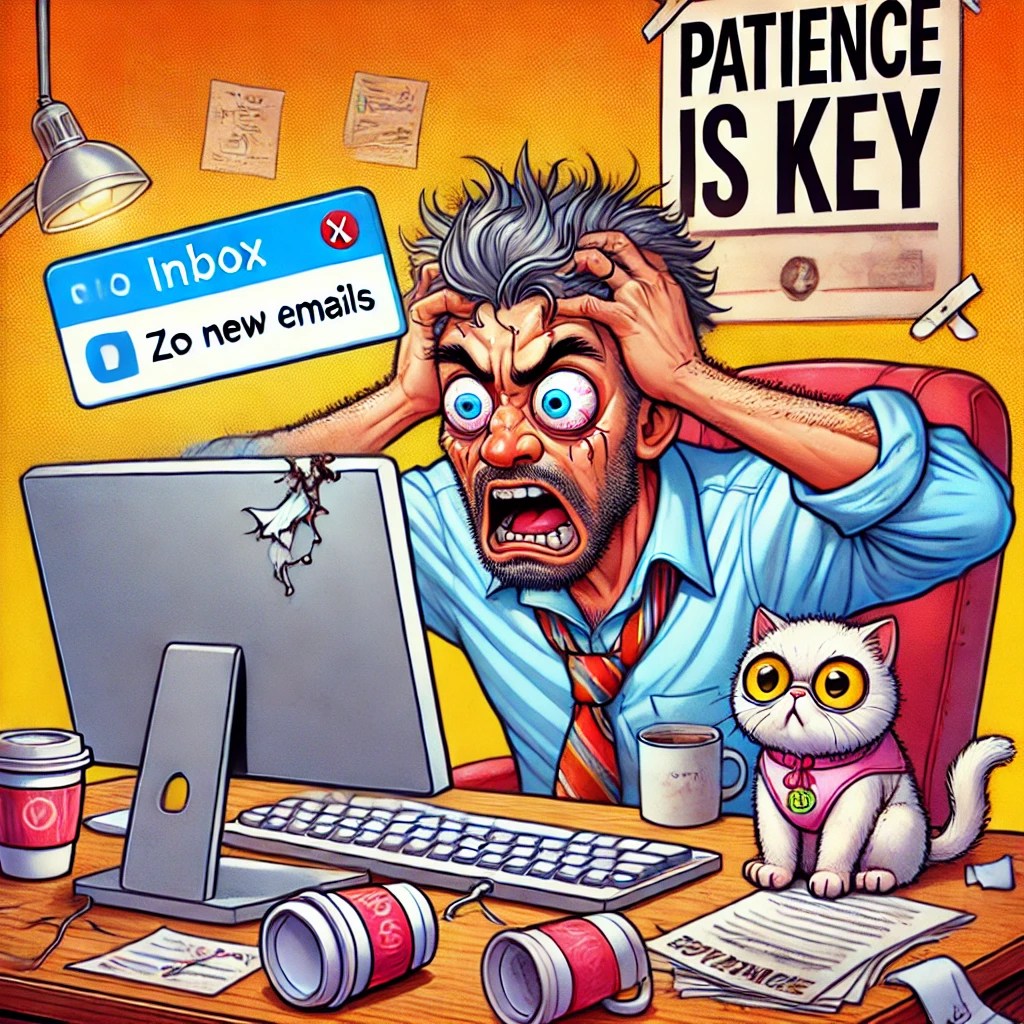
The Story Behind Favoriot – Part 8: The Frustration of Unanswered Emails and Missed Opportunities

The Early Days: A Heart Full of Hope

I still remember waking up every morning during the early days of building FAVORIOT with an excitement that felt like an adrenaline rush. It wasn’t just the buzz of starting something new; it was the vision, the dream that IoT could change industries and improve lives.

The endless possibilities of the Internet of Things filled my mind, painting vivid pictures of smart cities, connected devices, and seamless automation. It felt like we were on the brink of something extraordinary.

Every meeting felt like a golden ticket, an opportunity to make a mark. I would walk into rooms filled with potential customers and partners, armed with passion and an unwavering belief in FAVORIOT’s mission. I put my heart into every presentation, explaining how IoT wasn’t just a trend but the future.

I could see the spark in their eyes—that moment when the idea clicked, and they nodded enthusiastically. I left those meetings feeling optimistic, convinced that a follow-up email would soon seal the deal.

The Deafening Silence

But days turned into weeks, and weeks into months. Once a symbol of hopeful anticipation, my inbox became a source of growing frustration. I refreshed my emails obsessively, waiting for responses that never came.

“Why can’t they just say no?” I often muttered, pacing the floor of my office.

It seemed simple—a clear rejection would be better than this soul-crushing silence. At least I could move on, refocus my efforts, and seek new opportunities. But the uncertainty? That was the worst. It felt like being stuck in limbo, caught between hope and resignation.

I wasn’t idle, though. I sent follow-up emails, made calls, and tried every approach I knew to reignite interest. But more often than not, my efforts were met with the same cold silence. It was like shouting into an empty room, hoping for an echo that never came.

The Sting of Missed Opportunities

The worst part wasn’t the silence. It was discovered that the same people who had shown so much enthusiasm for FAVORIOT had moved on and partnered with someone else.

“How could they?” I’d mutter, shaking my head in disbelief. “We had something here. Why didn’t they give us a chance?”

It wasn’t just a professional setback; it felt personal. I had invested time and effort and pieces of my dreams and aspirations into those meetings. Every missed opportunity felt like a small crack in my entrepreneurial spirit.

Questioning Everything

There were days when self-doubt crept in like an unwelcome guest. I questioned everything:

  • Was it me?
  • Was it the product?
  • Did I say something wrong?

These thoughts gnawed at my confidence, making me second-guess every decision. It was tough, really tough. I felt like drowning in a sea of “what ifs” and “if only.”

A Turning Point: Seeking Advice

Amidst the frustration, I sought advice from other entrepreneurs who had faced similar situations. One conversation stands out. I was speaking with a seasoned business owner who had dealt with the same issues.

“Mazlan,” he said, looking me straight in the eye, “this is part of the process. Not everyone will have the courtesy to say no directly. It’s not about you or your product. Sometimes, they’re just not ready, or they’ve found something that fits their immediate needs better.”

His words were both comforting and sobering. It was a relief to know I wasn’t alone in this experience, but it also reinforced a harsh reality: the business world doesn’t owe you an explanation.

Lessons Learned: The Value of Rejection

Looking back, those early frustrations were necessary lessons in disguise. Each rejection, each unanswered email, taught me valuable lessons:

  1. Patience: Good things take time. Not every seed you plant will grow immediately.
  2. Perseverance: The road to success is paved with obstacles. What matters is how you manage them.
  3. Resilience: Don’t let rejection define you. Use it as motivation to improve and push forward.

Changing the Approach

Instead of waiting passively for responses, I became more proactive. During meetings, I started asking direct questions:

  • “What are your primary concerns?”
  • “How can we better meet your needs?”

This shift not only helped me gauge genuine interest but also provided valuable insights into potential customers’ minds.

I learned to read between the lines and to differentiate between polite nods and sincere enthusiasm.

Building Meaningful Relationships

With this new approach, I stopped chasing every opportunity and focused on building meaningful relationships with people who truly believed in our vision. These partnerships, though fewer, were far more impactful.

One particularly memorable project was with a city council on a smart city initiative. It was a long shot, but our persistence paid off. The project was a great success, serving as proof for many who had doubted us.

The Turning Point

That project was a turning point, not just for FAVORIOT but for me personally. It validated the sleepless nights, the endless follow-ups, and the resilience it took to get there.

It was a reminder that success isn’t always about winning every deal; sometimes, it’s about learning from the ones you lose.

Sharing the Lessons

Today, I often share these lessons with new entrepreneurs. I tell them:

  • “Don’t be afraid of rejection. Embrace it.”
  • “Don’t let silence discourage you. Use it as a time to reflect and improve.”
  • “Keep moving forward because the next opportunity is just around the corner.”

Gratitude for the Process

Reflecting on this experience, I realize that the early frustrations were not setbacks but stepping stones. They shaped me into the entrepreneur I am today. And for that, I am grateful.

The road ahead remains challenging, but with each step, I carry the lessons of the past. I approach new opportunities with careful optimism, knowing that even in silence, there’s growth.

This experience has made me stronger, more resilient, and more determined than ever to see FAVORIOT succeed.

In the end, every missed opportunity was just a lesson in disguise.

More Entrepreneurship Stories

  1. The Story Behind Favoriot – Part 8: The Frustration of Unanswered Emails and Missed Opportunities
  2. The Story Behind Favoriot – Part 7: The Task of Finding Favoriot’s First 10 Customers
  3. The Story Behind Favoriot – Part 6: Expanding The Business Models
  4. The Story Behind Favoriot – Part 5: Finding the Right Fit
  5. The Story Behind Favoriot – Part 4: How Favoriot Became More Than Just an IoT Platform
  6. The Story Behind Favoriot – Part 3: Why No One Wanted Our IoT Platform—And How We Turned It Around
  7. The Story Behind Favoriot – Part 2: Turning Failures into Milestones
  8. The Story Behind Favoriot – Part I: The Humble Beginnings of Favoriot
  9. Building My Personal Brand: The Stepping Stone to Favoriot’s Success
  10. From Research Lab Critiques to Startup Pitches: My Slide Story

The Power of Personal Stories

WRITER’S DILEMMA

Engaging Readers Through Authenticity

Photo by Brett Jordan on Unsplash

This transformation wasn’t magic but rather a result of intentional changes and strategies.

Here’s how I did it.

Capturing Attention: The Three-Second Rule

In the digital world, attention is a scarce commodity.

You have about three seconds to grab someone’s attention before they scroll right past your post to the next. I learned this the hard way.

My initial articles were lengthy, with long-winded introductions that didn’t captivate readers.

I had to rethink my approach.

I recall a specific moment of realization while reading an article by one of my favorite writers. Their opening line was a punchy, thought-provoking statement that hooked me immediately.

Why couldn’t I do that?” I thought.

So, I started experimenting with catchy hooks and concise introductions. It was a game-changer.

The shorter and sweeter my openings, the more engagement I received.

The Power of Personal Stories

Photo by Austin Chan on Unsplash

People connect with people.

This simple truth became my guiding principle. Instead of hiding behind dry, factual content, I began sharing my personal experiences and anecdotes. It was intimidating at first — exposing my vulnerabilities and failures.

But it was necessary.

I remember writing about my early days in the tech industry, filled with uncertainties and challenges.

The response was overwhelming.

Readers resonated with my story, finding comfort and inspiration in my journey.

Letting my personality shine through wasn’t just about being relatable but about being authentic.

Leaving Readers with a Takeaway

Photo by Clem Onojeghuo on Unsplash

What’s the point of a story if it doesn’t leave the reader with something to ponder? This was another critical lesson I learned.

Early on, my articles often ended abruptly, without offering any significant insight or takeaway.

I realized that every piece needed a conclusion that provided value.

One of my breakthrough articles was about the future of IoT and its impact on everyday life. Instead of just presenting information, I concluded with actionable insights and questions that encouraged readers to think about how they could integrate IoT solutions into their lives.

This approach didn’t just inform; it engaged and empowered my readers.

Finding My Authentic Voice

Photo by Brett Jordan on Unsplash

In the beginning, I struggled with my writing style.

I tried to emulate the voices of other successful writers, thinking that was the key to success.

It wasn’t.

Authenticity is your ticket to success. It’s what sets you apart in a crowded space.

I remember a particularly enlightening conversation with a fellow writer. We were discussing our favorite authors and what made their writing unique.

They sound like themselves,” my friend said. It struck me that my attempts to mimic others were diluting my unique perspective.

I began writing more naturally, using my voice, and it resonated more with my audience.

Empowering the Reader

Photo by Guille Álvarez on Unsplash

Writing is not about showcasing your knowledge but empowering your readers.

Early on, my articles were laden with technical jargon and complex concepts, which, in hindsight, was more about proving my expertise than providing value.

This was a mistake.

A turning point came when I wrote an article to demystify IoT for beginners. I stripped away the jargon and focused on simple, relatable explanations.

The feedback was incredible.

Readers appreciated the clarity and felt more confident in their understanding.

Making readers feel competent became my new mantra rather than showcasing my intelligence.

Learning from the Best

Photo by Jon Tyson on Unsplash

To improve, you need to learn from the best.

I started paying close attention to the work of my favorite writers, analyzing their style, structure, and content. I noticed patterns — how they crafted compelling narratives, their use of metaphors, and their ability to connect with readers on an emotional level.

One of my favorite writers had a knack for seamlessly weaving personal anecdotes with profound insights.

I noted three things they did exceptionally well: engaging hooks, relatable stories, and thought-provoking conclusions.

I began incorporating these elements into my writing. It wasn’t about copying but understanding what worked and adapting it to my style.

Consistency and Persistence

Photo by Rosie Kerr on Unsplash

Success didn’t come overnight.

It required consistency and persistence.

I set a goal to write regularly, even when I felt uninspired. Some of my best articles emerged from moments when I pushed through writer’s block. The key was to keep writing, learning, and adapting.

In conclusion, my journey to becoming a top writer on Medium was marked by trial and error, introspection, and a willingness to learn and adapt.

I grew my account by capturing attention quickly, sharing personal stories, providing valuable takeaways, finding my authentic voice, empowering my readers, and learning from the best.

Anyone can undertake this journey with the right mindset and strategies.

So, if you’re struggling, remember that success is just a few intentional changes away.

Utilising AI Assistance to Analyze My Medium Articles (Discover My Findings)

My AI Assistant analyzed 28 out of 318 articles

Image created using Canva by Author

[Note: Click this if you are not a Medium Partner Program member. It will give full access to this article.]

There are about 28 articles that earned more than $1.00.

The highest is $21.85. Not as high as some of the prominent writers in Medium.

I know. I am still learning. I do see some improvement over the several months.

I have a feeling about what works and what doesn’t.

However, I decided to get the help of AI (ChatGPT) to analyze the top 28 articles that earned more than $1.00.

What AI Discover

It’s clear that specific themes resonate more with readers on Medium, especially those interested in writing, personal growth, and leveraging Medium’s platform effectively.

Here’s a breakdown of what seems to attract the most attention and financial reward:

  1. Writing Improvement and Avoidance of Mistakes: The highest-earning article focuses on avoiding common mistakes to become a better writer in 2024, indicating a strong interest in personal development and skill enhancement in writing. Articles that provide clear, actionable advice on improving writing skills and avoiding pitfalls are highly valued.
  2. Personal Experience and Success Stories on Medium: Articles detailing personal experiences, particularly success stories related to the Medium platform itself, like lessons learned before and after joining the Medium Partner Program or tripling earnings, draw considerable interest. These narratives offer insights into the platform’s potential for monetization and growth, appealing to writers seeking to maximize their Medium presence.
  3. Persistence and Motivation: Articles encouraging writers to persist, even when facing challenges like a lack of readership, resonate well. This theme taps into the everyday writer’s fear of obscurity and offers motivation and strategies to overcome it, highlighting the emotional and psychological aspects of writing.
  4. Strategic Insights and Growth Hacks: Content that shares specific strategies or ‘hacks’ for audience growth, increased earnings, and content optimization on Medium attracts readers looking to enhance their visibility and financial success on the platform. This includes leveraging AI, boosting article visibility, and understanding the Medium Partner Program (MPP) benefits.
  5. Reflective and Analytical Pieces: Articles that reflect on personal journeys, growth, and lessons learned over time, including analyses of what worked (or didn’t) in past articles, offer valuable takeaways for readers aiming to navigate their path on Medium more effectively.
  6. Innovative Use of Technology in Writing: Discussions around the use of AI in writing and balancing authenticity with efficiency suggest a burgeoning interest in how technology intersects with traditional writing practices. These articles cater to writers curious about integrating new tools while maintaining their unique voice and authenticity.
  7. Specific Achievements and Milestones: Content highlighting particular achievements, like exponential audience growth or significant increases in views and earnings, performs well. They serve as aspirational benchmarks for other writers and often share insights into the strategies that facilitated these successes.
Photo by Steve Johnson on Unsplash

What resonates with readers

In summary, articles that combine personal growth, practical advice, and success stories within the Medium ecosystem resonate most with readers.

These pieces offer inspiration and tangible strategies for writers at various stages of their journey, from newcomers seeking to make their mark to seasoned authors looking to optimize their earnings and audience engagement on the platform.


Thanks for taking the time to read this!

I would appreciate your comments and claps!


Remember to Subscribe to receive email updates on every post I publish.

You can also follow my Medium Publications:

Photo by Stephen Dawson on Unsplash