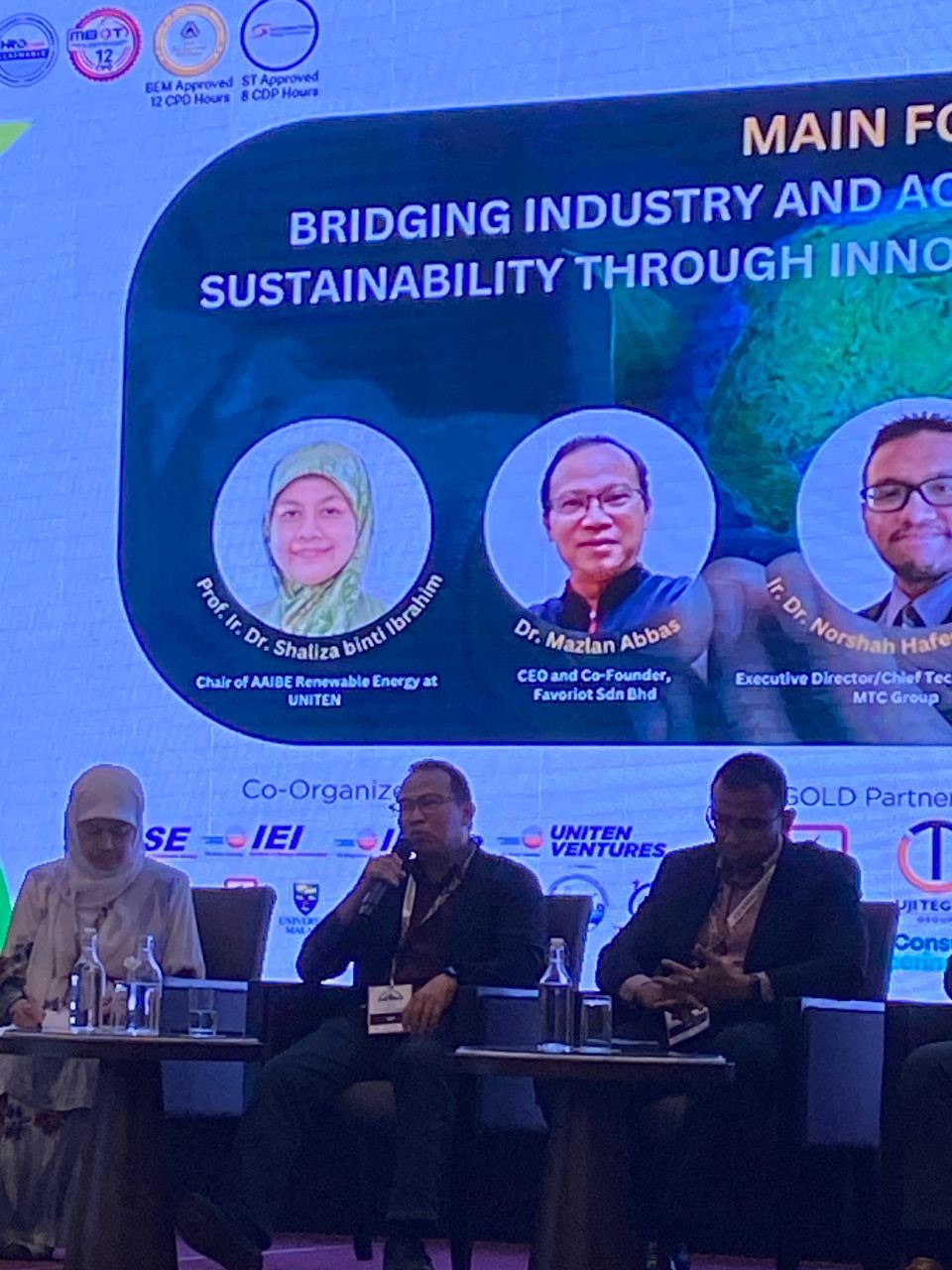
Are You a Leader or a Follower?

“Am I leading… or am I simply following someone else’s shadow?”

That question haunted me for years. I asked myself while sipping coffee in my quiet study room, flipping through my old journals filled with to-do lists, dreams, and scribbled frustrations. Sometimes, those scribbles sounded more like cries for clarity than plans for action.

We often throw around the terms “leader” and “follower” like they are binary opposites—as if you’re either born to lead or destined to follow. But life, as I’ve discovered, is more complex. Let’s unpack that.

What Does It Really Mean to Lead?

Most people equate leadership with titles.

“He’s the CEO, so he must be a leader.”

“She’s the manager—of course she’s leading the team.”

But I’ve seen leaders without titles, and I’ve seen those with titles who couldn’t lead a group of five to a lunch spot. Leadership, to me, is the act of stepping forward when others hesitate. It’s about clarity when confusion reigns. It’s about conviction when options are many.

Let me take you back to the early days of FAVORIOT. It was a time when IoT wasn’t mainstream, when investors looked at us like we were trying to sell flying carpets. There was no path—only uncertainty.

That was the moment I had to lead.

Not because I wanted to boss anyone around. Not because I had all the answers. But because if I didn’t believe in the vision of building an IoT platform from Malaysia, then who would?

“Mazlan, are you sure people will use this?”

“Why not just resell existing solutions?”

These were the voices I heard. From peers, advisors… sometimes, even from inside my own head.

But leaders are the ones who choose to believe—despite the noise.

The Follower Within Us

Now here’s the uncomfortable truth…

We’re all followers at times.

Even I—a self-declared “IoT Man”—have followed trends, people, mentors. Sometimes blindly. Sometimes wisely.

I remember early in my career, during my days at MIMOS, I used to wait for someone to say, “Mazlan, go ahead. You’re in charge.” And when I didn’t hear it? I stayed put. I followed.

Was I scared? Yes. Of judgment. Of failing publicly. Of stepping on the toes of more “senior” people.

“Just keep your head down and do good work. They’ll notice.”

But here’s the hard lesson: doing good work is not the same as making things happen.

A follower waits. A leader initiates.

Leadership Is a Decision, Not a Designation

People often ask me,

“Dr. Mazlan, how do I become a leader in my field?”

And I say:

You decide.

You decide to stop waiting for permission.

You decide to speak up when it’s uncomfortable.

You decide to take responsibility—even when it’s not your fault.

Leadership isn’t a switch that flips on when you’re promoted. It’s a mindset. A posture. A muscle you build every time you act with intention.

One of the most defining moments in my journey was when we pitched FAVORIOT to our very first potential client. We had nothing fancy—just slides, vision, and raw belief.

And I saw the skepticism in their eyes.

But I kept talking. I led the conversation, the energy, and eventually—the trust.

But What If You’re Meant to Be a Follower?

There’s this strange stigma around being a follower, as if it’s somehow lesser. I disagree.

Some of the best people I’ve worked with are incredible followers. They are the engine room of any successful mission. They execute with excellence, support with heart, and think with clarity.

But here’s the nuance: they’re not passive followers. They’re intentional ones.

They choose to follow because they believe in the mission, the leader, and the purpose. That’s very different from following because you’re afraid to lead.

“Is it okay to just be a follower?”

Absolutely. But don’t be a follower because you’re afraid. Be one because you’re aligned.

Are You in the Driver’s Seat or the Passenger?

Let’s pause.

Look at your current project.

Your current role.

Your daily routines.

Who’s steering?

Are you choosing your direction? Or are you being pulled by someone else’s map?

It’s okay to be a passenger… sometimes. But not your whole life.

How to Know Which One You Are Right Now

Here’s a quick reflection I use:

Do I initiate or wait for instructions? Leaders initiate. Followers wait. Simple litmus test.

Do I take responsibility or assign blame? Leaders say, “Let’s fix this.” Followers say, “It’s not my fault.”

Do I create opportunities or react to them? Leaders build. Followers consume.

You might be a leader in your side hustle but a follower in your main job. That’s fine. But know the difference. And more importantly, know why.

Leading Isn’t About Being Loud

Many people think you need to be charismatic, extroverted, or visionary to lead.

False.

Some of the best leaders I’ve seen are quiet. Observant. Calculated. But when they speak, people listen. Not because they shout, but because they’ve earned credibility through consistent action.

My Journey From Follower to Leader (And Back Again)

Over my 30+ years in this tech world—from academia to government, from corporate to startup—I’ve worn both hats.

Some days, I follow trends. I listen to my team. I take advice.

Other days, I break away from the norm and say, “This is the new direction.”

That’s leadership.

But it doesn’t mean I’ve stopped being a follower. It means I choose when to lead and when to follow—consciously.

The Final Question

So now, let me ask you again.

Are you a leader or a follower?

But let me reframe that:

Where do you choose to lead? And where are you settling into following?

Because the real power comes not from being one or the other—but from knowing when to step forward, when to step aside, and when to take the wheel with courage.

And if today you realize you’ve been following too long… maybe it’s time to lead.

“Mazlan… what if I fail?”

Then you fail forward. Because that’s what leaders do.

Dr. Mazlan Abbas is the CEO and Co-Founder of FAVORIOT. Once a follower, now a leader… but always learning.

Why Strangers Are Your Realest Customers (And Sometimes, Your Only True Ones)

“Eh, kenapa kawan sendiri tak support bisnes kita ya?”

That question used to haunt me. When I first launched FAVORIOT, I genuinely believed my first supporters would be the people closest to me — ex-colleagues, industry friends, fellow alumni, even family. They knew my journey, my passion, my sacrifices. Surely they’d be the first to sign up or share the word, right?

Wrong.

What actually happened?

It was strangers.

Total strangers.

People I never met, never had teh tarik with, never sat on the same conference panel — they were the ones who registered on our platform, joined our trainings, and even told others about us. I was puzzled at first. Then, a little disappointed. Then curious.

And now? I understand. Strangers are often your best and truest customers.

Let me explain why.

1. Strangers Don’t Know You — And That’s a Good Thing

Wait… what?

Yes. Strangers don’t know you personally, and that’s precisely why they can trust your product more objectively.

Your friends and family see you through the lens of personal memories — they remember the time you made that bad joke at the wedding, or when you flunked your first job, or how you always took the safe route. You, to them, are not a business. You’re a “bro,” “adik,” “sir,” or “uncle.”

So when you suddenly pivot and say, “I’m launching an IoT platform for smart cities,” their brain glitches a little.

“Huh? Dia boleh ke buat ni?”

Meanwhile, strangers judge you purely on what you present today. They don’t care about your past karaoke fails or awkward teenage phase. They see your landing page, your pitch, your clarity. That’s it.

They evaluate your offering, not your origin story.

2. Strangers Don’t Owe You Anything — Which Means Their Support Is Pure

This is where it gets even more interesting.

Friends sometimes want to support you — but they overthink it.

They don’t want to be seen as biased. They feel awkward asking for discounts. Or worse… they assume they’ll get it for free.

Strangers? They come in with no emotional baggage. No expectations. No history.

They want a solution. They see you offering one. They buy.

Simple.

No drama. No, “Nanti lah bro, aku tengah tight.” No, “Support-support tapi boleh free ka?”

“Would I do that to a stranger?”

No. That’s why strangers make better customers. They treat your business like a business.

3. The Trust is Earned, Not Assumed

With people who know you, there’s often an invisible hierarchy of roles.

You’re the junior. The class clown. The reliable IT guy. The academic.

Suddenly, you say you’re the CEO of a startup? That role doesn’t match their stored mental image of you.

It’s not malice. It’s memory.

Whereas with strangers, your LinkedIn profile is your identity. Your pitch deck is your first impression. You start from zero — and you build up trust.

And trust that’s earned is far stronger than trust that’s assumed or inherited.

4. Strangers Spread the Word Faster

It shocked me — the most virality FAVORIOT got wasn’t from my own alumni network. It was from strangers who stumbled upon our blog, tested the platform, and raved about it on their own channels.

Why?

Because strangers are hungry for something that works. And when it works, they want others to know they found it first.

Your close friends?

They might still be trying to “figure out what you’re doing.” Or too shy to post about you — “Nanti orang cakap aku biased pulak.”

I say, give me a thousand strangers over ten overthinking friends.

5. Familiarity Breeds… Hesitation

Here’s the paradox.

The more people know about your past, the harder it is for them to believe in your future potential.

When I transitioned from academic life to startup founder, there were people who couldn’t bridge that mental gap. “Mazlan? The MIMOS guy? Dia buat startup ke sekarang?”

They hesitated.

But when I met fresh faces at expos, conferences, or online — they didn’t carry that baggage. All they saw was a man passionate about IoT, solving a problem. Period.

And they said yes.

6. Friends Wait For You to Make It. Strangers Help You Make It.

It sounds harsh. But it’s true.

Friends often support you when it’s safe.

When you’re already on stage. When you’ve already raised a round. When others already validate you.

Strangers, on the other hand, often jump in before the spotlight.

They’re the ones who say:

  • “I believe in your idea.”
  • “Let’s try it.”
  • “Your story resonates with me.”

They’re not doing it out of obligation. They’re doing it out of alignment. And that’s the customer you want.

7. You’re Not in the Business of Convincing Friends

This was a big mindset shift for me.

“Shouldn’t I be convincing my old buddies to try FAVORIOT?”

No.

Your job isn’t to sell to friends. Your job is to build something so good that even strangers trust it. And ironically, that’s when friends finally take notice.

Build for strangers. Serve them well. And over time, your friends will quietly hop onboard — when they see you’ve built something real.

8. It’s Not Betrayal. It’s Just Human Nature

One final note — don’t take it personally.

I used to feel hurt. “Why are people who barely know me supporting me more than those I’ve known for 10 years?”

But now I realize… it’s not betrayal. It’s just how human psychology works.

Proximity creates assumptions. Distance creates curiosity.

And curiosity is what drives people to explore, ask, and buy.

So don’t waste energy resenting your circle. Use that energy to serve your real audience.

My Advice? Focus on Creating Real Value

That’s what attracts the right customers — regardless of who they are.

If you’re honest, passionate, and solving a real problem, people will come.

Some may be old friends. Most will be strangers.

But all of them are humans searching for a solution. Be the one who provides it.

And remember — in a world where everyone expects support from the familiar, be grateful for the unfamiliar who believe in you first.

Those are your true customers.

And maybe one day… your friends will join the queue too.


“Thank you, strangers. You made FAVORIOT real.”

Why “Pick My Brain” Isn’t Free Anymore — And That’s OK

You’ve probably heard it before — or maybe you’ve said it yourself.

“Can I pick your brain?”

It sounds innocent. Harmless. Even flattering, right?

But if you’ve ever been on the receiving end of that phrase more times than you can count — especially after years of hard-earned experience, long nights, and lessons learned the hard way — you start to notice a pattern.

Let me guess…

They want your expertise.
They want your contacts.
They want your strategy.
They want your playbook.

But they don’t want to pay for it.

Wait, when did my brain become a free buffet?

There was a time when I said yes to every coffee meeting, every DMs asking for “advice,” every student request to “chat for 15 minutes.” I thought, why not? It’s good karma. I’m helping someone.

But over time, something shifted.

I began to feel drained. Not just mentally — emotionally too.

People would show up with notebooks, ask 100 questions, take furious notes… and disappear. No follow-up. No thank you. Just silence — until the next person showed up asking the same thing.

It wasn’t a conversation. It was extraction.

Here’s the brutal truth: Free advice isn’t free.

Behind every answer I give, there are:

  • 10+ years of doing the work
  • Thousands of dollars in mistakes
  • Countless hours learning what NOT to do
  • Relationships I spent decades building

That doesn’t mean I’m unwilling to help. Not at all.

It just means I now value my time — and I hope you do too.

So when someone says “Can I pick your brain?” — here’s what I really hear:

“Can I get the shortcuts, distilled wisdom, and customized advice that you earned through blood, sweat, and tears… for the price of a latte?”

And that’s just not sustainable.

But what if you genuinely want help?

Great! There’s a better way to ask.

Try this instead:

  • “Do you offer consulting? I’d love to book a session.”
  • “Is there a paid way I can access your insights?”
  • “Can I attend your workshop or buy your guide?”

That tells me you respect the value of what I bring to the table — and you’re serious about acting on it.

Because let’s be honest: People who pay, pay attention. When you invest in something, you show up differently. You listen harder. You apply faster. You get results.

Free advice, more often than not, just collects dust in someone’s Google Drive.

It’s not personal — it’s professional.

This boundary isn’t about being arrogant. It’s about being aligned.

My time is now reserved for:

  • People who are ready to commit
  • Clients who want transformation, not just information
  • Collaborations that are mutually respectful and energizing

The rest? Well… they’ll be okay. Google exists. YouTube is full of free content. Libraries are still around.

But if you want my brain — the years, the insights, the customized roadmap?

That’s called consulting. And yes, it comes with a price tag.

I still want to give back — just differently.

I still write free blog posts. I still create podcast episodes. I still share value-packed content online. That’s me giving back at scale — to everyone.

But my one-on-one time?

That’s sacred now.

Because here’s what I’ve learned the hard way:

“If you don’t put a price on your time, someone else will — and it’ll be far lower than it’s worth.”

So, if you’re someone who’s ever wanted to ask “Can I pick your brain?” — pause for a second. Ask yourself:

  • Do I value this person’s time?
  • Am I ready to act on what I learn?
  • Am I willing to invest in the outcome I want?

If the answer is yes — fantastic.

Let’s talk. But let’s do it the right way.

Because your brain isn’t a buffet either.

And it’s time we all started acting like it.

The Harsh Truth About Corporate-Startup Partnerships (From Someone Who’s Lived It)

I’ve been on both sides of the table. I’ve sat in plush boardrooms of corporates, armed with strategy decks and Gantt charts. And I’ve stood in startup expos with nothing but a prototype, a vision, and hope that someone out there believes in me.

So believe me when I say this — corporate-startup partnerships sound exciting on paper, but on the ground? It’s a minefield.

Let’s strip away the buzzwords. Let’s talk about what really happens.

1. Different Clocks, Different Worlds

“Why are they taking so long to approve this?”

I remember asking my co-founder this after waiting three months just to get a feedback email. In the startup world, three months is a lifetime. In the corporate world? It’s just the first round of internal vetting.

Startups run on urgency — every day matters when your burn rate is ticking. Corporates move with caution — risk is the enemy, and layers of approvals are the armor.

The fix? I learned to stop hoping they’d change. Instead, we created parallel timelines — one for them, one for us. We chased quick wins while waiting for their green light. Buy time by building elsewhere.

2. Innovation Theatre is Real

Let me be blunt — some corporates just want to look innovative. They parade startups like trophies at conferences, but behind closed doors, there’s no intent to integrate, support, or even pilot your solution.

“We love what you’re doing, let’s explore synergies,” they say.

But three meetings later, you realize it’s all talk. No budget. No timeline. No real stakeholder.

My lesson? Qualify them like investors. If they don’t allocate budget, assign a champion, or agree on KPIs — walk away. Your time is precious.

3. Lost in Translation

Corporate teams speak in terms of “quarterly performance metrics,” “compliance risk mitigation,” and “cross-functional alignment.” Startups? We speak in MVPs, pivoting, and product-market fit.

The result? A communication chasm.

I once pitched our IoT platform and got blank stares. Only later did I realize I was talking in features. They wanted outcomes. Not “real-time temperature monitoring,” but “reduce asset loss by 40%.”

Solution? Translate your pitch into their language. Learn their pain points and talk like an insider. Better yet — get an internal translator. A champion who believes in your tech and knows how to navigate their maze.

4. The Procurement Wall

You’re excited. The business unit loves your solution. A pilot is greenlit. Then — boom — you hit the procurement department.

Suddenly, your lean startup has to fill in 30-page tender documents, meet cybersecurity standards that even banks struggle with, and compete with legacy vendors who have been on their vendor list since Y2K.

I remember sitting with my team, demoralized, staring at a compliance checklist longer than our pitch deck.

Advice? Don’t wait until it’s too late. Ask upfront — “How do you procure innovation?” Some corporates have fast-track routes. Others… just don’t. If they don’t, you’ll need a partner who does.

5. Data: The Gold No One Wants to Share

Ah, data — the lifeblood of IoT. We once proposed a predictive maintenance pilot, only to be told: “We can’t share historical data. It’s sensitive.”

So… how do we train our model?

The irony? They want innovation, but won’t share the fuel to drive it. Understandable from a legal standpoint, but fatal to progress.

Workaround? Create synthetic datasets. Offer edge-processing solutions. Or suggest on-premise pilots where data never leaves their servers. Be flexible — but set boundaries.

6. The Pilot Trap

Startups get excited about pilots. I used to. Until we had three unpaid PoCs running simultaneously — draining our team, delaying our roadmap, and giving us zero revenue.

That’s when it hit me.

“We’re giving them our IP for free. They’re testing us. But we’re bleeding.”

Some corporates see pilots as “free R&D.” You think it’s the beginning of a contract. They think it’s an experiment they’re not committed to.

My hard-earned rule? No pilot without commitment. Either pay a fee, or sign a letter of intent for scaling if KPIs are met. If they won’t commit, neither should you.

7. Change Champions Leave. So Does Momentum.

You finally find someone inside the corporate who gets it. They push your agenda, unblock bottlenecks, and champion your startup like it’s their own.

Then… they resign. Or get transferred. And suddenly, you’re back to square one.

“But this was approved…” you plead. Doesn’t matter. The new person wants to ‘re-evaluate the strategy.’

Reality check? Build relationships beyond just one person. Map out decision-makers. Secure documentation. Get agreements formalized — not just verbal promises.

Final Thought: Don’t Just Survive, Learn to Navigate

I’ve had great corporate partners. Truly. Some believed in us before anyone else did. They gave us a platform, feedback, even funding. But getting there wasn’t luck — it was surviving the gauntlet above.

So if you’re a startup founder:

Don’t jump at the first handshake. Qualify. Question. Protect your time. And never forget — you’re not a vendor. You’re a co-creator of the future.

And if you’re from a corporate reading this:

We know your world is complex. But don’t let bureaucracy kill the very innovation you seek.

The magic happens when we meet halfway — speed with structure, ideas with scale.

Let’s stop the theatre. Let’s build real things.

“We’re not just a startup. We’re your unfair advantage — if you let us.”

Do you have a story like this from your startup or corporate journey?

From Manual Logins to a Global Force: This is Favoriot 4.5

“Dr. Mazlan, I didn’t receive my password—boleh email balik?”

I still remember that message. One of our earliest users. Back when onboarding meant me, personally, typing out usernames and passwords… and emailing them. One. By. One.

No dashboard.
No billing.
No automation.
Just a dream—and a lot of copy-pasting.

Was it messy? Yes.
Was it worth it? Absolutely.

That’s where Favoriot was born—not in a boardroom, but in a Gmail inbox at midnight.

We Built It The Hard Way

Every support ticket? A lesson.
Every bug? A wake-up call.
Every confused user? A chance to rethink.

We didn’t have “customer personas.”
We had real people telling us, “This part tak faham…”
And that direct feedback shaped everything.

So we added what mattered:
✅ Visual dashboards
✅ Auto device creation
✅ Better user controls
✅ A real self-service platform

Eventually, we stopped emailing passwords.

And Then… We Grew

By version 3.0, Favoriot wasn’t a scrappy prototype anymore. It was real.

Today?
🌍 111 countries
👨‍💻 9,600+ developers
📱 13,000+ IoT apps

What’s wild? We have no idea what most users are building.
And you know what? We love that.

Favoriot is flexible enough for developers to use it their way—without us needing to micromanage or interfere. That’s the magic of a true IoT platform-as-a-service.

We Kept It Cheap—On Purpose

We priced it low. Dirt cheap, some said.

Because back then, IoT wasn’t mainstream.
We wanted students, hobbyists, and young startups to try.
To explore. To fail. To learn.
Without worrying about subscription fees.

That strategy worked.
It built trust. It built momentum.
And it got Favoriot where it is today.

But Let’s Be Real—It’s Time

Favoriot 4.5 isn’t a toy.
It’s a world-class platform.

We’ve benchmarked ourselves against the global giants.
We’ve made it faster, stronger, smarter.
And yes—it’s time the subscription reflects that.

Starting June 2025, our prices will change.

Why?
Because we’ve earned that seat at the table.
And we want to keep delivering the value you deserve.

But Here’s The Deal

If you subscribe before June—
You lock in the current price.
No surprises. No sudden hike.
Your loyalty gets rewarded.

To the Early Believers

If you’ve been with us since the manual days…
If you ever waited for your login in your inbox…
If you clicked “refresh” hoping we’d fix the bug…

Thank you.

Favoriot 4.5 carries your fingerprints.
We wouldn’t be here without you.

And we’re just getting started.

Let’s keep building the future of IoT—together.

Favoriot: A Marathon of Pivots, Perseverance, and Purpose

“This is going to be a game-changer!”

That was the spark that ignited our journey. In 2017, we embarked on a mission to revolutionize the Internet of Things (IoT) landscape in Malaysia. Our first stride? Raqib—a wearable device designed to ensure the safety and health of Umrah and Hajj pilgrims. It was more than just a product; it was a vision to provide peace of mind to individuals and their families during spiritual journeys.

KM 0–5: The Starting Line – Raqib’s Ambitious Launch

Launching Raqib felt like the exhilarating first kilometers of a marathon. The energy was high, the vision clear, and the team motivated. We believed in our product’s potential to make a significant impact. However, as with any long-distance race, the initial excitement soon gave way to unforeseen challenges.

KM 6–10: The First Hurdles – Technical Glitches and Market Realities

As we progressed, technical issues began to surface. The device faced unexpected glitches, and our marketing efforts didn’t yield the anticipated traction. It was a tough pill to swallow. But we weren’t ready to give up. We pivoted and introduced Favorsense, aiming to capture a different segment of the IoT market. Yet, despite our best efforts, it struggled to gain user interest.

“Where did we falter? What could we have done differently?” I often pondered during those challenging times.

KM 11–15: The Turning Point – Recognizing the Core Strength

Amidst these setbacks, a realization dawned upon us. The common thread between Raqib and Favorsense was the underlying platform that powered them. This platform, robust and versatile, had the potential to be more than just a backbone for our products. It could be the very product we needed to focus on.

I told the team, “This platform can be used by anyone who wants to develop their own IoT products. “

With renewed determination, we decided to pivot once more. We introduced the Favoriot IoT Platform to the public, offering it free to attract a broader audience. However, adoption was slower than expected. Despite creating tutorials and sharing resources, many users found it challenging to navigate the platform.

KM 16–20: Bridging the Gap – Introducing IoT Courses

Understanding the need for guidance, we launched IoT courses tailored to help users grasp the platform’s capabilities. These courses weren’t just about theory; they offered hands-on experience, enabling participants to apply their knowledge in real-world scenarios.

The response was overwhelmingly positive. Universities and polytechnics across Malaysia began integrating the Favoriot IoT Platform into their curricula. Students utilised it for their final-year projects, bringing innovative ideas to life.

“This is a significant achievement for us,” I expressed pridefully.

KM 21–30: Expanding Horizons – Building Partnerships

As we continued our journey, we recognised the importance of collaboration. We partnered with system integrators and enterprises, offering our platform’s cloud-based and enterprise-based models. This flexibility allowed clients to choose solutions that best fit their needs, further solidifying Favoriot’s position in the market.

KM 31–40: Gaining Momentum – Recognition and Growth

Our efforts began to bear fruit. Favoriot was no longer an unknown name in the IoT landscape. Out of 9,375 users (as of January 27, 2025), 80% came from our own country—a milestone that filled me with pride.

“We did it,” I told my team with a sense of accomplishment. “We’ve proven that we can compete with global platforms and carve out our own space.”

KM 41–42.195: The Final Stretch – Looking Ahead

Today, the Favoriot IoT Platform is a testament to resilience and adaptability. The journey has been a marathon from its humble beginnings with Raqib to becoming a cornerstone in IoT education and development. We’ve learned that setbacks aren’t failures but opportunities to pivot and grow.

As we look ahead, our vision is to take the Favoriot IoT Platform beyond Malaysia, reaching global audiences and empowering the next generation of IoT innovators.

“This is just the beginning,” I remind the team. The marathon continues, and we’re ready for the next leg of the race.

So, Startup or Marathon?

Startup is a marathon.

But with Favoriot, it’s not just about enduring.

It’s about leading, creating, and building something that lasts beyond the race.

And here’s the truth no one tells you:

The real finish line is when others start running because you did.

I Almost Quit—Until This One Question Reignited Everything

There was a morning I’ll never forget.

I sat in front of my laptop, staring at the screen. No emails. No new sign-ups. No traction.
Nothing.
Just silence.

“What am I even doing this for?” I whispered to myself.

I had poured years into this vision—this crazy dream of building something that could help others. And yet, there I was, running on fumes, trying to convince the world that IoT could actually change lives.

The doubt crept in like a fog.
I questioned everything—my choices, my career, my sanity.

But then, like a stubborn heartbeat, a question echoed back:

“Why did you start?”

It hit me harder than any investor rejection or platform bug.

I didn’t start for money. I didn’t start for fame.
I started because I believed in purpose-driven tech. Because I saw students struggling with theory and no tools. Because I saw cities disconnected, businesses stuck, and potential wasted.

I started because I knew I could help.

That’s what gives me direction—purpose. Not some fluffy motivational poster, but a raw, burning clarity that says, “Even if no one claps today, build anyway.”

Direction isn’t something you stumble upon in a fortune cookie.
It’s something you forge—through trial, reflection, and doing the work even when it’s hard.

It’s your “why” that pulls you forward when everything else tries to drag you down.

And now, whenever I hit a rough patch, I don’t panic.

I pause.

I ask again: Why did I start?

And the answer—every single time—points me exactly where I need to go.

Now your turn.
What question brings you back to your direction when you feel lost?

The Most Expensive, Yet Most Valuable Decision: When I Left Comfort to Create Meaning

“Are you sure you want to let go of all this?”

That question wasn’t just about salary, status, or position. It was actually a much deeper dilemma: Do I keep living in a system… or start building my own?

And my decision at the time—although it seemed like just a career move—was in fact a personal geopolitical shift. I didn’t leave because I was disappointed. I left because I saw a map no one else had drawn yet.

When the Comfort Zone Becomes a Cage

Many believe that the comfort zone is a reward after years of struggle. But few realize—stay too long, and it becomes a silent prison.

I was in a well-established organization, with a stable salary and a high-ranking position. But quietly, I became an actor in a script I didn’t write. The world was moving forward—IoT, AI, data economy—but we kept repeating old templates.

I saw young Malaysians becoming increasingly tech-savvy, yet there was no local platform to be their launchpad. We were still consumers, not creators. Still dependent on foreign digital infrastructure, without control or data sovereignty.

“If not us, then who?”

And that’s when the decision was born—not from courage, but from a sense of historical responsibility.

Leaving Power to Create Direction

I left my position. With no guarantees.

No office. No big team. No funding. Just an idea, conviction, and one burning resolve:

To build Favoriot as Malaysia’s true digital infrastructure.

Not just a platform. But a symbol. That we can be self-reliant. That innovation isn’t exclusive to Silicon Valley. That locals too can build world-class solutions.

But I knew the world doesn’t offer space just because of noble intentions.

The credibility I once had didn’t carry into the startup world. Emails that once received quick replies now fell silent. I was no longer a “Senior Director”—just an unproven founder.

But that’s the real cost of walking away from the old system—you lose short-term influence to build long-term strength.

Becoming an Architect in an Unbuilt World

Starting from zero is a spiritual exercise.

I had to become the thinker, the marketer, the engineer, the writer, the salesman—and sometimes… the coffee maker for guests who might not even become clients.

But in that process, I saw something I never did in the corporate world.

I saw how one IoT dashboard could change how a city council manages their city and provide information to their citizens.

How students using Favoriot got hired before graduation.

How universities started incorporating IoT into their syllabus not because the Ministry told them to—but because they saw the future.

And I began to understand—sometimes, real impact doesn’t come from applause. But from quiet change in the system.

This Decision Was Never Just About Me

Looking back, I realized this decision was never just personal.

It was about building an alternative.

In a world increasingly dependent on technology, those who control data, control the future.

If Malaysia continues to rely solely on foreign platforms, we will always be spectators in a drama written by others.

Favoriot is not the ultimate answer.

But it’s an attempt to carve a new lane.

So that Malaysia doesn’t remain on the sidelines.

So we have a choice. So we are not forever users—but creators.

What I Learned

We can’t wait for national change to trickle from above. Sometimes, true change begins when someone chooses to exit the system… and starts building a new one.

And yes, it hurts. It’s lonely. It’s full of failure.

But in that silence, I found my voice again.

And in those failures, I found strength I never knew I had.

The Question We Must Ask

Malaysia today is also standing at a similar crossroads.

Do we keep waiting for outside directives?

Or do we start writing our own script?

As I’ve learned from my own decision—what seems small, can ignite something far bigger.

The real question is:

Do we dare to leave our national comfort zone… to become a nation of builders?

Or will we remain a stepping stone in someone else’s grand agenda?


Because history won’t wait. And the future… belongs only to those bold enough to write it.


A New Chapter Begins: My Heartfelt Mission for Malaysia’s IoT Future

Alhamdulillah.
There are moments in life that make you pause. Not because you’re unsure—but because you feel the weight of something bigger than yourself. Being appointed as the Deputy Chairman of the Malaysia IoT Association is one of those moments for me.

I didn’t chase this title. It found me after years of walking the path—failing, building, sharing, writing, and dreaming about how technology could transform our nation. And now, I’ve been entrusted with a greater purpose: to carry the hopes of a growing community of changemakers and to help shape a future that belongs to every Malaysian.

This isn’t just a new role. It’s a calling.

This Land is Full of Potential

Malaysia is not short of talent. We are not short of ideas. But for far too long, we’ve been stuck in wait mode—waiting for foreign platforms, waiting for permission, waiting for funding. We must break that cycle. We must choose action.

Because Malaysia doesn’t need to follow trends anymore.
We have what it takes to create them.

The Role of IoT in Our Nation’s Story

Let’s get one thing straight—IoT is no longer about devices.

It’s about connecting hearts and systems.
It’s about bridging rural and urban, old and new, human and machine.
It’s about giving our nation eyes that can see in real time and ears that can listen before disaster strikes.

From the farms of FELDA to the traffic lights of KL…
From lecture halls to factory floors…
IoT is not just a tool. It’s a lifeline.

And what many don’t realise is—AI needs data.
But not just any data. It needs real-world, real-time, reliable data.
And IoT is the only way we can feed that intelligence.

A Personal Mission, A National Cause

So what do I see ahead?

I see a Malaysia that no longer depends on imported systems we don’t control.
I see homegrown platforms like FAVORIOT becoming the national backbone.
I see students graduating not with theoretical knowledge—but with hands-on IoT skills, certified and industry-ready.
Every Majlis Perbandaran has its own IoT dashboard, managing waste, lighting, traffic, and water in real-time.
I see SMEs embracing smart automation—not fearing it.

But more than anything…

I see people—living safer, healthier, and more connected lives.

The Time is Now

Some say we’re not ready yet.
But if we keep waiting for perfect conditions, we’ll never move.
Neither was Korea ready in the 1980s. Or China in the 1990s. But they moved.
And now the world watches them.

It’s our turn.
Let’s start messy. Let’s start small.
But most importantly—let’s start now.

To the Silent Fighters

To every young innovator quietly coding in a dorm room.
To every lecturer who buys sensors out of pocket to teach their students.
To every entrepreneur who builds despite rejection after rejection.

I see you.
And in this new role, I carry your hopes with me.

Let us walk this path together—not because it’s easy. But because it matters.

A Final Word from the Heart

This journey is no longer mine alone. It belongs to all of us who believe in a better digital Malaysia.

To those who built the foundation before me—thank you.
To my peers in MyIoTA and the wider tech community—I’m ready to stand with you.
And to the next generation—we’re building this for you.

Let’s make IoT not just a technology—but a legacy.
Let’s make Malaysia not just relevant—but revolutionary.

The future doesn’t wait.
And neither should we.

Bismillah. We begin.

Where Do I See Myself in 10 Years?

Where Do I See Myself in 10 Years?Reflections of a 64-Year-Old Dreamer Who Still Believes

“Ten years from now? That’s 74… You sure you want to think that far ahead?”
That was the first voice in my head when I read the question.
“Come on, Mazlan. You’re 64. Isn’t it time to slow down?”

But that voice didn’t last long.

Another voice — louder, bolder, more familiar — gently whispered,
“Slow down? You’ve just started walking your true path.”

That, my friend, is the voice I’ve listened to all my life.

The Clock Doesn’t Define Me

I’ve always seen age as numbers, not limits. The world might call me a “senior,” but my dreams don’t carry wrinkles, and my purpose doesn’t need walking sticks.

Yes, the body is slower — I’ll admit that. Knees creak more than they used to, and climbing stairs feels like a mini leg day. But the fire in me? It burns as fiercely as it did when I was 24, maybe even brighter now.

If anything, I’ve become more dangerous — not because of youth, but because of clarity. I know what matters. I know what I can ignore. I know who I am. That took decades to earn.

In 10 Years, I See…

1. Myself Still Creating
I don’t want to retire into silence. I want to retire into purpose.
“But Mazlan, what will you still be creating?”
Stories. Ideas. Opportunities. A legacy.

I see myself writing more — maybe a book that finally captures the full arc of my journey. Maybe I’ll title it “The IoT Man Who Never Gave Up.”
I want to write not just for entrepreneurs or engineers… but for anyone standing at the edge of doubt, wondering if it’s too late to start. I want them to know — it’s never too late. I’m proof.

And beyond writing? I’ll still be creating ecosystems. Platforms. Programs. Things that last longer than I do.

2. A Nation of Young Dreamers Trained by My Hands
I dream of walking into a university lab and seeing students working on real-world IoT systems — not because they were told to, but because they were inspired to.

Some of those students might call me “Professor,” or maybe just “Sifu.”
Some of them will know my name from stories their lecturers told.
Some might even come up and say,
“Dr. Mazlan, it was your video, your talk, your comic that made me believe I could do this.”

That… That would mean everything.

3. Favoriot Becoming a Global Force
In 10 years, I want Favoriot to stand not just as a Malaysian platform, but as the ASEAN reference for democratizing IoT.

Not because we had the biggest investors. Not because we built the fanciest dashboards.
But because we stayed consistent. Because we believed in building from within.

I want to see partners from 25, 30, 40 countries — each with their own IoT academies, each training their youth through Favoriot’s platform.

I want the world to know:
“This came from Malaysia.”

4. My Grandchildren Teaching Me New Tricks
Yes, I see myself as a grandfather of ideas and technology. But also — hopefully — a real grandfather.

I imagine a small hand tugging at mine,
“Tok Bak, how did you build all this?”
I’ll smile. “With time, failure, and this old stubborn heart.”

They’ll be digital natives, perhaps building with AI, robotics, or tools I can’t even imagine now. But I want to remain curious.
To listen.
To learn.
To laugh with them when I get it wrong.
To beam with pride when they surpass me.

Because the only thing better than building your dream… is seeing the next generation build bigger ones.

My Days Will Be Quieter, But My Impact Louder

In 10 years, I won’t be racing from meeting to meeting.
But I might still wake up at 5:30 AM. Sit by the window with my mug of kopi o, pen in one hand, thoughts in another.

I’ll be reflecting more than running.
Speaking less, but with more weight.
I might appear less on stage, but more in hearts.

I’ll write more love letters to this beautiful world that gave me chances.
Letters disguised as blog posts, talks, podcasts, maybe even a comic strip here and there.
One titled “The Last Adventure of IoT Man.”
(But don’t worry, he always comes back for a sequel.)

If I’m Lucky… I’ll Still Have Time

“Mazlan, do you think you’ll still have the energy?”

That question used to scare me.

But I’ve learned — energy doesn’t come from the body.
It comes from the heart. From purpose. From waking up with something worth fighting for.

If I still have the energy to smile at the sunrise,
to mentor a young founder,
to write one more idea that outlives me,
then yes — I’ll still be in the arena.

My Final Decade of Legacy

The next 10 years may be my most meaningful yet.

Not the flashiest.
Not the fastest.
But the most authentic.
The most connected.
The most fulfilled.

I won’t measure success by income charts or social media stats.
I’ll measure it by how many lives I’ve helped ignite.
By how many students I’ve believed in.
By how many said, “Because of you, I didn’t quit.”

So where do I see myself in 10 years?

Right where I need to be.
Still serving.
Still dreaming.
Still building.

And perhaps, finally, resting — but only after I’ve passed the torch.
With a smile. With peace. And with the unshakable belief that I’ve done what I was born to do.

“I see a 74-year-old man… not slowing down, but rising. A man who looks back with pride and forward with grace. A man who lives not in the shadow of his youth, but in the light of his impact.”

Yes, that’s where I’ll be.

InshaaAllah.