
An AIoT Evangelist | Startup Founder | Keynote Speaker | Thought Leader | Author | Social Media Influencer
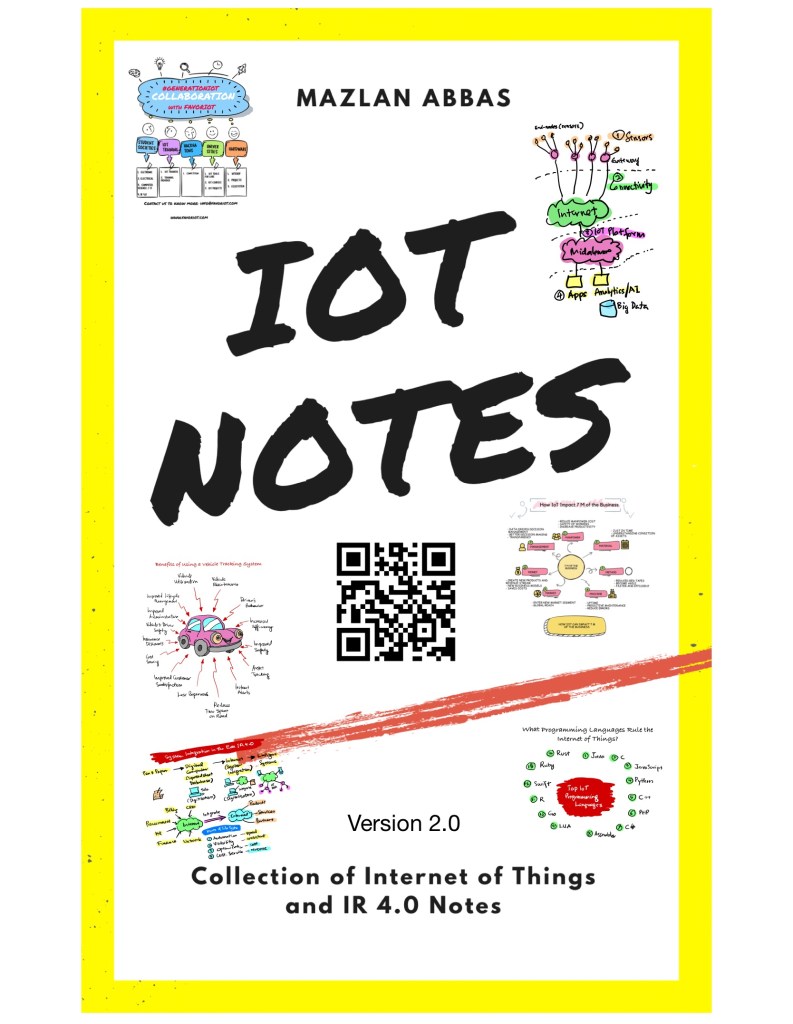
For the past many years, I have received similar questions again and again. Finally, I decided to write simple notes (hand-drawn and with the help of some multimedia tool) regarding IoT.
This can be used for lecture notes or as a simple way to understand IoT. Initially, I made this a paid version, but finally, I decided to make it free for all.
Here’s the link to download – https://bit.ly/3p0gR5K
Note: Don’t forget to download the second eBook entitled “Your IoT Journey” which is also available for free.
And I am in the process of writing the third eBook called “IoT Adventure”. Soon to be published if I have enough energy or encouragement to complete. Thanks, guys, for the support!
The fifth session of the World Digital Economy and Technology Summit 2022 (28-29 June 2022) was centered on creating smart nations, smart cities, and smart industries with an eye on sustainability.
Panelists:
Goh Seok Mei, Executive Director, United Cities, Malaysia
Tirupathi Karthik, Chief Executive Officer, Napier Healthcare Solutions Pte Ltd., Singapore
Mark Thomas, Founder & Managing Director, Serviceworks Group Ltd, New Zealand
Prof. M. Nazri Muhd, Founder & Chairman for the AI World Summit / Founder & Group CEO, MyFinB Group, Singapore
Dr. Guo Wanda, Executive Vice President, China Development Institute (CDI), People’s Republic of China
The session is moderated by Dr. Mazlan Abbas, Co-founder and Chief Executive Officer of FAVORIOT Sdn Bhd, Malaysia.

The IoT Adventure Book by Dr. Mazlan Abbas is a comprehensive guide to the Internet of Things (IoT) world and how it can transform various industries. The book covers the latest IoT applications and shares Dr. Abbas’s experience as an IoT entrepreneur.
The book is divided into sections covering various topics, from IoT applications to IoT challenges and tips. The IoT applications section discusses the potential benefits of IoT in multiple industries, such as supply chains, smart agriculture, smart buildings, and smart mobility. It also explores IoT solutions for flood forecasting, warning, fleet management, and garbage collection.
One attractive section of the book is on Smart Cities, which delves into the opportunities and challenges of using IoT to build more efficient and sustainable cities. It covers citizen engagement, budget allocation, and data monetization.
The book also includes tips and tutorials on developing IoT solutions, selecting the best IoT platform, and creating IoT talents. It provides insights into IoT middleware, IoT ecosystems, and IoT business models, as well as discusses the impact of IoT on the Fourth Industrial Revolution (IR 4.0).
Dr. Abbas’s book is handy for those interested in building IoT solutions, as it offers practical advice on developing IoT projects efficiently and avoiding common pitfalls. It provides insights into the skills required for IoT talent, how to solve IoT project issues in universities, and how to monetize IoT data.
The IoT Adventure Book also covers Generation-IoT, a new generation of young people driving the IoT revolution. It discusses how Generation-IoT can build its own IoT ecosystem and offers expert advice on becoming a successful IoT player.
The book is well-organized and easy to read, with each section covering a specific topic. It is suitable for beginners and advanced readers, providing a comprehensive overview of the IoT industry while diving deeper into particular issues.
One of the book’s strengths is Dr. Abbas’s personal experience as an IoT entrepreneur. He shares his insights and provides practical advice based on his successes and failures. This makes the book more relatable and valuable, especially for those new to the IoT industry.
Overall, The IoT Adventure Book (Sign Up HERE) is a must-read for anyone interested in the Internet of Things. It offers a comprehensive guide to IoT applications, challenges, and tips, while also providing insights into the impact of IoT on various industries. Dr. Abbas’s personal experience as an IoT entrepreneur makes the book more engaging and practical, making it an excellent resource for beginners and advanced readers. IoT Applications
Download other FREE IoT eBooks from Dr. Mazlan Abbas:
Contents of “IoT Adventure” eBook
IoT Adventure Book will delve deeper into the business of IoT. It will also share the experience of being an IoT entrepreneur. Some of the topics have been written in the IoT World Blog. Check out the contents below:
Sign-up – Please inform me of your new IoT Adventure eBook!
How do we gain traction and what do we learn from our early mistakes?
When I was with MIMOS, an R&D Agency under MOSTI, my role was developing wireless technologies, one of which was the Internet of Things, especially in developing new 6LoWPAN standards.
Later, we created new IoT applications but did not think about selling the applications. What are the business models, and who will be the paying customers?
However, when I left the organization and ventured into the telco world, the IoT business became challenging. We cannot apply all theories to the real world.
In the early days of Favoriot, we were very optimistic about the IoT market, and we thought customers were ready to jump into this as soon as they got the opportunity. But nothing is as easy as we thought! We were mesmerized by the number of IoT devices by 2020 and how the organizations will adopt Iot applications.
Here’re our 7 early mistakes and things that we overlooked:
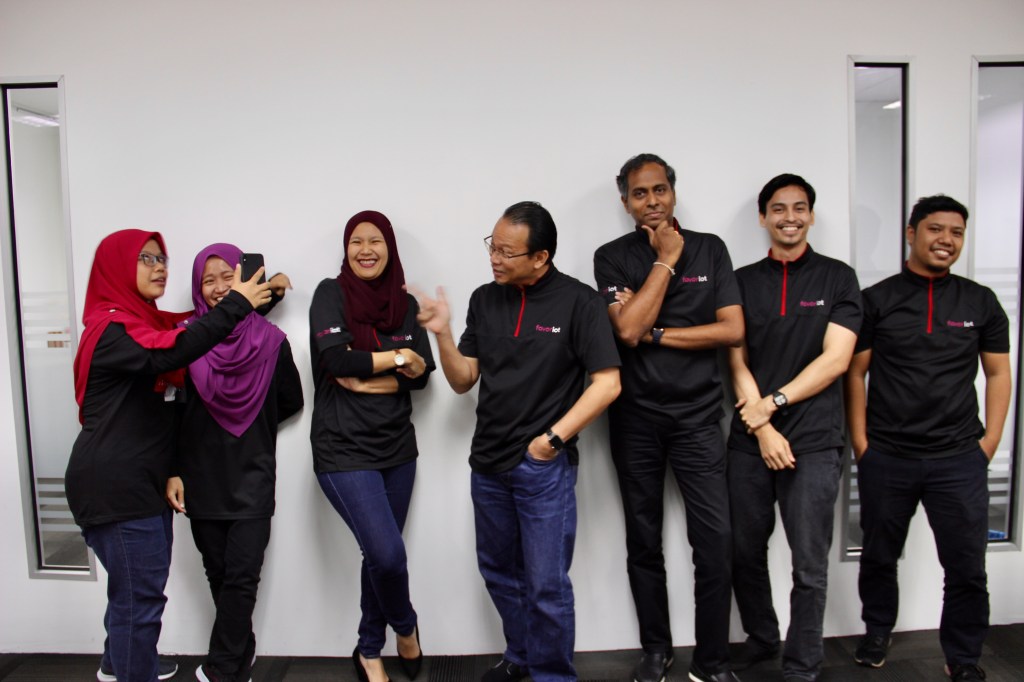
It has been very challenging to promote the usage of our Favoriot IoT because we are new to the market, and most people are aware of other alternatives.
Thus, we set up a strategy to create awareness by promoting the Generation-IoT community to quickly help users start their IoT journey. We take this opportunity to create IoT training courses using the Favoriot IoT platform and bundling with an IoT ecosystem package to the educational institutions.
We went back to the Universities, Colleges, and Polytechnics and help them to refresh their IoT syllabus which suits the industry needs.
Since then, we have managed to groom many trainers, lecturers, and individuals with IoT knowledge and hands-on using Favoriot IoT platform.
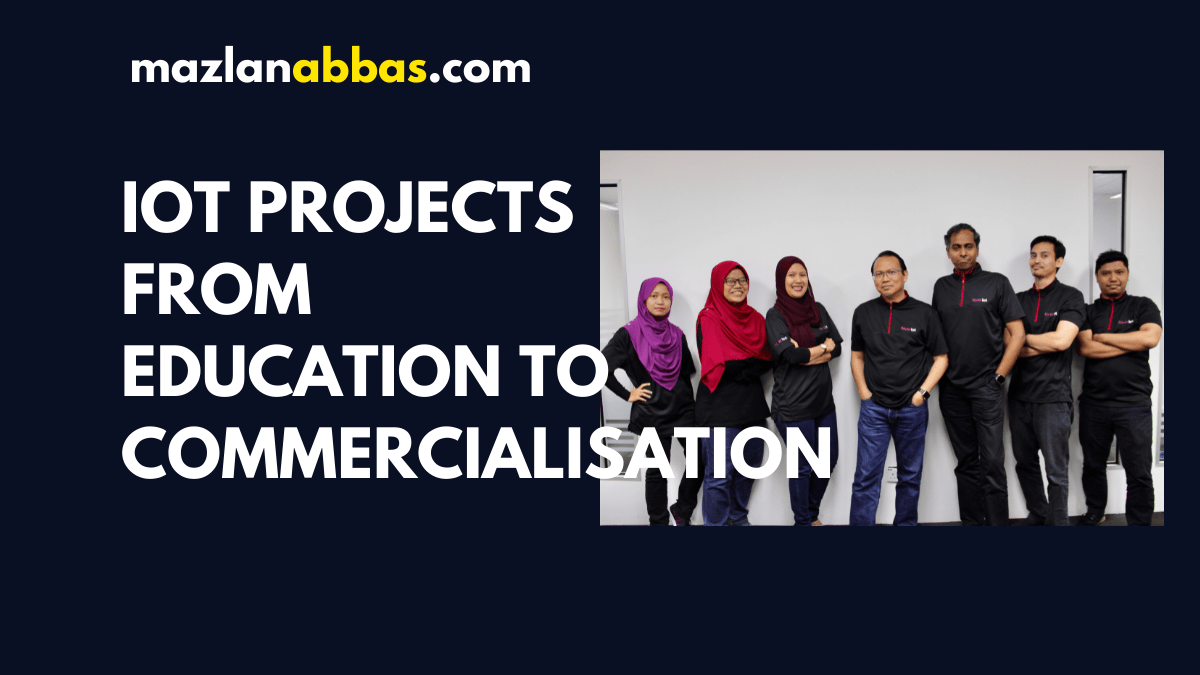
It has become the beginning of our traction from education to the platform’s commercialization. The platform proves to become a better alternative to the existing IoT platforms in the market. We have gained the trust of the industry to become one of the IoT platforms of choice.
The local support and expertise give us a massive advantage to enter into IoT projects. We also teach them how to select the best IoT platform without evaluating hundreds of products in the market.
We regret not taking the education path 3 to 4 years earlier. Otherwise, the IoT landscape would be very different today.
But then, no one expects to connect the dots this way without learning the mistakes we are going through.
Dr. Mazlan Abbas
“Mistakes have the power to turn you into something better than you were before.”
Anonymous
This is part of the real stories about IoT entrepreneurship. Subscribe to IoT Adventure book when it’s available in the future. Read the archive here.
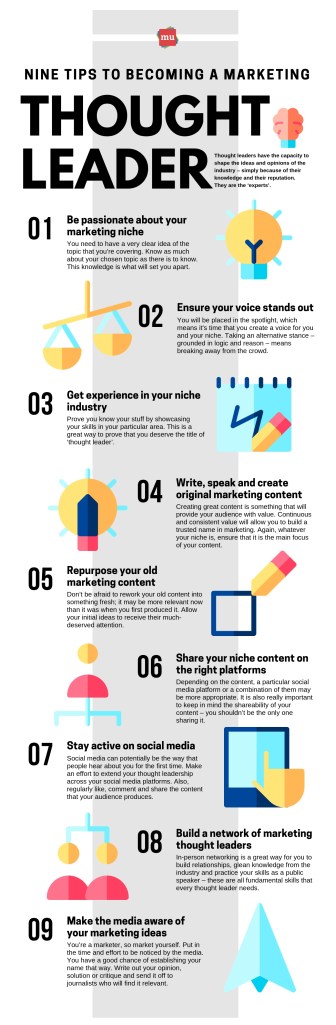
If you’re passionate about your field and know how to stand out, then you can quickly become a thought leader.
You’re passionate about your field, and you know how to stand out. You’ve built a portfolio of work in that area that you’re proud of. Now, you have the chance to show the world how awesome you are. With a little bit of dedication and focus, you can quickly become a thought leader—a person who people look up to and trust for advice.
[bctt tweet=”3 Ways to Become a Thought Leader”]
Here are three (3) ways to become a thought leader:
If you want to become a thought leader on social media, the first thing to do is build a strong following.
There are many ways of doing this, but the most effective ones are:
Get involved with other people’s content and respond to it as well. You can also build your community. Create a group that shares similar interests and join others’ groups. Build relationships – your followers will become your friends, and your friends will become your followers. The more you interact with them, the more likely they will follow you. You may think that you are not good at building relationships, but that is a mistake.
The best way to do this is to have a blog that focuses on the same subject as your podcast. For example, if your podcast is about technology, create a blog about technology-related topics. Then, you can link your podcast to your blog and vice versa. If people read your blog and listen to your podcast, they’re likely to click through and visit your website. I’ve been asked by many newbie bloggers what the difference is between their blogs and my podcasts. And honestly, there isn’t much of a difference.
The third thing to do is to share quality content regularly. To stay consistent and build credibility, you should make sure that the majority of the content you share falls within one category or theme.
If your blog is a mix of many categories, you’re probably going to end up being just another “generic” blog that nobody will read. That said, I suggest that you focus on only one category in your content sharing. You might even want to limit it to two or three. The more categories you add, the less effective your content sharing will be.
The next step is to develop your brand voice, which will be unique to you.
This is a combination of your logo and how you speak about yourself. If you’re a business coach, your brand voice will be different from an entrepreneur’s. The same goes for the voice of your employees. Brand voice can include:
Social media tools allow you to share your content across multiple platforms easily. They can help you create a brand and a reputation that people will trust. This is why it’s so crucial that you have a unique voice and can connect with people. Be authentic to build a reputation for yourself.
This means that you should be willing to share your life experiences, as well as your opinions. You should also be open about your struggles, fears, failures, and successes. You should never make excuses, but you should always be willing to talk about the things that you’ve been through. This is because these things will help you to connect with other people. When people can relate to your experiences, they will be more likely to read your blog and other social media channels.
Related: How to Become a Thought Leader (And Win)
The first way to become a thought leader is to understand that people will follow you if they believe you know something they don’t. The second way to become a thought leader is to use content marketing to spread your thoughts, ideas, and expertise to others. Third, it’s essential to have a voice. Your opinion matters and your voice counts. You may not be able to persuade others to agree with you. However, you can influence them by influencing your audience. People are always listening to their customers, and they’re always looking for new insights into their industry. Be part of the conversation, and people will follow you.
Related article: How to Become a Thought Leader – The Beginning
Here’s my personal story how I began my IoT Thought Leadership journey. From Zero to an Influencer.
Here’s the story.
One of my staff bumped into me, and he mentioned, “Congratulations, Dr. Mazlan, I saw your name as one of the IoT Thought Leaders.“
I was very shocked and asked. “Where did you get the news?” and he said, “I saw in one of the Internet reports.“
He gave me the link, and I quickly viewed the report from Onalytica entitled “The Internet of Tings 2014 – Top 100 Thought Leaders.” Wow! It was a pleasant surprise.
A couple of weeks earlier, I was very depressed and frustrated when my boss did not approve my application to attend IoT Asia 2014. I applied for the trip with two of my staff to attend the first IoT event in the region, yet only two of my staff applications were approved but not mine.
Our organization started the work on IoT almost two years earlier, and I thought this would be my best opportunity to hear from the industry leaders.
But the news that my staff brought to me was very unexpected. I wondered – how do I get to be selected by a prestigious organization like Onalytica?
The news spread very fast in the organization, with many people congratulating me. And one of them is the HR Vice President; she congratulated, “Dr. Mazlan, you are now a Thought Leader. That’s an amazing achievement!“
But since I have never bothered to know what a “Thought Leader is,” I began to wonder what I did to gain that recognition? And what exactly is a Thought Leader?
Onalytica took in all Twitter conversations using the hashtags #IoT and #InternetOfThings and created a network of the top stakeholders discussing the subject. The network diagram of the top 100 is shown below.
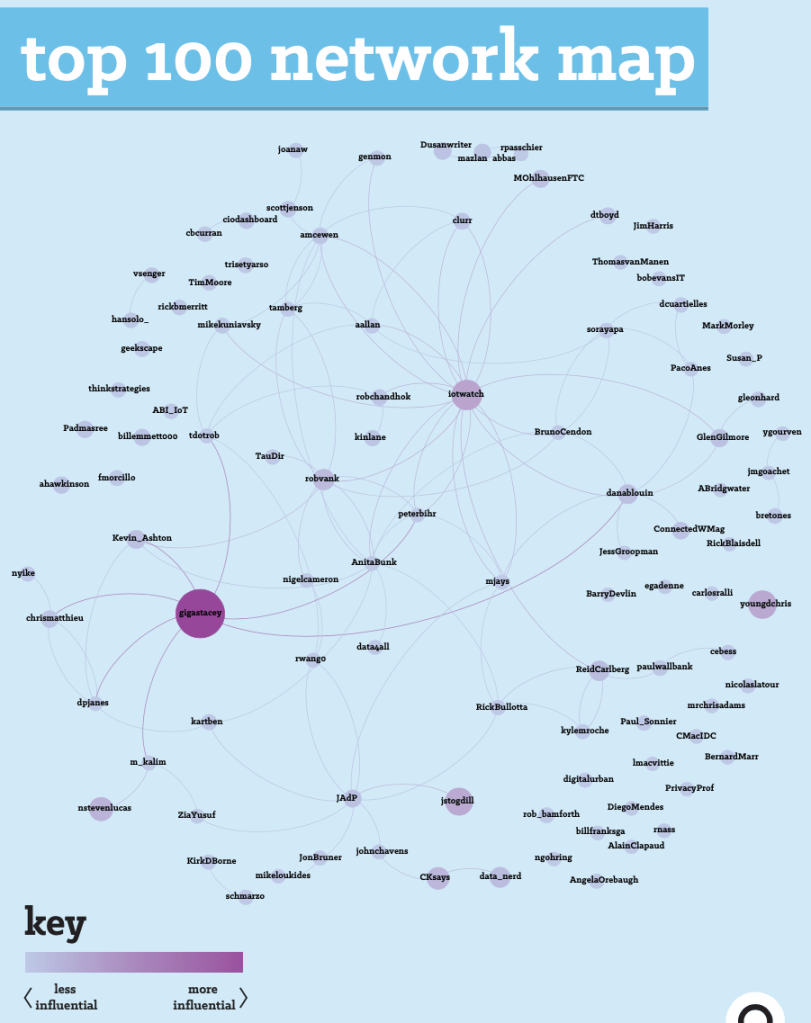
I was thrilled to be ranked No. 20th on the list with Kevin Ashton (Father of IoT ranked 11th). And, of course, very proud to be the only Malaysian (or probably Asian) on the list!

But really, how do I reach that stage? Is it by accident? In a way, most probably the answer is yes, but I didn’t realize that the things I did were actually how a Thought Leader should do – by influencing others.
It started probably 1 or 2 years earlier when my team was working on a research area called Wireless Sensor Network, 6LoWPAN (IPv6 Low Powered Area Network), and Internet of Things (IoT).
And during 2012 to 2014, I was a frequent social media user on LinkedIn and Twitter. Whatever I read on IoT topics, I will share this on Twitter and LinkedIn and use that hashtag #IoT. This includes sharing my thoughts about the industry in IoT.
This was when my circle of influence widened with more Twitter users following my Tweets. That’s how these Tweets are captured and analyzed by Onalytica.
Two years later, in 2016, I was the first Malaysian IoT Speaker in IoT Asia 2016 (“Issues and Challenges of Deploying a Smart Citizen Engagement Solution,” IoT Asia 2016, Singapore Expo, 30-31 March 201). The same event was when my boss rejected my application to attend in 2014. This time, the host invited me to speak with all expenses paid.
That was the beginning of the Thought Leadership journey, whereby I was invited to many speaking engagements as Keynote Speaker, Invited Speaker, TEDx Speaker, and many others. I created an IoT Blog called “IoT World” which became my official channel to share my thoughts and knowledge.
Other than the recognition from Onalytica (Onalytica Report can be downloaded here), I was ranked among Top 50 Global Thought Leaders on the Internet of Things (February 2019) and Digital Disruption (October 2019) by Thinkers360, Top 50 Most Impactful Smart Cities Leaders by World CSR Congress 2017, ranked Top 10 in IoT Top 100 Influencers by Postscapes 2017 & 2018,
It all started with a rejection….. From Zero to an IoT Thought Leader
Dr. Mazlan Abbas
Lifelogging is the act of recording and analyzing your daily activities as a way of finding out more about yourself and your life. By doing this, you can discover hidden patterns in your behavior and life; you can identify your strengths and weaknesses, gain valuable insights into your goals, dreams, and aspirations, and much more. This process has increased your quality of life in many different ways.
There are many benefits to lifelogging. This is one of the most exciting times in the history of humankind. With today’s technology (digital camera and smartphone), you can live forever. The only limit to your health and happiness now is your own imagination! Lifelogging helps you keep a record of your life for you and your family after you are gone.
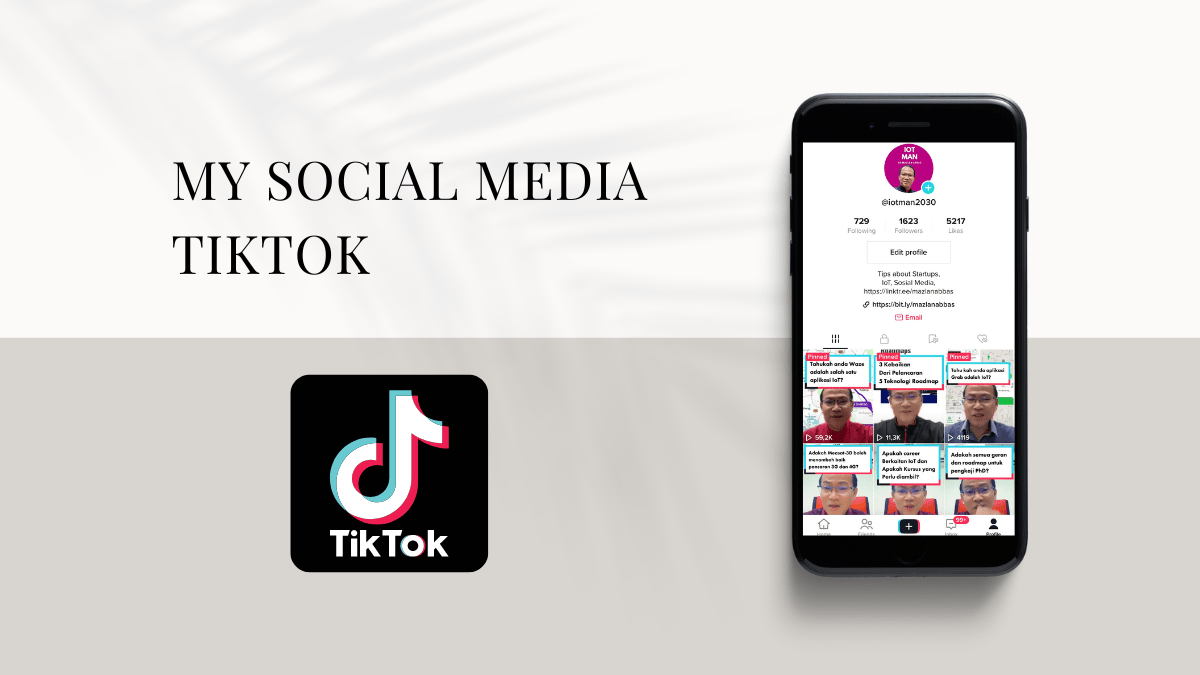
I have been using Gyroscope as my Lifelogging app, and it has recorded my daily activities since 2018. Gyroscope helps you manage the many aspects of your life by giving you an easy-to-use interface to track everything that matters to you. It tracks your days, weeks, months, and years in precise detail. And depending on the apps you integrate with, Gyroscope can bring together your sleep patterns, productivity, fitness activities, and Apple Health data.


One particularly tracking pattern that’s worth looking at is the Number of hours online and whether its productive or not. We can easily observed that pre-Covid (2019), the average online hours is about 1,000 hours as compared during the travelling restrictions and work from home activities. The online activity has increased by 50% !


And if we see how the app tracked the number of places in 2020 and 2021, it was cut down by more than 60%. The physical meetings has now been compensated by the online meetings.

If we subscribed to it’s Premium subscription (Mine is RM 294.90 for Track Pro. There are many types of Subscription options), we have access to much more reports which are beautifully displayed. Although a great number of reports that can be shared in the form of Cards from its mobile app, lot more charts and analysis can be seen from the web portal.






 Dr. Mazlan Abbas