The Day I Stopped My Podcasts

SOCIAL MEDIA INFLUENCER’S SERIES

After more than 100 episodes, I decided to stop. Let me share the eight (8) lessons I learned the hard way.

To be exact — I have created two podcast series. One has 61 episodes, and the other has 103. But why do I stop?

I started these podcasts at the end of 2019. Jom Pakai IoT (or Let’s Do IoT) is an English-language version of a podcast about the Internet of Things. With a similar niche, I also created another Podcast called Startup IoT, but in Malay language version.

Jom Pakai IoT
Startup IoT

I initially built podcasts as a hobby, but in early 2020, the world was shaken by the COVID-19 pandemic, and almost all communications depended online.

For almost two years, many meetings, conferences, and webinars have been held online. I took the opportunity to collect all my webinars and convert them into podcasts.

All of my webinar recordings have been uploaded to an application called “Spotify for Podcasters” (previously known as Anchor). Once uploaded, the podcasts are redistributed to Spotify, Apple Podcasts, Google Podcasts, Overcasts, Amazon Music, and many more using RSS distribution. It’s effortless.

However, when everything is back to normal, webinars are no longer the “thing.” Recording the podcast became more cumbersome, although I purchased a good microphone. However, I was too occupied with other matters and could no longer actively record, edit, or upload to the app.

That’s when I stopped doing podcasting.

I have tested many social media channels, including YouTube, TikTok, and Instagram, to convey my message. All of the channels have different audiences and demographics. Some have failed, and some have succeeded.

View at Medium.comView at Medium.comView at Medium.com


Like all social media channels, managing them can be very exhausting. Especially trying to create new content, editing, and uploading it. It needs a lot of effort to arrange the time to post them. Of course, when I do all of them by myself, it can become very tiring.

If you read the above stories I posted earlier, I began to slow down with all of my social media channels and focus on the most effective one.

Although blogging is not considered a social media channel, it has a good community where we can socialize. The community is very supportive, and everyone has similar interests. Although it’s not as big an audience as traditional social media channels, the interaction can be pretty rewarding when every article can be monetized.


Below are eight (8) lessons I learned using podcasting:

1 — Adaptability is Crucial: The COVID-19 pandemic showed the importance of adaptability in content creation. Transitioning webinar content into podcasts was an innovative way to leverage existing material in a new format.

2 — Technology as an Enabler: Utilizing tools like Spotify for Podcasters (Anchor) demonstrated how technology can effortlessly facilitate content distribution across various platforms.

3 — Sustainability of Efforts: As normalcy returned, the sustainability of podcasting efforts became a challenge. Investing in equipment like a good microphone didn’t necessarily equate to continued enthusiasm or capacity for podcast production.

4—Content Creation Can Be Exhausting: Managing multiple channels requires significant content creation, editing, and uploading effort, which can become overwhelming, especially when done solo.

5 — Audience and Platform Dynamics: Different platforms attract different audiences, and success can vary significantly. For example, your experience showed that you could earn substantially more on Medium than TikTok or YouTube, highlighting the importance of understanding platform-specific dynamics and audience preferences.

6 — Selective Focus Can Lead to Better Outcomes: Reducing the number of platforms you actively engage will allow you to concentrate on the most effective ones, leading to more sustainable and rewarding outcomes.

7 — Community Engagement Over Size: While traditional social media channels offer larger audiences, platforms like blogging can provide more meaningful engagement with a supportive community interested in similar topics.

8 — Monetization Varies Across Platforms: The potential to monetize content can differ dramatically across platforms, as demonstrated by your experiences with Medium versus other social media.


Remember to Subscribe to receive email updates on every post I publish.

Resonate — Book Review

BOOK REVIEWS BY MAZLAN ABBAS

Transforming your presentations into compelling narratives that captivate and inspire.

Resonate

Not a paid member? Click here to read the full review for free.

Imagine standing before an audience, palpable anticipation hanging in the air, and delivering a powerful and engaging presentation that leaves a lasting impact, urging your audience toward action.

This is the promise of Nancy Duarte’s “Resonate: Present Visual Stories that Transform Audiences,” a book that offers the tools to turn the all-too-common dull presentations into compelling narratives that captivate and inspire.

The Heart of “Resonate”: Audience-Centric Storytelling

At the core of “Resonate” is a profound shift in perspective: the audience as the hero of your presentation story.

Duarte challenges you to rethink your role as a presenter.

Transform from the spotlight-seeking hero into a wise mentor who guides the audience on their journey.

This paradigm shift is crucial.

By placing the audience at the center of your narrative, you make your message about them, their problems, and their solutions, which significantly heightens engagement and impact.

Crafting a Narrative: The Power of Story

Duarte adeptly draws parallels between effective presentations and captivating storytelling, advocating for a structure that mirrors the classic narrative journey — introducing a relatable hero (your audience), presenting a conflict (the problem at hand), exploring rising action (the buildup of your argument or data), and culminating in a climactic resolution (your proposed solution or call to action).

Through this framework, “Resonate” implores you to weave your data, insights, and bullet points into a compelling story that resonates emotionally.

After all, humans are wired to respond to stories — they are how we make sense of the world.

Duarte provides the tools to harness this natural inclination, transforming your presentations into memorable narratives that inspire and mobilize.

Visual Communication: Enhancing Your Message

Recognizing the adage that a picture is worth a thousand words, Duarte delves into the critical role of visual elements in enhancing your message and engaging your audience.

“Resonate” isn’t just about what you say; it’s equally about how you convey your message visually.

The book offers insightful guidance on creating visuals that complement and amplify your narrative, ensuring your key points are impactful and memorable.

Audience Engagement: The Ultimate Goal

Duarte’s method is designed to achieve one ultimate goal: moving your audience to action.

Whether you aim to inspire change, sell a product, or convey important information, “Resonate” provides a blueprint for crafting presentations that hold attention, persuade, and motivate.

By the end of the book, you’ll understand that the accurate measure of a successful presentation isn’t applause; it’s action.

Applying “Resonate” Principles: A Practical Guide

Resonate” isn’t merely theoretical — it’s eminently practical. Duarte equips you with actionable strategies and exercises to apply her principles to your presentations.

From structuring your narrative to designing your slides, each chapter offers concrete steps you can take to transform your presentations from mundane to mesmerizing.

Why “Resonate” Is Essential Reading

In today’s world, where attention is the new currency, your ability to engage and influence your audience is more crucial than ever.

Resonate” goes beyond conventional presentation advice, offering a nuanced approach to crafting messages that genuinely connect and make a difference.

Whether you’re a seasoned speaker or new to the podium, Duarte’s insights can elevate your presentation skills, making your messages heard, felt, and acted upon.

Resonate

In Conclusion

In “Resonate,” Nancy Duarte offers a masterclass in presentation craft, providing a profound understanding of connecting with your audience and catalyzing change.

By embracing the book’s principles, you’ll be equipped to transform your presentations into dynamic, impactful experiences that inform, inspire, and resonate.

With Duarte’s guidance, you can ascend from merely sharing information to truly moving your audience, establishing a connection that transcends the confines of the conference room or auditorium.

Ultimately, “Resonate” empowers you to leave your audiences informed and transformed, ready to take the action you advocate.


Use my affiliate link to grab this “Resonate,” book from Amazon.


More book reviews by Mazlan Abbas:

View at Medium.comView at Medium.comView at Medium.comView at Medium.com

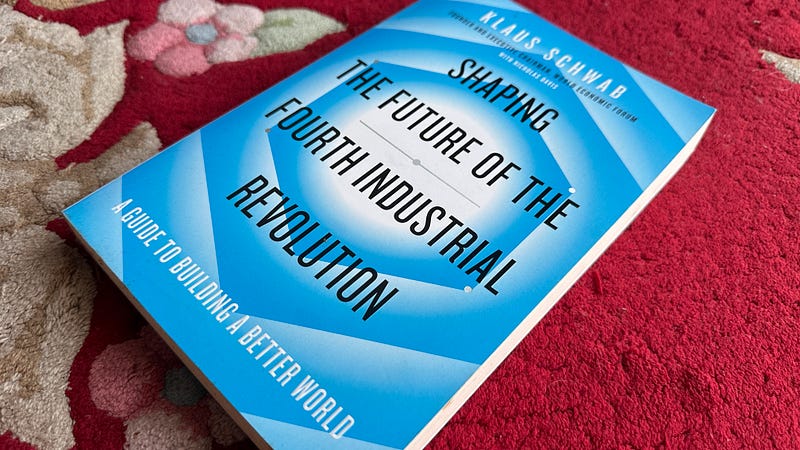
Shaping the Future of the Fourth Industrial Revolution — Book Review

BOOK REVIEWS BY MAZLAN ABBAS

Offering nuanced insights into how these changes will redefine humanity and your place within it.

Shaping the Future of the Fourth Industrial Revolution

Not a paid member? Click here to read the full review for free.

As you stand at the cusp of the Fourth Industrial Revolution, a transformative era that melds the physical, digital, and biological worlds, it’s imperative to understand the vast implications of this seismic shift.

Shaping the Future of the Fourth Industrial Revolution,” by Klaus Schwab with Nicholas Davis, serves as your compass in this uncharted territory, offering nuanced insights into how these changes will redefine humanity and your place.

Understanding the Fourth Industrial Revolution

At the heart of this revolution are breakthroughs that blur the lines between what’s human and technological, organic and artificial.

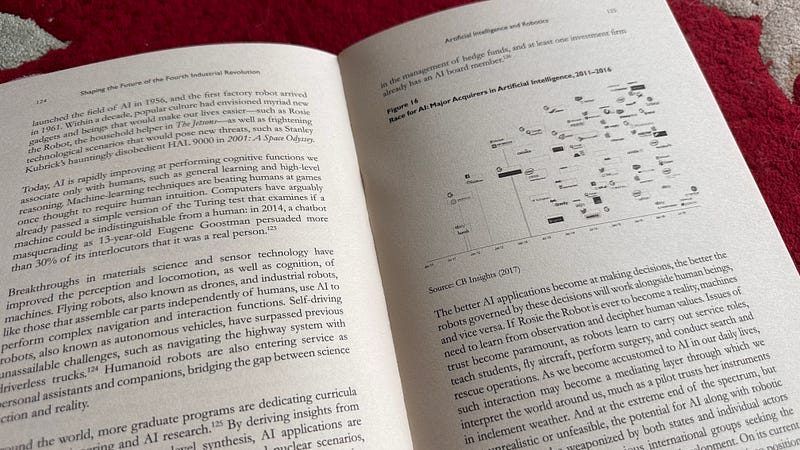
Schwab and Davis meticulously outline the driving forces behind these changes, emphasizing how intertwined advancements in artificial intelligence (AI), robotics, the Internet of Things (IoT), and biotechnology pave the way for unprecedented transformations.

But what does this mean for you?

The authors argue that these technologies are not mere tools but collaborators in shaping your reality, urging you to engage with these advancements proactively rather than passively observing them unfold.

The Human Element in Technological Evolution

One of the book’s core messages is maintaining the human element amidst rapid technological change.

Schwab and Davis encourage you to ponder ethical considerations, societal impacts, and the potential for human enhancement, stressing that technology should augment rather than diminish human values and capabilities.

This focus on humanity serves as a crucial reminder: while you may leverage technology to drive progress, preserving human dignity and values is paramount.

It’s a call to action for you to participate in shaping a future where technology amplifies the best of humanity.

Actionable Insights for Diverse Stakeholders

Whether you’re a business leader, policymaker, or citizen, the book delineates actionable steps for navigating and influencing the trajectory of technological advancement.

Schwab and Davis highlight the importance of interdisciplinary collaboration, emphasizing that contributions from across sectors are vital for a balanced and inclusive future.

The detailed exploration of technology areas — from AI to biotechnologies — equips you with a comprehensive understanding, enabling you to make informed decisions and advocate for responsible innovation in your respective fields.

The Role of Governance and Ethics

As you delve deeper into the book, you’ll encounter discussions on governance frameworks and ethical considerations, underscoring the necessity of robust policies to steer technological deployment for the common good.

Schwab and Davis advocate for agile governance — responsive yet responsible regulatory frameworks that adapt to fast-paced innovation while safeguarding societal values.

This emphasis on governance resonates deeply.

I urge you to consider how laws, regulations, and ethical guidelines can shape the development and application of emerging technologies, ensuring they serve humanity’s broader interests.

Empowering Yourself in a Transformative Era

Shaping the Fourth Industrial Revolution” empowers you with knowledge and challenges you to take an active role in this era of transformation.

The authors inspire you to engage with technology thoughtfully, harnessing its potential to address global challenges while being mindful of its implications on the fabric of society.

The book is not just a guide but a clarion call to influence the future proactively.

By understanding the interplay of technologies and their societal impacts, you’re better equipped to contribute to a future that reflects collective aspirations and values.

Your Role in Shaping the Future

Ultimately, the book conveys a sense of agency and responsibility.

The Fourth Industrial Revolution offers a canvas on which the future will be painted.

Your actions, decisions, and advocacy can significantly influence how this future unfolds, ensuring a shared vision of prosperity, sustainability, and inclusivity shapes it.

Shaping the Future of the Fourth Industrial Revolution

In Conclusion

Shaping the Future of the Fourth Industrial Revolution” is essential for anyone eager to understand the profound changes reshaping our world and keen to play a part in directing this transformation.

Klaus Schwab and Nicholas Davis provide a roadmap and a call to ethical action, urging you to engage with technology thoughtfully to craft a future that upholds and celebrates our shared humanity.

In this era of immense change, your awareness, engagement, and decision-making are pivotal.

The book equips you with the knowledge to navigate these shifts.

It advocates for a future where technology serves humanity, enhancing our lives while preserving our values.

As you turn the final page, remember that the future is not something that happens to you but something you can actively shape.


Use my affiliate link to purchase this book, Shaping the Future of the Fourth Industrial Revolution, at Amazon.


More book reviews by Mazlan Abbas:

View at Medium.comView at Medium.comView at Medium.com

The Day I Gave Up My Instagram

SOCIAL INFLUENCER’S SERIES

After 4,670 posts… I decided to pull the plug.

Photo by Souvik Banerjee on Unsplash

Not a paid member? Click here to read the full story for free.

This is my second IG account.

The first IG account was “hijacked” by someone else using photos. I tried to complain to IG support, but instead of blocking that person’s account, IG blocked my original account.

That account was very active, and I had real friends, but I lost all of them. Later, I decided to create a new one in 2021.

As much as I tried to get back my old friends, but not many came back.

I tried to post various content, including everyday activities, photos of my travel, republished videos from TikTok, and more.

Weirdly, the followers of my IG aren’t the same as my TikTok. I can get many views and followers from TikTok but not from IG. They seem to be in a different world altogether.

I have tried using Stories and Reels with all the possible Internet tips, but nothing works. Only a handful like my posts—most of the time, it will be 1–3 likes—and there are almost no comments.

Author’s IG — I tried many kinds of posts, but none have good traction.

Today, I decided to pull the plug. As someone who has been trying different social media channels, here’s what I have learned (the hard way):

  1. Platform Specialization: Focus on your strengths on specific platforms rather than spreading yourself too thin. Identify where your content resonates the most and concentrate your efforts there.
  2. Diverse Audience Dynamics: Social media platforms have distinct audiences with varying preferences, leading to different impacts for influencers across platforms.
  3. Content Adaptability: Social media content success depends on the platform. Strategies that work on TikTok may not work on Instagram. Tailored content strategies are necessary.
  4. Engagement and Feedback: Engagement metrics (likes, comments) can serve as vital feedback, indicating how well content resonates with the audience. A lack of engagement might signal the need for a strategic pivot or content reassessment.
  5. Strategic Patience and Pivot: Patience is vital in building a presence on any platform, but recognizing when efforts are futile and when to pivot is equally essential. A time-bound approach to evaluating and shifting strategies can prevent wasted efforts.
  6. Content Authenticity vs. Platform Trends: Don’t compromise on authenticity while following platform trends like IG’s Stories and Reels. Authentic content resonates more with audiences.
  7. Exploration of Alternative Platforms: If one platform isn’t working, try switching to a different one. For example, switch from image/video platforms to writing-focused ones.
  8. Resilience in Adversity: Account hijacking is discouraging, but bouncing back shows determination.
  9. Acknowledgment of Unique Influencer Paths: No two influencer journeys are the same. Recognizing that one’s path might differ from others, even within the same niche, can help maintain focus and authenticity.

Remember to Subscribe to receive email updates on every post I publish.

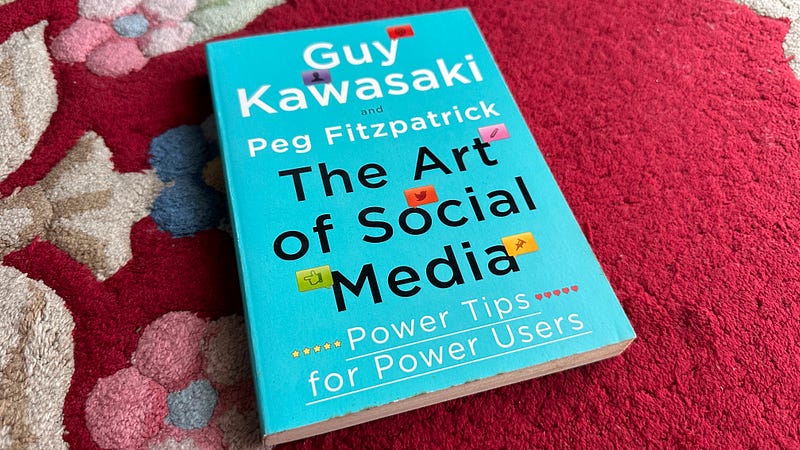
The Art of Social Media: Power Tips for Power Users — Book Review

BOOK REVIEWS BY MAZLAN ABBAS

Oscillating between addiction and fatigue

The Art of Social Media: Power Tips for Power Users

Not a paid member yet? Click here to read the full story for free.

The Art of Social Media: Power Tips for Power Users” by Guy Kawasaki and Peg Fitzpatrick emerges as a beacon for navigating the tumultuous seas of social media.

As someone deeply immersed in these platforms, I find myself oscillating between addiction and fatigue, a duality that speaks to the power and peril of our connected world.

My Addiction to Social Media: A Personal Confession

My journey with social media started innocently enough as a means to connect and share. However, it soon morphed into an insatiable addiction. Every like, share, and comment became a dopamine hit, reinforcing my need to stay connected.

Kawasaki and Fitzpatrick’s book landed in my hands at a time when I was beginning to question this obsession.

Their insights offered me a mirror, reflecting both the strategic brilliance and the potential pitfalls of social media engagement.

The authors’ profound experience cuts through the noise, offering actionable advice that resonates with both novices and veterans.

Kawasaki, a tech legend, and Fitzpatrick, a social media maestro, blend their knowledge seamlessly, delivering a narrative that is both educational and engaging.

Learning the Right Way: Strategic Engagement

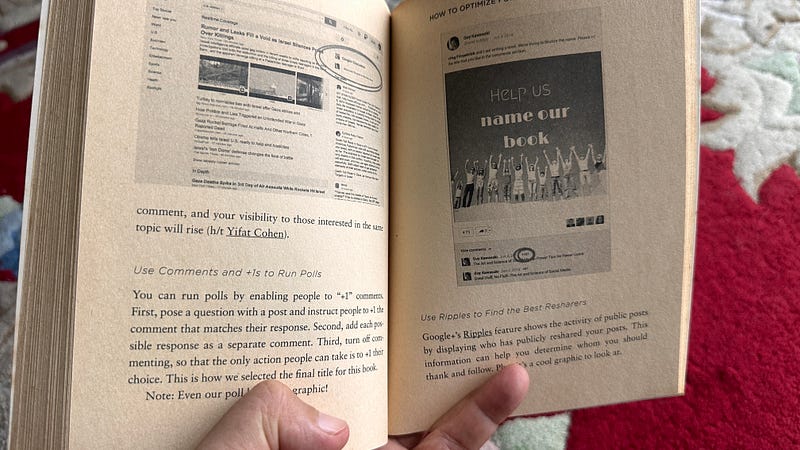
What captivated me most about the book was its structured approach to social media. The authors advocate for purposeful engagement, urging readers to build a solid foundation before venturing into the expansive digital ecosystem.

Their emphasis on creating compelling content and fostering authentic connections echoed my desire to find meaning amidst the chaos.

As I delved deeper, I realized that my addiction stemmed from a lack of strategy.

I was engaging haphazardly, without a clear objective.

The book’s emphasis on goal-oriented activity and its plethora of tips and insights provided a roadmap to navigate social media more mindfully.

Dealing with Social Media Fatigue: Finding Balance

Despite the allure of constant connectivity, social media fatigue is a reality I grapple with. The constant stream of updates, opinions, and notifications can be overwhelming and lead to burnout.

Here, the book offered a lifeline, emphasizing the importance of digital detoxes and mindful consumption.

Kawasaki and Fitzpatrick do not shy away from addressing social media’s darker facets.

Their candid discussions around digital wellness resonated with me, underscoring the need for balance.

By adopting some of their suggested practices, I regained control and enjoyed social media without being consumed by it.

Impact on Professional Growth: A Testament to Success

On a professional level, the book has been transformative. In social media, where everyone clamors to be heard, the authors’ strategies have helped me amplify my voice.

Their insights into building a digital brand have been particularly impactful, enabling me to leverage social media for career advancement.

Furthermore, the book’s focus on analytics and optimization resonated with my analytical side.

By applying their methods, I’ve measured my impact, refined my approach, and achieved tangible results.

The Art of Social Media: Power Tips for Power Users

A Must-Read for Digital Navigators

In conclusion, “The Art of Social Media: Power Tips for Power Users” is more than just a manual; it’s a compass for navigating the complex landscape of digital interaction.

For someone like me, caught between addiction and exhaustion, Kawasaki and Fitzpatrick’s guidance has been invaluable.

Whether you’re a social media specialist or a weary digital netizen, this book offers wisdom on positively harnessing online platforms’ power.

It’s a testament to the authors’ expertise and a crucial resource for anyone looking to master the art of social media engagement.

This book shines a light on how to navigate the digital world with purpose and mindfulness, where online presence is key to achieving success.


Use my affiliate link to purchase this book, “The Art of Social Media: Power Tips for Power Users,” from Amazon.


More book reviews by Mazlan Abbas:

View at Medium.comView at Medium.comView at Medium.com


Remember to Subscribe to receive email updates on every post I publish.

The Day I Overcome the Fear of Public Speaking and Become a Keynote Speaker

SELF-IMPROVEMENT

If I can do it, you can too.

Photo by Product School on Unsplash

Not a paid member? Click here to read the full story for free.

Who isn’t intimidated by public speaking? Anyone who has gone through it would agree: “It is an unforgettable experience, especially the first time.” What about my experience? How did I reach the level of becoming a “Keynote Speaker”? Here’s my journey.

Even though my first job was as a lecturer, many would assume that speaking in public would come naturally to me, given that teaching involves daily presentations to students.

Photo by Miguel Henriques on Unsplash

However, lecturing in front of students and speaking to a broader audience at an international conference are profoundly different experiences.

In my case, delivering lectures to students, speaking at significant international conferences, or appearing on TV required solid confidence.

Building self-esteem and confidence and overcoming fear had to be a step-by-step process.

Without these experiences, I might never have dared to appear on a live TV show.

Photo by Austin Distel on Unsplash

Stages I Went Through

Here are the stages I underwent in my journey to becoming a proficient public speaker:

Lectures at the University Level

  • Initially, my audience was just students, which helped me hone my basic presentation skills.

Participating in Domestic and International Conferences (Technical)

  • Presenting at these events enhanced my ability to communicate complex ideas succinctly.

Invited Lectures Domestically and Internationally

  • These opportunities broadened my horizons and exposed me to diverse audiences.

Keynote Addresses

  • Delivering keynote speeches was a significant milestone that tested my ability to engage and inspire larger audiences.

Panel Moderator

  • Moderating discussions taught me to think on my feet and facilitate meaningful conversations.

Panel Member (Scripted and Unscripted)

  • Participating in panels improved my ability to articulate thoughts clearly and respond to impromptu questions.

YouTube Channel Contributions

  • Creating content for YouTube offered me a platform to refine my message and deliver it to digital audiences.

TV Program Segment

  • Appearing on pre-recorded TV segments helped me get comfortable with cameras and studio environments.

Radio Programs

  • Radio appearances sharpened my vocal delivery and timing.

Live TV Show

  • Live television was the ultimate test of my ability to maintain composure and engage with the audience and the hosts in real time.
Photo by Product School on Unsplash

Overcoming Confidence Issues in Public Speaking

Here’s how I tackled confidence issues when facing the public:

Tailoring PowerPoint Slides

  • Designing slides that resonate with the audience’s tastes (graphics and content) is crucial.

Choosing Engaging Topics

  • I focus on finding topics that captivate and hold the audience’s attention.

Delving into Current Issues

  • Staying informed on contemporary issues makes your content relevant and engaging.

Frequent Practice

  • Regularly giving speeches is vital to building and maintaining confidence.

Engaging with the Audience

  • Making eye contact and speaking directly to each individual creates a personal connection.

Creating Mind Maps

  • Developing mind maps helps in connecting various aspects of the topic coherently.

Early Preparation

  • Preparing weeks in advance allows for thorough research and practice.

Updating Slides

  • I continually refine my PowerPoint slides until the last minute to ensure they’re current and impactful.

Arriving Early

  • Mingling with attendees before the presentation helps establish a rapport and eases nerves.

Relating Topics to the Conference Theme

  • I ensure my speeches align with the overarching theme for coherence and relevance.

Being Casual and Storytelling

  • Adopting a relaxed demeanor and incorporating storytelling makes the presentation more engaging and relatable.

Injecting Humor

  • A bit of humor can lighten the atmosphere and make the speech more memorable.

Throughout my journey, I learned that effective public speaking requires understanding your material and your audience and how to connect with them meaningfully.

By breaking down the process into manageable steps and continuously seeking opportunities to speak, I transformed the daunting task of public speaking into an enjoyable and fulfilling aspect of my career.

Whether addressing a small seminar or delivering a keynote at a large conference, the core principles of preparation, engagement, and genuine interaction have been my keys to success.


View at Medium.com

The Tech Entrepreneur’s Survival Guide by Bernd Schoner — Book Review

BOOK REVIEWS BY MAZLAN ABBAS

It is more than a book; it’s a companion for the tech entrepreneur’s journey.

Not a member? Click here to read the full book review for free.

Embarking on the journey of building a startup in the volatile tech industry is like navigating through stormy seas. As the co-founder and CEO of FAVORIOT Sdn Bhd, I truly resonate with this metaphor, as our journey has seen its share of highs and lows.

Bernd Schoner’s “The Tech Entrepreneur’s Survival Guide” resonated deeply with me. It offered a mirror to reflect on past experiences and a map to navigate upcoming challenges.

Photo by Austin Distel on Unsplash

The book begins with a grounding reality: most technology startups will not reach the funding stage, and even fewer will provide returns or reach a successful exit.

This sobering reminder parallels my initial days at FAVORIOT, where the daunting statistics against startup success tempered the excitement of pioneering in IoT and smart cities.

Schoner, having himself navigated a tech startup from inception through to a lucrative exit, provides not just advice but lived experiences, imbuing the text with authenticity and relevance.

Photo by Austin Distel on Unsplash

Schoner delves into the crucial early stages of a startup, emphasizing team building, asset assembly, and legal and financial groundwork.

His advice on these foundational activities echoes my early focus at FAVORIOT, where assembling a team aligned with our mission was paramount.

The emphasis on securing intellectual property and establishing robust legal frameworks mirrored our approach, ensuring our innovative solutions were protected and our business was built on solid ground.

Photo by Pepi Stojanovski on Unsplash

Venture capital (VC) financing is another critical area Schoner addresses.

His insights into navigating term sheets, pitching to investors, and the inevitable pursuit of additional funding were particularly pertinent.

Though unique, my journey with FAVORIOT had parallels in the relentless quest for capital to fuel growth and sustain innovation. Schoner’s pragmatic advice and candid recounting of his experiences provided a cautionary tale and a strategy guide for engaging with VCs.

Perhaps most resonant for me was the discussion on exits.

Photo by Zac Durant on Unsplash

While FAVORIOT is still navigating its path, understanding the intricacies of a successful exit — whether through acquisition or other means — is invaluable.

Schoner’s detailed account of preparing for and executing an exit strategy offers guidance and frames such outcomes as a transition rather than an end, a perspective that aligns with my view of entrepreneurial ventures as stages in a more significant journey.

Schoner’s style — direct, candid, and occasionally humorous — makes the book not just an educational resource but also an engaging read.

His ability to distill complex situations into actionable advice is commendable, and his inclusion of diverse scenarios ensures the book’s relevance to a broad spectrum of tech entrepreneurs.


In conclusion, “The Tech Entrepreneur’s Survival Guide” is more than a book; it’s a companion for the tech entrepreneur’s journey.

It validated past decisions, offered insights into current challenges, and prepared me for future obstacles.

Its lessons are theoretical and grounded in the real-world trials and triumphs of someone who has walked the path.

For any tech entrepreneur, whether leading a nascent startup or steering a more established venture through turbulent waters, Schoner’s guide is an indispensable resource, providing wisdom, caution, and encouragement in equal measure.

Reflecting on my path with FAVORIOT and considering the journey ahead, I am grateful for Schoner’s guideposts and cautionary tales.

His book affirms the resilience required in the tech sector and celebrates the entrepreneurial spirit, encouraging perseverance, adaptability, and a steadfast commitment to innovation and excellence.


You can use my affiliate link to get this book, “The Tech Entrepreneur’s Survival Guide,” from Amazon.

Hands-on ESP32 with Arduino IDE— Book Review

BOOK REVIEWS BY MAZLAN ABBAS

A comprehensive guide that facilitates a deep understanding of IoT concepts and their application.

Hands-on ESP32 with Arduino IDE

Not a paid member yet? Click here to read the full review for free.

As we enter the world of the Internet of Things (IoT), a robust educational resource can profoundly illuminate the journey of learning and application.

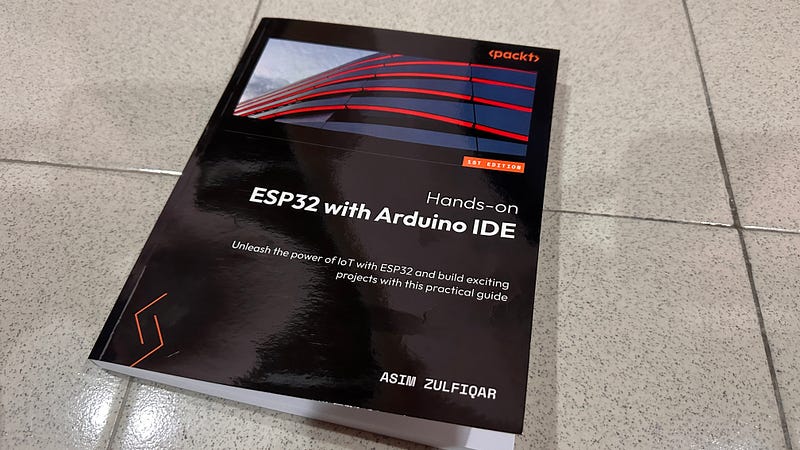
Hands-on ESP32 with Arduino IDE: Unleash the power of IoT with ESP32 and build exciting projects with this practical guide,” by Asim Zulfiqar proves to be a resource. It offers a practical, insightful guide that you, as an educator, can leverage to illuminate the path for your students.

Here’s an in-depth exploration of why this book is a guiding light for those keen to venture into the IoT realm.

Foundation Building: Grasping the Basics

Right from the outset, the book establishes a firm foundation in IoT development by introducing you to the ESP32 microcontroller and the Arduino IDE 2.0.

This initial grounding is crucial whether you guide students through their first IoT project or advance your knowledge.

Zulfiqar’s clarity in addressing these basics ensures you’re well-equipped to tackle more complex topics, laying a robust groundwork for further exploration.

Hands-on Learning: Interfacing and Integration

One of the book’s standout features is its focus on practical, hands-on learning, mainly through interfacing ESP32 with various components.

These sections not only elucidate the ‘how’ but also delve into the ‘why,’ enabling you to understand the underlying principles and their real-world applications.

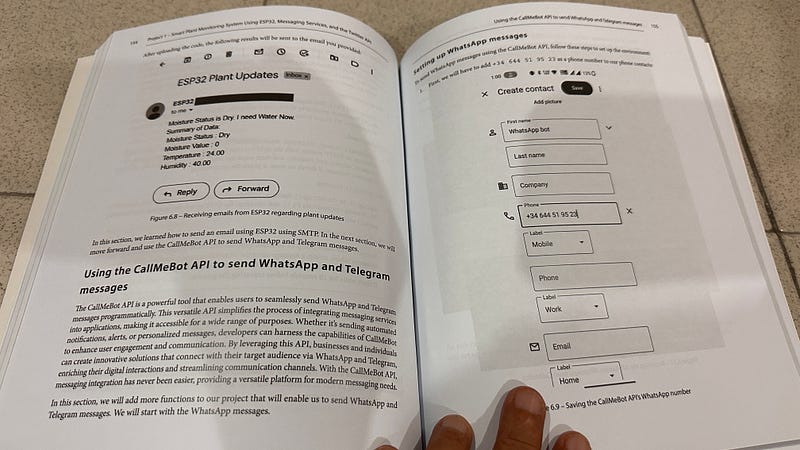
The book provides step-by-step guidance for interfacing sensors and incorporating ESP32 camera and display modules, making complex procedures accessible and engaging.

Exploring IoT Protocols: Deepening Your Understanding

As you progress further, the book offers an in-depth look at IoT protocols, a critical aspect for anyone looking to design robust IoT systems.

Understanding these protocols is essential for ensuring effective communication and data exchange in IoT devices.

Zulfiqar’s explanations help you grasp these concepts thoroughly, equipping you to choose the proper protocol for your specific project needs, an invaluable skill in the practical IoT landscape.

Project Implementation: Applying What You’ve Learned

The application is the actual test of understanding, and “Hands-on ESP32 with Arduino IDE” excels at transitioning from theory to practice.

The book presents a series of projects that gradually increase complexity, allowing you to apply your newly acquired knowledge in real-world scenarios.

These projects reinforce learning and inspire innovation, encouraging you to think creatively and solve practical problems.

Empowering Your IoT Adventure

What sets this book apart is its ability to empower.

As readers immerse themselves in its contents, they will experience a boost in confidence, not only in mastering the intricacies of ESP32 and Arduino IDE 2.0 but also in conceptualizing and executing their IoT projects.

This book is a comprehensive guide for educators, facilitating student learning and providing an engaging, effective, structured approach to teaching IoT.

Accessibility and Inclusivity: A Book for All

While “Hands-on ESP32 with Arduino IDE” is technically detailed, its structured and clear presentation makes it accessible to a broad audience.

Whether you are a beginner taking your first steps in IoT or an advanced learner seeking to enhance your skills, the book offers informative and engaging content.

Hands-on ESP32 with Arduino IDE

A Cornerstone for IoT Learning

In conclusion, “Hands-on ESP32 with Arduino IDE” by Asim Zulfiqar is more than just a textbook; it’s a comprehensive guide that facilitates a deep understanding of IoT concepts and their application.

Whether you are an educator seeking to enhance your curriculum or a student embarking on your IoT journey, this book equips you with the tools, insights, and inspiration needed to navigate the world of IoT with confidence.

Through its practical examples, in-depth discussions, and accessible content, it stands out as an essential resource for anyone keen on delving into the exciting world of IoT with ESP32.


Get this book, “Hands-on ESP32 with Arduino IDE,” by Asim Zulfiqar from Packt.

Or use my affiliate link to get this book from Amazon.


More book reviews from Packt by Mazlan Abbas:

1 — Arduino IoT Cloud for Developers — Book Review

View at Medium.com

2 — Internet of Things from Scratch — Book Review

View at Medium.com

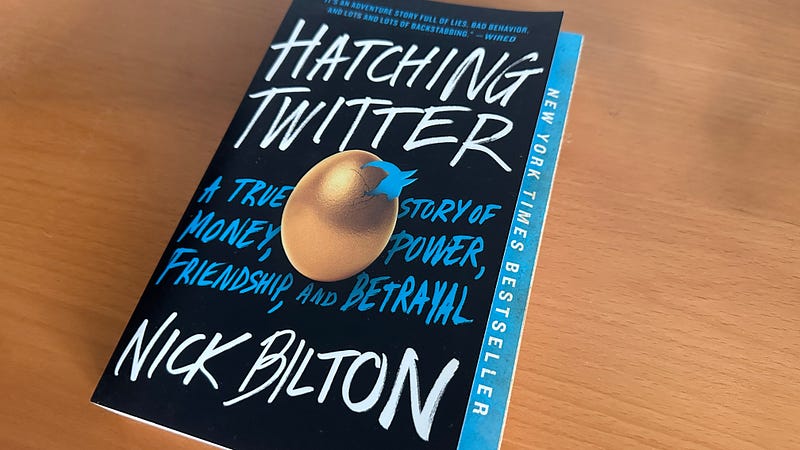
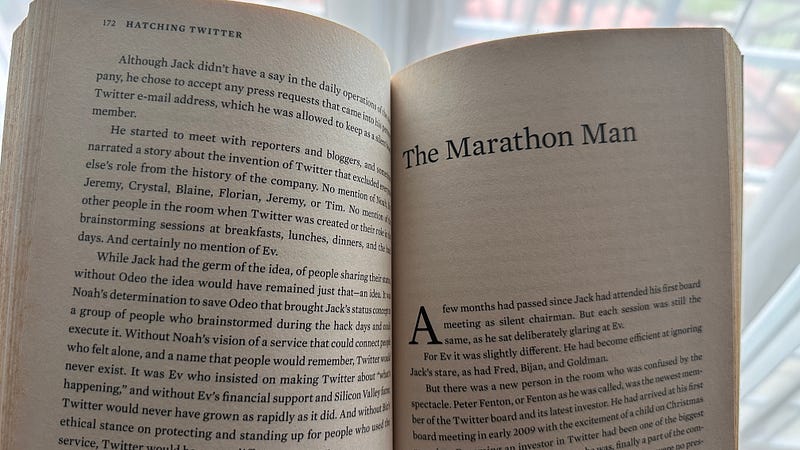
Hatching Twitter: A True Story of Money, Power, Friendship, and Betrayal — Book Review

BOOK REVIEWS BY MAZLAN ABBAS

The book outlines the origins of Twitter, a company that became a global phenomenon.

Hatching Twitter

Not a member? Click here to read the full story for free.

Reading Nick Bilton’s “Hatching Twitter” was an enlightening experience that resonated deeply with my entrepreneurial journey and the growth of FAVORIOT.

Bilton’s captivating narrative on Twitter’s inception and tumultuous rise offers invaluable insights into the volatile nature of tech startups, which I found particularly relevant given my background in IoT and smart cities.

The book outlines the origins of Twitter, a company that became a global phenomenon, but not without its share of internal strife and external challenges.

Photo by Alexander Shatov on Unsplash

The founders, Ev Williams, Jack Dorsey, Biz Stone, and Noah Glass, are portrayed with all their genius and flaws, navigating through a labyrinth of personal and professional obstacles.

Their experiences are a testament to innovation seldom being a smooth journey.

One of the book’s key takeaways was the importance of clear vision and leadership.

In my early days at FAVORIOT, defining and adhering to our core mission was crucial despite rapid technological changes and market demands.

Photo by Yucel Moran on Unsplash

The story of Twitter’s leadership struggles, especially the shifting roles of Dorsey and Williams, underscored how essential steadfast leadership is to a startup’s survival and growth.

Furthermore, the book delves into the complexities of friendship and business, a theme that resonates with me.

In the tech industry, where collaborations and partnerships are pivotal, it is vital to maintain a balance between personal relationships and professional responsibilities.

The founders’ interpersonal dynamics and eventual fallout serve as poignant reminders of the fragility of business relationships and the necessity of establishing clear boundaries and communication channels.

Bilton’s detailed account of Twitter’s internal conflicts over money, influence, and control resonated with me.

In the competitive IoT and smart cities world, ensuring equitable and transparent stakeholder engagement is paramount.

Photo by Brett Jordan on Unsplash

Learning from Twitter’s early governance challenges, I have strived to cultivate a culture of transparency and accountability at FAVORIOT.

Additionally, the book’s exploration of Silicon Valley’s venture capital ecosystem provided me with a broader context of the intricacies of tech financing.

Having navigated through different funding stages at REDtone IOT and FAVORIOT, I appreciated Bilton’s portrayal of the high-stakes environment that startups operate in, where rapid growth often comes with significant risks and pressures.


In conclusion, “Hatching Twitter” is not just a book about founding a tech company; it’s a narrative rich with lessons on leadership, innovation, and resilience.

As an entrepreneur and educator deeply entrenched in the tech world, I found the story both a cautionary tale and a source of inspiration.

It reminded me of the relentless pursuit of innovation, the importance of ethical leadership, and the enduring value of human connections in the digital age.

This book is an absolute must-read for anyone diving into the tech industry or starting their entrepreneurial journey.

The lessons gleaned from Twitter’s story are universally applicable, offering guidance and perspective that transcend the specifics of any single company or sector.

In sharing this review, I hope to inspire fellow entrepreneurs and innovators to embrace the challenges and opportunities of building something truly transformative, just as I continue to do with FAVORIOT.

Hatching Twitter

Click my affiliate link to purchase this book, “Hatching Twitter,” from Amazon.

About Me (Part-6) — Mazlan Abbas

ABOUT MAZLAN ABBAS SERIES

A glance at my career growth.

Author during the school kid days

Not a paid member? Click here to read the full story for free.

In my career now, there are two things I never envisioned or aspired to: (1) becoming a CEO and (2) starting my own business. Yet, life took me on an unexpected journey.

As a student, my only dream was to become a scientist who could invent robots. That dream remains unfulfilled. Back then, I hardly knew what being a “scientist” entailed.

Author in the teens.

I started my career as a lecturer. At that point, I couldn’t imagine pursuing any other career. I was dedicated to education, evolving from an Assistant Lecturer to a Lecturer and then to an Associate Professor.

Because I didn’t want to relocate to UTM Skudai, I took a bold step to leave academia for the private sector, joining Celcom. Over 13 years, I learned much about various aspects of the business, from R&D and billing to technology and network management. I was fortunate to experience such diversity in my roles.

Author during the young years.

When I moved to Mimos, I aimed to elevate the nation’s R&D standards. Working for a government agency fueled high hopes and ambitions, but my role remained unchanged after eight years. It felt as though my previous experiences were underutilized, a stark realization of potential wasted.

In my 31-year career, my resume only listed my aspiration to become a CTO until REDtone offered me a CEO position to establish a new IoT-focused subsidiary. That’s where I truly understood the nuances of running a business, especially in dealings with government entities.

After 2.5 years, I ventured into my own business with colleagues, which is a story for another time, focusing on my journey with FAVORIOT.

Author during the University’s days.

So, what have I learned through all this?

  1. Even if our dreams don’t materialize, the path life takes us on is a blessing in itself.
  2. We must excel in any task given to us, understanding that challenges will elevate us and lead to better opportunities.
  3. Our career journey teaches us lessons no book can offer. Facing real challenges helps us apply our knowledge to overcome adversities.
  4. Who says a career in academia can’t transition into the corporate world?
  5. Who says technical background folks can’t excel in business?
  6. Who says you can’t become a CEO one day?
  7. Who says bitter experiences can’t turn sweet eventually?
  8. Who says corporate professionals can’t be effective educators?
  9. Who says early retirement is necessary?
  10. Who says we can’t create something that shakes up the industry or the world?
  11. Diverse work experiences are invaluable and unique, whether in academia, private or government sectors, business, technical, operations, research, or product development.
  12. This doesn’t mean I’ve reached the end of my career or aspirations. There’s much more to achieve. I’m keen on giving back to the community and the younger generation, and there’s still so much more I want to learn. Learning never ends.

Each career phase has taught me that our aspirations evolve with our experiences and the roles we undertake.

What seemed unattainable at one point becomes just a step in our journey.

Whether transitioning from academia to the corporate world, embracing technical roles, or stepping into leadership positions, each transition brings its own set of lessons and opportunities for growth.

My journey from a passionate educator to a CEO and entrepreneur reflects the unpredictable yet rewarding nature of a career that embraces change, lifelong learning, and the pursuit of giving back.


View at Medium.comView at Medium.comView at Medium.comView at Medium.comView at Medium.com