You’ve probably heard it before — or maybe you’ve said it yourself.
“Can I pick your brain?”
It sounds innocent. Harmless. Even flattering, right?
But if you’ve ever been on the receiving end of that phrase more times than you can count — especially after years of hard-earned experience, long nights, and lessons learned the hard way — you start to notice a pattern.
Let me guess…
They want your expertise. They want your contacts. They want your strategy. They want your playbook.
But they don’t want to pay for it.
Wait, when did my brain become a free buffet?
There was a time when I said yes to every coffee meeting, every DMs asking for “advice,” every student request to “chat for 15 minutes.” I thought, why not? It’s good karma. I’m helping someone.
But over time, something shifted.
I began to feel drained. Not just mentally — emotionally too.
People would show up with notebooks, ask 100 questions, take furious notes… and disappear. No follow-up. No thank you. Just silence — until the next person showed up asking the same thing.
It wasn’t a conversation. It was extraction.
Here’s the brutal truth: Free advice isn’t free.
Behind every answer I give, there are:
10+ years of doing the work
Thousands of dollars in mistakes
Countless hours learning what NOT to do
Relationships I spent decades building
That doesn’t mean I’m unwilling to help. Not at all.
It just means I now value my time — and I hope you do too.
So when someone says “Can I pick your brain?” — here’s what I really hear:
“Can I get the shortcuts, distilled wisdom, and customized advice that you earned through blood, sweat, and tears… for the price of a latte?”
And that’s just not sustainable.
But what if you genuinely want help?
Great! There’s a better way to ask.
Try this instead:
“Do you offer consulting? I’d love to book a session.”
“Is there a paid way I can access your insights?”
“Can I attend your workshop or buy your guide?”
That tells me you respect the value of what I bring to the table — and you’re serious about acting on it.
Because let’s be honest: People who pay, pay attention. When you invest in something, you show up differently. You listen harder. You apply faster. You get results.
Free advice, more often than not, just collects dust in someone’s Google Drive.
It’s not personal — it’s professional.
This boundary isn’t about being arrogant. It’s about being aligned.
My time is now reserved for:
People who are ready to commit
Clients who want transformation, not just information
Collaborations that are mutually respectful and energizing
The rest? Well… they’ll be okay. Google exists. YouTube is full of free content. Libraries are still around.
But if you want my brain — the years, the insights, the customized roadmap?
That’s called consulting. And yes, it comes with a price tag.
I still want to give back — just differently.
I still write free blog posts. I still create podcast episodes. I still share value-packed content online. That’s me giving back at scale — to everyone.
But my one-on-one time?
That’s sacred now.
Because here’s what I’ve learned the hard way:
“If you don’t put a price on your time, someone else will — and it’ll be far lower than it’s worth.”
So, if you’re someone who’s ever wanted to ask “Can I pick your brain?” — pause for a second. Ask yourself:
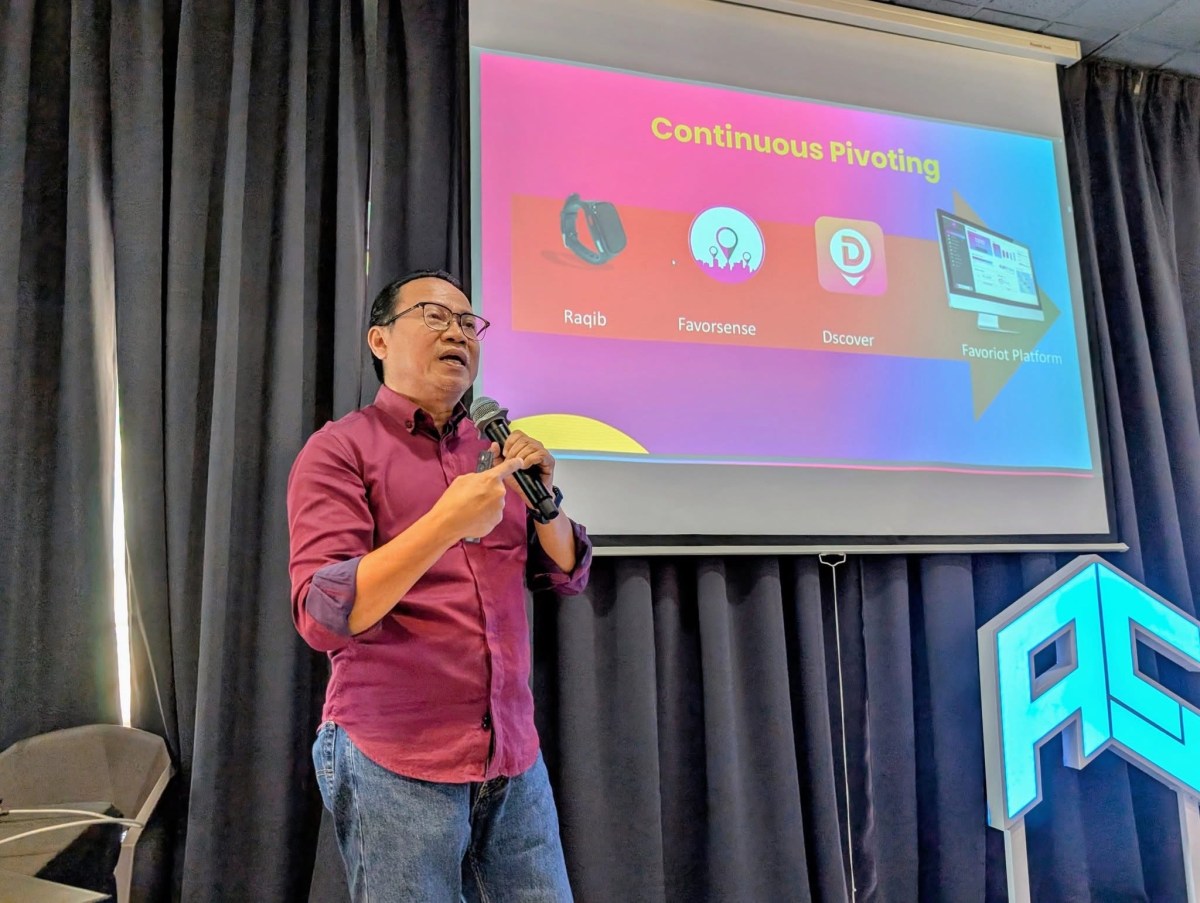
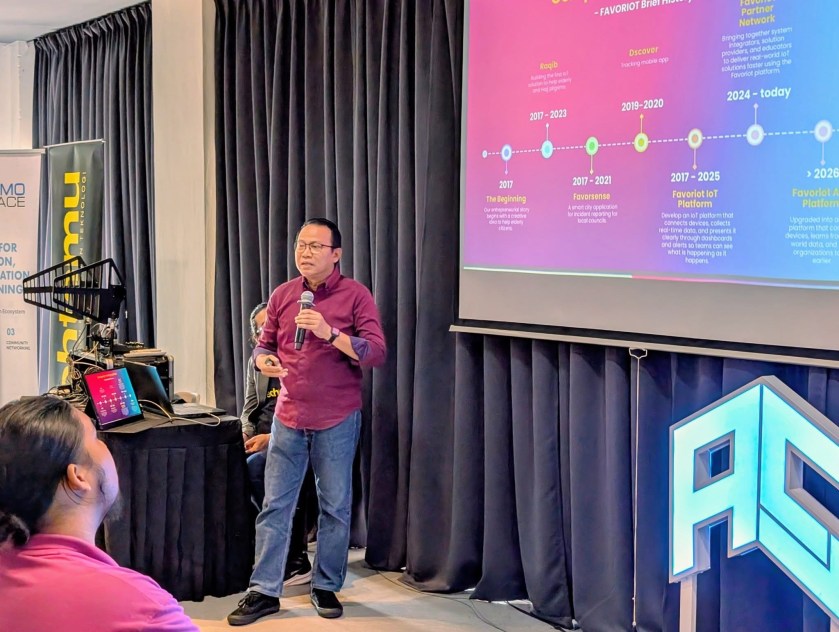
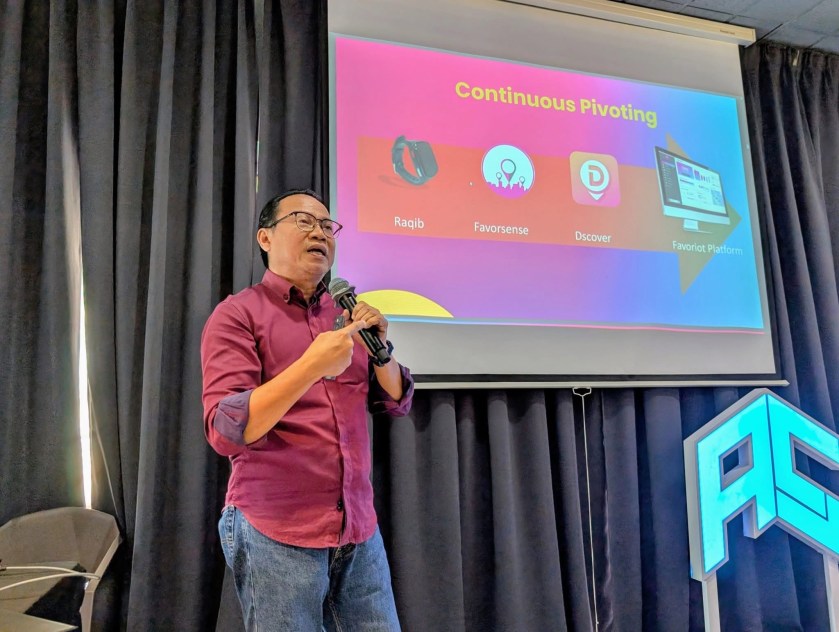
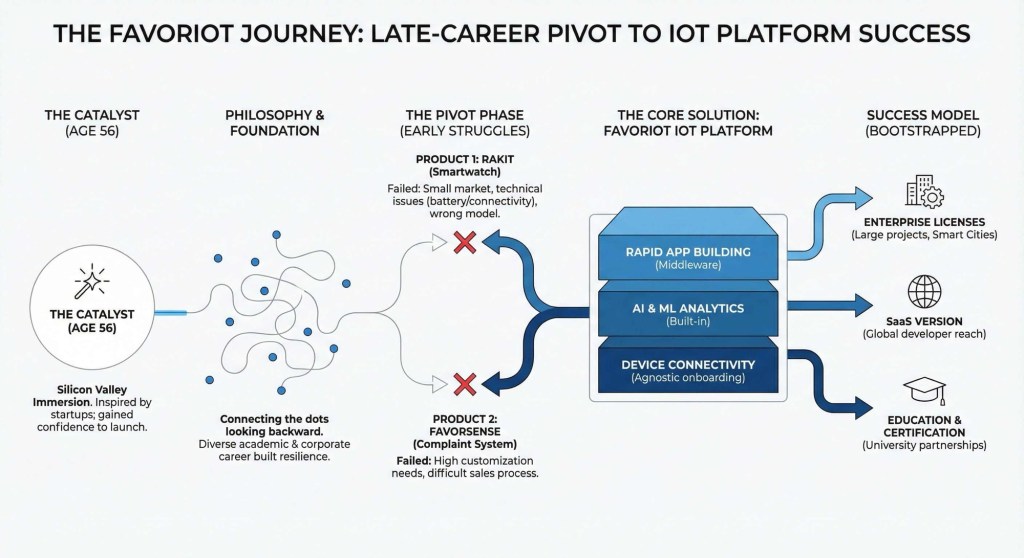
That was the spark that ignited our journey. In 2017, we embarked on a mission to revolutionize the Internet of Things (IoT) landscape in Malaysia. Our first stride? Raqib—a wearable device designed to ensure the safety and health of Umrah and Hajj pilgrims. It was more than just a product; it was a vision to provide peace of mind to individuals and their families during spiritual journeys.
KM 0–5: The Starting Line – Raqib’s Ambitious Launch
Launching Raqib felt like the exhilarating first kilometers of a marathon. The energy was high, the vision clear, and the team motivated. We believed in our product’s potential to make a significant impact. However, as with any long-distance race, the initial excitement soon gave way to unforeseen challenges.
KM 6–10: The First Hurdles – Technical Glitches and Market Realities
As we progressed, technical issues began to surface. The device faced unexpected glitches, and our marketing efforts didn’t yield the anticipated traction. It was a tough pill to swallow. But we weren’t ready to give up. We pivoted and introduced Favorsense, aiming to capture a different segment of the IoT market. Yet, despite our best efforts, it struggled to gain user interest.
“Where did we falter? What could we have done differently?” I often pondered during those challenging times.
KM 11–15: The Turning Point – Recognizing the Core Strength
Amidst these setbacks, a realization dawned upon us. The common thread between Raqib and Favorsense was the underlying platform that powered them. This platform, robust and versatile, had the potential to be more than just a backbone for our products. It could be the very product we needed to focus on.
I told the team, “This platform can be used by anyone who wants to develop their own IoT products. “
With renewed determination, we decided to pivot once more. We introduced the Favoriot IoT Platform to the public, offering it free to attract a broader audience. However, adoption was slower than expected. Despite creating tutorials and sharing resources, many users found it challenging to navigate the platform.
KM 16–20: Bridging the Gap – Introducing IoT Courses
Understanding the need for guidance, we launched IoT courses tailored to help users grasp the platform’s capabilities. These courses weren’t just about theory; they offered hands-on experience, enabling participants to apply their knowledge in real-world scenarios.
The response was overwhelmingly positive. Universities and polytechnics across Malaysia began integrating the Favoriot IoT Platform into their curricula. Students utilised it for their final-year projects, bringing innovative ideas to life.
“This is a significant achievement for us,” I expressed pridefully.
KM 21–30: Expanding Horizons – Building Partnerships
As we continued our journey, we recognised the importance of collaboration. We partnered with system integrators and enterprises, offering our platform’s cloud-based and enterprise-based models. This flexibility allowed clients to choose solutions that best fit their needs, further solidifying Favoriot’s position in the market.
KM 31–40: Gaining Momentum – Recognition and Growth
Our efforts began to bear fruit. Favoriot was no longer an unknown name in the IoT landscape. Out of 9,375 users (as of January 27, 2025), 80% came from our own country—a milestone that filled me with pride.
“We did it,” I told my team with a sense of accomplishment. “We’ve proven that we can compete with global platforms and carve out our own space.”
KM 41–42.195: The Final Stretch – Looking Ahead
Today, the Favoriot IoT Platform is a testament to resilience and adaptability. The journey has been a marathon from its humble beginnings with Raqib to becoming a cornerstone in IoT education and development. We’ve learned that setbacks aren’t failures but opportunities to pivot and grow.
As we look ahead, our vision is to take the Favoriot IoT Platform beyond Malaysia, reaching global audiences and empowering the next generation of IoT innovators.
“This is just the beginning,” I remind the team. The marathon continues, and we’re ready for the next leg of the race.
So, Startup or Marathon?
Startup is a marathon.
But with Favoriot, it’s not just about enduring.
It’s about leading, creating, and building something that lasts beyond the race.
And here’s the truth no one tells you:
The real finish line is when others start running because you did.
“Do you want something named after you, Dr. Mazlan?”
That question caught me off guard.
Not because it was unexpected — people love giving names to legacies, buildings, awards, even algorithms. But because deep inside, I never asked for any of it.
You see, I’m just a man who fell in love with technology. Not for fame. Not for glory. But because I truly believed it could make lives better.
Yet, along the way… names started sticking.
From “Dial-a-Coke” to Global Conferences
Let me rewind to the early 2000s.
I worked in the telecommunications industry back then—CELCOM Axiata, to be specific. This was long before the word “IoT” entered mainstream vocabulary. Yet even then, we were already experimenting with early machine-to-machine (M2M) communication forms.
One of our most exciting innovations at the time was a Coke vending machine that could be triggered by SMS.
“Wait… you mean you can buy a drink just by texting a number?”
Yes, precisely that. The concept was called “Dial-a-Coke.” You send a text, and it deducts the amount from your mobile credit. Voila, a cold can drop out of the machine.
Was it revolutionary? For that time — absolutely.
But to me, it wasn’t about being revolutionary. It was about solving problems in simple ways using connectivity. That mindset never left me.
IoT: A Journey of Passion, Not Titles
Fast-forward to 2013. That’s when I began immersing myself even more seriously into IoT—this time not just as a technologist but also as a speaker, writer, researcher, and eventually, entrepreneur.
Everywhere I went, I would talk about IoT.
At conferences. In classrooms. On stage. Off stage. At coffee shops. In boardrooms.
The energy never ran out. In fact, it grew stronger every time I saw someone’s eyes light up with an “Aha!” when they understood what IoT could do for their lives or business.
Radio interviews followed, then television. Podcasts. Newspapers. Magazines. Even my children rolled their eyes when I’d go into another “IoT monologue” during dinner.
Then came the birth of FAVORIOT — a company built to democratise IoT for developers, enterprises, and even students.
It wasn’t just business. It was my passion translated into a platform.
And Then, They Started Calling Me…
One day after a seminar, someone walked up to me and said,
“Dr. Mazlan, you’re like the Father of IoT in Malaysia.”
I laughed. A little awkwardly, I must admit.
Because if anyone deserves that title globally, it’s Kevin Ashton — the man who coined the term the “Internet of Things. I’ve always credited him for that.
But the person insisted,
“You’ve been advocating this in Malaysia longer than anyone I know. You make people understand IoT in a simple, practical way. That’s a gift.”
And slowly… it started spreading.
Father of IoT Malaysia.
Was it official? No. Was it universally agreed? Probably not. Was it something I asked for? Never.
But I accepted it—not for the ego—but for what it represents: a shared belief that maybe, just maybe, I had helped lay some of the digital foundations in this country’s IoT journey.
TikTok, Branding, and a Name That Stuck
In 2022, I did something unexpected — I joined TikTok.
Yup, at the age when most people would be watching TikTok videos, I started making them.
My handle? @iotman2030.
Why 2030? People often ask.
Simple. Because I wanted the technology I championed to be relevant by then.
“What if you just used @iotman2022 or 2023?”
Well, that would age too quickly, wouldn’t it? Who wants to be known by a handle that feels like it expired with last year’s tech trends?
Since then, “IoT Man” has become another name people have started calling me. Some jokingly, some with admiration, but it stuck.
I never corrected anyone. Because, in a way, it perfectly captured who I was and what I stood for.
So, If I Could Name Something After Me…
Honestly? I wouldn’t.
I believe names should be earned by impact, not intent.
But if someone else names something after me—maybe a scholarship, an award, or a lab—I just hope it’s for the right reasons.
That it inspires young minds to build the next generation of connected solutions. That it reminds people how persistence, curiosity, and belief can shape an entire career. That it stands for passion without ego.
And maybe it helps a few dreamers realize that technology isn’t just about wires and sensors. It’s about people.
A Legacy Beyond the Name
I never started this journey wanting to be known as anything.
Not the Father of IoT. Not IoT Man. Not even Dr. Mazlan the Technologist.
But I did want to make a difference.
And if making a difference earns me a name, then so be it.
Let it not be a pedestal but a platform. Let it not be a brand but a bridge.
Because names will fade, but impact — that lingers.
So, if you ever hear someone call me Father of IoT Malaysia or IoT Man, just know — It’s not about me. It’s about the mission.
I have often been asked about my entrepreneurial journey—how I transitioned from corporate life to building FAVORIOT from scratch. People assume that technical knowledge and business acumen are the key ingredients, but there’s something else—something that I rarely talk about but has been my secret weapon all along.
What’s this secret skill?
Adaptability.
It’s not flashy, and people don’t usually admire adaptability in the same way they admire confidence or leadership. But let me tell you, adaptability is the difference between thriving and fading into obscurity.
The Shift from Corporate to Startup Life
When I left the structured corporate job environment to venture into entrepreneurship, I was stepping into unknown territory. For years, I had worked in environments where resources were plentiful, teams were in place, and projects had budgets and timelines that made sense.
Now, I had none of that.
I had to build everything from scratch. There was no IT team to help me set up emails, no HR to handle hiring, and no marketing department to promote the company.
I became all of those things overnight.
I had to learn to wear multiple hats and switch between them at a moment’s notice. One day, I was designing IoT solutions; the next, I negotiated with clients or handled company registration paperwork.
That’s when I realized—my ability to adapt was my biggest strength.
Learning to Navigate the Startup Chaos
Unlike corporate life, where things follow a set rhythm, startup life is unpredictable. Some days, I feel on top of the world because we closed a big deal. Other days, I wonder if FAVORIOT can survive another month.
This is where adaptability became crucial.
I had to quickly analyze problems, adjust my approach, and keep moving forward. Here are some of the ways adaptability helped me:
1. Pivoting When Necessary
I initially thought that smart city solutions would be FAVORIOT’s main market. But after months of trying to gain traction, I realized that local councils weren’t ready for IoT adoption at scale.
Should I have waited for the market to be ready?
No. I adapted.
I shifted my focus to IoT training and education—something universities and professionals were eager to explore. This move helped us generate revenue and positioned FAVORIOT as an authority in the IoT space.
If I had been rigid, FAVORIOT might not have survived.
2. Embracing Digital Marketing
Before starting FAVORIOT, I had never focused on social media marketing or personal branding. But as a startup founder, I quickly realized that visibility is everything.
I began writing blog posts, creating LinkedIn content, and engaging with the IoT community online. I even started making educational TikTok videos—something I would have never imagined doing in my corporate days.
Was it uncomfortable at first? Absolutely.
But again, adaptability helped me push through that discomfort and build a strong online presence that drives business to FAVORIOT.
3. Listening and Adjusting
I thought I knew what the market wanted, given my decades of experience in the industry. But the reality was different.
Many times, my assumptions were proven wrong.
Instead of resisting, I adapted by listening more—talking to customers, understanding their real problems, and refining our solutions. This ability to adjust based on feedback greatly impacted how we positioned our products and services.
4. Surviving Financial Uncertainty
Running a startup means facing financial ups and downs. There were months when revenue was strong and months when it felt like we were running on fumes.
In a corporate job, salaries are stable. In a startup, nothing is guaranteed.
I had to constantly adapt our financial strategy—cutting unnecessary costs, finding alternative revenue streams, and making tough decisions to keep the company afloat.
Adaptability is a Survival Skill
Looking back, I realize that adaptability is not just a skill; it’s a survival mechanism. In entrepreneurship, things will go wrong, plans will fail, and markets will shift.
But those who adapt don’t just survive—they thrive.
Many people get stuck because they expect success to come in a straight line. They refuse to change course even when things aren’t working, which is why so many businesses fail.
I have always believed in my vision for FAVORIOT but have never been too proud to adjust my approach when needed. That’s the secret skill that has kept me going.
Final Thoughts
People often ask me what skills are necessary to succeed in entrepreneurship. They expect me to say technical expertise, business knowledge, or leadership. But the truth is, adaptability is the real superpower.
The ability to embrace change, learn new things, and shift strategies when needed can make or break a startup.
If you’re on your own entrepreneurial journey, ask yourself—how adaptable are you?
In the world of business, it’s not the strongest who survive but those who can adapt the fastest.
I Failed at Building an IoT Business Before Succeeding. Here’s What I Learned.
“This is it. This idea will work. I can see it changing the world.”
That was my mindset years ago when I first stepped into the world of IoT entrepreneurship. I was confident—too confident, perhaps. With decades of experience in the industry, I thought I had the perfect combination of knowledge, network, and credibility to launch a successful IoT business.
I believed that if I built the right solution, the market would naturally embrace it. After all, IoT was the buzzword at every tech conference, and businesses were talking about the potential of connected devices.
But reality? It had a very different lesson in store for me.
The First Failure: Overestimating Market Readiness
I started FAVORIOT with the assumption that businesses and government agencies were fully prepared to adopt IoT solutions. The Smart City vision was gaining traction, and industry leaders were excited about automation, data-driven decision-making, and real-time monitoring.
So, with high hopes, I built my first IoT solution. I expected clients to immediately recognize its value. But when I went out to pitch my idea, I was met with hesitation, skepticism, and endless bureaucratic challenges.
“Why aren’t they jumping at this? Can’t they see how valuable this technology is?”
The problem wasn’t the technology—it was the mindset. Many organizations were still unsure about IoT. They didn’t fully understand how it worked, they feared implementation risks, and most importantly, they didn’t have dedicated budgets for IoT initiatives. To them, IoT was still an experimental concept, not a necessity.
This was my first painful realization: Just because something is revolutionary doesn’t mean people are ready for it. I had to find a way to bridge the gap between technological potential and real-world adoption.
The Second Failure: Underestimating the Sales Process
“If the product is good, it will sell itself.”
That was a dangerous assumption. I thought that once people saw my IoT solution in action, they would be convinced. After all, logic and data should win, right? But I quickly realized that people don’t just buy technology—they buy trust, relationships, and clear return on investment.
I spent months refining my IoT platform, making sure it was technically superior. But I wasn’t spending nearly enough time understanding the actual pain points of my potential customers. I was offering a futuristic solution to people who weren’t even sure they had a problem that needed solving.
When I approached businesses, they weren’t asking, “How advanced is your platform?” They were asking, “How will this help us save money?”
That’s when it hit me. I was speaking the wrong language.
I had to shift my focus from selling technology to selling solutions. Instead of talking about sensors, APIs, and cloud computing, I had to show how IoT could reduce operational costs, improve efficiency, and generate new revenue streams.
Once I made this adjustment, I noticed a change. Conversations became easier, and decision-makers started seeing the value. It wasn’t just about technology anymore—it was about business outcomes.
The Third Failure: Learning Through Building Partnerships
At first, I thought I needed to build everything on my own. But as I encountered more roadblocks, I realized something crucial: IoT is not a one-man show. It requires an ecosystem.
When I started reaching out to potential partners, I discovered that the IoT adoption challenge wasn’t just mine alone—others were facing similar struggles. System integrators, software developers, and even hardware manufacturers were all trying to navigate the complexities of IoT implementation.
That’s when I started building strategic partnerships.
Instead of trying to convince companies to adopt IoT on my own, I worked with system integrators who already had trusted relationships with businesses. They understood their clients’ operational challenges far better than I did, and they could position our IoT solutions as part of a broader digital transformation strategy.
I also realized that collaborating with universities and research institutions could help us educate the next generation of IoT professionals. Through partnerships, we could develop case studies, provide training programs, and increase awareness about real-world IoT applications.
This was a game-changer. By leveraging partnerships, we accelerated adoption and expanded our market reach much faster than I ever could have done alone.
What I Learned from These Failures
Looking back, these failures were painful, but they were necessary. They forced me to adapt, rethink my strategy, and ultimately build a stronger business.
Here are the key lessons I took away:
1. Timing matters. Just because a technology is exciting doesn’t mean the market is ready for it.
2. Selling is about solving problems, not just promoting features. Speak the language of business impact, not just technology.
3. You can’t build an IoT business alone. Success comes from building partnerships and working within an ecosystem.
4. Resilience is everything. If I had given up after my first failure, I wouldn’t be here today.
Where We Are Today
Today, FAVORIOT is working with partners across multiple countries. We’ve built an IoT platform that helps businesses adopt smart solutions in a practical, scalable way. We’ve collaborated with system integrators, universities, and corporations to drive IoT adoption.
But none of this would have happened if I hadn’t learned from my early failures.
Would I go back and change my struggles? Absolutely not.
Because those failures weren’t the end of my journey—they were the foundation of my success.
“Why look elsewhere when we have everything we need right here?” This thought often crosses my mind when I see local entrepreneurs opting for foreign solutions instead of tapping into the innovation happening in their own backyard.
Entrepreneurship isn’t just about building a business—it’s about contributing to a thriving ecosystem where companies grow together. Shouldn’t we start by supporting each other if we expect others to help our ventures?
1. The Foundation of a Thriving Ecosystem
Entrepreneurship education should teach students not just how to start businesses but also how to sustain them within a supportive ecosystem. Every successful startup is part of a larger network—whether they realise it or not.
If we continue to rely on foreign products and solutions while expecting our businesses to thrive, we are working against ourselves. We need to shift the mindset from competition to collaboration.
2. Why Not Build on Local Strengths?
If we build a local product, why not use supporting tools or technology developed by our innovators? The biggest irony is when a startup seeks government funding to create a product but then spends that money on foreign services.
Take IoT projects, for example—why use a foreign IoT platform when Favoriot offers a local alternative? Whenever we choose a local solution, we strengthen the foundation for future entrepreneurs, creating more opportunities within our ecosystem.
3. Overcoming Challenges Together
Starting a business is tough. Every entrepreneur struggles to find the right tools, market, and funding. But these challenges become easier when we work together.
Universities, startups, and industry leaders must collaborate to create an environment where new businesses can succeed. Education should go beyond just theories—it should teach students how to leverage local resources and networks. No entrepreneur succeeds alone.
4. Choosing Local: More Than Just Patriotism
Supporting local businesses isn’t just about national pride but sustainability. If we don’t create demand for our own products, who will? Entrepreneurs need customers to survive, and the best place to start is within our ecosystem.
The tech industry, in particular, is an area where local startups can and should work together. From software to hardware, we have the talent and expertise—what we need is trust in our own capabilities.
5. Building for the Future
An ecosystem doesn’t thrive by accident. It requires conscious effort, continuous collaboration, and a willingness to support one another. Universities need to instil this mindset early—teaching students to be entrepreneurs and ecosystem builders.
When startups work together, share resources, and choose local solutions, they create a self-sustaining environment that benefits everyone.
Final Thoughts
We must start by supporting our own ecosystem to see our startups succeed. That means choosing local technology, forming partnerships with local businesses, and believing in our capabilities.
A thriving ecosystem doesn’t just help today’s entrepreneurs—it lays the groundwork for future generations. So the next time you build something, ask yourself: “Am I helping the ecosystem grow, or am I just taking from it?”
Another sleepless night. The clock shows 3:47 AM, but my mind is far from resting. I stare at the ceiling, watching shadows move with the passing headlights outside. My thoughts? A never-ending loop of problems, solutions, ideas, and fears. Will FAVORIOT make it? Are we moving fast enough? What if we fail?
If you’re a founder, you know this feeling too well. The burden of running a startup never leaves. Whether it’s a weekend, a public holiday, or a late-night teh tarik session with friends, the weight of the company is always there. There’s no “off switch.”
People from the outside might admire the entrepreneurial journey, imagining it as glamorous—being your own boss, calling the shots, making a difference. But behind closed doors, it’s a battle of survival.
And the most challenging part? The loneliness.
The Invisible Weight of Leadership
When you’re a founder, everything falls on your shoulders. The revenue, the product roadmap, the team’s morale, customer satisfaction, partnerships, investments—everything. And if things go wrong, there’s no one else to blame.
Employees can leave if things get tough. Investors only care about numbers. Customers just want their problems solved. But the founder? We have no escape. Even if we take a break, our minds never do.
I’ve had nights where I wake up from a nightmare, heart pounding because I dreamt of something going wrong—losing a big deal, a major system failure, running out of funds. And the worst part? Sometimes, these nightmares become reality.
Who do I talk to about this? My team? No, they look up to me for guidance. My spouse? She listens, but she will never truly feel the weight I carry. My friends? Most of them are in corporate jobs with steady paychecks. They don’t understand what it’s like to wake up daily with the responsibility of keeping a company alive.
Sometimes, I sit alone in my office, staring at my laptop screen, but my mind is elsewhere. Not thinking, just… lost. It’s a strange kind of exhaustion that words can’t describe.
The Illusion of Support
Yes, we have networking sessions. We meet other founders over coffee or teh tarik, exchange war stories, and laugh about our struggles. But deep inside, we all know that some things remain unspoken.
The real fears, the moments of doubt, the decisions we make in the dead of night that no one will ever hear about.
Sometimes, I sit in a room full of people, nodding and smiling, but my mind is stuck in a spiral of “What’s next?” Because while others can relax, I cannot. The company’s survival is my responsibility.
Investors don’t want to hear struggles; they want results. Employees need direction, not a leader who doubts. Customers wish to stability, not uncertainty.
So, where do founders turn to?
Breaking the Cycle of Isolation
Over time, I realized that dealing with loneliness as a founder is not about removing the burden but managing it better. Here’s what has helped me stay sane on this lonely journey:
1. Finding a Trusted Inner Circle
Not everyone will understand, but having one or two people who truly understand can make a difference. Whether it’s a mentor, a fellow entrepreneur, or a long-time friend who knows your journey, having someone to share raw, unfiltered thoughts with is crucial.
It was inspiring to meet founders who were a few steps ahead in their journey. They’ve been through what I’m facing now, and their insights are invaluable.
2. Practicing Strategic Detachment
A startup is like a baby—it needs care, attention, and sleepless nights. But over time, I learned to detach my self-worth from the company’s success or failure. It’s hard but necessary.
I remind myself that I am not my startup.
If FAVORIOT fails, it doesn’t mean I am a failure. And if it succeeds, I should not let it consume my identity entirely.
3. Scheduling Mind Breaks
Taking breaks doesn’t mean we don’t care. It means we’re making space for better decision-making. Some of my best ideas have come when I stepped away from my desk.
A short trip, an evening walk, even just sitting at a café without checking emails—these small breaks help reset my mind.
4. Writing as Therapy
I started writing down my thoughts, not for anyone else but myself. It’s like talking to a friend who doesn’t judge. It helps me process emotions, clear my head, and sometimes even discover solutions hidden in my words.
5. Embracing the Unknown
The truth is, no founder has it all figured out. Even the most successful entrepreneurs had moments of doubt. The difference is that they kept going despite the uncertainty.
Instead of fearing the unknown, I try to embrace it. Every problem is a puzzle, every challenge a lesson.
Final Thoughts: You Are Not Alone
To all the founders out there—know you are not alone if you feel lonely. I understand the silent battles you fight, the sleepless nights, the weight on your shoulders.
No easy fix exists, but you can make the journey less heavy. Find people who understand, step away when needed, and remind yourself that you are more than your startup.
And on those nights when your mind won’t stop racing, remember: This struggle is part of the journey. One day, you’ll look back and realize that these lonely, difficult, exhausting moments shaped you into the leader you were meant to be.
Imagination is often dismissed as a whimsical exercise, yet it’s the spark that ignites progress. The world we live in today was once imagined by someone who dared to think beyond what was possible. Reflecting on Favoriot’s journey, I realize how important it is to dream about the future we want to create.
I believe in the Law of Attraction—the idea that what we think and visualize with intent can manifest into reality. When we first started Favoriot, we imagined a future where our platform would power smart cities, empower students, and become a global name in IoT. Some might have called it wishful thinking. But imagination, when combined with action and persistence, can shape reality.
Let me take you on a journey through an imagined future where Favoriot’s influence has transcended borders, industries, and expectations. This is not just a daydream. It’s a vision we are working tirelessly to turn into reality.
A Vision of Favoriot’s Future
I close my eyes and transport myself into the future. I enter a massive IoT trade exhibition akin to CES or the World Smart City Expo. The atmosphere is electric with innovation. Companies from around the world have gathered to showcase their latest technologies. As I navigate the exhibition hall, one thing becomes apparent: the Favoriot logo is everywhere.
Booth after booth, exhibitors proudly display their demos powered by the Favoriot IoT platform. Startups with groundbreaking hardware solutions, companies showcasing futuristic smart city concepts, and AI-driven IoT applications are all seamlessly connected through Favoriot.
But why? Why did they choose Favoriot? It’s not just a platform. It has become the trusted backbone for innovation, synonymous with reliability and scalability. I feel an overwhelming sense of pride in seeing this unfold in real time. This is the world we imagined when we first built Favoriot: a world where our platform is the silent enabler of extraordinary solutions.
The Power of Favoriot in Education
My next stop in this imagined world is a university. Favoriot has become a standard name here—not just a tool but a core part of the curriculum.
In lecture halls, professors discuss real-world IoT case studies, and students dive deep into hands-on learning, exploring the potential of IoT using the Favoriot platform. I peek into a lab where students are working on their final-year projects. A team is developing a smart agriculture solution, leveraging Favoriot to monitor soil conditions and automate irrigation. Another group is focused on smart health, creating wearable devices for chronic disease management and using Favoriot’s analytics features to visualize patient data.
It’s exhilarating to see how a tool we created has become the foundation for nurturing the next generation of IoT innovators. Universities nationwide and internationally now teach IoT through Favoriot. Their labs are equipped with pre-configured dashboards, APIs, and datasets, making it easy for students to start building. What was once a platform we envisioned for businesses has become an educational cornerstone. Students graduate not only with degrees but as skilled Favoriot-certified IoT professionals.
This didn’t happen by accident. It was imagined, desired, and, through our efforts, made a reality.
Transforming Cities with IoT
As I step into a local council’s command centre, I see a vibrant dashboard powered by Favoriot. The screen displays real-time data from various IoT solutions deployed throughout the city: smart streetlights, waste management sensors, flood detection systems, and air quality monitors.
This isn’t just a collection of disconnected systems—it’s an integrated platform that combines everything under one roof.
The mayor stands beside me, explaining how this has revolutionized the council’s operations.
“Favoriot has helped us move from reactive to proactive,” she says. “We no longer wait for complaints; we solve problems before they arise.”
I imagined this when we spoke about smart cities years ago—a city where data drives decision-making, not just to improve efficiency but to genuinely enhance the quality of life for its citizens.
Favoriot isn’t just another vendor in this ecosystem—it’s the platform that local councils trust to aggregate and analyze IoT data, bridging the gap between diverse solutions and actionable insights.
Again, this was once a dream, an idea that many doubted. But here it is, functioning as imagined, because we believed in its possibility.
The Future of IoT Businesses
IoT product companies no longer struggle to create end-to-end solutions. Instead, they focus on what they do best—building world-class hardware or cutting-edge AI applications. Favoriot fills the gap by providing a robust platform to manage data collection and analysis.
Imagine a company specializing in healthcare sensors. Instead of spending years developing its own platform, it uses Favoriot to connect its devices. This shortens its time-to-market, and its customers benefit from a complete solution that’s both scalable and user-friendly.
The same goes for system integrators who rely on Favoriot to simplify IoT deployments for their clients. Some have taken this even further by offering managed IoT services. With Favoriot, they provide their clients with dashboards, analytics, and customized solutions without the technical headache of building everything from scratch.
It’s a win-win: the integrators expand their business offerings, and Favoriot becomes the go-to platform for IoT scalability.
Expanding Globally Through the Law of Attraction
The most exciting part of this imagined future is Favoriot’s global footprint. We have partnered with system integrators and distributors across continents, allowing us to enter new markets quickly.
In Indonesia, a partner uses Favoriot to enable advanced agriculture systems. In Europe, we’re powering smart transportation initiatives. In Africa, Favoriot is the backbone of rural healthcare IoT solutions.
These partnerships aren’t just transactional; they’re built on a shared vision of what IoT can achieve. By empowering local players in each market, Favoriot has become a global name synonymous with IoT excellence.
How did we reach this level? By first believing in it. The Law of Attraction teaches that whatever we focus on grows. We visualized this expansion, worked towards it, and attracted the right people and opportunities to make it happen.
A Dream Becoming Reality
I close my eyes and imagine standing on a stage at a significant IoT event. The lights dim, and a video showcases real-world success stories of Favoriot-powered solutions. The impact is tangible, from smart cities to healthcare and agriculture to education.
As I speak, I’m reminded of how far we’ve come—as a company and as a community of dreamers and doers. Favoriot’s success wasn’t just about technology but about believing in the power of imagination.
We imagined a world where IoT could truly transform lives when we started. Today, in this envisioned future, that world has come alive.
So, is it wrong to imagine? Absolutely not.
Imagination is where dreams take shape, and the seeds of innovation are planted. As I look at Favoriot’s journey—from a small startup to a global IoT leader—I know that it all started with a simple yet powerful idea: to imagine the impossible and make it real.
Will this vision come true? I believe it will. Because imagination, when paired with hard work, resilience, and the right team, can achieve wonders.
So, let’s keep imagining, dreaming, and building the future—one step at a time.
Starting a business is exhilarating. There’s a rush of energy, an overwhelming sense of purpose, and a firm belief that what you’re building will change the world. When we launched FAVORIOT, that excitement fueled us. We poured countless hours into developing our product, refining its features, and dreaming of when it would hit the market and create a ripple effect.
I imagined a scenario where people would immediately recognize our innovation, show us praise, and, most importantly, place orders. It was a beautiful vision.
But reality had other plans.
The product launch was met with an eerie silence. There was no flood of inquiries, no immediate purchase orders—just a deafening void. It was as if we had shouted into an empty room, expecting applause but hearing only echoes of our voices.
I remember sitting in my office, staring at my phone, waiting for it to ring. Did we make the right decision? Was there even a market for what we had built? These questions haunted me. I had read about this phase before—the quiet period after launch where entrepreneurs either push through or give up.
For me, giving up was never an option.
The Harsh Reality: No One Cares Until You Make Them Care
Early on, the biggest lesson I learned was that having a great product isn’t enough. People needed to know about it. Marketing, which I had once seen as a secondary task, suddenly became our lifeline.
I had to shift my mindset from being just a product developer to becoming a marketer, a salesman, and sometimes even a storyteller. I repeatedly asked myself: How do we make people care?
We started reaching out, setting up demos, and pitching to potential clients. Slowly, the response trickled in. Companies showed interest. They asked for presentations. They nodded in agreement, smiled, and said, “This looks promising.”
But promises don’t pay the bills.
For a while, it felt like we were stuck in an endless loop of meetings that never turned into real business. Then came the first request for a quotation. I remember the excitement. Finally! This is it! I thought. We prepared the quotation, sent it over, and waited.
And waited.
Nothing happened.
I had assumed that a quotation would naturally lead to a purchase order. But in reality, sending a quote was just another step in a much longer process. It wasn’t a commitment—it was merely an indication of interest. And interest, I realized, didn’t always translate to action.
The First Purchase Order: A Moment of Validation
Then, one day, it happened. We received our first purchase order (PO).
I still remember the overwhelming sense of relief. It wasn’t just about the money. It was validation. Someone believed in what we had built enough to pay for it.
That moment changed everything. If one customer believed in us, surely more would follow. And they did—slowly but surely.
But business success isn’t just about making a sale. It’s about ensuring that sale turns into cash in your bank account. And that’s where another harsh reality set in.
Chasing Payments: The Least Glamorous Part of Business
You’d think that the hardest part is over once a client agrees to buy. That’s what I believed—until I had to chase down payments.
Sending invoices, following up, reminding, and sometimes even begging for payment became a routine. It was frustrating. We had delivered the product, and the clients were using it. So why were payments delayed?
I quickly learned that delayed payments are part of the business game. Cash flow is king; sometimes, even if you’re owed money, it doesn’t mean you’ll receive it on time.
The Trap of Empty Promises
In the early days, I was easily swayed by big promises. Potential clients would tell me, “This is exactly what we need! We can roll this out across multiple projects.”
It all sounded so promising. Some even asked for discounts or free Proof of Concept (PoC) trials, dangling the possibility of future large-scale deployments.
I wanted to believe them. But more often than not, those promises led nowhere.
Eventually, I learned a simple rule: No purchase order, no deal.
If someone truly values your product, they’ll invest in it. Otherwise, it’s just talk.
Beware of the Middlemen and Brokers
Another lesson came in the form of self-proclaimed “brokers.” These individuals claimed to have the right connections to land us big contracts. “Just trust us,” they would say. “We’ll make sure you get into the right hands.”
It was tempting. They spoke about million-dollar deals, high-profile clients, and game-changing opportunities. But over time, I realized that real business doesn’t work that way.
Genuine clients don’t need middlemen. They buy because they see value in your offer, not because someone else convinced them to.
Success is More Than Just Selling
Looking back, these experiences shaped me as an entrepreneur. Building a business isn’t just about creating a product—it’s about navigating relationships, earning trust, and filtering out distractions.
It’s easy to get caught up in the excitement of what could be. But real success comes when you turn those possibilities into tangible results. And at the end of the day, the only thing that truly matters is this:
Do your customers see value in what you offer? And are they willing to pay for it?
Reflecting on Favoriot’s journey, I can’t help but feel a deep sense of frustration. Not because we haven’t done the work but because our technology isn’t good enough. In fact, we’ve built a robust Internet of Things (IoT) platform designed to make real and lasting impacts in industries that need it most.
Yet, despite our dedication, our struggle isn’t about technology. It’s about something deeper, something more challenging to fix—acceptance.
I’ve lost count of how often I’ve sat in meetings with potential Malaysian clients, passionately pitching the benefits of Favoriot’s IoT platform. The pitch is solid, and our solution is tailor-made for local industries, but there is indifference, hesitation, and, more often than not, a preference for foreign products.
I’ve asked myself this question countless times: Why do local businesses hesitate to trust homegrown solutions, even when they are just as good—if not better—than foreign options?
The Reluctance to Trust Local Innovations
It didn’t take long to realize the harsh truth—many local businesses lack confidence in Malaysian-made technology. There is an ingrained belief that foreign products are superior. Whether it’s a smartphone, a software platform, or an IoT solution, many decision-makers seem convinced that if it’s made overseas, it must be more reliable, advanced, and worthy of investment.
It’s not an isolated incident. I’ve spoken to many fellow entrepreneurs, and they share similar frustrations. We have world-class solutions, yet the market is slow to recognize them.
And why? Because the absence of a big international brand name automatically places us in a secondary category.
I understand how this mindset developed. We grew up with foreign brands dominating the market, from cars to consumer electronics, and we were conditioned to trust those familiar names. But the world has changed. Malaysian companies like Favoriot are now fully capable of competing globally. Yet, this deep-seated preference for foreign solutions persists.
Favoriot is still a young company compared to established international giants. Building brand recognition takes time, and in a world where first impressions matter, a well-known logo can often make or break a deal.
It’s not that our technology is lacking—far from it. In fact, our solutions are designed explicitly for Malaysia’s unique industrial challenges. But when our brand is lesser-known, it sometimes feels like our innovations don’t get the fair consideration they deserve.
I hate to admit it, but perhaps some of the fault lies with us. Have our marketing efforts been polished enough? Have we communicated our value as effectively as we should? Could our messaging be more powerful?
As a technical person, I’ve always been more comfortable with the innovation side of things than the marketing side. But I’ve realised that having a great product isn’t enough. The story behind it, the way we communicate its impact—those elements are just as crucial.
A Harsh Reality: The Global Perception Problem
Interestingly, I’ve noticed that this issue isn’t unique to Malaysia. When we’ve pitched Favoriot overseas, we often encounter the same scepticism—just in reverse.
Some countries take strong nationalistic pride in supporting local solutions. You’re automatically viewed as an outsider if you’re not one of their own, which is ironic. In Malaysia, businesses prefer international brands. In other countries, they choose their own homegrown solutions.
So where does that leave Favoriot? How do we break this cycle?
The Lack of Support for Local Tech Startups
Another challenge that cannot be ignored is the lack of strong support systems for local startups.
We hear a lot about innovation in Malaysia. Government agencies hold conferences, initiatives, and startup accelerator programs. But when it comes to actual adoption, corporations or government bodies still lean towards foreign tech providers when they choose a solution.
This is discouraging, to say the least. We don’t need just moral support—we need tangible action. More businesses need to take a chance on local innovations. More government agencies need to lead by example and implement local solutions. That’s how an ecosystem of innovation thrives.
Looking Beyond Malaysia: Breaking Barriers
Given these obstacles, I’ve realized that while Malaysia will always be home, Favoriot cannot afford to limit itself to local borders.
I’ve had more success pitching Favoriot overseas than I have within Malaysia. Many international clients are more open to exploring new solutions and less influenced by branding. If the technology meets their needs, they will give it a chance.
Going global isn’t just an option; it’s a necessity.
By expanding internationally, we position Favoriot as a global player. Ironically, this global recognition could make us more attractive to Malaysian clients. It’s unfortunate, but gaining international credibility is sometimes the only way to be taken seriously at home.
Overcoming Challenges at Home
Despite everything, I remain hopeful. There are several steps we need to take to overcome the challenges in Malaysia:
Changing Mindsets – We need to keep pushing the narrative that Malaysian innovations are just as good as, if not better than, foreign solutions.
Strengthening Our Brand – This means investing in marketing and ensuring our branding is powerful and persuasive.
Improving Our Messaging – We must communicate our value proposition clearly and convincingly.
Advocating for Local Adoption – The government and corporate sectors need to step up in supporting local startups.
These aren’t easy battles. But they are necessary ones.
A Final Thought
Favoriot’s journey has been far from easy. There have been moments of frustration when I wondered if it was worth the fight. But I refuse to let these challenges define us.
We are more than a local startup. We are a global company with the potential to change industries, make a real impact in IoT, and prove that Malaysian-made solutions can compete on the world stage.
Yes, the path forward is full of obstacles. But obstacles are meant to be overcome.