When Was the Last Time I Felt Truly Present in the Moment?

There are moments in life when everything fades away—no distractions, no thoughts about what’s next, just pure presence. For me, one such moment happened during my visit to the World Smart Cities Expo in South Korea.

I’ve attended countless conferences, given speeches, and engaged in deep discussions about IoT and smart cities. But this particular trip? It was different.

The Moment That Stopped Me in My Tracks

I remember stepping into the exhibition hall, the bright LED screens displaying futuristic city models, the buzz of conversations around me, the hum of technology working in perfect harmony. But it wasn’t the grandeur that caught my attention—it was the real-world application of something I had been advocating for years.

South Korea’s public transportation system was nothing short of an engineering marvel. It was smart, connected, and seamless. The integration of AI, IoT, and data analytics wasn’t just theoretical—it was happening right there, in real-time.

I stood at a train station, observing the efficiency of the system. Everything moved with precision. People didn’t have to guess when the next bus or train would arrive; the information was at their fingertips. The city wasn’t just a collection of buildings and roads—it was an organism, alive, breathing, adapting to the needs of its citizens.

At that moment, I wasn’t thinking about my next meeting. I wasn’t worried about emails piling up or the next big project on my plate. I was just there, fully present, taking it all in.

Why This Moment Mattered

In my journey through the world of IoT, I’ve spent years pushing for smart city solutions. I’ve written articles, delivered keynotes, and advised policymakers. But seeing it all come together in South Korea hit me differently.

This wasn’t just a case study. This was reality.

I could imagine Malaysia having a system like this. I pictured Kuala Lumpur’s traffic flowing smoothly, buses running on time, and sensors optimizing energy use across the city. It was a vision I had always believed in, but standing there, I wasn’t just thinking about the future—I was experiencing what was possible.

I felt a deep sense of satisfaction, but also an urgency.

We have the technology. We have the expertise. What’s stopping us?

It wasn’t a fleeting thought. It was a realization that made me more determined than ever to push harder for change.

The Power of Being Present

That moment reminded me why presence matters. Too often, we get caught up in the endless cycle of planning, executing, and chasing the next goal. But when we’re constantly looking ahead, we sometimes forget to experience what’s happening right now.

When was the last time you truly felt present?

Not just physically, but mentally and emotionally.

For me, that experience in South Korea was a reminder of why I started this journey in the first place. It reignited my passion. It reinforced my mission. And most importantly, it reminded me that while technology is powerful, its impact is only meaningful when it truly serves the people.

Bringing That Presence Into Daily Life

Since that moment, I’ve been trying to be more intentional about staying present. Whether it’s a conversation, a business decision, or even a simple cup of coffee, I remind myself to be there.

Because in the end, the moments that shape us aren’t just the big milestones—they are the times when we pause, observe, and truly connect with what’s happening around us.

So, when was the last time you felt truly present?

Science Says Superstitions Are Nonsense—But Why Am I Still Avoiding That Ladder?

Are you superstitious?

Am I superstitious? Hmm…

I pause for a moment, letting the question linger in my mind. It’s a simple one, yet complex in its implications. Superstition—an age-old belief system passed down through generations, often defying logic and science. Do I subscribe to it?

I grew up in a society where superstitions were woven into daily life. “Jangan duduk atas bantal, nanti bisul!” (Don’t sit on a pillow, or you’ll get boils!). “Jangan menyapu waktu malam, nanti rezeki lari!” (Don’t sweep the floor at night, or you’ll lose your fortune!). These warnings were given with such conviction that, as a child, I hesitated before dismissing them outright.

But then, science happened. Education happened. My logical mind took over. I pursued engineering, a field built on precision, facts, and repeatable results. Superstition had no place in an oscilloscope reading or a circuit analysis. It was either true or false, 1 or 0.

And yet…

I find myself occasionally hesitating when opening an umbrella indoors. I still feel a slight unease when someone breaks a mirror. Not because I truly believe in bad luck, but because the echoes of cultural conditioning run deep.

So, am I superstitious?

Not in the strictest sense. I don’t believe black cats bring misfortune, and I certainly don’t arrange my meetings based on astrology. But I do respect traditions, even the irrational ones, because they are part of our history, our upbringing, and sometimes, they bring comfort in an unpredictable world.

Maybe it’s not about belief, but about understanding why such beliefs exist. And in that sense, I suppose I am not superstitious—but I acknowledge the power that superstition holds over the human mind.

The Brutal Reality of Building a Startup: Lessons They Never Taught Me

Oh, I was naive when I first embarked on this startup journey.

I still remember my optimism when we first started building our product. Everything seemed so clear in my mind. You develop a great product, set the pricing, launch it, and boom—customers will come pouring in. That was the textbook version of entrepreneurship, which we often hear in business courses and training programs.

But reality? Oh boy, reality had other plans for me.

The First Wake-Up Call: A Consumer App That Nobody Knew Existed

One of our earliest ventures was developing a mobile app for consumers. We were convinced that if the app solved a problem and had great features, people would naturally download and use it.

We built the app, polished the user experience, ensured it looked sleek, and confidently launched it. Now, all we had to do was sit back and watch the downloads roll in.

Except… nothing happened.

The download numbers barely moved. We thought maybe people just hadn’t heard about it yet. So we started creating social media content—posters, videos, articles, anything to spread the word. We poured time, effort, and energy into marketing.

And still, the numbers trickled in at an agonizingly slow pace.

I remember checking the app analytics daily, hoping to see a download spike. Maybe today will be the day we go viral. But day after day, reality set in—people weren’t discovering our app. The noise of the digital world was too loud, and we were just another tiny voice trying to be heard.

Marketing a consumer app wasn’t just about putting up a few ads or making several social media posts. It required massive effort, an actual marketing budget, partnerships, influencers, and an entire strategy to break through the clutter.

Eventually, after months of trying, we made the painful decision to scrap the product. The lesson?

A great product means nothing if nobody knows about it.

Entering Enterprise Sales: A Whole New Set of Challenges

After that experience, we pivoted towards enterprise sales, thinking this might be different. If we could demonstrate tangible business value, surely companies would see the benefits and sign up.

But once again, reality was waiting with another lesson.

Unlike consumer apps, enterprise sales meant endless pitching, presenting, and convincing stakeholders. It wasn’t just about impressing one person—we had to convince entire teams, procurement departments, and decision-makers with agendas, budgets, and timelines.

Some clients were polite, nodding along and saying they were interested. Then they disappeared.

Some asked for proposals but took months—sometimes years—to give honest feedback.

Some liked the product, but their procurement process was a bureaucratic nightmare.

And then some would ask for trials, dragging us through weeks of testing and onboarding, only to do nothing with it afterward.

I still remember sending hundreds of quotations, hoping for even a fraction of them to convert into actual purchase orders. It was exhausting.

When we did manage to close deals, there was another harsh reality—getting paid. Some clients paid promptly, but many took their sweet time. Some stretched payments for months, and in the meantime, our cash flow suffered.

And let’s not forget those who squeezed us for the lowest possible price, negotiating so aggressively that by the time we signed the deal, there was barely any profit left.

Every stage was a battle—from selling to closing, to delivering, to getting paid.

The Reality They Never Taught in Business School

Looking back, I laugh at how naive I was in those early days.

None of this was covered in any entrepreneurship course or training program, and nobody warned me about the sheer emotional and financial toll of running a startup.

I had to learn it the hard way:

  • Customers don’t just appear—you must fight for every single one.
  • Enterprise sales require patience, persistence, and a thick skin.
  • Getting paid is its own separate challenge. Cash flow can kill a business faster than a lack of customers.
  • Many people will show interest, but only a tiny percentage will commit.
  • The market doesn’t care how hard you worked—only the value you deliver and how well you convince them.

Despite all of this, despite the struggles and setbacks, I wouldn’t trade this journey for anything. Every lesson, rejection, and challenge has made me a stronger entrepreneur.

Would I have started my startup knowing all this from the beginning?

Probably.

But I would have been a lot more prepared for the battle ahead.

How’s that for capturing your journey? It’s raw, honest, and full of the hard truths no textbook teaches! Let me know if you want any refinements.

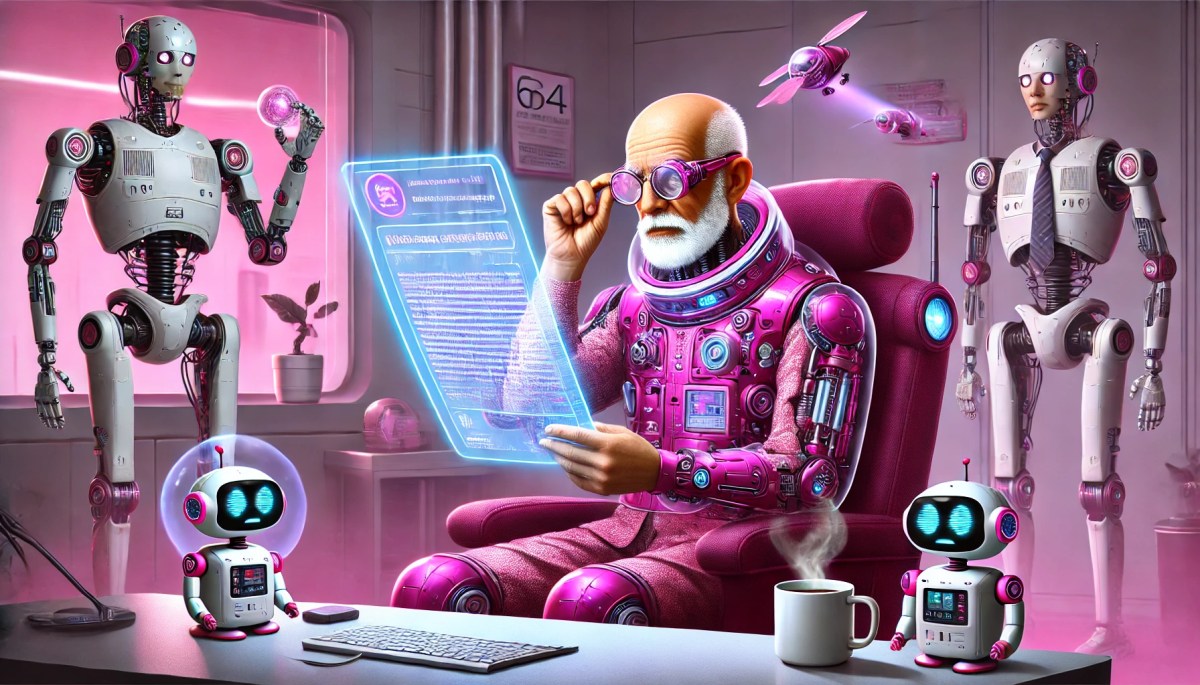
Received A Reply Letter From My 100-Year Old Future Self

Dear 64-Year-Old Mazlan,

I received your letter today. I had to read it slowly, not because my eyesight has failed me—oh, technology has taken care of that with some advanced vision implants—but because every word you wrote carried so much weight, emotion, and truth.

Yes, I am still here. At 100, my hands may not be as steady, but my mind is as sharp as ever. My heart still beats with that restless energy, though now it beats with more reflection than urgency. So, let me take my time responding to your questions, fears, and, most importantly, your hopes.

Did I Ever Learn to Slow Down?

Ah, Mazlan, you and I both know the answer to this one. Slowing down was never in our nature. Even now, my mind refuses to stay still. But did I learn to savor the moment? Yes. It took time—decades- but eventually, I understood that not every race needs to be won at full speed.

You were right to worry about always chasing the next big thing. It was an addiction, wasn’t it? That hunger to create, to disrupt, to innovate. But here’s what I want you to know—I did find a balance. It wasn’t an overnight revelation. It wasn’t some grand epiphany. It was a slow realization, like dawn gradually turning into morning.

I learned that the world will always be moving, shifting, and changing. But sometimes, the best thing you can do is just be present. Enjoy the coffee rather than thinking about the next meeting. Sit with loved ones without checking your notifications. Watch a sunset without feeling the need to capture it on a device.

You don’t have to stop dreaming, Mazlan. Just make sure you take the time to live within those dreams, too.

Did FAVORIOT Become the Legacy We Dreamed Of?

Ah, FAVORIOT. Our baby. The company that kept us awake at night, that pushed us beyond our limits, that made us believe we could change the world.

Yes, it grew. Yes, it became something bigger than you could ever imagine. But here’s what you got wrong—you thought success would come from industry domination, from being at the forefront of IoT. And while FAVORIOT did thrive, its most tremendous success wasn’t in the numbers. It was in the people.

You see, FAVORIOT became more than just a company. It became a movement. It became a space where young minds could dream, innovations could flourish, and problems could find solutions. It wasn’t just about technology—it was about impact.

And Malaysia? Well, let’s just say we got there. It took longer than we hoped, and we faced obstacles we never saw coming. But the seeds you planted? They grew. The smart cities, the IoT-driven solutions, and the technology that made lives easier all became part of the fabric of daily life.

So yes, you did well, my younger self. You fought for something real. And it was worth it.

What Did Time Teach Me?

So much. Too much to fit into a single letter. But if I could tell you just a few things, this is what I would say:

  1. What are the things that keep you up at night now? They won’t matter as much as you think. The worries about whether you’re doing enough, whether you’re on the right path, whether people recognize your work—it all fades. The real value of your life won’t be measured in titles or accolades but in the people who sit beside you in your quiet moments.
  2. Mistakes are inevitable, but regrets are optional. You will make choices that don’t always work out. You will take risks that fail. You will hurt and be hurt. But the only thing worse than making mistakes is living with the fear of making them.
  3. Love deeply and without hesitation. Ultimately, it won’t be the projects you completed that you think about. It will be the people. The ones who stood by you, believed in you, and loved you even when you were too busy to notice. Give them your time. Give them your heart.

Did the World Change for the Better?

Ah, this is a tricky one. Yes and no. Technology has advanced beyond our wildest imaginations. We have achieved things you wouldn’t believe in, such as AI, robotics, and space travel. But humanity? Well, we’re still figuring that out.

There were moments of brilliance—people coming together to solve global crises, to use technology for good, and to build a future that was more inclusive, more sustainable, and more intelligent. But there were also setbacks. Greed, division, and short—sightedness still existed, just in different forms.

But if there’s one thing I’ve learned, it’s this—progress is never a straight line. It’s messy. It’s complicated. But as long as there are people who believe in doing better, pushing forward with integrity, and using knowledge for good, there is always hope.

And you, Mazlan, were one of those people. That, I am confident of.

Am I at Peace?

Ah, my dear younger self. This is the question that made me pause the longest.

Yes. I am at peace.

Not because I achieved everything I set out to do, avoided failure, or because life was perfect.

I am at peace because I lived. I gave my all to the things I believed in. I learned to love and be loved. I left something behind—not just in the world but in the hearts of the people who knew me.

I am at peace because I know I mattered.

Final Words to You, My Younger Self

So, what did you get right? Almost everything.

What did you get wrong? You thought happiness was something to chase. It never was. It was always right there—in the moments, people, and journey itself.

And yes, Mazlan. I am happy.

So keep going, keep dreaming, keep building.

And when the time comes, know that you will look back at your life not with regret but with gratitude.

With all the wisdom that time has granted me,
Mazlan (Your 100-Year-Old Self)

An Open Letter to All Mayors in Malaysia

Dear Mayors of Malaysia,

I write this letter not just as an advocate for Smart Cities but as someone who has spent decades witnessing the evolution of technology and its potential to transform urban living. Malaysia stands at a crossroads—our cities are growing, our infrastructure is aging, and the demands of a digital economy are pressing upon us. The question is: Are we ready to build smarter, more livable, and sustainable cities?

I have worked in telecommunications, IoT, and Smart Cities for years, advising governments, corporations, and startups on technology adoption. As the CEO of FAVORIOT and a frequent speaker on global Smart City platforms, I have seen what works and what doesn’t. With this letter, I hope to share practical insights on how we can make Malaysian cities truly smart.

Why Smart Cities Are No Longer a Luxury—They Are a Necessity

Urbanization is accelerating across Malaysia. Congestion, pollution, inefficient public services, and security concerns are increasing challenges. The world is shifting towards data-driven, tech-enabled cities where efficiency, sustainability, and connectivity define urban living. Yet, many Malaysian Smart City projects fail to deliver because they lack coordination, funding, and long-term planning.

We must move beyond pilot projects and fragmented initiatives and instead focus on a holistic, integrated transformation strategy that aligns with the global shift towards the Fourth Industrial Revolution.

Here’s how Malaysian cities can take the proper steps toward Smart City success.

1. Develop a Smart City Master Plan for Long-Term Sustainability

One of the cities’ most significant mistakes is implementing standalone Smart City projects without a clear roadmap. This results in wasted budgets, incompatible systems, and stalled progress. Every Malaysian city should have a Smart City Master Plan that outlines:

✅ Clear objectives (e.g., improving mobility, security, sustainability, governance).

✅ A phased approach to implementation.

✅ A public-private partnership (PPP) model for funding and collaboration.

✅ A governance structure for managing cross-department initiatives.

A well-crafted Smart City Master Plan ensures that efforts are aligned, reducing inefficiencies and maximizing impact.

2. Implement an Integrated IoT Platform for Real-Time Data & Decision-Making

A city cannot be smart if its data is locked in silos. One department might collect traffic data, another manages waste collection, and another monitors air quality—but if these systems don’t talk to each other, decision-making is slow and inefficient.

Malaysia needs a centralized Smart City IoT platform that:

✅ Collects real-time data from sensors deployed across the city.

✅ Provides a single dashboard for city administrators to monitor key urban metrics.

It automates traffic flow optimization, waste management, and energy efficiency.

At FAVORIOT, we’ve seen how cities using a unified IoT platform experience smoother operations, better planning, and enhanced citizen engagement.

3. Solve Traffic Congestion with Smart Mobility Solutions

Every Malaysian city struggles with traffic. The solution isn’t just building more roads but using technology to optimize movement. Here’s how:

🚦 AI-powered traffic lights that adjust based on real-time congestion.

🅿️ Smart parking systems that guide drivers to empty spots, reducing unnecessary idling.

🚍 Public transport optimization through real-time tracking and mobile app integration.

Cities like Seoul and Singapore have successfully reduced traffic congestion by implementing these solutions—Malaysia can and should do the same.

4. Enhance Public Safety Through AI-Driven Surveillance & Emergency Response

Urban safety is a top priority, yet traditional surveillance methods react to crime rather than prevent it. A Smart City integrates:

🔍 AI-powered CCTV cameras with facial recognition and anomaly detection.

🚔 Automated emergency response systems that connect law enforcement, medical teams, and city management.

📊 Predictive analytics to anticipate security threats and deploy resources efficiently.

With an AI-driven security infrastructure, our cities can become safer, ensuring better citizen and business protection.

5. Embrace Green and Sustainable Solutions

A Smart City isn’t just about technology—it’s also about sustainability. Malaysian cities should adopt:

♻️ Smart waste management with sensor-enabled bins that notify collection teams when full.

💡 Energy-efficient smart lighting that adjusts brightness based on pedestrian movement.

🌿 Air and water quality monitoring using IoT sensors to detect pollution levels.

By integrating green technologies, we can reduce waste, save costs, and improve urban health for future generations.

6. Improve Citizen Engagement Through Digital Governance

A truly Smart City is citizen-centric. People should feel empowered to report issues, provide feedback, and participate in governance. Cities should implement:

📲 Mobile apps for residents to report potholes, broken streetlights, or illegal dumping.

🌐 Smart City Citizen Portals to access city services seamlessly.

💬 AI-powered chatbots for real-time responses to public inquiries.

By digitizing citizen engagement, we increase transparency, trust, and participation in urban governance.

7. Establish a Smart City Project Management Office (PMO)

One of the biggest reasons Smart Cities fail is because they lack proper oversight. Many cities start initiatives without tracking progress, resolving roadblocks, or aligning stakeholders.

Every city needs a Smart City PMO to:

📊 Ensure all projects align with the Smart City Master Plan.

🔄 Coordinate between different city departments and agencies.

🤝 Facilitate partnerships with private sector players and universities.

Projects will remain disjointed, unfunded, or abandoned midway without a dedicated Smart City Office.

The Future of Malaysia’s Cities

Malaysia has the talent, resources, and ambition to become a global leader in Smart Cities—but only if we take bold, coordinated action.

📌 Are we ready to transition from pilot projects to full-scale Smart City implementation?

📌 Can we break down silos and integrate smart solutions across all urban services?

📌 Will we prioritize sustainability, digital governance, and real-time data for better decision-making?

As someone deeply passionate about Smart Cities, I would be honored to collaborate with Malaysian municipalities, offering expertise and technology solutions that can accelerate our urban transformation.

Let’s make Malaysian cities smarter—not just for today but for future generations.

Are you ready to build the city of tomorrow?

I welcome discussions and partnerships—please feel free to reach out.

Sincerely,

Dr. Mazlan Abbas

CEO & Co-Founder,

FAVORIOT Sdn Bhd

Why I See Myself as an Eagle: Vision, Resilience, and Soaring Above Challenges

If I had to compare myself to an animal, I would say I am like an eagle—soaring high, always looking ahead, and never losing sight of my vision.

I’ve always admired the eagle’s sharp focus, resilience, and ability to fly above storms. It doesn’t get distracted by the noise below; it rides the wind, using even strong currents to propel itself higher. That’s how I see my journey—whether in IoT, entrepreneurship, or writing.

But let me take a step back.

“Mazlan, why not a lion? Aren’t lions supposed to be the king of the jungle?”

That thought did cross my mind. The lion is strong, fearless, and commands respect. But a lion operates within a pack, a pride. It leads, yes, but it is also bound by its territory. I’ve always felt more like an eagle—independent, strategic, and always searching for new horizons.

The Eagle’s Vision

Eagles can spot a rabbit from miles away. I strive for that kind of clarity in everything I do—whether it’s running FAVORIOT, mentoring startups, or sharing my thoughts on IoT and smart cities. The ability to anticipate trends, recognize opportunities, and act swiftly is critical in the fast-moving tech world.

I remember when IoT was still a buzzword in Malaysia. Many doubted its potential. But I saw what was coming. I knew IoT would transform industries, and I wanted to be at the forefront. Like an eagle scouting the landscape, I positioned myself early—writing, speaking, and building an ecosystem before many even realized its impact.

Rising Above the Storm

One of my favorite things about eagles is how they react to storms. Instead of seeking shelter, they spread their wings and let the wind lift them higher.

Entrepreneurship is full of storms—failed pitches, slow adoption, and financial struggles. There were days when I questioned if building FAVORIOT was the right decision. “Maybe I should have stayed in a corporate job, enjoyed stability.” But then, I’d remind myself—eagles don’t retreat. They rise. They adapt. They push forward.

When COVID-19 hit, many businesses struggled. We could have paused and waited for things to settle. Instead, we pivoted—offering online IoT training, expanding our platform’s capabilities, and forging new partnerships. We didn’t just survive; we found new ways to thrive.

Independence & Leadership

Unlike birds that fly in flocks, eagles often soar alone. They don’t wait for permission; they take the lead.

That’s something I relate to deeply. I’ve had to make difficult decisions throughout my career—leaving a stable job, starting a company, challenging industry norms. I’ve never been one to follow the crowd. If I see a better way, I take it, even if it means flying solo for a while.

The Lesson of the Eagle

Eagles don’t just fly; they inspire. Through my work, my writing, and my mentorship, I hope to inspire others to see beyond immediate obstacles, think long-term, and rise above challenges.

So, if I were an animal, I’d be an eagle—sharp, relentless, and always looking for the next great opportunity in the vast sky of possibilities.

And if you had to choose, which animal are you?