Hi. I’m the Guy Behind FAVORIOT

And this isn’t another tech pitch.
It’s a confession… and a promise.

FAVORIOT didn’t appear out of thin air.
It was born from years of watching brilliant Malaysians fight battles they shouldn’t have to fight.

I’ve been in telco rooms where engineers looked exhausted after stitching ten different systems together.
I’ve sat with lecturers who said their students had the passion but no real platform to grow on.
I’ve listened to system integrators torn between pleasing clients and staying sane.
I’ve seen founders pour their hearts into pilots that never scaled because every new project felt like starting from scratch.

I saw all of it up close.
I asked questions.
I listened carefully.
I heard the frustration that people rarely say out loud.

One lecturer confided, “My students can build anything… but we have no common place to make it real.”

A hardware partner admitted, “We’re drowning in dashboard customisations. It’s slowing us down.”

A founder whispered what many felt, “Every pilot feels like a science experiment that no one wants to repeat.”

The pattern was unmistakable.
The problem wasn’t talent.
It wasn’t ideas.
It wasn’t ambition.

It was the weight of chaos…
devices speaking ten different languages, dashboards built for every new customer, integrations that kept breaking, and projects that died because the foundations were never steady.

Everyone was building islands.
No bridges.
No unity.
No momentum.

And it hurt to see so many capable Malaysians struggling not because of skill… but because the ecosystem never gave them a proper foundation.

So I decided to build one.

Not a platform for show.
Not a platform for slides.
But a platform shaped by every frustration I witnessed.

A platform that starts you at 60 percent instead of zero.
A platform that speaks to every device, every protocol, every idea.
A platform that lets students learn without drowning.
A platform that lets partners grow without rebuilding the same thing endlessly.
A platform that lets enterprises keep their data close and their confidence intact.

FAVORIOT wasn’t built to impress you.
It was built to lighten your load.

Because I’ve seen the late nights.
The soldering iron on the table at 2am.
The dashboards rebuilt for the fifteenth time.
The excitement in students fading because nothing works the way it should.
The startups who gave up not because their idea was bad, but because everything around their idea was too messy.

I built FAVORIOT so that your talent doesn’t get buried under problems that shouldn’t exist.

I’m not saying it will fix bureaucracy.
I’m not saying it will make everyone tech-ready overnight.
And I’m not saying it will solve every problem under the Malaysian sun.

But I am saying this:

The struggles that slow you down the most are solvable.

The confusion.
The repeated work.
The endless customisation.
The feeling of always starting over.
The platforms that fight you instead of helping you.

Those problems shouldn’t be your burden anymore.

You were meant to build solutions.
To teach.
To innovate.
To create impact.
To push Malaysia forward.

Your tools should support that… not get in the way.

So try it.
Connect a single sensor.
Send one stream of data.
Build one dashboard.

And see if something inside you says…
“This is how it should have been all along.”

My belief?
You’ll finally feel the freedom to build without fighting the foundations.

FAVORIOT exists because Malaysia deserves that freedom.
Innovators deserve that clarity.
And you deserve a platform that works with you.

No hype.
No fireworks.
Just the foundation you’ve been asking for… quietly waiting for you to take the next step.

— The guy who built Favoriot because too many Malaysians were struggling in silence.

Lessons Learned in Building FAVORIOT’s IoT Ecosystem

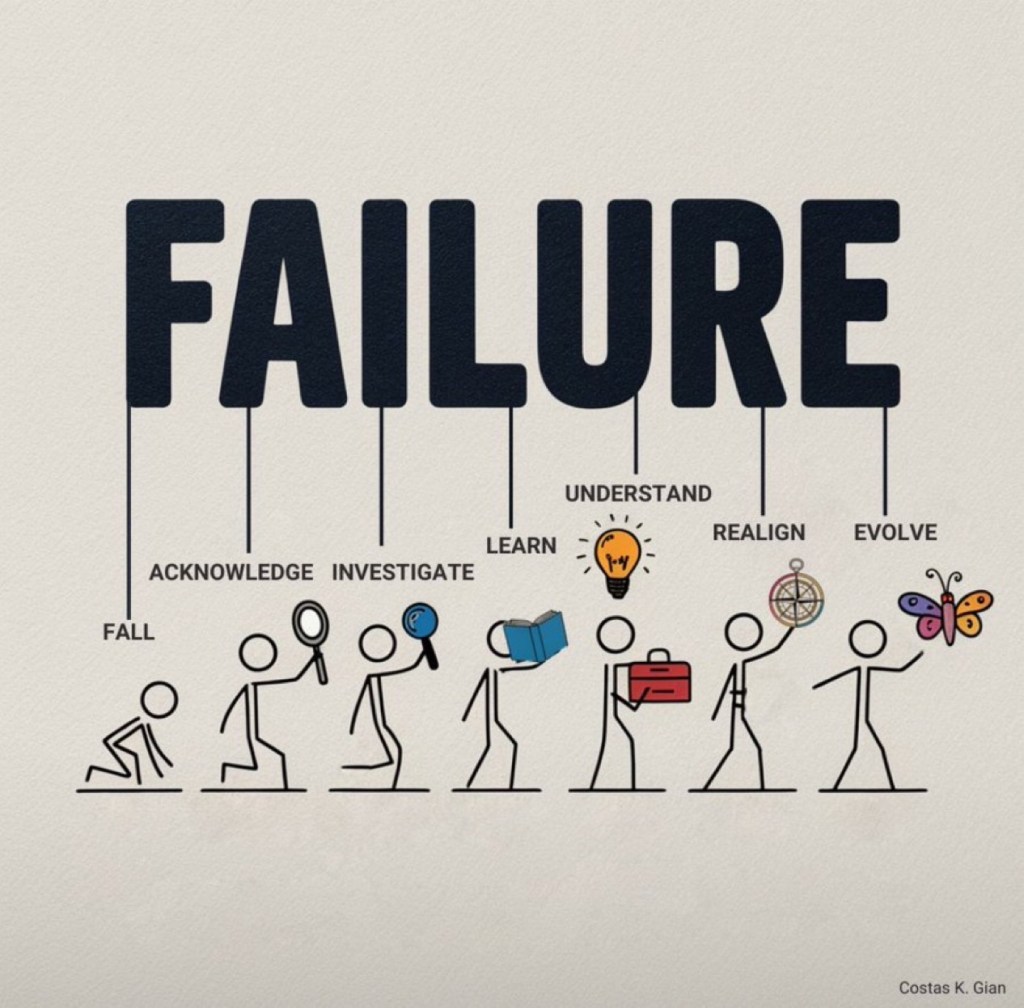
The story of FAVORIOT mirrors the word in that image, FAILURE, not as an end but as a teacher.

It began with a fall.
When FAVORIOT was first founded, the dream was bold — to make Malaysia a producer of IoT technology, not just a consumer. But reality was harsh. Funding was scarce, and few believed that a local IoT platform could compete with global giants like AWS or Azure. There were moments when the lights almost went out.

Then came acknowledgement.
The team looked in the mirror and admitted that building a platform alone was not enough. They needed to build an ecosystem. An IoT movement. Training, community, developers, partners, the entire value chain. It was not about selling software anymore. It was about empowering people.

Next was investigation.
What went wrong in those early pilots? Why were customers hesitant? FAVORIOT analysed every feedback, every failed proof of concept, and every lost deal. They realised the issue was not the technology but trust, awareness, and readiness.

So they began to learn.
They turned lessons into playbooks, products, and courses. They trained universities, upskilled engineers, and worked hand in hand with students and enterprises to show that IoT was not rocket science. Every workshop, every certification, every hands-on project became a step towards mastery.

Then came understanding.
The mission became clearer. Build Malaysia’s own IoT backbone for data sovereignty and local innovation. FAVORIOT was not just a platform; it was a bridge between learning and real-world application, between local talent and global opportunity.

With clarity, they began to realign.
FAVORIOT expanded globally, partnering with system integrators from Indonesia, the Philippines, India, and Canada. The vision grew into “25 countries by 2025.” They built the Fayverse, a galaxy of innovators orbiting the same belief that local technology can shine on the world stage.

And finally, they evolved.
FAVORIOT became more than a company. It became a story of resilience. A proof that falling is not failure. Staying down is. Every setback became a stepping stone. Every obstacle, a teacher.

From falling to flying, that is the real story of FAVORIOT.

Overview of FAVORIOT C0mplete Brand

💡 Brand Strategy

Brand Substance

Purpose:
To empower nations, universities, and innovators to build their own IoT ecosystems — achieving technological sovereignty and nurturing the next generation of IoT creators.

Vision:
To make FAVORIOT the world’s most trusted IoT platform that helps nations become producers, not just consumers, of technology.

Mission:
To simplify IoT adoption through education, local partnerships, and accessible platforms — enabling anyone, from students to enterprises, to build impactful smart solutions.

Values:

  • Empowerment: We lift others to build.
  • Collaboration: We grow together through partnerships.
  • Integrity: We stand for transparency and trust in every connection.
  • Curiosity: We explore, learn, and innovate with heart.
  • Resilience: We pivot, persevere, and keep moving forward.

Positioning Strategy

Audience:
Universities, startups, system integrators, and governments seeking IoT independence and real-world learning platforms.

Competition:
Global IoT hyperscalers (AWS IoT, Azure IoT, ThingsBoard) — but FAVORIOT differentiates by offering a local, sovereign, and education-driven ecosystem that’s made by Malaysians, for the world.

Difference:
FAVORIOT bridges education and enterprise — combining IoT training, certification, and deployment in one platform. It’s not just about data; it’s about developing people, institutions, and nations.

Brand Expression

Brand Persona

Brand Voice:
Warm, insightful, humble yet confident. Speaks like a mentor or friend who believes in your potential to create something great.

Brand Communication

Core Messaging:
“Let’s build the IoT world together.”
(Reflects collaboration, empowerment, and shared growth.)

Storytelling Framework:
Stories center around:

  • Empowering students and educators.
  • Real IoT impact on communities and industries.
  • Favoriot’s journey — from survival to global partnerships.
  • The vision of a Producer Nation and the rise of the Fayverse.

Brand Taglines:

  • “Empowering Nations to Build Their Own IoT Ecosystem.”
  • “Let’s Build the IoT World Together.”
  • “From Learners to Leaders in IoT.”

Visual Expression

Brand Identity:

  • Logo: Stylized “F” circuit path on magenta circle
  • Color: Official magenta #B90083 (symbolizing creativity, boldness, and human warmth)
  • Typography: Rounded sans-serif — modern yet approachable
  • Mascot: Faybee (symbol of teamwork and energy)
  • Personas: IoT Man and IoT Queen

Brand Presence:

  • Platforms: favoriot.com, Medium, LinkedIn, YouTube, Spotify podcasts
  • Ecosystem: Universities, startups, and global partners in 10+ countries
  • Tone: Storytelling-driven, people-first, optimistic, and visionary

❤️ Summary

FAVORIOT is more than an IoT platform — it’s a movement.
A story about how local innovation can grow into a global ecosystem.
It represents Malaysia’s dream of becoming a Producer Nation, built on collaboration, purpose, and belief in our own capabilities.

If They Don’t Trust You, They’ll Never Buy From You

Why Trust is the Real Product You’re Selling (and How Marketing Builds I

Let’s cut straight to it.

You could have the best solution on the planet. The smartest AI. The most beautiful dashboard. A deal they’d be crazy to ignore.

But if they don’t trust you?

Game over.

That’s the truth most salespeople and founders don’t want to hear. You don’t lose sales because your product lacks features. You lose because your buyer doesn’t feel safe saying “yes.”

Let that sink in.

You’re Not Selling a Product — You’re Selling Trust

Every time someone signs on the dotted line, they’re taking a leap of faith. Into the unknown. Into the hands of your promises.

And that leap?

It only happens when trust is strong.

If you’re struggling to close deals, here’s your wake-up call — it might not be your price. It’s your credibility.

So how do you fix it?

Let’s start by understanding how trust works across the entire sales cycle.

1. Trust Speeds Everything Up

Without trust, every step in your sales process feels like a slow crawl. Every email takes longer to reply to. Every objection drags on. Every meeting ends with “We’ll think about it.”

But with trust?

Things move fast.

Buyers stop nitpicking. They start nodding. They say “yes” before you finish the pitch. Why? Because they’re not just buying what you do — they’re buying who you are.

You’re not just another vendor anymore. You’re the one they believe in.

2. Trust Makes You the Safe Bet

Let’s be real — nobody understands your tech as much as you do. Most buyers don’t get how your backend system works or what your AI algorithm is doing behind the scenes.

They’re not buying your code. They’re buying confidence.

“I don’t fully get what this does… but I trust you’ll make it work for us.”

That right there? That’s the golden ticket.

If you can be the trusted guide — the one who explains things clearly, sets real expectations, and never overpromises — you become the safest decision they’ve ever made.

3. Trust Wins the Long Game

Deals don’t end at the sale.

What happens after is what builds your reputation.

When things go sideways — and they will — your response matters more than your roadmap. When customers trust you, they stay even when things get tough. They refer others. They become evangelists.

And that kind of loyalty?

It’s not bought with discounts. It’s earned with integrity.

So, Where Does Trust Begin?

It doesn’t start in the pitch deck.

It starts way earlier — with your marketing.

Yes, marketing builds trust before sales even says hello.

Here’s how.

4. Marketing Sets the Tone Before You Even Enter the Room

Think about the last time you Googled a company. What made you stay? A clean website? Great reviews? A few helpful blogs?

Or did you bounce the second you saw a clunky layout and an outdated logo?

Exactly.

Your prospects are doing the same.

Marketing is your first handshake — your first “hello.” And it better say:
“We know what we’re doing. We’ve done this before. You’re in good hands.”

That’s not just branding. That’s trust-building.

5. Content Builds Trust at Scale

You don’t need to be everywhere. But you do need to show up where it counts.

Every blog post. Every case study. Every video tutorial. Every helpful LinkedIn post.

They all add bricks to your trust wall.

Even if someone’s not ready to buy today, they’re watching. And when the time comes? They’ll remember you as the one who actually cared to educate them, not just sell to them.

6. Your Personal Brand is a Trust Magnet

People don’t trust logos.

They trust people.

You showing up as a thought leader — on LinkedIn, podcasts, panels — makes all the difference. Share your journey. Your failures. Your honest thoughts about the industry.

Don’t try to be a polished robot.

Be human.

When you do, people will say:
“I don’t just want the product — I want to work with YOU.”

That’s when you’ve won.

7. Great Marketing Shows, Not Tells

Stop saying, “We care about our customers.”

Start proving it.

Give value before you ask for anything:

  • Share insights your competitors gate behind forms
  • Run webinars that teach, not just pitch
  • Respond to DMs with care and speed
  • Celebrate your customers’ success more than your own

Because when your marketing is rooted in generosity, trust becomes your default currency.

Sales and Marketing: One Team, One Mission

If your sales team is hustling but the leads are cold, there’s a disconnect.

Marketing should be paving the road before sales even shows up.

That means:

  • Sharing real customer success stories
  • Addressing objections through blog posts and videos
  • Keeping your message consistent across every touchpoint
  • Making sure your promises match your delivery

When both teams work together to build trust, magic happens.

Your Competitive Advantage? Trust.

At the end of the day, buyers will always ask themselves:

“Can I trust this person with my time, money, and reputation?”

If the answer’s no — they walk.

If the answer’s yes — they buy.

So don’t just optimise your sales funnel.
Don’t just build a smarter chatbot or a flashier website.

Build trust.

And do it in every word you say, every promise you make, every story you share.

Because trust isn’t just part of the sales cycle.

It is the sales cycle.

Now go earn it.

Why FAVORIOT Exists: The Deeper Purpose Behind Our IoT Mission

“Why do you do what you do?”

It’s a simple question — but one that hit me like a lightning bolt the first time I heard it posed by Simon Sinek in his book “Start With Why.” I thought I had the answer years ago when we founded FAVORIOT. We wanted to build an IoT platform. We wanted to be part of the Fourth Industrial Revolution. We wanted to make Malaysia proud.

But after reading Find Your Why, I realized I had only scratched the surface.

So I decided to go deeper. To strip away the features, the dashboards, the data streams — and ask myself, what is our true reason for being?

The Early Sparks: Frustration as Fuel

I spent decades in various ecosystems — from academia to government, corporates to startups. In every world, I saw the same problem repeat like a broken record: brilliant people with smart ideas were stuck because the technology was either too expensive, too complicated, or too foreign.

“Why are we importing tech for things we can build locally?”

“Why can’t our students graduate with real IoT skills, not just theories?”

“Why does every ‘Smart City’ pilot end with a press release but no long-term sustainability?”

Each “why” turned into fuel.

And that’s how FAVORIOT was born. Not from a business plan, but from frustration. From the belief that things should be simpler. That IoT shouldn’t be reserved for tech giants. That a kampung farmer, a Form 5 student, and a municipal engineer all deserve access to the same tools of transformation.

Understanding Our WHY

According to Find Your Why, every organization must uncover its purpose through reflection, story, and the impact it wants to make. It isn’t about what you do — it’s about why you do it.

And the format is simple yet powerful:

TO [your contribution] SO THAT [your impact].

So I asked myself:

  • What do we do when we’re at our best?
  • What makes us proud?
  • What kind of future do we want to build — not just for us, but for others?

Our WHY Statement

To empower people and organizations with accessible IoT technology, so that they can build smarter, connected futures on their own terms.

Let me unpack that for you.

“To Empower People and Organizations…”

We don’t just provide a dashboard.

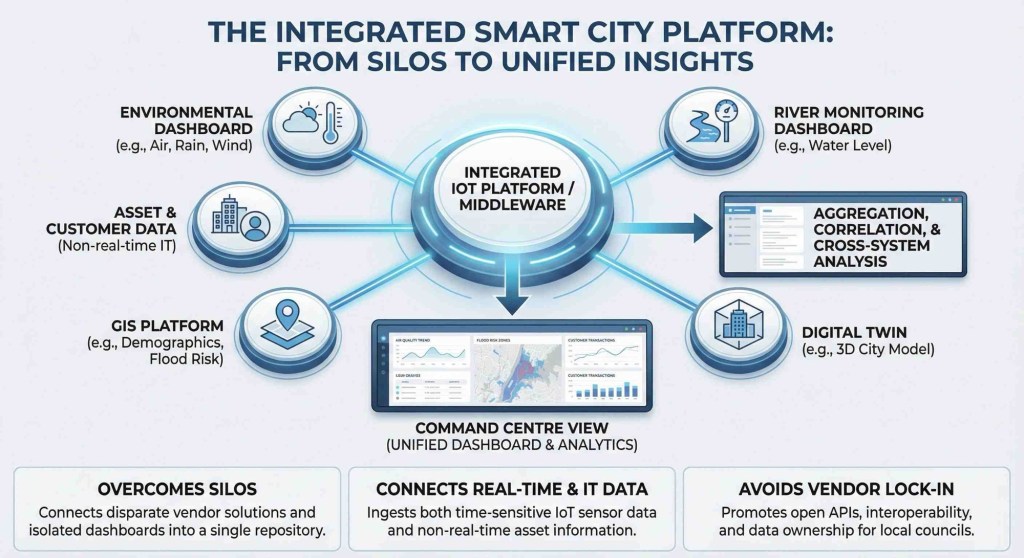
We empower students to build their final year projects with confidence. We empower lecturers to teach IoT without needing an AWS certification. We empower entrepreneurs to launch sensor-based services. We empower city councils to detect flood risks, monitor waste bins, and receive alerts directly on Telegram — without vendor lock-ins or complex coding.

This empowerment comes in the form of:

  • A local, developer-friendly IoT platform (FAVORIOT Cloud)
  • Training and certifications via FAVORIOT Academy
  • Partnerships that build ecosystems, not just transactions

We’ve seen it firsthand — the moment someone realizes “Hey, I can build this myself” — that’s where our real work begins.

“…with Accessible IoT Technology…”

IoT is often wrapped in buzzwords: LPWAN, edge computing, mesh networks. But in truth, most users don’t need to know all that.

What they need is:

  • A clean dashboard
  • A reliable API
  • A simple setup guide
  • Local support, not just chatbot replies from time zones away

We built FAVORIOT with accessibility in mind. Not “dumbed down,” but demystified. So that even if you’re a high school student or a small-town official, you can say, “Yes, I understand this.”

We’re proudly Made in Malaysia, but we’re built for global adoption — especially in regions where digital transformation is often a PowerPoint slide, not a daily tool.

“…So That They Can Build Smarter, Connected Futures…”

This is the impact. The soul of our mission.

It’s not about selling more subscriptions or deploying more gateways. It’s about helping others take control of their own digital transformation.

A university that trains 500 certified IoT graduates per year?
That’s a smarter future.

A logistics company that reduces vehicle downtime with sensor data?
That’s a smarter future.

A kampung that uses IoT to monitor river levels and avoid flooding?
That’s not a Silicon Valley fantasy. That’s reality. And it’s happening.

Because we gave them the tools — and more importantly, the confidence — to build it on their own terms.

What Favoriot Is Not

We’re not trying to compete with AWS or Azure on scale.

We’re not just another smart city vendor with flashy mockups and no follow-through.

And we’re definitely not in it for vanity metrics.

What we are building is a platform that:

  • Trains the next generation of engineers and technologists
  • Supports local system integrators with ready-to-deploy tools
  • Strengthens national resilience by owning our tech stack
  • Connects the dots between ambition and execution

Why This Matters — Especially Now

Everyone’s talking about AI. And yes, AI is exciting.

But here’s the truth: AI needs data. And data comes from IoT.

Without sensors, there are no predictions. Without real-time input, there’s no intelligent decision-making. IoT is the nervous system — AI is the brain. You can’t build a smarter future with just one.

Yet IoT is often the unsung hero.

FAVORIOT exists to make that hero visible — to give it a platform, a purpose, and most importantly, a presence in our communities.

Closing Thoughts: Why I’m Still Here

People sometimes ask me, “After all these years, what keeps you going?”

And honestly, it’s not the tech.

It’s the message I got from a student who said, “Dr., because of the Favoriot certification, I got hired immediately after graduation.”

It’s the local council officer who said, “We prevented a flood this year — because of your alerts.”

It’s the partner in Indonesia who said, “We never thought we could build our own IoT solution — until Favoriot.”

That is our WHY.

That is why we exist.

And that is why we’ll keep building.

Your Turn

If you’re a student, a policymaker, a developer, or an entrepreneur — and you’ve ever thought “IoT is too complex” — I invite you to rethink that.

Because with the right platform, the right support, and the right purpose — you’re closer to a smarter future than you think.

And we, at Favoriot, are here to help you build it.

Let’s democratize IoT. Together.

The Book That Finally Told the Truth About IoT

For years, I’ve watched the Internet of Things evolve—promises, pilots, platforms, and… silence.

We were told IoT would change everything. And yet, here we are. Smart cities still look like science projects. Predictive maintenance rarely gets past a demo. Even in conferences, IoT is the quiet cousin, while AI receives the spotlight.

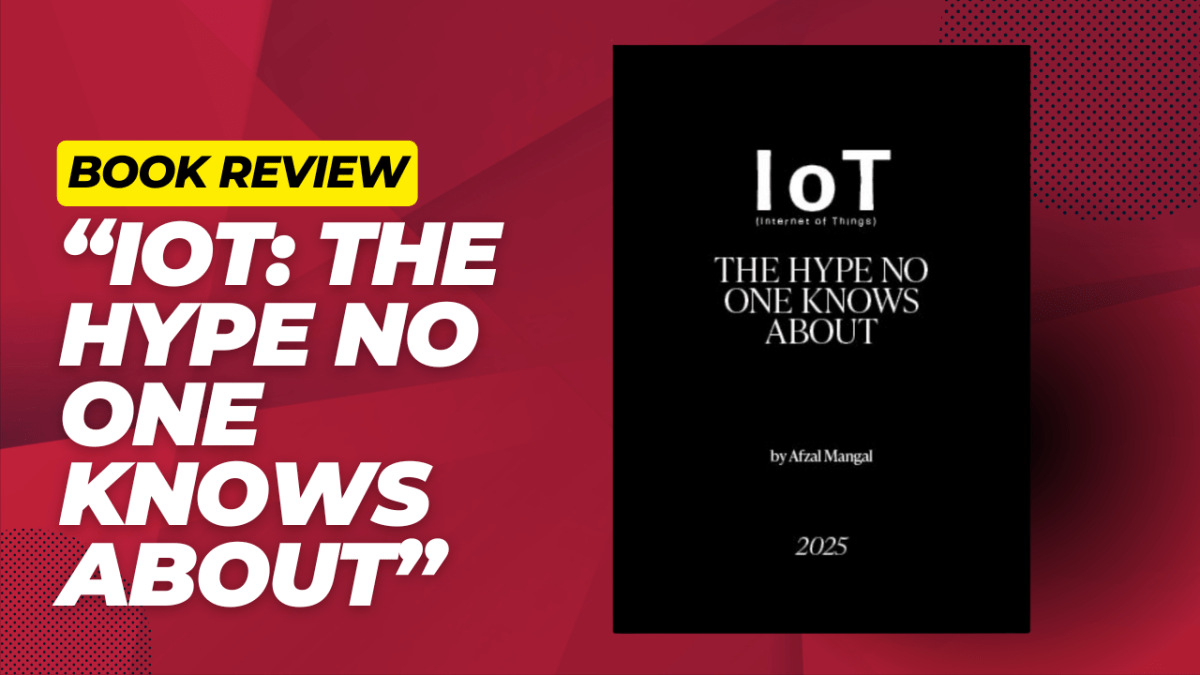
So when I read IoT: The Hype No One Knows About by Afzal Mangal, I didn’t just read it—I felt it.

This wasn’t another technical deep dive. It wasn’t a glossy case study collection either. It was something rare: an honest book written by someone who’s actually done the work, faced the resistance, and survived the grind.

It’s Not the Technology That’s Broken

The core message? IoT works. That’s not the problem. The issue is that no one knows or sees it, and often, no one asks for it.

IoT doesn’t fail in the lab. It fails in the boardroom. It fails when:

  • Decision-makers don’t know what problem IoT solves
  • Internal champions give up after the pilot
  • Sales teams can’t explain it without five slides and a PhD

This hit hard. I’ve seen excellent IoT projects—solid tech, measurable impact—die quietly because there was no momentum to take them further.

Meanwhile, AI Took the Stage

Mangal makes a bold (and fair) comparison: AI and IoT were both hyped. But only one became mainstream.

Why?

Because AI built a tribe, it became aspirational. It had influencers, evangelists, podcasts, and memes. It was everywhere. IoT, on the other hand, stayed niche. It stayed quiet. It stayed technical.

It didn’t show off its wins. It didn’t shout. And that’s where we lost the game.

The Book Offers Solutions, Not Just Complaints

The best part isn’t just the diagnosis. It’s the prescription.

Mangal outlines 70 actions—from marketing to product strategy—that are refreshingly doable. No jargon. Just real advice:

  • Put “IoT” in your product name
  • Sell small and scale later
  • Educate the market like a campaign
  • Speak in stories, not specs
  • Make IoT visible in daily life

It sounds simple, but when did we last do any of that?

My Honest Take

This book isn’t for those looking for another buzzword to pitch. It’s for those tired of being invisible. It speaks to the founders, engineers, salespeople, and educators who want IoT to finally get the recognition it deserves, technically and publicly.

It made me reflect deeply on how I present, pitch, and teach IoT.

We can keep building great tech. But until we start creating awareness, IoT will remain a background actor in a play it should lead.

My Final Thoughts

Afzal Mangal didn’t just write a book—he wrote a mirror. If you’ve ever been frustrated with the slow progress of IoT adoption, this book gives you clarity—and a plan.

I highly recommend it to anyone in the IoT space, especially:

  • Startup founders
  • Product managers
  • Policy-makers
  • Tech educators
  • Marketers are trying to position IoT solutions

The industry doesn’t need more hype. It needs truth, clarity, and action.

This book delivers all three.

From Manual Logins to a Global Force: This is Favoriot 4.5

“Dr. Mazlan, I didn’t receive my password—boleh email balik?”

I still remember that message. One of our earliest users. Back when onboarding meant me, personally, typing out usernames and passwords… and emailing them. One. By. One.

No dashboard.
No billing.
No automation.
Just a dream—and a lot of copy-pasting.

Was it messy? Yes.
Was it worth it? Absolutely.

That’s where Favoriot was born—not in a boardroom, but in a Gmail inbox at midnight.

We Built It The Hard Way

Every support ticket? A lesson.
Every bug? A wake-up call.
Every confused user? A chance to rethink.

We didn’t have “customer personas.”
We had real people telling us, “This part tak faham…”
And that direct feedback shaped everything.

So we added what mattered:
✅ Visual dashboards
✅ Auto device creation
✅ Better user controls
✅ A real self-service platform

Eventually, we stopped emailing passwords.

And Then… We Grew

By version 3.0, Favoriot wasn’t a scrappy prototype anymore. It was real.

Today?
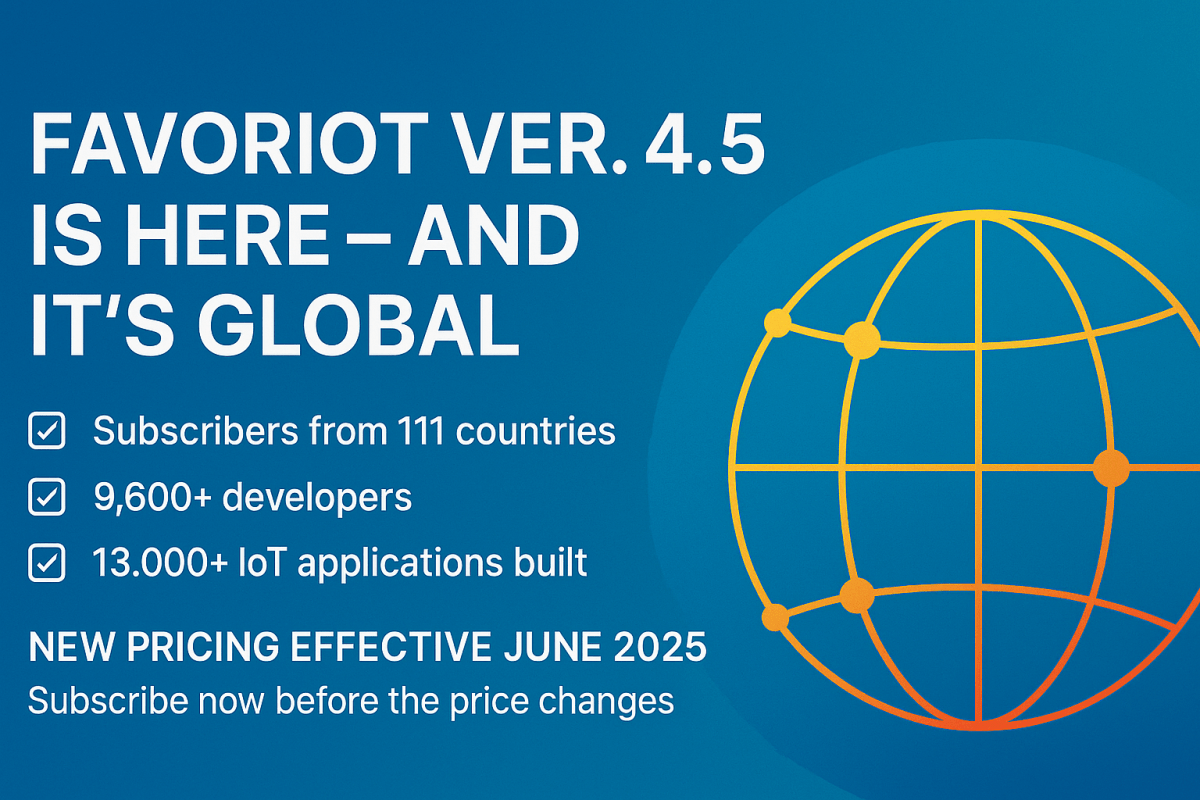
🌍 111 countries
👨‍💻 9,600+ developers
📱 13,000+ IoT apps

What’s wild? We have no idea what most users are building.
And you know what? We love that.

Favoriot is flexible enough for developers to use it their way—without us needing to micromanage or interfere. That’s the magic of a true IoT platform-as-a-service.

We Kept It Cheap—On Purpose

We priced it low. Dirt cheap, some said.

Because back then, IoT wasn’t mainstream.
We wanted students, hobbyists, and young startups to try.
To explore. To fail. To learn.
Without worrying about subscription fees.

That strategy worked.
It built trust. It built momentum.
And it got Favoriot where it is today.

But Let’s Be Real—It’s Time

Favoriot 4.5 isn’t a toy.
It’s a world-class platform.

We’ve benchmarked ourselves against the global giants.
We’ve made it faster, stronger, smarter.
And yes—it’s time the subscription reflects that.

Starting June 2025, our prices will change.

Why?
Because we’ve earned that seat at the table.
And we want to keep delivering the value you deserve.

But Here’s The Deal

If you subscribe before June—
You lock in the current price.
No surprises. No sudden hike.
Your loyalty gets rewarded.

To the Early Believers

If you’ve been with us since the manual days…
If you ever waited for your login in your inbox…
If you clicked “refresh” hoping we’d fix the bug…

Thank you.

Favoriot 4.5 carries your fingerprints.
We wouldn’t be here without you.

And we’re just getting started.

Let’s keep building the future of IoT—together.

Favoriot: A Marathon of Pivots, Perseverance, and Purpose

“This is going to be a game-changer!”

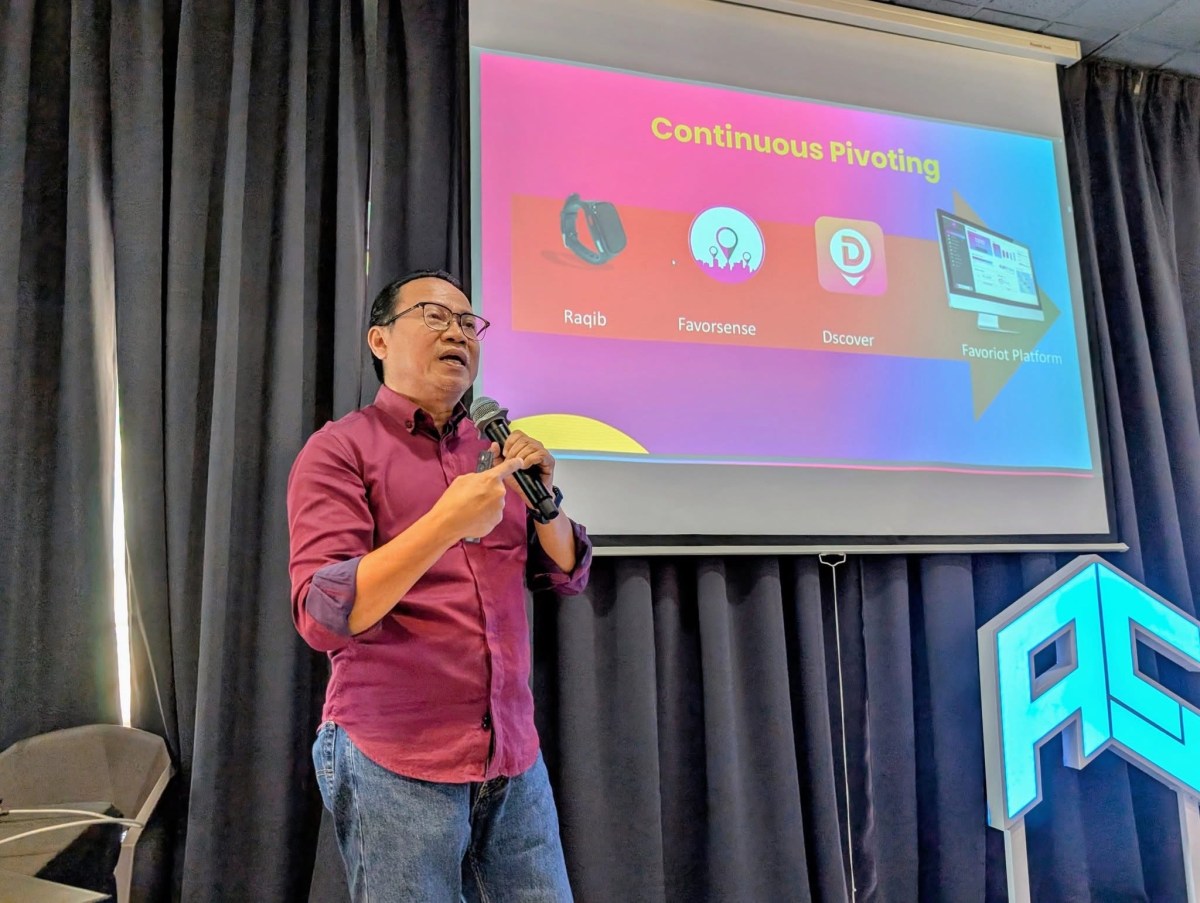
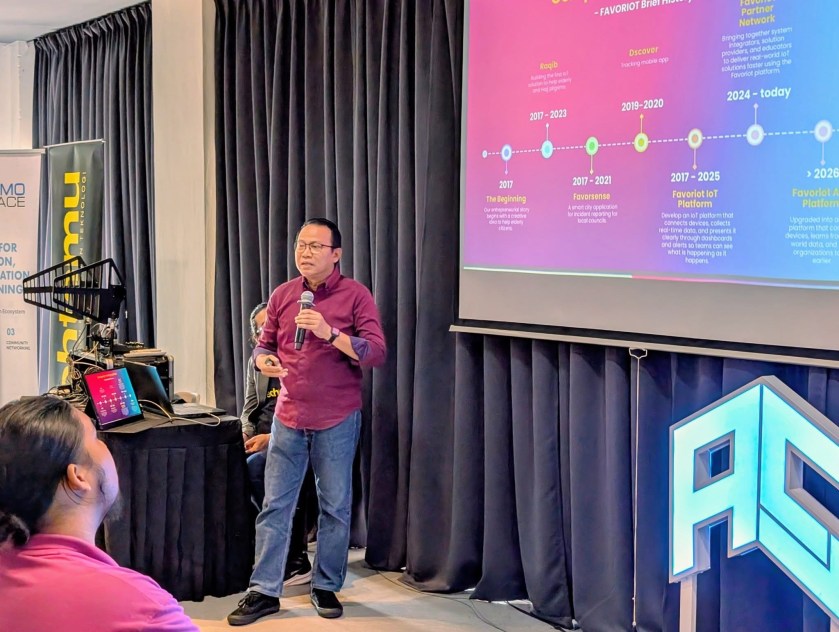
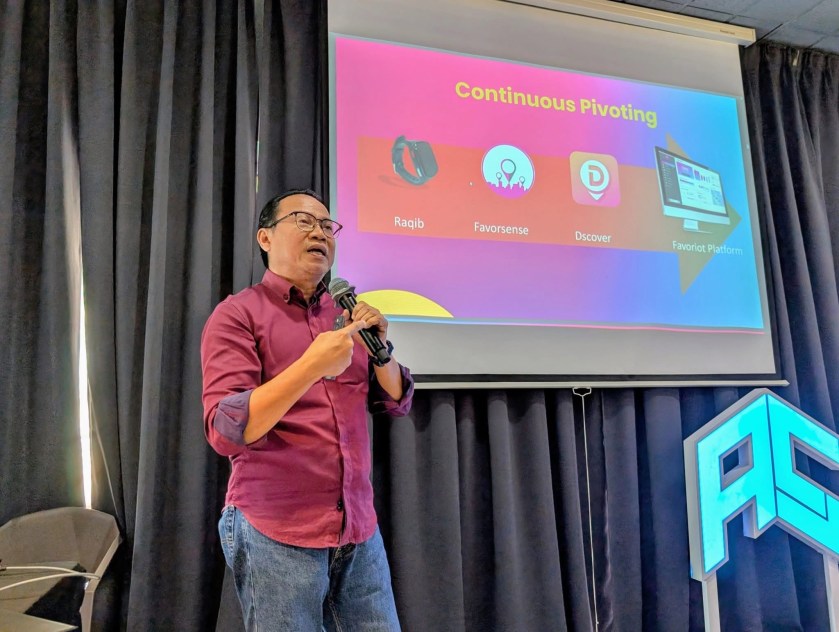
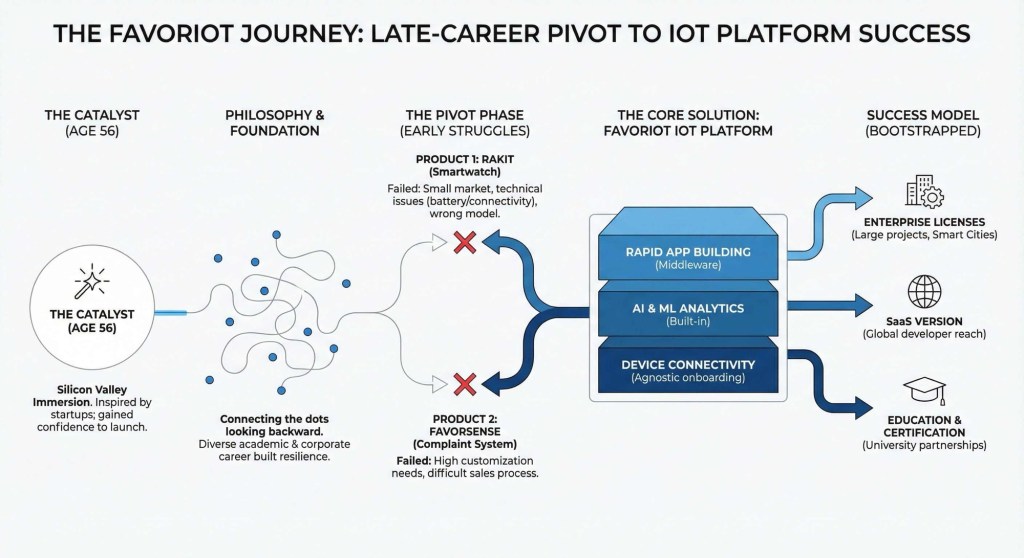
That was the spark that ignited our journey. In 2017, we embarked on a mission to revolutionize the Internet of Things (IoT) landscape in Malaysia. Our first stride? Raqib—a wearable device designed to ensure the safety and health of Umrah and Hajj pilgrims. It was more than just a product; it was a vision to provide peace of mind to individuals and their families during spiritual journeys.

KM 0–5: The Starting Line – Raqib’s Ambitious Launch

Launching Raqib felt like the exhilarating first kilometers of a marathon. The energy was high, the vision clear, and the team motivated. We believed in our product’s potential to make a significant impact. However, as with any long-distance race, the initial excitement soon gave way to unforeseen challenges.

KM 6–10: The First Hurdles – Technical Glitches and Market Realities

As we progressed, technical issues began to surface. The device faced unexpected glitches, and our marketing efforts didn’t yield the anticipated traction. It was a tough pill to swallow. But we weren’t ready to give up. We pivoted and introduced Favorsense, aiming to capture a different segment of the IoT market. Yet, despite our best efforts, it struggled to gain user interest.

“Where did we falter? What could we have done differently?” I often pondered during those challenging times.

KM 11–15: The Turning Point – Recognizing the Core Strength

Amidst these setbacks, a realization dawned upon us. The common thread between Raqib and Favorsense was the underlying platform that powered them. This platform, robust and versatile, had the potential to be more than just a backbone for our products. It could be the very product we needed to focus on.

I told the team, “This platform can be used by anyone who wants to develop their own IoT products. “

With renewed determination, we decided to pivot once more. We introduced the Favoriot IoT Platform to the public, offering it free to attract a broader audience. However, adoption was slower than expected. Despite creating tutorials and sharing resources, many users found it challenging to navigate the platform.

KM 16–20: Bridging the Gap – Introducing IoT Courses

Understanding the need for guidance, we launched IoT courses tailored to help users grasp the platform’s capabilities. These courses weren’t just about theory; they offered hands-on experience, enabling participants to apply their knowledge in real-world scenarios.

The response was overwhelmingly positive. Universities and polytechnics across Malaysia began integrating the Favoriot IoT Platform into their curricula. Students utilised it for their final-year projects, bringing innovative ideas to life.

“This is a significant achievement for us,” I expressed pridefully.

KM 21–30: Expanding Horizons – Building Partnerships

As we continued our journey, we recognised the importance of collaboration. We partnered with system integrators and enterprises, offering our platform’s cloud-based and enterprise-based models. This flexibility allowed clients to choose solutions that best fit their needs, further solidifying Favoriot’s position in the market.

KM 31–40: Gaining Momentum – Recognition and Growth

Our efforts began to bear fruit. Favoriot was no longer an unknown name in the IoT landscape. Out of 9,375 users (as of January 27, 2025), 80% came from our own country—a milestone that filled me with pride.

“We did it,” I told my team with a sense of accomplishment. “We’ve proven that we can compete with global platforms and carve out our own space.”

KM 41–42.195: The Final Stretch – Looking Ahead

Today, the Favoriot IoT Platform is a testament to resilience and adaptability. The journey has been a marathon from its humble beginnings with Raqib to becoming a cornerstone in IoT education and development. We’ve learned that setbacks aren’t failures but opportunities to pivot and grow.

As we look ahead, our vision is to take the Favoriot IoT Platform beyond Malaysia, reaching global audiences and empowering the next generation of IoT innovators.

“This is just the beginning,” I remind the team. The marathon continues, and we’re ready for the next leg of the race.

So, Startup or Marathon?

Startup is a marathon.

But with Favoriot, it’s not just about enduring.

It’s about leading, creating, and building something that lasts beyond the race.

And here’s the truth no one tells you:

The real finish line is when others start running because you did.

The Secret Skill That Helped Me Build FAVORIOT

I have often been asked about my entrepreneurial journey—how I transitioned from corporate life to building FAVORIOT from scratch. People assume that technical knowledge and business acumen are the key ingredients, but there’s something else—something that I rarely talk about but has been my secret weapon all along.

What’s this secret skill?

Adaptability.

It’s not flashy, and people don’t usually admire adaptability in the same way they admire confidence or leadership. But let me tell you, adaptability is the difference between thriving and fading into obscurity.

The Shift from Corporate to Startup Life

When I left the structured corporate job environment to venture into entrepreneurship, I was stepping into unknown territory. For years, I had worked in environments where resources were plentiful, teams were in place, and projects had budgets and timelines that made sense.

Now, I had none of that.

I had to build everything from scratch. There was no IT team to help me set up emails, no HR to handle hiring, and no marketing department to promote the company.

I became all of those things overnight.

I had to learn to wear multiple hats and switch between them at a moment’s notice. One day, I was designing IoT solutions; the next, I negotiated with clients or handled company registration paperwork.

That’s when I realized—my ability to adapt was my biggest strength.

Learning to Navigate the Startup Chaos

Unlike corporate life, where things follow a set rhythm, startup life is unpredictable. Some days, I feel on top of the world because we closed a big deal. Other days, I wonder if FAVORIOT can survive another month.

This is where adaptability became crucial.

I had to quickly analyze problems, adjust my approach, and keep moving forward. Here are some of the ways adaptability helped me:

1. Pivoting When Necessary

I initially thought that smart city solutions would be FAVORIOT’s main market. But after months of trying to gain traction, I realized that local councils weren’t ready for IoT adoption at scale.

Should I have waited for the market to be ready?

No. I adapted.

I shifted my focus to IoT training and education—something universities and professionals were eager to explore. This move helped us generate revenue and positioned FAVORIOT as an authority in the IoT space.

If I had been rigid, FAVORIOT might not have survived.

2. Embracing Digital Marketing

Before starting FAVORIOT, I had never focused on social media marketing or personal branding. But as a startup founder, I quickly realized that visibility is everything.

I began writing blog posts, creating LinkedIn content, and engaging with the IoT community online. I even started making educational TikTok videos—something I would have never imagined doing in my corporate days.

Was it uncomfortable at first? Absolutely.

But again, adaptability helped me push through that discomfort and build a strong online presence that drives business to FAVORIOT.

3. Listening and Adjusting

I thought I knew what the market wanted, given my decades of experience in the industry. But the reality was different.

Many times, my assumptions were proven wrong.

Instead of resisting, I adapted by listening more—talking to customers, understanding their real problems, and refining our solutions. This ability to adjust based on feedback greatly impacted how we positioned our products and services.

4. Surviving Financial Uncertainty

Running a startup means facing financial ups and downs. There were months when revenue was strong and months when it felt like we were running on fumes.

In a corporate job, salaries are stable. In a startup, nothing is guaranteed.

I had to constantly adapt our financial strategy—cutting unnecessary costs, finding alternative revenue streams, and making tough decisions to keep the company afloat.

Adaptability is a Survival Skill

Looking back, I realize that adaptability is not just a skill; it’s a survival mechanism. In entrepreneurship, things will go wrong, plans will fail, and markets will shift.

But those who adapt don’t just survive—they thrive.

Many people get stuck because they expect success to come in a straight line. They refuse to change course even when things aren’t working, which is why so many businesses fail.

I have always believed in my vision for FAVORIOT but have never been too proud to adjust my approach when needed. That’s the secret skill that has kept me going.

Final Thoughts

People often ask me what skills are necessary to succeed in entrepreneurship. They expect me to say technical expertise, business knowledge, or leadership. But the truth is, adaptability is the real superpower.

The ability to embrace change, learn new things, and shift strategies when needed can make or break a startup.

If you’re on your own entrepreneurial journey, ask yourself—how adaptable are you?

In the world of business, it’s not the strongest who survive but those who can adapt the fastest.

The Fourth Industrial Revolution: The Future is Already Here!

“Are we ready for this transformation?”

I still remember the first time I heard the term “Fourth Industrial Revolution” or more commonly known as Industry 4.0. It sounded futuristic, like something straight out of a sci-fi movie—where robots rule the world, artificial intelligence (AI) makes all decisions, and automation is everywhere.

But the reality? We are already living in that era!

Before we panic and imagine ourselves being chased by rogue robots, let’s take a step back and understand how industrial revolutions have shaped the world.

From the First to the Fourth: The Evolution That Changed the World

History has witnessed four major industrial revolutions, each transforming human life in unimaginable ways:

  1. First Industrial Revolution (18th – 19th Century)
    • The invention of the steam engine changed everything. Factories replaced manual labor, and transportation improved dramatically. It was the birth of modern industry.
  2. Second Industrial Revolution (Late 19th – Early 20th Century)
    • Electricity became the new king. Assembly lines and mass production made goods cheaper and more accessible. Henry Ford’s automobile factories were the poster children of this era.
  3. Third Industrial Revolution (Mid-20th Century – Early 21st Century)
    • Computers, automation, and the internet revolutionized the workplace. Suddenly, information was just a click away, and digital transformation began.
  4. Fourth Industrial Revolution (Now!)
    • AI, the Internet of Things (IoT), 5G, blockchain, quantum computing—you name it. Machines are getting smarter, and decision-making is shifting from humans to algorithms.

Wait… Does This Mean Robots Will Take Over My Job?

This is the million-dollar question. The short answer: Yes and No.

Yes, because many repetitive manual tasks will be automated. If a machine can do it faster and better, why pay a human to do it?

No, because new jobs will emerge—roles we never imagined before. Who would have thought that “TikTok Content Strategist” or “Metaverse Architect” would be actual job titles?

The key here is adaptability. Those who embrace technology will thrive, while those who resist will struggle. It’s like complaining that smartphones are ruining society while using one to rant on social media.

How Industry 4.0 Affects Our Daily Lives

If you think Industry 4.0 only affects tech companies, think again. It’s already changing our everyday lives:

  • Smart Homes: Your fridge tells you when you’re out of milk, and your lights turn on when you enter the room. It’s like living in a sci-fi movie!
  • Healthcare – AI can detect diseases earlier than doctors, and robotic surgeries are becoming more common. Imagine getting medical advice from a chatbot instead of waiting hours in a clinic.
  • Education – Online learning, AI tutors, and personalized lessons replace traditional classrooms. No more boring lectures (hopefully).
  • Shopping—AI-driven recommendations make your online shopping ads feel creepily accurate. “How does it know I was thinking about buying a new phone?!

The Funny Side of Industry 4.0

Despite all the advancements, some things about Industry 4.0 are just plain hilarious.

  1. The Smart Home Fiasco
    • Me: “Hey Alexa, turn off the lights.”
    • Alexa: “Turning off all the lights.”
    • Me: “Wait, not the WiFi—” (Everything shuts down, including my will to live.)
  2. AI Assistants That Are Not So Smart
    • Me: “Siri, what’s the weather like today?”
    • Siri: “I found some information about dinosaurs.”
    • Me: “…”

Are We Ready for This Future?

Industry 4.0 is not coming—it’s already here. The question is, how do we prepare for it?

  1. Learn New Skills – Coding, AI, data analytics, cybersecurity. The more you know, the better.
  2. Embrace Change – Don’t resist technology. Learn how to use it to your advantage.
  3. Be Creative – Machines can replace repetitive jobs but can’t replace human creativity.

Remember, the future belongs to those willing to adapt and evolve. So, are you ready?

Or are you still waiting for your smart fridge to stop judging your midnight snacks?