How We Struggle to Monetise Our Second IoT Product Aimed at Smart Cities

ENTREPRENEURSHIP STORIES

It is a real story of how painful the Smart Cities market can be.

Photo by Alejandro Luengo on Unsplash

Not a paid member? Click here to read the full story for free.

Building a second product in the shadow of a complex first creation is a tale of ambition, optimism, and the stark realities of the innovation process. I want to share our real story of creating Favorsense at Favoriot, hoping that our struggles and lessons can light the path for other aspiring innovators in the Internet of Things (IoT), especially those venturing into the intricacies of Smart Cities.

The Inception: A City’s Call to Action

I remember walking through the streets of my city, sensing the pulse of urban life, and observing the stark challenges of urban infrastructure.

The problems demanded attention, from the minor inconveniences of littered sidewalks to the perils of damaged public utilities. It was here that the concept of Favorsense was born.

Raqib, our first IoT product, was already in development. Yet, the city’s heartbeat called for a solution that could resonate with its rhythm.

Thus, we developed Favorsense to transform how citizens engage with their urban environment.

Photo by Artem Zhukov on Unsplash

Embarking on the Favorsense Journey

The journey was not without its trials. While Raqib, a complex health monitoring system, continued on its intricate development path, Favorsense unfolded with a different team and vision.

We believed that building a Smart City application would be simpler. However, there was a maze of unforeseen challenges.

Favorsense was envisioned as a mobile application empowering citizens to report urban issues. It was an elegant solution — simple yet powerful. Through the lens of their smartphones, residents could capture the essence of urban problems, pinning them to the attention of those who could enact change.

The Components of Change

The application’s strength was its simplicity. A photo, a geotag, and a timestamp were all needed to create a genuine and actionable report.

This triumvirate of data became the cornerstone of our solution, accompanied by the Crowdsensing Management Platform (CMP) and the Field-Force module for efficient issue resolution.

Despite its potential, Favorsense needed help to find its financial footing. Pitching to councils, engaging with Smart City conferences, and aligning with alliances like the Malaysia Smart City Alliance (MSCA), we faced the long and convoluted sales cycles endemic to dealings with governmental bodies.

Photo by Wina Tristiana on Unsplash

Market Realities and Strategic Shifts

The numbers spoke of massive potential — over 150 councils in Malaysia alone and a global urban tapestry awaiting a solution like ours. Yet, the transition from concept to revenue-generating product was laden with obstacles.

Our go-to-market strategy had to evolve, pivoting from direct pitches to strategic partnerships.

Learning on the Path of Innovation

In the thick of our efforts, we gleaned valuable insights:

  1. Understanding the Audience: Knowing the needs and pains of our council partners was crucial. It informed our design and pitch, aligning Favorsense with the genuine needs of the market.
  2. The Power of Iteration: Our past endeavors were invaluable but not definitive. We learned to iterate, innovate, and improve Favorsense in response to market feedback.
  3. Flexibility is Key: Our initial market strategies were not silver bullets. We had to be agile, ready to pivot and adapt to the unique challenges faced in the Smart City sector.

Photo by Tiago Louvize on Unsplash

Favorsense: A Smart City Symphony

Favorsense became more than a product—it became a mission. We aimed to harmonize the discourse between citizens and their cities and foster responsive, accountable, and smart urban environments.

In closing, the journey of creating Favorsense is a microcosm of innovation in the IoT space.

It is a testament to understanding one’s audience, the power of iteration, and the imperative of flexibility.

For those embarking on similar endeavors, let these be your guiding principles, just as they have been ours at Favoriot.


The entrepreneurship journey — how it all began:

View at Medium.comView at Medium.comView at Medium.com

Challenges Building a Citizen Engagement App for Smart Cities

ENTREPRENEURSHIP SERIES

Three (3) lessons learned building the second Favoriot’s product

Photo by ROBIN WORRALL on Unsplash

Not a paid member? Click here to read the full story for free.

At Favoriot, we start to develop Favorsense – our latest solution designed to cater to the needs of smart cities. Our unwavering commitment to crafting solutions that resonate with urban living has culminated in the creation of Favorsense. This innovative product offers seamless integration into the fabric of urban life.

With Favorsense, we’re raising the bar for smart city living and are excited to continue pushing the envelope of IoT technology.

This platform isn’t just a progression from our first product, Raqib; it’s a leap toward realizing a connected urban future.

Favorsense, an integrated suite with a mobile app, a management platform, and a field response module, embodies our vision of streamlined city living. It’s a tool designed by citizens for citizens, ensuring their voices are heard and acted upon.

Photo by ben o’bro on Unsplash

Enhancing Urban Engagement Through Technology

Understanding the plights of urban living, we’ve designed Favorsense to make reporting civic issues as simple as taking a photo. Each report is timestamped and geolocated, ensuring transparency and authenticity.

The backend system of the Crowdsensing Management Platform acts as the operational core, sorting and escalating issues, while our Field-Force module mobilizes teams on the ground with efficiency.

This ecosystem enhances civic engagement, bridging the gap between the community and the city council and ensuring that every complaint is an opportunity for improvement.

Photo by Yong Chuan Tan on Unsplash

Navigating the Market with Insight and Agility

Favorsense’s global potential resonates with the need for responsive governance in over 10,000 cities worldwide. Our market strategy is as adaptive as our technology; we have learned to navigate the intricacies of public sector engagement through direct dialogue, strategic presence at industry conferences, and alliances like the one with the Malaysia Smart City Alliance.

Through this journey, we’ve learned the importance of truly understanding our audience, remaining agile in product development, and strategically flexible.

As we look forward, Favoriot remains committed to contributing to smart city development, ensuring that our solutions pave the way for cities that are not only connected but also conscious and community-centric.

For startups venturing into the realm of IoT and smart cities, let Favoriot’s journey illuminate the path. Understand your audience, iterate relentlessly and remain adaptable to steer through the complexities and towards your vision.

Photo by Jesus Kiteque on Unsplash

Creating Favorsense has been an exhilarating yet challenging journey. We faced several hurdles in bringing our vision for more intelligent urban living to life.

Here are the three main challenges we encountered while building Favorsense:

  1. Technological Integration into Existing Systems: One of the primary obstacles we faced was integrating Favorsense with city councils’ current technological infrastructure. The platform had to be robust enough to handle the influx of data from the mobile application and ensure seamless communication with the existing systems for managing urban issues.
  2. User Adoption and Engagement: It’s one thing to develop an innovative product; it’s another to ensure it is adopted and utilized effectively by its intended users. We had to devise strategies that would encourage city residents to use Favorsense and ensure they found it to be a more effective solution than traditional complaint mechanisms.
  3. Navigating Public Sector Sales Cycles: Engaging with public sector entities presented a unique set of challenges, primarily due to the extended decision-making processes and procurement cycles. It required us to refine our go-to-market strategy continually and develop patience and understanding to align our product launch with the pace of government operations.

Overcoming these challenges has been a testament to Favoriot’s resilience and innovation.

We’ve learned to iterate our product based on real-world feedback, fine-tune our approach to engaging with government bodies, and ensure we deliver a user-friendly experience that makes civic participation accessible to all.

This path has shaped Favorsense into the platform it is today and has prepared us to pave the way forward for connected, responsive, and inclusive smart cities.


Stories about Favoriot’s journey:

View at Medium.comView at Medium.com

The Azure IoT Handbook — Book Review

BOOK REVIEWS BY MAZLAN ABBAS

From device management to data analytics and security.

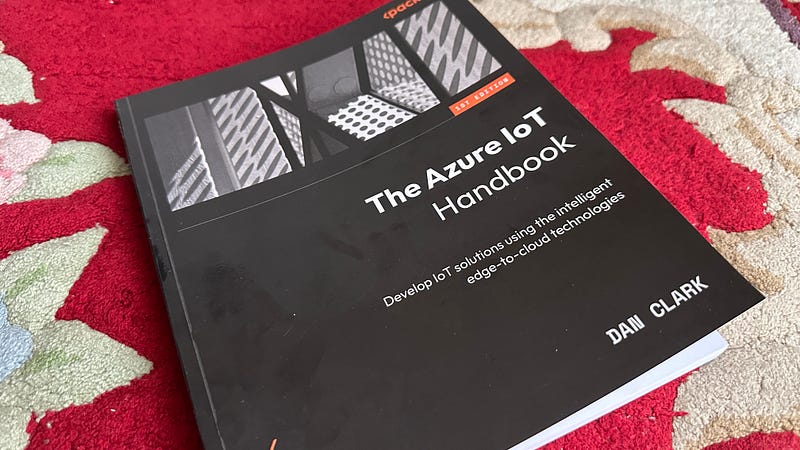
The Azure IoT Handbook

Not a paid member? Click here to read the full review for free.

If you are working in the Internet of Things (IoT), having a robust platform to manage, analyze, and derive insights from your IoT devices is not just beneficial; it’s essential.

The Azure IoT Handbook” by Dan Clark offers a deep dive into utilizing Azure’s edge-to-cloud technologies, providing you, the reader, with the knowledge you need to harness the power of one of the most comprehensive IoT platforms available today.

Here’s an exploration of how this book can guide you through setting up, managing, and optimizing your IoT solutions using Azure.

Understanding the Azure IoT Ecosystem

Clark dives right in and gives you a comprehensive look at the IoT landscape in the Azure ecosystem.

This understanding is crucial as you begin to appreciate the complexity and potential of your IoT solutions.

Whether you’re just starting or looking to refine your existing IoT strategies, the book’s initial chapters lay a solid foundation, introducing you to the key components that make Azure a standout choice for IoT development.

Device Management Made Simple

One of the core strengths of Azure IoT is its device management capabilities.

As you delve into the book, you’ll discover how Azure IoT Hub simplifies the process of connecting, managing, and scaling your IoT devices.

Clark provides practical examples and hands-on exercises illustrating the ease with which you can provision and monitor devices, a feature indispensable in managing a vast network of IoT sensors and devices.

Data Collection and Analysis

Data—its collection, management, and analysis—is at the heart of any IoT system. “The Azure IoT Handbook” guides you through the intricacies of data handling within the Azure framework.

You’ll learn to leverage Azure IoT Hub for efficient data collection and routing, ensuring your data is accurate, timely, and secure.

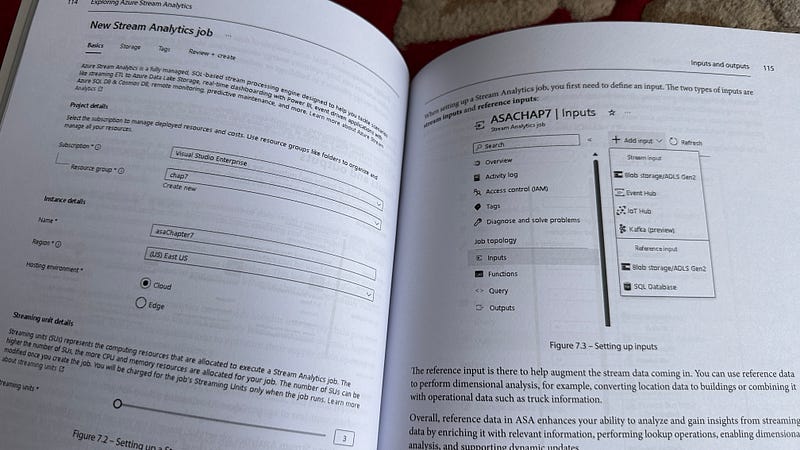
From there, the book ventures into data analytics, offering insights into using Azure Stream Analytics to process and analyze your data streams in real-time.

Visualizing Insights

Transforming raw data into actionable insights is a pivotal aspect of IoT, and Clark’s book does not disappoint in this regard.

Through detailed walkthroughs, you’ll explore how to use Power BI to create compelling visualizations of your streaming data.

This capability not only aids in decision-making but also enables you to communicate your findings effectively, whether to stakeholders or across your organization.

Securing Your IoT Ecosystem

With great power comes great responsibility, particularly concerning the security of your IoT systems.

The Azure IoT Handbook” dedicates a substantial section to security, a testament to its importance in any IoT deployment.

You’ll gain a thorough understanding of the security measures Azure provides and learn how to implement them to protect your devices and data from potential threats.

Real-World Applications and Beyond

What sets Clark’s book apart is its commitment to grounding your learning in real-world applications.

The examples and case studies provided throughout the book are not just theoretical exercises; they are practical applications you can adapt and implement in your IoT projects.

Moreover, the book encourages you to think beyond current technologies, preparing you for future advancements in IoT.

For Whom Is This Book Intended?

Whether you’re a cloud developer, an IoT architect, or an enthusiast looking to expand your knowledge, “The Azure IoT Handbook” is designed for you.

While a basic understanding of programming and cloud services will enhance your learning experience, Clark’s clear and concise explanations make this book accessible even to those new to the field.

The Azure IoT Handbook

Final Thoughts

In conclusion, Dan Clark’s “The Azure IoT Handbook” stands out as an essential guide for anyone looking to navigate the complexities of IoT using Azure.

The book provides a comprehensive overview of everything from device management to data analytics and security, equipping you with the knowledge and skills to develop robust IoT solutions.

Whether you’re educating students, managing enterprise-scale IoT deployments, or simply keen to explore the potential of IoT, this book is an invaluable resource that will undoubtedly advance your understanding and application of IoT within the Azure ecosystem.


Get this book, “The Azure IoT Handbook,” from Packt.

Or use my affiliate link to purchase “The Azure IoT Handbook” from Amazon.


More book reviews from Packt by Mazlan Abbas:

1 — Arduino IoT Cloud for Developers — Book Review
2 — Internet of Things from Scratch — Book Review
3 — Hands-on ESP32 with Arduino IDE — Book Review

How X (Twitter) Can Transformed an Introvert To A Thought Leader

SOCIAL MEDIA INFLUENCER’S SERIES

Ten (10) lessons learned to become a Thought Leader

Let’s connect on X (Mazlan Abbas)

Not a paid member? Click here to read the full story for free.

In 2014, one of my staff sent an email with startling news he had gathered from the Internet. I was unexpectedly named the №20th Thought Leader in IoT by the 2014 Onalytics Report — “The Internet of Things — Top 100 Thought Leaders”.

This accolade was a surprise and a moment of pride and revelation. The recognition stemmed mainly from my engagement on X (formerly known as Twitter), where I had been actively sharing insights and knowledge about IoT.

From then onwards, I received several accolades from different organizations and websites (Take note: this is different from the paid version that most people receive nowadays).

Photo by Alexander Shatov on Unsplash

Some of the notable ones are:

  • Top 50 B2B Thought Leaders, Analysts & Influencers You Should Work With In 2024 (APAC)
    – Top 50 Global Thought Leaders on the Internet of Things (February 2019) and Digital Disruption (October 2019) by Thinkers360, 
    – Top 50 Most Impactful Smart Cities Leaders by World CSR Congress 2017
    – Top 10 in IoT Top 100 Influencers by Postscapes 2017 & 2018

However, not all accolades are based on X alone; for example, Thinkers360 uses a unique patent-pending algorithm, as mentioned on their website:

Our differentiation from the various influencer leaderboards on social media, and other randomly-compiled lists on the web, is that our patent-pending algorithm takes a holistic view of thought leaders and experts, beyond their social media activity, and looks across all the hats they may wear — such as academic, author, consultant, entrepreneur, influencer, and speaker — and all the types of thought leadership content they produce. — Thinkers360

Thus, it’s important as a thought leader that we need to have our blog, too.


This experience not only underscored the influence of social media in professional branding but also highlighted ten (10) lessons about the power of digital platforms in establishing thought leadership.

1. Consistency is Key

My journey on X began with a simple desire to share what I knew and believed about IoT. Over time, this consistent sharing of articles, insights, and personal commentary helped me build a dedicated following. Consistency in posting keeps your audience engaged and helps you build an online persona that reflects expertise and reliability.

2. Quality Over Quantity

While consistent activity is crucial, the quality of the content shared is paramount. Each tweet, retweet, or shared article was selected or crafted to add value to discussions around IoT. This focus on quality ensures that your audience finds your contributions worthwhile, encouraging deeper engagement and broader sharing.

3. Engage with Your Audience

Engagement goes beyond posting content. Responding to comments, participating in discussions, and acknowledging others’ content helped me build a community around my social media presence. This interaction is about spreading knowledge and learning from others, a hallmark of authentic thought leadership.

4. Leverage Networking Graphs

The Onalytics report highlighted the importance of how individuals influence various audiences through network graphs. Understanding and leveraging these connections can amplify your reach and impact. I could extend my influence beyond my immediate followers by engaging with key influencers within the IoT space and participating in broader discussions.

5. Recognize the Power of Niches

IoT is a vast field, but my focus was often on specific niches within this domain that were less saturated but had significant potential for impact. This strategy helped set me apart, giving me a unique voice that could offer fresh perspectives and specialized knowledge.

6. Adapt and Evolve

Technology constantly changes. We must adapt to new trends, platforms, and technologies. IoT has expanded, leading to discussions on technical aspects, ethics, and policies.

7. Share Your Journey

Authenticity resonates with people. Sharing successes, challenges, and learnings from my journey as an IoT professional has helped humanize my online presence. This openness fosters trust and encourages others to share their experiences, creating a rich, interactive community.

8. Commit to Continuous Learning

Thought leadership is not a static achievement but a dynamic process. Continual learning and updating one’s knowledge base are critical. Engaging with the latest research, industry reports, and innovative practices has kept my content relevant and insightful.

9. Give Back to the Community

Throughout my journey, giving back has been a cornerstone — whether through mentoring, webinars, speaking engagements, or collaborative projects. These contributions enrich the community and establish your role as a knowledgeable leader committed to the field’s growth.

10. Stay Humble

Recognition as a thought leader should not be an end in itself but a platform for further growth and contribution. Staying humble and approachable ensures you remain open to new ideas and connections, vital for sustained relevance and influence in a rapidly changing field.


The recognition Onalytics bestowed upon me was a powerful reminder of the impact I can make through my contributions. It emphasized the transformative potential of social media to shape my professional identity and enhance my brand.

Most importantly, it underscored our crucial role as thought leaders to drive meaningful change and progress in our respective fields.

Photo by Jehyun Sung on Unsplash

More stories about my Social Media “adventures”:

View at Medium.comView at Medium.comView at Medium.comView at Medium.com


Remember to Subscribe to receive email updates on every post I publish.

IoT Solution for Senior Citizens — The First Big Challenge as An Entrepreneur

THE ENTREPRENEURSHIP STORIES

The quest for being an entrepreneur begins — three (3) takeaways.

Photo by Natalie Pedigo on Unsplash

Not a paid member? Click here to read the full story for free.

The trip to Silicon Valley was not just a visit; it was a pilgrimage to the heart of technological innovation. As I stepped off the plane, back from the land of giants, the buzz of inspiration was palpable in my veins.

I pondered, “If those in Silicon Valley could turn dreams into reality, why couldn’t I?

Amidst the relentless pace of progress, the seed of an idea began to germinate—an idea that would not only cater to an aspiration but also address a pressing social need.

Photo by Mika Baumeister on Unsplash

Idea Generation

I remember the dialogue within me:

“Why not create something meaningful?”
“How can we ensure the well-being of seniors living alone?” 
“The answer lies in IoT — the nexus of care and technology.”

These questions and affirmations became the mantras of my newfound quest.

The Genesis of a Vision

In April 2017, with a vision of empowering senior citizens, I fused a team to embark on a two-year entrepreneurial odyssey. The goal was to harness the potential of the Internet of Things (IoT) to foster a safer, healthier living environment for the elderly.

Photo by Philippe Leone on Unsplash

Confronting the Challenges

The reality was stark; seniors were battling health issues, from heart conditions to dementia, while their busy offspring grappled with the guilt and strain of being unable to provide constant support. Traditional caregiving was no longer sufficient — there had to be a more proactive way to ensure safety and provide swift assistance when needed.

Identifying the Opportunity

Our research uncovered a burgeoning market. The aging population was rising, with Malaysia housing a 7% senior demographic. This was more than a business opportunity; it was our chance to impact society substantially.

Designing the IoT Innovation

The blueprint of our product was clear — a wearable akin to a smartwatch, encapsulating features for health monitoring, GPS tracking, and two-way communication. Simplicity and efficiency were the cornerstones; the device had to be as unobtrusive as effective.

Photo by Onur Binay on Unsplash

Market Exploration and Realizations

Our initial market approach focused on B2B collaborations with Senior Citizen Care Centres, only to discover the mismatch in demographic needs. We recalibrated, focusing on direct-to-consumer channels and even the Hajj pilgrimage market. Each pivot taught us invaluable lessons about our product and its market position.

A Look Back and Ahead

Looking back, the journey from Silicon Valley to our first IoT product has been enlightening. The entrepreneurial path is fraught with obstacles and learnings, but the drive to innovate for the betterment of our elders fuels our persistent march forward.

Crystallizing the Entrepreneurial Spirit: Three Takeaways

  1. Immerse Yourself in the Problem: Understanding is the bedrock of innovation.
  2. Embrace Flexibility: The ability to pivot is the entrepreneur’s greatest asset.
  3. Community is Key: Feedback and engagement are the lifeblood of a successful product.

Brainfinity — Book Review

BOOK REVIEWS BY MAZLAN ABBAS

A Journey to Enhanced Mental Literacy.

Brainfinity

Not a paid member? Click here to read the full review for free.

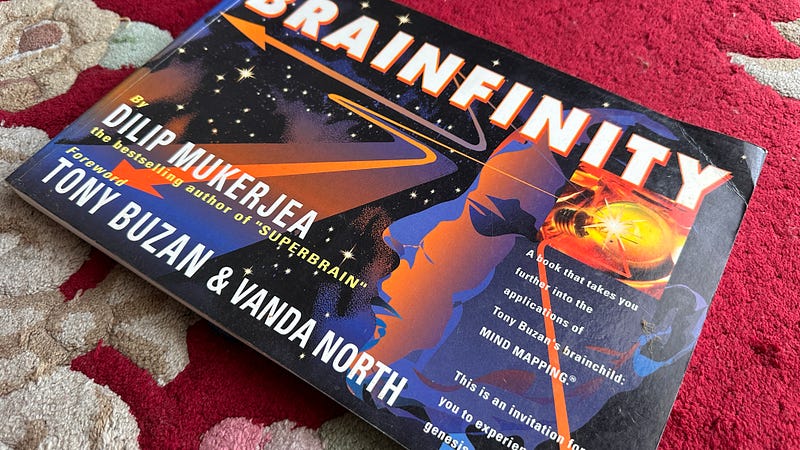
Brainfinity” by Dilip Mukerjea isn’t just a book; it’s a transformative experience that reshaped my approach to learning, note-taking, presentation preparation, and public speaking.

With its comprehensive exploration of cognitive skills enhancement, complemented by the profound insights of Tony Buzan and Vanda North in the forewords, this book became a pivotal tool in my intellectual arsenal.

Unlocking My Brain’s Potential

The first thing that struck me about “Brainfinity” was its core promise: to unlock my brain’s latent capabilities.

Like many, I was no stranger to the struggles of information overload, especially in an age where data comes at us from every angle.

The book’s emphasis on Mind Mapping, Communication, and Perceptual Skills offered a beacon of hope — a promise of coping with this deluge of information and mastering it.

Mind Mapping: A Revolution in My Note-Taking

Before encountering “Brainfinity,” my note-taking was haphazard at best. Traditional linear notes often became overwhelming, making it difficult to distill key information or draw connections.

The mind-mapping techniques presented in this book were revolutionary for me. They enabled me to organize thoughts visually, making complex information digestible and engaging.

This approach wasn’t just beneficial for personal study; it transformed how I prepared presentations.

Suddenly, I could lay out the entire structure of a talk on a single page, see the connections between different sections, and identify the core message.

This method didn’t just make preparation more straightforward; it made my presentations more coherent and impactful.

Enhancing Communication: Beyond Words

Mukerjea’s insights into communication extended far beyond mere verbal or written exchanges. “Brainfinity” taught me to appreciate the nuanced layers of communication—nonverbal cues, emotional undercurrents, and the importance of active listening.

Applying these lessons, I noticed a significant shift in my interactions, whether in one-on-one conversations or addressing an audience.

The awareness and skills I gained allowed me to connect more authentically and persuasively, regardless of the context.

Perceptual Skills: Seeing Beyond the Obvious

The perceptual skills segment of “Brainfinity” was another eye-opener. It wasn’t just about observing but about perceiving — truly understanding what I saw and heard.

This insight proved invaluable in all aspects of my intellectual endeavors, from critical reading to scrutinizing data for presentations.

It fostered a deeper level of engagement with the material, enabling me to draw insights and make connections that had previously eluded me.

Practical Applications: Real-Life Relevance

What sets “Brainfinity” apart is its profound practicality. The exercises, quizzes, and puzzles aren’t merely academic drills but tools for real-life application.

They compelled me to apply what I learned in day-to-day scenarios, cementing these skills in my repertoire.

The practical examples and advice provided guidance and inspiration, demonstrating the real-world impact of enhanced mental literacy.

Personal Growth: A Testimony

Since integrating the strategies from “Brainfinity” into my life, I’ve noticed a marked improvement in my efficiency and effectiveness.

My notes are more precise and practical, my presentations more compelling, and my communication more impactful.

But beyond these tangible benefits, there’s been a profound shift in my confidence and enjoyment of these activities.

What were once daunting tasks have become opportunities for creativity and expression.

A Resource for All

While my journey with “Brainfinity” has been deeply personal, the universality of its lessons is evident.

Whether you’re a student, a professional, or someone keen on personal development, this book offers invaluable insights.

It respects the diversity of human thought and learning styles, providing a range of strategies to suit different preferences and needs.

Brainfinity

In Conclusion

In summary, “Brainfinity” is more than a book — it’s a mentor.

It guided me through expanding my cognitive capabilities, transforming how I learn and communicate and how I view these processes.

The lessons I’ve gleaned have been indispensable, and I am confident they will continue to serve me in the future.

For anyone looking to elevate their mental literacy and harness the full potential of their mind, “Brainfinity” is an essential read.

It’s not just about becoming more efficient or effective; it’s about becoming more profoundly engaged with the world of ideas and, ultimately, more connected with our innate potential.


Use my affiliate link to purchase this “Brainfinity” book from Amazon.


More book reviews from Mazlan Abbas:

https://mazlanabbas.com/get-backed-book-review-fb91fd20f88fhttps://mazlanabbas.com/get-backed-book-review-fb91fd20f88fhttps://mazlanabbas.com/get-backed-book-review-fb91fd20f88fhttps://mazlanabbas.com/get-backed-book-review-fb91fd20f88fhttps://mazlanabbas.com/get-backed-book-review-fb91fd20f88f

Drowned by Repetitive Medium Advice Stories

WRITER’S DILEMMA

Don’t you get tired of these articles?

Photo by nikko macaspac on Unsplash

Not a paid member? Click here to read the full story for free.

As a dedicated reader and subscriber of Medium articles, my initial enthusiasm has become a seething frustration. It’s about the swarms of repetitive articles littering the platform, most notably those purporting to deliver groundbreaking writing advice.

Medium’s potential for insightful content is lost amidst the echo chamber of “How to get followers” and “Earn money on Medium” articles.

It’s another day. I’m scrolling through Medium, fueled by hope and caffeine, looking for that gem of an article that will spark inspiration or offer a new perspective. Instead, I’m bombarded by titles like “Boost Your Views 10X” or “Earn $1000 in Your Second Month.

Photo by Adrian Swancar on Unsplash

At first, these titles did catch my eye.

After all, who wouldn’t want to replicate such success?

But as I delved deeper, I realized these articles were hollow shells.

The profiles of such writers revealed a monotonous pattern — article after article about maximizing Medium metrics, with little to no divergence into anything remotely personal or profound. Their popularity, it seems, is not fueled by the quality or originality of their content but rather by a self-sustaining cycle of writing about how to write on Medium.

This unimaginative approach turns Medium into a meta-cesspool where content is about content creation rather than the world’s myriad topics and stories.

Photo by Maegan Martin on Unsplash

It’s a circle that feeds itself, growing ever tighter and more insular, pushing out the kind of diverse, engaging content that attracted many of us to Medium in the first place.

I’m infuriated by the irony of it all.

Here we are, on a platform designed to democratize writing—where anyone’s voice can be heard—and what do we get?

It can be disheartening to come across article after article that seems to say the same thing in the same way. We understand that it can be frustrating to read content that doesn’t offer anything new or insightful.

Photo by Darius Bashar on Unsplash

We urge content creators to strive for originality and creativity when producing material for their readers. Your time is valuable, and we want you to have access to engaging, informative, and genuinely helpful content.

Every time I see a comment praising these repetitive articles as “revolutionary” or “incredible,” I can’t help but scoff. It’s not revolutionary to tell people to use tags or craft catchy subtitles.

It’s basic, it’s been done, and honestly, it’s a bit insulting to anyone who’s taken more than a cursory glance at how digital content works.

And yet, these articles rake in views, claps, and followers.

Photo by Elin Tabitha on Unsplash

Aspiring writers can grow by dedicating the time and effort required to create authentic work. It is important to remember that quick fixes and easy success are often illusions and that success is often achieved through hard work and perseverance.

By staying focused and committed to their craft, aspiring writers can achieve their dreams and make a meaningful impact in the world of literature.

The allure of easy success may be tempting, but at what cost?

We risk turning a rich landscape of ideas into a barren echo chamber. Why should writers spend hours, if not days, crafting a heartfelt piece on climate change, racial injustice, or even personal memoir when they can whip up a “Top 5 Tips” article in under an hour and watch the views roll in?

I’ve experimented with writing these types of articles myself, curious if the engagement would be as good as promised. While they did perform well, the success felt hollow.

It wasn’t the kind of writing that made me want to be a writer in the first place. I didn’t feel proud; I felt complicit.

To be clear, only some articles about writing on Medium are good.

Photo by Lina Trochez on Unsplash

There’s value in sharing experiences and tips that can genuinely help others. However, when every other article is a variant of “How I mastered Medium,” you have to wonder if we’re losing sight of what made this platform so appealing.

I want to read stories that move, educate, and make me think differently about the world—not another regurgitated listicle about writing better lists.

As for my path forward, I’m consciously avoiding clicking on bait-like headlines promising miraculous growth on Medium.

Instead, I’ll seek writers who are still dedicated to exploring genuine topics and sharing real stories.

I yearn for the return of the original spirit of Medium, where diverse voices and stories rise above the noise, not through gaming the system but through the inherent power and allure of well-crafted narratives.

To those still writing from the heart, talking about their lives, their challenges, and their successes beyond Medium metrics — I salute you.

Keep creating content that matters, for your stories, deserve to be read and celebrated.


Remember to Subscribe to receive email updates on every post I publish.

How The Silicon Valley Trip Transform Me Into An Entrepreneur

ENTREPRENEURSHIP SERIES

From Techie to Entrepreneur

Photo by Greg Bulla on Unsplash

Not a paid member? Click here to read the full story for free.

The air of Silicon Valley is thick with dreams and the electric buzz of ideas sparking to life. When I first stepped onto the storied grounds of this technological mecca in 2016 as part of the MDEC delegation, I was struck by the place’s profound sense of possibility.

This is where giants like Apple and Facebook stand tall, monuments to innovation and human ingenuity.

Back then, my ambitions were relatively modest — I aspired to be a CTO. But Silicon Valley has a way of expanding your horizons and reshaping your dreams.

A Change of Heart

The realization struck me as I walked through the campuses of Google and Facebook and mingled with the visionaries who tread those paths: each of these legendary companies began with nothing more than a simple yet powerful idea.

In that moment of clarity, I felt my direction pivot. The seed that would grow into FAVORIOT, my dream IoT startup, was sown.

Photo by Carles Rabada on Unsplash

A Trip Down Memory Lane

The Computer History Museum offered a tangible narrative of our technological evolution, from bulky vacuum valves to the sleek smartphones of today.

It was a pilgrimage through history, standing face-to-face with the milestones of progress, including the very first Apple computers.

Each artifact echoed with stories of challenges overcome and milestones achieved, and I absorbed it all.

Where Unicorns Are Born

My visit to the Plug and Play Tech Center further catalyzed my shifting aspirations. It’s a place that has incubated startups like Dropbox, a reminder that unicorns are not just mythical creatures in this valley — they are real, and they started small.

“Why not me?” became a mantra that carried me forward.

Photo by Greg Bulla on Unsplash

Pitching and Learning

In Silicon Valley, the lifeblood is not just in its behemoths of tech, but in the thriving culture of sharing and collaboration. Pitching at Hero City was as nerve-wracking as it was exhilarating, offering feedback and camaraderie in equal measure.

It was in the casual collisions — in cafes, in parks, across the sprawling campuses of tech giants — that potential collaborations sparked.

The Ultimate Lesson

What I learned from my Silicon Valley experience was the limitless nature of ambition. Age and background do not matter if an idea and a passion drive you forward.

In Silicon Valley’s nurturing ecosystem, everyone is rooting for your success.

Photo by Lala Azizli on Unsplash

Golden Nuggets for Aspiring Startups

For those who dream of their own startup success stories, here are a few golden nuggets:

1 — Stay Inspired: Surround yourself with stories of success and failure. They are the fuel for your entrepreneurial journey.

2 — Collaborate and Share: Embrace feedback and join forces with others. Giants like Apple and Microsoft sprang from partnerships.

3 — Dream Big: Let your imagination be your guide. The sky is not the limit — it’s just the beginning.

As I continue on my journey, fueled by the transformative power of IoT, I invite you to stay tuned for more insights and reflections.


View at Medium.com

The Day I Stopped My Podcasts

SOCIAL MEDIA INFLUENCER’S SERIES

After more than 100 episodes, I decided to stop. Let me share the eight (8) lessons I learned the hard way.

To be exact — I have created two podcast series. One has 61 episodes, and the other has 103. But why do I stop?

I started these podcasts at the end of 2019. Jom Pakai IoT (or Let’s Do IoT) is an English-language version of a podcast about the Internet of Things. With a similar niche, I also created another Podcast called Startup IoT, but in Malay language version.

Jom Pakai IoT
Startup IoT

I initially built podcasts as a hobby, but in early 2020, the world was shaken by the COVID-19 pandemic, and almost all communications depended online.

For almost two years, many meetings, conferences, and webinars have been held online. I took the opportunity to collect all my webinars and convert them into podcasts.

All of my webinar recordings have been uploaded to an application called “Spotify for Podcasters” (previously known as Anchor). Once uploaded, the podcasts are redistributed to Spotify, Apple Podcasts, Google Podcasts, Overcasts, Amazon Music, and many more using RSS distribution. It’s effortless.

However, when everything is back to normal, webinars are no longer the “thing.” Recording the podcast became more cumbersome, although I purchased a good microphone. However, I was too occupied with other matters and could no longer actively record, edit, or upload to the app.

That’s when I stopped doing podcasting.

I have tested many social media channels, including YouTube, TikTok, and Instagram, to convey my message. All of the channels have different audiences and demographics. Some have failed, and some have succeeded.

View at Medium.comView at Medium.comView at Medium.com


Like all social media channels, managing them can be very exhausting. Especially trying to create new content, editing, and uploading it. It needs a lot of effort to arrange the time to post them. Of course, when I do all of them by myself, it can become very tiring.

If you read the above stories I posted earlier, I began to slow down with all of my social media channels and focus on the most effective one.

Although blogging is not considered a social media channel, it has a good community where we can socialize. The community is very supportive, and everyone has similar interests. Although it’s not as big an audience as traditional social media channels, the interaction can be pretty rewarding when every article can be monetized.


Below are eight (8) lessons I learned using podcasting:

1 — Adaptability is Crucial: The COVID-19 pandemic showed the importance of adaptability in content creation. Transitioning webinar content into podcasts was an innovative way to leverage existing material in a new format.

2 — Technology as an Enabler: Utilizing tools like Spotify for Podcasters (Anchor) demonstrated how technology can effortlessly facilitate content distribution across various platforms.

3 — Sustainability of Efforts: As normalcy returned, the sustainability of podcasting efforts became a challenge. Investing in equipment like a good microphone didn’t necessarily equate to continued enthusiasm or capacity for podcast production.

4—Content Creation Can Be Exhausting: Managing multiple channels requires significant content creation, editing, and uploading effort, which can become overwhelming, especially when done solo.

5 — Audience and Platform Dynamics: Different platforms attract different audiences, and success can vary significantly. For example, your experience showed that you could earn substantially more on Medium than TikTok or YouTube, highlighting the importance of understanding platform-specific dynamics and audience preferences.

6 — Selective Focus Can Lead to Better Outcomes: Reducing the number of platforms you actively engage will allow you to concentrate on the most effective ones, leading to more sustainable and rewarding outcomes.

7 — Community Engagement Over Size: While traditional social media channels offer larger audiences, platforms like blogging can provide more meaningful engagement with a supportive community interested in similar topics.

8 — Monetization Varies Across Platforms: The potential to monetize content can differ dramatically across platforms, as demonstrated by your experiences with Medium versus other social media.


Remember to Subscribe to receive email updates on every post I publish.

Resonate — Book Review

BOOK REVIEWS BY MAZLAN ABBAS

Transforming your presentations into compelling narratives that captivate and inspire.

Resonate

Not a paid member? Click here to read the full review for free.

Imagine standing before an audience, palpable anticipation hanging in the air, and delivering a powerful and engaging presentation that leaves a lasting impact, urging your audience toward action.

This is the promise of Nancy Duarte’s “Resonate: Present Visual Stories that Transform Audiences,” a book that offers the tools to turn the all-too-common dull presentations into compelling narratives that captivate and inspire.

The Heart of “Resonate”: Audience-Centric Storytelling

At the core of “Resonate” is a profound shift in perspective: the audience as the hero of your presentation story.

Duarte challenges you to rethink your role as a presenter.

Transform from the spotlight-seeking hero into a wise mentor who guides the audience on their journey.

This paradigm shift is crucial.

By placing the audience at the center of your narrative, you make your message about them, their problems, and their solutions, which significantly heightens engagement and impact.

Crafting a Narrative: The Power of Story

Duarte adeptly draws parallels between effective presentations and captivating storytelling, advocating for a structure that mirrors the classic narrative journey — introducing a relatable hero (your audience), presenting a conflict (the problem at hand), exploring rising action (the buildup of your argument or data), and culminating in a climactic resolution (your proposed solution or call to action).

Through this framework, “Resonate” implores you to weave your data, insights, and bullet points into a compelling story that resonates emotionally.

After all, humans are wired to respond to stories — they are how we make sense of the world.

Duarte provides the tools to harness this natural inclination, transforming your presentations into memorable narratives that inspire and mobilize.

Visual Communication: Enhancing Your Message

Recognizing the adage that a picture is worth a thousand words, Duarte delves into the critical role of visual elements in enhancing your message and engaging your audience.

“Resonate” isn’t just about what you say; it’s equally about how you convey your message visually.

The book offers insightful guidance on creating visuals that complement and amplify your narrative, ensuring your key points are impactful and memorable.

Audience Engagement: The Ultimate Goal

Duarte’s method is designed to achieve one ultimate goal: moving your audience to action.

Whether you aim to inspire change, sell a product, or convey important information, “Resonate” provides a blueprint for crafting presentations that hold attention, persuade, and motivate.

By the end of the book, you’ll understand that the accurate measure of a successful presentation isn’t applause; it’s action.

Applying “Resonate” Principles: A Practical Guide

Resonate” isn’t merely theoretical — it’s eminently practical. Duarte equips you with actionable strategies and exercises to apply her principles to your presentations.

From structuring your narrative to designing your slides, each chapter offers concrete steps you can take to transform your presentations from mundane to mesmerizing.

Why “Resonate” Is Essential Reading

In today’s world, where attention is the new currency, your ability to engage and influence your audience is more crucial than ever.

Resonate” goes beyond conventional presentation advice, offering a nuanced approach to crafting messages that genuinely connect and make a difference.

Whether you’re a seasoned speaker or new to the podium, Duarte’s insights can elevate your presentation skills, making your messages heard, felt, and acted upon.

Resonate

In Conclusion

In “Resonate,” Nancy Duarte offers a masterclass in presentation craft, providing a profound understanding of connecting with your audience and catalyzing change.

By embracing the book’s principles, you’ll be equipped to transform your presentations into dynamic, impactful experiences that inform, inspire, and resonate.

With Duarte’s guidance, you can ascend from merely sharing information to truly moving your audience, establishing a connection that transcends the confines of the conference room or auditorium.

Ultimately, “Resonate” empowers you to leave your audiences informed and transformed, ready to take the action you advocate.


Use my affiliate link to grab this “Resonate,” book from Amazon.


More book reviews by Mazlan Abbas:

View at Medium.comView at Medium.comView at Medium.comView at Medium.com