The Story Behind Favoriot – Part 12: The Dream of M&A Exit

I had this ultimate dream that many of us have when we start a company: that grand exit.

Why Startups Opt for This Path

The idea of an IPO—the pinnacle where our company becomes publicly listed, and the rewards are far beyond what we’ve ever imagined—can feel like the ultimate destination.

The dream is intoxicating.

But the reality is far more complex. The path to an IPO isn’t a straight highway; it’s a winding trail filled with unexpected challenges, tough decisions, and occasional compromises.

When I started, the vision seemed crystal clear—build something valuable, scale it, and eventually take it public.

Sounds simple, right? Well, that was naïve Mazlan talking.

I remember those early days vividly. The excitement was palpable.

We had endless discussions about Pre-Seed, Seed, Series A funding rounds. The belief was strong: If we just worked hard enough and stayed smart, we’d be among the chosen few to make it to an IPO.

But as time passed, reality caught up with me. That dream, while not impossible, was far from guaranteed.

The Harsh Reality of IPOs

Achieving an IPO isn’t just about having a good idea or even a great product. It’s about building a business with substantial revenue, stable income, and scalable global operations.

And that’s not something you accomplish overnight—or even in a few years.

It requires relentless innovation and flawless execution over a long period, often under the unforgiving scrutiny of investors and competitors.

Even then, the odds remain slim. Many founders, myself included, have faced the tough decision: Do we keep pushing toward the elusive IPO, or do we consider an alternative exit like a merger or acquisition (M&A)?

The Case for M&A: When the Alternative Makes Sense

Selling the company—especially to a larger corporate entity—can seem attractive when scaling becomes overwhelming. But here’s the thing: selling is not just about cashing out.

It’s about finding the right buyer who sees the real value in what you’ve built. Sometimes, that value lies in your technology, team, or even your foothold in a specific market.

When I started exploring M&A options, I quickly learned that companies acquire startups for various reasons. Let’s break it down.

1. Technology Acquisition

One of the most common reasons large corporations acquire startups is to gain access to cutting-edge technology. Developing something innovative in-house takes time, resources, and risk. Bureaucratic layers in big companies make it hard to iterate quickly or pivot when things go wrong.

Acquiring a startup that has already proven its worth is often the fastest route to innovation.

I’ve seen firsthand how some startups became prime targets because they had unique technology that a larger company couldn’t replicate. It’s faster—and often cheaper—for the big players to buy a startup than to build it from scratch.

2. Talent Acquisition or “Acqui-Hiring”

Talent is the lifeblood of innovation. However, finding skilled people with a startup mindset is incredibly difficult in today’s market, and large corporations know this all too well.

Sometimes, the quickest way to bring fresh talent into the organization is to acquire a startup outright.

I’ve seen startups being acquired just for their talent. This process, known as “acqui-hiring,” may not be the dream exit for every founder, but it can be a viable and profitable option. It also allows team members to take on more prominent roles within the acquiring company, often with more resources at their disposal.

3. Market Access

Startups are nimble. We can pivot quickly, explore niche markets, and enter spaces that larger corporations might overlook or deem too risky.

Larger companies often want in once a startup proves that a market is viable. Acquiring the startup becomes their fastest way to capture that market without starting from scratch.

I’ve experienced this scenario personally. Big companies aren’t constantly chasing technology alone; sometimes, they’re after the customer base and market positioning that the startup has painstakingly built.

4. Killing the Competition

Here’s the darker side of M&A.

In highly competitive industries, some companies acquire startups just to shut them down. It sounds counterintuitive, right?

But it happens. A large corporation might see a startup as a potential threat—not because it’s taking market share now, but because it could in the future. By acquiring and dismantling the startup, they eliminate a competitor before it becomes a problem.

Reflecting on Personal Experiences

I was once approached by a large corporation interested in acquiring my startup. They were impressed with our technology and saw it as a perfect fit for their portfolio. I remember sitting down and thinking, “Is this the right move? “Would selling mean giving up control of something I’ve poured my heart and soul into? “

These decisions aren’t easy. You start questioning everything:

  • Am I ready to let go?
  • Will my team thrive in a corporate environment?
  • What happens to my vision once I step away?

Looking back, I realize that exits—whether through an IPO or an acquisition—are just milestones, not the end goal. The real value lies in the experiences, lessons learned, and impact you make.

Advice to Founders Contemplating an Exit

If I had to offer advice to fellow founders considering their exit strategy, it would be this:

  • Don’t rush the decision. Take your time to evaluate all your options.
  • Think beyond the financials. Consider what’s best for your personal and professional growth.
  • Stay true to your vision and values. The right exit will come when the timing is right.

Ultimately, whether you exit through an IPO, an acquisition, or by moving on to your next venture, what matters most is that you’ve built something meaningful. Something that made a difference.

And that’s a legacy no exit strategy can ever take away.

Final Thoughts: Building for the Journey, Not Just the Exit

The dream of a grand exit might be what fuels many of us in the early days, but as the journey unfolds, you realize it’s about much more than that.

It’s about the people you meet, the obstacles you overcome, and the solutions you bring to life. It’s about the lives you touch and the legacy you leave behind.

If you’re building a startup, remember this:

Don’t just build for the exit. Build for the journey.

The exit will take care of itself when the time is right.

More Favoriot Entrepreneurship Stories

  1. The Story Behind Favoriot – Part 11: The Rocky Road of Smart Cities
  2. The Story Behind Favoriot — Part 10: Age Does Not Matter in Business
  3. The Story Behind Favoriot — Part 9: Leaving the Comfort Zone
  4. The Story Behind Favoriot – Part 8: The Frustration of Unanswered Emails and Missed Opportunities
  5. The Story Behind Favoriot – Part 7: The Task of Finding Favoriot’s First 10 Customers
  6. The Story Behind Favoriot – Part 6: Expanding The Business Models
  7. The Story Behind Favoriot – Part 5: Finding the Right Fit
  8. The Story Behind Favoriot – Part 4: How Favoriot Became More Than Just an IoT Platform
  9. The Story Behind Favoriot – Part 3: Why No One Wanted Our IoT Platform—And How We Turned It Around
  10. The Story Behind Favoriot – Part 2: Turning Failures into Milestones
  11. The Story Behind Favoriot – Part I: The Humble Beginnings of Favoriot

The Story Behind Favoriot – Part 11: The Rocky Road of Smart Cities

The Allure of Smart Cities

When I first entered the world of Smart Cities in 2015, I was brimming with excitement. The concept was mesmerizing — technology could transform urban living, making cities more efficient, sustainable, and responsive to the needs of their citizens.

Imagine a city where traffic jams are minimized through intelligent transportation systems, waste collection is optimized, and city services are seamlessly integrated into residents’ lives. It was hard not to get excited about being part of this transformation.

However, what seemed like an adventure full of promise quickly became a reality check. I soon realized that the road from idealism to realism was filled with unforeseen challenges, complex processes, and harsh lessons. The idea of Smart Cities was perfect on paper but far more complicated in practice.

The Birth of an Idea: A Reporting App for Citizens

It all began with a simple yet ambitious idea — a citizen reporting app called Favorsense. This app would allow people to report issues like potholes, broken streetlights, and uncollected trash directly to local councils.

Not only that, but users could also track the progress of their complaints, bringing a new level of transparency and accountability to local governance. We believed we had created the perfect solution for improving city management. Our plan was to roll it out to all local councils across Malaysia through a cloud-based system. It felt like a game-changer.

Initial Optimism: “How Hard Can It Be?”

I remember thinking, “Surely, local councils will embrace this innovation!” After all, who wouldn’t want to improve city services and engage better with citizens? The app could streamline operations and boost efficiency overnight.

But my optimism didn’t last long. The first few meetings with local councils were eye-opening, and the challenges were more significant than I had anticipated.

The Harsh Reality: An Open Can of Worms

The first major hurdle was convincing local councils to adopt and pay for the system. It wasn’t that they didn’t see the value; it was more about what the app would reveal.

The app was like an open can of worms. It exposed inefficiencies and shortcomings in city services that many preferred to keep hidden. Some council representatives resisted, saying, “We can build this ourselves.” Others attempted to create their own versions, only to end up with poorly developed solutions that didn’t work.

The Sobering Realization: “Why Isn’t Anyone Using It?”

Once the app was launched, another issue arose: nobody seemed to use it. Despite its simplicity and functionality, citizens remained unaware of its existence.

The question haunted us: “Why isn’t anyone using it?” We had assumed that just building a great app would be enough to drive adoption. Unfortunately, we learned that even the best ideas need proper promotion and education to succeed.

Copycats and Tough Decisions

As if things weren’t challenging enough, we soon saw copycat apps emerge. Competitors replicated our idea, flooding the market with similar solutions.

It was disheartening. After some time, we made the difficult decision to stop supporting the app. This was a painful lesson in the realities of the Smart Cities market—not every great idea translates into success.

Nine Years of Persistence

Fast forward nearly nine years, and my company, FAVORIOT, is still trying to penetrate the Smart Cities segment. It’s been a long and challenging road. We even joined the Malaysia Smart City Alliance Association (MSCA), hoping it would provide easier market access.

Being part of the alliance did offer new perspectives, but the reality was still complicated. Building Smart Cities in Malaysia is a long and tedious process, fraught with uncertainties and obstacles.

The Complexity of Building Smart Cities in Malaysia

One of the most common questions I hear from local councils is, “Where do we even start?”

Without clear Smart City Indicators to guide them, many cities don’t know how to begin their transformation. There is a lack of a unified vision, confusion about priorities, and an overwhelming sense of inertia.

Talent Gap and Slow Decision-Making

Another significant challenge is the talent gap. Many local councils lack professionals with the expertise to manage Smart City initiatives.

Decision-making is painfully slow, with proposals often stuck in layers of bureaucracy.

And then there’s politics. Decision-making in public projects often involves political interests, making things even more complicated.

The Funding Dilemma

Perhaps the biggest challenge of all is funding. Most local councils don’t have the budget to implement Smart City solutions. When they seek financing, they often turn to private companies with a risky proposition:

“We want you to fund everything upfront. Maybe you’ll see a return on your investment later.”

It’s a tough sell because most local council services don’t generate revenue. Their true value lies in cost savings, operational efficiency, and improved quality of life for citizens — concepts that don’t always resonate with decision-makers seeking immediate financial returns.

Greenfield vs. Brownfield Cities

Not all cities are created equal. Greenfield cities — built from scratch — have different challenges than brownfield cities, which are older and more developed.

Each type of city presents unique obstacles, making it difficult to scale solutions across multiple locations. What works in one city may fail in another, adding to the complexity of Smart City projects.

The Frustration of Endless Trials

I’ve also encountered the frustrating trend of endless trials. “Let’s start with a proof of concept,” they often say.

However, many of these trials never progress beyond the testing phase. They fizzle out, leaving everyone involved feeling disillusioned.

The Reality of Smart Cities in Malaysia

Whenever I hear someone proudly mention the number of Smart Cities launched in Malaysia, I approach it cautiously. Many so-called Smart Cities are proof-of-concept projects that never complete full-scale implementation.

A Strategic Shift: Diversifying Beyond Smart Cities

Given the challenges, we had to make some tough decisions at FAVORIOT. While we remain involved in Smart Cities, we’ve diversified our focus. We started taking on other IoT projects in industries like manufacturing and agriculture.

We couldn’t afford to put all our eggs in the Smart Cities basket. It was a matter of survival.

Balancing Ambition with Practicality

I’m still passionate about the potential of Smart Cities, but I’ve learned to balance ambition with practicality. Not every solution will become a commercial success, and that’s okay.

Smart Cities are an exciting concept, but they’re also highly complex. We must be smart about where we invest our time and resources.

Reflecting on the Journey

Looking back, the journey has been both humbling and enlightening. The Smart Cities market wasn’t the easy win I had imagined. Still, the experience taught me valuable lessons about persistence, adaptability, and the realities of innovation.

Who knows? The next big breakthrough may be just around the corner.

Until then, we keep moving forward — wiser, more resilient, and ready for whatever comes next.

More Favoriot Entrepreneurship Stories

  1. The Story Behind Favoriot – Part 11: The Rocky Road of Smart Cities
  2. The Story Behind Favoriot — Part 10: Age Does Not Matter in Business
  3. The Story Behind Favoriot — Part 9: Leaving the Comfort Zone
  4. The Story Behind Favoriot – Part 8: The Frustration of Unanswered Emails and Missed Opportunities
  5. The Story Behind Favoriot – Part 7: The Task of Finding Favoriot’s First 10 Customers
  6. The Story Behind Favoriot – Part 6: Expanding The Business Models
  7. The Story Behind Favoriot – Part 5: Finding the Right Fit
  8. The Story Behind Favoriot – Part 4: How Favoriot Became More Than Just an IoT Platform
  9. The Story Behind Favoriot – Part 3: Why No One Wanted Our IoT Platform—And How We Turned It Around
  10. The Story Behind Favoriot – Part 2: Turning Failures into Milestones
  11. The Story Behind Favoriot – Part I: The Humble Beginnings of Favoriot
Turning Life’s Challenges into Stepping Stones

Why do challenges always show up at the worst possible time?

For a long time, that question lingered in my mind. Every time I thought life was finally settling down, another curveball would hit me hard. At first, these challenges seemed like nothing more than obstacles determined to stop me from reaching my goals.

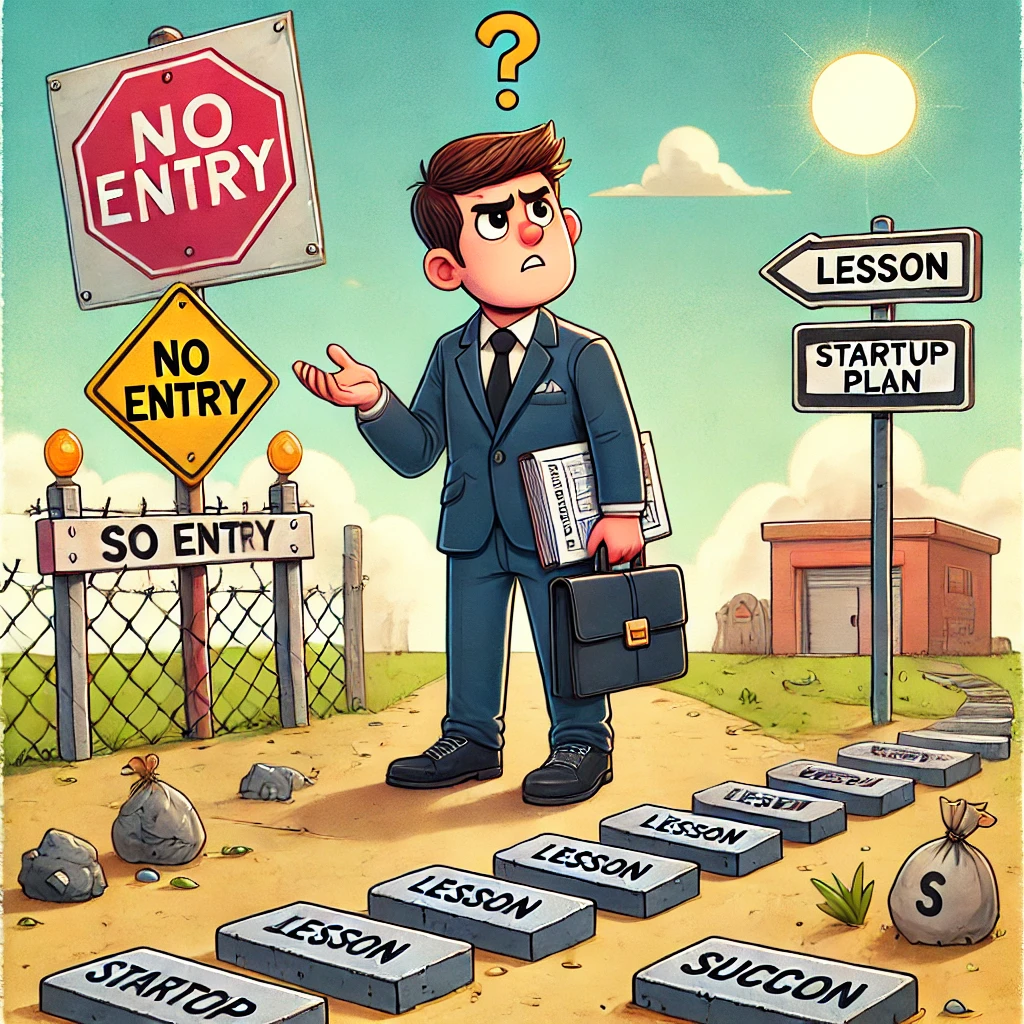
But as I navigated through each one, I realized that life’s challenges were not meant to hold me back. They were, in fact, disguised opportunities—stepping stones that prepared me for the next phase of my journey.

Here’s how I turned those challenges into stepping stones and why I now welcome them with a different perspective.

The Crossroads: When Uncertainty Knocked

It was during a pivotal moment in my career. I was in a comfortable place—a good position, steady income, and a predictable life. Yet, deep down, I knew it was time for something different—something bigger.

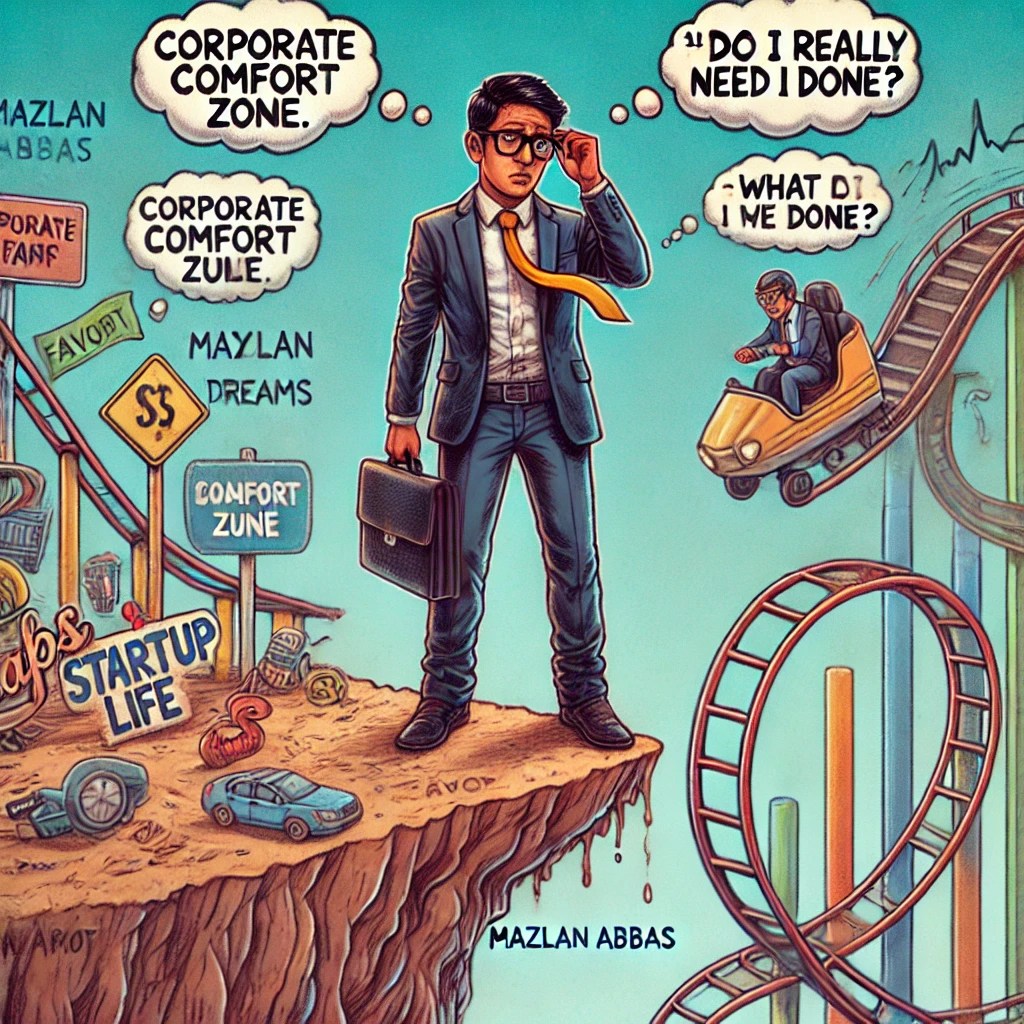
Leaving a stable environment to build something from scratch felt like jumping off a cliff. Are you sure about this, Mazlan? I remember asking myself again and again. The fear of failure loomed large, and the unknown was terrifying.

That’s how my journey with FAVORIOT began—a leap of faith that was more like building a plane while flying it. No guarantees, no safety nets. Just a dream, a vision, and an endless sea of challenges ahead.

Self-Doubt and Fear

The early days of building a startup were a mental battle. There were moments when I doubted every decision. What if no one cares about IoT? What if this vision is too ahead of its time?

The hardest part was not knowing whether the efforts would pay off. Every rejection, every roadblock chipped away at my confidence. It felt like running in quicksand—working harder but sinking deeper.

But giving up wasn’t an option. Each night, I reminded myself why I started. I focused on taking one small step at a time, no matter how insignificant it seemed.

Reframing Challenges: The Turning Point

I hit a turning point when I realized that challenges weren’t the enemy. They were my greatest teachers. Instead of seeing them as roadblocks, I treated them as stepping stones—lessons that would prepare me for something bigger.

One early challenge was convincing others of FAVORIOT’s vision. Convincing potential clients to adopt IoT solutions wasn’t easy. We knocked on countless doors and presented to numerous stakeholders, but progress was painfully slow.

Each rejection felt like a personal failure. Why don’t they see the potential in this technology? I often wondered.

Then, it hit me—those rejections were feedback, not failures. Every “no” forced us to refine our message, improve our strategy, and strengthen our value proposition. Slowly but surely, we learned to pivot, adapt, and move forward.

The Power of Resilience

Resilience doesn’t come naturally. It’s built through experience—often painful ones. In the early days, we experienced setbacks that made me question everything.

One of the biggest challenges was when a significant partnership we had been counting on fell apart. It was a heavy blow, and I remember thinking, Maybe this is it. Maybe this dream is over.

But instead of dwelling on the loss, we regrouped. We analyzed what went wrong and found another path forward. Looking back, that setback was a blessing in disguise. It forced us to rethink our approach and ultimately made us more agile and adaptive.

Lessons from Life’s Toughest Challenges

Every challenge carries a lesson—if we’re willing to listen. Here are some of the biggest lessons I’ve learned from turning obstacles into opportunities:

1. Embrace the Unknown

Starting something new always feels scary. The unknown is intimidating, whether it’s a new job, a startup, or a personal project. But the magic happens when you take that first step.

I learned that the unknown isn’t something to fear—it’s a place of endless possibilities. Every time I stepped out of my comfort zone, I discovered new strengths and skills I didn’t know I had.

2. Adapt and Pivot Quickly

No plan survives reality unchanged. You can plan everything down to the smallest detail, but life throws unexpected challenges at you.

Our early business strategy at FAVORIOT had to be reworked entirely multiple times. At first, this felt like a failure, but I quickly realized it was just part of the process. Our greatest strength became our ability to pivot, adapt, and move quickly.

3. Rejection is Redirection

One of the hardest lessons was learning that rejection isn’t the end—it’s a redirection. Every “no” pushed us closer to a better solution, forcing us to think creatively and improve.

I remember one key rejection that led us to develop an entirely new service that became a core part of FAVORIOT’s offerings. We would have never explored that path if we hadn’t faced that rejection.

A New Perspective on Challenges

These days, I no longer panic when a challenge comes my way. Instead, I ask myself: What is this teaching me?

Every challenge is an opportunity to grow, no matter how painful or inconvenient. It’s no longer about “Why me?” but “What can I learn from this?”

I’ve come to appreciate that challenges are not obstacles in life’s journey—they are the journey. They’re the stepping stones that lead us to our destination, shaping us into who we’re meant to be.

Trusting the Process

If you’re going through a tough time right now, take heart. The challenges you face today are shaping you for something greater. They may not make sense now, but one day, you’ll look back and realize how they helped you grow in ways you never imagined.

Trust the process. Keep moving forward. Those stepping stones will take you to places beyond your wildest dreams.

And when you get there, you’ll smile and realize it was all worth it.

Looking back, I wouldn’t change a thing.

Every challenge, every failure, and every lesson shaped the person I am today.

A Deeper Dive into My Journey

If we were sitting down for coffee, I’d probably tell you that my story isn’t linear. It’s full of shifts, experiments, and surprises—each decision shapes who I’ve become. It’s not just about IoT, entrepreneurship, or blogging; it’s about finding my voice and figuring out where it belongs.

Let me take you back to the beginning, where curiosity sparked everything.

My First Affair with Technology

It all started long before technology became mainstream. I was that kid who loved tinkering with radios and gadgets, often dismantling them to see how they worked. Sometimes I managed to put them back together successfully—other times… not so much. But the thrill of discovery always kept me going.

Then came the blogging era. I stumbled upon Blogspot in the early 2000s, and it became my playground. Back then, I blogged about technology and gadgets, sharing tips and experiences with anyone willing to read. It was simple, but it gave me a voice.

“Imagine if YouTube had been around,” I often muse. My tech reviews would’ve been so much more engaging on video.

Beyond Tech Reviews: A New Perspective

Over time, my interests began to shift. I wanted to write about more than just gadgets. So, I expanded the topics—some posts were written in English, others in Malay, reflecting my bilingual journey. I found joy in writing about life experiences, challenges, and even personal reflections.

Each post was a piece of my evolving identity. Writing wasn’t just about sharing knowledge anymore—it became a way to connect, reflect, and grow.

The Birth of the IoT World

By the mid-2010s, IoT (Internet of Things) captured my attention like no other. This is the future, I thought. I launched IoT World, a focused platform dedicated to exploring and discussing IoT’s endless possibilities.

It became my canvas for explaining complex IoT concepts in simple terms, sharing case studies, and inspiring others to join this exciting field. I wrote with passion, knowing that IoT was more than just a trend—it was a revolution.

But, as always, my curiosity nudged me to broaden my horizons again. My inner voice said there’s more to share beyond IoT. Why not explore it?

Embracing Medium

In 2016, I discovered Medium—a place that felt like home for writers, thinkers, and storytellers. It was where creativity met community, and I knew I had to be a part of it.

Still, I was hesitant at first. I posted sporadically but was unsure if my content fit the platform’s audience. That all changed in September 2023 when I joined the Medium Partner Program. Suddenly, writing became a serious business. I decided to commit fully and see where it would take me.

On Medium, I explored different niches—IoT, entrepreneurship, social media strategies, poetry, and book reviews. Surprisingly, the candid posts about writing on Medium resonated the most. They taught me the value of niche-focused content while leaving room for exploration.

I began to love Medium’s dynamic energy. I constantly experimented with different formats and topics, learning what worked and what didn’t.

The Big Move: Back to WordPress in 2025

But then, in January 2025, something changed again. Medium felt crowded, I thought. I missed the creative freedom of building something that felt uniquely mine.

So, I decided to return to WordPress (which is this Mazlan Abbas Blog that you are reading). It felt like returning to my roots with a fresh perspective. This time, it wasn’t just about personal blogs or tech reviews. I wanted to create a digital space that combined all aspects of my journey—IoT, entrepreneurship, personal stories, and writing tips—all under one roof.

It was more than just a platform change. It was a symbolic return to independence and creativity. WordPress allowed me to build my site exactly how I wanted, without style, structure, or content restrictions.

It felt like home again.

My Professional Odyssey

Outside of blogging and writing, my professional journey has been equally dynamic. I’ve worn many hats over the years:

  • Associate Professor at Universiti Teknologi Malaysia, where I discovered the joy of teaching and mentoring young minds.
  • Senior Director at MIMOS Berhad, where I delved deep into technology research.
  • CEO of REDtone IoT, leading projects that transformed businesses through IoT solutions.
  • Co-Founder and CEO of FAVORIOT, a startup that’s been a rollercoaster ride of challenges, breakthroughs, and growth.

Each role added new dimensions to my story, giving me unique insights into technology, leadership, and the startup ecosystem. It’s been quite the journey.

The Magic of Storytelling

One of the unexpected joys of this journey has been the opportunity to speak at global conferences and share my experiences with others. Whether discussing smart cities, IoT, or entrepreneurship, I’ve learned that storytelling is the secret ingredient.

It’s not just about data or facts—it’s about making a connection. Sharing real stories—about successes, failures, and lessons learned—resonates more deeply than any PowerPoint slide ever could.

Looking Forward: The Unwritten Chapters

So, what’s next?

The truth is, I’m not entirely sure—and that’s exciting. Life has a funny way of surprising you. Maybe I’ll write a book, start a new podcast, or create more TikTok videos about IoT. Perhaps I’ll discover an entirely new passion and dive headfirst into it.

For now, I’m focusing on building mazlanabbas.com into a platform that reflects every facet of my journey. A space where I can share knowledge, connect with others, and continue to evolve as a writer and storyteller.

This journey is far from over.

The unwritten chapters are waiting, and I’m ready to explore them.

Lessons from My eBooks Sales

Someone asked me whether downloadable guides are a good lead generator for your business.

I never expected my eBooks to reach thousands of readers, let alone generate meaningful engagement. But looking at the numbers on my Payhip dashboard, I realise that writing and sharing knowledge can have a far-reaching impact.

The Journey of Sharing Knowledge

When I started publishing eBooks, my goal was simple: to document my experiences in IoT, entrepreneurship, and emerging technologies. I wanted to provide insights, guides, and frameworks that others could use, whether beginners or seasoned professionals.

Some books were offered for free to encourage accessibility, while others were priced modestly to reflect the value they provided. The result? A mix of high engagement and steady sales across different topics.

What the Numbers Reveal

Here’s a quick breakdown of how my eBooks have performed:

  • Most Popular Titles:

These two books clearly stand out. They focus on IoT, a topic I’ve been deeply involved with for years. It confirms that readers are eager to learn about IoT from a practical perspective. (Note: Initially, I sold these eBooks but now have made it for free)

These free resources were downloaded hundreds of times, proving that people appreciate concise and visual learning materials. Even though they didn’t generate direct revenue, they helped establish credibility and expand my reach.

These books didn’t attract huge numbers, but those who did purchase them found value in the content. It shows that niche topics may have a smaller audience but can still be monetised effectively. However, I have significantly reduced the prices of these eBooks.

Lessons from This Experience

  1. Free Resources Create Awareness
    Many downloads came from free materials, proving that giving knowledge away can be a powerful strategy. It builds trust and increases the likelihood of people exploring paid content later.
  2. IoT is a Strong Niche
    Books related to IoT consistently performed well. This reinforces that IoT remains a hot topic, and people actively seek structured knowledge.
  3. Engagement Doesn’t Always Mean Revenue
    Some books had high views but few orders, while others had lower views but better conversion rates. Pricing, perceived value, and the topic’s urgency significantly influence an eBook’s performance.
  4. Presentation Matters
    The success of IoT Notes and Your IoT Journey suggests that readers appreciate structured, well-organised content with clear takeaways.

What’s Next?

Seeing these numbers has given me new ideas. I plan to refine my offerings, update content, and possibly bundle resources to increase value. I’m also considering interactive formats like video courses based on my books.

Publishing these eBooks has been a rewarding experience—not just in sales but in the connections and conversations they have sparked. If you’re thinking of writing your own eBook, go for it. You never know who might find value in your words.

Check out my eBooks here: Payhip Store.

What do you think makes an eBook successful? Let’s discuss it!

The Story Behind Favoriot — Part 10: Age Does Not Matter in Business

What is the Best Age to Become an Entrepreneur?

“Is there a perfect age to start? Or is it just an illusion we create to delay our dreams?” These questions echoed when I embarked on my entrepreneurial journey with Favoriot.

As someone deeply rooted in the tech industry for decades, I often wrestled with the idea—does age truly matter in business? Let me share my reflections, not just as an entrepreneur but someone who dared to start when many might think it’s “too late.”

The Myth of the Perfect Age

Is There an Ideal Age?

People love to romanticize the idea of youth being synonymous with entrepreneurship. Fresh ideas, boundless energy, fearless risk-taking—it all sounds convincing, right? But here’s the catch: youth might give you the fire but not always the compass.

On the flip side, with age comes wisdom, battle scars from past failures, and a more strategic mindset. But do we lose the spark to take risks as we grow older? Not necessarily. The truth lies somewhere in between.

The Misconception of Youthful Success

Why Do We Glorify Young Entrepreneurs?

It’s hard to escape the headlines celebrating young tech prodigies turning startups into billion-dollar empires. But success doesn’t come with an age tag. Look at Colonel Harland Sanders, the iconic founder of KFC. He didn’t franchise his first restaurant until he was 62.

Think about it: while many consider retirement at that age, Sanders was just getting started. His story isn’t just about late success—it’s about resilience. “Overnight success”? Far from it. His journey was marinated in years of hardship, trial, and rejection before the world tasted his secret recipe.

My Own Entrepreneurial Awakening

Starting Favoriot “Late” in Life

When I launched Favoriot, some might have whispered, “Isn’t he too old to be a startup founder?” But here’s the thing—I wasn’t starting from scratch. I was building on decades of experience in telecommunications and IoT.

My career in the corporate and government sectors wasn’t a detour; it was the foundation. Every meeting, project, and failure shaped my understanding of technology and business. “Experience isn’t baggage; it’s your arsenal.” That arsenal gave me the confidence to take the leap.

The Blank Canvas of Entrepreneurship

Building From Scratch Without a Safety Net

Colonel Sanders had a secret recipe people already loved. I, however, started Favoriot with no customers and no brand recognition—just a vision. It was terrifying and exhilarating.

I remember cold calls that ended with polite rejections, presentations where only three people showed up, and proposals that gathered more dust than signatures. But every “no” brought us closer to the “yes” that mattered.

“Resilience isn’t about never falling; it’s about standing up one more time than you fall.” That mantra kept me going.

The Courage to Start

Age is Just a Number; Courage is Timeless

What truly matters isn’t the year on your birth certificate. It’s the courage to begin. Whether you’re 25 or 55, the entrepreneurial path demands boldness.

Colonel Sanders’ story still fuels my motivation. If he could start a global empire at 62, what’s stopping me? Or you, for that matter?

The Importance of Resilience

Lessons From Rejection

Failure is not the opposite of success; it’s part of the process. I’ve faced projects that flopped, deals that fell through, and moments when quitting seemed easier than continuing. But every stumble taught me something new.

“Resilience isn’t a trait you’re born with; it’s a muscle you build.” And the older you get, the stronger that muscle becomes.

Age is No Barrier

The Real Ingredients of Success

Experience, resilience, and an undying spirit are the real ingredients of entrepreneurial success—not age. Colonel Sanders proved it, and my journey with Favoriot reaffirms it.

Your entrepreneurial clock doesn’t tick based on age. It starts the moment you decide to act.

Key Takeaways for Aspiring Entrepreneurs

  1. Age is Just a Number: Don’t let societal timelines dictate your dreams.
  2. Experience is Your Superpower: Every job, success, and failure adds to your toolkit.
  3. Resilience is Non-Negotiable: The road will be rough. Get used to it. Embrace it.
  4. Adaptability Wins: The business landscape changes fast. Stay flexible.
  5. Believe in Yourself: Doubt will creep in. Acknowledge it, but don’t let it drive.

Final Thoughts: Entrepreneurship is a Lifelong Lesson

Starting a business isn’t about chasing quick wins but lifelong learning. Success isn’t age-dependent. It’s resilience-dependent.

So, if you’re wondering, “Am I too old to start?” 

Let me answer that for you: 

No, you’re not. Yesterday was the best time to start, and today is the next best time.

A Letter to My Future Self

Dear Mazlan,

As you sit in your grand office atop the towering Favoriot Building, overlooking a city that once seemed like a distant dream, I hope you take a moment to pause.

Yes, you’ve made it.

The name “Favoriot” shines not just on that magnificent skyscraper but across 25 countries, each with its own bustling branch, and the crown jewel—IoT Campus—where the next generation of innovators walks the halls, inspired by a journey that started long before the world knew your name.

But Mazlan, I’m writing this to remind you: don’t forget where it all began.

Remember that tiny office in IOI Business Park—not exactly glamorous, was it? Small desks crammed into a space barely big enough to contain our ambitions, let alone our team. The whiteboard stained with faded markers, the flickering fluorescent lights, and the cheap coffee that fueled countless late nights. It wasn’t luxury, but it was ours.

Remember the struggles during COVID-19—those dark days when uncertainty knocked louder than opportunity. The world paused, but you couldn’t. The team—our team—sacrificed so much. They showed up, not just physically but with heart, even when fear lingered in every breath. There were days when morale dipped, cash flow threatened to suffocate us, and hope felt like a fragile thread. But we clung to it.

Do you recall the pain of landing our first customer? How many times did we pitch—a hundred? A thousand? Rejections stacked higher than the proposals we printed. Investors smiled politely, nodding through presentations, only to pass us by. They didn’t believe in Favoriot. But we did.

Remember the feeling after every rejection? That hollow ache in your chest, the self-doubt whispering, “Maybe they’re right.” But you didn’t let it win. You went back to the drawing board, reworked the slides, tweaked the demos, and pitched again. Not because you were fearless—you were terrified. But because giving up was never an option.

Now, as you sit surrounded by accolades, global partnerships, and a team that’s grown beyond your wildest dreams, stay humble.

Never forget the people who stood by you when Favoriot was nothing more than an idea scribbled on paper. The team who accepted cut salaries during Covid, who believed in the vision even when the bank account said otherwise. The friends who listened to your endless rants about IoT, investors, and cash flow. The mentors who gave advice for free because they believed in you more than you believed in yourself.

Success has a way of making the past feel distant, almost like it happened to someone else. Don’t let it.

Walk the halls of IoT Campus and remember that it’s built on the sweat, tears, and sacrifices of people who dared to dream with you. Visit the small office at IOI Business Park whenever you can. Stand there. Let the memories wash over you—not to romanticize the struggle but to honor it.

And when you speak to young entrepreneurs, don’t just tell them about the success. Tell them about the sleepless nights, the empty bank accounts, the rejections, the fear. That’s where the real story lives.

Be proud, Mazlan. But more importantly, be grateful.

With all my heart,

Your Past Self

(Back when Favoriot was just a name, not an empire)

The Story Behind Favoriot — Part 9: Leaving the Comfort Zone

Stepping Away from Comfort

I never imagined the day would come when I’d step away from the security of a stable paycheck and a corporate career spanning over three decades. For over 30 years, I climbed the corporate ladder, navigating the structured world of management, cushioned by the perks that came with it.

How Leaving a 30-Year Career to Build FAVORIOT Taught Me the True Meaning of Resilience, Adaptability, and Personal Growth

It was a good life.

Business-class flights, luxury hotel stays, and the comforting rhythm of a regular, substantial income. Yet, despite the success, something kept gnawing at me.

“Is this it? Is this all there is to my journey?” I’d often wonder.

For years, I nurtured a vision—an idea to revolutionize industries with the Internet of Things (IoT). FAVORIOT was the manifestation of that dream. But dreams, as it turns out, come with their own set of sacrifices, ones I hadn’t fully anticipated.

And boy, there were plenty.

The Financial Rollercoaster

The first punch in the gut? The financial shock. Trading a consistent income for the erratic, unpredictable rollercoaster of startup finances was like jumping off a cliff without knowing if there was water below.

One month, we had cash flow. The next? Empty accounts staring back at me.

No salary. No safety net. Just uncertainty.

“What have I done?” I’d mutter, glaring at spreadsheets that refused to make sense.

There were days I questioned my sanity, wondering if I’d miscalculated the risks. But turning back wasn’t an option. FAVORIOT wasn’t just a company; it had become my mission.

I was no longer just Mazlan Abbas, the corporate executive. I was now Mazlan Abbas, the entrepreneur responsible for a team and a vision.

Adjusting to New Realities

With financial uncertainty came a drastic shift in lifestyle. Gone were the days of business-class flights and luxury hotels. My new reality? Budgeting down to the last ringgit, stretching every expense, and redefining what “essential” meant.

I vividly remember standing in a store, eyeing a sleek new laptop. In the past, I’d have bought it without a second thought.

“Do I really need this?” I asked myself.

The answer was no.

My old laptop would do just fine. Every ringgit saved was a lifeline for the business.

Vacations? A distant memory. Overseas trips were replaced with local getaways, if any. Each sacrifice was a reminder: this was temporary, all part of a bigger picture.

But knowing that didn’t make it any easier.

Cutting Back on Personal Luxuries

Starting a business from scratch demands ruthless prioritization. Gadgets, spontaneous upgrades, and luxury splurges became relics of the past.

I missed the freedom to indulge. But scaling back taught me discipline. It forced me to focus on what truly mattered: growing FAVORIOT.

“Why am I doing this?” I’d sigh during moments of frustration.

But deep down, I knew the answer. I believed in FAVORIOT—its mission, its potential, and the impact it could create.

And that belief kept me going.

Navigating Uncertainty and Isolation

The sacrifices weren’t just financial. The emotional toll of entrepreneurship is a beast of its own.

Every day felt like walking a tightrope, balancing decisions with no safety net below. The uncertainty was suffocating.

And then there was the loneliness.

Sure, I had a team, but what was the ultimate responsibility? That was mine to bear.

“Is this really what I want?” I’d wonder during sleepless nights, staring at the ceiling.

But those moments of doubt? They were the crucible where resilience was forged.

I discovered strength I didn’t know I had, learning that this journey wasn’t just about building a business. It was about building myself.

Perseverance and Growth

Over time, I stopped seeing challenges as obstacles. Instead, they became growth opportunities.

Each setback taught me to adapt, persevere, and trust the process.

I remember a deal that could have been a game-changer for FAVORIOT. We chased it for weeks, only to face rejection.

Frustrated, I vented to a colleague.

“Mazlan, every ‘no’ gets us closer to the right ‘yes,'” they said.

That shifted my mindset.

Failures weren’t dead ends. They were lessons in disguise, pushing me to refine our approach and grow as a leader.

Reflecting on the Sacrifices

So, was it worth it?

The financial strain, lifestyle changes, and emotional rollercoaster?

Yes.

Because in losing the comforts I once knew, I gained something far more valuable: resilience, adaptability, and personal growth.

I’ve had the privilege of building FAVORIOT from the ground up, watching an idea evolve into reality.

But more importantly, I realized that entrepreneurship isn’t just about financial success. It’s about impact, purpose, and creating a legacy.

FAVORIOT isn’t just a business to me.

It’s a testament to what’s possible when you dare to step out of your comfort zone.

The Entrepreneur’s Mindset

One of the greatest lessons I’ve learned? Embracing uncertainty.

Entrepreneurship is a leap into the unknown. Success isn’t guaranteed, and failure is always a possibility.

But that’s what makes it thrilling.

Every day brings new challenges and opportunities to grow.

And if there’s one thing I know for sure, it’s this: resilience is the backbone of entrepreneurship.

The Power of Community and Support

Entrepreneurship may feel lonely, but it doesn’t have to be.

Surrounding yourself with mentors, peers, and a support system is crucial.

I’ve been blessed with a network that believed in my vision, celebrated my wins, and stood by me during the tough times.

Because while the entrepreneurial journey feels personal, it’s never a solo act.

The Entrepreneurial Journey is Yours to Define

As I reflect on my journey with FAVORIOT, I see the sacrifices and growth etched into every milestone.

It’s been a rollercoaster. But I wouldn’t change a thing.

The challenges shaped me. The sacrifices strengthened me.

For anyone considering this path, know this: it’s not easy. The sacrifices are real. The uncertainty is daunting.

But if you embrace the journey, learn from every stumble, and keep moving forward, the rewards—both personal and professional—are beyond worth it.

Entrepreneurship isn’t just a career.

It’s a mindset.

A way of life.

And for me, despite all the sacrifices, it’s been the most fulfilling experience of my life.

Favoriot Entrepreneurship Stories

  1. The Story Behind Favoriot – Part 8: The Frustration of Unanswered Emails and Missed Opportunities
  2. The Story Behind Favoriot – Part 7: The Task of Finding Favoriot’s First 10 Customers
  3. The Story Behind Favoriot – Part 6: Expanding The Business Models
  4. The Story Behind Favoriot – Part 5: Finding the Right Fit
  5. The Story Behind Favoriot – Part 4: How Favoriot Became More Than Just an IoT Platform
  6. The Story Behind Favoriot – Part 3: Why No One Wanted Our IoT Platform—And How We Turned It Around
  7. The Story Behind Favoriot – Part 2: Turning Failures into Milestones
  8. The Story Behind Favoriot – Part I: The Humble Beginnings of Favoriot
  9. Building My Personal Brand: The Stepping Stone to Favoriot’s Success
  10. From Research Lab Critiques to Startup Pitches: My Slide Story
  11. The Illusion of RFPs in the IoT World: Managing Expectations as a Startup
  12. Favoriot’s Odyssey: Navigating the Rough Waters of Early Revenue
  13. From Early Days to VC Pursuit: A Startup Founder’s Odyssey
  14. Blogging My Way Through Entrepreneurship: A Habit I Cherish
  15. Beyond Accolades: The Real Impact on Our Entrepreneurial Journey
  16. Embracing the Diverse Entrepreneurial Journey: Why Success Takes Different Roads
  17. The Subtle Art of Hiring: A Peek Into My Experience
  18. The Entrepreneur’s Balancing Act: A Deep Dive into the Complexities of Startup Product Pricing
  19. The Timing Trap: Our Venture with an IoT Solution and a Global Pandemic
  20. Navigating Product Failure: A Tale of Three Missteps and Lessons Learned
  21. Networking in Startup: An Introvert’s Tale of Growth and Connection
  22. The Startup Burnout: A Founder’s Tale of Striving, Stress, and Solace
  23. The Entrepreneur’s Challenge: Navigating the Pitfalls of Lack of Focus
  24. The Crucial Importance of Product-Market Fit: Lessons from My Entrepreneurship Journey
  25. Embracing Change: Lessons Learned from Clinging to Three Products without Pivoting
  26. Learning on the Go: The Power of Podcasts in My Daily Commute
  27. Learning from Mistakes: Building the Fourth Product – Favoriot IoT Platform
  28. Building the Right Team: My Journey of Managing a Startup
  29. Navigating The Storm: Managing Cash Flow in a Bootstrapped Startup
  30. Outpacing the Startup Race: Lessons Learned from Building a Citizen Engagement App
  31. Finding Harmony in Chaos: My Journey of Building 4 Products
  32. Embracing Life’s Adventure: My Journey From an Academician to an Entrepreneur
  33. How To Increase Your Paid Users From Free Users
  34. 7 Tips How to Get Your Startup Acquired
  35. Advice From ChatGPT as The Investor
  36. When No New Ideas Are Generated
  37. Dateline for the Next eBook
  38. Academia, Industry & Government
  39. Starting The Next IoT Ebook
  40. An Entrepreneur – The Last Career
  41. IoT eBooks by Mazlan Abbas
  42. Navigating the Entrepreneurial Journey with Limited Funds
  43. Navigating the IoT Wave: Secrets to Capturing the IoT Platform Market
  44. Audience Personas for Favoriot IoT Platform
  45. Social Media Strategy for Favoriot IoT Platform
  46. Innovate or Die: Embracing Steve Jobs’ Principles to Catapult Favoriot to IoT Stardom
  47. How We Define the “Why” of FAVORIOT
  48. FAVORIOT 6th Anniversary – The Journey Continues!
  49. IoT Projects from Education to Commercialisation
  50. 8 Top Challenges Building a Citizen Engagement App
  51. 6 Great Challenges Building an IoT Solution for Hajj
  52. How We Build Our Fourth IoT Product
  53. On a Journey of IoTising Business
  54. How We Build Our Third IoT Product
  55. How We Build Our Second IoT Product
  56. How We Build Our First IoT Product
  57. How Silicon Valley Changed My View on the World of Startups

A Usual Day in My Life: From Dawn to Dusk

I often reflect on what my usual day looks like—not one where everything is extraordinary, but one that feels fulfilling and balanced and leaves me content as I drift off to sleep. Here’s a glimpse into my day, from dawn to dusk.

5:00 AM – The Quiet Hour

My day starts before the sun peeks over the horizon. No alarm is needed—my internal clock knows when it’s time. There’s something special about these early hours. The house is still, the world outside is hushed, and it’s just me, my thoughts, and the gentle whisper of dawn.

I sit on the prayer mat at Surau nearby, grounding myself with Subuh. It’s a moment of reflection, gratitude, and connection. After prayers, I take a few quiet minutes, no phone or emails, just pure stillness.

6:00 AM – Morning Rituals

I ease into the morning with light stretches, sometimes a brisk walk if the weather allows, or simple exercises at home. It’s not about intensity but about shaking off sleep and clearly welcoming the day.

Breakfast follows—a simple, healthy meal. Maybe oats, eggs, and, of course, a cup of tea. That first sip feels like a handshake with the day, setting the tone for what’s ahead.

7:00 AM – Diving into Work

Before emails flood and meetings take over, I carve out sacred writing time. My mind feels sharpest now. I open my laptop, fingers poised over the keyboard, and let the words flow—whether it’s a blog on IoT or entrepreneurship.

Writing is more than sharing ideas; it’s a conversation with myself. Sometimes, I start with a question like, “Why do people give up on writing?” and soon find myself deep in thought, discovering new perspectives.

9:00 AM – The IoT Hustle Begins

Now, it’s full-throttle Favoriot mode. I have meetings with the team, brainstorming sessions, and partner calls—a mix of strategic discussions and problem-solving. Some days, I present IoT solutions to clients, explaining how we can transform smart agriculture or address energy challenges.

I enjoy watching ideas evolve into tangible impacts. Not every meeting is a revelation, but each is a step forward.

12:30 PM – The Midday Pause

Lunch is more than a meal; it’s a mental reset. Sometimes with the team, sharing stories beyond work, or alone with a plate of nasi campur, lost in thought or scrolling through Medium for inspiration.

A brief walk post-lunch helps shake off sluggishness and recharges my focus.

2:00 PM – The Afternoon Grind

Afternoons are for deep work. Strategic planning or preparing presentations —tasks that need full attention. I tackle emails too, managing the endless flow without letting it overwhelm me.

Inspiration can strike anytime. A quirky TikTok idea, an analogy for an article—I jot them down quickly because ideas are fleeting, like mischievous cats.

5:00 PM – Wrapping Up

I review my day before logging off. What did I achieve? What could’ve gone better? There is no formal checklist, just a mental debrief. Planning tomorrow’s priorities helps me mentally clock out, knowing everything’s noted.

A deep breath signals the day’s end, a small ritual before stepping away from work.

6:30 PM – Family & Personal Time

Evenings are for family. We share stories, laugh, watch shows, or simply enjoy each other’s company. These moments remind me of the bigger picture.

I remember the days when I might strum my guitar, revisit old Bee Gees tunes, and let the music reconnect me with simpler times. But unfortunately, there’s no more guitar with me.

9:00 PM – The Wind Down

Before bed, I read—an article, a book, or just a reflection on the day. I try to avoid screens, but curiosity sometimes wins, leading me down YouTube rabbit holes of obscure tech facts.

I jot down lingering thoughts—fragments, ideas, and reflections.

10:00 PM – Lights Out

Lying in bed, I flip through the day’s snapshots in my mind: the laughter, the challenges, the small victories. I whisper a prayer of gratitude, close my eyes, and let sleep take over, ready to greet another day.

And that’s my usual day—not perfect, but perfectly mine.

The Story Behind Favoriot – Part 8: The Frustration of Unanswered Emails and Missed Opportunities

The Early Days: A Heart Full of Hope

I still remember waking up every morning during the early days of building FAVORIOT with an excitement that felt like an adrenaline rush. It wasn’t just the buzz of starting something new; it was the vision, the dream that IoT could change industries and improve lives.

The endless possibilities of the Internet of Things filled my mind, painting vivid pictures of smart cities, connected devices, and seamless automation. It felt like we were on the brink of something extraordinary.

Every meeting felt like a golden ticket, an opportunity to make a mark. I would walk into rooms filled with potential customers and partners, armed with passion and an unwavering belief in FAVORIOT’s mission. I put my heart into every presentation, explaining how IoT wasn’t just a trend but the future.

I could see the spark in their eyes—that moment when the idea clicked, and they nodded enthusiastically. I left those meetings feeling optimistic, convinced that a follow-up email would soon seal the deal.

The Deafening Silence

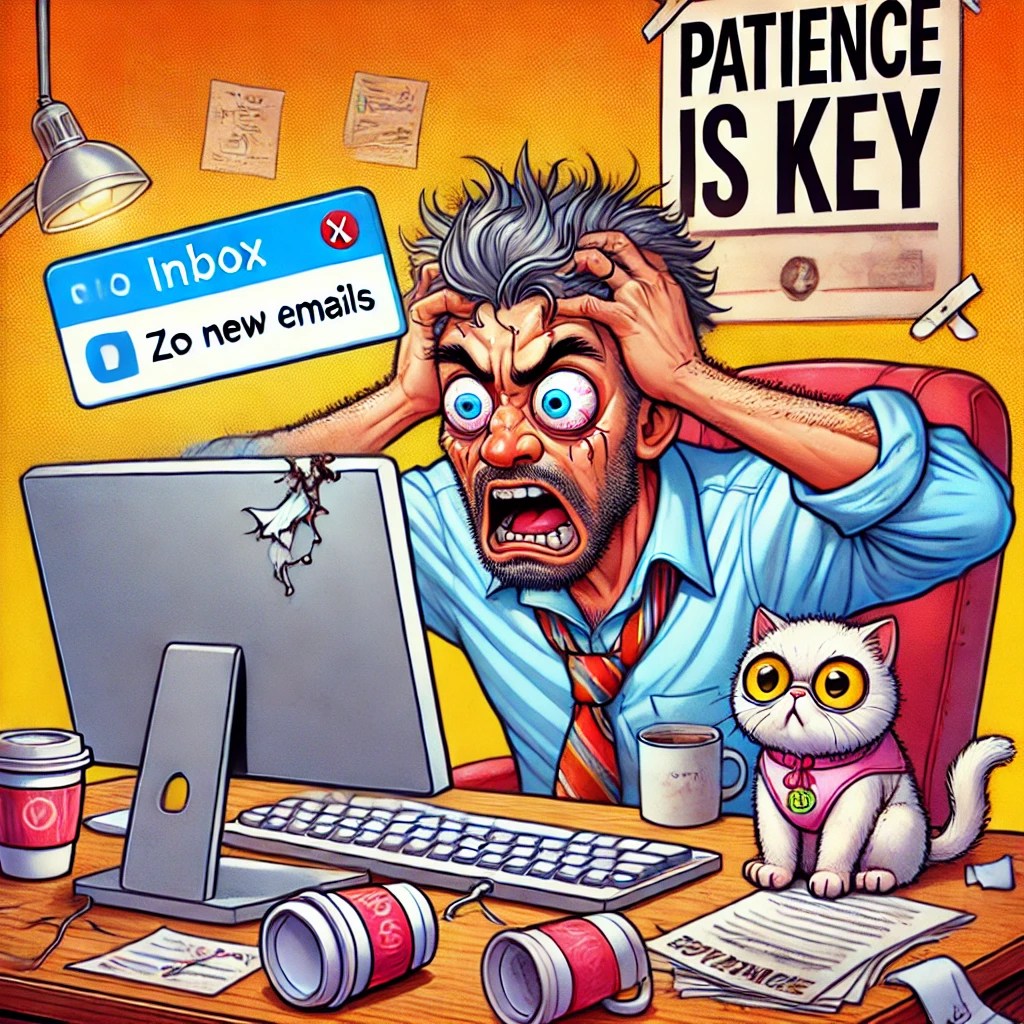
But days turned into weeks, and weeks into months. Once a symbol of hopeful anticipation, my inbox became a source of growing frustration. I refreshed my emails obsessively, waiting for responses that never came.

“Why can’t they just say no?” I often muttered, pacing the floor of my office.

It seemed simple—a clear rejection would be better than this soul-crushing silence. At least I could move on, refocus my efforts, and seek new opportunities. But the uncertainty? That was the worst. It felt like being stuck in limbo, caught between hope and resignation.

I wasn’t idle, though. I sent follow-up emails, made calls, and tried every approach I knew to reignite interest. But more often than not, my efforts were met with the same cold silence. It was like shouting into an empty room, hoping for an echo that never came.

The Sting of Missed Opportunities

The worst part wasn’t the silence. It was discovered that the same people who had shown so much enthusiasm for FAVORIOT had moved on and partnered with someone else.

“How could they?” I’d mutter, shaking my head in disbelief. “We had something here. Why didn’t they give us a chance?”

It wasn’t just a professional setback; it felt personal. I had invested time and effort and pieces of my dreams and aspirations into those meetings. Every missed opportunity felt like a small crack in my entrepreneurial spirit.

Questioning Everything

There were days when self-doubt crept in like an unwelcome guest. I questioned everything:

  • Was it me?
  • Was it the product?
  • Did I say something wrong?

These thoughts gnawed at my confidence, making me second-guess every decision. It was tough, really tough. I felt like drowning in a sea of “what ifs” and “if only.”

A Turning Point: Seeking Advice

Amidst the frustration, I sought advice from other entrepreneurs who had faced similar situations. One conversation stands out. I was speaking with a seasoned business owner who had dealt with the same issues.

“Mazlan,” he said, looking me straight in the eye, “this is part of the process. Not everyone will have the courtesy to say no directly. It’s not about you or your product. Sometimes, they’re just not ready, or they’ve found something that fits their immediate needs better.”

His words were both comforting and sobering. It was a relief to know I wasn’t alone in this experience, but it also reinforced a harsh reality: the business world doesn’t owe you an explanation.

Lessons Learned: The Value of Rejection

Looking back, those early frustrations were necessary lessons in disguise. Each rejection, each unanswered email, taught me valuable lessons:

  1. Patience: Good things take time. Not every seed you plant will grow immediately.
  2. Perseverance: The road to success is paved with obstacles. What matters is how you manage them.
  3. Resilience: Don’t let rejection define you. Use it as motivation to improve and push forward.

Changing the Approach

Instead of waiting passively for responses, I became more proactive. During meetings, I started asking direct questions:

  • “What are your primary concerns?”
  • “How can we better meet your needs?”

This shift not only helped me gauge genuine interest but also provided valuable insights into potential customers’ minds.

I learned to read between the lines and to differentiate between polite nods and sincere enthusiasm.

Building Meaningful Relationships

With this new approach, I stopped chasing every opportunity and focused on building meaningful relationships with people who truly believed in our vision. These partnerships, though fewer, were far more impactful.

One particularly memorable project was with a city council on a smart city initiative. It was a long shot, but our persistence paid off. The project was a great success, serving as proof for many who had doubted us.

The Turning Point

That project was a turning point, not just for FAVORIOT but for me personally. It validated the sleepless nights, the endless follow-ups, and the resilience it took to get there.

It was a reminder that success isn’t always about winning every deal; sometimes, it’s about learning from the ones you lose.

Sharing the Lessons

Today, I often share these lessons with new entrepreneurs. I tell them:

  • “Don’t be afraid of rejection. Embrace it.”
  • “Don’t let silence discourage you. Use it as a time to reflect and improve.”
  • “Keep moving forward because the next opportunity is just around the corner.”

Gratitude for the Process

Reflecting on this experience, I realize that the early frustrations were not setbacks but stepping stones. They shaped me into the entrepreneur I am today. And for that, I am grateful.

The road ahead remains challenging, but with each step, I carry the lessons of the past. I approach new opportunities with careful optimism, knowing that even in silence, there’s growth.

This experience has made me stronger, more resilient, and more determined than ever to see FAVORIOT succeed.

In the end, every missed opportunity was just a lesson in disguise.

More Entrepreneurship Stories

  1. The Story Behind Favoriot – Part 8: The Frustration of Unanswered Emails and Missed Opportunities
  2. The Story Behind Favoriot – Part 7: The Task of Finding Favoriot’s First 10 Customers
  3. The Story Behind Favoriot – Part 6: Expanding The Business Models
  4. The Story Behind Favoriot – Part 5: Finding the Right Fit
  5. The Story Behind Favoriot – Part 4: How Favoriot Became More Than Just an IoT Platform
  6. The Story Behind Favoriot – Part 3: Why No One Wanted Our IoT Platform—And How We Turned It Around
  7. The Story Behind Favoriot – Part 2: Turning Failures into Milestones
  8. The Story Behind Favoriot – Part I: The Humble Beginnings of Favoriot
  9. Building My Personal Brand: The Stepping Stone to Favoriot’s Success
  10. From Research Lab Critiques to Startup Pitches: My Slide Story