A Letter to My Future Self

Dear Mazlan,

As you sit in your grand office atop the towering Favoriot Building, overlooking a city that once seemed like a distant dream, I hope you take a moment to pause.

Yes, you’ve made it.

The name “Favoriot” shines not just on that magnificent skyscraper but across 25 countries, each with its own bustling branch, and the crown jewel—IoT Campus—where the next generation of innovators walks the halls, inspired by a journey that started long before the world knew your name.

But Mazlan, I’m writing this to remind you: don’t forget where it all began.

Remember that tiny office in IOI Business Park—not exactly glamorous, was it? Small desks crammed into a space barely big enough to contain our ambitions, let alone our team. The whiteboard stained with faded markers, the flickering fluorescent lights, and the cheap coffee that fueled countless late nights. It wasn’t luxury, but it was ours.

Remember the struggles during COVID-19—those dark days when uncertainty knocked louder than opportunity. The world paused, but you couldn’t. The team—our team—sacrificed so much. They showed up, not just physically but with heart, even when fear lingered in every breath. There were days when morale dipped, cash flow threatened to suffocate us, and hope felt like a fragile thread. But we clung to it.

Do you recall the pain of landing our first customer? How many times did we pitch—a hundred? A thousand? Rejections stacked higher than the proposals we printed. Investors smiled politely, nodding through presentations, only to pass us by. They didn’t believe in Favoriot. But we did.

Remember the feeling after every rejection? That hollow ache in your chest, the self-doubt whispering, “Maybe they’re right.” But you didn’t let it win. You went back to the drawing board, reworked the slides, tweaked the demos, and pitched again. Not because you were fearless—you were terrified. But because giving up was never an option.

Now, as you sit surrounded by accolades, global partnerships, and a team that’s grown beyond your wildest dreams, stay humble.

Never forget the people who stood by you when Favoriot was nothing more than an idea scribbled on paper. The team who accepted cut salaries during Covid, who believed in the vision even when the bank account said otherwise. The friends who listened to your endless rants about IoT, investors, and cash flow. The mentors who gave advice for free because they believed in you more than you believed in yourself.

Success has a way of making the past feel distant, almost like it happened to someone else. Don’t let it.

Walk the halls of IoT Campus and remember that it’s built on the sweat, tears, and sacrifices of people who dared to dream with you. Visit the small office at IOI Business Park whenever you can. Stand there. Let the memories wash over you—not to romanticize the struggle but to honor it.

And when you speak to young entrepreneurs, don’t just tell them about the success. Tell them about the sleepless nights, the empty bank accounts, the rejections, the fear. That’s where the real story lives.

Be proud, Mazlan. But more importantly, be grateful.

With all my heart,

Your Past Self

(Back when Favoriot was just a name, not an empire)

5 Lessons I Learned About Writing (The Hard Way)

When I started writing, I was like an overexcited kid given the keys to a candy store—brimming with enthusiasm but absolutely clueless about what I was doing. I devoured every piece of writing advice I could find, hoping to fast-track my journey to becoming a better writer.

Some tips helped, sure, but a lot of it? Pure noise.

Looking back, I realize I could’ve saved myself from much frustration if I had learned these lessons sooner. But that’s the beauty of growth—you stumble, fall, and eventually figure things out.

I discovered five hard-earned lessons through trial and error and a fair share of facepalms.

1. Write Often, But Fix Your Mistakes

When I first dipped my toes into the writing world, I kept hearing this mantra: “Just write as much as you can. Quantity over quality.” So, I did precisely that. I wrote. A lot. Blog posts, social media updates, random thoughts jotted in the middle of the night—you name it.

But here’s the catch: I wasn’t getting any better.

“Why isn’t this working? I’m writing so much, but nothing feels right.”

One day, curiosity (or maybe self-torture) made me reread my older pieces. I cringed. I mean, really cringed. My sentences felt awkward, and my ideas scattered like puzzle pieces from different boxes. That’s when the lightbulb flickered on. Writing isn’t just about pouring words onto a page; it’s about learning from those words.

Now, I treat writing like a conversation with my past self. I write, but I also pause, reread, and reflect. I ask, “What was I trying to say here? Could I say it better?” Mistakes? Oh, they’re inevitable. But fixing them? That’s where growth lives.

2. Read What Interests You, Not Just to Impress Others

There was a phase when I believed that I needed to read everything under the sun to be a great writer. Self-help books I didn’t care for? Check. Academic articles that felt like decoding alien scripts? Double-check.

But guess what? None of it stuck.

“Am I even absorbing any of this? Or just pretending to?”

I was reading to tick boxes, not to learn. I’d skim through articles, drop a “Great piece!” comment, and move on—thinking I was building connections. Spoiler alert: I wasn’t.

Eventually, I realized that meaningful reading comes from genuine curiosity. Now, I read what sparks my interest. Whether it’s a thought-provoking essay, an IoT case study, or even a quirky poem, I take my time. I underline sentences, jot down notes, and let the words marinate.

Reading this way doesn’t just fill my brain; it fuels my writing.

3. Comment Like You Mean It

Ah, the “comment-for-engagement” strategy. Been there, done that.

In the early days, I thought leaving many comments would make me visible. So, I plastered generic lines like, “Nice post!” or “Interesting thoughts!” across articles.

But here’s the thing—writers can smell insincerity from a mile away.

“Why isn’t anyone responding to my comments? Aren’t I engaging enough?”

One day, I received a heartfelt comment on one of my posts. It wasn’t long, but it was thoughtful. The reader shared how my words resonated with their experience. That comment? It stayed with me.

I realized genuine connections aren’t built on autopilot responses. Now, when I comment, I pause. “Did something in the article make me think differently? Did it remind me of a personal story?” I share that. Authenticity might not flood your notifications, but it builds lasting bridges.

4. Don’t Play the Follow-for-Follow Game

Ah, the seductive trap of the “follow-for-follow” game. In my eagerness to grow my audience, I followed anyone and everyone, thinking they’d return the favour. For a while, it worked. My follower count climbed, but my engagement? Crickets.

“Why do I have so many followers but no real interactions?”

I had an audience, but not a community.

One day, it hit me: “Why am I following people whose work doesn’t inspire me? Why am I chasing numbers instead of connections?”

So, I hit the reset button. I started following writers whose words I genuinely enjoyed and whose thoughts challenged me. The growth became slower, but it felt real. When someone follows me today, I know it’s because they value my voice, not because of an unspoken social contract.

5. Write When You Have Something to Say

“Write every day, no matter what.”

I took that advice to heart. Even on days when inspiration was as dry as the Sahara, I forced myself to write. The result? Words that felt forced, soulless, and frankly, forgettable.

“Why does my writing feel empty even though I’m consistent?”

Then I had an epiphany: Writing isn’t just about writing. It’s about sharing—sharing an idea, a lesson, or a story that matters—even if it’s just for you.

Now, I write when something stirs within me. It could be a fleeting thought, a conversation, or an article that sparked an idea. Writing from that place? It flows. It feels alive. And more often than not, it resonates with readers.

Final Thoughts

Writing isn’t a race. It’s a journey filled with detours, pit stops, and occasional breakdowns.

I’ve stumbled, cringed at my past mistakes, and learned lessons the hard way, but each misstep has shaped my growth.

If you’re starting your writing journey, here’s my two cents: Don’t chase perfection. “Chase authenticity.” Write, reflect, connect genuinely, and let your voice evolve.

After all, the most powerful stories aren’t the ones polished to perfection—they’re the ones that come from the heart.

The Story Behind Favoriot — Part 9: Leaving the Comfort Zone

Stepping Away from Comfort

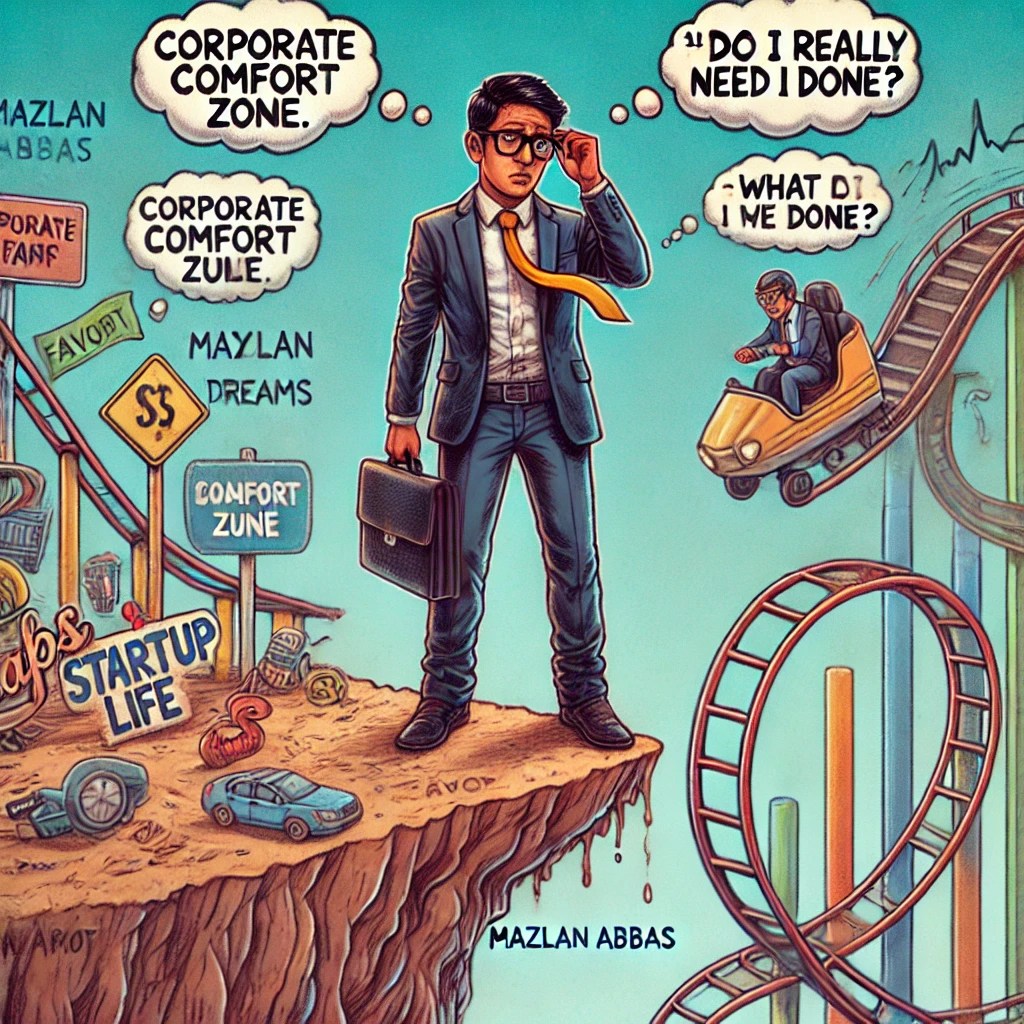
I never imagined the day would come when I’d step away from the security of a stable paycheck and a corporate career spanning over three decades. For over 30 years, I climbed the corporate ladder, navigating the structured world of management, cushioned by the perks that came with it.

How Leaving a 30-Year Career to Build FAVORIOT Taught Me the True Meaning of Resilience, Adaptability, and Personal Growth

It was a good life.

Business-class flights, luxury hotel stays, and the comforting rhythm of a regular, substantial income. Yet, despite the success, something kept gnawing at me.

“Is this it? Is this all there is to my journey?” I’d often wonder.

For years, I nurtured a vision—an idea to revolutionize industries with the Internet of Things (IoT). FAVORIOT was the manifestation of that dream. But dreams, as it turns out, come with their own set of sacrifices, ones I hadn’t fully anticipated.

And boy, there were plenty.

The Financial Rollercoaster

The first punch in the gut? The financial shock. Trading a consistent income for the erratic, unpredictable rollercoaster of startup finances was like jumping off a cliff without knowing if there was water below.

One month, we had cash flow. The next? Empty accounts staring back at me.

No salary. No safety net. Just uncertainty.

“What have I done?” I’d mutter, glaring at spreadsheets that refused to make sense.

There were days I questioned my sanity, wondering if I’d miscalculated the risks. But turning back wasn’t an option. FAVORIOT wasn’t just a company; it had become my mission.

I was no longer just Mazlan Abbas, the corporate executive. I was now Mazlan Abbas, the entrepreneur responsible for a team and a vision.

Adjusting to New Realities

With financial uncertainty came a drastic shift in lifestyle. Gone were the days of business-class flights and luxury hotels. My new reality? Budgeting down to the last ringgit, stretching every expense, and redefining what “essential” meant.

I vividly remember standing in a store, eyeing a sleek new laptop. In the past, I’d have bought it without a second thought.

“Do I really need this?” I asked myself.

The answer was no.

My old laptop would do just fine. Every ringgit saved was a lifeline for the business.

Vacations? A distant memory. Overseas trips were replaced with local getaways, if any. Each sacrifice was a reminder: this was temporary, all part of a bigger picture.

But knowing that didn’t make it any easier.

Cutting Back on Personal Luxuries

Starting a business from scratch demands ruthless prioritization. Gadgets, spontaneous upgrades, and luxury splurges became relics of the past.

I missed the freedom to indulge. But scaling back taught me discipline. It forced me to focus on what truly mattered: growing FAVORIOT.

“Why am I doing this?” I’d sigh during moments of frustration.

But deep down, I knew the answer. I believed in FAVORIOT—its mission, its potential, and the impact it could create.

And that belief kept me going.

Navigating Uncertainty and Isolation

The sacrifices weren’t just financial. The emotional toll of entrepreneurship is a beast of its own.

Every day felt like walking a tightrope, balancing decisions with no safety net below. The uncertainty was suffocating.

And then there was the loneliness.

Sure, I had a team, but what was the ultimate responsibility? That was mine to bear.

“Is this really what I want?” I’d wonder during sleepless nights, staring at the ceiling.

But those moments of doubt? They were the crucible where resilience was forged.

I discovered strength I didn’t know I had, learning that this journey wasn’t just about building a business. It was about building myself.

Perseverance and Growth

Over time, I stopped seeing challenges as obstacles. Instead, they became growth opportunities.

Each setback taught me to adapt, persevere, and trust the process.

I remember a deal that could have been a game-changer for FAVORIOT. We chased it for weeks, only to face rejection.

Frustrated, I vented to a colleague.

“Mazlan, every ‘no’ gets us closer to the right ‘yes,'” they said.

That shifted my mindset.

Failures weren’t dead ends. They were lessons in disguise, pushing me to refine our approach and grow as a leader.

Reflecting on the Sacrifices

So, was it worth it?

The financial strain, lifestyle changes, and emotional rollercoaster?

Yes.

Because in losing the comforts I once knew, I gained something far more valuable: resilience, adaptability, and personal growth.

I’ve had the privilege of building FAVORIOT from the ground up, watching an idea evolve into reality.

But more importantly, I realized that entrepreneurship isn’t just about financial success. It’s about impact, purpose, and creating a legacy.

FAVORIOT isn’t just a business to me.

It’s a testament to what’s possible when you dare to step out of your comfort zone.

The Entrepreneur’s Mindset

One of the greatest lessons I’ve learned? Embracing uncertainty.

Entrepreneurship is a leap into the unknown. Success isn’t guaranteed, and failure is always a possibility.

But that’s what makes it thrilling.

Every day brings new challenges and opportunities to grow.

And if there’s one thing I know for sure, it’s this: resilience is the backbone of entrepreneurship.

The Power of Community and Support

Entrepreneurship may feel lonely, but it doesn’t have to be.

Surrounding yourself with mentors, peers, and a support system is crucial.

I’ve been blessed with a network that believed in my vision, celebrated my wins, and stood by me during the tough times.

Because while the entrepreneurial journey feels personal, it’s never a solo act.

The Entrepreneurial Journey is Yours to Define

As I reflect on my journey with FAVORIOT, I see the sacrifices and growth etched into every milestone.

It’s been a rollercoaster. But I wouldn’t change a thing.

The challenges shaped me. The sacrifices strengthened me.

For anyone considering this path, know this: it’s not easy. The sacrifices are real. The uncertainty is daunting.

But if you embrace the journey, learn from every stumble, and keep moving forward, the rewards—both personal and professional—are beyond worth it.

Entrepreneurship isn’t just a career.

It’s a mindset.

A way of life.

And for me, despite all the sacrifices, it’s been the most fulfilling experience of my life.

Favoriot Entrepreneurship Stories

  1. The Story Behind Favoriot – Part 8: The Frustration of Unanswered Emails and Missed Opportunities
  2. The Story Behind Favoriot – Part 7: The Task of Finding Favoriot’s First 10 Customers
  3. The Story Behind Favoriot – Part 6: Expanding The Business Models
  4. The Story Behind Favoriot – Part 5: Finding the Right Fit
  5. The Story Behind Favoriot – Part 4: How Favoriot Became More Than Just an IoT Platform
  6. The Story Behind Favoriot – Part 3: Why No One Wanted Our IoT Platform—And How We Turned It Around
  7. The Story Behind Favoriot – Part 2: Turning Failures into Milestones
  8. The Story Behind Favoriot – Part I: The Humble Beginnings of Favoriot
  9. Building My Personal Brand: The Stepping Stone to Favoriot’s Success
  10. From Research Lab Critiques to Startup Pitches: My Slide Story
  11. The Illusion of RFPs in the IoT World: Managing Expectations as a Startup
  12. Favoriot’s Odyssey: Navigating the Rough Waters of Early Revenue
  13. From Early Days to VC Pursuit: A Startup Founder’s Odyssey
  14. Blogging My Way Through Entrepreneurship: A Habit I Cherish
  15. Beyond Accolades: The Real Impact on Our Entrepreneurial Journey
  16. Embracing the Diverse Entrepreneurial Journey: Why Success Takes Different Roads
  17. The Subtle Art of Hiring: A Peek Into My Experience
  18. The Entrepreneur’s Balancing Act: A Deep Dive into the Complexities of Startup Product Pricing
  19. The Timing Trap: Our Venture with an IoT Solution and a Global Pandemic
  20. Navigating Product Failure: A Tale of Three Missteps and Lessons Learned
  21. Networking in Startup: An Introvert’s Tale of Growth and Connection
  22. The Startup Burnout: A Founder’s Tale of Striving, Stress, and Solace
  23. The Entrepreneur’s Challenge: Navigating the Pitfalls of Lack of Focus
  24. The Crucial Importance of Product-Market Fit: Lessons from My Entrepreneurship Journey
  25. Embracing Change: Lessons Learned from Clinging to Three Products without Pivoting
  26. Learning on the Go: The Power of Podcasts in My Daily Commute
  27. Learning from Mistakes: Building the Fourth Product – Favoriot IoT Platform
  28. Building the Right Team: My Journey of Managing a Startup
  29. Navigating The Storm: Managing Cash Flow in a Bootstrapped Startup
  30. Outpacing the Startup Race: Lessons Learned from Building a Citizen Engagement App
  31. Finding Harmony in Chaos: My Journey of Building 4 Products
  32. Embracing Life’s Adventure: My Journey From an Academician to an Entrepreneur
  33. How To Increase Your Paid Users From Free Users
  34. 7 Tips How to Get Your Startup Acquired
  35. Advice From ChatGPT as The Investor
  36. When No New Ideas Are Generated
  37. Dateline for the Next eBook
  38. Academia, Industry & Government
  39. Starting The Next IoT Ebook
  40. An Entrepreneur – The Last Career
  41. IoT eBooks by Mazlan Abbas
  42. Navigating the Entrepreneurial Journey with Limited Funds
  43. Navigating the IoT Wave: Secrets to Capturing the IoT Platform Market
  44. Audience Personas for Favoriot IoT Platform
  45. Social Media Strategy for Favoriot IoT Platform
  46. Innovate or Die: Embracing Steve Jobs’ Principles to Catapult Favoriot to IoT Stardom
  47. How We Define the “Why” of FAVORIOT
  48. FAVORIOT 6th Anniversary – The Journey Continues!
  49. IoT Projects from Education to Commercialisation
  50. 8 Top Challenges Building a Citizen Engagement App
  51. 6 Great Challenges Building an IoT Solution for Hajj
  52. How We Build Our Fourth IoT Product
  53. On a Journey of IoTising Business
  54. How We Build Our Third IoT Product
  55. How We Build Our Second IoT Product
  56. How We Build Our First IoT Product
  57. How Silicon Valley Changed My View on the World of Startups

The Story Behind Favoriot – Part 8: The Frustration of Unanswered Emails and Missed Opportunities

The Early Days: A Heart Full of Hope

I still remember waking up every morning during the early days of building FAVORIOT with an excitement that felt like an adrenaline rush. It wasn’t just the buzz of starting something new; it was the vision, the dream that IoT could change industries and improve lives.

The endless possibilities of the Internet of Things filled my mind, painting vivid pictures of smart cities, connected devices, and seamless automation. It felt like we were on the brink of something extraordinary.

Every meeting felt like a golden ticket, an opportunity to make a mark. I would walk into rooms filled with potential customers and partners, armed with passion and an unwavering belief in FAVORIOT’s mission. I put my heart into every presentation, explaining how IoT wasn’t just a trend but the future.

I could see the spark in their eyes—that moment when the idea clicked, and they nodded enthusiastically. I left those meetings feeling optimistic, convinced that a follow-up email would soon seal the deal.

The Deafening Silence

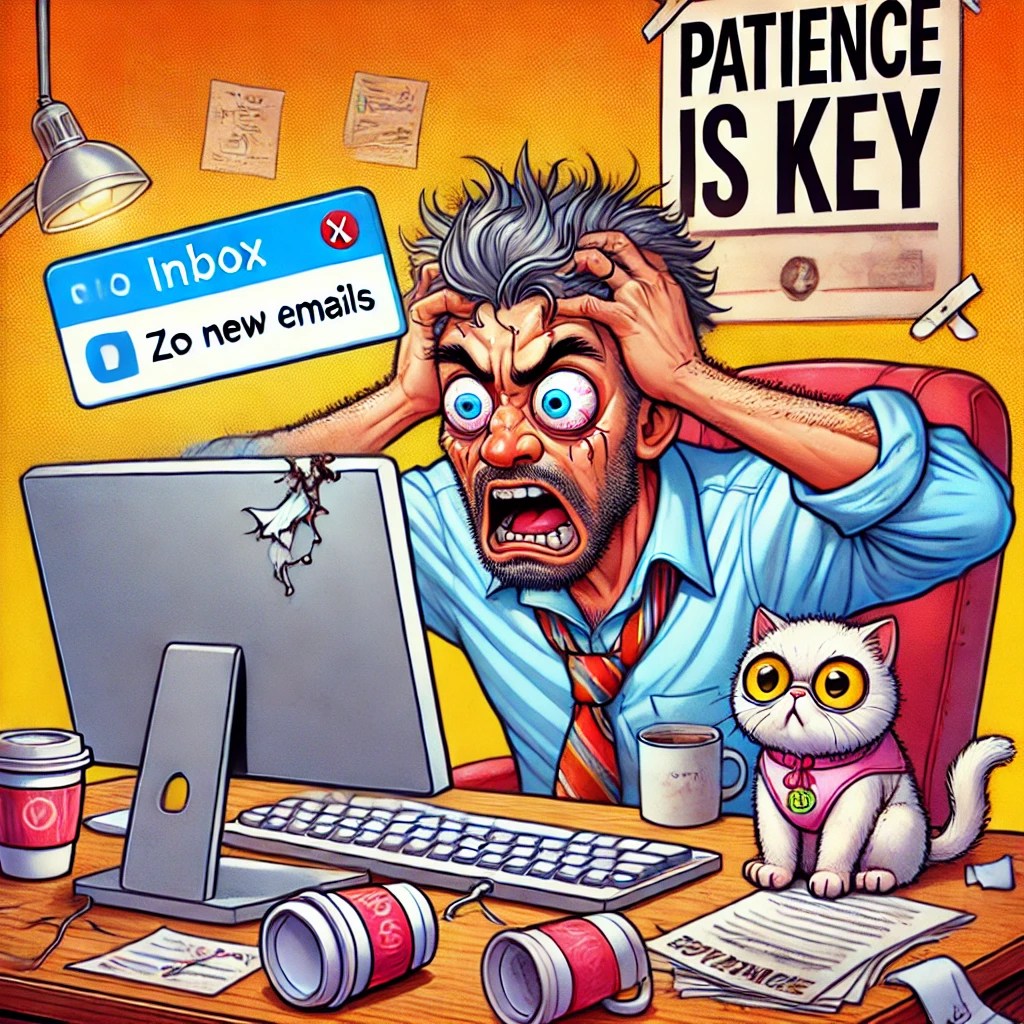
But days turned into weeks, and weeks into months. Once a symbol of hopeful anticipation, my inbox became a source of growing frustration. I refreshed my emails obsessively, waiting for responses that never came.

“Why can’t they just say no?” I often muttered, pacing the floor of my office.

It seemed simple—a clear rejection would be better than this soul-crushing silence. At least I could move on, refocus my efforts, and seek new opportunities. But the uncertainty? That was the worst. It felt like being stuck in limbo, caught between hope and resignation.

I wasn’t idle, though. I sent follow-up emails, made calls, and tried every approach I knew to reignite interest. But more often than not, my efforts were met with the same cold silence. It was like shouting into an empty room, hoping for an echo that never came.

The Sting of Missed Opportunities

The worst part wasn’t the silence. It was discovered that the same people who had shown so much enthusiasm for FAVORIOT had moved on and partnered with someone else.

“How could they?” I’d mutter, shaking my head in disbelief. “We had something here. Why didn’t they give us a chance?”

It wasn’t just a professional setback; it felt personal. I had invested time and effort and pieces of my dreams and aspirations into those meetings. Every missed opportunity felt like a small crack in my entrepreneurial spirit.

Questioning Everything

There were days when self-doubt crept in like an unwelcome guest. I questioned everything:

  • Was it me?
  • Was it the product?
  • Did I say something wrong?

These thoughts gnawed at my confidence, making me second-guess every decision. It was tough, really tough. I felt like drowning in a sea of “what ifs” and “if only.”

A Turning Point: Seeking Advice

Amidst the frustration, I sought advice from other entrepreneurs who had faced similar situations. One conversation stands out. I was speaking with a seasoned business owner who had dealt with the same issues.

“Mazlan,” he said, looking me straight in the eye, “this is part of the process. Not everyone will have the courtesy to say no directly. It’s not about you or your product. Sometimes, they’re just not ready, or they’ve found something that fits their immediate needs better.”

His words were both comforting and sobering. It was a relief to know I wasn’t alone in this experience, but it also reinforced a harsh reality: the business world doesn’t owe you an explanation.

Lessons Learned: The Value of Rejection

Looking back, those early frustrations were necessary lessons in disguise. Each rejection, each unanswered email, taught me valuable lessons:

  1. Patience: Good things take time. Not every seed you plant will grow immediately.
  2. Perseverance: The road to success is paved with obstacles. What matters is how you manage them.
  3. Resilience: Don’t let rejection define you. Use it as motivation to improve and push forward.

Changing the Approach

Instead of waiting passively for responses, I became more proactive. During meetings, I started asking direct questions:

  • “What are your primary concerns?”
  • “How can we better meet your needs?”

This shift not only helped me gauge genuine interest but also provided valuable insights into potential customers’ minds.

I learned to read between the lines and to differentiate between polite nods and sincere enthusiasm.

Building Meaningful Relationships

With this new approach, I stopped chasing every opportunity and focused on building meaningful relationships with people who truly believed in our vision. These partnerships, though fewer, were far more impactful.

One particularly memorable project was with a city council on a smart city initiative. It was a long shot, but our persistence paid off. The project was a great success, serving as proof for many who had doubted us.

The Turning Point

That project was a turning point, not just for FAVORIOT but for me personally. It validated the sleepless nights, the endless follow-ups, and the resilience it took to get there.

It was a reminder that success isn’t always about winning every deal; sometimes, it’s about learning from the ones you lose.

Sharing the Lessons

Today, I often share these lessons with new entrepreneurs. I tell them:

  • “Don’t be afraid of rejection. Embrace it.”
  • “Don’t let silence discourage you. Use it as a time to reflect and improve.”
  • “Keep moving forward because the next opportunity is just around the corner.”

Gratitude for the Process

Reflecting on this experience, I realize that the early frustrations were not setbacks but stepping stones. They shaped me into the entrepreneur I am today. And for that, I am grateful.

The road ahead remains challenging, but with each step, I carry the lessons of the past. I approach new opportunities with careful optimism, knowing that even in silence, there’s growth.

This experience has made me stronger, more resilient, and more determined than ever to see FAVORIOT succeed.

In the end, every missed opportunity was just a lesson in disguise.

More Entrepreneurship Stories

  1. The Story Behind Favoriot – Part 8: The Frustration of Unanswered Emails and Missed Opportunities
  2. The Story Behind Favoriot – Part 7: The Task of Finding Favoriot’s First 10 Customers
  3. The Story Behind Favoriot – Part 6: Expanding The Business Models
  4. The Story Behind Favoriot – Part 5: Finding the Right Fit
  5. The Story Behind Favoriot – Part 4: How Favoriot Became More Than Just an IoT Platform
  6. The Story Behind Favoriot – Part 3: Why No One Wanted Our IoT Platform—And How We Turned It Around
  7. The Story Behind Favoriot – Part 2: Turning Failures into Milestones
  8. The Story Behind Favoriot – Part I: The Humble Beginnings of Favoriot
  9. Building My Personal Brand: The Stepping Stone to Favoriot’s Success
  10. From Research Lab Critiques to Startup Pitches: My Slide Story

Why Writing Feels Like Running a Marathon

It all started with a simple comment from a friend: “Writing on a Blog is a marathon, not a sprint.” That line stuck with me. It echoed in my mind like the rhythmic pounding of footsteps on the pavement. It made me pause and think—he’s right. Writing isn’t a quick dash to the finish line. It’s an endurance game. A long race.

I often compare life to the activities we do. Maybe it’s my way of making sense of things. And the more I thought about it, the more it made perfect sense: writing on this Blog feels like running a marathon.

The Starting Line: Hesitation and Excitement

I remember the day I decided to write for this blog. There was no grand announcement or dramatic decision. It was more like an itch—a slight, persistent urge to share my thoughts on IoT and smart cities, which have consumed my professional life.

“Will anyone even read this?” I wondered. The same nervous question runners ask themselves as they stand at the starting line, surrounded by experienced athletes with years of effort etched into their confident postures.

That feeling? Overwhelming. But I started anyway.

Finding Your Rhythm: The First Few Kilometers

In the running, the first few kilometres are deceptive. The excitement tricks you into thinking you can sprint the whole way. But reality sets in quickly. The excitement fades, and you’re left with nothing but your breathing, the sound of your footsteps, and the mental battle against self-doubt.

Writing is the same. My first few articles barely got any views. I’d refresh the stats page often, hoping for a miracle.

“Why aren’t they reading?” Frustration bubbled up. But then I remembered: the first kilometres aren’t about speed; they’re about finding your rhythm.

Each article became a step forward, a chance to refine my voice. It wasn’t about the views. It was about showing up, day after day, word after word.

Small Wins: The First Checkpoint

One day, I posted an article about IoT applications in agriculture. I wasn’t expecting much, but then a comment appeared.

“This is exactly what I was looking for. Thank you!”

That small comment felt like crossing my first marathon checkpoint. Someone was reading, and someone found value in my words.

“Keep going,” I told myself.

That simple acknowledgement shifted everything. I stopped focusing on metrics and started writing because I enjoyed it.

Preparation: The Invisible Work

No marathoner wakes up and decides to run 42 kilometres without training. They prepare, practice, and test their limits.

Writing is no different.

“Do I really have to do this every day?” I’d groan, staring at a blank screen, especially when ideas were hard to find.

But I knew the truth: consistency beats talent. Skipping one day makes it easier to skip the next. So, I wrote. Even when the words felt forced. Even when the drafts were not my best.

Those drafts? They were my practice runs. Not pretty, but necessary.

Pacing: The Art of Sustainability

In a marathon, going too fast too early guarantees burnout. Writing has its version of this, too. At one point, I tried writing articles daily, thinking more output would lead to success.

Spoiler alert: it didn’t.

I learned to slow down, revisit drafts, and refine my ideas. Quality mattered more than quantity. It was like perfecting my stride, finding that balance where effort meets ease.

The Crowd: Finding Support

No marathoner runs alone. There are fellow runners, spectators, and coaches cheering you on.

For me, that support came from the Blog community—fellow writers, readers, even the occasional critic.

I’ll never forget the day I received a message from another writer: “Your story inspired me to start my own business. Thank you for sharing.”

That message? It was my crowd, cheering me on when I needed it most.

Hitting the Wall: The Toughest Part

Every marathon has “the wall”—that dreaded moment when exhaustion hits, and quitting feels like the only option.

For me, that wall was writer’s block. Days when ideas refused to come. When motivation disappeared, leaving only a nagging sense of failure.

“Why am I even doing this?” I’d mutter.

But then I’d remember: you don’t stop because you’re tired. You stop when you’re done.

The Finish Line: A New Beginning

Looking back, I realise writing and running a marathon are deeply personal activities. They test your limits, reveal your strengths, and force you to confront your weaknesses.

But they also offer immense rewards.

Today, as I continue to write, each article feels like another kilometer in the marathon. Some are effortless. Others are tough uphill battles.

But with each word, I grow stronger.

Someone once asked me, “Would you do it all over again?”

Without hesitation, I said, “Absolutely.”

Writing has given me resilience, discipline, and the joy of connection. It has reminded me that success isn’t in the destination—it’s in the process.

So here I am, still running this marathon, one article at a time.

And just like every marathoner knows, the finish line isn’t the end. It’s just the start of another challenge.

The Story Behind Favoriot – Part 7: The Task of Finding Favoriot’s First 10 Customers

They say the first real breakthrough for any startup is securing ten paying customers. It sounds simple, doesn’t it? Just ten. But the journey to reach that number felt like climbing Mount Everest—without oxygen.

I still remember the day we got our first paid Favoriot subscription. The notification popped up, and I felt a rush of disbelief. “We did it!” I shouted loud enough to startle a few birds outside the window. My team and I were ecstatic, high-fiving like we’d just won a championship. For a moment, it felt like the floodgates had opened.

But reality had other plans.

Why Is It So Difficult?

Late at night, I found myself lost in thought, asking the universe, “Why is it so hard?” Was our product not good enough? Did it fail to solve real problems? Was our pricing scaring people off? My brain became a broken record, playing these questions on a loop.

We tweaked the product, experimented with pricing models, and added new features. “This has to work,” I thought after every adjustment. But the results? Meh. Crickets.

Then, I started comparing Favoriot with other platforms like ThingSpeak and Blynk. “Why do they have so many users?” We even offered free subscriptions, thinking it would open the floodgates. However, only about 5% of free users converted to paid plans. While that conversion rate wasn’t terrible, it wouldn’t pay the bills either.

A New Strategy

“Maybe we’re looking at this all wrong,” I wondered during our team meetings. That’s when it hit me—what if we bundled Favoriot with something people already wanted?

So, we paired the Favoriot platform with our IoT courses. “Let’s give them value beyond just the platform,” I suggested. And guess what? It worked. Slowly but surely, interest grew. We weren’t just selling software anymore; we offered a learning journey.

But we didn’t stop there. We introduced the Enterprise Favoriot IoT platform with a perpetual license. This was a game-changer. System Integrators loved owning the platform outright without worrying about subscription renewals.

“This feels right,” I thought, cautiously optimistic. And for once, my optimism paid off.

Lessons Learned

This rollercoaster taught me a few things:

  1. Getting the first 10 customers is brutal. It’s like trying to push a car uphill with flat tyres. But every small win counts. “Celebrate the little victories,” I always tell my team.
  2. A great product isn’t enough. You can build the most advanced platform in the world, but if it doesn’t solve a real problem, it’s just digital clutter. “Understand your customers’ pain points,” I remind myself daily.
  3. Pricing is tricky. Too high, and you scare people off. Too low, and you undervalue your product. It’s a balancing act—like seasoning a dish just right.

Moving Forward

With the new Enterprise Favoriot IoT package, our confidence grew. “This is just the beginning,” I told my team. We’d faced countless challenges, but each one taught us something valuable.

Success doesn’t show up overnight with a bow on top. It demands persistence, creativity, and a healthy dose of stubbornness. We’ll keep refining, learning, and evolving. Because that’s what startups do—we adapt.

Hopes for the Future

When I reflect on our journey, pride wells up. “We didn’t give up,” I whisper to myself during quiet moments. Our story is far from over. In fact, it’s just getting interesting.

I dream of Favoriot becoming a leading IoT platform in Malaysia and globally. And I believe we’ll get there—not through luck, but through relentless effort and the unwavering support of people who believe in us.

To everyone who’s been part of our journey—thank you. “Without your support, we wouldn’t be here,” I say from the bottom of my heart.

Favoriot’s story is one of grit, growth, and endless possibilities.

More Entrepreneurship Stories

  1. The Story Behind Favoriot – Part 6: Expanding The Business Models
  2. The Story Behind Favoriot – Part 5: Finding the Right Fit
  3. The Story Behind Favoriot – Part 4: How Favoriot Became More Than Just an IoT Platform
  4. The Story Behind Favoriot – Part 3: Why No One Wanted Our IoT Platform—And How We Turned It Around
  5. The Story Behind Favoriot – Part 2: Turning Failures into Milestones
  6. The Story Behind Favoriot – Part I: The Humble Beginnings of Favoriot
  7. Building My Personal Brand: The Stepping Stone to Favoriot’s Success
  8. From Research Lab Critiques to Startup Pitches: My Slide Story
  9. The Illusion of RFPs in the IoT World: Managing Expectations as a Startup
  10. Favoriot’s Odyssey: Navigating the Rough Waters of Early Revenue

Writing a Blog and Building a Startup: Two Journeys, One Spirit

I never thought I’d say this, but here it goes: writing a blog—like mine—and building a startup—like FAVORIOT—feel like two sides of the same coin. Strange, isn’t it? At first glance, they seem worlds apart. One requires you to pour your thoughts onto a blank screen, while the other demands strategic planning, pitching ideas, managing teams, and scaling businesses.

But as I look back on both journeys, I see an uncanny resemblance. It’s like déjà vu but in different dimensions.

The Blank Page vs. The Blank Canvas

I remember when writing my first blog post. The blank page felt like it was mocking me—”So, what’s your big idea, Mazlan?” No audience, no followers, just me and my thoughts.

Now, compare that to the early days of FAVORIOT. We had a big dream: to simplify IoT adoption. But dreams are just dreams until you take that terrifying first step. No customers, no revenue, just a vision and an empty business plan.

Starting both felt like standing at the edge of a cliff. Do you jump? Or do you hesitate? I jumped. Twice.

Defining Your “Why”

Here’s the thing about starting anything meaningful—you need a “why.” Without it, you’ll burn out faster than a cheap lightbulb.

For FAVORIOT, my “why” was crystal clear: help businesses and cities leverage IoT for smarter operations. For my blog, it was about sharing my journey, my thoughts, my lessons—hoping they’d resonate with someone out there.

When challenges hit—and trust me, they did—my “why” kept me grounded. It’s like having an internal GPS when the road ahead gets foggy.

The MVP (Minimum Viable Product): Perfection Can Wait

Every startup guru talks about the MVP. It’s your rough draft—a version that works but isn’t perfect. FAVORIOT’s first platform wasn’t a masterpiece. It had bugs, limited features, and a UI that would make today’s designers cringe. But it solved a problem, and that’s what mattered.

Guess what? My early blog posts were my MVPs. Not polished, not viral-worthy, but raw and honest. Some articles were barely 500 words, rushed between meetings, but filled with genuine insights.

You don’t wait for perfection. You launch, you learn, you iterate.

Audience vs. Customers: The Art of Connection

In startups, they say, “If you build it, they will come.” Lies. They won’t come unless you hustle.

At FAVORIOT, we had to identify our target market, pitch relentlessly, and prove our value. Blogging? Same game, different players. I had to find my niche—IoT, smart cities, entrepreneurship—and consistently write content that mattered.

But it wasn’t just about publishing and hoping for the best. Engagement was key. Responding to comments, sharing posts on LinkedIn, having meaningful discussions—these were my “sales calls” in the blogging world.

Consistency: The Unsung Hero

Let me be brutally honest—there were days I felt like giving up. Some months, FAVORIOT saw zero growth. Some weeks, my blog had views I could count on one hand.

But here’s the secret sauce: consistency. Not motivation. Not talent. Just showing up, day after day.

At FAVORIOT, we kept refining our platform, talking to clients, and pivoting when needed. On my blog, I kept writing—even when no one was reading. Over time, both grew. Not overnight, but gradually. Like watering a plant, wondering if it’ll ever sprout. Then one day—it does.

Feedback: The Mirror You Didn’t Ask For

Feedback can sting. Whether it’s a customer pointing out a flaw in FAVORIOT’s platform or a reader criticizing my writing style, it’s tough.

But it’s gold.

At FAVORIOT, customer feedback shaped our roadmap. What to improve, what to drop, what to double down on. My blog? Comments, shares, even silent metrics like “read time”—they told me what resonated.

Criticism isn’t an attack; it’s a compass.

Scaling: Doing More of What Works

Once FAVORIOT found its footing, it was time to scale. New markets, more features, global partnerships. But scaling isn’t just about doing more. It’s about doing more of what works.

I learned that lesson the hard way with my blog. I tried writing about everything—tech trends, personal growth, productivity hacks. Some of it flopped. I realized I needed to double down on my strengths: IoT, entrepreneurship, storytelling.

Passion: The Invisible Fuel

No passion? No progress.

I’m obsessed with IoT—not just as a technology, but as a force that’s reshaping our world. That passion fuels FAVORIOT. It also bleeds into my writing.

You can’t fake passion. Readers sense it. Customers sense it. It’s what keeps you going when logic says, “Quit.”

The Payoff: Beyond Metrics

Today, FAVORIOT has global partners. My blog reaches thousands of readers. But the real payoff? It’s not the numbers.

It’s the email from a reader who says, “Your article inspired me to start my own business.” It’s the client who says, “FAVORIOT helped us transform our operations.”

Impact. That’s the real currency.

Final Thoughts: Start. Just Start.

Whether you’re building a startup or a blog, the rules are surprisingly similar:

  • Start before you’re ready.
  • Find your ‘why.’
  • Launch imperfectly.
  • Engage with your audience.
  • Stay consistent, even when it’s hard.
  • Embrace feedback.
  • Scale smartly.
  • Fuel it with passion.

Looking back, both journeys shaped me. They taught me resilience, humility, and the art of storytelling—whether through code or words.

So, if you’re hesitating to start that blog or launch that business, let me leave you with this:

The best time to start was yesterday. The second-best time? Today.

The Story Behind Favoriot – Part 6: Expanding The Business Models

The Birth of an Idea: Favoriot’s B2C Beginning

When I first launched the Favoriot IoT platform, I had a simple vision: to create a platform that anyone could use—students, hobbyists, tinkerers—you name it. The idea was to make IoT accessible to the masses, a B2C service that would ignite curiosity and inspire innovation.

I thought, “If we can get people talking about Favoriot, the rest will follow.” That belief fueled our early strategy. We dove headfirst into social media, the digital town square where everyone seemed to gather. Facebook was buzzing, YouTube was the tutorial hub and TikTok? Well, that was the wild frontier—so, of course, I gave it a shot.

The Social Media Experiment

I became the face of our promotions, posting updates on Facebook, creating YouTube videos, writing blog articles, and yes, even attempting TikTok. It was thrilling at first—seeing those likes, shares, and comments roll in. People were curious, intrigued by what Favoriot could do.

But soon, a nagging question crept in: “Why isn’t this translating into actual platform usage?” The buzz was there, but the conversions weren’t. It hit me—generating interest is one thing, but sustaining it requires more than social media posts.

The eBook Revelation

That’s when an old passion of mine resurfaced: writing. “What if I wrote an eBook?” I wondered. It would not be just any technical manual but something that painted the bigger picture—how IoT could transform industries and shape the future, and yes, how Favoriot fits into all of this.

I poured my heart into that eBook. It wasn’t just about IoT protocols or sensor networks; it was a narrative about the power of connected technologies. Subtly, I wove Favoriot into the storyline, highlighting its features and potential. Once it was done, we decided to offer it for free.

The Breakthrough: Global Reach

And guess what? It worked. The eBook spread like wildfire. I remember staring at the download stats, thinking, “This is it. This is the breakthrough.”

But success has a way of revealing new challenges. With global interest came diverse expectations. Users wanted more—advanced features, scalability, and enterprise-grade security. It became clear: our B2C model had hit a ceiling.

Pivoting to B2B: A Bold Decision

Cue the sleepless nights. “Should we pivot to B2B? What if it doesn’t work out?” The questions were relentless. But growth demands evolution. After countless discussions with my team, we made the leap.

We transitioned Favoriot into a B2B platform, offering on-premise and private cloud installations. This shift opened doors to system integrators and organizations who handled complex IoT projects with high data demands. We even introduced a game-changing perpetual license—a one-time purchase granting lifetime access. “This could be a game-changer,” I thought. And it was.

The Impact of the B2B Model

The B2B model didn’t just diversify our revenue; it solidified our market position. We provided a ready-made, scalable IoT solution, eliminating the need for companies to build platforms from scratch.

Since 2017, Favoriot has evolved dramatically from a humble B2C platform to a versatile solution serving both individual developers and large enterprises. A defining moment? MOSTI officially recognized Favoriot as a Malaysian local product by awarding it the MySTI certification. It was more than a certification—it was validation.

Reflecting on the Journey

Looking back, I see a journey marked by resilience, adaptability, and an unwavering belief in our vision. But this isn’t the end. In Part VII, I’ll delve into the challenges we face as we aim to deepen our footprint in Malaysia.

The road ahead is long, but with the lessons we’ve learned and the incredible team by my side, I’m confident Favoriot will continue to thrive.

Stay tuned. Favoriot’s journey is far from over.

More Stories About Entrepreneurship

  1. The Story Behind Favoriot – Part 6: Expanding The Business Models
  2. The Story Behind Favoriot – Part 5: Finding the Right Fit
  3. The Story Behind Favoriot – Part 4: How Favoriot Became More Than Just an IoT Platform
  4. The Story Behind Favoriot – Part 3: Why No One Wanted Our IoT Platform—And How We Turned It Around
  5. The Story Behind Favoriot – Part 2: Turning Failures into Milestones
  6. The Story Behind Favoriot – Part I: The Humble Beginnings of Favoriot
  7. Building My Personal Brand: The Stepping Stone to Favoriot’s Success
  8. From Research Lab Critiques to Startup Pitches: My Slide Story
  9. The Illusion of RFPs in the IoT World: Managing Expectations as a Startup
  10. Favoriot’s Odyssey: Navigating the Rough Waters of Early Revenue

The Story Behind Favoriot – Part 5: Finding the Right Product Market Fit (PMF)

The Struggles No One Sees

I still remember how challenging it was to secure our first ten customers. Ironically, even though we initially offered the Favoriot Platform for free, it wasn’t easy to attract interest. Free should be irresistible, right? But it wasn’t.

I often sat at my desk, staring at my laptop late into the night, asking myself questions that gnawed at my confidence:

“Is all this effort going to be in vain?”
“What if the market doesn’t embrace the product we’ve poured our hearts into?”

These thoughts weren’t fleeting. They lingered, casting shadows over my team’s tireless days and nights dedicated to building Favoriot. I knew I couldn’t let them down. Their belief in this mission was unwavering, and as their leader, failure felt personal.

The Search for Traction

Market traction — a simple phrase with monumental weight. For startups, it’s the lifeline. Without it, even the most brilliant products fade into obscurity.

Our first strategy was to target individuals—university students, freelancers, and tech enthusiasts. I thought, “Surely, they’d be eager to experiment with our platform.” But reality hit hard. The response was underwhelming, to say the least.

So, we pivoted. “Maybe university lecturers will see the value,” I thought. They supervise students working on IoT projects; surely, Favoriot could be an asset in their toolkit.

Again, disappointment. The traction we hoped for didn’t materialize. That nagging anxiety crept back in. “What else can we do?” I kept asking myself.

Shifting Focus: From Individuals to Enterprises

Determined not to give up, we shifted our strategy. Instead of individuals, we approached companies and organizations directly. Businesses must see the potential, right?

Wrong.

Another hurdle emerged — most companies didn’t know how to utilize the platform effectively. It was as if we were speaking a language they hadn’t learned yet. “Are we too early to the market?” I wondered. Maybe the IoT landscape wasn’t mature enough in Malaysia at that time.

In the startup world, there’s a term: Product-Market Fit (PMF). It’s the sweet spot where your product perfectly aligns with market needs. Without PMF, even the best ideas crumble.

I knew this. And the pressure was immense.

The Breakthrough: Finding Our True Customers

But giving up wasn’t an option. We kept refining our approach, learning from every failed pitch and cold response.

Eventually, the breakthrough came.

We discovered that IoT System Integrators were our ideal customers. These were companies and individuals already offering IoT solutions to their clients. They didn’t just understand the value of our platform; they needed it to build scalable, customized IoT applications.

It felt like finding the missing piece of a puzzle. Suddenly, the conversations flowed more naturally, the demonstrations clicked, and the value proposition was crystal clear.

Tailoring the Offering: Cloud vs. Enterprise Models

With clarity came strategy. We introduced two models for the Favoriot Platform:

  1. Cloud-Based Model
    • Perfect for customers seeking flexibility and remote accessibility.
  2. Enterprise-Based Model
    • Designed for System Integrators wanting full control over their platforms, this model comes with a perpetual license and unlimited API access, eliminating the worry of high API costs that platforms like AWS or Azure often impose.

This dual approach worked. Favoriot finally carved out its space in the IoT ecosystem.

A Glimpse of Relief, A Promise to Evolve

I’d be lying if I said I didn’t feel relieved. But this wasn’t the finish line — far from it. The tech landscape evolves rapidly, and staying relevant requires continuous innovation.

Yet, this breakthrough gave me something invaluable: confidence. I felt confident that Favoriot had a future and that our journey, filled with detours and lessons, was leading somewhere meaningful.

What’s Next?

This isn’t the end of the story. Not even close.

In the next part, I’ll share how we expanded our customer base, the unexpected sectors that embraced Favoriot, and the strategies we used to win their hearts.

So, stay with me on this journey. Every step we take has a story—a story that might inspire those who are walking the challenging path of building something from nothing.

See you in the next chapter.

More Stories About Entrepreneurship

  1. The Story Behind Favoriot – Part 6: Expanding The Business Models
  2. The Story Behind Favoriot – Part 5: Finding the Right Fit
  3. The Story Behind Favoriot – Part 4: How Favoriot Became More Than Just an IoT Platform
  4. The Story Behind Favoriot – Part 3: Why No One Wanted Our IoT Platform—And How We Turned It Around
  5. The Story Behind Favoriot – Part 2: Turning Failures into Milestones
  6. The Story Behind Favoriot – Part I: The Humble Beginnings of Favoriot
  7. Building My Personal Brand: The Stepping Stone to Favoriot’s Success
  8. From Research Lab Critiques to Startup Pitches: My Slide Story
  9. The Illusion of RFPs in the IoT World: Managing Expectations as a Startup
  10. Favoriot’s Odyssey: Navigating the Rough Waters of Early Revenue

How AI Sees My Writing Style – And What It Means for 2025

“Do I really have a writing style?”

That question kept bouncing in my head as I stared at the AI analysis of my articles. I’ve always written instinctively—pouring out thoughts, reflecting on experiences, and hoping they resonate with someone out there. But now, with a year’s worth of writing analyzed, I can’t help but smile.

The verdict?

I’m a storyteller at heart. I thrive on conversations. Most importantly, I write for impact.

So, let’s break it down. What makes my writing style uniquely mine?

1. Storytelling is My Foundation

“You should start with a story.”

I remember hearing that advice long ago. At first, it felt unnecessary—why not just get straight to the point? But over time, I realized that stories bridge the gap between knowledge and understanding.

When I write about IoT, I don’t just list facts. I take readers on a journey, whether they’re entrepreneurs struggling to deploy smart city solutions or university students trying to commercialize an IoT project.

Take “Why Writing Is Like Running a Marathon” or “The Silent Struggles of Researchers”—I don’t just talk about endurance and challenges. I live through them in my writing.

Why it matters: Stories stick. They make abstract ideas tangible and personal.

2. Conversational and Relatable Tone

“Write as if you’re talking to a friend over coffee.”

That’s how I approach my articles. No stiff, robotic sentences. No excessive jargon. Just me, having a conversation with you.

Whether I’m sharing “How Medium Shaped My Voice” or “Why You Should Write From the Heart,” my goal is simple: I want you to feel like we’re just sitting together, chatting about life and ideas.

Why it matters: Readers don’t want to be lectured. They want a dialogue.

3. First-Person Perspective Brings Depth

“Why do you always write in first person?”

Because it’s real. Because it’s personal. Because I believe the best way to inspire is by showing—not just telling.

If I write about IoT projects in universities or my journey in the corporate world, I’m not giving a third-person analysis. I’m sharing my experiences, lessons, and mistakes.

Why it matters: It builds trust. Readers connect with people, not abstract ideas.

4. Structure Matters – A Lot

“Make it easy to read.”

Long, unbroken paragraphs? No thanks. My articles are structured with clear sections, subheadings, and logical flow.

If I’m explaining “5 Lessons I Learned About Writing” or “How Favoriot Empowers IoT System Integrators”, I want you to get value fast.

Why it matters: Clarity keeps people reading. A good article doesn’t feel like work—it flows effortlessly.

5. Motivation and Inspiration Are My Hidden Ingredients

“People don’t just read for information. They read for inspiration.”

When I wrote “Why Persistence in Writing Matters” or “Every Failure Was a Step Toward Success”, I wasn’t just telling stories. I was giving hope.

I know what it’s like to feel stuck. To feel like no one is listening. To wonder if your efforts are even worth it. But every challenge I’ve faced has led me somewhere better. That’s the message I want to leave behind.

Why it matters: Inspiration fuels action.

6. Versatility Without Losing Identity

“Do you only write about IoT?”

No. And I never will.

My interests are broad—entrepreneurship, technology, personal growth, writing—but my voice remains the same. Whether discussing IoT’s future or writing a letter to my future self, it still feels like me.

Why it matters: A consistent voice makes a writer memorable.

7. Emotion and Logic Go Hand in Hand

“Facts alone don’t convince people. Emotions do.”

When I wrote “How Responding to Comments Boosted My Writing Output,” I didn’t just provide statistics. I also shared how engaging with readers felt —the excitement, the connections, the motivation.

Then, I supported my argument with logic—why engagement matters, how it impacts visibility, and what writers can do to grow.

Why it matters: The best articles engage both heart and mind.

8. Analogies and Metaphors Make Everything Click

“Explain it like they’re five.”

If I say, “Writing is like running a marathon,” you immediately understand endurance is key. If I say, “A Medium writer is like a badminton player,” you get that consistency and technique matter.

I use analogies because they simplify complexity. IoT, AI, writing—whatever the topic, if I can compare it to something familiar, it becomes easier to grasp.

Why it matters: Analogies make learning fun and effortless.

9. Audience-Centric Writing

“Who am I writing for?”

Every article I write answers a question or solves a problem.

Whether it’s “Why You Should Not Give Up Writing” or “How Favoriot Empowers IoT System Integrators”, my focus is always: How can this help the reader?

Why it matters: Readers stay loyal when they feel seen and understood.

10. Learning and Growing Through Writing

“Writing is my best teacher.”

I reflect a lot in my articles.

From “Lessons Learned in My 13-Year Telco Career” to “My Journey of Writing 550 Articles on Medium”, I use my past as a learning tool. I talk about mistakes, breakthroughs, and the evolution of my thoughts.

Why it matters: Growth is relatable. Readers appreciate honesty.

What This Means for 2025

Seeing this breakdown made me realize one thing—I love writing.

And in 2025, I’ll write even more.

✔ More stories that resonate.
✔ More conversations that connect.
✔ More insights that inspire.

If AI says my writing has an impact, I owe it to myself (and my readers) to keep going.

Because at the end of the day, writing isn’t just about putting words on a page.

It’s about sharing experiences, shaping perspectives, and leaving a legacy.

Here’s to another year of storytelling.