Started with a single Blog that shares the electronic gadgets that I bought, now it has turned into too many blogs that cover topics on IoT, travel, technology and many others.
Some people blog just for the sake of blogging and don’t care if there are any followers or not.
But most of us will feel some satisfaction if there are people visited our blog everyday and leave comments.
Since my idea of blogging is to share my experience with others, of course, I wanted to see more visitors to my blog. Otherwise, what’s the use of blogging (for me).
But now, I feel very tired to maintain and sustain so many blogs.
Maybe I just need to categorise my Blog into two – Personal and Business.
I must admit that I have many personal Blogs excluding the Professional Blogs such as IoT World.
But now, only two which seems to be more active than others.
Travelog Mazlan is one of the earlier ones which I have created but using WordPress domain (free).
And the one here (Mazlan Abbas Blog) which I have created using a domain which I subscribed.
The reason I build this Mazlan Abbas Blog is for my professional portfolio and to write about other topics than IoT – for example thought leadership, social media and entrepreneurship.
But then, I realised that Mazlan Abbas Blog lacked content because I frequently write on Travelog Mazlan Blog.
However, I also saw an increase of visitors traffic that constantly visit Mazlan Abbas Blog.
I am now in a dilemma which Blog should I focus? Should I answer the daily WordPress Prompt on Travelog Mazlan or Mazlan Abbas Blog?
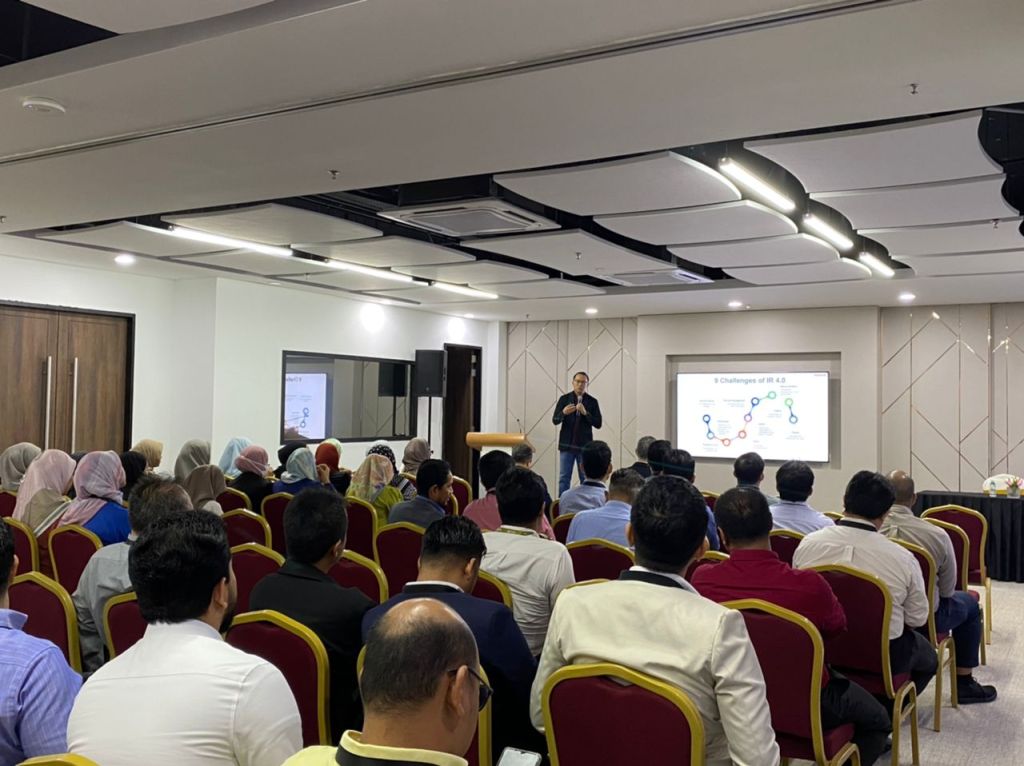
Speaking at a technical conference is often daunting for many speakers as they invest their time and resources without any monetary compensation. However, the benefits of presenting at such an event are numerous and go beyond financial gain. Here are some of the benefits:
Establishing Personal Brand: One of the most significant benefits of speaking at a conference is the opportunity to showcase one’s skills and expertise, which can help to build and solidify a personal brand.
Public Relations: Speaking at a tech conference is a great public relations opportunity that can help promote your brand and bring new business opportunities.
Networking: These events provide an excellent opportunity to network with peers, establish new connections, and build lasting relationships that can be valuable in the long run.
Promotion and Recognition: Speaking at a conference can help you gain exposure and recognition within your industry and provide a platform to promote your services or products.
Engaging with a Diverse Group of People: Engaging with a diverse group is one of the most valuable aspects of speaking at conferences. It allows you to meet and learn from individuals from different backgrounds and cultures, expanding your perspective and knowledge.
Giving Back to the Community: Finally, speaking at a conference is a chance to share your knowledge and expertise with others, contributing to the community and leaving a lasting impact.
Speaking at a technical conference provides many benefits beyond financial gain. It can help establish a personal brand, provide public relations opportunities, network with peers, gain recognition and exposure, engage with a diverse group, and give back to the community.
Describe one positive change you have made in your life.
WordPress Prompt
I began to like the daily prompt in the Jetpack app that manages my Blogs. I answered these prompts (questions), such as above, on different kinds of blogs I managed. And this time is this Blog’s turn.
There are many positive changes in my life, but there’s one that changes my life.
In 2013, my proposal to attend the first IoT Asia in Singapore was rejected by my superior, although 2 of my staff’s applications were approved. I was pretty disappointed because our department was very active in IoT R&D and hoping that the conference could help us some light.
I was also quite active on Social Media, especially Twitter – sharing information about IoT and my opinions about the industry.
In early 2014, I was approached by one of the staff that mentioned my name was listed in the 2014 Onalytica Report – “The Internet of Things – Top 100 Thought Leaders,” and was ranked 20th! What a surprise!
I mentioned this to my HR Director, and she congratulated me and said, “Dr. Mazlan – You are a Thought Leader.” At that time, I was unsure what’s exactly a “Thought Leader.”
After a quick research about the term “Thought Leader” and why the contribution to the IoT industry significantly impacts others, I began to realize how important for me to keep going on this path.
And with that comes several other recognitions from various media, such as:
Onalytica Report “Who’s Who in IoT” (May 2022).
Ranked among Top 50 Global Thought Leaders on the Internet of Things (February 2019)
Digital Disruption (October 2019) by Thinkers360
Top 50 Most Impactful Smart Cities Leaders by World CSR Congress 2017
Top 10 in IoT Top 100 Influencers by Postscapes 2017 & 2018
I have also appeared in many publications listed here.
The day I realized how becoming an IoT Thought Leader can inspire and change the lives of others, I have never turned back, and I am happy to continue sharing my talks with the public. The list of Talks can be found here.
In our first IoT project, we built Raqib, formerly known as Favorwatch. We also have another IoT product, which isn’t your typical IoT as it involves people to trigger the process.
So, what’s this second product all about? It’s a mobile app that uses your phone’s sensors, GPS, and camera to send data to a platform. We built it because we had experience building something similar at our previous company and wanted to develop a new and improved version.
Here’s the problem statement: city dwellers face infrastructure and service problems every day, like potholes, garbage piling up, and faulty traffic lights. You know the drill — you call or email your local council and hope for a speedy response. But sometimes, your complaints go unheard, and you’re left in the dark about the issue’s status. And if you rant about it on social media, it could go viral and damage the council’s image. Yikes.
So, how do we solve this problem? We needed a proper channel for citizens to make complaints easily and monitor their status. We also wanted to help local authorities respond more efficiently and transparently. Can we use an app to build smart cities?
The market is enormous! In Malaysia, 21 city councils, 42 municipal councils, and 91 district councils manage areas with a population of 32.37 million. And although some cities in Malaysia have mobile apps for citizens to complain, many still depend on phone calls, emails, or websites to receive complaints.
That’s where Favorsense comes in — our IoT solution. The idea is to turn citizens into “sensors” to report issues in their cities through crowdsensing. And we chose a smartphone app because almost everyone has a smartphone, and it’s easy to capture data using its camera and GPS. Plus, it’s cheap to deploy and install.
Introducing Favorsense
Users who see a problem open the app and capture a photo. The app will geotag the photograph and time stamp to indicate the location and time of the report. And we avoid fake complaints by preventing users from uploading photos from their phone’s album.
But the app is just one part of the solution. There are three more components:
Crowdsensing Management Platform (CMP)
Field-Force
Insights
The CMP appoints an admin to handle complaints and generate trouble-ticket IDs. The Field Force will receive all the assigned jobs, and the Insights will show the status of reports in real time.
Our go-to-market strategy involved making presentations and proposals directly to local councils and talking at Smart Cities conferences. We’ve had some challenges with the long sales cycle and tedious procurement process, but we’re working with the Malaysia Smart City Alliance to expedite the process.
We’ll share our adventures in building a citizen engagement app in a separate blog post, so stay tuned!
The Internet of Things (IoT) has been a topic of discussion for several years now, and while many organizations have implemented IoT, mainstream adoption is still a few years away.
CIOs will be responsible for implementing IoT, but getting all the right skills in-house will be challenging, given the diversity of technologies. Many companies still need to plan or execute the IoT strategy, which is crucial for successful implementation.
A company must have the right building blocks or DNA for a successful IoT implementation.
IoT’s DNA comprises three building blocks: Devices, Networks, and Applications.
Devices consist of sensors, computing, and communication modules.
Networks include ZigBee, Wi-Fi, LTE, 5G, and satellite.
Applications consist of new workflows, dashboards, analytics, etc.
The maturity of these building blocks determines the success of IoT implementation.
Digital transformation is an essential factor in adopting digital services. Companies must adopt digital services to increase productivity and create new revenue streams to remain competitive. Both front-end and back-end systems must be digital, and interacting with customers using online and mobile services is crucial.
Companies that fail to embrace digital transformation will face inefficiencies and reduced competitiveness, leading to a decline in market share.
Connecting assets effectively and understanding how customers use products is crucial to maximizing productivity. Selecting the right network to ensure that you have real-time data on the usage of assets is essential. Whether fixed or wireless, short-range or long-range, low-speed or high-speed network, choose the option that best suits your needs and budget.
IoT will break down unnecessary barriers and automate the process flow, leading to many manual tasks and job obsolescence. While this may face some resistance internally, new applications can manage the new approach, creating new jobs.
Many custom-built applications must integrate into legacy systems, opening up unlimited possibilities for new applications for companies wishing to replace their old systems or adopt a new business.
The IoT journey starts with a single step. Every company has its DNA, and choosing the path that suits you is crucial. An IoT middleware or Platform “glues” hardware (IoT devices) and applications together. This is where you send data from IoT devices and manage it for further analysis or application development.
In conclusion, the DNA of IoT is crucial for successful implementation, and companies need to embrace digital transformation to remain competitive.
Choosing the right network and IoT middleware is vital for effective monitoring and maximizing productivity. IoT is a journey, and every trip needs to start with a single step.
Remember to Subscribe to receive email updates on every post I publish.
Learn about our journey of creating our first IoT product and discover crucial tips to remember during IoT development.
Favoriot’s First IoT Product After returning from Silicon Valley, we set out to address the issue of senior citizens’ safety using IoT technology. Our solution eventually became our first commercial IoT product, which took almost two years to develop from scratch, starting in April 2017.
Here are some of the key lessons we learned during the creation of our first IoT product. Look at these essential tips to consider when developing your own IoT technology.
Identifying the Problem
We are witnessing an “Aging in place” trend where elderly people stay at home alone or with their spouses or children. While they may live longer due to advancements in healthcare, they may suffer from various health problems such as heart disease, diabetes, or dementia.
Their adult children may be too busy with their jobs and families to keep a constant watch on their elderly parents. In emergencies, such as illness or falls, the elderly may have difficulty calling for help. And due to dementia, they may forget how to return home.
What if we could use technology to continuously monitor their health and safety and provide a simple way to call for help when needed?
Market Potential
The world’s population is aging, and by 2050, it’s estimated that 2 billion people will be over 60, accounting for 20% of the global population. In Malaysia, 3.5 million people, or 7% of the population, are above 65 years old. In countries like Japan, France, Italy, and Germany, over 20% of the population is over 65.
This presents a massive potential market for senior citizen healthcare.
IoT Solution
Our IoT solution aims to monitor the health and safety of senior citizens by using sensors to track their health condition and location to ensure their safety if they get lost or fall.
We opted for a single-device solution for the following reasons:
Easy to carry and manage
It can be monitored everywhere and supports mobility
Contact with the person’s body to monitor health vitals
Easy to trigger an alarm and show the location
Option to make or receive a call
Caretakers or family members can monitor from remote locations
With these requirements, we selected a wearable device with health sensors and GPS.
IoT Solution for Monitoring Elderly
The device can be a smartwatch with built-in sensors to monitor health indicators like steps, heart rate, blood pressure, ECG, and fall detection. GPS is the ideal solution to track location inside or outside the building. The device also has data connectivity to send information to the cloud or caretaker and can feature two-way communication.
The RAQIB device offers peace of mind to families by continuously tracking their elderly parent’s health and location.
Go-to-Market Strategy
Marketing a healthcare solution can be challenging for startups. We initially approached senior citizen care centers, anticipating a B2B market. However, we soon realized that these centers already provide round-the-clock care to their residents, making it an unsuitable demand for our product.
We then pivoted to B2C marketing through social media channels, exhibitions, and conferences. This approach generated some interest and led to inquiries and purchases.
Raqib for Hajj
However, the market was still small, so we pivoted again to a different market segment: Hajj Pilgrims. We approached Hajj and Umrah travel agents to package our product as a value-added service to monitor pilgrims’ health and safety while performing their rituals. But even this B2B model was not attractive enough, so we reverted to B2C, targeting individual Hajj or Umrah pilgrims.
Raqib at Mecca
Remember to Subscribe to receive email updates on every post I publish.
In 2016, I had the opportunity to visit Silicon Valley as part of the MDEC delegation’s Silicon Valley Immersion Program.
Little did I know that this trip would change my life forever.
I had always envisioned becoming a CTO in a big corporation and had never considered entrepreneurship.
However, my visit to Silicon Valley transformed my perspective, and I realized that anything is possible with a grand vision and a can-do attitude.
One of the things that excited me the most was seeing the logos of famous companies like Hewlett-Packard, GE, Cisco, Apple, Google, and Facebook. Visiting the birthplace of the technology and products I used daily filled me with awe and inspiration.
The Computer History Museum in Mountain View was another excellent place to visit. Seeing how computer history began with the vacuum valve and progressed to integrated circuits and the first PC and Apple computer was incredible.
The power of our computers and smartphones can be traced back to the brilliant minds of the inventors and innovators of Silicon Valley.
Facebook Campus
Many unicorns, such as Dropbox, PayPal, LendingClub, Guardant, and Hippo, began with humble beginnings, some at Plug and Play Tech Center. The fact that these companies started from small cubicles and have now achieved enormous success inspired me to believe that if they could do it, so could we.
We had the opportunity to pitch to investors at Hero City, Draper University. It was nerve-wracking, but the constructive feedback we received was invaluable. Everyone we talked to was amicable and keen to listen to our ideas.
The startup ecosystem in Silicon Valley is like no other.
The sharing culture, bursting with new ideas, made me realize that anything is possible. Age doesn’t matter; anyone can start their entrepreneurship journey with a small cubicle or co-working space.
The energy, enthusiasm, and excitement were contagious, and the supportive startup ecosystem made me believe that we were not alone in this world.
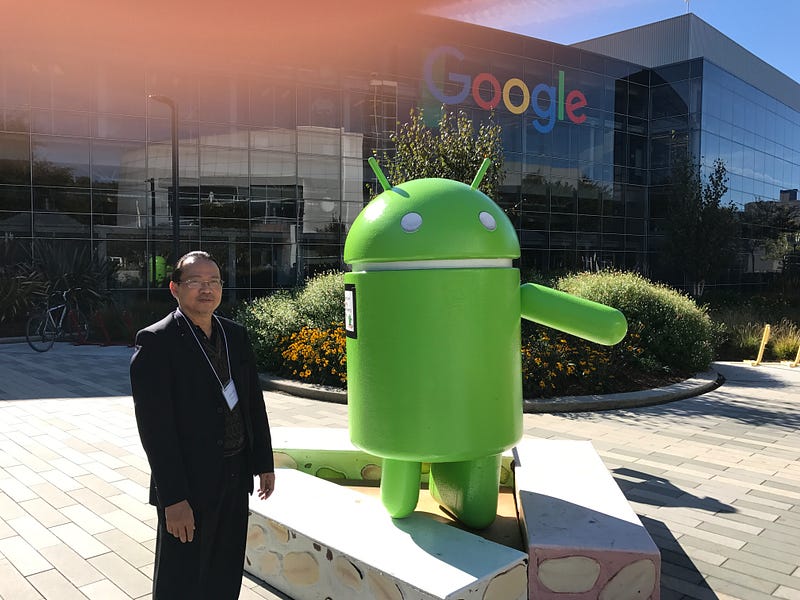
The trip’s highlight was the walk-around on Google and Facebook campuses, which felt like small cities. The atmosphere was conducive to sparking new ideas and fusing them with others to improve them.
In conclusion, my visit to Silicon Valley changed my perspective and inspired me to become an entrepreneur and build a Startup called FAVORIOT.
In another article, I will share the rest of my entrepreneurship journey, discussing why I chose the Internet of Things (IoT) as our business focus and how we built the first IoT solution that we believe can conquer the world.
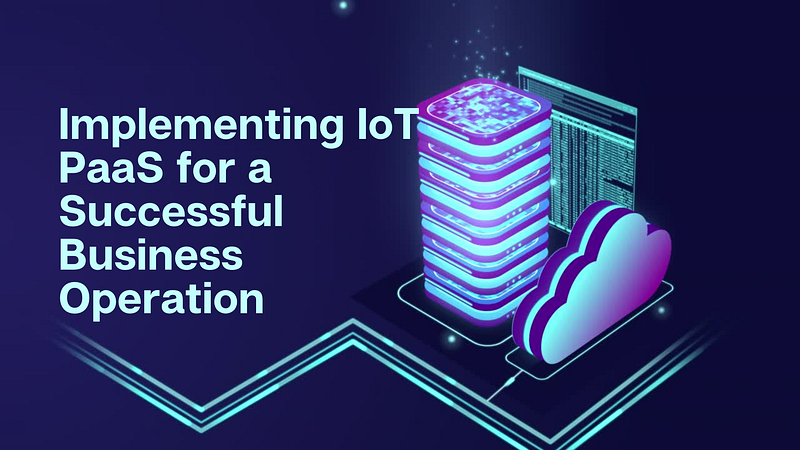
Are you looking to enhance your business operations and take advantage of the benefits of IoT? One solution that can help is IoT Platform as a Service (PaaS).
It is a cloud-based platform that enables businesses to develop, deploy, and manage IoT applications without needing infrastructure management. Using IoT PaaS, companies can reduce costs, increase scalability, improve analytics, and speed up time-to-market.
Cost Savings and Scalability: Two Primary Benefits of IoT PaaS
One of the primary benefits of IoT PaaS is cost savings. By avoiding expensive infrastructure investments, companies can develop and deploy IoT applications cost-effectively.
Additionally, IoT PaaS offers scalability, enabling businesses to handle an increased workload as the number of IoT devices grows. This ensures that companies can maintain their performance without disruption.
Improved Analytics and Security Features of IoT PaaS
Another benefit of IoT PaaS is that it helps businesses to improve their analytics. With advanced analytics tools, companies can analyze the data generated by IoT devices, derive insights, and optimize their operations.
Additionally, IoT PaaS offers robust security features to protect businesses from cyber threats. The platform can encrypt data, monitor network traffic, and detect and prevent unauthorized access.
Critical Features and Tools of IoT PaaS
IoT PaaS offers various features and tools that help businesses manage their IoT operations effectively. For instance, device management tools enable companies to monitor and manage their IoT devices, while data analytics tools allow them to analyze the data generated by these devices.
Security features protect sensitive data, and integration tools enable businesses to integrate their IoT applications with other enterprise applications.
Best Practices for Implementing IoT PaaS
To successfully implement IoT PaaS, businesses must follow some best practices.
First, define your goals and requirements to select the right platform that aligns with your business objectives.
Second, choose an IoT PaaS platform that meets your specific requirements, such as scalability, security, data analytics, and integration capabilities.
Third, ensure data privacy by implementing encryption, access controls, and other security measures.
Fourth, train your employees to use the IoT PaaS platform effectively.
Finally, test and validate your IoT applications to identify and fix issues and ensure they meet your performance and quality standards.
Challenges of Implementing IoT PaaS
Despite its benefits, implementing IoT PaaS comes with some challenges. Businesses may need to hire additional staff or partner with a third-party provider to manage the platform effectively.
Integrating IoT applications with other enterprise applications can also be challenging, and security concerns can arise as IoT devices generate massive amounts of data.
Conclusion: Choosing FAVORIOT for IoT PaaS Implementation
In conclusion, implementing IoT PaaS can help businesses streamline their IoT operations and take advantage of the benefits of IoT. By reducing costs, increasing scalability, improving analytics, and speeding up time-to-market, IoT PaaS can help businesses achieve their goals and stay competitive.
However, implementing IoT PaaS can be complex, and businesses must follow best practices to ensure success. If you’re interested in implementing IoT PaaS, consider working with a trusted provider like FAVORIOT, which offers IoT PaaS to the developer community and companies.
With FAVORIOT, businesses can successfully implement IoT PaaS and take advantage of the benefits of IoT to achieve their business objectives.
Remember to Subscribe to receive email updates on every post I publish.
A young engineer named Jack was passionate about the Internet of Things (IoT). He loved connecting everyday devices to make life easier and more efficient. However, as he started working in the field, he realized a significant need for more talent in developing IoT products and solutions.
Jack wondered why this was happening. After researching, he discovered that many higher education institutions needed to update their syllabi and courses faster to keep up with the ever-evolving field of IoT. This meant that graduates needed to gain the latest technical skills and understanding of business acumen and industry needs.
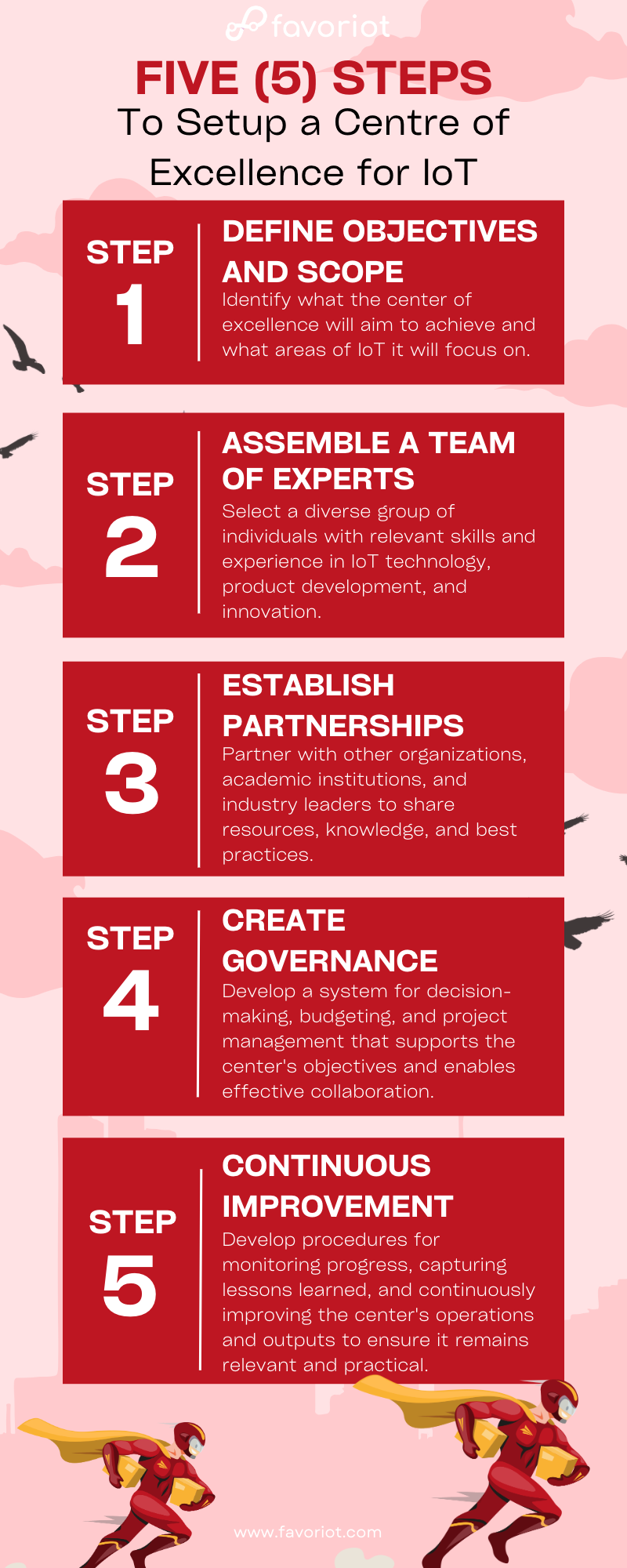
Jack was determined to change and started a Centre of Excellence (CoE) for IoT. He wanted to provide hands-on, certified IoT courses closer to the industry’s demands. With the CoE, he hoped to produce graduates better equipped to tackle real-world IoT problems.
The road to setting up the CoE was a challenging one. Jack faced many challenges, including the slow approval process, upskilling or reskilling of instructors, and the need to fully equip an IoT lab with the latest devices and tools. However, he persevered, and with the help of his colleagues and partners like FAVORIOT, the CoE for IoT finally came to fruition.
The CoE proved to be a game-changer for the industry. Graduates from the CoE were equipped with technical skills and a better understanding of business acumen and industry needs. They could work on projects that solved industry problems, and the R&D output was transferred to local companies for commercialization.
With the continuous IoT talent pool from the CoE, many companies were able to survive in the current IR 4.0 era. They were able to embrace new technologies to increase productivity and save costs, which was crucial for their survival.
Jack was thrilled to see the CoE’s impact on the industry. He was proud to have made a difference in the world of IoT and was happy to see graduates from the CoE succeeding in their careers.
In conclusion, setting up a CoE for IoT may be challenging, but it is worth the effort. It can help develop technical skills, better understand business acumen and industry needs, and offer a continuous IoT talent pool for the industry. With partners like FAVORIOT, anything is possible, and the future of technology looks brighter than ever.












 Dr. Mazlan Abbas