The Art of Growing on X

INFLUENCER’S STORIES

My Journey

Image created by ChatGPT

When I began navigating the world of X (formerly known as Twitter), I was captivated by its potential.

A platform with millions of active users, all engaged in conversations about ideas, technology, and everything in between, was the perfect space for someone like me, passionate about IoT, smart cities, and entrepreneurship.

But let me be honest: figuring out how to grow my presence wasn’t a straightforward journey.

It required persistence, experimentation, and, most importantly, understanding what my audience valued.

Let me take you through my journey of discovering the best practices for growing on X, peppered with a bit of self-dialogue.

Step 1: Crafting a Magnetic Profile

Photo by Ben Sweet on Unsplash

Why should anyone follow me?” I remember asking myself this question while staring at my barren X profile years ago.

The first step to drawing people in was to communicate my value.

I began with my profile banner. It needed to tell a story – my story.

A simple image highlighting my work with FAVORIOT and my role as an IoT advocate made an immediate impact.

Next, the bio. “What do I stand for? What can I offer?

To attract the right audience, I crafted a concise description of my expertise, including key terms like IoT, smart cities, and entrepreneurship.

The final touch? A pinned post.

This became my digital billboard.

Whenever I had a significant announcement – whether about a new IoT project, an insightful article, or even a speaking engagement – it went there.

Step 2: Engaging with the Giants

Photo by Andrea Huls Pareja on Unsplash

Why waste time commenting on posts by big names? They won’t notice me,” I thought initially.

But I was wrong.

I decided to step out of my comfort zone.

I began following influential figures in IoT and technology. Whenever they posted, I didn’t just ‘like’ or retweet; I added value.

If someone tweeted about IoT’s role in agriculture, I’d share my perspective or a relevant case study.

To my surprise, my comments started gaining traction.

Other followers noticed my contributions, and occasionally, the original poster replied.

I learned a simple truth: the more visible you are in meaningful conversations, the more likely you attract followers who resonate with your insights.

Step 3: Creating Value-Driven Content

Photo by Carl Heyerdahl on Unsplash

What do people want to see from me?” This question guided my content creation.

I realised that my audience wasn’t just interested in IoT – they wanted to learn, be inspired, and sometimes entertained.

I started experimenting with different content formats:

How-To Guides: People loved practical advice. I shared tips like “How to Start Your IoT Journey” or “Three Ways IoT Can Transform Small Businesses.

Personal Stories: Sharing my struggles and triumphs – like the challenges of penetrating the smart cities market – resonated deeply.

Lists: I posted quick, digestible tips, such as “5 Tools Every IoT Developer Needs.

Contrarian Takes: Occasionally, I’d challenge popular narratives, sparking thought-provoking discussions.

Case Studies: Breaking down real-world examples of IoT applications showcased my expertise while providing value.

Every post was an opportunity to build trust and credibility.

I reminded myself that consistency was key.

Some posts didn’t perform well, but others exceeded expectations.

It was a learning process, and I embraced it.

Step 4: Embracing Video Content

Photo by KAL VISUALS on Unsplash

Do I need to be on camera?” I asked myself.

However, I realised that videos were becoming the future of content consumption. People wanted to see faces, hear voices, and connect more deeply.

I began creating short videos – sharing IoT tips, discussing trends, and answering common questions.

My initial attempts were far from perfect, but the engagement was undeniable.

Videos kept people on my posts longer, which boosted their reach.

Step 5: Riding the Wave of Trends

Photo by Silas Baisch on Unsplash

Why should I care about trends? My niche is IoT,” I initially thought.

But then it hit me – trending topics were an opportunity to align my expertise with what people were already discussing.

For example, when a conversation about AI’s impact on the environment was trending, I joined in with my insights on how IoT complements green initiatives.

The result? More engagement and new followers who shared my interests.

Step 6: Leveraging Templates That Work

Photo by Daria Nepriakhina 🇺🇦 on Unsplash

Over time, I noticed specific post structures performed better than others. These weren’t just random observations; they were patterns worth replicating:

Predictions: Forecasting trends like the future of smart cities got people talking.

Challenges: Asking my audience to share their IoT success stories increased interaction.

Each format served a purpose, keeping my content fresh and engaging.

The Takeaway

Photo by Clem Onojeghuo on Unsplash

Growing on X isn’t about chasing followers.

It’s about building a community of like-minded individuals who share your passion and value your insights.

My journey on X has taught me that authenticity, consistency, and adaptability are the keys to success.

I often remind myself of a question I initially asked: “Why should anyone follow me?

Every piece of content I create, every interaction I engage in, and every trend I ride is guided by the answer to that question.

And as long as I stay true to my purpose, I know the journey will continue to be rewarding.
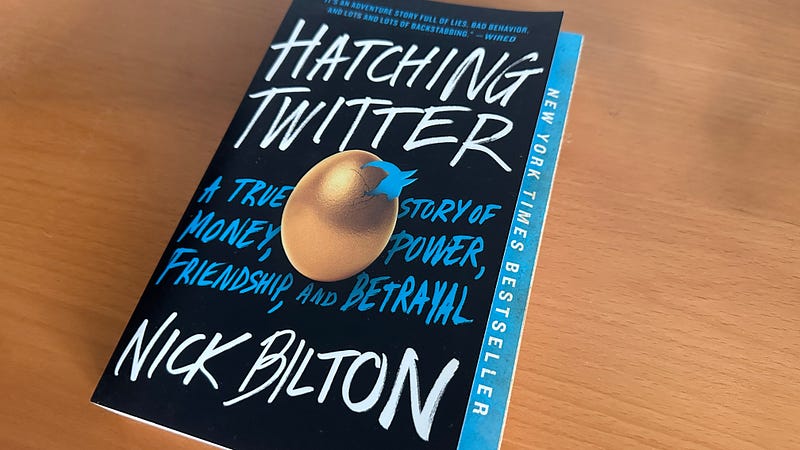
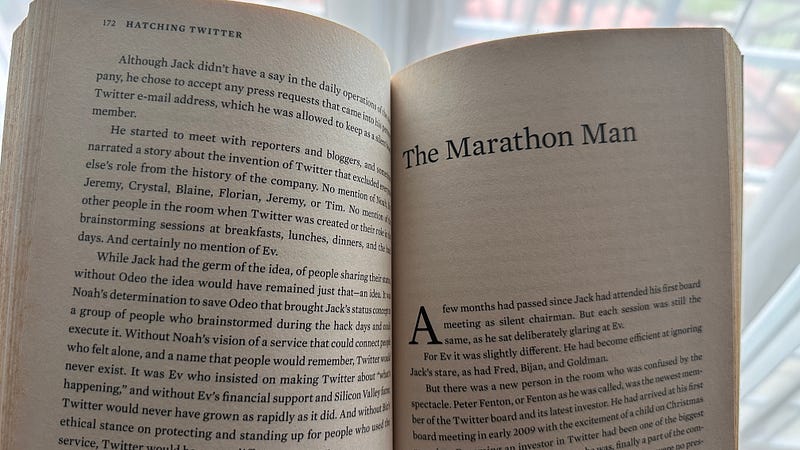
Hatching Twitter: A True Story of Money, Power, Friendship, and Betrayal — Book Review

BOOK REVIEWS BY MAZLAN ABBAS

The book outlines the origins of Twitter, a company that became a global phenomenon.

Hatching Twitter

Not a member? Click here to read the full story for free.

Reading Nick Bilton’s “Hatching Twitter” was an enlightening experience that resonated deeply with my entrepreneurial journey and the growth of FAVORIOT.

Bilton’s captivating narrative on Twitter’s inception and tumultuous rise offers invaluable insights into the volatile nature of tech startups, which I found particularly relevant given my background in IoT and smart cities.

The book outlines the origins of Twitter, a company that became a global phenomenon, but not without its share of internal strife and external challenges.

Photo by Alexander Shatov on Unsplash

The founders, Ev Williams, Jack Dorsey, Biz Stone, and Noah Glass, are portrayed with all their genius and flaws, navigating through a labyrinth of personal and professional obstacles.

Their experiences are a testament to innovation seldom being a smooth journey.

One of the book’s key takeaways was the importance of clear vision and leadership.

In my early days at FAVORIOT, defining and adhering to our core mission was crucial despite rapid technological changes and market demands.

Photo by Yucel Moran on Unsplash

The story of Twitter’s leadership struggles, especially the shifting roles of Dorsey and Williams, underscored how essential steadfast leadership is to a startup’s survival and growth.

Furthermore, the book delves into the complexities of friendship and business, a theme that resonates with me.

In the tech industry, where collaborations and partnerships are pivotal, it is vital to maintain a balance between personal relationships and professional responsibilities.

The founders’ interpersonal dynamics and eventual fallout serve as poignant reminders of the fragility of business relationships and the necessity of establishing clear boundaries and communication channels.

Bilton’s detailed account of Twitter’s internal conflicts over money, influence, and control resonated with me.

In the competitive IoT and smart cities world, ensuring equitable and transparent stakeholder engagement is paramount.

Photo by Brett Jordan on Unsplash

Learning from Twitter’s early governance challenges, I have strived to cultivate a culture of transparency and accountability at FAVORIOT.

Additionally, the book’s exploration of Silicon Valley’s venture capital ecosystem provided me with a broader context of the intricacies of tech financing.

Having navigated through different funding stages at REDtone IOT and FAVORIOT, I appreciated Bilton’s portrayal of the high-stakes environment that startups operate in, where rapid growth often comes with significant risks and pressures.


In conclusion, “Hatching Twitter” is not just a book about founding a tech company; it’s a narrative rich with lessons on leadership, innovation, and resilience.

As an entrepreneur and educator deeply entrenched in the tech world, I found the story both a cautionary tale and a source of inspiration.

It reminded me of the relentless pursuit of innovation, the importance of ethical leadership, and the enduring value of human connections in the digital age.

This book is an absolute must-read for anyone diving into the tech industry or starting their entrepreneurial journey.

The lessons gleaned from Twitter’s story are universally applicable, offering guidance and perspective that transcend the specifics of any single company or sector.

In sharing this review, I hope to inspire fellow entrepreneurs and innovators to embrace the challenges and opportunities of building something truly transformative, just as I continue to do with FAVORIOT.

Hatching Twitter

Click my affiliate link to purchase this book, “Hatching Twitter,” from Amazon.

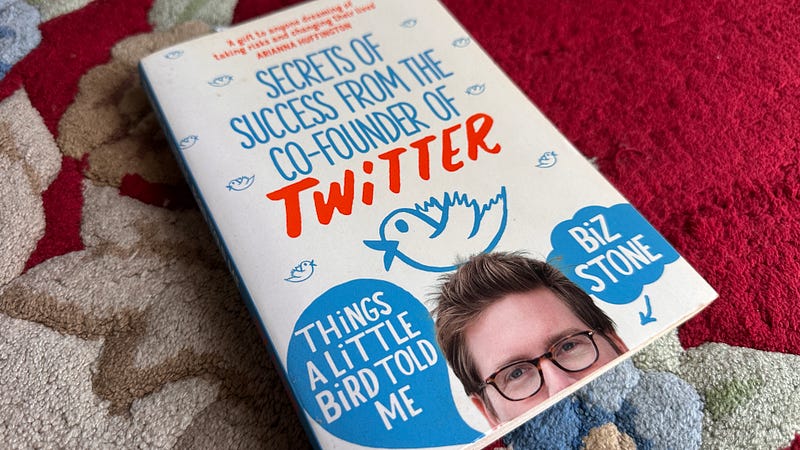
Things a Little Bird Told Me: Confessions of the Creative Mind — Book Review

BOOK REVIEWS BY MAZLAN ABBAS

The Rise of Twitter

Things a Little Bird Told Me

Not a member? Click here to read the whole story for free.

Biz Stone’s book Things a Little Bird Told Me captivated me.

It promised to give me insights into the mindset of a revolutionary entrepreneur who played a pivotal role in shaping modern communication.

Biz Stone, co-founder of Twitter, offers an autobiography and a treasure trove of lessons on creativity, resilience, and innovation, framed within the compelling narrative of his life and career.

Stone’s account is far from a conventional success story; it’s an intimate exploration of a creative mind navigating the tumultuous waters of the tech industry.

Through his experiences, we understand how a blend of curiosity, empathy, and audacity can drive monumental change.

This book isn’t merely a recount of Twitter’s rise; it’s a reflection on the personal qualities and philosophies that fuel enduring success.

One of the most striking aspects of Stone’s narrative is his unwavering optimism.

Despite setbacks and skepticism, Stone’s positivity is a powerful catalyst for transformation and growth.

This infectious attitude reminds us that our perspective on challenges can significantly influence their outcomes.

Things a Little Bird Told Me

Stone’s emphasis on creativity and rejecting linear thinking resonates deeply with me.

As someone who thrives on innovation, his approach is validating and inspiring.

The notion that “creativity never runs out” is a powerful antidote to the fear of stagnation and a call to explore and expand our creative horizons continually.

As Stone discussed, Opportunity creation is another cornerstone of entrepreneurial success.

His ability to see and seize potential where others don’t is a testament to his visionary outlook.

This proactive approach to opportunity is particularly relevant in today’s fast-paced world, where adaptability and foresight are key to staying ahead.

Empathy, a central theme in Stone’s book, is a critical ingredient for personal and global success.

Stone’s emphasis on understanding and connecting with others is a refreshing perspective in the tech world, where the focus is often on products and profits.

It underscores the importance of building products and companies that genuinely resonate with people and address their needs and aspirations.

Stone’s candid discussions on failure and vulnerability are both comforting and enlightening.

In an era where success stories are often sanitized and polished, Stone’s openness about his struggles and missteps is a powerful reminder of the messy, nonlinear path to achievement.

His resilience and ability to learn from failure are crucial lessons for anyone aiming to make their mark.

The book also delves into the nuances of ambition and corporate culture, offering valuable insights for aspiring entrepreneurs and established leaders.

Stone’s reflections on fostering environments that encourage innovation and respect individuality are particularly impactful.

They highlight the significance of cultivating spaces where creativity and collaboration can flourish.

Reading “Things a Little Bird Told Me” has been an enriching experience. Biz Stone’s journey offers a unique lens to view the intersection of technology, business, and human values.

His stories and insights provide a robust framework for understanding what drives entrepreneurial success and how to cultivate the qualities that underpin it.

In conclusion, Biz Stone’s book is more than an autobiography or a business manual; it’s an invitation to think deeply about the values, attitudes, and approaches that shape our endeavors.

Whether you’re an entrepreneur, a creative professional, or simply someone interested in the workings of an incredible entrepreneurial mind, this book offers valuable lessons and perspectives.

It’s a testament to the power of creativity, empathy, and perseverance in crafting a meaningful and impactful career and life.


Get this book “Things a Little Bird Told Me,” from Amazon (Note: Affiliate links apply)


More Book Reviews by Mazlan Abbas:

1 — Ninja Innovation — Book Review

https://mazlanabbas.com/ninja-innovation-book-review-3f2125e02a84

2 — Starting a Tech Business — Book Review

https://mazlanabbas.com/ninja-innovation-book-review-3f2125e02a84

3 — The Science of Growth — A Book Review

https://mazlanabbas.com/ninja-innovation-book-review-3f2125e02a84

4 — Internet of Things from Scratch — Book Review

https://mazlanabbas.com/ninja-innovation-book-review-3f2125e02a84

18 Tips – How to Use Twitter to Drive Traffic to Your Blog

Your Blog can be considered a “dead” blog if there’s no traffic and no one is reading or aware of them. A lot of bloggers stopped half-way and abandoned their blog when they didn’t see any traffic or activity.

However, in the era of social media, we have many channels to promote our blogs, which includes Facebook, LinkedIn and Twitter. However, in order to drive tons of traffic, we need to do this the right way. Below are some of the tips and formulas.

  1. Use short and provocative tweets
  2. Include an intriguing quote from post
  3. Include statistics
  4. Make use of #Hashtags creatively
  5. Use @mentions
  6. Retweet mentioned blog content
  7. Ask for a Retweet (or RT)
  8. Use visually appealing images
  9. As a question related to your topic
  10. Tweet about your blog-hosted contest
  11. Promote your tweets
  12. Include a blog link in your bio
  13. Schedule your tweet properly
  14. Include a strong call to action
  15. Tweet the link more than once
  16. Create “Click to Tweets” within your article
  17. Retweet or thank anyone who mentions your Blog
  18. Pin your latest blog post to the top of Twitter Timeline

Not only your Blog will have more traffic, but your own Twitter account can also attract more followers. Your Twitter will be seen to be more engaging with relevant content sharing.

As of today, my Twitter handle @mazlan_abbas has only 4,162 Followers. Let’s see how the tips above impact Mazlan Abbas Blog and my Twitter.

The 18 Twitter Tips that will help to boost your Blog traffic.