Finally I Have Launched My Startup Survival Book!

The book cover was created using Canva by the Author of Startup Journey.

I have been procrastinating on launching my digital product for nearly a year.

I have targeted to launch a book on IoT, but somehow, things have changed – I published a Startup journey instead.

What encouraged me to publish this is when I read so many articles from Medium about their digital products.

If they can, why not me?

The book is destined to launch on Jan 1, 2024 however, I decided to do it much earlier (Dec. 3, 2023).

Check the below preface if you are interested in getting one.

Book Preface

In this preface, I invite you on a journey that began with a single step into the unknown realm of Silicon Valley and expanded into a voyage across the vast ocean of the Internet of Things (IoT). It is a tale not just of technology and innovation but of personal growth, perseverance, and the relentless pursuit of a vision.

Part 1: The Awakening unveils the transition from a techie to an entrepreneur. It chronicles the birth of our first IoT product designed to enhance the lives of senior citizens and delves into the struggles and successes of monetizing cutting-edge technology. This section is a candid exposition of the thrills and tribulations accompanying the early stages of a Startup’s life.

Part 2: The Evolution details the maturation of our venture, Favorsense, amidst the fiercely competitive market. It is a story of navigating through the turbulent waters of the IoT industry, marked by early missteps, eventual milestones, and the philosophical underpinnings that propelled our venture forward.

Part 3: Expansion and Growth reflect on scaling our enterprise with limited resources. Here, I share our exploration of diverse sectors – academia, industry, and government – and the invaluable insights they offered. This part also touches on the creative lulls and the investment of faith and funds into our dreams.

Part 4: Navigating Success chronicles the strategic moves towards the acquisition and the harmonious blend of academic rigor with entrepreneurial zeal. It is a testament to the hard-earned lessons in building products and the joys of witnessing a startup blossom.

Part 5: The Mastery explores the nuances of team dynamics, revealing how my fourth IoT product was a pivotal turning point. It stresses the importance of adaptability and the critical role of product-market fit in the survival and success of a startup.

Part 6: Perseverance and Innovation is a homage to the grit required to overcome a startup’s myriad challenges. It uncovers the stories behind product failures and the resilience needed to navigate a global crisis while fine-tuning the pricing of our products.

Part 7: Personal Growth and Strategy delves into every entrepreneur’s self-discovery journey. It discusses the individuality of the entrepreneurial experience, the quest for recognition, and the relentless pursuit of the perfect investor pitch.

Part 8: Branding and Marketing highlights the lessons learned in branding and marketing with a lean budget. It shares insights into the personal branding intertwined with the company’s image and the real-world lessons from business dealings.

Part 9: Reflection and Insights offers a retrospective look at why some entrepreneurs reach the pinnacle of success while others falter. It brings forward the collective wisdom gained from both the startup community and the giants of the industry.

Part 10: Building Foundations closes the narrative by emphasizing the importance of community support, the strategic use of mailing lists, brand building on a shoestring budget, and the diversification of revenue streams.

This book is more than a compilation of entrepreneurial lessons; it is a mosaic of experiences, a beacon for aspiring innovators, and a testament to the power of a shared dream. It is dedicated to the team at Favoriot, whose dedication and innovation have shaped not just the company but also the very future of IoT. Welcome to our story.

Get the book – HERE!

The image was created using Canva by the Author of Startup Journey.

Leveraging Public Speaking for Startup Success

Photo by Will Kell on Unsplash

Are you good in public speaking?

Did you rake the opportunity to establish your personal brand or turn into business opportunities?

Well… I didn’t start that way.

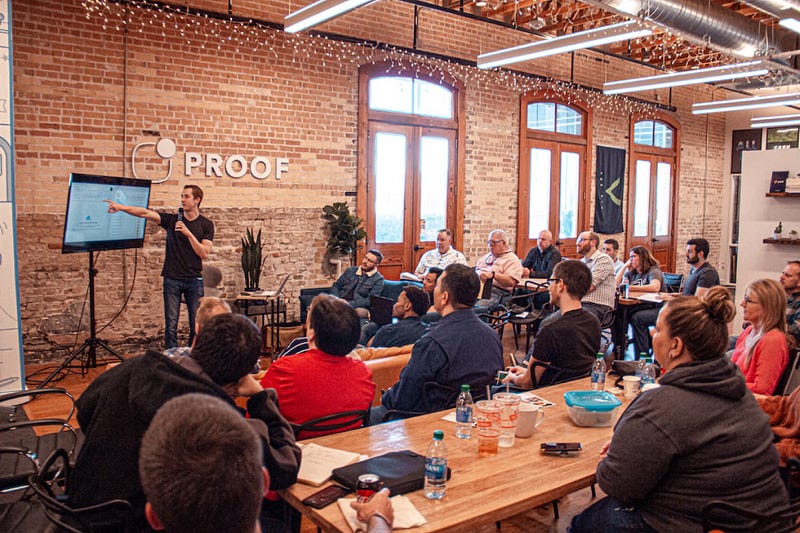
In the early days, I focused on establishing myself as a knowledgeable voice in the IoT sector.

This meant engaging in public speaking at tech conferences, seminars, and workshops without directly promoting Favoriot.

My goal was to share insights on IoT trends, challenges, and future potential. This approach helped in gaining credibility and trust with a wider audience.

However, while these efforts enhanced my reputation, they didn’t translate into immediate business growth for Favoriot.

Changing Tactics: Talking About Favoriot

Photo by Matthew Osborn on Unsplash

Recognizing the need to align my expertise with business growth, I adjusted my approach.

During my talks, I began weaving in how Favoriot’s solutions addressed real-world challenges in IoT.

This wasn’t about a sales pitch; it was about demonstrating the practicality and effectiveness of our products through real use cases and customer stories.

This shift in approach helped the audience connect the dots between the theoretical knowledge I shared and the practical solutions Favoriot offered.

Seeing Results: More Business

This strategic change in content delivery began to pay off.

Audiences started associating my expertise with Favoriot’s innovative solutions.

This recognition led to increased interest in our offerings, resulting in more business queries and collaborations.

Over time, this approach not only solidified Favoriot’s position in the market but also turned many of those initial inquiries into loyal clients.

Conclusion: Public Speaking is Valuable

This journey reaffirmed that public speaking is a potent tool for business growth.

It’s more than just sharing knowledge; it’s about strategically showcasing your company’s strengths and solutions.

For startups and entrepreneurs, effectively combining your personal expertise with your business offerings in your talks can significantly boost your brand and business growth.

Photo by Priscilla Du Preez 🇨🇦 on Unsplash

Summary of Lessons Learned for Aspiring Entrepreneurs:

  1. Build Credibility First: Start by establishing yourself as a knowledgeable expert in your field without immediately focusing on your product or service.
  2. Share Industry Insights: Use public speaking to share insights on current trends, challenges, and the future of your industry.
  3. Align Expertise with Business Goals: Gradually incorporate your business solutions into your talks to show how they address real-world problems.
  4. Showcase Practical Applications: Demonstrate the effectiveness of your products through real use cases and customer stories.
  5. Foster Brand Association: Use public speaking to link your expertise and your company’s offerings strongly.
  6. Be Patient for Results: Understand that this strategy is a long-term approach, and converting interest into an actual business takes time.
  7. Utilise Public Speaking as a Strategic Tool: Recognize the power of public speaking as a knowledge-sharing platform and as a vital tool for showcasing your company’s strengths and solutions.

To learn more about startup tips, check out my latest eBook, “Startup Survival.

https://mazlanabbas.gumroad.com/l/startupsurvival

Through My Eyes: How Favoriot Shaped IoT Revolution in Malaysia

Photo by Josh Hild on Unsplash

As the founder of Favoriot, my journey in the Internet of Things (IoT) entrepreneurship journey has been nothing short of an odyssey.

We take our first step with an ideal vision.

Thinking everyone will quickly start to use our IoT platform.

But that’s not the case.

Later, we set our sights on pioneering IoT training, a decision that unfolded amidst the challenges of introducing an IoT platform-as-a-service.

Here’s my story.

Confronting the Reality of an Unused Platform

Photo by Jorge Ramirez on Unsplash

A stark realization marked our early days.

We had developed a platform brimming with potential, yet it could have been more used.

Launching our IoT service, we faced tepid responses.

The crux of the issue? Favoriot was an unfamiliar name, a new entity in a realm ruled by established players like ThingSpeak and Azure.

The reluctance of tech enthusiasts and students to dive into this new venture was palpable.

Uncovering a Crucial Market Gap

Surveying the Malaysian market, a critical pattern emerged.

The landscape was teeming with resellers of IoT products, yet there needed to be more original product creation.

For Malaysia, aspiring to shift from a consumer to a producer nation, this represented a barrier and a deadlock.

The chasm between importing and producing technology was vast, and bridging it required nurturing homegrown IoT innovators.

Pivoting Towards Educational Empowerment

Photo by Campaign Creators on Unsplash

Recognizing this void, we made a strategic pivot towards IoT training.

We meticulously crafted a curriculum encompassing the essentials, the complexities, and the advanced facets of IoT data analytics.

The launch of Professional Certificates marked a turning point, enhancing the professional standing of our trainees.

Today, over 15 Malaysian universities have integrated our IoT platform into their curriculum, a testament to its relevance and impact.

Thus began the slow but impactful way to create awareness and prepare the necessary skills in hands-on IoT development for future graduates.

Furthermore, I have been personally invited to educational and industry IoT talks, which have given me better opportunities to introduce Favoriot to the public.

Beyond Training: Spreading the IoT Wave

But our vision extended beyond training.

This phase was merely a catalyst, igniting a broader adoption of IoT across Malaysia.

Our platform has become integral in diverse sectors, including manufacturing, agriculture, and smart city development.

Photo by Conny Schneider on Unsplash

In Conclusion: Lessons from the Journey

Reflecting on Favoriot’s trajectory, several vital lessons emerge:

  • Adaptability is Crucial: The ability to pivot and adapt strategies in response to market needs is vital.
  • Identifying Market Needs: Understanding and addressing specific market gaps can drive significant change.
  • The Power of Education: Empowering through education can catalyze broader technological adoption.
  • Beyond Immediate Goals: Long-term vision should extend beyond immediate objectives.
  • Collaboration and Influence: Collaborating with educational institutions can amplify impact and relevance.

As we continue on this path, our dedication to empowering Malaysia with innovative IoT solutions and robust training remains unwavering, fueling the flames of progress and innovation.

Photo by Izuddin Helmi Adnan on Unsplash

About Author:

Remember to Subscribe to receive email updates on every post I publish.

You can also follow my Medium Publications:

I have also published several eBooks, such as:

Or, if you prefer, check my bookstore at Gumroad — https://mazlanabbas.gumroad.com

The Art of Startup Alchemy: Turning Challenges into Opportunities

Entrepreneurship is inherently uncertain.

No one can guarantee business success, and the path to failure often seems easier, especially if we assume that success will come without effort.

This blog delves into what it really takes to succeed in the unpredictable world of startups, particularly for those transitioning from the corporate world.

The Seven Key Insights for Aspiring Entrepreneurs

  1. Workforce Dynamics: In the corporate realm, we have a plethora of employees aiding us, from finance to human resources, sales, marketing, IT, and R&D. But in a startup, the question arises: which roles should be permanent, and which should we outsource? For product development startups, full-time skilled employees in R&D and IT are crucial.
  2. Salary Realities: Many don’t grasp this aspect of entrepreneurship. Corporate jobs often come with high salaries and various perks. However, founders typically forgo their salaries or take much lower pay than their employees. This financial sacrifice is a reality not well understood by many employees.
  3. Marketing on a Shoestring: What can a startup do with a limited marketing budget? Many turn to social media as a cost-effective starting point, often without paid ads. Blogs can be another channel to amplify our “voice,” especially when competing with the larger marketing budgets of corporate giants isn’t feasible.
  4. Sales and Pricing Challenges: Pricing a new product appropriately is a tough nut to crack. Set it too low, and you incur losses; too high, and customers balk. Gaining customer trust is also more challenging for lesser-known startups, leading to missed opportunities against established or international companies.
  5. Project Poaching (Sailang): Sailang, meaning “snatch” or “grab,” is a common occurrence where project proposals are overtaken by others. Customers sometimes feign interest in proposals while having another company in mind. This doesn’t even include the widespread issue of corruption.
  6. Partnership Pitfalls: Choosing strategic partners should be done judiciously. Many partnerships end up being fleeting, limited to the scope of a Memorandum of Understanding (MOU). True collaboration should benefit both parties equally.
  7. Business Plan Realities: In the corporate world, business plans are drawn annually based on established trends. However, for a 1-2 year old startup, creating a detailed business plan is nearly impossible due to the unpredictability of market and customer behavior.

The Gap Between Theory and Practice

This is why theoretical knowledge gained in courses or universities doesn’t always align with real-world experiences.

You might see a large market, but lack financial support.

Your technology and products might be advanced, but customers are not ready to buy. You might have financial backing but lack a viable business idea.

Conclusion

As I mentioned at the beginning, business success is far from guaranteed.

Overcoming these challenges is a must.

Success in business is rarely easy (except perhaps through unethical means) and requires navigating the real twists and turns of entrepreneurship.

Secrets You Need to Learn From Colonel Sanders Entrepreneurship Journey

Photo by Kim Wine on Unsplash

What’s the best age to become an entrepreneur?

With or without working experience?

If you too old, you might have less energy.

But you might not have the relevant experience if you are too young.

But in the entrepreneurship landscape, there’s a misleading notion that success is the domain of the young.

Stories of youthful prodigies and emerging entrepreneurs constantly reinforce this view.

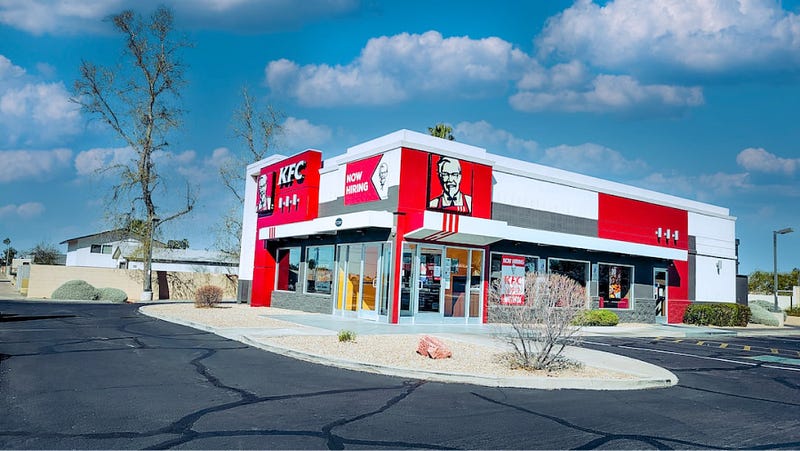
However, the inspiring journey of Colonel Harland Sanders, the founder of KFC, shatters this stereotype.

Sanders embarked on his venture to create a global fast-food empire at 62 when many contemplate retirement.

His story isn’t just about late blooming; it’s a testament to lifelong perseverance and the falsity of the ‘overnight success’ myth.

Whether you’re 20 or 60, the entrepreneurial journey is about the courage to begin.

Colonel Sanders: A Lifetime Culminating into Success

Photo by iStrfry , Marcus on Unsplash

Sanders’ story often appears as a sudden success that occurred later in life.

Yet, a closer look reveals a rich tapestry of experiences. Sanders dabbled in various jobs from a young age, including running a restaurant at 40.

This means that before KFC became a global name, Sanders had accumulated two decades of experience in the food industry.

His venture into KFC wasn’t a leap into the unknown but resulted from years of learning, grit, and passion.

It’s never too late to be what you might have been. Age is no obstacle to starting your entrepreneurial dream.

The Entrepreneurial Essence: Starting from Scratch

Photo by Aleks Dorohovich on Unsplash

What’s particularly intriguing about Sanders’ story is his secret chicken recipe, which was popular among locals long before KFC was established.

This contrasts with many entrepreneurs, including myself, who often start with a blank canvas. We strive to build a brand identity and customer base from the ground up.

However, this challenge is what makes entrepreneurship so exhilarating.

Every entrepreneurial story is distinct and filled with unique challenges, risks, and rewards.

Don’t let the number of your years be a barrier to your entrepreneurial spirit.

Resilience: The Heart of Entrepreneurship

Photo by Marques Thomas on Unsplash

Sanders’ journey wasn’t a smooth sail to success; it was marked by persistence and numerous rejections before his recipe gained acceptance.

This aspect of his story is especially resonant for aspiring entrepreneurs.

It highlights that the essence of entrepreneurship isn’t about the timing of your start but the quality of your perseverance.

As I venture into the entrepreneurial world, doubts and fears are constant companions, particularly about starting at a later age.

However, stories like that of Colonel Sanders remind me that success isn’t age-bound. They emphasize the importance of determination, resilience, and adaptability.

Age is just a number. Dreams are timeless. Start now, start anytime.

In Conclusion: The True Essence of Entrepreneurial Success

Photo by Matteo Vistocco on Unsplash

Colonel Sanders’ legacy with KFC teaches us that success is not confined by age.

It’s about resilience, experience, and the unwavering spirit of never giving up.

His story is a beacon of hope for anyone considering entrepreneurship, affirming that it’s never too late to pursue your dreams.

Each entrepreneurial journey, irrespective of its outcome, imparts invaluable lessons that shape and enrich our lives.

Remember, the essence of entrepreneurship lies not in the destination but in the journey itself, the lessons learned, and the passion that propels us forward.

As I embark on my journey, I hold onto these truths, finding solace and inspiration in the paths tread by others like Colonel Sanders.

The best time to start was yesterday. The next best time is now, regardless of your age.


Critical Lessons for Aspiring Entrepreneurs:

  1. Age is Just a Number: Success in entrepreneurship is not age-dependent. Stories like Colonel Sanders prove that it’s never too late to start.
  2. Experience Counts: Leverage your past experiences. Every skill and lesson you’ve learned can be an asset in your entrepreneurial journey.
  3. Embrace the Unique Journey: Every entrepreneurial path is different. Embrace your unique journey with its distinct challenges and opportunities.
  4. Persistence Pays Off: Success often comes after numerous rejections and failures. Persistence and resilience are essential.
  5. Adaptability is Crucial: Adapting to changing circumstances and overcoming obstacles is vital in the entrepreneurial world.
  6. Learn Continuously: Stay open to learning – about your industry, your customers, and even from your mistakes. Continuous learning is crucial for growth.
  7. Passion Drives Success: Your passion is your fuel. It keeps you going through tough times and inspires innovation and dedication.
  8. Build a Strong Network: Relationships matter. Build a network of supporters, mentors, and peers who can provide advice, support, and opportunities.
  9. Balance Vision with Practicality: Dream big, but also be practical. Set achievable goals and create a realistic plan to reach them.
  10. Self-Belief is Key: Believe in yourself and your vision. Self-doubt is natural, but don’t let it hinder your progress or dampen your ambition.

These lessons, drawn from the inspiring story of Colonel Sanders and personal reflections, offer a roadmap for aspiring entrepreneurs.

They highlight that entrepreneurship is a journey of learning, resilience, and undying passion, regardless of when you start.

Your age does not define your ability to succeed; it’s your passion and perseverance that counts.

How To Overcome the Fear and Embrace the Unknown of Entrepreneurship

Photo by Joshua Sortino on Unsplash

Are you a Startup Founder?

How you do you start your entrepreneurial journey?

There’s always the first step to the unknown.

The important thing is to make that first step.

Embarking on the journey of building a startup can feel like venturing into uncharted territory.

It’s not just the practical hurdles that make it daunting but also the mental barricades we construct.

This narrative of my transition from a robotics enthusiast to a hesitant entrepreneur, and eventually a determined founder, encapsulates this complex experience.

Dreaming Big in Childhood: Beyond Science and Robots

Photo by Rock’n Roll Monkey on Unsplash

During my childhood, the realm of science was magnetic. My aim was clear: to become a scientist, innovate in robotics, and leave my mark on the tech world.

The notion of entrepreneurship was foreign to me then, seemingly reserved for a distinct class of dreamers.

Navigating Career Paths: Comfort in the Known

My professional journey meandered from academic corridors to the structured corporate world.

I harbored lofty ambitions, yet they were comfortably nestled within familiar landscapes. Climbing to a Chief Technology Officer position was my guiding star.

The leap to becoming a CEO? That seemed like a leap too far, a dream for the braver souls.

An Eye-Opening Encounter: Silicon Valley Inspirations

Photo by Greg Bulla on Unsplash

In 2016, a visit to Silicon Valley sparked a significant shift in perspective. Surrounded by innovators and trailblazers, age and background seemed inconsequential.

This environment brimmed with innovation and bravery.

However, even amidst this inspiring backdrop, doubts plagued me.

Could I, in my 50s and without prior experience in founding a company, truly embark on this path?

Facing the Unknown: Conquering Inner Doubts

The obstacles were numerous: lack of a product, team, market insight, and revenue.

Yet, overshadowing these tangible issues was a deeper fear of the unfamiliar.

I had convinced myself that entrepreneurship was a young person’s venture, and my opportunity had slipped by.

Nevertheless, embracing the wisdom of “Better late than never,” I mustered the courage to leap.

The Entrepreneurial Journey: Lessons from the Trenches

Photo by Justin Wilkens on Unsplash

This venture reshaped my world view.

Beyond the knowledge gained from books, it’s the real-life experiences – the difficult decisions, restless nights, and the rollercoaster of successes and setbacks – that truly enlighten one on the entrepreneurial journey.

It’s a path filled with challenges but also unparalleled opportunities for learning and growth.

In Conclusion: Saluting the Courageous

As a founder, my admiration has only grown for those who dare to dream and act against all odds.

It’s a demanding path, but to all entrepreneurs out there, remember you’re not in this alone.

And for those teetering on the edge, held back by self-imposed limits, bear in mind: the best time to start was yesterday, but the next best time is now.


Key Takeaways for Aspiring Entrepreneurs:

  1. Embrace the Unknown: Fear of the unknown is natural, but don’t let it deter you.
  2. Age is Just a Number: It’s never too late to start your entrepreneurial journey.
  3. Learn from Experience: Real-world experiences are invaluable; embrace every lesson.
  4. Break Mental Barriers: Challenge self-imposed limitations; they’re often unfounded.
  5. Persistence Pays Off: The journey is tough, but perseverance is key.
  6. Community Support: Remember, there’s a community of entrepreneurs to lean on.
  7. Just Start: The perfect time may never come; the best time is now.
Photo by Clemens van Lay on Unsplash

The Entrepreneur’s Flight: Navigating the Startup Sky and Tips to Become the Pilot

Photo by Jordan Heath on Unsplash

A startup CEO is like a pilot.

You have an idea of the destination but you need an airplane to bring you there?

How do you build an airplane that can carry as many crews or passengers on board?

What if you don’t have long runway to take off?

Here’s my story and lessons we can learn.

Navigating the Startup Sky: The Journey of Building a Startup and an Airplane

Entrepreneurship is an exhilarating adventure, akin to building an airplane and embarking on a long, uncertain flight.

Let’s explore this fascinating analogy.

1. Starting with Limited Resources

In the startup world, like building a plane with limited funding, resources are often scarce.

You ensure your ‘aircraft’ (your business) is equipped to carry not just the founders (pilot and co-pilot) but also a small, efficient team (crew).

This requires meticulous planning to ensure every component, from your business model to your team, is in place, much like ensuring an airplane has all it needs to fly.

2. The Perilous Takeoff

Photo by Valdemaras D. on Unsplash

Launching a startup is the take-off phase.

Often, you’re at the edge of a cliff, relying on the thrust of your idea, market research, and initial capital to take flight.

Like many planes struggling to lift off near a high cliff, startups face a high risk of failure in these early stages.

3. Navigating Through Challenges

Once airborne, the real journey begins.

Startups, like small planes, must navigate through a landscape of challenges – regulatory trees, competitor mountains, and market valleys.

Reaching higher altitudes (scaling up) requires skillful maneuvering and constant adjustment.

4. Turbulence in the High Skies

Photo by Marc Wieland on Unsplash

Even when a startup scales, turbulence is inevitable.

Market changes and unforeseen problems, like air pockets, can shake the most stable ventures. Maintaining course demands resilience and adaptability.

5. The Constant Quest for Fuel

Fuel for an airplane is akin to capital for a startup.

As you near your goal, the need to find more resources becomes critical.

This is where many seek investment, posing the crucial question: Who will back this expansion?

6. Landing and Taking Off Again

Photo by Sage Galbreath on Unsplash

Reaching a milestone is like landing.

It’s an achievement, but the journey isn’t over.

Now, you must refuel (secure more funding) and possibly build a bigger aircraft (scale your business) for the next phase of your journey.

7. Tough Decisions at High Altitudes

In dire situations, like running out of fuel or facing an insurmountable obstacle, tough choices must be made.

Do you shed weight by letting go of non-essential assets or even team members? These decisions are hard but necessary for survival.

8. The Final Destination

After several landings and take-offs, dealing with challenges, and making tough decisions, your startup, like the airplane, aims to reach its destination – success, stability, and recognition, with the team intact and the vision realized.

Photo by Wilson Ye on Unsplash

Lessons for Aspiring Entrepreneurs:

  • Resilience is Key: Expect turbulence and be prepared to stay the course.
  • Efficient Use of Resources: Like fuel in an airplane, manage your capital and resources wisely.
  • Adaptability: Be ready to pivot and adjust your strategy as you navigate the startup landscape.
  • Teamwork Matters: Your crew (team) is crucial; choose and nurture them wisely.
  • Continuous Learning: Just as pilots never stop learning, keep updating your knowledge and skills.
  • Risk Assessment: Be aware of the risks but also the opportunities they present.
  • Seek Support: Don’t hesitate to seek investors, mentors, and industry connections.

In conclusion, the journey of building a startup is fraught with challenges and risks, much like piloting a small plane through a treacherous landscape.

However, with the right mindset, strategy, and team, it’s possible to navigate these challenges successfully and reach your destination. Remember, the sky is not the limit; it’s just the beginning.

Diversifying Revenue From a Single Product – Lessons for Aspiring Entrepreneurs

Photo by Karl Callwood on Unsplash

What if you can diversify your revenue streams from a single product?

What if you can come out with couple of new business models?

The Necessity of Diversifying Revenue

In the world of technology and business, diversification isn’t just a strategy, it’s a survival tool.

Our story with the Favoriot IoT platform exemplifies this.

We started with a simple, focused idea – a subscription-based IoT service.

What unfolded was a fascinating journey of expansion and discovery, leading to multiple revenue streams.

Starting with Subscriptions

Our initial model was simple: offer users a subscription for consistent access and updates to the Favoriot platform.

This straightforward approach proved effective, laying a solid foundation for our business.

Bridging Knowledge Gaps with IoT Training & Certification

As the IoT field grew, so did the knowledge gap among users.

We seized this opportunity by integrating educational services with our product.

Offering IoT training and Favoriot certifications, we used our platform as a teaching tool, enhancing its value and our brand’s credibility.

Customizing with On-Premise Licensing

The diverse needs of businesses led us to adapt.

We introduced an on-premise licensing model, offering a solution for firms wanting the platform within their own infrastructure, catering to a new segment of customers.

Creating Synergy with Hardware Bundling

The expanding IoT market revealed another opportunity – bundling hardware with our software.

This integration offered a more comprehensive, user-friendly experience, further enhancing our product’s value.

Tailoring Solutions for Specific Industries

Our final pivot was towards industry-specific solutions.

Tailoring our platform to meet unique challenges faced by different sectors, we opened new revenue channels and established Favoriot as a versatile and solution-focused entity.

Conclusion: The Evolution from a Single Product to Multiple Streams

What began as a singular IoT platform evolved into a multi-faceted business model.

Favoriot’s journey is a testament to the power of innovation and adaptability.

A single product, when viewed through a lens of creativity and responsiveness, can lead to diverse income avenues and immense value creation.


Photo by Alvaro Reyes on Unsplash

Lessons for Aspiring Entrepreneurs:

  1. Stay Open to Evolution: Your initial business model might evolve; be ready to adapt.
  2. Identify and Fill Knowledge Gaps: Educating your user base can become a valuable revenue stream.
  3. Meet Diverse Customer Needs: Flexibility in product delivery can open new markets.
  4. Synergize Products and Services: Look for complementary services or products to enhance value.
  5. Tailor Solutions to Industry Needs: Customizing your product for different sectors can significantly expand your business reach.

This journey illustrates how a single-product company can transform into a multi-revenue stream enterprise, emphasizing the importance of adaptability, market awareness, and continuous innovation in the entrepreneurial world.

Building Brand With Almost Zero Budget – Lessons for Aspiring Entrepreneurs

Photo by Artemis Faul on Unsplash

As a Startup Founder with a very small budget, how do you brand yourself?

What better ways to make yourself known in the market?

Here’s my story and hopefully you can learned something too.

Launching a startup, such as Favoriot, inherently presents a maze of challenges, with visibility standing out as a colossal hurdle.

In an era where traditional media like TV and radio are either financially daunting or highly selective, innovation becomes not just an option, but a necessity.

This narrative dives into our journey of utilizing alternative, primarily social media channels to sculpt and elevate the Favoriot brand.

The Crossroads: Conventional Media vs. Start-Up Realities

How many of us afford to pay ourselves into the conventional media like the newspaper, magazine, TV or radio?

Appearing on TV with Millions of audience is a dream.

People listening you on radio can be very entertaining.

Looking at yourself on the cover of a business magazine can be thrilling.

But when you just start, it’s quite impossible to reach that channels.

For many startups, the allure of mainstream media exposure remains a coveted but elusive dream.

The stark reality is a choice between either having an inherently compelling story or investing heavily for visibility.

Grappling with these constraints, we ventured into the more accessible and interactive world of social media to fulfill our marketing ambitions.

Our Digital Arsenal: Creativity Meets Strategy

Confronted with the inaccessibility of traditional channels, we discovered and harnessed the power of online alternatives.

With minimal branding budget – only use free or subscribe to some software tools such as Canva and website hosting , we begin our branding journey:

  • Podcasts Over Radio: Launching our podcast series, we delved into sharing industry insights, engaging with experts, and chronicling our journey, offering a more intimate connection with our audience.
  • YouTube and TikTok Over TV: We initiated both YouTube and TikTok channels, transforming it into a dynamic platform for product demonstrations, customer stories, and a sneak peek into the Favoriot lifestyle.
  • The Digital Poster Revolution: Reimagining advertising, we employed visually captivating digital posters on Instagram and Facebook, sidestepping the hefty costs of traditional billboards.
  • Blogs as the New Age Newspapers: Our blog evolved into a treasure trove of valuable content, from practical guides to industry updates, keeping our audience informed and hooked.

Sharpening Focus: Targeting Impactful Channels

Photo by Alexander Shatov on Unsplash

Our strategy initially encompassed a broad spectrum of platforms.

However, through analysis and observation, we honed in on TikTok, YouTube, Facebook, X, Threads and LinkedIn, recognizing their superior engagement and audience alignment.

Beyond Transactions: Cultivating Trust and Recognition

Our vision transcended mere sales; our ambition was to embed Favoriot as a brand synonymous with reliability and trust.

Regular updates, milestone celebrations, and relatable storytelling were our tools in building a brand that resonates and garners recommendations.

Distilled Wisdom: Lessons for Aspiring Entrepreneurs

Photo by Sincerely Media on Unsplash
  • Flexibility is Paramount: Be prepared to pivot your strategy if certain channels don’t resonate as expected.
  • Quality Content Reigns Supreme: Engaging, well-crafted content is a significant driver of audience interaction.
  • Consistency Builds Brand Presence: A regular posting rhythm is crucial in maintaining and refreshing the brand’s presence in public consciousness.

Conclusion: The Enlightening Path of Alternative Media Branding

Photo by Tim Mossholder on Unsplash

Our excursion in branding Favoriot through alternative media channels has been a journey of profound learning and adaptation.

It’s a testament to the fact that impactful branding doesn’t necessitate a colossal budget.

Utilizing available resources astutely and prioritizing the development of a robust, trustworthy brand presence, we’ve successfully etched our space in the competitive market.

This marks the inception of a continuous journey of growth and innovation.

Lessons for Aspiring Entrepreneurs

  1. Embrace the Digital Landscape: Understand the power of digital channels and leverage them to your advantage.
  2. Innovate Within Constraints: Use budget or resource limitations as a catalyst for creative solutions.
  3. Understand Your Audience: Deeply knowing who you are speaking to is key to effective brand communication.
  4. Experiment, but Measure: Trial different strategies, but always keep an eye on analytics for insights.
  5. Build Relationships, Not Just a Customer Base: Focus on creating lasting connections with your audience.
  6. Storytelling is a Powerful Tool: Use your unique story to create a memorable brand identity.
  7. Learn from Feedback: Regularly engage with and learn from customer feedback and online interactions.
  8. Networking is Crucial: Build connections within your industry and with influencers to expand your reach.
  9. Stay Updated with Market Trends: Keep abreast of industry trends and adapt your strategies accordingly.
  10. Resilience is Key: Persevere through challenges and view setbacks as opportunities for growth.

This journey of building Favoriot using alternative media channels has not just been about business growth, but about lessons in innovation, resilience, and the power of digital connection – invaluable insights for any aspiring entrepreneur embarking on their own venture.

Photo by Szabo Viktor on Unsplash

Do Not Neglect The Power of Mailing Lists in Your Startup Journey

Photo by Brett Jordan on Unsplash

Are you so dependent on Social Media?

How effective is your content?

For example, I have been on X (Twitter) right after it was launched but it was never as effective as my mailing list.

In the early days of a startup, the allure of a burgeoning social media following is often irresistible.

It’s true that a strong presence on these platforms is crucial.

However, it’s vital not to overlook a more personal and impactful tool at your disposal: the mailing list.

Navigating the Social Media Maze

Photo by Alexander Shatov on Unsplash

Did you get frustrated when you don’t get many followers?

How many is “many”?

Social media’s reach is undeniably vast, but its nature poses unique challenges.

Your content competes with a deluge of other posts, making it hard to capture and keep your audience’s attention.

For startups, especially, the effort to organically grow this audience demands a significant investment of time and energy in constant posting and engagement.

The Unmatched Benefits of Mailing Lists

Go directly to them!

Get intimate!

Mailing lists carve out a more direct and personal channel to your audience.

When individuals subscribe to your newsletter or download content, they’re showing a real interest in your message.

My startup, Favoriot, experienced firsthand the benefits of this approach.

By sharing free eBooks rich in IoT insights and tips, we not only engaged our audience but also added real value, attracting a global following.

Value Comes First, Sales Later

Don’t hard sell!

The golden rule of successful mailing lists is to provide genuine value before any sales pitch. People recognize and often disapprove of overt selling.

On platforms like LinkedIn, I share not just about Favoriot, but my broader experiences in entrepreneurship and IoT.

This mix of personal insights and professional advice builds trust and credibility, essential for any startup eager to cultivate a devoted customer base.

Independence from Third-Party Platforms

A robust mailing list means less reliance on third-party platforms. You’re free from the constraints of changing algorithms and policies, giving you more control over your reach.

In my journey, reaching this level of independence has been liberating and empowering.

A Global Reach with a Personal Touch

From local to global reach.

Nothing can stop you.

The goal is simple yet ambitious: to expand your follower base, particularly internationally.

The key lies in balancing valuable content with a personal approach, ensuring your audience doesn’t feel like just another sales target.

People want to connect with your brand’s ethos and understand how you can enrich their personal or professional lives.

In Conclusion: Embracing the Mailing List Strategy

Photo by Melanie Deziel on Unsplash

While the temptation to focus solely on social media is strong, the unique advantages of mailing lists can’t be overstated.

They offer a more intimate, direct, and effective means of communication, crucial for customer acquisition, retention, and achieving a global presence.

For startups at any stage, now is the time to harness the potential of mailing lists.

This strategic move is not just about immediate gains; it’s an investment in your long-term relationship with your customers.

Start building that mailing list today, and watch as it becomes a cornerstone of your growing business.