What Slows Down the Smart Cities Implementations in Malaysia?

The Smart City Winning Formula

If we think budget is the main issue… think again…

Image created using Canva by Author

[Note: Click here to have FREE access to this member-only story]

Smart Cities….

Just saying it out loud has this futuristic vibe, doesn’t it?

Makes me picture this utopia where everything’s interconnected, efficient, and, well, smart.

I’ve been down this rabbit hole more times than I can count, dreaming up the endless possibilities.

But then, reality checks in, and boy, does it bring you back down to Earth with a thud.

Let’s chat about why it feels like we’re stuck in the mud when it comes to getting Smart City projects off the ground in some local councils or municipalities.

It’s like everyone’s excited to talk about the potential, but when it comes to action, it’s a whole different story.

The first roadblock?

Budget. Or rather, the lack of it. It’s the age-old problem, isn’t it? No money, no progress.

But who’s going to solve this puzzle?

It seems like a merry-go-round of pointing fingers and shrugging shoulders when it comes to planning and execution.

And let me tell you, it’s causing quite a bit of frustration among industry players and solution providers. They’re all dressed up with nowhere to go, so to speak.

After stewing over this for a while, a lightbulb moment happened. Maybe we’re approaching this all wrong.

Instead of getting hung up on the budget issue first, what if we focus on getting the right talent and expertise on board?

It’s like, solve this piece of the puzzle, and the rest will start falling into place.

Because, let’s be real, you need people who know their stuff to navigate through the complex web of Smart City projects.

Now, let’s take a step back and really look at what we’re up against.

Smart Cities aren’t just about slapping some tech onto old infrastructure. We’re talking smart traffic lights, environmental monitoring, river monitoring, waste management, smart parking… the list goes on.

These projects are complex and need a dedicated team to handle them.

Think about it.

Can the existing IT team, who previously were just managing the network and computers, suddenly morph into jack-of-all-trades handling these advanced projects?

It’s a bit of a stretch, isn’t it?

I mean, if massive corporations with their fancy Smart Building solutions need a specialized IT team, how can we expect a small municipal IT team to manage an entire city’s worth of smart solutions?

It’s pretty clear that the current setup in the councils isn’t cut out for this monumental task.

What we need is a revolution in the organizational structure, a specialized team whose sole focus is on making Smart Cities a reality, from planning and procurement to implementation, operations, and maintenance.

But here’s the kicker — how many local councils in Malaysia, or anywhere for that matter, have a dedicated Smart Cities Department?

If we’re still scratching our heads on that one, it’s high time for a change.

We need to rethink our approach and start building the foundations for these departments.

So, where does that leave us? Well, I’d like to end on a hopeful note.

The road to Smart Cities might be bumpy, filled with budget woes, and a bit of a logistical nightmare, but it’s not insurmountable.

With the right talent steering the ship, a clear focus, and a bit of restructuring, we can get there.

It’s about building smarter, not just dreaming about it.

Let’s start the conversation, rally the right people, and make those Smart City dreams a reality.


Because, at the end of the day, we’re all in this together, aiming for a future that’s a bit brighter, a bit smarter, and a whole lot more connected.

MSCA — The Answer to Smart Cities in Malaysia?

Malaysia Smart City Alliance Association (MSCA)

Time to get real, to get off the ground.

Not a member? Click here to read this story for free.

Just the other day, I stumbled upon a heated discussion on WhatsApp about the hurdles of rolling out Smart City projects in Malaysia. And there’s also a similar discussion on Facebook.

The thread was bursting at the seams with skepticism and a whole lot of negativity.

It’s too complex!” someone exclaimed. “We’re just not ready,” chimed in another.

Reading through, I couldn’t help but let out a sigh. It’s a familiar tune, this chorus of doubts and pessimism.

But here’s the thing — I’ve been in the trenches with the Malaysia Smart City Alliance Association (MSCA), a melting pot of government bodies, industry giants, academic minds, and individual enthusiasts all buzzing with one common goal: to give Smart City initiatives in Malaysia a real shot.

As an Exco member, I’ve had a front-row seat to the evolution of this dream, from lofty ideas to actionable strategies.

I have the opportunity to sit in high-level meetings, exchange firm handshakes with government officials, be invited as a smart city speaker, or dive deep into panel discussions at conferences.

Sounds pretty standard for this kind of gig, right?

But let me tell you a little secret — the real magic happens in those off-the-record moments.

You know, those coffee breaks, casual lunches, or the quick, hushed conversations that sidestep the formalities.

That’s where you get the unfiltered insights, the candid feedback, the kind of valuable nuggets you just can’t mine from a PowerPoint slide.

And guess what? It feels like we’re finally getting somewhere.

MSCA has become this incredible platform where all these diverse voices can come together, not just to talk the talk but to walk the walk — technically, financially, you name it.

Malaysia’s approach to Smart Cities is getting sharper, more focused. Instead of this massive, unwieldy Smart City Framework, we’re breaking it down into digestible, actionable plans tailored for States or Local Councils.

It’s like we’ve finally found the compass after years of wandering in the wilderness.

We’ve got these Smart City indicators now, a roadmap of sorts that helps local councils pinpoint exactly what they need to prioritize to earn their Smart City stripes.

No more shooting in the dark, claiming Smart City status without the official recognition to back it up.

We’re talking a full spectrum here, from early adopters dabbling in simple online services to the big leagues leveraging IoT and AI solutions.

Reflecting on the journey from when I first started talking Smart Cities back in 2015, it’s been one heck of a ride.

From the chaos and confusion to where we stand now, it’s a night-and-day difference.

The path ahead is clearer, and while the skeptics on social media might not see it yet, we’re no longer lost.

We’ve got a direction, a purpose, and, most importantly, a plan.

So, to all the naysayers out there, I get it. Change is hard, skepticism is easy.

But take it from someone on the inside — we’re on the brink of something big.

Malaysia’s Smart City dream? It’s not just a pipe dream anymore.

It’s happening, one small, smart step at a time.

Engagement App in a Red Ocean: The Twists & Turns Behind the Scenes of Favorsense

Photo by Lukas Blazek on Unsplash

This is the real-life story of my entrepreneurial journey.


Embarking on the journey to create our second IoT product, Favorsense, aimed at simplifying engagement between citizens and authorities, we learned quite a bit. The purpose of this app was to provide a platform for users, like students or residents, to report issues to relevant authorities, effectively acting as “sensors” in their communities.

We stumbled, we fell, we learned. Here’s a human recap of the tough spots we navigated through:

Copycat Alert!

In a world brimming with software applications, it’s easy for IT companies to mirror what we built with Favorsense, primarily since it doesn’t rely on bespoke IoT devices.

SaaS Transition Woes

Integrating our solution into the ingrained daily processes of local councils was no small feat. These councils often cling to their legacy systems, necessitating a flexible SaaS solution willing to bend and integrate without a fuss.

Navigating Red Oceans

With an array of similar, albeit not identical, solutions floating around, convincing customers to jump ship and embrace the new was an uphill battle.

Procurement Maze

.Venturing into smart city solutions introduces one to a tangled web of procurement processes, stakeholders, and budget constraints, making introducing a new product a complex dance.

Stand-Alone Dilemma

A solution solely focusing on citizen engagement doesn’t necessarily woo in tender or procurement processes; it often needs to be part of a larger project rollout to shine truly.

Floodgate Fears

Organizations often need to be more open to creating open channels for complaints and reports. No one wants to unleash a torrent of negativity, yet there’s a fine line between losing control and nipping potential PR disasters in the bud.

Legacy System Headaches

Old IT systems are notoriously stubborn and resistant to integration with newer, shinier solutions. The transition often demands substantial upgrades and a hefty financial investment.

Engagement Enthusiasm Ebb

Launching an app is one thing; maintaining user interest and engagement is another. Many similar apps have silently vanished after a short stint in the spotlight.

In essence, unlike our experience with Raqib, the first IoT solution, the challenges presented by Favorsense were different.

It was less about technical hiccups and more about tuning into user needs and smoothly integrating into existing workflows.

Favorsense was an easier sell when customers lacked a complaint or trouble ticket system. Each obstacle taught us something valuable: refining our approach and product with every step.


Remember to Subscribe to receive email updates on every post I publish.

You can also follow my Medium Publications Aspiring Writer’s Journey, Influencer’s Journey, Startup Survival Journey, and IoT World.

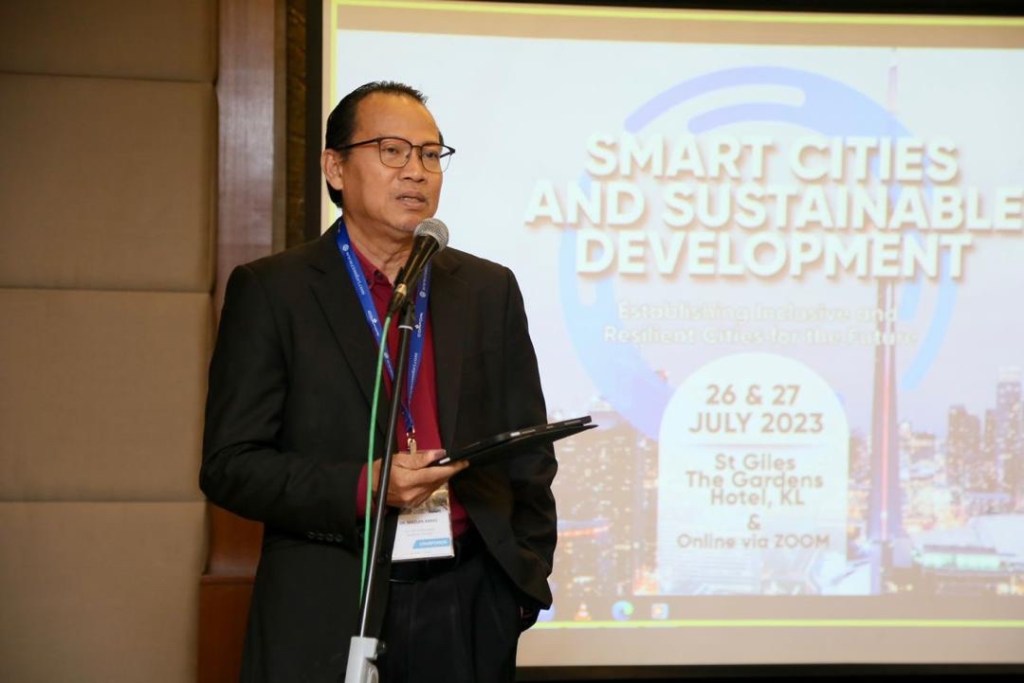
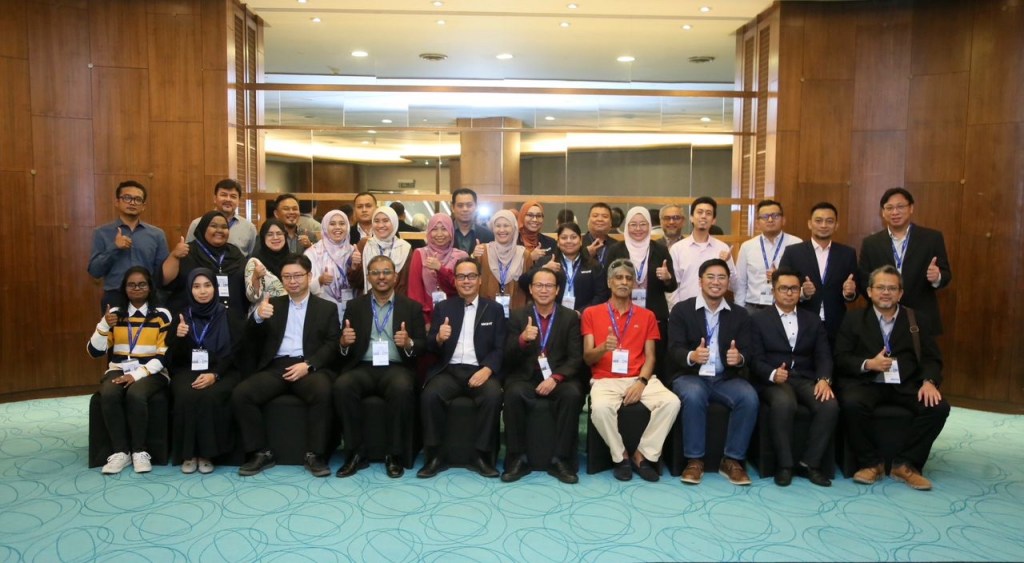
My Experience at the Two-Day Smart Cities Event: Juggling Multiple Roles

Day 1:

As dawn broke, my anticipation for the Smart Cities Event was palpable. A unique opportunity awaited me, one that was going to challenge my versatility – to serve as the Chairperson, a Speaker, and a Moderator all in the same event. The mere thought made my adrenaline rush, but I was determined to rise to the occasion.

Taking up the reins as the Chairperson, my initial responsibility lay in introducing the speakers. With meticulous research and profound respect for their work, I sought to present each speaker’s background in a way that was just and insightful. Managing time efficiently was crucial, ensuring the event flowed seamlessly and respected our shared schedule.

Particularly stimulating was engaging the audience during the Q&A sessions. I put in extra effort to prepare additional questions for the speakers, ensuring that everyone had something to answer. The goal was not only to stimulate dialogue but to ensure relevance and engagement. The process required a deep understanding of the topics and a keen sense of what would resonate with our audience.

Day 2:

On the second day, I stepped up to the podium as a Speaker, preparing a 45-minute talk on the topic of ‘IoT in Action: How Smart City Drive Data Driven Decision Making’. The audience’s questions pushed me to reflect more deeply on my subject matter, challenging me to provide thoughtful and comprehensive answers.

Later, I put on my Moderator’s hat for two panel sessions, with one of the panelists joining us virtually. Some of the topics were not necessarily my areas of expertise, but I embraced the challenge. Ensuring the questions posed were pertinent and meaningful was at the forefront of my approach. It was also essential to uphold fairness, allowing each speaker equal opportunities to express their views and insights.

The experience of multitasking was indeed tiring but equally rewarding. Despite the packed schedule and diverse roles, I found joy and fulfillment in the proceedings. What I took away was a deeper understanding of the topics, the joy of facilitating meaningful conversations, and the thrill of successfully multitasking in an event of such magnitude. I am profoundly grateful for the opportunity and the enriching experiences that these two days offered me. Here’s to embracing more such challenges and growing through them!

Read – The Ultimate Startup Cheat Sheet.

Outpacing the Startup Race: Lessons Learned from Building a Citizen Engagement App

Building a startup is akin to navigating through a jungle. The thrill of adventure is coupled with the tension of the unknown. One of the most daunting beasts you might encounter in this jungle is competition, as I did when developing a citizen engagement app for smart cities.

The Start: Bridging the Gap

Our goal was to establish a direct channel of communication between citizens and local councils. We wanted to empower citizens by providing a platform to raise complaints and track their resolution. The idea was innovative, promising, and well-received by many stakeholders. Yet, translating this excitement into commercial terms proved more difficult than anticipated.

The Challenge: Racing against Shadows

What happened next was reminiscent of a marathon where the finish line kept moving farther away. As we strived to secure commercial agreements, we found ourselves outrun by competitors who replicated our idea. They had better networks, larger funding, and superior branding, which allowed them to quickly gain traction.

What stung was not just the competition, but the realization that our concept was easily reproducible. The idea that we’d been nurturing and refining was no longer exclusive.

The Revelation: Protecting the Castle

This experience was a harsh wake-up call, but an invaluable one. We learned two significant lessons:

First, we needed to ensure our product could not be easily copied. The market loves novelty, and without a unique selling proposition, our startup was just one among the crowd. Intellectual property protection became a priority to guard our innovative concepts.

Second, we learned the art of strategic disclosure. There was a delicate balance between promoting our product and oversharing critical details that could make us vulnerable to competition. In the startup race, information is power, and how it’s managed can spell the difference between triumph and defeat.

The Bigger Picture: Competing, Learning, and Growing

Ultimately, we didn’t lose to our competitors; we learned from them. The experience taught us to protect our intellectual property better, manage our information flow, and build stronger networks. But most importantly, it reminded us that in this race, the goal is not merely to outrun others but to learn, adapt, and grow along the way.

The startup journey is filled with opportunities disguised as challenges. Being outpaced by the competition was just one of these. We came out wiser, more resilient, and better equipped to navigate the terrain. Remember, competition is a testament to the worth of your idea; it’s proof that you’re in the right race. Embrace it, learn from it, and let it drive you to reach your full potential.

Read – The Ultimate Startup Cheat Sheet.

How-To Build Smart Cities Using Minimum Viable City (MVC) Approach

Think “Lean Methodology” — Build, Measure and Learn. I think that’s how we should build Smart Cities. We can no longer take the risks of building projects fast and become “white elephants” which Wikipedia defined as:

A white elephant is a possession which its owner cannot dispose of and whose cost, particularly that of maintenance, is out of proportion to its usefulness.

Most of the times, Smart Cities deployment failed even though we planned well but failed in execution. Failed in getting the citizens to use the facilities. Failed in maintaining and sustaining the business model.

The maturity of acceptance of city dwellers is also an essential element. I don’t think we can just replicate the success of one Smart City in one country to another country without proper understanding the priorities of the citizens due to the ethnicity and maturity of the city inhabitants.

No doubt, we need the masterplan for Smart Cities. A blueprint that lay the framework and the timeframe which is essential in measuring the success of any projects. But then, blueprints can be useless if there is no element of funding and the right business models in place. Most Smart Cities projects are delayed or canceled due to lack of financing from both parties (government and private entities).

To avoid such issues, let’s use the “lean methodology” in developing Smart Cities. The key element is the MVP (Minimum Viable Product), or in this case, we might call it “Minimum Viable City.” Here’re the steps:

  1. Develop a hypothesis by getting citizens inputs. Provide the citizen with tools that allow them to engage with the government or city authorities.
  2. Collect the data and analyze the citizen’s priorities
  3. Build the “Minimum Viable City” Smart Applications
  4. Measure the impact and usefulness.
  5. Learn from the citizens whether their pain points are adequately addressed. Iterate the process again.
  6. Scale up the deployment.

Think Big Start Small

Think Big Start Small” — that’s how we should build our Smart Cities without putting so many resources. But to implement this — we need funding from the Government. In Malaysia, I would suggest MOSTI, MCMC, MDEC, MIGHT or Cyberview allocate some funds to create many Proof-of-Concept (PoC) projects in various cities. That’s one of the ways to spur the local innovation within the country.

What’re your thoughts?

[Original article “How-To Build Smart Cities Using Minimum Viable City Approach” published in IOT World]

How-To Build Your Smart City in a Smarter Way

Teena Maddox wrote an interesting article “Smart Cities: The smart person’s guide” which was summarized beautifully:

  • What it is: A smart city uses IoT sensors and technology to connect components across a city to derive data and improve the lives of citizens and visitors.
  • What it does: Often, a mobile app is provided to give immediate access to data, communication channels and more, so that people can do everything from avoiding traffic jams, to finding a parking spot, reporting a pothole, or an overflowing dumpster.
  • Why it matters: The world is becoming more urbanized, and by 2050, more than 60% of the world’s population is expected to live in cities. Making these cities better places to live is essential to the quality of life by making them more sustainable and efficient with streamlined services.
  • Who it affects: It affects everyone on the planet.
  • When is this happening: This is going on now.
  • Where is this happening: Early adopters of smart city technology were European cities, but U.S. cities have quickly picked up steam and are incorporating technology into municipal infrastructure.
  • Who is making it happen: Public and private companies, as well as federal, state and city government, are getting involved in making it easier for municipalities to adopt new technology.
  • How to get it: Citizens can form a grassroots campaign to get support and ask government officials to incorporate more technology into their city.

What interests me most is the “How to get it” question and answer. Forming a grassroots campaign and asking the government actually seems to be easier said than done. The idea is not about complaining, but to inform the cities that both parties — citizens and municipal authorities can develop a better and smarter cities. Tools such as Favorsense is essential to turn the people into “IOT Sensors” because they can sense the invisible problems. Why can’t the cities utilize the people instead of investing sophisticated and expensive technology in the early stage of Smart City development?

If we want to build cities that are citizen-focused, provide them with the right tools. Successful cities are based on trust and two-way collaboration. Decisions are made based on the data that has been derived from the people.

What are your thoughts in this? Thanks for sharing!

[Similar article “Guide How-To Build Your Smart City” published in IOT World]

Smart Cities in 11th Malaysia Plan (2016–2020)

Last year, Malaysia has published the 11th Malaysia Plan. The information regarding “Smart Cities” described in the document is still at very high-level. As stated, most probably it will be discussed further in 11th Plan period.

“During the Eleventh Plan, a framework will be developed to prioritise areas of focus in the development of smart cities. A fundamental initiative to realise the migration to smart cities will be the development of smart communities.”

Our company is fortunate enough to have started our journey towards building smart solutions as shown in No. 16 & 18 (see Page 7–32 of 11th Malaysia Plan)

Interestingly, the majority of the smart city services are either to reduce costs or to increase operational efficiency. The city’s mission should not be really in “making more revenue” via smart city solutions but rather providing better services to the citizens.

However, there is must be a balance between reducing costs of operations and making new revenue streams so that cities can become more self-sustainable. The city should allocate smart city funds to pay for these solutions (just like in many other countries such as UK, India, USA, Australia, etc.) or use an OPEX-based (pay via savings) business model. In return, more people willing to stay and work in the cities which will further spur the economy in the long term.

I would recommend that cities or government budget funds for pilot trials too. Without trials, we will not be able to experience how complex is the process of developing smart cities. Frameworks are insufficient to move forward. Experiencing what’s happening on the ground is the best way to understand the pain points and finally will be able to resolve the levels bureaucracy, factors impacting decision-making process, governance, business models, etc.

We need governance mechanisms at local councils, city and national levels which decouple the political cycles from the technological ones, and thus facilitate a proper uptake of smartness. Due to the political cycles of every five years and if the timing is unfortunate, this can leave you with only a 20% sales window opportunity. Can smart city business thrive under these conditions?

We need governance mechanisms at local councils, city and national levels which decouple the political cycles from the technological ones, and thus facilitate a proper uptake of smartness.

Recently, on June 29, 2016, Selangor State joined the ranks of other Smart Cities initiatives in Malaysia such as Iskandar Malaysia, Cyberjaya, Malacca by launching their Smart Selangor Lab Phase 1.

The Lab discussed four different cores (domain) to generate pilot projects based on the Smart Selangor concept. The four domains were ‘Smart Governance’, ‘Smart Development’, ‘Smart Digital Infrastructure’ and ‘Smart Waste Management’.

Besides these four domains, there will be eight additional domains to be discussed, making it a total of 12 domains.

These include ‘Smart Education’, ‘Smart Energy’, ‘Smart Water Management’, ‘Smart Agro’, ‘Smart Transport and Mobility’, ‘Smart Safety and Security’, ‘Smart Disaster Management’ and ‘Smart Healthcare’.

Just imagine — what if you know how much waste generated, how much crime has reduced, how much carbon footprint per square kilometer and what’s the happiness index of the city, etc

Personally, I felt “Smart Governance” is key to the development of any Smart Cities and the primary factor would be “transparency.” Without clear indication what is meant by transparency, many data regarding cities will not be able to exploit for further usage and will remain as “closed-data.” Of course, data will give insights that might be hard to swallow. To take a step forward, cities need to accept their weaknesses and shouldn’t be in the state of denial. Get the current City’s indicator before starting any new projects. This way, citizens, and cities will be able to track their performance in a transparent manner.

Just imagine — what if you know how much waste generated, how much crime has reduced, how much carbon footprint per square kilometer and what’s the happiness index of the city, etc. Display that in a big billboard in the middle of the city. Any takers?