When Was the Last Time I Felt Truly Present in the Moment?

There are moments in life when everything fades away—no distractions, no thoughts about what’s next, just pure presence. For me, one such moment happened during my visit to the World Smart Cities Expo in South Korea.

I’ve attended countless conferences, given speeches, and engaged in deep discussions about IoT and smart cities. But this particular trip? It was different.

The Moment That Stopped Me in My Tracks

I remember stepping into the exhibition hall, the bright LED screens displaying futuristic city models, the buzz of conversations around me, the hum of technology working in perfect harmony. But it wasn’t the grandeur that caught my attention—it was the real-world application of something I had been advocating for years.

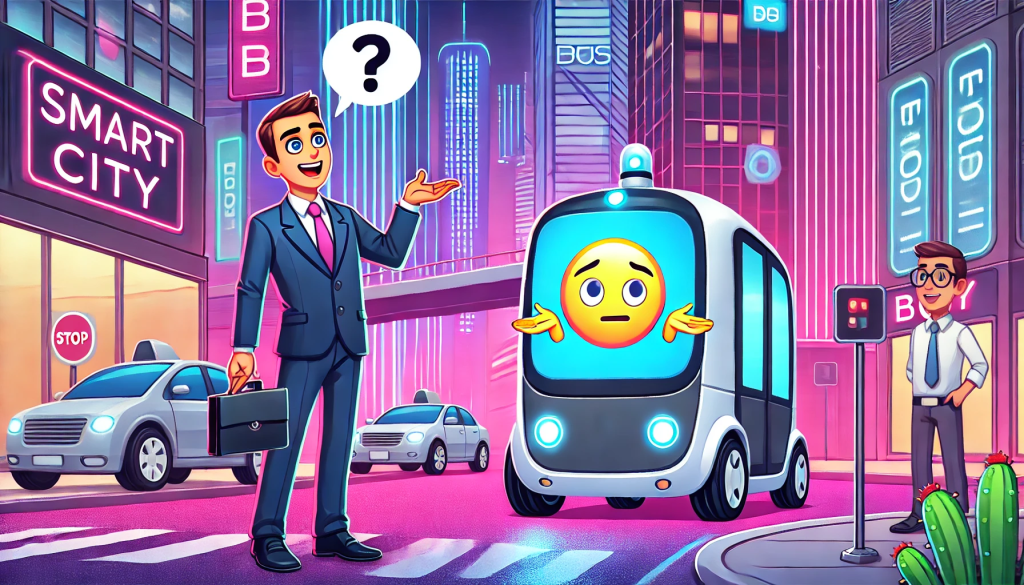
South Korea’s public transportation system was nothing short of an engineering marvel. It was smart, connected, and seamless. The integration of AI, IoT, and data analytics wasn’t just theoretical—it was happening right there, in real-time.

I stood at a train station, observing the efficiency of the system. Everything moved with precision. People didn’t have to guess when the next bus or train would arrive; the information was at their fingertips. The city wasn’t just a collection of buildings and roads—it was an organism, alive, breathing, adapting to the needs of its citizens.

At that moment, I wasn’t thinking about my next meeting. I wasn’t worried about emails piling up or the next big project on my plate. I was just there, fully present, taking it all in.
Why This Moment Mattered

In my journey through the world of IoT, I’ve spent years pushing for smart city solutions. I’ve written articles, delivered keynotes, and advised policymakers. But seeing it all come together in South Korea hit me differently.

This wasn’t just a case study. This was reality.

I could imagine Malaysia having a system like this. I pictured Kuala Lumpur’s traffic flowing smoothly, buses running on time, and sensors optimizing energy use across the city. It was a vision I had always believed in, but standing there, I wasn’t just thinking about the future—I was experiencing what was possible.

I felt a deep sense of satisfaction, but also an urgency.

We have the technology. We have the expertise. What’s stopping us?

It wasn’t a fleeting thought. It was a realization that made me more determined than ever to push harder for change.

The Power of Being Present

That moment reminded me why presence matters. Too often, we get caught up in the endless cycle of planning, executing, and chasing the next goal. But when we’re constantly looking ahead, we sometimes forget to experience what’s happening right now.

When was the last time you truly felt present?

Not just physically, but mentally and emotionally.

For me, that experience in South Korea was a reminder of why I started this journey in the first place. It reignited my passion. It reinforced my mission. And most importantly, it reminded me that while technology is powerful, its impact is only meaningful when it truly serves the people.

Bringing That Presence Into Daily Life

Since that moment, I’ve been trying to be more intentional about staying present. Whether it’s a conversation, a business decision, or even a simple cup of coffee, I remind myself to be there.

Because in the end, the moments that shape us aren’t just the big milestones—they are the times when we pause, observe, and truly connect with what’s happening around us.

So, when was the last time you felt truly present?
A Seamless Journey Through Seoul’s Intelligent Public Transit System

Smart Cities Stories

Smart Transportation

On my recent trip to the World Smart Cities Expo in South Korea, I was deeply impressed by their public transportation system. South Korea has truly embraced the concept of a smart, citizen-centric city.

Their intelligent and integrated public transportation system is a remarkable example of how technology can enhance daily life and solve common challenges.

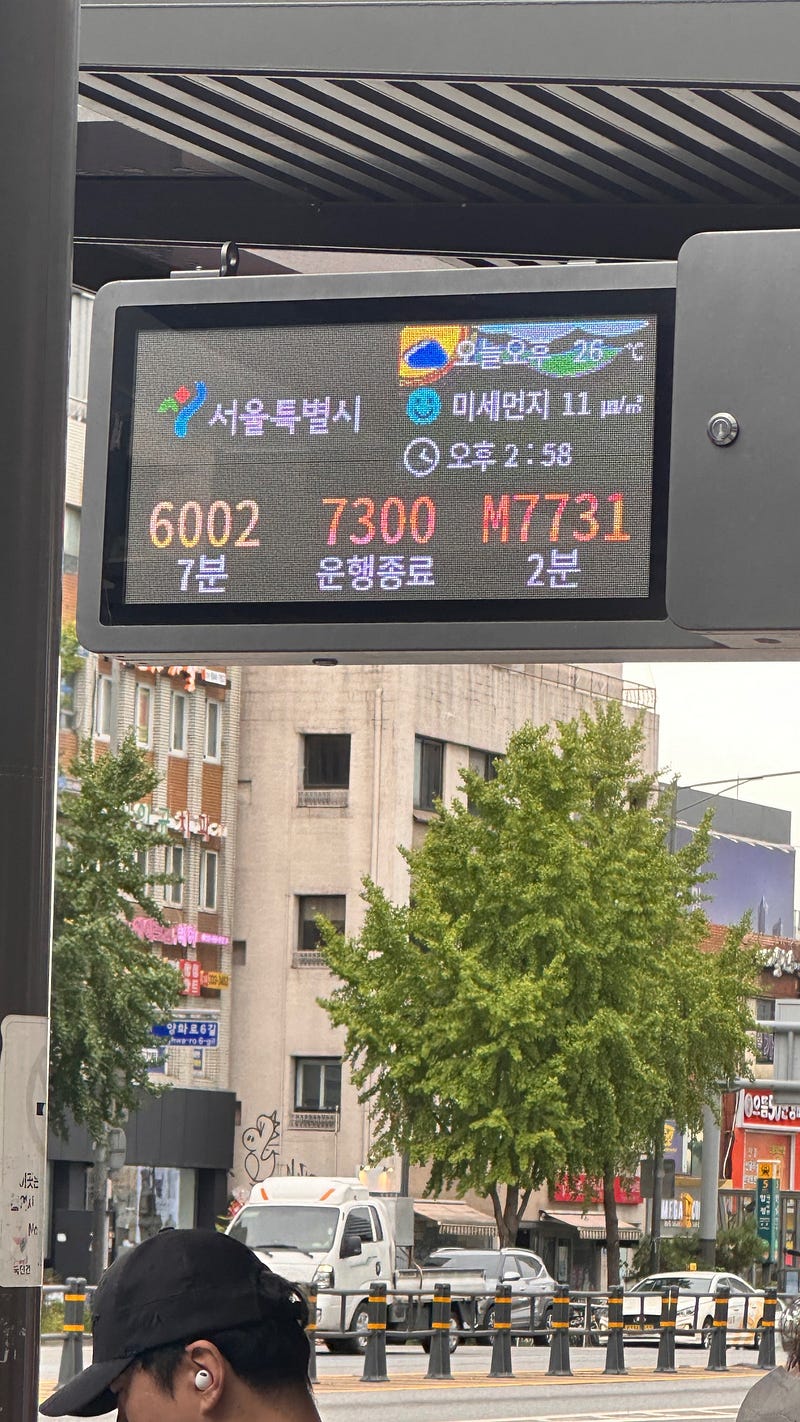
As I stood at a bus stop, staring at the digital monitor showing bus schedules, weather, air quality, and even the next bus’s arrival time, I couldn’t help but compare it to our system back in Malaysia.

In Seoul, everything is interconnected. The buses and subways are seamlessly linked, making it incredibly easy to move around the city.

I have been using the KakaoMap mobile app to plan my journey. This app has all the features one could hope for when navigating a bustling city. It provides real-time information about bus and train schedules and shows walking distances between locations.

The most impressive feature? The app even tells you how many seats are available on the bus you’re waiting for.

I couldn’t help but think, “Why don’t we have this level of convenience in Kuala Lumpur?

As I stood there, watching the minutes tick down on the bus monitor, I thought about the benefits of real-time updates like this. Imagine standing at a bus stop in the rain, unsure when the bus will arrive.

In Kuala Lumpur, many bus stops lack real-time information, leaving passengers guessing. Here in Seoul, the technology gives passengers peace of mind. You know exactly when the bus will arrive and how crowded it will be—no more guessing or anxiety.

As the bus approached, I glanced at the app again. It showed that there were still seats available.

The bus pulled up on time, and I tapped my Tmoney card to pay as I got on. This card is another great example of convenience in South Korea. You can use it not only for public transportation – buses and subways – but also for purchases in convenience stores.

It’s a truly integrated payment system that further streamlines daily life in the city.

Sitting on the bus, I noticed how smooth the ride was. The onboard display would show the next stop and estimated arrival time every few minutes, keeping passengers informed.

I thought back to when I’d been on buses in Kuala Lumpur, especially during peak hours, and had no idea how long the journey would take.

If we had something similar in Malaysia, it would completely change how people commute, making public transportation more attractive.

I began thinking about the infrastructure behind this smart transportation system.

It’s not just about installing digital screens or launching a mobile app. It’s about creating an ecosystem where data from different modes of transport – subways, buses, taxis – are integrated into one unified system.

In Seoul, I noticed that every part of the transportation system seemed to communicate with each other. Whether on a subway or a bus, the information is consistent and accessible.

This kind of integration is what makes a city truly smart. It’s not just about fancy technology or big infrastructure projects; it’s about making everyday life more efficient and convenient for its citizens. Seoul’s transportation system has achieved that.

The air quality display was another feature that caught my attention. South Korea’s commitment to ensuring a comfortable and safe environment for its people extends even to real-time monitoring of air quality.

Sitting on the bus, I thought about how this feature could benefit our cities. Imagine having this in Kuala Lumpur, where haze and pollution are frequent concerns.

Real-time air quality updates could help people make informed decisions about their day.

When I got off the bus, I was already thinking about how this smart transportation model could be adapted for Kuala Lumpur.

Could we create a similar experience for our commuters?

Could we have real-time bus and train schedules displayed at every stop, with integrated payment systems like the Tmoney card?

As I walked to my next destination, I couldn’t stop thinking about the future of public transportation.

In Malaysia, we often talk about upgrading our infrastructure, but we sometimes overlook the smaller yet equally important aspects – like how easy it is for a person to plan their daily commute.

In South Korea, it’s clear that they’ve thought through every detail. From real-time updates to integrated payment systems, they’ve created a public transportation network that prioritizes the needs of the people.

Reflecting on this, I realized that smart transportation is not just about technology—it’s about creating a better experience for everyone. It’s about reducing uncertainty, saving time, and making city life more convenient and enjoyable.

South Korea has shown me what’s possible when technology is used thoughtfully in the service of its citizens.

As I made my way to my final destination, I kept thinking: This is what we need—a reliable, connected, and easy-to-use transportation system where the buses and trains don’t just get you from point A to point B but also provide a seamless, stress-free experience.

Can we bring this kind of intelligent transportation to Kuala Lumpur now? Do we have the capacity to create a similarly connected system that benefits everyone?

If South Korea can do it, I believe we can too.

It’s just a matter of prioritizing the right solutions and ensuring that we focus on what matters most: the people who use these systems every day.