
FROM STAGE FRIGHT TO SPOTLIGHT
My Journey as a Conference Panelist
Why I Now Prefer Panel Discussions Over Solo Presentations
Throughout my career, I’ve had the privilege of being invited to speak at various conferences, a role I initially cherished for the autonomy and control it afforded me.
As a speaker, I could meticulously plan my presentation, control the flow of my talk, and ensure that every slide was a perfect reflection of the points I wanted to convey.
This level of preparation provided me a comfort zone, a safe harbor in the sometimes unpredictable sea of public speaking.
Transitioning from Speaker to Panelist
However, my experiences took an interesting turn when I began receiving invitations not as a sole speaker but as a panelist.
The dynamics of panel discussions are inherently different: instead of a monologue, it’s a dialogue – not just between the panelists but with the audience as well.
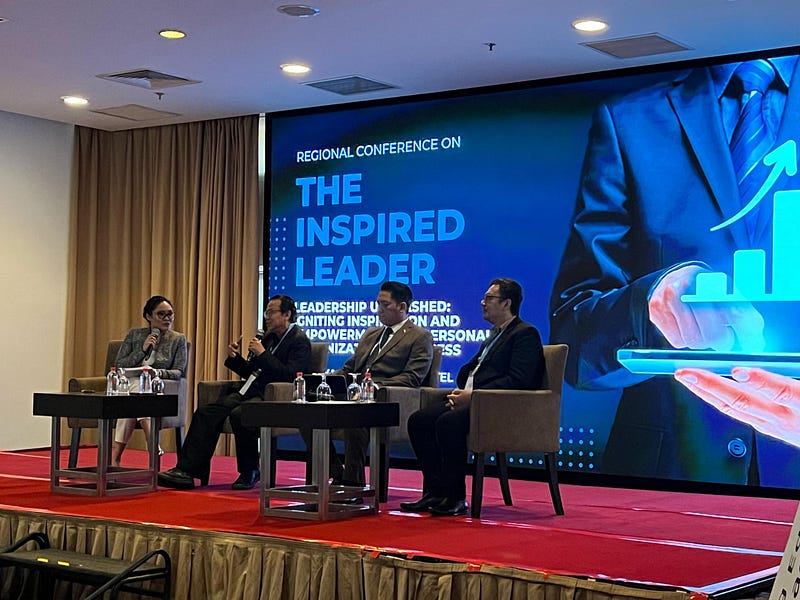
Suddenly, I found myself on stage with two or three other experts, each with their unique perspectives and areas of expertise, all under the guidance of a moderator whose job was to weave our individual narratives into a cohesive, engaging session.
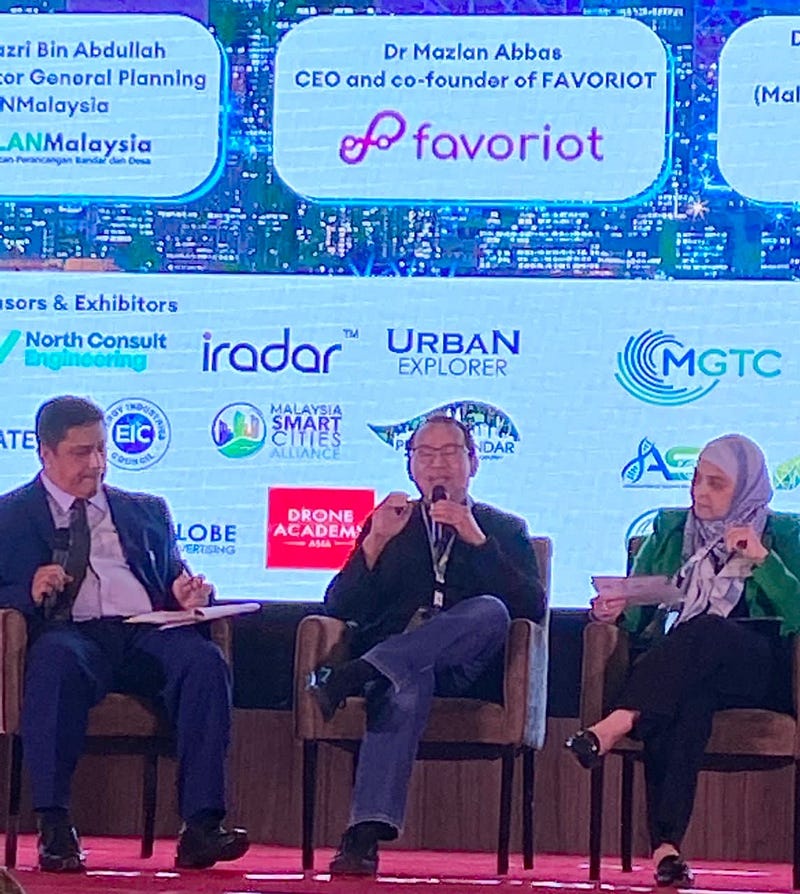
Initially, this new role was a source of anxiety.
Sitting on stage, not knowing exactly what question would come next, I worried about whether I would be able to respond with the right mix of fact, insight, and eloquence.
Would I be able to hold the audience’s attention? Could I contribute meaningfully to the discussion and hold my own alongside my fellow panelists?
Over time, however, I discovered that most panels are less daunting than they seem.
Panelists often receive a set of questions in advance, allowing us to prepare our thoughts and consider our responses.
Some organizers even allow panelists to suggest questions, providing an opportunity to steer the conversation toward areas of our expertise or interest.
Facing Uncertainty on Stage
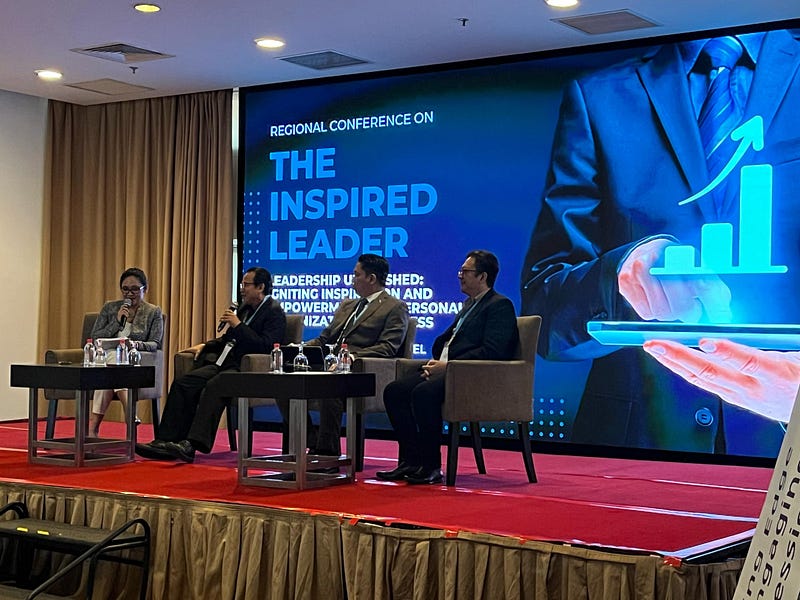
But even the best preparations can’t cover everything, and there are always moments when the moderator goes off-script or delves deeper into a topic than the prepared questions had anticipated.
In these situations, I learned the value of active listening, staying fully engaged not just when it was my turn to speak but throughout the entire session.
This attentiveness helped me respond more thoughtfully and dynamically, weaving my responses into the ongoing narrative of the discussion rather than delivering pre-packaged answers.
Preparation Meets Improvisation
In my early days as a panelist, I considered bringing notes on stage, a safety net of bullet points and facts. Yet, this approach soon felt contrived, more like a performance than a genuine conversation.
I realized that true professionalism in this context meant showing up authentically, ready to engage with the topic and the audience without the crutch of scripted responses.
To navigate these live, unscripted moments, I developed a technique akin to a mental mind map.
When listening to a question or another panelist’s response, I’d quickly organize my thoughts, connecting the dots between the discussion points and my own knowledge and experiences.
This mental mapping allowed me to respond more fluidly, adding depth and context to the conversation.
The Power of Humor and Storytelling
Humor became another tool in my arsenal, a way to lighten the mood and connect more personally with the audience.
Even in serious discussions, a well-placed joke or anecdote can humanize the panelists, breaking down barriers and fostering a more engaging, relatable session.
Building on Collective Insights
I also learned the value of building on my fellow panelists’ points, weaving their insights into my responses to create a richer, more interconnected dialogue.
This collaborative approach not only enriched the content of the discussion but also highlighted the collective expertise of the panel, creating a more compelling and informative experience for the audience.
Over time, my perspective on panel discussions has transformed.
What once felt like a daunting challenge has become a preferred format, offering a dynamic and interactive forum that forgoes the rigidity of prepared slides for the spontaneity of real conversation.
Today, I embrace these opportunities, confident in my ability to contribute thoughtfully and authentically, no matter where the discussion may lead.

 Dr. Mazlan Abbas