About Favoriot — Part 15: Experience in Giving Lectures and Pitching

ABOUT FAVORIOT SERIES
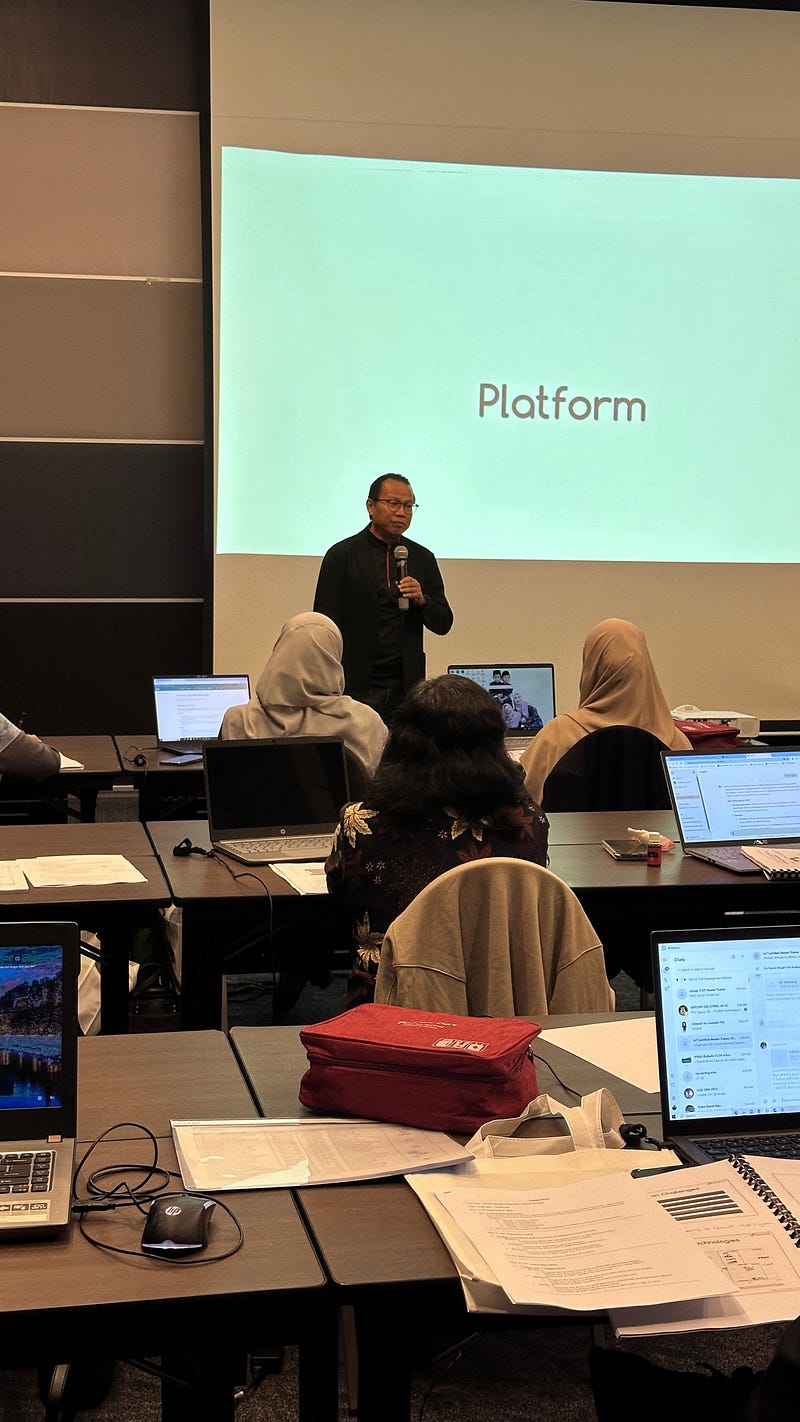
Public speaking has become a career for me throughout my life. Since I started working, I’ve often stood in front of an audience, speaking and sharing knowledge or ideas.

However, I realize that not everyone is comfortable with this. Many people view it as a nightmare—standing in front of a large group, delivering something they might already know or, more dauntingly, something new that requires their acceptance.

My journey into public speaking began when I became a lecturer. Every day, I had to stand before students, delivering lectures between one and two hours.

At first, I was pretty nervous. “What if the students don’t understand what I’m saying?” I often asked myself.

But over time, lecturing became a routine. I started learning to understand my students, grasping their learning styles, and adjusting how I delivered information to make it more effective.

Being a lecturer taught me a lot about communication.

I needed to ensure that students didn’t just listen but also understood and applied what they learned. I found that how I presented information was crucial in keeping the students engaged. “Am I too serious? Or should I be more relaxed?” I would often ask myself after each class.
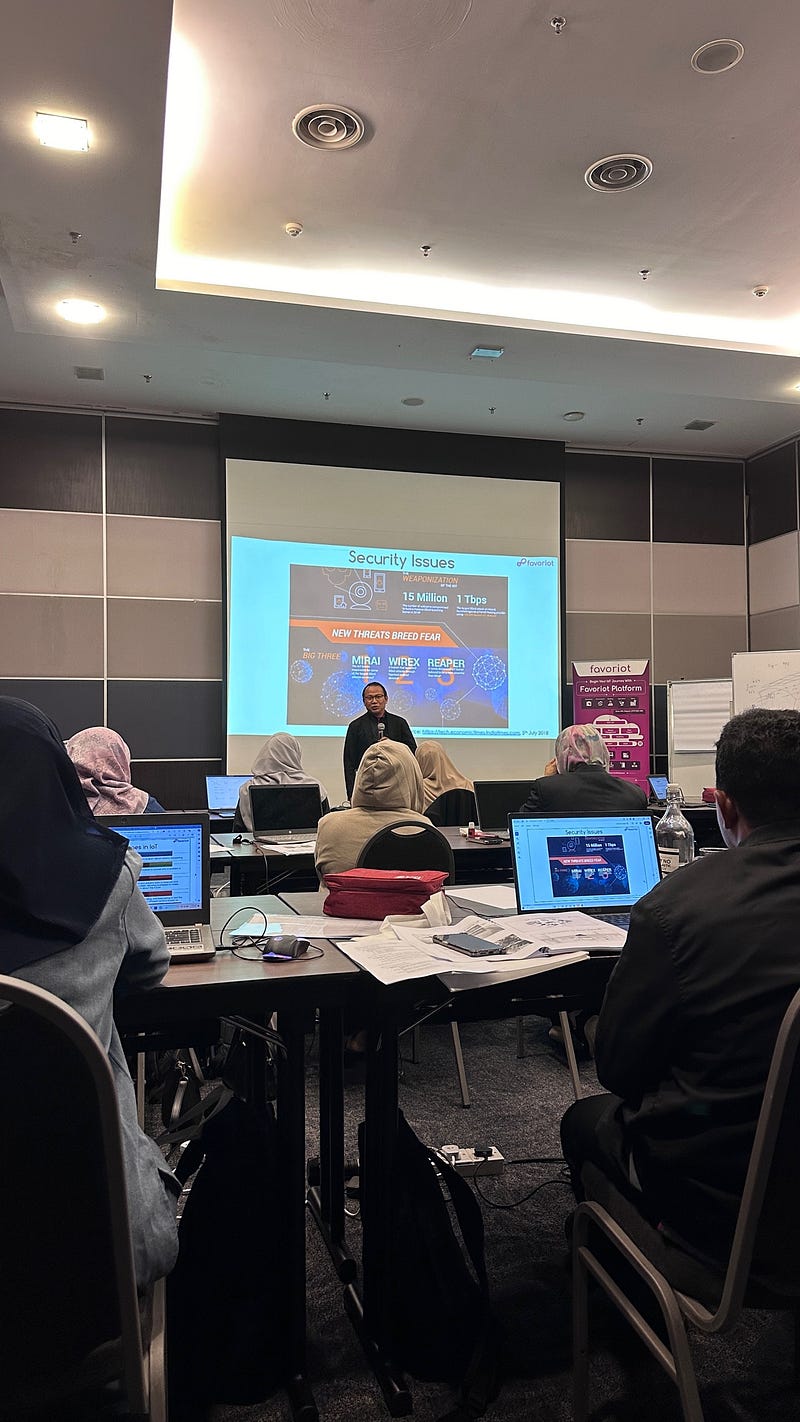
After many years in academia, I received invitations to speak at conferences and seminars. This was a new level for me. Unlike in the classroom, where I was facing students familiar with me, conferences and seminars introduced me to a diverse audience – from industry experts to beginners who were just getting acquainted with my field.

Every time I was invited, I was given different amounts of time, sometimes up to 40 minutes, sometimes just 15 minutes. I had to learn to adapt quickly.

How can I convey important information in this short amount of time?” I often thought before each session.

This was challenging, but it also taught me to be more focused and concise in my delivery.

I learned that in conferences, starting with something that grabs the audience’s attention is crucial. An anecdote, a provocative question, or even a surprising fact can be a good opener.

This made me realize that how we start a speech can determine how the audience will pay attention throughout the session.

However, one of the biggest challenges in public speaking came when I began receiving invitations to speak at workshops.
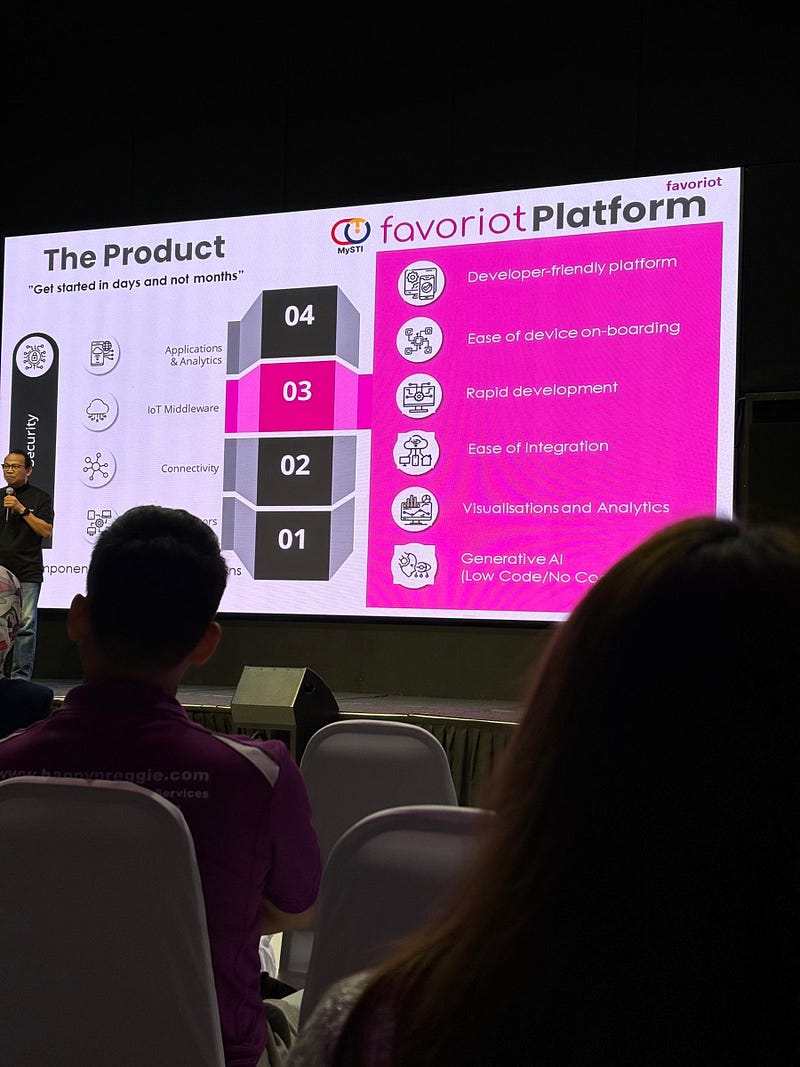
Here, the time allocated for me to speak was much longer—sometimes up to one or two days—and I spoke alone. Imagine, I had to ensure the audience stayed interested the entire time.

How can I keep their attention?” This question often swirled in my mind.

I found that interaction is key in workshops. Unlike lectures or seminars, where the delivery is more one-way, workshops require more two-way discussions.

I started involving the audience in discussions, allowing them to share their opinions and experiences. This helped maintain their focus and gave me new perspectives on the issues being discussed.

Every workshop is an opportunity for me to learn something new,” I often reminded myself.

After transitioning into the corporate and technology world, my role in public speaking also changed. I was no longer just sharing knowledge but also selling products and ideas. “Product Talk” became a routine in our marketing efforts at Favoriot.

Here, I had to present the benefits of our products in a convincing but moderate manner.

Another big challenge was, “How can I make the audience believe in our products without making it feel like I’m just trying to sell them? “

I learned that in Product Talks, it’s essential to focus on how our products can solve the problems faced by the audience. I didn’t just talk about the product’s features but more about the benefits they could gain.

I also started using success stories as examples because I found them more accessible and convincing.

Recently, I’ve started transitioning to pitching to investors, which is an even more challenging level.

Unlike lectures, seminars, or Product Talks, pitching requires me to present all the important information in a very limited time—sometimes only three to five minutes.

How can I include all the important points in such a short time?” I often ask myself before each pitching session.

I found that clarity and confidence are key in pitching.

I needed to ensure that the investors understood what I was trying to convey, and I had to do it confidently.

I also learned that the slides must be simple but packed with information. There’s no room for unimportant details. “Every slide needs to have a clear purpose,” this is the principle I hold onto.

My experience in various types of public speaking has taught me that each situation requires a different approach.

The duration, type of audience, purpose of the speech, and method of delivery all play a role in determining its effectiveness. I also realized that we often criticize seminar presenters or those giving a pitch—their confusing style, boring slides, or unengaging delivery.

But when it’s our turn to stand in front, sometimes we make the same mistakes.

I learned that the most important things in public speaking are to speak confidently, convey information in a way that’s easy to understand, use an approach that engages the audience, and ensure that the slides used are not boring.

I also learned that we must constantly strive to improve because every public speaking session allows us to learn and grow.

What about you?” I often ask myself after each session.

Public speaking is a skill that can always be improved. The more we do it, the more confident we become.

Ultimately, I realize that public speaking isn’t just about what we say but how we make the audience feel it.

If we can deliver our message in a way that makes the audience feel connected, then we have succeeded in public speaking.

And that’s something I always strive to achieve.

10 Tips to Turn an Introvert Into a Public Speaker — My Experience

The image was created using Midjourney by the Author of Startup Journey

Are you an introvert?

Many missed sharing their thoughts and knowledge when given the chance to talk on stage.

Embarking from an introverted individual to a confident public speaker can be challenging and exhilarating.

My experiences across various career paths have honed my speaking skills and led to profound personal development.

Let me share ten key insights that facilitated my transformation and could guide others needing more clarification about public speaking.

1. Know Your Audience

Understanding your audience is the cornerstone of effective communication.

Determine if your listeners are students, educators, professionals, or businesspeople.

It is crucial to tailor your content, language, and presentation style to suit their background, knowledge, and interests.

This tailored approach ensures that your message resonates and is valued by your audience.

2. Plan Your Structure

A well-organized presentation is essential.

Adopting a clear structure with an introduction, main body, and conclusion lets your audience quickly follow and remember your points.

Think of it as guiding them on an enlightening journey, ensuring they stay engaged.

3. Keep it Simple and Clear

Embrace simplicity.

Overloading slides with excessive information can overwhelm your audience.

Use straightforward language, bullet points, and clear visuals.

Also, avoid distracting animations which can detract from your message.

This streamlined approach makes your content more accessible and impactful.

4. Engage With Your Audience

Engagement transforms a presentation.

Involve your audience with questions, encourage participation, and use interactive tools to maintain their interest.

Direct eye contact, like engaging with them, allows you to gauge their reactions and adjust accordingly.

Avoid fixating on your slides or hiding behind a podium; confidently move around the stage to create a dynamic and approachable presence.

5. Use Visual Aids Wisely

Visual aids, when used judiciously, can significantly bolster your message.

Ensure that charts, graphs, and infographics are relevant, clear, and visually appealing.

They should complement, not overshadow, your verbal communication.

6. Practice, Practice, Practice

Regular practice builds confidence and smoothens your delivery.

The more you rehearse, the more natural and fluent your presentation will become.

This preparation reduces anxiety and enhances your overall performance.

7. Be Authentic

Authenticity creates a genuine connection.

Showing your true personality and passion for the subject can strengthen your bond with the audience.

People are drawn to authenticity, so let your unique traits and enthusiasm shine through.

8. Manage Your Time

Effective time management is crucial.

Arrive early to interact casually with other speakers or audience members.

Keeping your presentation within the allotted time shows respect for your audience and ensures you cover all critical points without rushing.

9. Tell a Story

Storytelling is a powerful tool.

Incorporating relevant anecdotes or examples makes your points more engaging and memorable.

Stories evoke emotions and transform your presentation into an enjoyable and enlightening experience.

10. Handle Questions Professionally

Conclude with strength.

Encourage and address questions confidently and respectfully.

If uncertain about an answer, acknowledge it honestly and offer to find out.

This approach demonstrates your commitment to accuracy and builds trust.

Conclusion

Transforming from an introvert into a public speaker involves more than just learning to speak effectively; it’s a journey of self-discovery and growth.

Every step offers valuable lessons about yourself and equips you with skills that extend beyond the podium.

Remember that it’s an attainable skill for those intimidated by public speaking.

Embrace this journey with openness, and you’ll be surprised at the progress you can make.

The Endless Quest for the Perfect Investor Pitch – Failures and Tips

Photo by Campaign Creators on Unsplash

As a startup founder, I’ve pitched to investors many times.

Each pitch is a challenge – creating the perfect one is tricky.

I try to make my pitch better each time, but there’s always something that doesn’t quite work for someone in the audience.

The Challenge with Pitch Decks

Every time I make a pitch, it feels like I’m repeating myself, but there’s always something new to fix.

The slides I make to show my business idea can sometimes confuse people. Even if I fix things, someone always has different advice.

Some people don’t get it when I talk about the problem my business solves.

They might think my idea isn’t unclear or don’t see how big the opportunity is.

And when it comes to money, everyone has a different opinion on whether my goals are realistic.

Choosing the right colors and graphics for the slides is tricky, too.

If I use too many pictures, people can’t understand my message.

If I put too much information, they can’t read it all in time.

The Rush of the Pitch

When I pitch, I only have five minutes.

That’s like the time it takes to drink a cup of coffee.

In those five minutes, I have to share everything about my business. It’s tough because every detail matters, and I have to move fast.

Seeing Both Sides

I’ve also been a judge for other people’s pitches.

I’ve seen that nobody’s pitch is perfect. Being a judge has taught me that what one person likes, another might not.

So, I’ve learned that a pitch has to change depending on who’s listening.

Learning from Each Pitch

Every time someone gives me feedback on my pitch, I learn something.

I take their advice and make my pitch more straightforward and more powerful.

Even when the feedback is tough, it helps me get better.

My pitch changes with each presentation, and that’s a good thing. It shows that I’m working hard to improve.

The Road Ahead

I’m ready for more pitches and more changes.

Every time I pitch, I get to make my business look better to investors.

The comments and different opinions aren’t just problems; they help me learn and grow.

I’m excited to keep on pitching.

With each pitch, I’m telling the story of my business, and one day, that story will be about success and never giving up on finding the perfect way to share my dream.


Photo by Matthew Osborn on Unsplash

Lessons Learned

Through all these pitches, here’s what I’ve learned:

  1. Flexibility is critical: A pitch deck is never finished. It changes based on who you’re talking to.
  2. Feedback is a gift: Even when it’s tough to hear, feedback strengthens you and your pitch.
  3. Time is precious: In a short pitch, every second and every word has to count.
  4. Understanding your audience matters: What works for one person might not work for another.
  5. Perseverance pays off: Even if the perfect pitch is a myth, striving for it will lead you to greatness.

Every pitch is a step on the journey of a startup.

It’s not just about convincing investors; it’s about refining your vision and learning how to share it with the world.

The best way to learn about entrepreneurship is by learning about the failures. Check out my latest eBook, “Startup Survival”.

https://mazlanabbas.gumroad.com/l/startupsurvival


Remember to Subscribe to receive email updates on every post I publish.