
BOOK REVIEWS BY MAZLAN ABBAS
The philosophical underpinnings that have driven Microsoft’s ascension.
Not a member? Click here to read the whole story for free.
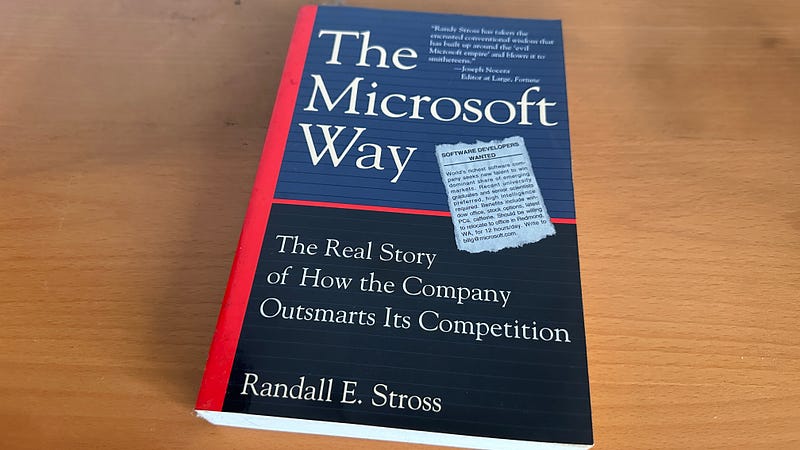
Reflecting on “The Microsoft Way” by Randall E. Stross evokes a sense of nostalgia and enlightenment in me as it meticulously unravels the ethos and practices that propelled Microsoft into the pantheon of tech giants.
I’m currently reading Stross’s thorough research and insights into Microsoft’s journey.
I can’t help but see parallels between their experiences in the tech industry and my own experiences during my time at various high-tech and educational institutions.

“The Microsoft Way” does not merely recount the success story of a corporation; it delves deep into the philosophical underpinnings that have driven Microsoft’s ascension.
The book underscores Microsoft’s penchant for recruiting exceptionally bright minds — a principle I resonated with deeply, given my commitment to fostering intellectual rigor and innovation in the organizations I’ve been part of.
Stross highlights Microsoft’s culture of nurturing intelligence and creativity, something I’ve always endeavored to cultivate within my teams at REDtone IOT and MIMOS Berhad, as well as as an educator.
The emphasis on hiring not just skilled individuals but the brightest in the field echoes my belief in the transformative power of exceptional talent.
Moreover, the narrative around Microsoft’s approach to staying agile and responsive to market dynamics aligns with the strategic pivots I’ve witnessed and orchestrated in IoT and smart cities.
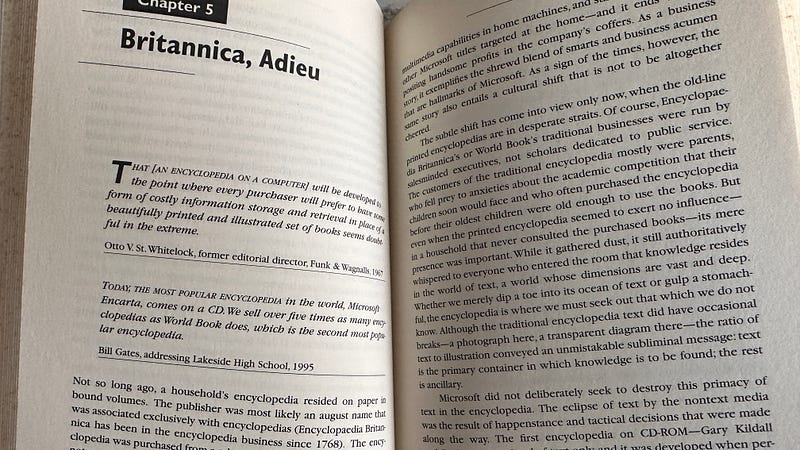
As Microsoft did in embracing the internet and multimedia, the ability to adapt and evolve mirrors the ethos I’ve championed in steering companies and academic departments toward innovation and relevance in a rapidly changing tech landscape.
The book also illuminates Microsoft’s commitment to empowering and promoting equality within its workforce, cultivating an environment where ideas thrive, and innovation abounds.
This resonates with my leadership philosophy, which has been to strive to create environments that champion collaboration, equity, and intellectual curiosity, whether in corporate settings or academia.

Stross’s portrayal of Microsoft’s response to competitive challenges and regulatory scrutiny offers invaluable lessons in resilience and strategic foresight.
As someone who has navigated the complex interplay of technological advancements, market forces, and regulatory environments, these insights are particularly pertinent and instructive.
The discussions around Microsoft’s Encarta and its forays into multimedia and the internet provide a compelling study of how vision, perseverance, and adaptability can drive success even in uncharted territories.

These narratives echo my experiences in pioneering IoT and smart city initiatives, where embracing innovation and venturing into new domains were imperative for impact and growth.
Moreover, juxtaposed with its achievements and contributions, the book’s examination of public perceptions and criticisms of Microsoft prompts reflection on the broader societal impacts of technological advancements.
Whether as a CEO, an academic, or a speaker, I’ve contended with similar paradigms of scrutiny, misperception, and the responsibility accompanying influence and success.

In essence, “The Microsoft Way” offers a profound and multifaceted exploration of a tech titan’s ethos and strategies, resonating with my experiences and the dynamics of the larger tech landscape.
It chronicles Microsoft’s journey and guides those interested in the intricate interplay of innovation, leadership, and societal impact within the tech industry.
The principles and insights gleaned from the book continue to inform and inspire my approach to leadership, strategy, and innovation.
The enduring significance of Microsoft’s evolution within the dynamic interplay of technology and society is truly remarkable.
Grab the book “The Microsoft Way” from Amazon.
More Book Reviews by Mazlan Abbas:
1 — Ninja Innovation — Book Review
2 — Starting a Tech Business — Book Review


 Dr. Mazlan Abbas