My Domain Hosted on Medium Performed 200X Better Compared to WordPress

MEDIUM VS WORDPRESS

This is what I learned…

Photo by Campaign Creators on Unsplash

Not a paid member? Click here to read the full story for free.

I first created my blog using mazlanabbas.com to capture my journey as a Startup founder, Thought Leader, and Social Media Influencer.

Little did I realize how hard it was to make this website known to others. I found it very difficult to get traffic to my blog.

I struggled for nearly two years until I decided to do something drastic.

When I moved my domain from WordPress to Medium, I wanted to reduce the time and effort I spent managing multiple blogs. I have been active on Medium, and the topics I posted there are almost the same as those on my old blog on WordPress.

It was a bold move, but since hosting a domain on Medium is considered “free” because I already subscribe to the Medium Partner Program, I don’t have to pay for a separate host subscription.

Photo by Bench Accounting on Unsplash

Let me share why it’s good to host on WordPress:

  • There are many themes, plugins, and widgets that you can customize.
  • There are great tools to manage and view our traffic stats.
  • We can customize our website to our liking.
  • We can generate income via Google Ads (only if you have tons of traffic)

And let me share why Medium is a great host for personal domains:

  • If we are writers, it’s easy for us to write our stories. The UI/UX is meant for writers.
  • The community of writers is very supportive and engaging.
  • The possibility of earning with every article that we published.

But why do I say Medium is 200X better than WordPress?

I earned zero cents from all the articles I published, but I earned more than $200 for the last six months on Medium. That’s compared to the last two years hosted on WordPress, which didn’t earn me anything.

On WordPress, I only managed to get less than 200 followers, compared to 1.93K followers on Medium. WordPress has a community on the Jetpack mobile app, but the people are diverse and have different interests.

In Medium, we engaged much more in conversations and support with claps, highlights, and comments.

Photo by David Iskander on Unsplash

From my experience transitioning my domain hosting from WordPress to Medium, I’ve learned several key lessons and insights:

  1. Platform Ease-of-Use Matters: Medium’s user-friendly UI/UX, explicitly designed for writers, made creating and publishing content simpler for me. This starkly contrasts WordPress, which, although flexible, requires more time and effort to manage.
  2. Community Engagement is Crucial: Medium’s built-in community of writers and readers fostered more interaction through features like claps, highlights, and comments. This level of engagement significantly increased my visibility and follower count compared to platforms where the community is less integrated.
  3. Cost-Effectiveness: Hosting my domain on Medium was more cost-effective, especially since I was already subscribed to the Medium Partner Program. Conversely, maintaining a site on WordPress would have incurred additional costs for hosting, themes, and plugins.
  4. Monetization Opportunities: I found Medium’s monetization opportunities far more favorable. While I didn’t earn anything from my articles on WordPress, I managed to earn a significant amount on Medium, demonstrating its potential for revenue generation for dedicated content creators.
  5. Platform-Specific Audience: Medium’s audience is more aligned with content creators, particularly writers and thought leaders, resulting in a more engaged and supportive follower base. WordPress caters to a more diverse audience, which might resonate less strongly with specific content types.
  6. Focus on Core Competencies: By shifting to Medium, I could concentrate more on my writing and thought leader strengths instead of getting bogged down with website management and technical issues on WordPress.
  7. Strategic Platform Choice: Medium and WordPress depended heavily on my goals and preferences. Medium’s alignment with my content creation style and objectives made it the better choice, highlighting the importance of selecting a platform that supports one’s goals and workflow.

I invite you to follow my publications — Aspiring Writer’s Journey and Influencer’s Journey.

Photo by Aaron Burden on Unsplash

About my blogging journey:

1 — You Will No Longer Look at Personal Blogging the Same Way

View at Medium.com

2 — How I Created Online Money Making Machines

View at Medium.com

3–10 Tips in Creating a Successful Blog: Simple Steps and Key Insights

View at Medium.com

4 — Lifechanging Benefits of Lifeblogging

View at Medium.com

5 — From Medium Reader to Earner — If I Can, You Can Too!

View at Medium.com

6 — Monetizing Your Way Via Blogging — Simple Tips

View at Medium.com

7–10 Killer Topics That Makes a Blog Go Viral

View at Medium.com

8 — My Most Important Milestone in Medium — How I Planned to Earn $100K with My First Dollar
View at Medium.com

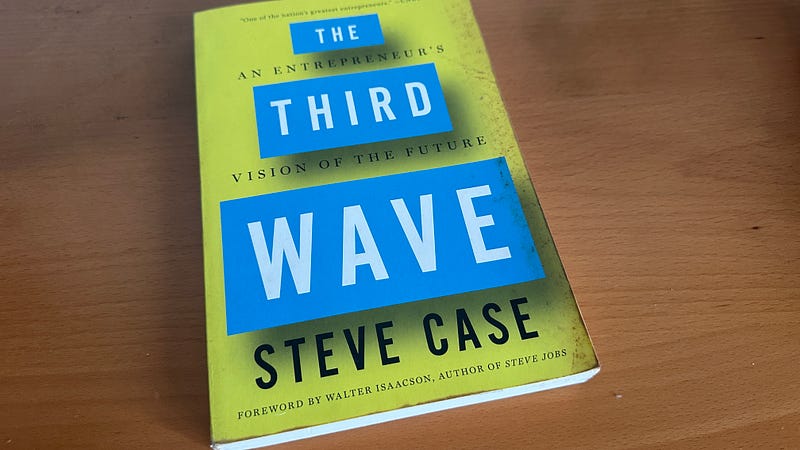
The Third Wave: An Entrepreneur’s Vision of the Future — Book Review

BOOK REVIEWS BY MAZLAN ABBAS

Narrative of the Internet’s Revolution.

The Third Wave: An Entrepreneur’s Vision of the Future

Not a member? Click here to read the full review for free.

As someone who has navigated the ebbs and flows of the tech industry for decades, my journey from academia to entrepreneurship parallels the broader narrative of the internet’s evolution.

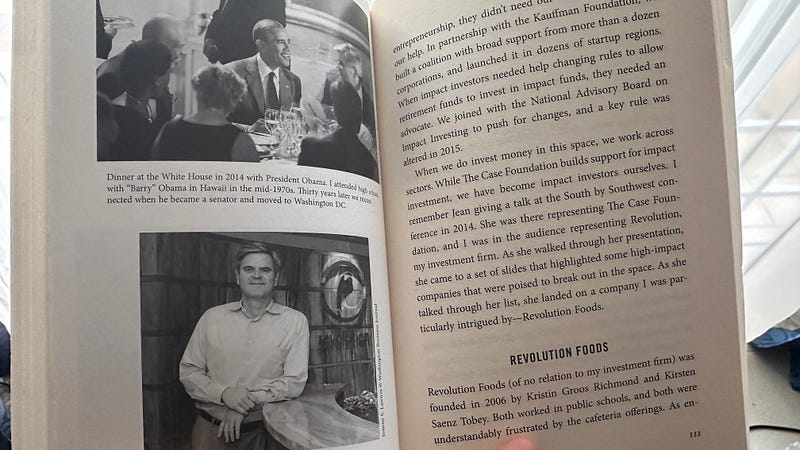
This path has endowed me with a perspective deeply attuned to the seismic shifts that have defined our digital age, making Steve Case’s “The Third Wave: An Entrepreneur’s Vision of the Future” not just a compelling read but a resonant one.

Photo by John Schnobrich on Unsplash

Case’s recounting of the internet’s ascent from an arcane network to a societal cornerstone mirrors my experiences at Favoriot, where the promise and challenges of connectivity have been ever-present themes.

The book delineates the internet’s evolution through its ‘waves,’ a framework that provides a lucid backdrop against which I have charted my professional odyssey.

As Case delineates, the first wave was about building the infrastructure for online connectivity—a realm where AOL emerged as a pioneering force under Case’s stewardship.

Photo by Thomas Jensen on Unsplash

This era resonates with my early academic pursuits in telecommunications, where the theoretical underpinnings of connectivity were taking tangible shape in labs and scholarly papers.

Just as AOL laid down the digital roads and highways, I was immersed in unraveling the technical enabling such connectivity.

Transitioning into the second wave, characterized by platforms like Google and Facebook, which built atop the foundational internet to create rich, interactive experiences, I witnessed the transformation of my endeavors.

At this time, my transition from academia to entrepreneurship with Favoriot involved harnessing the internet’s burgeoning capabilities to forge IoT solutions that transcended traditional boundaries, much like how social media redefined human interaction.

Photo by Leon Seibert on Unsplash

Case’s third-wave concept aligns with Favoriot’s vision of the internet deeply intersecting with real-world sectors.

Just as Case predicts the internet’s indelible impact on sectors like health, education, and transportation, Favoriot sought to intertwine IoT within the fabric of urban living, healthcare, and more, pushing for a future where connectivity empowers unprecedented improvements in quality of life.

The Third Wave” is as much a memoir and a manifesto as it is a strategic blueprint for navigating the impending fusion of the internet with everyday life.

Photo by Compare Fibre on Unsplash

Case’s insights, derived from his storied career, offer a guiding light for entrepreneurs like myself who are steering ventures in a world brimming with digital promise and peril.

His emphasis on entrepreneurs’ need to foster relationships with customers, competitors, and governments in the third wave speaks to the holistic approach required to thrive in the forthcoming internet epoch.

Moreover, the book’s portrayal of emerging technology companies venturing beyond Silicon Valley’s confines mirrors my belief in the democratization of innovation.

Photo by LinkedIn Sales Solutions on Unsplash

At Favoriot, the ethos of breaking new ground outside traditional tech epicenters aligns with Case’s vision, reinforcing my advocacy for a geographically inclusive tech landscape.

In rendering the third wave, Case articulates a future where technology and life are interwoven and delineates the competencies and strategies entrepreneurs must cultivate.

The book has been a source of inspiration and a strategic compass, offering foresight and frameworks that will undoubtedly influence my decisions and directions at Favoriot.

The Third Wave: An Entrepreneur’s Vision of the Future

In conclusion, “The Third Wave” transcends its role as a literary exposition of Steve Case’s experiences to serve as a pivotal discourse on the future of technology and entrepreneurship.

It has affirmed and expanded my understanding of the interplay between technology and society, providing a wellspring of insights that will continue to inform my journey in shaping a connected smarter world.

For anyone invested in the future of technology, entrepreneurship, or society at large, this book is an indispensable read.

It offers profound reflections on our shared digital destiny.


Use my affiliate link to purchase The Third Wave: An Entrepreneur’s Vision of the Future from Amazon.


Other book reviews by Mazlan Abbas:

View at Medium.comView at Medium.comView at Medium.com

Traction: How Any Startup Can Achieve Explosive Customer Growth — Book Review

BOOK REVIEWS BY MAZLAN ABBAS

How this book helps our Startup.

Traction: How Any Startup Can Achieve Explosive Customer Growth

Not a member? Click here to read the whole story for free.

For startups, the path to success is filled with challenges and fierce competition.

“Embarking on my entrepreneurial adventure with Favoriot has been a journey I know all too well.” — Author

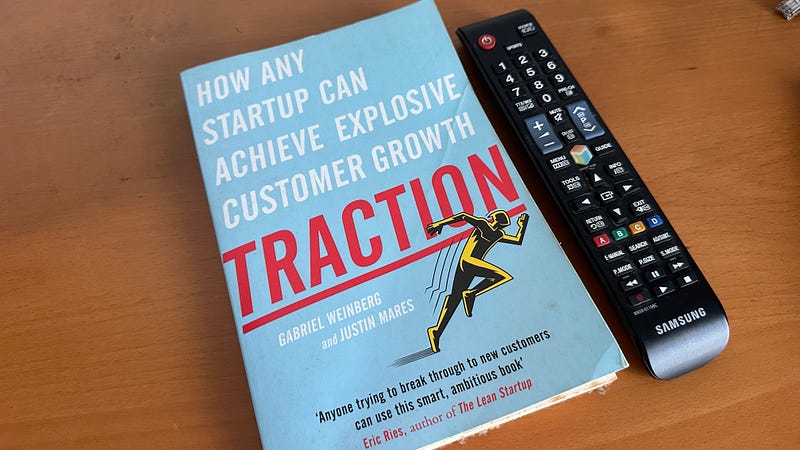
My quest for sustainable growth and an impactful market presence led me to Gabriel Weinberg and Justin Mares’s book Traction: How Any Startup Can Achieve Explosive Customer Growth.

This book promises to illuminate the path to gaining the much-coveted customer traction.

The premise of “Traction” resonates deeply with me, echoing the trials and tribulations we faced at Favoriot.

Like many startups, we were initially consumed with perfecting our product, believing that a stellar offering would naturally attract customers.

Photo by Jason Goodman on Unsplash

However, the harsh reality set in quickly: without a clear and effective strategy to gain traction, even the most innovative products can languish in obscurity.

Weinberg and Mares challenge the conventional startup wisdom that obsesses over the product at the expense of customer acquisition.

Their argument is compelling and backed by hard-earned insights: most startups fail not because of product issues but because of their inability to gain traction.

This revelation was a wake-up call for me, underscoring the necessity of pivoting our focus toward building a solid customer base.

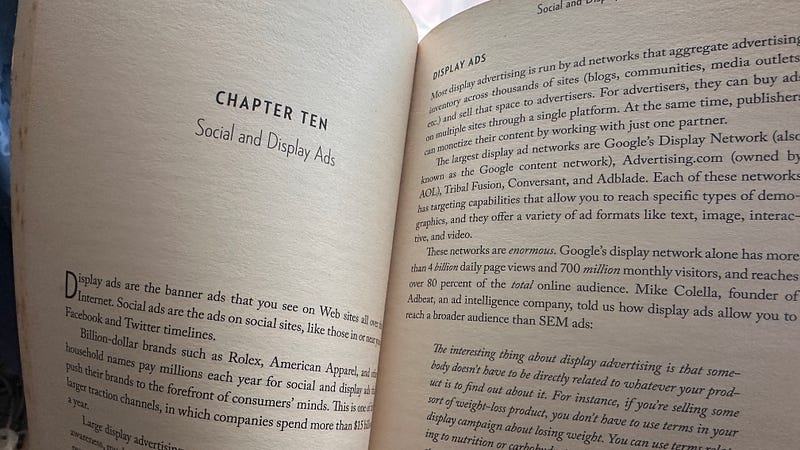
The book outlines nineteen different traction channels, ranging from traditional advertising to more unconventional methods, such as engineering as marketing.

Traction

What I appreciate most is the authors’ acknowledgment that there is no one-size-fits-all approach.

Each startup’s journey is unique, influenced by industry, target audience, and the specific nuances of the product or service offered.

Our journey with Favoriot mirrored this sentiment.

We experimented with several channels, experiencing varying degrees of success.

Photo by Proxyclick Visitor Management System on Unsplash

The Bullseye framework proposed by Weinberg and Mares proved invaluable in this process.

It guided us to methodically test different channels, evaluate their effectiveness, and focus our energies on the ones that yielded the best results.

This systematic approach demystified gaining traction, transforming it from a daunting challenge into a series of structured, manageable steps.

The book’s real-world examples and case studies add a layer of credibility and reliability.

Photo by Annie Spratt on Unsplash

Reading about founders’ experiences like Jimmy Wales and Alexis Ohanian, who navigated similar challenges and emerged victorious, was inspiring and enlightening.

It provided a sense of camaraderie, a reminder that even the most successful ventures had to confront and overcome the hurdle of gaining traction.

In implementing the strategies from “Traction,” we learned the importance of adaptability and persistence.

Photo by Annie Spratt on Unsplash

Only some channels worked for us, and some strategies required fine-tuning and patience.

The book emphasizes the need for continuous testing and iteration, a principle that became our mantra at Favoriot.

As we refined our approaches, based on the book’s guidance and our own experiences, we saw a tangible increase in our customer base and, consequently, our market presence.

However, “Traction” is not just a manual for gaining customers.

It’s a broader treatise on the mindset and approach required for startup success.

The authors advocate for a culture of experimentation, data-driven decision-making, and relentless focus on growth.

These lessons transcended the specific context of customer acquisition, influencing our company’s culture and ethos.

Photo by Per Lööv on Unsplash

In conclusion, “Traction” by Gabriel Weinberg and Justin Mares is a roadmap for startups to succeed in the business landscape.

Favoriot and I found the tools, frameworks, and inspiration to navigate our growth journey.

The lessons from this book have been integral to our successes and will undoubtedly continue to influence our strategies as we forge ahead.

For any entrepreneur grappling with the challenge of gaining traction, this book offers guidance and hope — a testament to the power of strategic thinking and perseverance in the face of daunting odds.


Grab the book Traction: How Any Startup Can Achieve Explosive Customer Growth from Amazon.

(Note: This article comprised of Affiliate links)


More book reviews by Mazlan Abbas:

https://mazlanabbas.com/get-backed-book-review-fb91fd20f88fhttps://mazlanabbas.com/get-backed-book-review-fb91fd20f88fhttps://mazlanabbas.com/get-backed-book-review-fb91fd20f88f

About Me (Part-5) — Mazlan Abbas

WIKIPEDIA STYLE

I asked AI to rewrite my biodata using Wikipedia. Here’s what AI has to say.

Dr. Mazlan Abbas

Not a member? Click here to read the whole story for free.

If you have enough information about your career life on the Internet, sooner or later, you will be able to get AI discover your name and make an article about yourself.

Below is what has been discovered by ChatGPT.

Dr. Mazlan Abbas

Dr. Mazlan Abbas is a distinguished Malaysian engineer, academic, and entrepreneur known for his extensive work in the Internet of Things (IoT) and telecommunications. He is the co-founder and CEO of FAVORIOT Sdn Bhd, a company specializing in IoT solutions.

Early Life and Education

Born on January 23, 1961, in Malaysia, Dr. Abbas pursued his passion for technology and engineering from an early age. He obtained his Bachelor of Electrical Engineering (BEE) with First Class Honours from Universiti Teknologi Malaysia (UTM) in 1984, followed by a Master of Science (MSc) in Telematics from the University of Essex, UK, in 1986. He later earned his Ph.D. in Telecommunications from UTM in 1993.

Career

Academia

Dr. Abbas’s career began in academia, where he spent over a decade at UTM, holding various positions from Assistant Lecturer to Associate Professor in the Faculty of Electrical Engineering. His work during this period laid the groundwork for future IoT and wireless communications endeavors.

Industry

Transitioning from academic to the corporate world, Dr. Abbas took on several leadership roles at CELCOM Axiata, contributing significantly to the development of Malaysia’s telecommunications infrastructure. His tenure at MIMOS Berhad as the Senior Director of the Wireless Communications Cluster further exemplified his commitment to innovation, leading to the development of numerous research prototypes and patents.

In April 2017, Dr. Abbas co-founded FAVORIOT Sdn Bhd, aiming to offer comprehensive IoT solutions for businesses seeking digital transformation.

Awards and Recognitions

Dr. Abbas has been recognized globally for his contributions to IoT and smart cities. Notably, he has been listed in Onalytica’s “Who’s Who in IoT,” ranked among the Top 50 Global Thought Leaders on IoT by Thinkers360, and awarded the title “Most Impactful Smart Cities Leaders” by the World CSR Congress.

Contributions to Academia and Industry

Beyond his corporate achievements, Dr. Abbas is an adjunct professor and sits on several universities’ Industry Advisory Panel (IAP), blending academic insight with industrial pragmatism. His commitment to education and innovation is evident in his numerous patents, publications, and active participation in technology and IoT conferences worldwide.

Personal Life

Dr. Mazlan Abbas is married and resides in Ampang, Selangor, Malaysia. He is fluent in Malay and English, allowing him to engage with various individuals across academia and industry.

Legacy

Dr. Abbas’s legacy is characterized by his tireless dedication to fostering a knowledge-based economy, mentoring future leaders, and advocating for IoT-driven solutions. His work advances technological innovation and contributes to societal well-being, making him a pivotal figure in Malaysia’s journey towards becoming a smart, connected nation.


About Me — Mazlan Abbas:

View at Medium.comView at Medium.comView at Medium.comView at Medium.com


Remember to Subscribe to receive email updates on every post I publish.

You can also follow my Medium Publications:

I have also published several eBooks, such as:

Or, if you prefer, check my bookstore at Gumroad — https://mazlanabbas.gumroad.com

I Earned 200X More on Medium Than on YouTube

6 MONTHS ON MEDIUM vs 13 MONTHS ON YOUTUBE

I learned the hard way and how you can avoid it too.

Photo by Alexander Grey on Unsplash

Not a member? Click here to read the full story for free.

It’s easier to make money on Medium than YouTube — Here’s why.

I have been on YouTube for the last 13 years, making videos.

Starting with pure entertainment and travel videos and moving to serious gadget reviews.

Just imagine that 13 years ago, making YouTube videos was more challenging than using smartphones today.

Editing is becoming so simple and easy to include any special effects.

Producing videos has changed, and the competition to get eyeballs is becoming more challenging.

Just take a look at some of the videos (the old ones) which was created more than ten years ago:

1 — First video, “How to reduce PDF file size using Mac OS Preview,” 13 years ago.

How to reduce PDF file size using Mac OS Preview

2 — First appeared on TV when iPad was introduced “Segmen Gizmo TV9 — iPad

Segmen Gizmo TV9 — iPad

3 — Then, I started to create travel videos — “A Walk from from Dubai Creek to Riviera Hotel — (with Fireworks Song)

A Walk from from Dubai Creek to Riviera Hotel — (with Fireworks Song)

4 — I also love to review the unboxing of items I purchased, such as “Review — Portable Muzetto from Waterfield Designs (for iPad and iPad Mini)

Review — Portable Muzetto from Waterfield Designs (for iPad and iPad Mini)

5 — Later, I started to use some editing techniques and introduced a new segment on gadget review such as “[How-To] — To Improve YouTube Quality Using Sony Wireless Bluetooth Microphone ECM-AW3

[How-To] — To Improve YouTube Quality Using Sony Wireless Bluetooth Microphone ECM-AW3

6 — Lately, I began to get more comfortable recording myself talking in front of a camera, such as giving some tips “Tip Startup #9 — Rahsia Mendapat Tontonan Video Yang Tinggi di Facebook

Tip Startup #9 — Rahsia Mendapat Tontonan Video Yang Tinggi di Facebook

I have created over 292 YouTube videos but only got a measly 583 subscribers.

My Gadget Channel

However, to monetize my YouTube channel, I have to comply with YouTube’s policy: “Users must have watched your content for at least 4,000 hours over the past 12 months. You need at least 1,000 subscribers,” which is impossible to achieve.

Overall — I earned zero cents from YouTube (for the last 13 years!)

Compared to Medium, when I joined the Medium Partner Program and started to write stories seriously, I saw a big difference in the earnings.

6 months earnings stats (Author)

That’s a total of $202.42! 200 times more than YouTube!


Here’s what I learned when trying to earn money from Social Media.

1—Monetizing on YouTube is not easy. It takes a lot of effort and consistency.
2—Enjoy the moment! Don’t get frustrated if your YouTube channel doesn’t gain much traction. Just capture the moments of your life or share your stories.
3—Focus on your strengths and find the right platform. The Medium platform is suitable for writers who are good at writing.
4—Pivot if you can’t gain the proper traction. Don’t wait too long to see your efforts go down the drain. Please find a new platform when one doesn’t favor you.


Remember to Subscribe to receive email updates on every post I publish.

You can also follow my Medium Publications:

I have also published several eBooks, such as:

The 4-Hour Work Week — Book Review

BOOK REVIEWS BY MAZLAN ABBAS

A Radical lifestyle overhaul.

The 4-Hour Workweek

Not a member? Click here to read the whole story for free.

The quest for a balanced life seems almost impossible, especially for an overworked employee or an entrepreneur caught in the never-ending cycle of business demands.

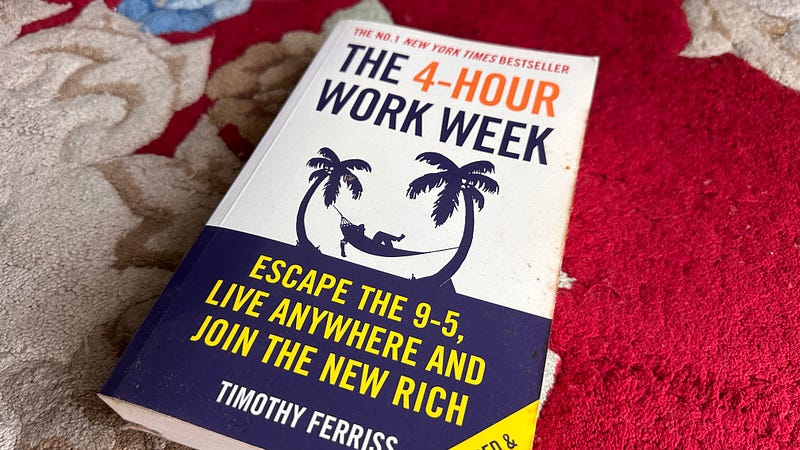
Yet Timothy Ferriss’s “The 4-Hour Workweek” presents a compelling narrative that challenges the traditional work paradigm and offers a tantalizing glimpse into a lifestyle that prioritizes freedom, efficiency, and fulfillment.

As I read through the pages of this book, I found myself absorbed in a philosophy that seemed almost too good to be true yet undeniably alluring.

Ferriss’s book is not just a manual for restructuring one’s work life but a manifesto for a radical lifestyle overhaul.

The premise is audacious yet simple: reconfigure your life’s work into a four-hour week, leveraging the dividends of time and mobility to live a more prosperous life, both figuratively and literally.

The idea of joining the “New Rich” (NR), a group that embodies the pursuit of lifestyle design over the traditional earn-and-retire scheme, is at the heart of this narrative.

As an overworked entrepreneur myself, the prospect of escaping the 9–5 grind, living anywhere, and reclaiming time as my own resonated deeply.

Ferriss provides a step-by-step guide to achieving this seemingly elusive goal, emphasizing eliminating inefficiencies, delegating tasks (notably through virtual assistants), and automating business processes.

The 4-Hour Workweek

The concept of outsourcing life tasks to focus on what truly matters was revolutionary and profoundly impactful.

One of the most enlightening sections of the book discusses the principle of a forgotten Italian economist, which advocates for focusing on the 20% of tasks that contribute to 80% of the results.

Applying this principle promises to reduce work hours and increase productivity and personal satisfaction dramatically.

The idea of achieving more with less is a principle that I found both applicable and transformative in my personal and professional life.

The narrative of Ferriss’s experiences, from tango dancing in Buenos Aires to skiing in the Andes, serves as a testament to the viability of this unconventional lifestyle.

These anecdotes are not mere boasting but illustrative examples of what becomes possible when we unshackle ourselves from the constraints of traditional employment.

Moreover, the book delves into the psychological barriers that often impede our willingness to embrace such radical change.

Fear, uncertainty, and the inertia of comfort are dissected, providing readers with a mental toolkit to overcome these obstacles.

The sections on cultivating selective ignorance and adopting a low-information diet were particularly transformative, offering strategies to reduce noise and focus on what is essential.

Yet, it is more than just about working less.

Ferriss also addresses the void that may arise when traditional work is absent, suggesting ways to infuse life with purpose and meaning beyond the workplace.

The book underscores the importance of creating a efficient and richly fulfilling life, whether through learning new skills, engaging in philanthropy, or pursuing passions.

However, it is crucial to acknowledge that “The 4-Hour Workweek” is not a one-size-fits-all solution.

The feasibility of Ferriss’s strategies can vary widely depending on individual circumstances, industry constraints, and personal responsibilities.

Nevertheless, questioning norms, challenging inefficiencies, and daring to live differently provide valuable insights for anyone entrapped by their work.

In conclusion, “The 4-Hour Workweek” is more than a book; it is a provocative challenge to the status quo and a blueprint for those daring enough to seek a different path.

It advocates for a life where work serves as a means to an end, not the end itself, promoting a lifestyle where freedom, passion, and productivity coexist.

Ferriss’s teachings offer hope and a call to action for overworked individuals seeking respite or entrepreneurs yearning for a new paradigm.

Whether fully embracing the “4-Hour” lifestyle or incorporating select principles, readers will find invaluable lessons in this transformative text.


Get this book, “The 4-Hour Workweek,” from Amazon. (Note: Affiliate links applicable)

About Me (Part-4) — Mazlan Abbas

WHAT AI DISCOVERS ABOUT ME

I asked ChatGPT whether Mazlan Abbas is suitable for a Board Member position in a Tech Company and why. This is the answer…

Mazlan Abbas — CEO of Favoriot

Not a member? Click here to read the whole story for free.

Dr. Mazlan Abbas appears highly suitable to become a board member of a tech company for several reasons rooted in his extensive experience and recognized leadership in the technology and IoT sectors:

  1. Proven Leadership and Expertise: As the co-founder and CEO of FAVORIOT Sdn Bhd and former CEO of REDtone IoT, Dr. Mazlan has demonstrated significant leadership and has been at the forefront of driving innovation in the IoT space. His roles have required strategic vision, a deep understanding of technology trends, and the ability to steer companies successfully in a competitive market.
  2. Acknowledged Thought Leader: Being recognized as a top thought leader in IoT and digital disruption signifies that Dr. Mazlan is well-versed in current technologies and has insights into future trends. His thought leadership can guide a tech company in identifying emerging opportunities and challenges, ensuring that the company remains ahead in innovation and strategic development.
  3. Extensive Industry Network: Dr. Mazlan’s extensive network, developed through his speaking engagements and participation in industry advisory panels, can be invaluable for a tech company seeking to expand its partnerships, customer base, and industry collaboration.
  4. Academic and Technical Acumen: His academic roles and contributions demonstrate a solid foundation in technology and an ability to bridge the gap between theoretical knowledge and practical application. This background could help a tech board make informed decisions that balance innovation with robust technical validation.
  5. Global Perspective: Dr. Mazlan’s involvement in international conferences and advisory panels offers a global perspective, which is crucial for tech companies operating in or expanding to international markets.
  6. Industry Recognition and Credibility: The numerous accolades and rankings reflect his credibility and the respect he commands in the tech and IoT communities. This recognition can enhance a company’s standing and influence in the industry.

In conclusion, Dr. Mazlan’s comprehensive expertise in IoT, his strategic and leadership experiences, and his academic and industry acknowledgments position him as a strong candidate for a board member role in a tech company, where he could provide strategic direction, innovation guidance, and industry insight.


View at Medium.comView at Medium.comView at Medium.com


View at Medium.com


Mazlan Abbas at TEDx Kenyalang (Video)

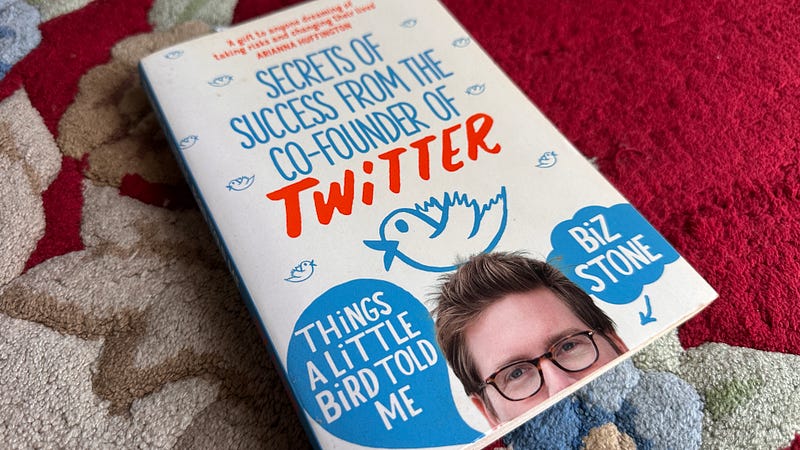
Things a Little Bird Told Me: Confessions of the Creative Mind — Book Review

BOOK REVIEWS BY MAZLAN ABBAS

The Rise of Twitter

Things a Little Bird Told Me

Not a member? Click here to read the whole story for free.

Biz Stone’s book Things a Little Bird Told Me captivated me.

It promised to give me insights into the mindset of a revolutionary entrepreneur who played a pivotal role in shaping modern communication.

Biz Stone, co-founder of Twitter, offers an autobiography and a treasure trove of lessons on creativity, resilience, and innovation, framed within the compelling narrative of his life and career.

Stone’s account is far from a conventional success story; it’s an intimate exploration of a creative mind navigating the tumultuous waters of the tech industry.

Through his experiences, we understand how a blend of curiosity, empathy, and audacity can drive monumental change.

This book isn’t merely a recount of Twitter’s rise; it’s a reflection on the personal qualities and philosophies that fuel enduring success.

One of the most striking aspects of Stone’s narrative is his unwavering optimism.

Despite setbacks and skepticism, Stone’s positivity is a powerful catalyst for transformation and growth.

This infectious attitude reminds us that our perspective on challenges can significantly influence their outcomes.

Things a Little Bird Told Me

Stone’s emphasis on creativity and rejecting linear thinking resonates deeply with me.

As someone who thrives on innovation, his approach is validating and inspiring.

The notion that “creativity never runs out” is a powerful antidote to the fear of stagnation and a call to explore and expand our creative horizons continually.

As Stone discussed, Opportunity creation is another cornerstone of entrepreneurial success.

His ability to see and seize potential where others don’t is a testament to his visionary outlook.

This proactive approach to opportunity is particularly relevant in today’s fast-paced world, where adaptability and foresight are key to staying ahead.

Empathy, a central theme in Stone’s book, is a critical ingredient for personal and global success.

Stone’s emphasis on understanding and connecting with others is a refreshing perspective in the tech world, where the focus is often on products and profits.

It underscores the importance of building products and companies that genuinely resonate with people and address their needs and aspirations.

Stone’s candid discussions on failure and vulnerability are both comforting and enlightening.

In an era where success stories are often sanitized and polished, Stone’s openness about his struggles and missteps is a powerful reminder of the messy, nonlinear path to achievement.

His resilience and ability to learn from failure are crucial lessons for anyone aiming to make their mark.

The book also delves into the nuances of ambition and corporate culture, offering valuable insights for aspiring entrepreneurs and established leaders.

Stone’s reflections on fostering environments that encourage innovation and respect individuality are particularly impactful.

They highlight the significance of cultivating spaces where creativity and collaboration can flourish.

Reading “Things a Little Bird Told Me” has been an enriching experience. Biz Stone’s journey offers a unique lens to view the intersection of technology, business, and human values.

His stories and insights provide a robust framework for understanding what drives entrepreneurial success and how to cultivate the qualities that underpin it.

In conclusion, Biz Stone’s book is more than an autobiography or a business manual; it’s an invitation to think deeply about the values, attitudes, and approaches that shape our endeavors.

Whether you’re an entrepreneur, a creative professional, or simply someone interested in the workings of an incredible entrepreneurial mind, this book offers valuable lessons and perspectives.

It’s a testament to the power of creativity, empathy, and perseverance in crafting a meaningful and impactful career and life.


Get this book “Things a Little Bird Told Me,” from Amazon (Note: Affiliate links apply)


More Book Reviews by Mazlan Abbas:

1 — Ninja Innovation — Book Review

https://mazlanabbas.com/ninja-innovation-book-review-3f2125e02a84

2 — Starting a Tech Business — Book Review

https://mazlanabbas.com/ninja-innovation-book-review-3f2125e02a84

3 — The Science of Growth — A Book Review

https://mazlanabbas.com/ninja-innovation-book-review-3f2125e02a84

4 — Internet of Things from Scratch — Book Review

https://mazlanabbas.com/ninja-innovation-book-review-3f2125e02a84

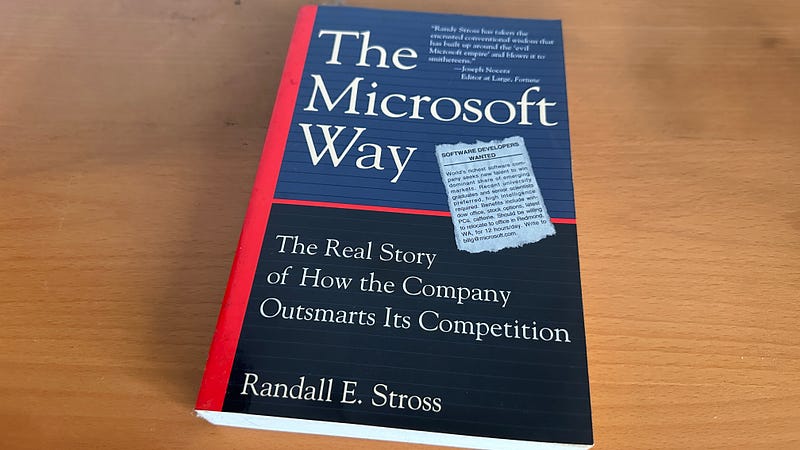
The Microsoft Way — Book Review

BOOK REVIEWS BY MAZLAN ABBAS

The philosophical underpinnings that have driven Microsoft’s ascension.

Not a member? Click here to read the whole story for free.

Reflecting on “The Microsoft Way” by Randall E. Stross evokes a sense of nostalgia and enlightenment in me as it meticulously unravels the ethos and practices that propelled Microsoft into the pantheon of tech giants.

I’m currently reading Stross’s thorough research and insights into Microsoft’s journey.

I can’t help but see parallels between their experiences in the tech industry and my own experiences during my time at various high-tech and educational institutions.

Photo by Lumière Rezaie on Unsplash

The Microsoft Way” does not merely recount the success story of a corporation; it delves deep into the philosophical underpinnings that have driven Microsoft’s ascension.

The book underscores Microsoft’s penchant for recruiting exceptionally bright minds — a principle I resonated with deeply, given my commitment to fostering intellectual rigor and innovation in the organizations I’ve been part of.

Stross highlights Microsoft’s culture of nurturing intelligence and creativity, something I’ve always endeavored to cultivate within my teams at REDtone IOT and MIMOS Berhad, as well as as an educator.

The emphasis on hiring not just skilled individuals but the brightest in the field echoes my belief in the transformative power of exceptional talent.

Moreover, the narrative around Microsoft’s approach to staying agile and responsive to market dynamics aligns with the strategic pivots I’ve witnessed and orchestrated in IoT and smart cities.

As Microsoft did in embracing the internet and multimedia, the ability to adapt and evolve mirrors the ethos I’ve championed in steering companies and academic departments toward innovation and relevance in a rapidly changing tech landscape.

The book also illuminates Microsoft’s commitment to empowering and promoting equality within its workforce, cultivating an environment where ideas thrive, and innovation abounds.

This resonates with my leadership philosophy, which has been to strive to create environments that champion collaboration, equity, and intellectual curiosity, whether in corporate settings or academia.

Photo by Tim van der Kuip on Unsplash

Stross’s portrayal of Microsoft’s response to competitive challenges and regulatory scrutiny offers invaluable lessons in resilience and strategic foresight.

As someone who has navigated the complex interplay of technological advancements, market forces, and regulatory environments, these insights are particularly pertinent and instructive.

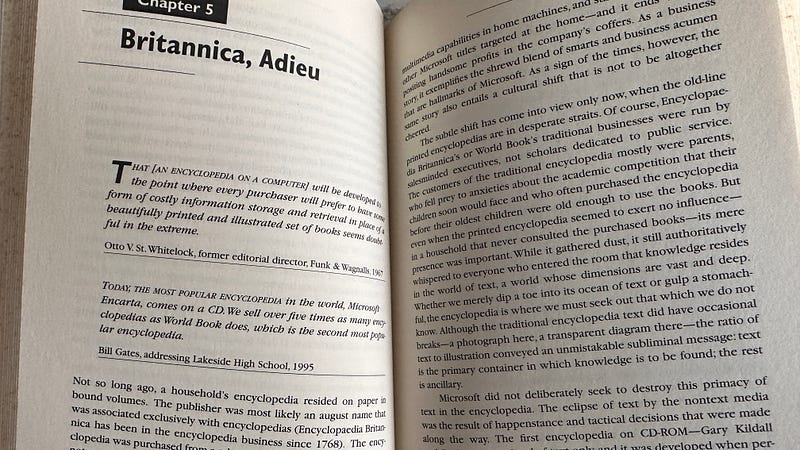
The discussions around Microsoft’s Encarta and its forays into multimedia and the internet provide a compelling study of how vision, perseverance, and adaptability can drive success even in uncharted territories.

Photo by Surface on Unsplash

These narratives echo my experiences in pioneering IoT and smart city initiatives, where embracing innovation and venturing into new domains were imperative for impact and growth.

Moreover, juxtaposed with its achievements and contributions, the book’s examination of public perceptions and criticisms of Microsoft prompts reflection on the broader societal impacts of technological advancements.

Whether as a CEO, an academic, or a speaker, I’ve contended with similar paradigms of scrutiny, misperception, and the responsibility accompanying influence and success.

Photo by ThisisEngineering RAEng on Unsplash

In essence, “The Microsoft Way” offers a profound and multifaceted exploration of a tech titan’s ethos and strategies, resonating with my experiences and the dynamics of the larger tech landscape.

It chronicles Microsoft’s journey and guides those interested in the intricate interplay of innovation, leadership, and societal impact within the tech industry.

The principles and insights gleaned from the book continue to inform and inspire my approach to leadership, strategy, and innovation.

The enduring significance of Microsoft’s evolution within the dynamic interplay of technology and society is truly remarkable.


Grab the book “The Microsoft Way” from Amazon.


More Book Reviews by Mazlan Abbas:

1 — Ninja Innovation — Book Review

2 — Starting a Tech Business — Book Review

3 — The Science of Growth — A Book Review

4 — Internet of Things from Scratch — Book Review

The First Quarter of 2024 Medium Earnings Report — This is What I Found Out

EARNINGS REPORT

Learning how the Medium algorithm works.

Photo by Myriam Jessier on Unsplash

Not a member? Click here to read the whole story for free.

This is the time to check out the earnings stats.

You will be reading more from others to understand how the writing performs and how the Medium algorithm works.

I have always said that Medium works in very mysterious ways.

Some expected stories earned a lot more than the rest, while some that you expected to be of higher quality — flopped.

I tried to gather data from the first quarter of 2024 and see if there was any conclusion I could draw from these statistics.

January 2024
– Views = 37K
– Reads = 724
– Total Earnings = $68.55
– Earnings per Read = $0.095
– Highest Earning Article = Lessons Learned Before and After Joining Medium Partner ($12.62)

February 2024
– Views = 52K
– Reads = 828
– Total Earnings = $30.87
– Earnings per Read = $0.037
– Highest Earning Article = Utilising AI Assistance to Analyze My Medium Articles (Discover My Findings) ($5.13)

March 2024 (Updated till the end of March 31st)
– Views = 24K
– Reads = 803
– Total Earnings = $40.49
– Earnings per read = $0.05
– Highest Earning Article = Why the Success of Smart City Projects Depends on People and Talent ($4.69)

Note: Many writers, including Lea Bardot, tried to understand Medium’s algorithm, including the earnings per read ratio. But I guess, referring to my last three months’ stats, the earning per-read ratio can’t be used as a reference.

I still believe Medium gave very simple tips on gaining more earnings but will not give the exact formula. It all depends on the number of clappers, highlighters, commenters, and followers after reading the article.

Photo by Austin Distel on Unsplash

High views vs Low Reads — Do not correlate.

You might wonder why my views reached thousands, yet my reads are less than 1,000.

It does not correlate, right?

It boils down to how I share my stories with my mailing list (more than 8,000).

Imported Mailing List

Please note that most are email subscribers, which I imported from another mailing list, not a Medium member.

The reason is that I have collected emails from different blogs, but finally, I decided to use only a single blog to share any of my posts. I have migrated and hosted this blog on Medium.

Since most of the mailing list subscribers are non-Medium members, I decided to make the story non-paywall.

Whenever I published and enabled the email notifications, thousands of them probably received them instantly and might not click the link to Medium. However, Medium still counts them as “views”.

The actual number of “reads” is from Medium members.

Change of Posting Strategy — Paywall Stories with Friend’s Link

However, in the middle of March, I decided to change my strategy.

I decided to enable all the articles as a paywall (only Members can view them). However, non-members can view it by clicking “friend’s link,” which bypasses the paywall. However, I will not be able to earn anything from them.

In this way, I will be able to observe whether the people who receive the email notifications really want to read the story by clicking that link.

Thus, the impact of the stats for the number of views will be more realistic in figures.

Photo by Mufid Majnun on Unsplash

This is What I Found Out

  • Make all your stories behind a paywall and let non-members click the friend’s link. This will show how effective or attractive your article is.
  • Since my mailing list combines information from various sources, some will start to unsubscribe because the content might not be related to their interests, and some will find the email notifications “too much” for them.
  • However, combining into a single mailing list reduces my work posting different content. Now, I can reach 25,000 email subscribers for free instead of paying more for Mailchimp or any other Email Service Provider.
  • I will only enable the mail notifications if stories are worth sharing with the 8,000 email subscribers. I will only enable them sometimes. This way, they might feel free of different topics that might not be of interest to them.

I would like to hear your strategy for using paywall or non-paywall features, including when you enable email notifications. Kindly share in the comments section.


Join more than 8,000 email subscribers to receive notifications whenever I publish.

https://mazlanabbas.com/subscribe