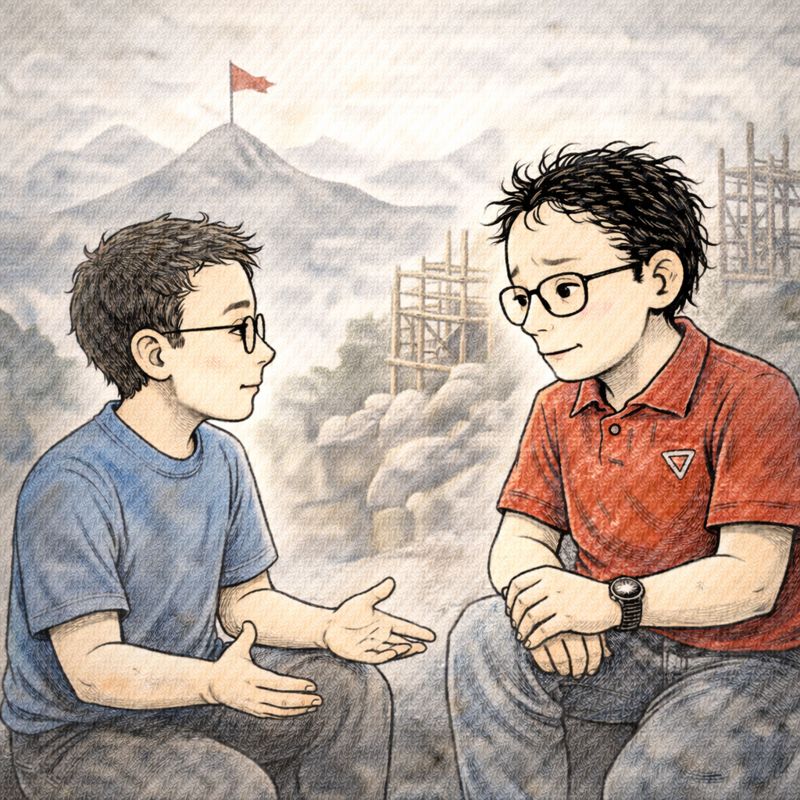
What I Would Tell My Younger Self About Building Anything Worth Keeping

Take your time.

Learn the terrain before trying to conquer it.
Respect people more than speed.
Accept uncertainty earlier.

And understand this.

The work that lasts often feels slow while you are inside it.

If it feels quiet, steady, and demanding, you are probably building something real.

And that is enough.

Why Experience Rarely Shouts but Often Whispers

Experience does not interrupt you.

It nudges.
It hints.
It quietly warns.

You learn to listen differently. To pause before reacting. To notice unease before excitement.

Wisdom waits for attention. It does not demand it.

What Staying Power Looks Like When No One Is Watching

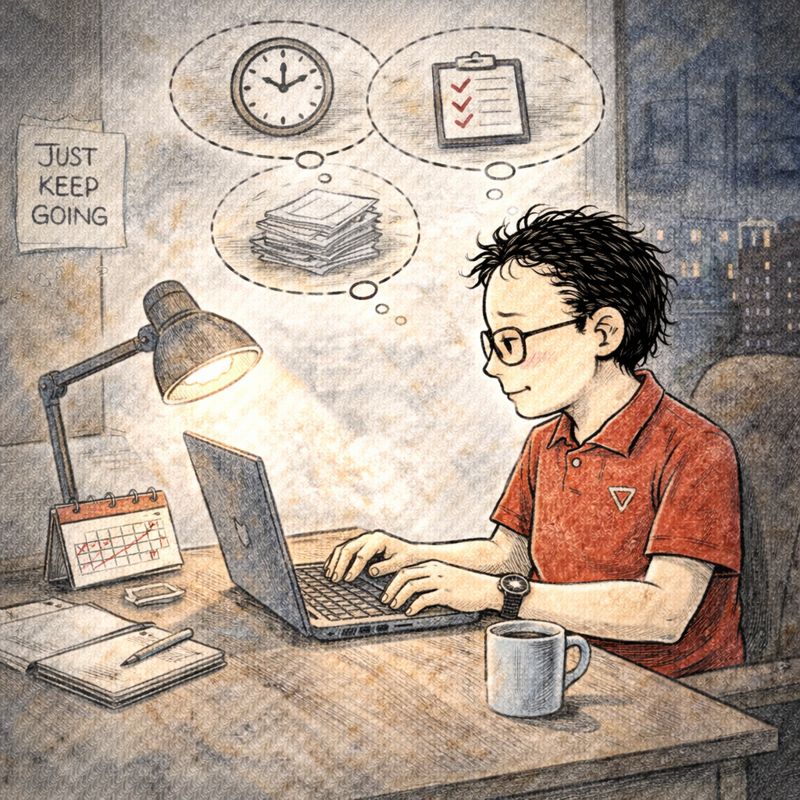
Staying power is unglamorous.

It looks like repetition.
Routine.
Patience.

It rarely trends online.

Yet this is where meaningful work happens. When motivation fades and only discipline remains. When results are slow and faith carries the effort.

Consistency builds what intensity cannot sustain.

How My Definition of Progress Changed Over the Years

Progress once meant expansion.

More projects.
More exposure.
More growth.

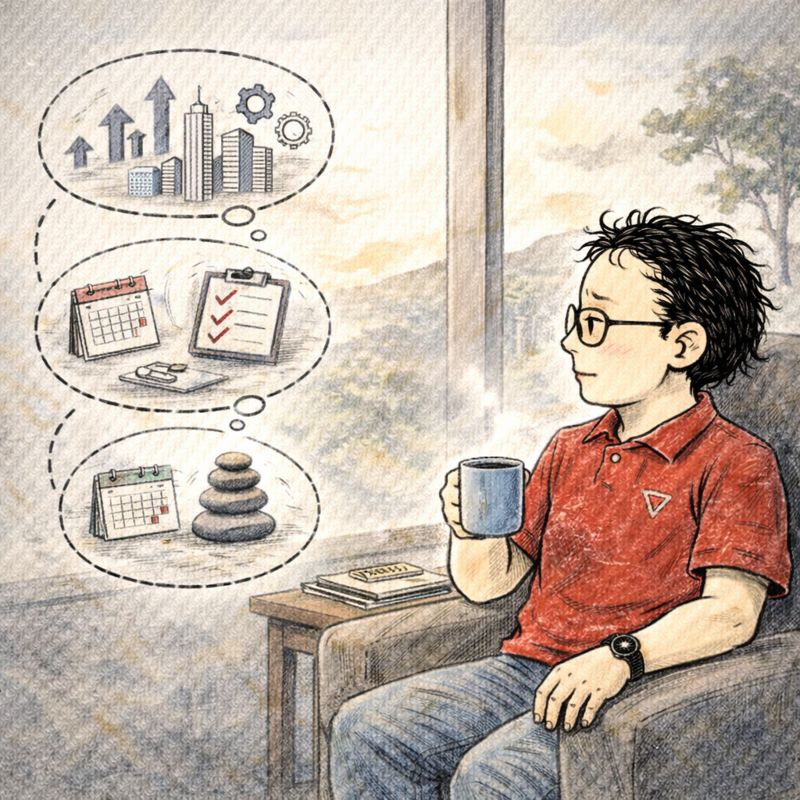
Today, progress looks different.

Fewer distractions.
Better systems.
Stronger fundamentals.

Stability with purpose has become more valuable than constant motion.

Progress feels quieter now. And more real.

Why Some Partnerships Age Well and Others Don’t

Partnerships do not survive on excitement.

They survive on trust, alignment, and shared expectations.

When conditions change, weak foundations surface quickly. Strong ones adapt quietly.

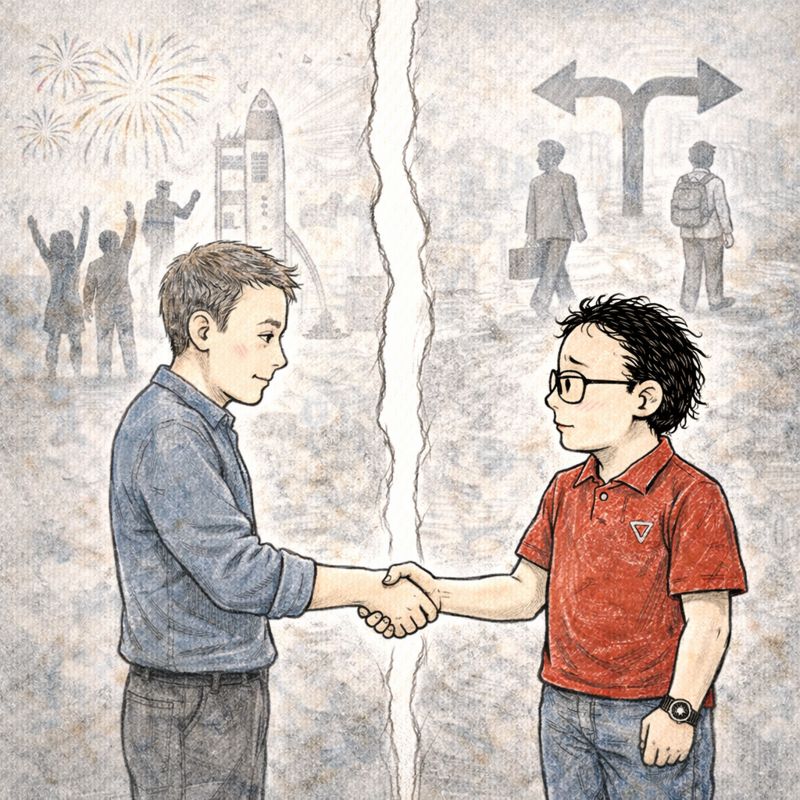
Some partnerships end not because of failure, but because growth pulls people in different directions.

Learning to let go without resentment is part of maturity.

What Years of Meetings Taught Me About Human Behaviour

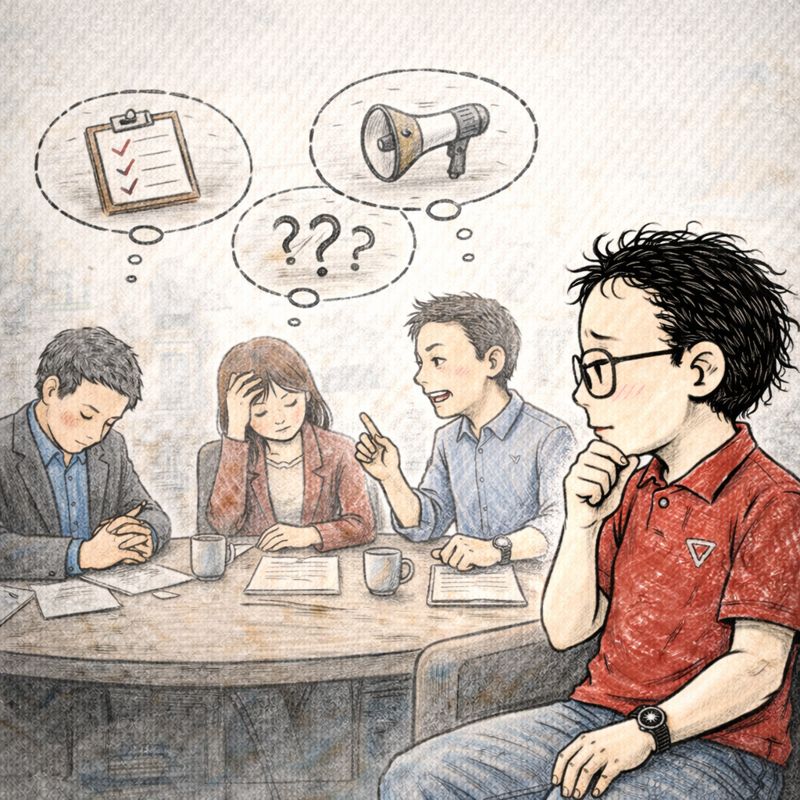
Meetings are one of the best places to study people.

Who listens and who waits to speak.
Who takes responsibility and who deflects it.
Who seeks clarity and who hides behind complexity.

After years of meetings across universities, corporations, government agencies, and startups, patterns become obvious.

People rarely change styles. They repeat them.

Understanding this helps you choose collaborators wisely and avoid unnecessary friction.

The Cost of Moving Fast Without Understanding Timing

Speed can be expensive.

Launching too early.
Pushing before readiness.
Forcing alignment.

Timing is invisible until it is missed.

The doodle character hesitates here. Not fearful. Just aware.

Momentum without timing creates friction.

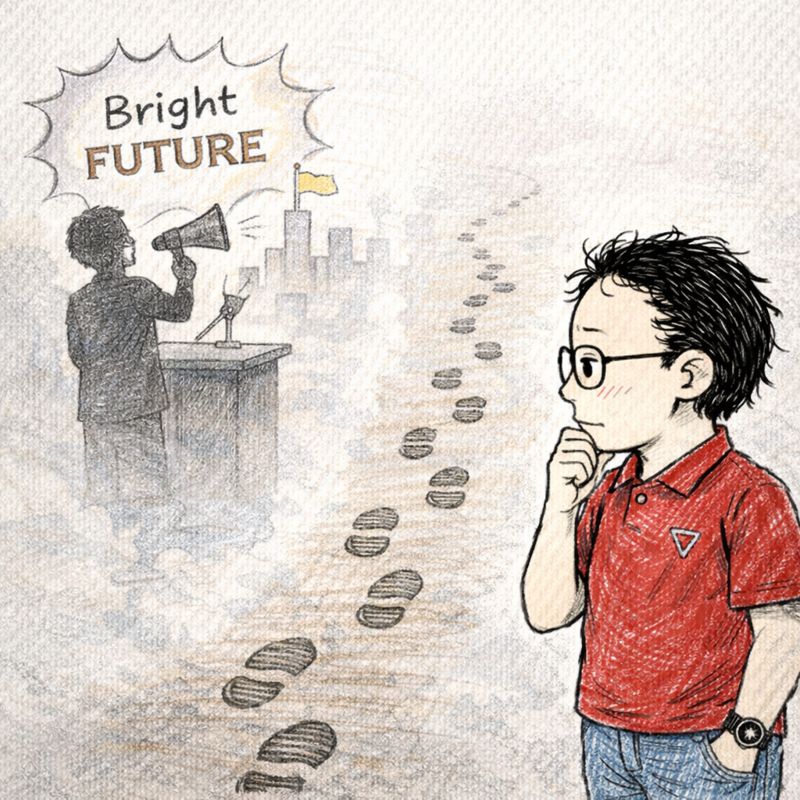
Why I Prefer Small Signals Over Big Promises

Big promises are easy to make.

Small signals are harder to fake.

Who shows up repeatedly.
Who follows through quietly.
Who remains steady when things slow down.

The doodle character notices footprints rather than banners.

Signals age well.
Promises don’t always.

The Calm That Comes After You Accept Uncertainty

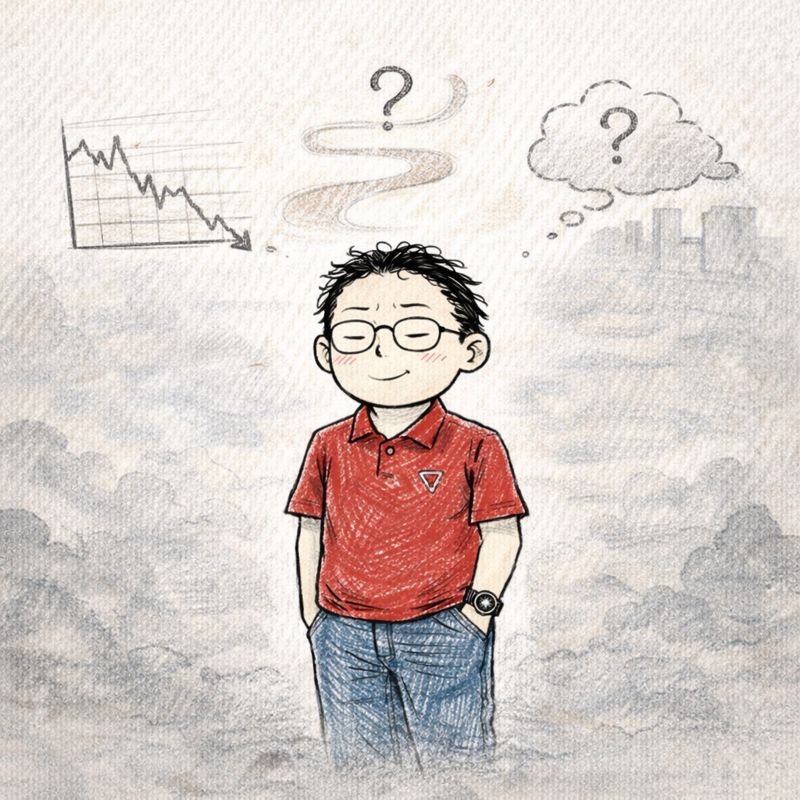
At some point, you stop trying to predict everything.

Not because you stopped caring.
But because you understood the limits of control.

Uncertainty stops feeling like a threat.
It becomes a condition of the work.

The doodle character walks calmly here. Shoulders relaxed.

Acceptance brings calm.
Calm improves decisions.

How Constraints Sharpen Judgment Over Time

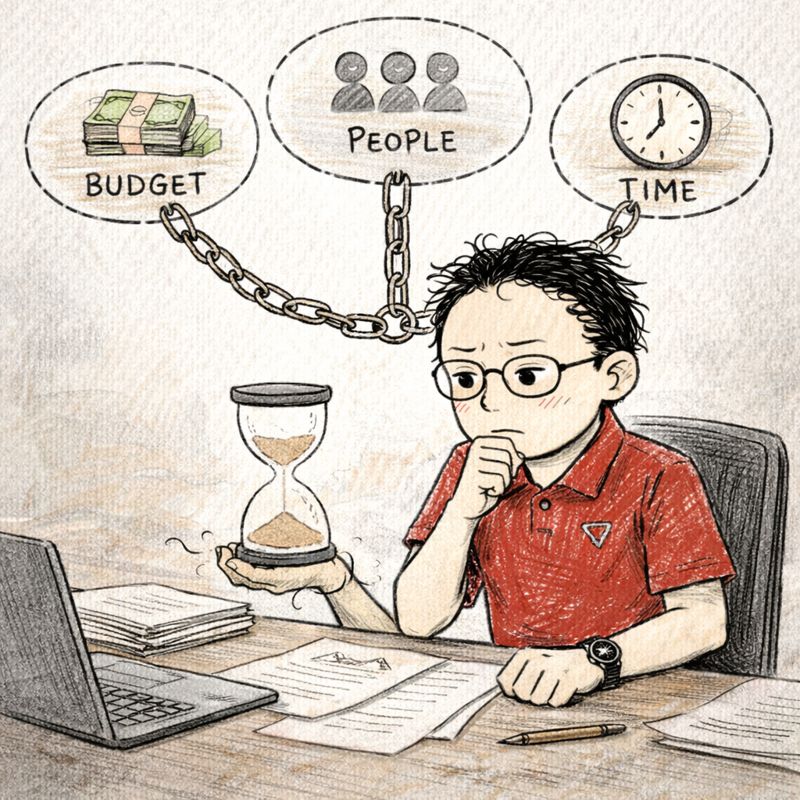
Early in my career, I saw constraints as obstacles.

Not enough budget.
Not enough people.
Not enough time.

I thought freedom would make better decisions easier.

The opposite turned out to be true.

Constraints force clarity. They strip away fantasy. They demand prioritization. When resources are limited, you cannot afford vague thinking.

Some of my best decisions were made under pressure, not comfort.

Constraints taught me what truly matters and what merely looks good in presentations.