Medium Uninvited Guests – Crypto Spammers

SPAM OR FAKE?

Have you received notifications of such followers lately?

Photo by Jievani Weerasinghe on Unsplash

I was very frustrated!

There I was, the little notification bell ringing cheerfully on my social media account, signaling new followers – yay, right?

The thrill of connecting, the anticipation of engaging conversations, and the excitement of expanding my digital footprint.

I mean, who doesn’t love that ping of validation? But then, the disappointment set in.

It started subtly.

At first, a couple of new followers here and there, their profiles gleaming with blockchain buzzwords and crypto catchphrases.

I thought, “Okay, diversity in my follower base, that’s cool.”

But soon, the trickle became a flood.

My notifications were no longer about genuine connections or people interested in my content.

Instead, they were dominated by these crypto enthusiasts, or should I say, evangelists?

Don’t get me wrong – I understand that cryptocurrency is a hot topic.

It’s revolutionary, it’s reshaping finance, it’s… everywhere.

But when I checked these profiles, my heart sank a bit.

They were void of personality, mere shells pushing the latest in digital currency dogma.

No personal photos, no biographies, just a relentless stream of crypto content.

It felt like every notification was an invitation not to connect but to be converted.

To what, you ask? A believer in the unstoppable march of cryptocurrency, apparently.

What’s more, there seemed to be an unspoken expectation that I should follow back.

As if my digital endorsement was a given, just because they clicked ‘follow’ on my profile.

But follow back whom, exactly?

A faceless, impersonal account that offered me no glimpse of the person behind the crypto curtain? It felt like the social media equivalent of a cold call, and it left me cold indeed.

I began to miss the days when a new follower meant a potential new friend or at least someone genuinely interested in what I had to say.

I missed the diversity of content, the heartfelt personal story, the passionate hobbyist sharing their latest project.

Instead, my followers notification feed started to look like a ticker tape of the crypto stock exchange.

And the irony?

InMedium to escape the constant bombardment of impersonal marketing and targeted ads, seeking instead a semblance of genuine human connection.

Yet here I was, facing an onslaught of faceless, fervent crypto crusaders, all expecting me to join their ranks, read their gospel, and perhaps, invest my hard-earned money into their digital dream.

It’s not that I’m anti-crypto.

I’m not.

I respect innovation and the drive to create new paradigms.

But when the line between connection and marketing blurs, when every new follower is just another sales pitch in disguise, it’s hard not to feel a bit disillusioned.

It’s becoming an annoyance.

I yearn for the days when my follower list was a tapestry of diverse, colorful threads, each representing a unique individual with their own stories, interests, and perspectives.

Not just a sea of sameness, awash with the cold, hard sheen of cryptocurrency.

But here’s the thing – I still believe in the power of social media to forge genuine connections, to bridge divides, and to foster community.

So I won’t be deterred.

I’ll keep sifting through the crypto chaff, looking for those golden grains of true engagement.

Because at the end of the day, it’s those real, human connections that matter most to me.

And who knows?

Maybe some of those crypto enthusiasts are real people seeking genuine interaction, too.

How about you? Do you receive the same kind of followers too?
Business Model You — Book Review

Best Startup Books — A Book Review by Mazlan Abbas

A One Page Method for Reinventing Your Career.

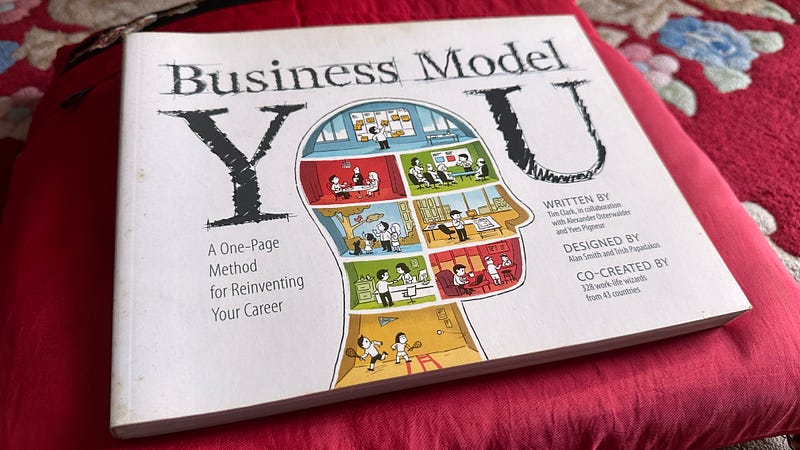
Business Model You: The One-Page Way to Reinvent Your Work at Any Life Stage

[Note: Click here to have FREE access to this member-only story]

I recently got my hands on a fascinating book titled “Business Model You: The One-Page Way to Reinvent Your Work at Any Life Stage,” and it was an eye-opener!

This book is not just another career guide; it’s a transformative tool that encourages you to rethink your professional life on a single page. Yes, you heard that right — one page!

The core concept of the book is built around the idea of personal business modeling.

We’re all familiar with business models in the corporate world, but applying this framework to one’s career is both innovative and incredibly powerful.

The book is structured to help you understand, deconstruct, and rebuild your career aspirations using the Business Model Canvas, a strategic management tool adapted for personal use.

The authors break down the traditional employment mindset, challenging you to view your career as a personal business.

This perspective shift alone was worth the dive into the book.

It nudges you to consider yourself a service provider and your employers or clients as customers.

This approach forces you to clarify your value proposition, understand your market, and articulate how you differentiate yourself from others.

What really stands out is the book’s practicality.

It’s filled with exercises, real-life examples, and step-by-step guides that will help you create your own personal business model.

I found the exercises to be introspective and sometimes challenging but always enlightening.

They pushed me to reflect on my career path, identify my skills and passions, and think critically about how I can align my work with my personal values and goals.

Business Model You” is also visually appealing, which I didn’t expect from a career development book.

The use of diagrams, charts, and illustrations makes the content accessible and engaging, which is a huge plus when you’re tackling complex ideas like personal business models.

Business Model You: The One-Page Way to Reinvent Your Work at Any Life Stage

One of the most valuable sections, for me, was the one that dealt with reinvention.

The book acknowledges that our careers are not static and that we evolve as individuals.

The idea that you can revisit and revise your business model as you grow and as the market changes is empowering.

It reminds us that we are not stuck in one trajectory and that we have the agency to change course.

Another aspect of the book I appreciated was the focus on community and networking.

The authors emphasize the importance of external relationships in your business model, suggesting that who you know and collaborate with can be as important as your individual skills and experiences.

This holistic approach to career planning feels particularly relevant in today’s interconnected world.

By the end of the book, I felt equipped with a new framework for thinking about my career.

Creating my own one-page business model was a clarifying experience, helping me articulate what I want from my work and how to achieve it.

The book demystifies career development, making it feel more like a creative project than a daunting task.

In conclusion, “Business Model You” is a must-read for anyone looking to understand and reinvent their career.

Whether you’re just starting out, contemplating a career change, or looking to inject new life into your current path, this book offers valuable insights and tools.

It’s more than just career advice; it’s a blueprint for a more fulfilling professional life tailored entirely to you.

If you’re feeling stuck, uncertain, or just curious about what your career could be like, read this book.

It’s a refreshing departure from the one-size-fits-all career advice out there, offering a personalized approach to work and success.

I plan to revisit my business model in a few months to see how it evolves.

With “Business Model You,” your career is a dynamic, ever-evolving project, and that’s an exciting proposition.


Grab this book “Business Model You” from Amazon


Other Startup Books Review by Mazlan Abbas:

1 — The Lean Startup

https://mazlanabbas.com/the-lean-startup-a-book-review-91b457b1a4ce

2 — The Science of Growth

https://mazlanabbas.com/the-lean-startup-a-book-review-91b457b1a4ce

3 — The Samsung Way

https://mazlanabbas.com/the-lean-startup-a-book-review-91b457b1a4ce

What Medium Writers and Musicians Have in Common That You Should Know

Both musicians and writers are all about connecting with their audience.

Photo by Luwadlin Bosman on Unsplash

Not a member? Click here to read this full story for free.

Did you know that being a writer on Medium is a lot like being a musician?

It’s a pretty cool comparison because both gigs involve getting creative, putting in the work, and connecting with people.

Here are the common reasons why Medium writers are like the rock stars or indie artists of the writing world.

1. Getting Creative

So, whether you’re strumming a guitar or typing away, it’s all about letting your creativity flow.

Musicians mix melodies and lyrics to hit us right in the feels or get us thinking.

Medium writers?

They’re doing their thing with words, painting pictures in our minds, stirring up emotions, or dropping some knowledge.

Every note or word is like a little piece of a bigger masterpiece, making us sit up and pay attention.

2. Skills Matter Too

Alright, having a wild imagination is great, but you’ve got to have the skills to back it up.

Musicians need to know their way around their instruments, get the theory down, and keep their ears sharp.

Writers on Medium?

They have to nail their grammar, structure their stories correctly, and do their homework to ensure their writing is on point.

Being able to blend all that technical know-how with your creative side is what sets the real pros apart.

3. Practice Makes Perfect

Photo by Chase Yi on Unsplash

Whether you’re aiming to be the next big thing in music or writing, you’ve gotta put in the time.

Musicians live and breathe their tunes, practicing for hours and consistently trying to up their game.

Writers on Medium are in the same boat, constantly drafting, editing, and fine-tuning their pieces.

Plus, reading helps them stay sharp and in tune with what’s hot.

It’s all about that grind to get better.

4. It’s Showtime

Here’s where it gets real.

Both musicians and writers are all about connecting with their audience.

Musicians hit the stage, pouring their hearts out and hoping to make a lasting impression.

Medium writers?

They hit ‘publish,’ sharing their thoughts or stories and looking to spark conversations or share new perspectives.

Getting feedback is key in both scenes, helping artists grow and vibe with their fans.

5. Better Together

Photo by Austin Loveing on Unsplash

Even though writing and making music can feel like solo journeys, they’re pretty communal.

Musicians jam with other artists or work with producers to find their sound.

On Medium, writers can collaborate with editors or bounce ideas off other writers.

Plus, there’s this whole community vibe where everyone shares the highs and lows and roots for each other.

6. Keeping It Real

At the end of the day, it’s all about being true to yourself.

Musicians use their tunes to share their stories or take a stand.

Medium writers?

They pour their experiences, opinions, and life lessons into their articles.

This real talk strikes a chord with folks and makes the work stand out.

7. Always Evolving

Both music and writing never stand still—they’re always morphing, with artists trying out new styles or exploring fresh ideas.

Musicians might mix genres or play with new sounds, while Medium writers could experiment with different kinds of articles, mix in some multimedia, or tackle the latest hot topics.

It keeps things exciting and forward-moving.

8. Leaving a Mark

Photo by Kobe Subramaniam on Unsplash

Lastly, both musicians and writers on Medium have this chance to leave a mark, to create something that will last and make a difference.

Music has the magical power to transcend time and cultures, and great writing can shift views, kickstart conversations, or just stay with someone long after they’ve read it.

It’s all about making stuff that matters and lasts.

So, to wrap this up, seeing Medium writing as a kind of musicianship highlights how both paths involve pouring out one’s heart, honing one’s craft, and touching lives.

Whether you belt out a tune or craft a killer article, you’re making art that resonates and sticks with people.

And that’s pretty awesome, right?


https://mazlanabbas.com/subscribe

Why Managing a Smart City Command Centre is a Headache and How to Overcome This

Smart City Landscape

Plan early to avoid unnecessary costs and further investments.

Photo by Kevin Ku on Unsplash

Not a member? Click here to read this story for free.

The vision of Smart Cities has evolved from a mere concept to a strategic framework within reach.

My experience consulting for local governments has shown me their ambition to weave technology into our urban infrastructure.

Nevertheless, this path to an idealized future has its challenges.

I intend to share insights from a recent endeavor to streamline Smart City governance through a unified interface known as the Single Dashboard.

The Single Dashboard Dilemma

Local authorities embarking on the Smart City journey aim to untangle the complex web of urban management.

Anticipation is high for the Single Dashboard, envisioned as a central hub to oversee various city functions.

But this quest for simplification ironically introduces new layers of complexity.

The Challenge of Vendor Dependence

The specter of vendor dependence is a recurring stumbling block.

It’s common for local bodies to become entwined with certain technology providers unintentionally.

Far from abstract, this entanglement manifests as hefty investments in exclusive hardware and software.

Caught in this bind, the councils’ ability to maneuver and innovate is paradoxically restricted, belying the very nature of the adaptable systems they strive to deploy.

Breaking Down Data Barriers

Photo by Joshua Sortino on Unsplash

Data silos present a formidable challenge in the modern cityscape.

Data should flow freely, nourishing the urban processes, yet it often remains isolated within non-cooperative systems.

This division hampers the smooth operation of the city’s gears and deprives us of the full potential of data-informed governance.

The Quest for Cohesive Insights

“Let us break down the barriers of data silos and vendor constraints, for in unity and open standards, we find the keystones of a city that is not only smart but wise.”

Tied closely to the problem of siloed data is the struggle to gain cohesive insights.

Navigating disparate dashboards and data pools to piece together a comprehensive city view is daunting.

Without the capability to derive wide-ranging insights, strategic planning becomes a game of chance rather than a calculated endeavor.

The Promise of the Integrated IoT Platform

Photo by Christina @ wocintechchat.com on Unsplash

In the face of these challenges, I’ve discovered a new hope — the Integrated IoT Smart City Platform.

This platform is poised to act as the city’s central command, allowing diverse technologies to meld into a singular, adaptable interface.

Opening the Gateway with Open Standards

Embracing this platform means breaking free from proprietary chains.

It encourages the seamless integration of both new and existing systems through open standards.

This liberates councils from vendor constraints and clears the path for a more developer-friendly, cost-effective approach to urban management.

The Financial Upside

A welcome byproduct of this integration is a noticeable decrease in costs.

By sidestepping the need for proprietary solutions, cities conserve resources and secure their technological investments from becoming outdated.

Laying the IoT Foundation

“As we lay down the IoT foundation for our Smart Cities, we are building more than infrastructure; we are crafting a legacy of resilience, creativity, and collective intelligence for generations to come.”

The essence of the Single Dashboard lies in deploying the Internet of Things (IoT).

Far from being a trendy term, IoT is the cornerstone of this framework, offering live monitoring and governance of city infrastructure.

The IoT sensors and devices capture detailed data, fueling the Smart City Platform with actionable intelligence.

A Panoramic Perspective

Crafted atop this innovative platform, the Single Dashboard isn’t just an interface — it’s a comprehensive lens that brings the city’s pulse into focus.

This panoramic view enhances the ability to address city life’s intricate dynamics swiftly.

Harnessing AI for a Truly ‘Smart’ City

Artificial Intelligence (AI) and Machine Learning (ML) further amplify the platform’s potential.

These technologies transform raw data into predictive power and automated management, propelling us toward a future where cities think and learn.

The Cradle of Innovation

The platform also serves as a crucible for creativity.

Leveraged by open standards and cost-effectiveness, local authorities are equipped to pilot innovative projects.

Herein lies the opportunity to unlock the full creative capacities of tech specialists and city planners, giving rise to pioneering solutions tailored to the unique heartbeat of our urban environments.


To wrap up, charting the course toward a Smart City is intricate and laden with obstacles such as vendor lock-in, isolated data, and scattered insights.

Yet, the Integrated IoT Smart City Platform illuminates a path that promises to streamline urban management, spark innovation, and reshape our cities into thriving hubs of livability and resilience.

For local councils, adopting this forward-thinking blueprint is a decisive step toward a smarter, brighter urban tomorrow.


The Favoriot IoT Platform has been deployed as a Smart City Platform. Contact Favoriot to schedule an appointment for further clarification or discussion.

Get Backed — Book Review

Best Startup Books — A Book Review by Mazlan Abbas

Craft Your Story, Build the Perfect Pitch Deck, and launch the Venture of Your Dreams.

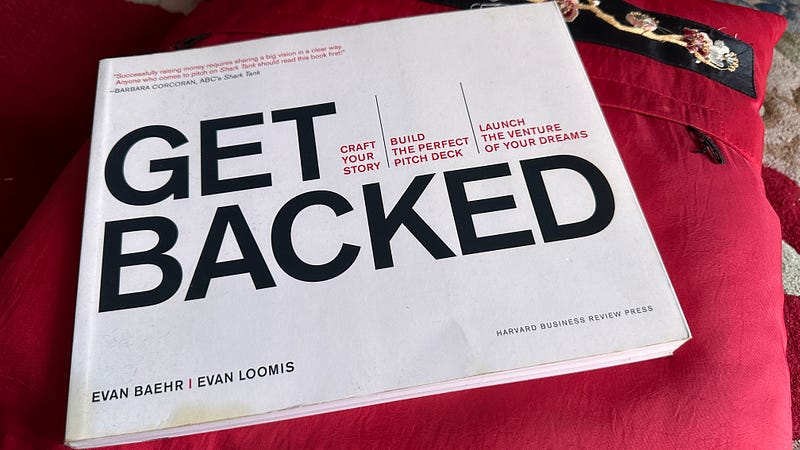
Get Backed: Craft Your Story, Build the Perfect Pitch Deck, and Launch the Venture of Your Dreams

[Note: Click here to have FREE access to this member-only story]

After reading “Get Backed: Craft Your Story, Build the Perfect Pitch Deck, and Launch the Venture of Your Dreams,” honestly, I feel like I’ve just had an espresso shot of entrepreneurial wisdom.

The authors, Evan Baehr and Evan Loomis have put together something special here, not just a book but a toolkit, a mentor in print, if you will, for anyone looking to get their dream venture off the ground.

The first thing that struck me about this book was its clarity and focus.

It’s not one of those vague, motivational reads that leave you feeling inspired but directionless.

Instead, “Get Backed” is like a roadmap, providing detailed instructions, case studies, and even templates to help you craft a compelling story and pitch deck that will grab investors’ attention and, more importantly, their investment.

Now, let me share the details a bit.

The book is divided into two main parts.

The first part deals with crafting your story.

And here’s the thing, the authors stress that every great venture starts with a story.

It’s not just about your product or business model but the narrative you create around it.

They guide you through understanding your audience, refining your message, and presenting your vision in an engaging and convincing way.

I particularly appreciated the emphasis on storytelling because it aligns with what I’ve observed in successful pitches: it’s often the story that sells, not just the numbers.

The authors provide examples of successful stories and dissect why they worked, which I found incredibly insightful.

The second part of the book is all about building the perfect pitch deck.

Now, if you’re like me, you might think, “Oh, just a bunch of slides, right?” Wrong.

The authors lay out a strategic approach to designing a pitch deck, discussing what information should go on each slide, how to visually present your data, and how to structure your presentation for maximum impact.

Get Backed: Craft Your Story, Build the Perfect Pitch Deck, and Launch the Venture of Your Dreams

But here’s the real kicker: the book includes actual pitch decks from successful startups.

We’re talking about decks that have raised millions of dollars.

Analyzing these was like getting a peek into the secret playbook of funded startups.

The authors break down each deck, explaining what works and why, giving you actionable insights you can apply to your own pitch.

Beyond the storytelling and the pitch decks, “Get Backed” delves into the nitty-gritty of the fundraising process.

It covers identifying and reaching out to potential investors, preparing for meetings, and following up effectively.

There’s even a section on managing rejections and learning from them, which I found comforting and practical.

What makes this book stand out is its practicality.

It’s not just theory; it’s a hands-on guide that you can start applying immediately, whether you’re preparing for your first pitch or looking to refine your fundraising strategy.

After reading “Get Backed,” I felt not just informed but empowered.

The book demystifies the process of getting funded and provides clear, actionable steps to increase your chances of success.

It’s like having a seasoned investor guiding you through each step of your fundraising journey.

To wrap up, if you’re an entrepreneur dreaming of launching your venture or in the midst of fundraising, “Get Backed” is a must-read.

It’s comprehensive, insightful, and, above all, incredibly practical.

The lessons you’ll learn from this book are applicable not just for startups but for any venture that requires convincing others to believe in your vision and invest in your dream.

In a sea of startup advice and entrepreneurial literature, “Get Backed” stands out for its clarity, depth, and usability.

It’s a book that I’ll be returning to time and again, and I recommend it wholeheartedly to any aspiring entrepreneur.

Get your hands on a copy of “Get Backed: Craft Your Story, Build the Perfect Pitch Deck, and Launch the Venture of Your Dreams,”, from Amazon and start crafting the story and pitch deck that will launch your venture into the stratosphere.


Other Startup Books Review by Mazlan Abbas:

1 — The Lean Startup

https://mazlanabbas.com/the-lean-startup-a-book-review-91b457b1a4ce

2 — The Science of Growth

https://mazlanabbas.com/the-lean-startup-a-book-review-91b457b1a4ce

3 — The Samsung Way

https://mazlanabbas.com/the-lean-startup-a-book-review-91b457b1a4ce

How IoT Projects in Universities Can Become a Commercial Success

The Current State of IoT Projects in Universities

The secret to fast-to-market commercialization

Photo by micheile henderson on Unsplash

[Note: Click here to have FREE access to this member-only story]

I’ve observed a burgeoning interest and commitment toward developing Internet of Things (IoT) projects.

These projects, emerging from various research groups and faculties, signal a promising direction in leveraging technology to solve complex problems, enhance learning, and offer innovative solutions to industry.

However, despite the evident progress and enthusiasm, a critical challenge persists the difficulty of transitioning these projects from academic exercises to commercially viable products.

Observing the Development of IoT Projects in Silos

As I engage with various teams in the Universities, I notice a familiar pattern — many IoT projects operate in isolation.

Each project progresses independently, fueled by its objectives and developmental timelines.

While this approach allows teams to dive deep into their specific challenges and innovations, it inadvertently creates silos that hinder collaboration and scalability.

In these silos, researchers and students dedicate immense efforts to developing bespoke IoT platforms and systems, often reinventing the wheel.

The division is apparent in how technology and standards vary, in the sharing of knowledge, and the use of resources.

This fragmented landscape poses significant barriers to commercialization, as transitioning a project from a university setting to the market requires a level of standardization and interoperability that these isolated projects need to improve.

The Challenge of Bringing Products to Market

Why can’t we bring these innovations to market more effectively?” I often ponder.

The crux of the issue lies in the inherent diversity and customization of the IoT solutions being developed within academic settings.

Each project, tailored to specific research goals or educational outcomes, evolves on its trajectory, leading to many unique yet incompatible systems and platforms.

While a boon for academic exploration, this diversity becomes a bottleneck for commercialization.

The path to transforming an academic project into a commercial product is fraught with challenges, including aligning with industry standards, ensuring scalability, and integrating with existing ecosystems.

The bespoke nature of university-developed IoT systems demands extensive customization and re-engineering to fit commercial contexts, escalating costs and complicating deployment.

Envisioning a Unified IoT Platform

Imagine a world where these barriers are dismantled—a single, unified IoT platform is the backbone of all university IoT projects.

Such a platform would offer a standard API, enabling seamless data collection and management across diverse projects.

Researchers and students could then focus on their core competencies: data analysis, application development, and innovation rather than the intricacies of platform maintenance.

This shared platform would facilitate knowledge exchange and collaboration and streamline the transition from research to commercialization.

By standardizing the underlying IoT infrastructure, we could reduce the need for extensive customization and ensure that projects are built on a solid, scalable foundation.

The Role of Favoriot in Shaping the Future

Favoriot On-Premise

Enter Favoriot, an enterprise-based IoT platform that promises to bridge these gaps.

Favoriot offers an on-premise solution tailored for academic and research environments. It aims to simplify IoT development, reduce costs, and foster a more collaborative ecosystem.

With Favoriot, universities can consolidate their IoT initiatives on a single platform, ensuring consistency, interoperability, and easier maintenance.

This consolidation would enable researchers to leverage shared resources and insights, accelerating innovation and enhancing the educational experience.

Furthermore, by standardizing the IoT infrastructure, Favoriot paves the way for smoother commercialization paths.

Projects developed on this common platform can transition to market with fewer hurdles, as the core technological foundation remains consistent and industry-aligned.


A Unified Path Forward

Reflecting on the potential of such a unified IoT platform, I am optimistic about the future of academic IoT projects.

By breaking down the silos and fostering a collaborative environment, we can amplify the impact of our innovations and bring them to market more efficiently.

The journey from academic research to commercial success is undoubtedly complex.

Still, initiatives like Favoriot bring us one step closer to a future in which the fruits of our academic labor can reach wider audiences and create tangible, lasting value in the world.


Contact Favoriot to schedule an appointment for further information.

Ninja Innovation — Book Review

Best Business Books — A Book Review by Mazlan Abbas

The Ten Killer Strategies of the World’s Most Successful Businesses

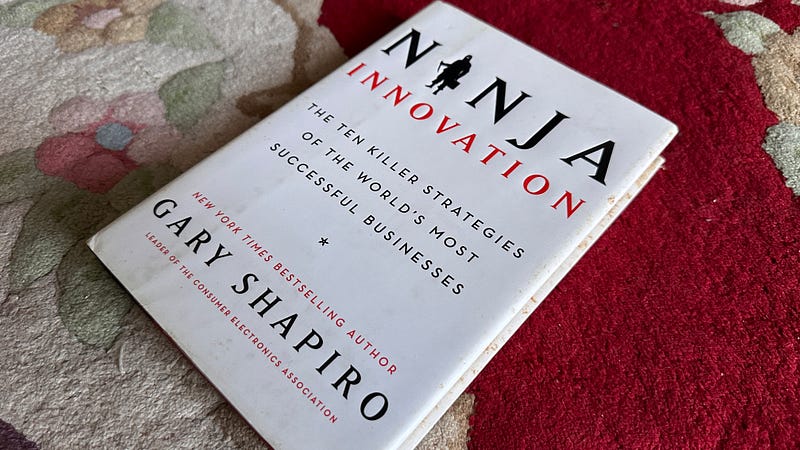
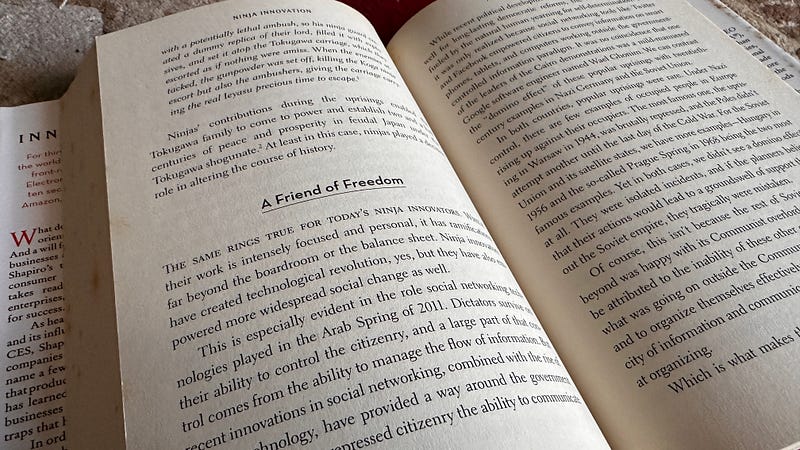
Ninja Innovation: The Ten Killer Strategies of the World’s Most Successful Businesses

[Note: Click here to have FREE access to this member-only story]

Reading the Ninja Innovation: The Ten Killer Strategies of the World’s Most Successful Businesses felt like embarking on an exhilarating journey through the world of groundbreaking business practices.

The author, Gary Shapiro, draws from his extensive experience with the Consumer Electronics Association to unpack the secrets of iconic ‘ninja innovators’ like Apple, Amazon, Google, and Microsoft.

This book isn’t just insightful; it’s a treasure trove of strategic gold.

Shapiro’s front-row seat to the evolution of the tech industry over three decades has given him a unique perspective on what makes a business not just survive but thrive.

He distills this wisdom into ten potent strategies, illustrating them with examples from the titans of the industry.

The book resonated with me on multiple levels, emphasizing that innovation isn’t an option — it’s a necessity. “Innovate or die,” as Shapiro aptly puts it.

Throughout the book, what struck me was how these strategies aren’t just theoretical.

They are battle-tested principles that have fueled some of the most dynamic and successful companies in history.

From discipline and mission-oriented strategy to adaptability and decisiveness, Shapiro outlines what it truly takes to excel in the modern business landscape.

The analogy to ninjas — elite warriors known for their agility, creativity, and willingness to risk everything — perfectly encapsulates the essence of these trailblazing companies.

As someone passionate about innovation, I was captivated by the behind-the-scenes glimpses into how companies like Intel, IBM, and Samsung have continuously pushed the envelope.

Shapiro’s insights into the pitfalls that have ensnared less successful ventures added depth to the narrative, underscoring the stakes in the high-octane world of tech.

Ninja Innovation: The Ten Killer Strategies of the World’s Most Successful Businesses

Drawing parallels between the disciplined focus of martial arts and the strategic acumen required for business success, Shapiro, a martial-arts black belt himself, imbues the narrative with authenticity and fervor.

The connection between the centuries-old practices of ninjas and the cutting-edge strategies of today’s business leaders is both intriguing and illuminative.

Ninja Innovation” doesn’t just chronicle the success stories of the world’s most formidable companies; it serves as a clarion call to all aspiring innovators.

The book emphasizes that in the fast-paced, ever-evolving business arena, resting on your laurels isn’t an option.

Like the legendary ninjas, today’s business leaders must be prepared to undertake extraordinary tasks and embrace constant reinvention.

In wrapping up, I found “Ninja Innovation” to be more than a book; it’s a manual for anyone aiming to carve out a niche in the competitive business world.

The blend of historical wisdom, personal insight, and contemporary case studies makes it a compelling read for anyone interested in the art of innovation.

So, here’s my takeaway: whether you’re an up-and-coming entrepreneur or a seasoned executive, embracing the way of the ninja innovator might just be your key to groundbreaking success.


Grab this book “Ninja Innovation: The Ten Killer Strategies of the World’s Most Successful Businesses” from Amazon.


Other Startup Books Review by Mazlan Abbas:

1 — The Lean Startup

https://mazlanabbas.com/the-lean-startup-a-book-review-91b457b1a4ce

2 — The Science of Growth

https://mazlanabbas.com/the-lean-startup-a-book-review-91b457b1a4ce

3 — The Samsung Way

https://mazlanabbas.com/the-lean-startup-a-book-review-91b457b1a4ce

Why Do I View Writing on Medium as Similar to Being a Football Player?

Writer = Footballer

In fact, there are many similarities between both of them.

Photo by Alliance Football Club on Unsplash

“Just as every football player knows that the strength of the team is each individual member, and the strength of each member is the team, every writer on Medium understands that our words gain strength from the community we build and engage with.”

Writing and football might seem worlds apart – one a solitary and reflective activity, the other a dynamic and physical team sport.

However, reflecting on my experiences as a writer on Medium, I inevitably find myself drawing comparisons to the life of a football player.

Let me share my perspective on how crafting articles on this popular platform mirrors the discipline, creativity, and teamwork found in football.

The Training Ground: Honing Skills and Strategy

“Both in football and in writing for Medium, every day is game day, and every publication is a play that demands our best – honing our skills, strategizing our moves, and playing our hearts out in the field of creative expression.”

Every football player knows that success on the field begins with rigorous training off it.

Similarly, as a writer on Medium, I see each piece I write as part of my training.

Just as a footballer drills techniques and strategies, I refine my writing skills – vocabulary, syntax, structure – with every article I publish.

In both arenas, staying informed about the latest trends and strategies is crucial.

A footballer watches matches and learns new tactics; I keep abreast of popular topics and writing styles on Medium.

This ongoing learning process is vital for growth and adaptation, ensuring that we stay relevant and competitive.

The Game Day: Publishing and Performance

Publishing an article on Medium feels akin to a football player stepping onto the pitch on match day.

There’s a mix of excitement and nervousness, knowing that your hard work and practice are about to be put to the test in front of an audience.

In football, players must read the game and adapt to evolving situations.

Similarly, once my article is live on Medium, I monitor its performance – views, reads, and engagement – and respond accordingly.

I might tweak the title, adjust the tags, or promote it on social media, much like how a footballer adjusts their play based on the opponent’s tactics or the game’s flow.

The Team Effort: Community and Collaboration

While writing is often seen as a solitary endeavor, my experience on Medium has been deeply communal, reminiscent of being part of a football team.

On a team, players support one another, celebrate successes, and learn from defeats together.

On Medium, fellow writers and readers form a supportive community where feedback, encouragement, and shared learning flourish.

Collaborations on Medium – be it through responses, highlighting, or joint publications – mirror the cooperative spirit of football, where combining individual strengths leads to greater success.

Just as footballers form alliances on the field, writers on Medium build networks, enhancing each other’s visibility and success.

Overcoming Challenges: Resilience and Adaptation

Both in football and on Medium, setbacks and challenges are inevitable.

A football player might face injuries or poor form, just as a Medium writer encounters writer’s block or fluctuating engagement.

In both cases, resilience is key.

Learning from failures, refining strategies, and persisting despite obstacles are as essential for a Medium writer as for a football player.

Embracing criticism, adapting to change, and maintaining a growth mindset are crucial for long-term success and improvement in both fields.

The Joy of Scoring: Recognition and Reward

“The thrill of scoring on the football field and resonating with readers on Medium share the same core: the joy of making an impact, the exhilaration of shared success, and the sweet reward of recognition for one’s passion and hard work.”

The thrill of scoring a goal in football is unparalleled, offering a sense of achievement and recognition.

Similarly, when an article resonates with readers on Medium, the positive feedback, comments, and applause provide a comparable rush of satisfaction and validation.

Moreover, just as footballers aspire to win championships and earn accolades, successful Medium writers gain recognition through increased readership, Top Writer status, or even monetization opportunities.

These achievements motivate continued effort, creativity, and engagement with the platform.

Final Whistle: Continuous Learning and Passion

“The discipline of a football player and the creativity of a Medium writer merge on the common ground of relentless pursuit – chasing the ball or chasing the word, each stride is fueled by an undying passion to express, engage, and excel

Ultimately, whether playing football or writing on Medium, the journey is one of continuous learning, passion, and growth.

The dedication to improve, the joy found in the process, and the commitment to sharing one’s talents with others are common threads that bind these seemingly disparate activities.


My experience as a writer on Medium resonates deeply with the attributes of a football player.

The discipline, community, adaptability, and pursuit of excellence in both fields underscore the unexpected yet profound parallels between them.

Through this lens, I approach my writing with the same enthusiasm, strategy, and team spirit that I admire in football, striving to make each article a testament to the shared virtues of both passions.

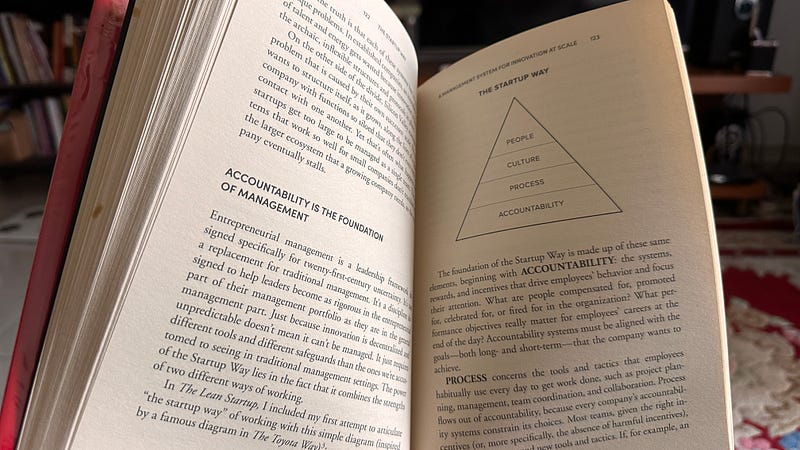
Startup Way – Book Review

Great Startup Tips – A Book Review by Mazlan Abbas

How Entrepreneurial Management Transforms Culture and Drives Growth

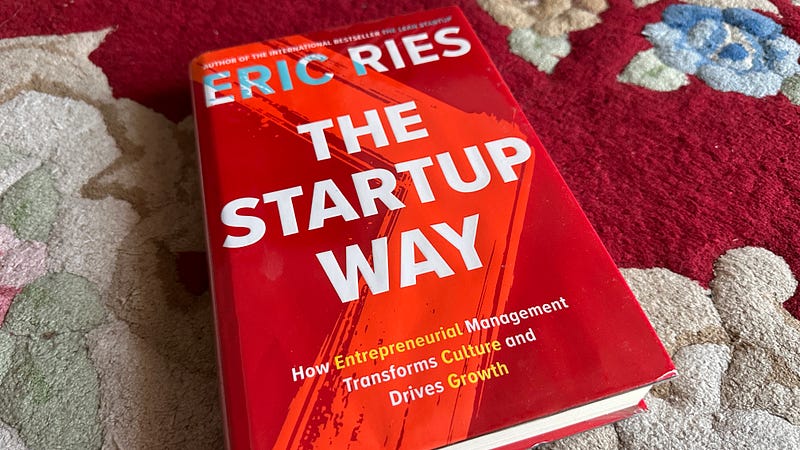
The Startup Way: How Modern Companies Use Entrepreneurial Management to Transform Culture and Drive Long-Term Growth

[Note: Click here to have FREE access to this member-only story]

Reading “The Startup Way: How Modern Companies Use Entrepreneurial Management to Transform Culture and Drive Long-Term Growth” opened my eyes to the cutting-edge management strategies that are revolutionizing the corporate world.

The author’s deep dive into the essence of entrepreneurial thinking struck me, illustrating how pivotal such an approach can be for traditional firms in today’s rapid market.

The book resonated deeply, highlighting the critical role of agility, innovation, and a customer-centric outlook for enduring success.

As I pored over the pages, I was particularly captivated by the practical blueprint for weaving entrepreneurial practices into the fabric of established companies.

The stories and case studies were compelling and enlightening, showcasing how varied organizations have embraced innovation and adaptability.

The advice on nurturing a culture open to experimentation and learning from missteps inspired me, reinforcing my belief in these principles as key drivers for any leader keen on cultivating a vibrant and forward-thinking business culture.

The Startup Way: How Modern Companies Use Entrepreneurial Management to Transform Culture and Drive Long-Term Growth

Tackling the book’s exploration of potential obstacles was also enlightening for me.

The author’s frank discussion about the resistance and hurdles that might crop up when transitioning to this innovative management style was invaluable.

The pragmatic strategies for navigating these issues and an emphasis on enduring growth and creativity broadened my perspective.

Finishing the book, I felt armed with richer insights into how entrenched companies can flourish by integrating the dynamism of startup culture, making “The Startup Way” an invaluable read for anyone determined to steer their organization toward a more inventive and prosperous horizon.


Grab this book, “The Startup Way: How Modern Companies Use Entrepreneurial Management to Transform Culture and Drive Long-Term Growth,” from Amazon.


Other Startup Books Review by Mazlan Abbas:

1 — The Lean Startup

https://mazlanabbas.com/the-lean-startup-a-book-review-91b457b1a4ce

2 — The Science of Growth

https://mazlanabbas.com/the-lean-startup-a-book-review-91b457b1a4ce

3 — The Samsung Way

https://mazlanabbas.com/the-lean-startup-a-book-review-91b457b1a4ce

Medium – The Key to Growing as a Writer

Starting My Writing Adventure

Photo by Chris Spiegl on Unsplash

When I began using Medium, it felt like stepping onto a big stage for the first time.

Nervous – no confidence.

English isn’t my first language, so it was tough at first.

Reading other writers and comparing to mine was like earth and heaven.

I wanted to share my thoughts and connect with others through writing, but my early attempts weren’t very good.

My writing lacked depth and didn’t get much attention.

For a long time – Confidence level is low.

Feeling Alone Among Many

At the beginning, my posts on Medium didn’t get much notice.

I felt like I was trying to speak out in a crowded room where no one could hear me.

There were no comments or applause for my work, which made me wonder if anyone would ever notice what I had to say.

Am I going to fail as a writer? I wondered…

Keeping Up the Effort

Despite these challenges, I didn’t give up.

I knew that getting better at writing would take time and effort.

As I kept writing and sharing my articles, I could see myself improving bit by bit.

People start to engage with claps, highlights and leave comments.

Such a welcoming community of writers.

I get excited.

Joining Medium’s Welcoming Community

One of the best things about Medium was becoming part of its community.

I met other writers who were kind and shared their knowledge with me.

Their advice and encouragement helped me improve my writing skills and gain more confidence.

Seeing Real Progress

As I kept writing, more people began to notice and appreciate my work.

I started to get followers and applause, which felt great.

It meant that my writing was getting better and people were enjoying what I had to say.

Learning Valuable Lessons on Medium

Now, I feel much more confident in my writing. Being on Medium has taught me several important things:

  1. Keep Trying: Even when it’s hard, it’s important to keep writing and improving.
  2. Support Matters: The encouragement I got from other Medium users really helped me grow.
  3. Always Learn: Writing is a journey where there’s always something new to learn.

Looking Back at My Journey

Medium has been more than just a place to post my writing.

It’s been a key part of my growth as a writer.

I’ve found my own space in the community and learned a lot from others.

Medium is where I’ve been able to share my thoughts, improve my skills, and connect with readers.

I’m grateful for the experience and excited to keep growing as a writer here.