Get Backed — Book Review

Best Startup Books — A Book Review by Mazlan Abbas

Craft Your Story, Build the Perfect Pitch Deck, and launch the Venture of Your Dreams.
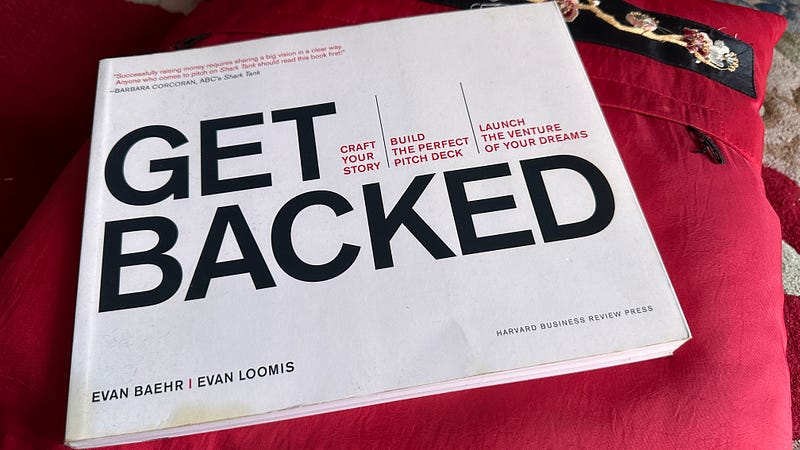
Get Backed: Craft Your Story, Build the Perfect Pitch Deck, and Launch the Venture of Your Dreams

[Note: Click here to have FREE access to this member-only story]

After reading “Get Backed: Craft Your Story, Build the Perfect Pitch Deck, and Launch the Venture of Your Dreams,” honestly, I feel like I’ve just had an espresso shot of entrepreneurial wisdom.

The authors, Evan Baehr and Evan Loomis have put together something special here, not just a book but a toolkit, a mentor in print, if you will, for anyone looking to get their dream venture off the ground.

The first thing that struck me about this book was its clarity and focus.

It’s not one of those vague, motivational reads that leave you feeling inspired but directionless.

Instead, “Get Backed” is like a roadmap, providing detailed instructions, case studies, and even templates to help you craft a compelling story and pitch deck that will grab investors’ attention and, more importantly, their investment.

Now, let me share the details a bit.

The book is divided into two main parts.

The first part deals with crafting your story.

And here’s the thing, the authors stress that every great venture starts with a story.

It’s not just about your product or business model but the narrative you create around it.

They guide you through understanding your audience, refining your message, and presenting your vision in an engaging and convincing way.

I particularly appreciated the emphasis on storytelling because it aligns with what I’ve observed in successful pitches: it’s often the story that sells, not just the numbers.

The authors provide examples of successful stories and dissect why they worked, which I found incredibly insightful.

The second part of the book is all about building the perfect pitch deck.

Now, if you’re like me, you might think, “Oh, just a bunch of slides, right?” Wrong.

The authors lay out a strategic approach to designing a pitch deck, discussing what information should go on each slide, how to visually present your data, and how to structure your presentation for maximum impact.

Get Backed: Craft Your Story, Build the Perfect Pitch Deck, and Launch the Venture of Your Dreams

But here’s the real kicker: the book includes actual pitch decks from successful startups.

We’re talking about decks that have raised millions of dollars.

Analyzing these was like getting a peek into the secret playbook of funded startups.

The authors break down each deck, explaining what works and why, giving you actionable insights you can apply to your own pitch.

Beyond the storytelling and the pitch decks, “Get Backed” delves into the nitty-gritty of the fundraising process.

It covers identifying and reaching out to potential investors, preparing for meetings, and following up effectively.

There’s even a section on managing rejections and learning from them, which I found comforting and practical.

What makes this book stand out is its practicality.

It’s not just theory; it’s a hands-on guide that you can start applying immediately, whether you’re preparing for your first pitch or looking to refine your fundraising strategy.

After reading “Get Backed,” I felt not just informed but empowered.

The book demystifies the process of getting funded and provides clear, actionable steps to increase your chances of success.

It’s like having a seasoned investor guiding you through each step of your fundraising journey.

To wrap up, if you’re an entrepreneur dreaming of launching your venture or in the midst of fundraising, “Get Backed” is a must-read.

It’s comprehensive, insightful, and, above all, incredibly practical.

The lessons you’ll learn from this book are applicable not just for startups but for any venture that requires convincing others to believe in your vision and invest in your dream.

In a sea of startup advice and entrepreneurial literature, “Get Backed” stands out for its clarity, depth, and usability.

It’s a book that I’ll be returning to time and again, and I recommend it wholeheartedly to any aspiring entrepreneur.

Get your hands on a copy of “Get Backed: Craft Your Story, Build the Perfect Pitch Deck, and Launch the Venture of Your Dreams,”, from Amazon and start crafting the story and pitch deck that will launch your venture into the stratosphere.


Other Startup Books Review by Mazlan Abbas:

1 — The Lean Startup

https://mazlanabbas.com/the-lean-startup-a-book-review-91b457b1a4ce

2 — The Science of Growth

https://mazlanabbas.com/the-lean-startup-a-book-review-91b457b1a4ce

3 — The Samsung Way

https://mazlanabbas.com/the-lean-startup-a-book-review-91b457b1a4ce
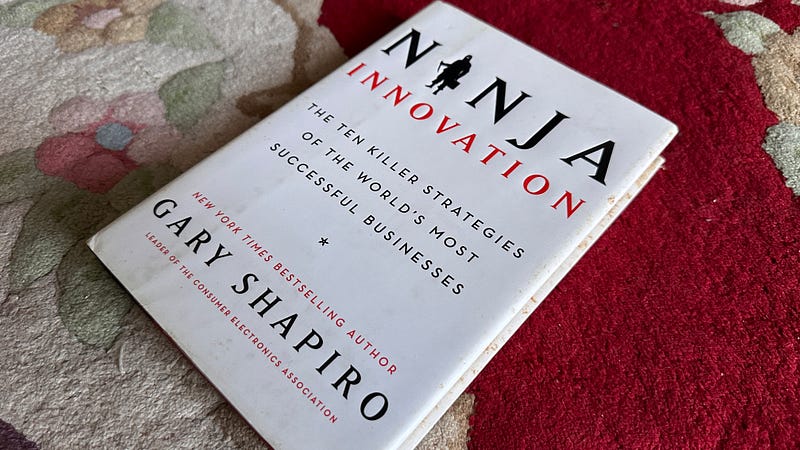
Ninja Innovation — Book Review

Best Business Books — A Book Review by Mazlan Abbas

The Ten Killer Strategies of the World’s Most Successful Businesses

Ninja Innovation: The Ten Killer Strategies of the World’s Most Successful Businesses

[Note: Click here to have FREE access to this member-only story]

Reading the Ninja Innovation: The Ten Killer Strategies of the World’s Most Successful Businesses felt like embarking on an exhilarating journey through the world of groundbreaking business practices.

The author, Gary Shapiro, draws from his extensive experience with the Consumer Electronics Association to unpack the secrets of iconic ‘ninja innovators’ like Apple, Amazon, Google, and Microsoft.

This book isn’t just insightful; it’s a treasure trove of strategic gold.

Shapiro’s front-row seat to the evolution of the tech industry over three decades has given him a unique perspective on what makes a business not just survive but thrive.

He distills this wisdom into ten potent strategies, illustrating them with examples from the titans of the industry.

The book resonated with me on multiple levels, emphasizing that innovation isn’t an option — it’s a necessity. “Innovate or die,” as Shapiro aptly puts it.

Throughout the book, what struck me was how these strategies aren’t just theoretical.

They are battle-tested principles that have fueled some of the most dynamic and successful companies in history.

From discipline and mission-oriented strategy to adaptability and decisiveness, Shapiro outlines what it truly takes to excel in the modern business landscape.

The analogy to ninjas — elite warriors known for their agility, creativity, and willingness to risk everything — perfectly encapsulates the essence of these trailblazing companies.

As someone passionate about innovation, I was captivated by the behind-the-scenes glimpses into how companies like Intel, IBM, and Samsung have continuously pushed the envelope.

Shapiro’s insights into the pitfalls that have ensnared less successful ventures added depth to the narrative, underscoring the stakes in the high-octane world of tech.

Ninja Innovation: The Ten Killer Strategies of the World’s Most Successful Businesses

Drawing parallels between the disciplined focus of martial arts and the strategic acumen required for business success, Shapiro, a martial-arts black belt himself, imbues the narrative with authenticity and fervor.

The connection between the centuries-old practices of ninjas and the cutting-edge strategies of today’s business leaders is both intriguing and illuminative.

Ninja Innovation” doesn’t just chronicle the success stories of the world’s most formidable companies; it serves as a clarion call to all aspiring innovators.

The book emphasizes that in the fast-paced, ever-evolving business arena, resting on your laurels isn’t an option.

Like the legendary ninjas, today’s business leaders must be prepared to undertake extraordinary tasks and embrace constant reinvention.

In wrapping up, I found “Ninja Innovation” to be more than a book; it’s a manual for anyone aiming to carve out a niche in the competitive business world.

The blend of historical wisdom, personal insight, and contemporary case studies makes it a compelling read for anyone interested in the art of innovation.

So, here’s my takeaway: whether you’re an up-and-coming entrepreneur or a seasoned executive, embracing the way of the ninja innovator might just be your key to groundbreaking success.


Grab this book “Ninja Innovation: The Ten Killer Strategies of the World’s Most Successful Businesses” from Amazon.


Other Startup Books Review by Mazlan Abbas:

1 — The Lean Startup

https://mazlanabbas.com/the-lean-startup-a-book-review-91b457b1a4ce

2 — The Science of Growth

https://mazlanabbas.com/the-lean-startup-a-book-review-91b457b1a4ce

3 — The Samsung Way

https://mazlanabbas.com/the-lean-startup-a-book-review-91b457b1a4ce
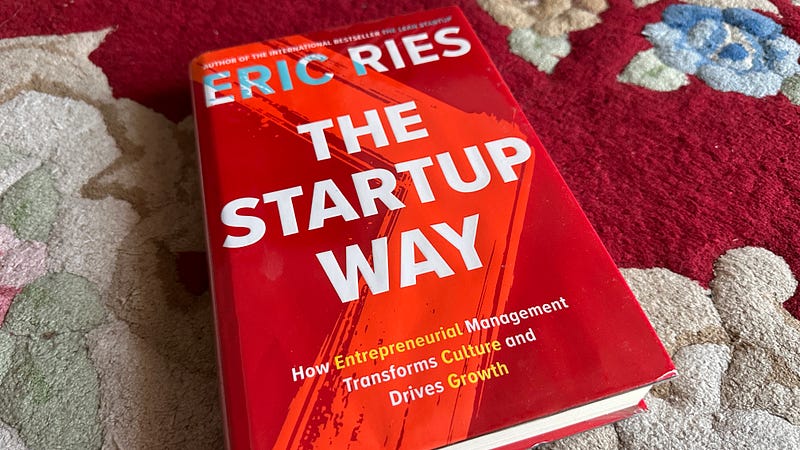
Startup Way – Book Review

Great Startup Tips – A Book Review by Mazlan Abbas

How Entrepreneurial Management Transforms Culture and Drives Growth

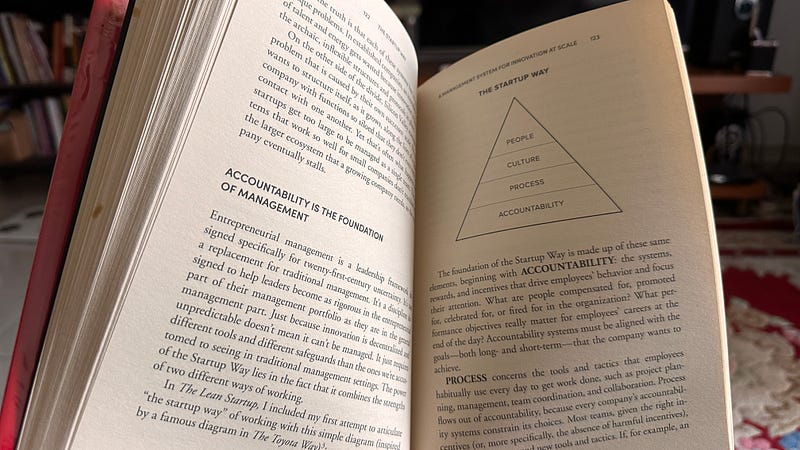
The Startup Way: How Modern Companies Use Entrepreneurial Management to Transform Culture and Drive Long-Term Growth

[Note: Click here to have FREE access to this member-only story]

Reading “The Startup Way: How Modern Companies Use Entrepreneurial Management to Transform Culture and Drive Long-Term Growth” opened my eyes to the cutting-edge management strategies that are revolutionizing the corporate world.

The author’s deep dive into the essence of entrepreneurial thinking struck me, illustrating how pivotal such an approach can be for traditional firms in today’s rapid market.

The book resonated deeply, highlighting the critical role of agility, innovation, and a customer-centric outlook for enduring success.

As I pored over the pages, I was particularly captivated by the practical blueprint for weaving entrepreneurial practices into the fabric of established companies.

The stories and case studies were compelling and enlightening, showcasing how varied organizations have embraced innovation and adaptability.

The advice on nurturing a culture open to experimentation and learning from missteps inspired me, reinforcing my belief in these principles as key drivers for any leader keen on cultivating a vibrant and forward-thinking business culture.

The Startup Way: How Modern Companies Use Entrepreneurial Management to Transform Culture and Drive Long-Term Growth

Tackling the book’s exploration of potential obstacles was also enlightening for me.

The author’s frank discussion about the resistance and hurdles that might crop up when transitioning to this innovative management style was invaluable.

The pragmatic strategies for navigating these issues and an emphasis on enduring growth and creativity broadened my perspective.

Finishing the book, I felt armed with richer insights into how entrenched companies can flourish by integrating the dynamism of startup culture, making “The Startup Way” an invaluable read for anyone determined to steer their organization toward a more inventive and prosperous horizon.


Grab this book, “The Startup Way: How Modern Companies Use Entrepreneurial Management to Transform Culture and Drive Long-Term Growth,” from Amazon.


Other Startup Books Review by Mazlan Abbas:

1 — The Lean Startup

https://mazlanabbas.com/the-lean-startup-a-book-review-91b457b1a4ce

2 — The Science of Growth

https://mazlanabbas.com/the-lean-startup-a-book-review-91b457b1a4ce

3 — The Samsung Way

https://mazlanabbas.com/the-lean-startup-a-book-review-91b457b1a4ce
Starting a Tech Business – Book Review

Product Development Guide – A Book Review by Mazlan Abbas

This is for anyone interested in building applications or software.

[Note: Click here to have FREE access to this member-only story]

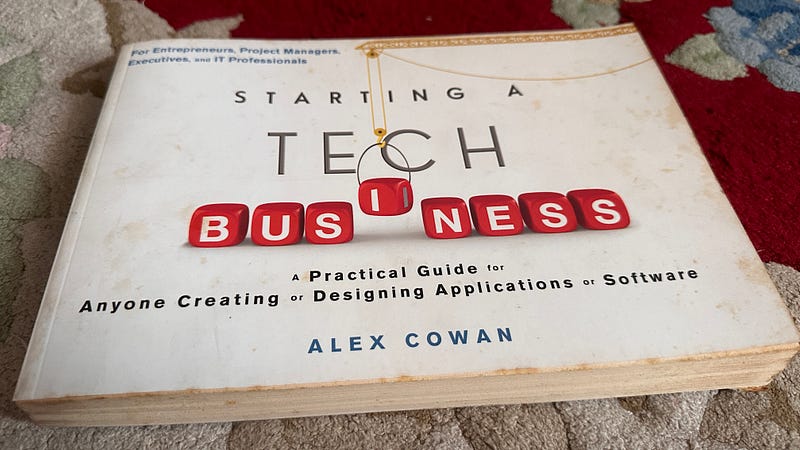
Starting a Tech Business” by Alex Cowan emerges as an indispensable guide, meticulously demystifying the journey of initiating a technology-enabled enterprise.

This book is an invaluable resource for individuals keen on navigating the tech industry without the prerequisite of profound technical expertise.

Cowan elucidates the foundational steps essential for those aspiring to venture into or amplify their presence in the technological domain, irrespective of their coding proficiency.

Cowan adeptly elucidates the process of conceptualizing and validating innovative ideas, transforming them into tangible frameworks that resonate with technical teams.

He offers an in-depth understanding of crucial tech concepts, facilitating enhanced communication and collaboration with technical personnel.

The narrative extends beyond theoretical exposition, providing a comprehensive suite of practical tools, methodologies, and frameworks that readers can actively implement.

It is a pragmatic toolkit with strategies to translate visionary ideas into viable tech solutions.

A significant aspect covered by Cowan is the integration into agile or lean development teams, emphasizing the role of non-technical members as pivotal advocates for customer perspectives.

He encourages readers to explore programming if they are inclined, yet he underscores the utility of foundational tech knowledge for informed decision-making.

The book encapsulates the paradigm shift in today’s technological landscape, highlighting the lowered barriers to entry and the democratization of tech entrepreneurship.

Cowan delineates strategies for effective product development, judicious technology selection, and efficient resource allocation, all while fostering innovation.

Detailed checklists and frameworks are presented to avert prevalent pitfalls, ensuring a structured approach to tech business formulation.

The text delves into effective communication strategies, team composition, and reconciling business and technical objectives.

Moreover, Cowan discusses harmonizing process design with creative innovation, advocating a balanced approach that nurtures creativity while ensuring disciplined execution.


In summary, “Starting a Tech Business” is a critical read for individuals poised to enter the tech industry or augment their technological acumen.

It provides a thorough, insightful guide through the complexities of establishing and nurturing a tech-enabled business in an era brimming with opportunities.

Cowan’s book offers a comprehensive roadmap for entrepreneurs, professionals, or any tech-curious individuals, enabling them to translate tech business concepts into successful, tangible outcomes.

Get this book, “Starting a Tech Business,” from Amazon. (Note: Affiliate link)


Try Audible Premium Plus and Get Up to Two Free Audiobooks


Check out other Book Reviews by Mazlan Abbas:

https://mazlanabbas.com/ready-to-be-a-thought-leader-a-book-review-ec6869f0d523https://mazlanabbas.com/ready-to-be-a-thought-leader-a-book-review-ec6869f0d523https://mazlanabbas.com/ready-to-be-a-thought-leader-a-book-review-ec6869f0d523https://mazlanabbas.com/ready-to-be-a-thought-leader-a-book-review-ec6869f0d523


https://mazlanabbas.com/ready-to-be-a-thought-leader-a-book-review-ec6869f0d523

The Art of the Start 2.0 – Book Review

Great Startup Tips – A Book Review by Mazlan Abbas

By one of the best authors — Guy Kawasaki

The Art of the Start 2.0” authored by Guy Kawasaki emerges as a critical resource for contemporary entrepreneurs, guiding them through the complexities of initiating and nurturing a thriving business in our rapidly changing commercial environment.

My own foray into entrepreneurship evokes a sense of regret for not having discovered this profound guide earlier.

It skillfully amalgamates vital knowledge and pragmatic strategies, effectively avoiding the overwhelming plethora of resources that often inundate emerging startups.

Guy Kawasaki, esteemed in the entrepreneurial domain, imparts his substantial experience and distinctive insights within this revised edition.

While the original version enlightened numerous individuals, the current edition expands considerably to encompass the significant transformations within the business sphere over the recent decade, addressing the rise of social media, the democratization of startup tools, and the advent of crowdfunding.

Innovative Revisions and Enhancements

Rather than a mere update, version 2.0 represents a thorough revision, augmenting the content by 64% and integrating discussions on modern tools such as cloud computing, social media, and crowdfunding.

These updates mirror the dramatic shifts in business methodologies and startup culture, rendering the book a crucial asset for grasping and utilizing these contemporary trends.

Fundamental Entrepreneurial Challenges

Amidst the introduction of new tools and reduced barriers to entry, Kawasaki maintains focus on the perennial challenges of entrepreneurship: assembling a solid team, crafting an exceptional product or service, and strategically outperforming rivals.

His advice, grounded in years of experience, provides tangible, straightforward guidance to navigate these persistent challenges, ensuring readers comprehend the core principles even as they adjust to an evolving business landscape.

Actionable Guidance

A notable strength of the book lies in its practical advice, transcending theoretical discourse to present direct, applicable strategies.

Kawasaki’s discussions on various facets, from investor relations to brand development and team formation, offer lucid, actionable instructions that readers can promptly enact, guiding them away from typical missteps towards enduring achievements.

Entrepreneurship as a Mindset

Kawasaki advocates a view of entrepreneurship that transcends conventional job descriptions, portraying it as a mindset characterized by persistent innovation and pursuit of excellence.

This perspective permeates the text, motivating readers to adopt an entrepreneurial attitude irrespective of their sector or business phase.

His declaration that “Entrepreneur is a state of mind, not a job title” embodies this philosophy, inspiring readers throughout their entrepreneurial endeavors.

Evaluation and Praise

While the book’s comprehensive scope may appear daunting to some, especially those desiring in-depth exploration of particular topics, its encyclopedic nature is also among its key advantages, offering a broad yet practical and experience-based overview.


In summation, “The Art of the Start 2.0” stands as a seminal publication that adeptly connects past entrepreneurial challenges with today’s dynamic startup environment.

Its fusion of enduring insights and modern-day relevance renders it indispensable for both budding and seasoned entrepreneurs, alongside any individual keen to master the nuances of initiating and leading a business venture.

Kawasaki’s updated manual serves not merely as a book but as a beacon, furnishing both direction and motivation, ensuring the entrepreneurial path, though replete with hurdles, is ultimately fulfilling and transformative.


Get this book, “The Art of the Start 2.0” from Amazon (Note: Affiliate links).

Listen to the Audible Audiobook version here.

Try Audible Premium Plus and Get Up to Two Free Audiobooks


Other Book Reviews by Mazlan Abbas:

View at Medium.comView at Medium.comView at Medium.comView at Medium.comView at Medium.com

The Early Stumbles and Mess-Ups That Shape Us

Startup Stories

Mistakes that you can avoid, too!

The early stumbles and mess-ups that all founders encountered

Alright, let’s dive in and chat about this whirlwind adventure of diving headfirst into the IoT scene with my squad at MIMOS. You know, being under the wing of MOSTI really gave us that, “Yeah, we can totally revolutionize wireless tech,” kind of vibe. We were all about pushing the boundaries with the 6LoWPAN standards — like, who even knew what that was back then?

But let me tell you, jumping ship to the telecom sector was like swapping a comfy bean bag for a stiff office chair.

Launching our IoT platform under Favoriot in 2017?

Man, we were on cloud nine, picturing this tech-hungry market just waiting for a slice of IoT magic.

Turns out, it wasn’t all confetti and fanfare.

Now, let’s talk facepalm moments — seven of them, to be exact.

First off, we thought the talent pool was Olympic-sized, but when we dipped our toes in, it was more like a kiddie pool. Getting folks to jump on our platform was like trying to start a campfire in a downpour.

Then, we peered into the halls of academia, hoping to find IoT wizards in the making. Spoiler alert: IoT education was basically a chapter they skipped. Back to the drawing board, right?

And oh, our brilliant idea to use YouTube as a training ground for Favoriot?

Big oops there.

People craved real-deal courses, not just snack-sized tutorials.

Client onboarding was another story. Imagine trying to explain rocket science to your grandma — that was us with IoT to our clients. They needed that guiding star, and we were still fumbling with the telescope.

Budgeting was another beast. Picture a snail race — that was the pace of decision-making in these orgs. No one wanted to sign the check without knowing the full menu.

The lack of a project catalyst was like waiting for paint to dry. But then, good ol’ 2020 hit, and suddenly digital transformation wasn’t just a buzzword anymore. Thanks, Covid?

And those training opportunities we breezed past? If only we’d hit pause on coding and marketing and actually looked around. Hindsight, huh?

Wrapping this up, those facepalms?

Gold mines, each one. They schooled us big time.

Now, we’re riding the IoT wave like pros, all thanks to those early stumbles that turned into our roadmap.

So, here’s to the mess-ups that shape us — cheers to the lessons learned and the wins scored on this wild IoT ride.

Feeling of Being Ghosted — After Pouring Heart and Soul in Project

Startup Journey Stories

What will you do if you encounter this?

Where do I even begin with this one?

Picture this: you’re all jazzed up about a potential partnership, right?

You’ve got this IoT solution that’s like the Swiss Army knife of tech solutions — versatile, innovative, the whole nine yards.

You dive headfirst into the deep end, doing your homework, crunching the numbers, and basically bending over backwards to tailor-make this solution architecture.

You’re talking pricing, materials, the works. And not just any materials, but the crème de la crème, sourced after what feels like a million discussions with various companies who, bless their hearts, took the time to entertain our endless queries.

So there we were, practically oozing optimism, dreaming about the hundreds of sites we were going to revolutionize in 2024.

And then, out of nowhere, radio silence.

Crickets.

Photo by Wolfgang Hasselmann on Unsplash

It’s like sending a text to your crush and watching that ‘read’ notification mock you without a reply.

So, what do I do? I chase them down, of course, because hey, maybe they’re just playing hard to get, right?

Wrong.

Cue the next meeting, where I’m hit with the kind of plot twist you’d expect from a telenovela.

Not only have they not decided to go ahead with us, but they’ve also got their eye on other solutions, and — get this — our meticulously crafted, bespoke solution apparently doesn’t meet their ‘standards.’ I mean, ouch.

Talk about a blow to the ego.

But here’s the kicker: there was zero feedback.

Nada.

It’s like our proposal was a free sample they snagged while window shopping. And that’s when it hit me — our proposal was probably used as a bargaining chip or, worse, handed over to their preferred partner on a silver platter.

Talk about feeling used.

Trust me, the frustration was real.

It’s one thing to lose out on a project, but it’s a whole other ballgame to feel like your hard work was just a means to an end for someone else’s negotiations.

It felt like our proposal was hijacked, and not in a cool, action-movie kind of way.

Photo by Jose P. Ortiz on Unsplash

So, what’s the moral of the story? I’ve learned the hard way that not all partners are created equal.

Trust is like that favorite hoodie of yours — comfortable, hard to find, and easy to lose. And once it’s gone, well, it’s pretty darn hard to get back.

The experience was a wake-up call.

Sure, it’s a bummer to realize that not everyone plays fair in the sandbox, but it’s also a reminder to guard your sandbox a little more carefully.

And maybe, just maybe, to not get too attached to potential partners until they’ve proven they’re not just in it for a free ride on your coattails.

So, to all the would-be partners out there, let’s keep it classy, shall we?

Because nobody likes feeling like they’ve been ghosted after pouring their heart and soul into a project.

Photo by Šimom Caban on Unsplash

Happy 7th Anniversary Favoriot!

Getting Older and Wiser

Here’s to Favoriot’s expansion into new markets, wisely navigating global challenges, and making a mark worldwide with its innovative solutions.

Happy 7th Anniversary FAVORIOT!

[Note: Click here to have FREE access to this member-only story]

I keep tossing this one question back and forth in my head: “Is FAVORIOT gonna keep the lights on for another year?

It’s like, running a startup feels like being in a marathon with no clear finish line – just hills, mountains, and valleys for days.

Jumping into entrepreneurship, I honestly didn’t see the rollercoaster ride coming.

From the outside, you always hear about these startups going from zero to hero, hitting that IPO jackpot in just a few years. It’s all about the glory days, right?

You often catch stories about startup founders bagging millions in funding, scaling from a duo to hundreds, even thousands of employees, and then making it big internationally.

Those are the success tales.

But for every one of those, there’s a bunch that just… vanish.

They’re part of the grim 90% of startups that crash and burn each year.

Those stories? Not so loud.

FAVORIOT kicked off officially on February 20, 2017, but didn’t really get rolling until April 1, 2017, with just a few of us.

Since then, a lot of the original crew has moved on, replaced by fresh faces.

The past seven years have been a wild ride, to say the least.

Here’s the scoop:

1 — Starting with Zero Revenue – We went a whole year without making a dime, with our costs through the roof.

All because we were deep in the R&D phase, working on our “Raqib” product (an IoT thing for monitoring the elderly and Hajj pilgrims).

Then, just as we were ready to roll in 2019, COVID hit, and Malaysia’s Hajj got postponed for two years (2020–2021).

Just like that, all the money we’d poured into Raqib felt like it went down the drain.

2 — When No One’s Buying – In the early days, folks would come up to me all excited about IoT, wanting to collaborate but not really sure how.

But then, crickets.

No one actually wanted to buy. I’d be lying if I didn’t admit to thinking, “Are they just here to pick my brain or what?

3 — Turning Down IoT Training Initially – At first, we thought people could just learn IoT on their own with all the tutorials out there.

Boy, were we wrong.

We only started offering commercial IoT courses by the end of 2021, almost four years too late!

4 — From 20 to 8300 Users – It began with just a handful of folks interested in our IoT platform.

Now? We’ve got users from 121 countries.

Talk about growth!

5 — Branding Favoriot – Once upon a time, googling “Favoriot” would get you “Favorito.”

Now, we’re the first thing that pops up.

We’ve made a name for ourselves in Malaysia as an IoT startup.

By some miracle, we’ve managed to claw our way out of the dreaded “Valley of Death,” despite its gravity trying to pull us back in.

Moving Forward

Maybe it’s time to hit up investors again, look for new partners, or VCs.

Back in the day, we didn’t stand a chance without traction or customers.

Rejection was the name of the game, whether pitching to investors or trying to get into accelerators.

But now?

It feels like it’s time to open up Favoriot’s doors again, see if we can snag some VC funding or find a company interested in making IoT part of their business.

Happy 7th Anniversary, FAVORIOT.

Here’s hoping this year, and the years to come, are even better than the last.

“May every team member of Favoriot grow wiser with the company, enjoying personal and professional development that leads to collective success.”

A shoutout to our earliest customers, too. Without their trust, it would’ve been a much tougher sell for the rest.

And finally, to my friends who’ve always had my back, thank you. Your support means the world.

The Lean Startup — A Book Review

Great Startup Books — Book Review by Mazlan

I regretted not reading this before building my Startup

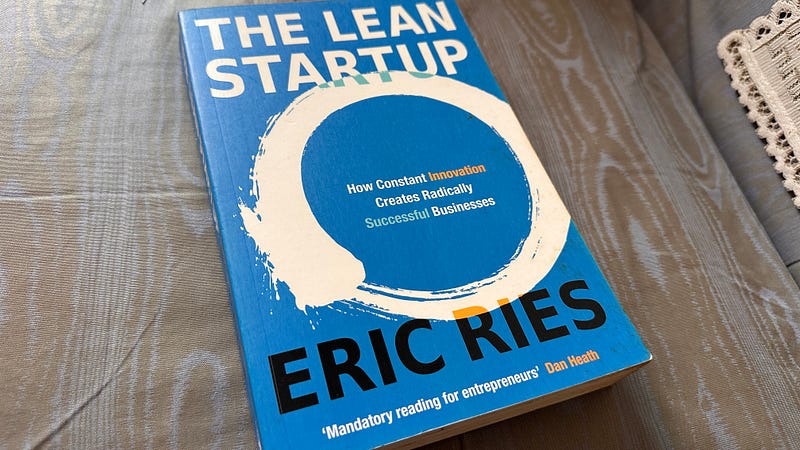
The Lean Startup by Eric Ries

Discovering “The Lean Startup” by Eric Ries was a revelation that arrived after I had already embarked on the challenging journey of founding a startup.

The insights it offered were akin to uncovering a guide after a solo navigation through the formidable entrepreneurial waters.

I implore those on the cusp of starting their own venture, or even considering it, to not repeat my oversight.

This book is more than a suggestion; it is an essential part of the entrepreneur’s toolkit.

Eric Ries goes beyond theoretical discourse, providing a pragmatic blueprint for operation.

His central premise?

Startups can heighten efficiency and speed up innovation by embracing a lean methodology, an approach informed by the principles of lean manufacturing.

This philosophy doesn’t equate to mere cost-cutting; it emphasizes maximizing learning and ensuring that each step is corroborated by tangible market feedback.

Prior to encountering “The Lean Startup,” I labored under the illusion that my initial product concept was a guaranteed success, only to confront the stark reality that it didn’t resonate with consumers.

Ries promotes a concept that could have shielded me from such disillusionment: validated learning.

Rather than investing heavily in a finished product, he suggests starting with a minimum viable product (MVP) to quickly gauge customer desires.

This involves stepping out, engaging directly with users, and evolving the product based on their input.

Ries’s book offers a wealth of tactics to sidestep the allure of vanity metrics — those misleading figures that may look impressive on reports but fail to indicate your venture’s true vitality.

He instructs on concentrating on actionable metrics that accurately reflect progress and genuine customer value.

One of the most empowering elements of the Lean Startup approach is its stance on failure.

Within this framework, a failed experiment is not a defeat but a crucial learning opportunity, facilitating quick iterations, rapid knowledge acquisition, and the flexibility to pivot when it’s called for.

This alteration in perspective is invaluable.

What resonates most profoundly with me, though, is the realization that the Lean Startup methodology unravels the enigma of launching a business.

It’s less about possessing an infallible initial plan and more about the process of continual learning, adapting, and navigating through the inevitable uncertainty that shrouds new endeavors.

In retrospect, had I consulted “The Lean Startup” prior to releasing my first product, I could have avoided many pitfalls.

Yet, the beauty of Ries’s philosophy is its timeless applicability; it’s never too late to adopt this lean approach.

Whether one is just beginning or strategizing within the upper echelons of a well-established corporation, the principles of the Lean Startup can direct you toward the creation of something of genuine merit.

Thus, I extend this advice to all emerging entrepreneurs and established innovators: do not overlook “The Lean Startup.

It is not merely literature; it is a fundamental resource.

For someone like myself, it has become the compass I wish I had from the start.

Do not release your vision into the market without it.


You can buy “The Lean Startup” book from Amazon (Note: This is an affiliate link).

Try Audible Premium Plus and Get Up to Two Free Audiobooks

How To Brand Your Startup Using the Cheapest Media Channels

Traditional media channels can be very effective but too expensive for early Startups — Here’s how I find a better way to brand my Startup.

“True brand visibility comes not from the size of your budget but the depth of your connections.” — Anonymous.

Starting my journey with Favoriot was a rollercoaster of emotions filled with exhilarating highs and daunting lows.

As a Startup, you don’t have the luxury of a branding budget to make yourself known to the world.

The thrill of bringing a new idea to life was often shadowed by the stark realities of business challenges, especially regarding the crucial aspect of brand visibility.

I was at a crossroads in the crowded IoT industry, where traditional media channels like TV and radio felt like distant dreams due to their prohibitive costs and selectiveness.

But still, we have the dream to brand ourselves — make ourselves heard and position the company as the leader in IoT.

This is how I navigated the maze of alternative media channels to build and promote the Favoriot brand, a journey marked by innovation, resilience, and a relentless pursuit of connection.

“Branding on a budget teaches you the power of creativity, authenticity, and a clear vision.”

Getting the Right Visibility: A Daunting Start

“In the age of the Internet, visibility is less about being seen and more about creating genuine connections.”

I quickly realized that getting Favoriot featured in mainstream media was a steep climb.

The choices were stark — either become an overnight sensation to be picked up organically or shell out sums of money we didn’t have.

This dilemma led me to an epiphany: in the internet age, traditional media wasn’t the only game in town.

Social media and other online platforms offer a beacon of hope, promising visibility, and a means to connect with our audience genuinely.

Replacing Radio, TV, Billboards, Newspapers and Magazines

“Not every channel will fit your story, but finding the right ones can turn whispers into roars.”

Determined to turn our constraints into opportunities, we dove headfirst into the alternative media world.

I remember the excitement and nervousness of launching our podcast series.

Our bid was to replace radio, a medium that felt personable and direct.

The podcast became a canvas for our stories, industry insights, and heartfelt conversations with experts.

Each episode was a step towards building a community, not just a customer base.

YouTube presented itself as our television alternative.

Launching our channel felt like opening a window for the world to peek into Favoriot.

From product demos to customer testimonials, each video was a labor of love, showcasing what we did and who we were.

Then there were digital posters, our answer to billboards, designed to capture the essence of Favoriot in a single, striking image.

Platforms like Instagram and Pinterest became our galleries, each post a testament to our creativity and vision.

Our blog replaced newspapers, becoming a treasure trove of valuable content ranging from how-to guides to industry analysis.

Writing each blog post, we were laying down the building blocks of a knowledge hub that would inform, engage, and inspire.

“Building a brand is not just about selling a product; it’s about embedding your story in the hearts and minds of your audience.”

A Strategy of Precision

“Adaptability in branding is not a sign of failure but a step towards finding your true audience.”

As we experimented with various platforms, it became clear that not all channels were created equal.

Our strategy evolved from casting a wide net to focusing on those that truly resonated with our audience.

TikTok, YouTube, Facebook, and LinkedIn emerged as our champions, each offering unique avenues for engagement and connection.

This focus wasn’t just about numbers; it was about finding spaces where our stories could thrive and where we could genuinely interact with our community.

A Quest for Trust and Recognition

“Content is not just king; it’s the entire kingdom. Engage, inform, and inspire.”

I learned early on that our mission was more significant than mere sales figures.

Favoriot was about building a brand for trust, innovation, and community.

Every update, milestone celebration, and story shared was a step towards embedding our brand in the hearts and minds of our audience.

The aim was to become a brand that was not just recognized but revered and recommended.

Key Lessons Along the Way

This journey has been an invaluable teacher.

One of the first lessons was adaptability; the digital landscape is ever-changing, and flexibility is crucial.

We learned that not every channel fit us, and there was wisdom in pivoting when necessary.

The power of content became undeniably clear.

Quality content was not just king; it was the entire kingdom. It was what engaged people, made them think, and, more importantly, felt connected to Favoriot.

Consistency emerged as another cornerstone of our strategy. In the bustling world of social media, maintaining a steady presence was vital to staying relevant and top of mind.

“A consistent presence in your chosen channels is like a beacon, guiding your audience back to you amidst the noise.”

Epilogue

Reflecting on this journey, I see it as more than a marketing endeavor; it was a voyage of discovery and growth.

Using alternative media channels to build the Favoriot brand taught me that visibility is not just about being seen; it’s about connecting, sharing, and building relationships.

It reinforced the belief that creativity, authenticity, and a clear vision can make a monumental impact even without a mammoth budget.

This narrative is not just a recount of past events; it’s a living testament to the power of alternative media and the boundless possibilities it holds for startups.

As I look towards the future, I am excited for the next chapter in Favoriot’s story, ready to explore new horizons, armed with the lessons learned and the community we’ve built. This, indeed, is just the beginning.


Want to know more about my Startup Journey? Check out the book “Startup Survival: The Journey of a Tech Entrepreneur.”

https://mazlanabbas.gumroad.com/l/startupsurvival