As a Writer — Steer Away From These W.H.I.N.I.N.G Mistakes

The image was created using Midjourney by the Author of Startup Journey.

Have you ever wondered why some articles grab your attention like a magnet while others float away in the sea of digital content?

What makes you click, read, and stay engaged with a piece of writing?

Could secret traps lurk in the shadows, waiting to snatch away the impact of your carefully crafted words?

Welcome to a journey through the maze of content creation, a world where pitfalls are as common as opportunities.

This comprehensive exploration aims to unveil and dissect the subtle yet significant pitfalls in article writing, encapsulated in the acronym “W.H.I.N.I.N.G.”

  1. Wrong Audience Targeting

One of the fundamental errors in writing is the misalignment with the intended audience.

Understanding your audience is like having a roadmap; without it, your content is likely to get lost in the vastness of the internet.

It delves deep into the strategies for identifying your target audience, understanding their needs, preferences, and pain points, and tailoring your content to resonate with them.

You need to explore how demographic research, reader personas, and audience engagement metrics can guide you to create more targeted and impactful content.

2. Hyperbole Overload

In a bid to capture attention, writers often resort to sensationalism. But there’s a fine line between engaging and exaggerating.

It addresses the risks of overusing hyperbole and sensationalist language.

It’s how credibility and trustworthiness can be compromised by exaggeration and how to strike a balance between being engaging and authentic.

Real-life examples will illustrate how subtlety and nuance are often more potent than overstated claims.

3. Inconsistent Quality

Consistency is the key to building a loyal readership.

Fluctuations in style, tone, or accuracy can be jarring and off-putting to readers.

Here, you must maintain a consistent voice and quality in your writing.

You must cover techniques for developing a consistent writing style, ensuring factual accuracy, and maintaining a steady tone that aligns with your brand or personal voice.

4. Neglecting SEO

In the digital world, being visible is as important as being good.

Ignoring the principles of Search Engine Optimization (SEO) can bury your content under the avalanche of online information.

SEO is essential for writers. You must examine how keyword research, understanding search intent, and optimizing content can enhance your article’s visibility and reach.

You must find ways to integrate SEO seamlessly into your writing process.

5. Irrelevant Content

Staying relevant is crucial.

Diverging from the central theme or incorporating irrelevant content can quickly disengage your audience.

Relevance is vital in content creation. It explores strategies for staying on-topic, aligning content with audience expectations, and avoiding the pitfall of including irrelevant information.

You must tactfully weave in diverse perspectives without straying from the core message.

6. No Unique Perspective

In a sea of content, uniqueness is your lifeboat.

Failing to offer a fresh or unique perspective can render your article just another drop in the ocean.

You must explore the importance of bringing a unique angle or insight to your topic.

Try to hone your unique voice, draw on personal experiences or expertise, and present familiar topics in novel ways to make your content stand out.

7. Grammatical Errors

The devil is in the details, and grammatical errors are the nemeses of good writing.

Take note the impact of grammatical precision and the common pitfalls that can undermine your article’s professionalism.

Get the right tools for ensuring grammatical accuracy, the importance of proofreading, and how to effectively use grammar-checking software without losing your personal touch.

Conclusion

In conclusion, steering clear of these “W.H.I.N.I.N.G” mistakes can dramatically elevate the quality and appeal of your articles.

By targeting the right audience, balancing engagement with authenticity, maintaining consistency, incorporating SEO, ensuring relevance, offering unique perspectives, and upholding grammatical standards, you can transform your writing into a powerful tool for engagement and impact.

Remember, effective writing is about what you say and how you say it. With these insights, you’re well on your way to mastering the art of impactful writing.


Remember to Subscribe to receive email updates on every post I publish.

You can also follow my Medium Publications:

I have also published several eBooks, such as:

Or, if you prefer, check my bookstore at Gumroad — https://mazlanabbas.gumroad.com
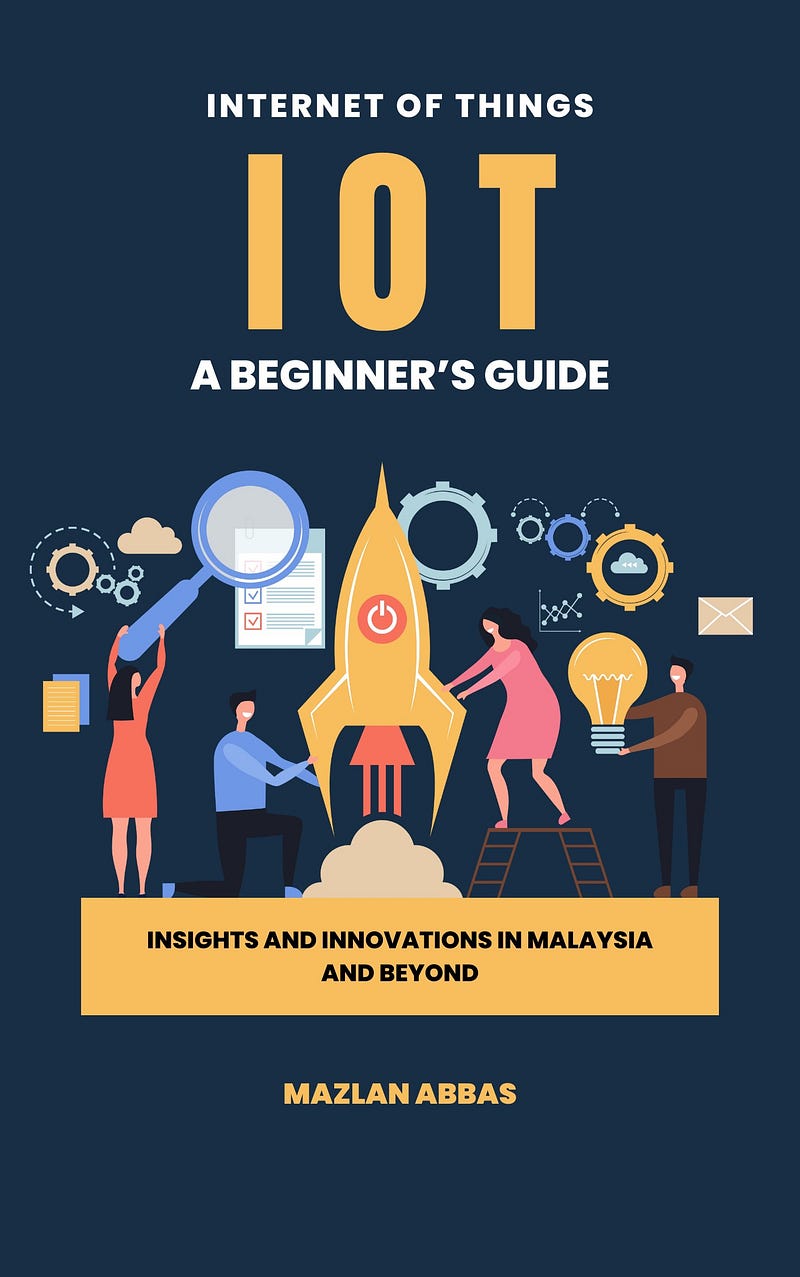
Why Book Titles Are Important and Why I Changed Twice

Book Cover by Author.

I wrote this book with little thought about the title.

Later, I regretted it – I changed the book title twice.

Understanding the Digital Marketplace

The title of a book is a critical component of its success.

This was a lesson I learned by renaming my eBook, initially titled “IoT Adventure.”

My experience underscores the significance of SEO (Search Engine Optimization) and strategic keyword use in book titles, particularly in the ever-expanding digital marketplace.

Initial Title: “IoT Adventure” – Capturing Excitement and Exploration

My foray into the publishing world began with the release of my eBook on the Internet of Things (IoT). Choosing “IoT Adventure” as the title, I aimed to encapsulate the excitement and exploration inherent in the burgeoning field of IoT.

The title was catchy, reflecting the pioneering spirit of the subject matter.

However, this title was more than just a creative expression; it was my first step in understanding the intricate dance between content and discoverability in the digital realm.

Transition to “IoT Frontier” – Embracing a Pioneering Spirit

After some reflection, I renamed the eBook to “IoT Frontier.”

This subtle yet significant shift in the title was meant to evoke a sense of pioneering, aligning with the innovative nature of IoT.

Despite this, I soon encountered a vital realization. In the digital age, where eBooks are adrift in a vast ocean of online content, a compelling title is a linchpin in the struggle for visibility.

The Power of SEO and Keywords: Finalizing “IoT: A Beginner’s Guide”

This realization brought me to the crux of digital marketing: the power of SEO and the meticulous choice of keywords. “IoT Adventure” was engaging, and “IoT Frontier” resonated with innovation, but were these titles optimized for the digital audience, specifically for those seeking knowledge in the IoT domain?

This led me to the final and most strategic title change: “IoT: A Beginner’s Guide.

This final title was more than a mere label; it was a deliberate and strategic choice.

Including “Beginner’s Guide” in the title, which is capitalized on a commonly searched phrase by novices across various fields.

This strategic incorporation significantly enhanced the eBook’s discoverability to my intended audience – those embarking on their IoT learning journey.

Aligning Title with Content: A Strategic and Pragmatic Approach

The choice of “IoT: A Beginner’s Guide” was not solely about leveraging popular search keywords.

It was a thoughtful alignment of the book’s title with its core offering – an accessible, comprehensive introduction to IoT for beginners.

This title clearly defined the book’s target audience and content scope, increasing the likelihood of reaching readers seeking a foundational understanding of IoT.

Reflecting on the Journey: Emotional Attachment vs. Market Realities

Looking back, the evolution of my eBook’s title reflects a deepened understanding of the dynamics of the digital marketplace.

While “IoT Adventure” and “IoT Frontier” were titles I held close to my heart, the final choice of “IoT: A Beginner’s Guide” was a decision driven by pragmatism, market insights, and a clear comprehension of my audience’s needs and search behaviors.

Key Lessons Learned: The Importance of Title in Digital Content Strategy

This journey in renaming my eBook has been illuminating, teaching me a crucial lesson about digital content strategy.

It emphasized that the success of written work in the digital age is not solely about the content but also how it is presented to the world. A compelling title is a beacon, directing the right readers to your work.

It is a harmonious blend of creativity and analytics, art and science.

Advice to Fellow Authors and Content Creators

To fellow authors and content creators, I offer this advice: When devising a title, consider its reflection of your content and its performance in the competitive online search landscape.

A title is more than just a name; it is a vital, and often the most crucial, marketing tool in your arsenal.

Balancing creative expression with strategic marketing considerations ensures your work finds its audience in the vast digital expanse.

My Top 10 Earner Medium Articles in 2023

The image was created using Midjourney by the Author of Startup Journey.

It’s good to analyze what works and what doesn’t.

Looking back in 2023, I noticed a common theme that attracted more people to read, and finally, the articles became the top 10 earners. They are:

(1) How I Managed to Get 6,000% Audience Growth in 2 Months

View at Medium.com

(2) I Asked ChatGPT How to Grow My Startup Using Steve Jobs Principles

View at Medium.com

(3) Beware the Brain-Picker — Make Use of Your Time Wisely

View at Medium.com

(4) How I Grew My Mailing List with the Help of eBooks

View at Medium.com

(5) Blogging with AI: How to Balance Between Authenticity and Efficiency

View at Medium.com

(6) Why You Should Not Give Up Writing When No One is Reading Your Articles

View at Medium.com

(7) Startups and Giants Unite for Success — What New Founders Can Learn Too

View at Medium.com

(8) Startup Synergy: The Alchemy of Building a Dream Team

View at Medium.com

(9) How a Personal Brand Can Intertwine with a Company’s Brand — Lessons Learned

View at Medium.com

(10) 10 Tips in Creating a Successful Blog: Simple Steps and Key Insights

View at Medium.com

It seems five are related to writing, and five are related to entrepreneurship. A well-balanced topic.

I will keep to both of these niches as my way forward in 2024.

Happy New Year, guys!

In a world where everyone writes, stand out by writing not just what’s trending, but what’s timeless. Let 2024 be your year of enduring stories.

How I Take G.I.A.N.T Steps to Boost My Readership and Engagement by 20X

The image was created using Midjourney by the Author of Startup Journey.

Nothing is impossible.

How frustrated can you be when you get less than 30 views or less than 15 reads almost every month?

I have tried many strategies, and finally, I found one that can help me increase my traffic multiple times.

The challenge for writers and content creators is producing articles and crafting pieces that captivate, educate, and resonate with their audience.

The G.I.A.N.T strategy offers a robust framework to enhance readership and engagement. Let’s dive into each element of this approach, transforming your articles from words on a page to powerful narratives that grab attention and leave a lasting impact.

View at Medium.com

G – Grab Attention

The internet is a bustling marketplace of ideas and information, where your article competes with thousands of others for attention.

The key to standing out? A magnetic opening. Your headline is your first, and sometimes only, shot at grabbing the reader’s attention.

It should be compelling, clear, and concise, offering a glimpse into your article’s value.

But grabbing attention goes beyond the headline.

The opening lines of your article are equally crucial. Start with a provocative question, an interesting fact, or a compelling story.

This initial hook pulls the reader in and sets the tone for the rest of the article.

I – Inform and Inspire

Content that resonates with readers often strikes a balance between informing and inspiring.

Your article should present facts and figures and weave them into a narrative that speaks to the reader on a deeper level.

Use your content to enlighten your audience about new ideas, challenge their preconceptions, or offer fresh perspectives.

Incorporate real-life examples, case studies, or personal anecdotes to make your points more relatable and memorable.

By combining information with inspiration, you create content that is read, remembered, and shared.

A – Audience-Centric Approach

Understanding your audience is the cornerstone of effective content creation.

Who are your readers?

What are their interests, challenges, and desires?

Tailoring your content to your audience’s specific needs and preferences makes it more relevant and engaging.

Conduct audience research through surveys, social media interactions, or analytics tools.

Use this information to craft content that speaks directly to your audience, using language and examples they can relate to.

An audience-centric approach increases engagement and fosters loyalty among your readers.

N – Navigable and Neat Layout

In the digital age, the layout of your content is as important as the content itself.

Readers often scan articles before deciding to read them thoroughly.

A navigable and neat layout helps in capturing and retaining their attention.

Use headings and subheadings to structure your content logically.

Break text into short, digestible paragraphs and use bullet points or numbered lists for clarity.

Include relevant images or infographics to break the monotony of text and enhance understanding.

A well-organized article looks more appealing and makes the reading experience more enjoyable.

T – Timely and Trending Topics

Staying abreast of current events and trends is crucial for creating content that resonates with the times.

Writing about timely and trending topics can significantly increase the relevance and shareability of your articles.

Monitor news feeds, social media trends, and industry developments.

However, it’s not just about jumping on the bandwagon.

Offer unique insights or fresh angles on these topics.

This captures the interest of readers looking for current content and positions you as a thought leader in your field.

The image was created using Midjourney by the Author of Startup Journey.

Take That G.I.A.N.T Steps Now

Implementing the G.I.A.N.T strategy in your content creation process can significantly enhance the appeal and impact of your articles.

By focusing on Grabbing Attention with compelling headlines and openings, Informing and Inspiring your readers with insightful content, adopting an Audience-Centric Approach, ensuring a Navigable and Neat Layout, and covering Timely and Trending Topics, you can create articles that not only attract a wider audience but also engage and resonate with them deeply.

Remember, the goal is to not just attract clicks but to create a memorable reading experience that encourages sharing, discussion, and return visits.

With the G.I.A.N.T strategy, your content goes beyond mere information dissemination – it becomes a tool for connection, education, and inspiration.

How To Use V.I.R.U.S Writing Strategy to Stay Relevant During Holiday Season

The image was created using Midjourney by the Author of Startup Journey.

The holiday season is here.

Everyone is taking their leave at the end of the year.

Krik! Krik! The sound of your published articles.

No one is reading them.

Should you stop publishing?

Can we stay relevant and still have viral content?

Creating content that resonates with a broad audience and goes viral is a coveted goal for many writers and content creators.

The V.I.R.U.S. strategy provides a comprehensive framework to increase the chances of your article spreading rapidly across the internet.

Let’s explore each element of this strategy in detail to understand how it can make your content infectious.

V – Valuable Content

Viral content’s first and most crucial element is its value to the reader. Value can be in various forms – educational, informational, entertaining, or even emotionally resonant.

An article that teaches something new provides insightful analysis, or solves a common problem holds intrinsic value for readers.

To create valuable content, focus on current, trending, or perennially relevant topics.

Conduct thorough research to ensure accuracy and depth.

Articles that are well-researched and provide comprehensive coverage of a topic are more likely to be regarded as valuable resources and shared widely.

I – Interesting and Engaging

Captivating your audience’s attention from the get-go is vital.

The internet is saturated with content; to stand out, yours must be interesting and engaging.

An engaging article draws the reader in and keeps them hooked until the end.

Start with a compelling headline. Your headline is the first, and sometimes only, impression you make on a potential reader.

It should be intriguing, transparent, and reflective of the content.

Use a narrative style that is accessible and engaging, and structure your content with subheadings, bullet points, and short paragraphs to make it easy to read. Including relevant images, infographics, or videos can also enhance engagement.

The image was created using Midjourney by the Author of Startup Journey.

R – Relatable to Your Audience

Understanding and connecting with your audience is critical to creating relatable content.

Relatable content strikes a chord with its readers, making them more likely to share it with others.

To achieve this, you need to know your audience well.

What are their interests, challenges, or pain points?

Tailor your content to address these aspects.

Use a tone and language that resonate with your audience.

When appropriate, personal stories, anecdotes, or humor can make your content more relatable and human.

U – Unique Perspective

Numerous articles on almost every topic offer a unique perspective that can make your content stand out.

This uniqueness could be in presenting new information, a novel analysis, or a distinctive style.

Think about what unique insights or experiences you can bring to your topic.

Can you challenge conventional wisdom or offer a contrarian viewpoint?

You may have personal experiences or case studies that can provide a fresh perspective.

Unique content distinguishes you from the competition and can pique readers’ curiosity, increasing the likelihood of shares.

S – Shareable Across Platforms

Finally, for content to go viral, it needs to be easily shareable across different platforms.

This means optimizing your content for social media, forums, emails, and other sharing mediums.

Craft your content with shareability in mind.

This includes using catchy, concise titles that work well as social media posts or email subject lines.

Incorporate visually appealing elements like high-quality images or infographics that will likely be shared.

Make sure your content is mobile-friendly, as a significant portion of social media content is consumed on mobile devices.

Adding social sharing buttons to your content can also facilitate easy sharing.

The image was created using Midjourney by the Author of Startup Journey.

View at Medium.com

Embrace V.I.R.U.S Strategy Now

The V.I.R.U.S. strategy provides a robust framework for creating content that has the potential to go viral.

By focusing on creating Valuable, Interesting, Engaging, Relatable, Unique, and Shareable content, you significantly increase the chances of your article resonating with a broad audience.

Viral content is not just about the number of shares or views; it’s about creating something meaningful that resonates with people and encourages them to share it with others.

It’s about striking a chord with your audience, offering them something that is not just worth reading but worth sharing.

By applying the V.I.R.U.S strategy, you can create content that reaches a broad audience and leaves a lasting impact.

How the W.I.N.N.E.R Approach Can Transform an Ordinary Writer Into a Literary Champion

The image was created using Midjourney by the Author of Startup Journey.

This is what I need to do to improve myself in 2024.

I need to find a great strategy that I can hold on.

Success is not just a product of innate talent; it’s also about strategy, discipline, and a willingness to grow.

The acronym W.I.N.N.E.R provides an excellent framework for writers aspiring to refine their craft and elevate their work.

Let’s delve into each element of this approach to understand how it can transform an ordinary writer into a literary champion.

View at Medium.com

W – Write Regularly

The cornerstone of improving as a writer is writing regularly.

Consistency in writing practice enhances your technical abilities and keeps your creative juices flowing.

It’s akin to a musician practicing scales or an athlete following a training routine.

Each word you write polishes your skill and helps you find your unique voice.

Setting a daily writing goal measured in time spent (like an hour a day) or word count (500 words per day).

Over time, this consistent practice turns writing from a task into a natural and essential part of your day, akin to a habitual ritual.

The image was created using Midjourney by the Author of Startup Journey.

I – Investigate and Research

Good writing is often underpinned by solid research.

Whether you’re penning a fantasy novel, a historical fiction piece, or an article on a current event, understanding your subject sincerely adds credibility and depth to your writing.

Research fuels not just the content but also inspires new ideas and perspectives.

Investigating various sources, from books and journals to interviews and firsthand experiences, ensures that your writing resonates with authenticity and authority.

It’s not just about getting facts right but also about understanding the nuances of your topic, which, in turn, enriches your narrative.

The image was created using Midjourney by the Author of Startup Journey.

N – Nurture Ideas

Ideas are the lifeblood of writing.

To nurture them, you should habitually jot down thoughts and observations as they come, no matter how trivial they seem. Keeping a journal or a digital note-taking app handy is a great way to capture these fleeting moments of inspiration.

Brainstorming sessions, where you let your mind roam free without the constraints of logic or practicality, can lead to the germination of remarkable concepts.

Exposing yourself to diverse experiences and perspectives can infuse your ideas with originality and depth.

The image was created using Midjourney by the Author of Startup Journey.

N – Notice Details

The devil, as they say, is in the details.

Paying attention to the minutiae in your writing can significantly enhance its quality.

This includes meticulous attention to grammar and punctuation, which are the foundational elements of clear communication.

It also extends to the crafting of characters, settings, and dialogue.

Details transform a generic scene into a vivid, immersive experience for the reader.

They make characters leap off the page as living, breathing entities.

The more specific and intentional you are with your details, the more your writing will resonate with authenticity.

The image was created using Midjourney by the Author of Startup Journey.

E – Edit and Revise

One of the most crucial yet often overlooked aspects of writing is the willingness to revise and edit.

The first draft is just the beginning.

Through the painstaking process of editing, good writing is honed into greatness.

Editing involves correcting grammatical errors and reassessing your work’s flow, structure, and clarity.

It’s about being brutally honest with yourself and being willing to cut or rewrite parts that don’t work.

This process, though sometimes painful, ultimately elevates the quality of your writing.

The image was created using Midjourney by the Author of Startup Journey.

R – Read Widely

Finally, you must be an avid reader to be a great writer.

Reading widely exposes you to various styles, genres, and voices.

It’s not just about reading in your genre but exploring a broad spectrum of literature.

This exposure informs your understanding of good writing, enriches your vocabulary, and ignites your imagination.

Reading is also a form of passive learning where you absorb narrative structure, character development, and pacing nuances.

Seeing how other authors tackle these elements can be incredibly instructive and inspiring.

The image was created using Midjourney by the Author of Startup Journey.

Embrace W.I.N.N.E.R

Embracing the W.I.N.N.E.R approach is a commitment to continual growth and excellence in writing.

It’s a holistic strategy that addresses the many facets of writing, from the mechanical to the creative.

By writing regularly, researching thoroughly, nurturing ideas, noticing details, editing ruthlessly, and reading widely, you equip yourself with the tools and habits necessary for success in the literary world.

Remember, every great writer was once a beginner who chose to keep writing.

Your journey to becoming a W.I.N.N.E.R in writing starts with embracing these principles and applying them consistently in your quest for literary excellence.

Avoid These 10 Mistakes and Become a Better Writer in 2024

Image created using Midjourney by Author of Startup Journey

I have written over 100 articles in 2023, but over 80% had at most ten views.

It’s sad, and it’s tiring.

We write to share our ideas and knowledge among our readers.

In the early part of the year, I had almost zero increase in followers.

As 2023 ended, I took a step back and analyzed what had gone wrong.

Here’s a list of mistakes I will not repeat next year, and you can probably try to avoid doing that, too.

Writing Mistakes I Made in 2023

  1. Lack of Emotional Depth in Writing: I often wrote mechanically, neglecting to infuse my work with genuine passion or emotion, which made my writing seem detached and unengaging.
  2. Focus on Knowledge Rather Than Problem-Solving: My topics were heavily knowledge-oriented, lacking opportunities to address and solve real-life problems that could have added more value to the readers.
  3. Failure to Connect with the Audience: I chose topics that did not resonate with my readers, resulting in a disconnect between my content and the interests or needs of my audience.
  4. Neglecting the Power of Headlines and SEO: I should have noticed the importance of crafting catchy, attention-grabbing headlines and optimizing my content for search engines, which limited my reach and visibility.
  5. Overly Complex Sentences: My writing often included long-winded, complex sentences, which made the content difficult to follow and less reader-friendly.
  6. Superficial Engagement with Fellow Writers: My interactions with other writers needed more sincerity and depth, preventing me from building meaningful connections and learning from my peers.
  7. Unstrategic Republishing of Old Content: I randomly republished old articles from various blogs without a strategic plan or updates, which didn’t add fresh value or relevance to the content.
  8. Not Keeping Up with Trending Topics: I failed to research and analyze hot, popular topics in my field, missing out on riding the wave of trending content that could have attracted more readers.
  9. Shortage of Practical “How-To” Guides: My content lacked practical, step-by-step “How-To” guides, essential for providing actionable advice and solutions to readers.
  10. Inconsistent Sharing of Personal Writing Experiences: I did not regularly share personal stories about my writing experiences, including failures and achievements, which could have made my journey more relatable and inspiring to others.

The above might not be an extensive list, but it is undoubtedly a list of mistakes I should avoid.

How about you?

View at Medium.com

Image created using Midjourney by Author of Startup Journey

If you are interested in my startup entrepreneurial journey, check out my latest eBook.

Why You Should Not Give Up Writing When No One is Reading Your Articles

The image was created using Midjourney by Author of Startup Journey.

I almost gave up writing on Medium when virtually all my posts had no views or responses.

Not a single comment or clap.

As much as I tried posting daily and cracking my head, what topics should I write?

I focused on my passion — writing topics about my entrepreneurship journey. It’s easier to write because it’s based on my personal experience.

I even posted more than once daily. Although many have advised me to continue posting daily for 30 days, I still need something else. Why?

As I scratched my head, I tried to be more engaging with the rest of the writers on Medium — leaving comments and giving a lot of claps.

Although it works… slowly gaining more audience and followers, it still has not reached my expectations.

I wonder why others can immediately get 100s of followers within a short period.

Why is Medium boosting some of the articles but not mine?

Why is there only a trickling audience reading my articles?

What have I done wrong?

As I got more frustrated, checking the traffic statistics almost every hour and finding out that there was not much change — I began to feel very tired and hopeless.

I began to wonder whether my writing needed more quality or whether the topics I wrote about had no niche.

But again, the topics of entrepreneurship are popular with other writers, but why not mine?

The image was created using Midjourney by Author of Startup Journey.

Many times, I began to have the feeling of giving up.

But before giving up, I decided to take a short break from writing and focus more on analysis.

I began to read other people’s articles and analyze why they could get boosted and more engaged.

I returned to writing with a few more suggestions and improved my weaknesses.

This is what I did, and it has given me a lot of improvement in my articles and engagement:

  • Writing with emotion: Instead of writing endlessly, I write based on my emotions. Writing down my feelings throughout my journey. In this way, the writing will resonate with like-minded entrepreneurs, too.
  • Focused on other niches: I started to mix my topics besides entrepreneurship. One reason is to see the reaction from my followers or medium readers. For example, I began to write topics about my experience, reporting on Medium and journaling my progress. The statistics immediately have a big jump when I write these other topics.
  • Creating better headlines: I must admit that I am weak in making catchy headlines, but as I looked at other author’s examples, I began to mimic their way of creating headlines. Voila! It works!
  • Short bite articles: People prefer to read shorter sentences. I also want to use short sentences. It’s easier to read, and it’s full of emotion. Changing this strategy indeed has given better engagement. Some readers don’t prefer heavy stuff with so many facts. Sometimes, they like easy reading materials.
  • Engage with readers: When the articles involve the readers and even give them something to comment on, such as asking for their feedback or asking a question, it will provide an opportunity for better engagement.
  • Longer than 3-minute articles: This is important if you want to monetize your articles. I will have a better chance for the reading time to be beyond the standard 30-second rule. Take note: even though you have written a 3-minute article, the reader will typically skip most of the writing and focus more on particular portions. You must find ways to ensure the reader stops and reads for at least 30 seconds.

With the above improvements, I noticed a big jump in my views, follower counts, and engagements.

Thus, I decided to return to my Medium writing and not give up.

Success doesn’t come easy — it requires true grit and persistence.

The image was created using Midjourney by Author of Startup Journey.

If you would also like to learn about my entrepreneurship journey, check out the two eBooks I recently launched this month — (1) Startup Survival: The Journey of a Tech Entrepreneur (2) IoT Frontier: Insights and Innovations in Malaysia and Beyond.

View at Medium.com

My Top 5 Medium Articles on Startup Tips for November 2023

Photo by Maddi Bazzocco on Unsplash

Here is a compilation of the top 5 Startup Tips articles, which I considered my November month favorite:

(1) How much should you pay yourself?

Christoph Janz’s article in “Point Nine Land,” titled “How much should you pay yourself? Introducing the Founder Salary Calculator 2023,” offers an insightful update to his previous model on founder compensation.

Having partnered with Figures, a leading compensation benchmarking platform in Europe, Janz enriches his model with data from over 1000 startups and tech companies. Using 728 data points, this updated calculator provides a nuanced view of founder salaries across stages and locations in Europe, factoring in aspects like cost of living and market costs.

Additionally, it addresses the gender pay gap, albeit with limited data for female founders. The article stands out for its practical approach and data-driven insights, making it a valuable resource for founders seeking guidance on compensation.

View at Medium.com

(2) Apparently, Most Entrepreneurs Don’t Understand the Real Purpose of Venture Capital

Aaron Dinin’s article in “The Startup,” titled “Apparently, Most Entrepreneurs Don’t Understand the Real Purpose of Venture Capital,” offers a profound insight into entrepreneurs’ misconceptions about fundraising.

Dinin, through a conversation with a founder, illustrates the critical difference between linear and exponential growth, emphasizing that venture capitalists seek exponential (‘hockey stick’) growth due to its higher returns on investment.

He elucidates that venture capital is not a one-size-fits-all solution and should be sought only when necessary. The article is a stark reminder that venture capital is a means to an end, not the end itself, and should be approached with a clear understanding of its purpose and implications.

View at Medium.com

(3) What I Look for in Founders and Startups as an Angel Investor

Paul Zhao’s article in “The Startup,” titled “What I Look for in Founders and Startups as an Angel Investor,” provides a rich, insightful look into the mind of an experienced investor.

Drawing from his own entrepreneurial journey and extensive experience in evaluating startups, Zhao emphasizes the importance of clear, concise communication from founders, the necessity of defining what a startup will not do, the value of showing the practical movement of ideas, and the importance of learning from what didn’t work.

His approach is pragmatic and deeply rooted in the real-world demands of startup success. Zhao’s perspective is precious for founders in the B2B space, offering them a detailed guide on how to impress potential investors and secure funding.

His advice underscores the importance of strategic planning, efficient communication, and the ability to adapt based on feedback, making it a must-read for any aspiring entrepreneur.

View at Medium.com

(4) The Real Reason Why Starting a Company is Harder Than You Think

Aaron Dinin’s “Entrepreneur’s Handbook” article titled “The Real Reason Why Starting a Company is Harder Than You Think” delves into the complexities and mental barriers budding entrepreneurs face. Through a conversation with a young founder, Dinin explores the dichotomy of naivety in entrepreneurship — how being too naive can propel and hinder a startup’s journey.

He argues that naivety can be a driving force, allowing entrepreneurs to pursue ventures that more experienced individuals might overlook. However, this naivety diminishes with experience, leading to more calculated decisions in future ventures.

Dinin’s perspective offers a nuanced understanding of the entrepreneurial mindset, emphasizing the importance of embracing naivety and recognizing its eventual decline. This article is insightful for aspiring entrepreneurs, highlighting the psychological challenges of starting a company and the evolution of entrepreneurial thinking.

View at Medium.com

(5) The pitch deck template is dead. Introducing — The Pitch Cycle.

In “The Pitch Cycle,” Moti Elkaim challenges the conventional wisdom of using a standard pitch deck template for startups seeking investment. Elkaim argues that a more dynamic approach is necessary to capture and maintain investor interest in a market where assets are scarcer.

He introduces the four-part pitch cycle, emphasizing the importance of storytelling and creating a personal connection with investors. This cycle includes capturing the imagination, raising the opportunity, driving the business argument, and tactfully asking for investment.

Elkaim’s approach prioritizes engaging the investor’s attention and interest over traditional presentation methods. His insights are particularly relevant in today’s competitive and uncertain investment landscape, making this a valuable read for entrepreneurs looking to stand out in their fundraising efforts.

View at Medium.com

My Top 10 Medium Articles in October

Photo by Maddi Bazzocco on Unsplash

Here is the list of my most popular Medium articles in October 2023:

(1) How I Managed to Get 6,000% Audience Growth in 2 Months

Experiencing a significant jump in Medium followers, I’ve seen a growth of over 6,000%, from 1 to 68 followers. This change, though numerically small, is encouraging for someone who previously saw no gain for years, likely due to a lack of engagement.

My recent strategy includes posting almost daily, sometimes repurposing content from my other blogs, and actively engaging with others’ posts through comments and ‘claps.’

This interaction has led to increased visibility and more followers. While my goal is to gain ten followers daily, currently averaging about five, this progress, albeit slow, validates the effectiveness of my efforts.

View at Medium.com

(2) I Asked ChatGPT How to Grow My Startup Using Steve Jobs Principles

Seeking guidance from ChatGPT and inspired by Steve Jobs, here’s a condensed strategy for Favoriot’s IoT success: Embrace simplicity in design, creating intuitive and minimalist IoT solutions.

Build a seamless ecosystem by ensuring compatibility and forming industry partnerships. Champion innovation, encouraging out-of-the-box thinking and prioritizing R&D. Focus on delivering exceptional customer experiences, constantly improving based on feedback.

Develop a distinctive brand identity, communicating Favoriot’s value through various marketing channels. Prioritize security and privacy in product design. Commit to continuous product improvement and integration of new features.

Embrace vertical integration for quality control and innovation speed. Attract and retain top talent, fostering a collaborative and growth-oriented culture.

Lastly, dare to take calculated risks, challenge conventional wisdom, adapt to change, and keep a long-term vision for sustained growth and success in the IoT field.

View at Medium.com

(3) How I Grew My Mailing List with the Help of eBooks

Starting a mailing list early is a widely recommended strategy for authors. I employed this by writing two eBooks on the Internet of Things (IoT), offering them as free downloads.

This approach significantly boosted my subscriber base, attracting over 3,000 email subscribers. The first eBook, “IoT Notes,” provides a comprehensive understanding of IoT, its applications, business models, protocols, and tools, enhancing proficiency in IoT engineering.

The second, “Your IoT Journey,” delves into IoT challenges, market segmentation, cloud services, monetization strategies, and implications for smart cities and the job market. These eBooks provide valuable insights into IoT and its role in the Fourth Industrial Revolution, tailored for those eager to navigate this evolving domain.

View at Medium.com

(4) Startup Synergy: The Alchemy of Building a Dream Team

Starting my entrepreneurial journey in 2017, I quickly learned the critical role of team building in a startup’s success. Initially, we had professionals from corporate backgrounds; some adapted well to the startup’s fluid environment, while others struggled, leading to necessary departures.

This experience taught me the importance of aligning team members with the startup’s ethos. We discovered that agility is critical in a startup, challenging those used to rigid processes.

For product development, both technical skill and passion are essential. Evident, transparent communication became vital, allowing us to effectively leverage each member’s strengths.

Acknowledging achievements and providing constructive feedback kept our team motivated. Building a successful team is like orchestrating a symphony, with each unique talent contributing to the overall harmony.

This journey of team dynamics in a startup is ongoing, marked by resilience, adaptability, and the power of unity, guiding us toward realizing our ambitions.

View at Medium.com

(5) 10 Killer Topics That Make a Blog Go Viral

In blogging, specific topics consistently draw more readers and engagement. Practical how-to guides on various subjects are always popular for their actionable advice.

Blogs about making money online, such as freelancing or e-commerce, attract considerable interest in today’s digital era. Posts offering social media growth hacks are in demand, as are articles on monetizing content on platforms like Medium.

Insightful pieces on pitching to investors, startup success stories, and avoiding common entrepreneurial mistakes engage aspiring entrepreneurs.

Marketing strategies remain a hot topic, alongside blogs on fast-tracking wealth and personal development. While trending topics can enhance readership, authentic writing aligned with one’s passion is vital to genuinely connecting with an audience.

View at Medium.com

(6) The Power of Personal Connection

While online engagement is crucial in the digital age, Favoriot’s experience shows that traditional face-to-face interactions at events like expos are invaluable.

Personal interactions at these events foster trust and understanding, offering real-time questions and demonstrations.

Speaking at conferences establishes authority, but the expo floor allows more spontaneous interactions with a diverse audience. Demonstrating products in person at an expo stand can sway prospective clients’ decisions. Expos also concentrate on potential clients, turning every conversation into a business opportunity.

Partnering with MDEC at the Smart Nation Expo 2023 amplified Favoriot’s visibility. The post-expo period often results in valuable collaborations and client relationships, underscoring the enduring power of in-person connections in complementing digital strategies.

View at Medium.com

(7) My Most Important Milestone in Medium — How I Earned My 1st Dollar Towards My Next $100K

Earning $6.35 on Medium in October 2023 felt like winning the lottery, marking a significant milestone from my first dollar. I joined the Medium Partner Program in September 2023, transitioning from casual technology write-ups to serious writing.

This was a significant change from my routine since joining Medium in December 2015. The surge in Generative AI articles in early 2023, mainly about ChatGPT and Midjourney, sparked my curiosity, leading me to join the paid Partner Program.

My goal was to make my subscription self-sustaining through my writing. Success came in just a month, earning enough to cover the cost. This achievement, driven by consistent writing, engaging with readers, catchy titles, and growing my subscriber list, has been a learning curve, guiding me to focus on longer articles for better monetization. This journey is a testament to the potential of persistence and adaptation in content creation.

View at Medium.com

(8) The Ultimate ChatGPT Cheat Sheet — Mazlan Abbas

ChatGPT, a rapidly growing AI chatbot, reached 100 million users within two months, making it one of the fastest-growing consumer apps ever.

Developed by OpenAI and based on the GPT-3 language model, ChatGPT is adept at producing human-like text responses. Trained on a vast corpus of internet text, it can generate intelligent, friendly replies.

Despite its popularity, ChatGPT has limitations, including potential inaccuracies and misleading information, prompting caution in its use for critical matters. OpenAI offers a paid subscription, ChatGPT Plus, for enhanced features like faster responses and priority access while maintaining a free version.

View at Medium.com

(9) The Myth of Overnight Success: The Inspirational Story of Colonel Sanders and KFC

Colonel Harland Sanders’ journey to founding KFC at 62 challenges the belief that success must come early. This narrative overlooks his decades of experience in the food industry, highlighting that his success wasn’t overnight but the result of lifelong perseverance and skill development.

Unlike many who started from scratch, Sanders had a renowned secret recipe and solid foundation. His story, while unique, shares common entrepreneurial themes of resilience, determination, and adaptability.

For aspiring entrepreneurs, Sanders exemplifies that it’s never too late to pursue dreams, underscoring that the essence of entrepreneurship lies in the journey, learning, and passion rather than just the destination.

View at Medium.com

(10) Adapt or Die — Lessons of Pivoting in Startups

Our startup’s journey through three IoT products taught us the importance of adaptability in entrepreneurship. The first, a smartwatch for seniors, became obsolete due to the COVID-19 pandemic.

Our second attempt at smart city solutions struggled with slow customer adoption. Similarly, our fourth product, Dscover, a consumer app, could have engaged enterprise clients more effectively. These experiences highlighted the need for agility and responding to market dynamics.

The critical lesson is aligning products with customer needs and market trends, emphasizing resilience and a customer-centric approach as essential for navigating the competitive startup ecosystem.

View at Medium.com