The Art of Social Media: Power Tips for Power Users — Book Review

BOOK REVIEWS BY MAZLAN ABBAS

Oscillating between addiction and fatigue
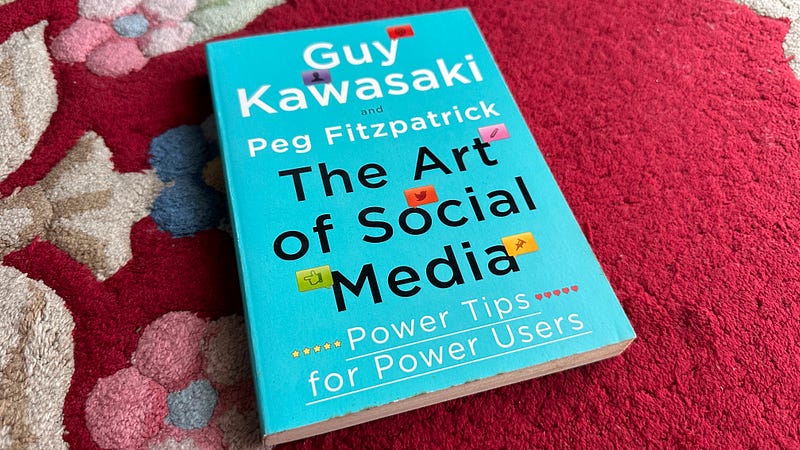
The Art of Social Media: Power Tips for Power Users

Not a paid member yet? Click here to read the full story for free.

The Art of Social Media: Power Tips for Power Users” by Guy Kawasaki and Peg Fitzpatrick emerges as a beacon for navigating the tumultuous seas of social media.

As someone deeply immersed in these platforms, I find myself oscillating between addiction and fatigue, a duality that speaks to the power and peril of our connected world.

My Addiction to Social Media: A Personal Confession

My journey with social media started innocently enough as a means to connect and share. However, it soon morphed into an insatiable addiction. Every like, share, and comment became a dopamine hit, reinforcing my need to stay connected.

Kawasaki and Fitzpatrick’s book landed in my hands at a time when I was beginning to question this obsession.

Their insights offered me a mirror, reflecting both the strategic brilliance and the potential pitfalls of social media engagement.

The authors’ profound experience cuts through the noise, offering actionable advice that resonates with both novices and veterans.

Kawasaki, a tech legend, and Fitzpatrick, a social media maestro, blend their knowledge seamlessly, delivering a narrative that is both educational and engaging.

Learning the Right Way: Strategic Engagement

What captivated me most about the book was its structured approach to social media. The authors advocate for purposeful engagement, urging readers to build a solid foundation before venturing into the expansive digital ecosystem.

Their emphasis on creating compelling content and fostering authentic connections echoed my desire to find meaning amidst the chaos.

As I delved deeper, I realized that my addiction stemmed from a lack of strategy.

I was engaging haphazardly, without a clear objective.

The book’s emphasis on goal-oriented activity and its plethora of tips and insights provided a roadmap to navigate social media more mindfully.

Dealing with Social Media Fatigue: Finding Balance

Despite the allure of constant connectivity, social media fatigue is a reality I grapple with. The constant stream of updates, opinions, and notifications can be overwhelming and lead to burnout.

Here, the book offered a lifeline, emphasizing the importance of digital detoxes and mindful consumption.

Kawasaki and Fitzpatrick do not shy away from addressing social media’s darker facets.

Their candid discussions around digital wellness resonated with me, underscoring the need for balance.

By adopting some of their suggested practices, I regained control and enjoyed social media without being consumed by it.

Impact on Professional Growth: A Testament to Success

On a professional level, the book has been transformative. In social media, where everyone clamors to be heard, the authors’ strategies have helped me amplify my voice.

Their insights into building a digital brand have been particularly impactful, enabling me to leverage social media for career advancement.

Furthermore, the book’s focus on analytics and optimization resonated with my analytical side.

By applying their methods, I’ve measured my impact, refined my approach, and achieved tangible results.
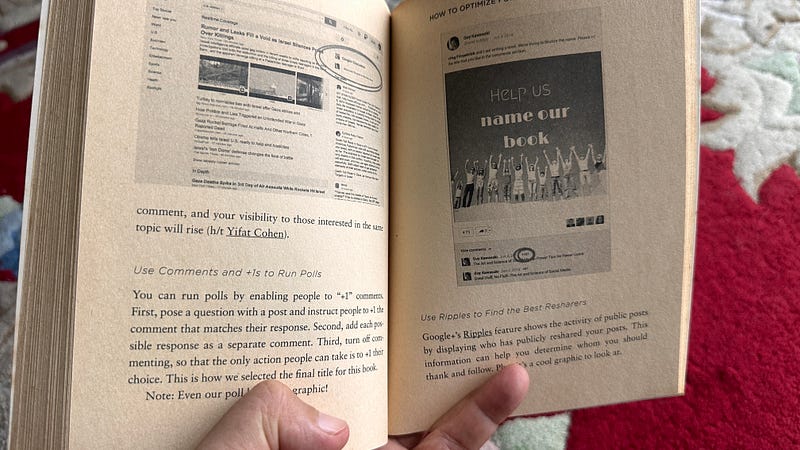
The Art of Social Media: Power Tips for Power Users

A Must-Read for Digital Navigators

In conclusion, “The Art of Social Media: Power Tips for Power Users” is more than just a manual; it’s a compass for navigating the complex landscape of digital interaction.

For someone like me, caught between addiction and exhaustion, Kawasaki and Fitzpatrick’s guidance has been invaluable.

Whether you’re a social media specialist or a weary digital netizen, this book offers wisdom on positively harnessing online platforms’ power.

It’s a testament to the authors’ expertise and a crucial resource for anyone looking to master the art of social media engagement.

This book shines a light on how to navigate the digital world with purpose and mindfulness, where online presence is key to achieving success.


Use my affiliate link to purchase this book, “The Art of Social Media: Power Tips for Power Users,” from Amazon.


More book reviews by Mazlan Abbas:

View at Medium.comView at Medium.comView at Medium.com


Remember to Subscribe to receive email updates on every post I publish.

Enchantment — Book Review

BOOK REVIEWS BY MAZLAN ABBAS

Understand how enchantment can be pivotal in business, shaping perceptions, fostering loyalty, and catalyzing success.

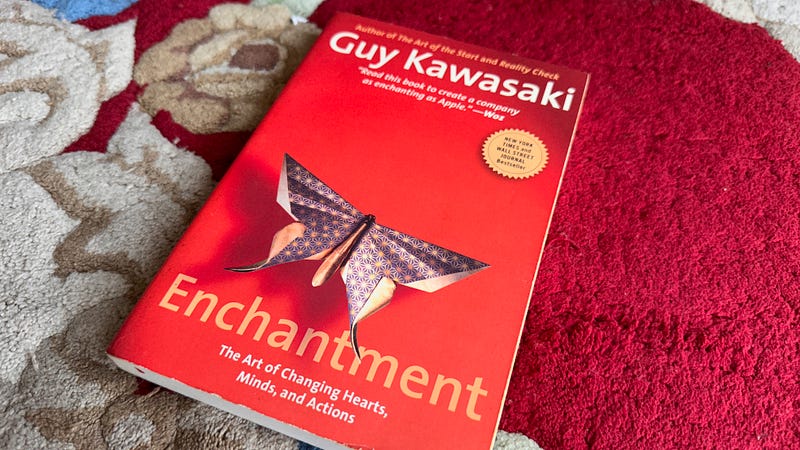
Enchantment: The Art of Changing Hearts, Minds, and Actions

Not a member? Click here to read the whole story.

Business competition is fierce, and stakeholders’ attention is constantly fragmented. Enchanting, an art as well as a strategic necessity, is crucial.

Guy Kawasaki’s “Enchantment: The Art of Changing Hearts, Minds, and Actions” presents this notion not as a mere option but as an imperative, an elemental force that transcends conventional persuasion or marketing.

Reading this book, I tried to understand how enchantment can be a pivotal lever in business, shaping perceptions, fostering loyalty, and catalyzing success.

Kawasaki’s thesis is beguiling in its simplicity and profundity: enchantment is about transforming relationships and circumstances in a manner that is voluntary, enduring, and delightful.

It’s a far cry from manipulation; it is about engendering genuine rapport and commitment.

In my own professional experiences, I have witnessed the temporary impact of conventional persuasion and the fleeting allegiance it garners.

Kawasaki’s articulation of enchantment resonated with me, offering a blueprint for cultivating deeper, more meaningful connections with colleagues, clients, and customers.

The book explains the mechanics of enchantment clearly and accessiblely, breaking down its components into actionable strategies.

Kawasaki emphasizes likability, trustworthiness, and a compelling cause as the cornerstones of enchantment.

These are not abstract qualities but tangible attributes that can be methodically nurtured.

For instance, likability stems from genuine warmth and relatability, while trustworthiness is cultivated through consistency, transparency, and integrity.

Enchantment: The Art of Changing Hearts, Minds, and Actions

The cause, meanwhile, must be larger than oneself, inviting others to be part of a shared mission that transcends individual interests.

Kawasaki buttresses his framework with diverse case studies that illustrate enchantment in action, from a Peace Corps volunteer defusing a tense standoff with guerrillas to a niche company like Vibram FiveFingers building a devoted customer base against all odds.

These narratives are not just compelling; they provide a textured understanding of how enchantment operates across varied contexts, from grassroots initiatives to corporate enterprises.

The author also delves into the tactical aspects of enchantment, offering guidance on leveraging both push and pull technologies, engaging through storytelling, and employing social proof and reciprocation.

These tactics are not manipulative ploys but methods to amplify the sincerity and appeal of one’s cause, making it more resonant and infectious.

However, “Enchantment” goes beyond mere tactics; it is a philosophical treatise on influence.

Kawasaki posits that the true measure of enchantment lies in its ability to foster enduring commitment, transforming transient interactions into lasting bonds.

This is particularly pertinent in today’s volatile business landscape, where loyalty is scarce, and cynicism is rampant.

Enchantment, as Kawasaki portrays it, is the antithesis of cynicism: it is about inspiring, uplifting, and galvanizing others toward positive action.

From a personal standpoint, Kawasaki’s insights have been revelatory, providing a lens through which I view my interactions and strategies.

In reflecting on my business endeavors, I recognize now that true success hinges not just on what we achieve but on how we influence and uplift others in the process.

Enchantment is the catalyst for this transformation, a strategic imperative that can distinguish the merely effective from the truly extraordinary.

In conclusion, “Enchantment: The Art of Changing Hearts, Minds, and Actions” is more than a business book; it is a manifesto for a more humane and impactful approach to influence.

Kawasaki not only provides strategies but also a vision for navigating the business world with grace, integrity, and a sense of purpose that goes beyond immediate objectives.

Whether you are an entrepreneur, a corporate executive, or a burgeoning leader, this book holds the key to unlocking not just the hearts and minds of others but also a deeper sense of fulfillment in your professional journey.

In a world often marred by transactional relationships and fleeting engagements, “Enchantment” invites us to aspire to something greater: lasting impact, profound connections, and a legacy of positive change.


Get this book, “Enchantment,” from Amazon. (Note: Affiliate links applicable here)


More Book Reviews from Mazlan Abbas

1 — The Art of the Start 2.0 — Book Review

View at Medium.com

2 — Startup Way — Book Review

View at Medium.com

3 — Arduino IoT Cloud for Developers — Book Review

View at Medium.com

4 — Pivot: The Art and Science of Reinventing Your Career and Life — Book Review

View at Medium.com

The Art of the Start 2.0 – Book Review

Great Startup Tips – A Book Review by Mazlan Abbas

By one of the best authors — Guy Kawasaki

The Art of the Start 2.0” authored by Guy Kawasaki emerges as a critical resource for contemporary entrepreneurs, guiding them through the complexities of initiating and nurturing a thriving business in our rapidly changing commercial environment.

My own foray into entrepreneurship evokes a sense of regret for not having discovered this profound guide earlier.

It skillfully amalgamates vital knowledge and pragmatic strategies, effectively avoiding the overwhelming plethora of resources that often inundate emerging startups.

Guy Kawasaki, esteemed in the entrepreneurial domain, imparts his substantial experience and distinctive insights within this revised edition.

While the original version enlightened numerous individuals, the current edition expands considerably to encompass the significant transformations within the business sphere over the recent decade, addressing the rise of social media, the democratization of startup tools, and the advent of crowdfunding.

Innovative Revisions and Enhancements

Rather than a mere update, version 2.0 represents a thorough revision, augmenting the content by 64% and integrating discussions on modern tools such as cloud computing, social media, and crowdfunding.

These updates mirror the dramatic shifts in business methodologies and startup culture, rendering the book a crucial asset for grasping and utilizing these contemporary trends.

Fundamental Entrepreneurial Challenges

Amidst the introduction of new tools and reduced barriers to entry, Kawasaki maintains focus on the perennial challenges of entrepreneurship: assembling a solid team, crafting an exceptional product or service, and strategically outperforming rivals.

His advice, grounded in years of experience, provides tangible, straightforward guidance to navigate these persistent challenges, ensuring readers comprehend the core principles even as they adjust to an evolving business landscape.

Actionable Guidance

A notable strength of the book lies in its practical advice, transcending theoretical discourse to present direct, applicable strategies.

Kawasaki’s discussions on various facets, from investor relations to brand development and team formation, offer lucid, actionable instructions that readers can promptly enact, guiding them away from typical missteps towards enduring achievements.

Entrepreneurship as a Mindset

Kawasaki advocates a view of entrepreneurship that transcends conventional job descriptions, portraying it as a mindset characterized by persistent innovation and pursuit of excellence.

This perspective permeates the text, motivating readers to adopt an entrepreneurial attitude irrespective of their sector or business phase.

His declaration that “Entrepreneur is a state of mind, not a job title” embodies this philosophy, inspiring readers throughout their entrepreneurial endeavors.

Evaluation and Praise

While the book’s comprehensive scope may appear daunting to some, especially those desiring in-depth exploration of particular topics, its encyclopedic nature is also among its key advantages, offering a broad yet practical and experience-based overview.


In summation, “The Art of the Start 2.0” stands as a seminal publication that adeptly connects past entrepreneurial challenges with today’s dynamic startup environment.

Its fusion of enduring insights and modern-day relevance renders it indispensable for both budding and seasoned entrepreneurs, alongside any individual keen to master the nuances of initiating and leading a business venture.

Kawasaki’s updated manual serves not merely as a book but as a beacon, furnishing both direction and motivation, ensuring the entrepreneurial path, though replete with hurdles, is ultimately fulfilling and transformative.


Get this book, “The Art of the Start 2.0” from Amazon (Note: Affiliate links).

Listen to the Audible Audiobook version here.

Try Audible Premium Plus and Get Up to Two Free Audiobooks


Other Book Reviews by Mazlan Abbas:

View at Medium.comView at Medium.comView at Medium.comView at Medium.comView at Medium.com