The Importance of Transparency in AI

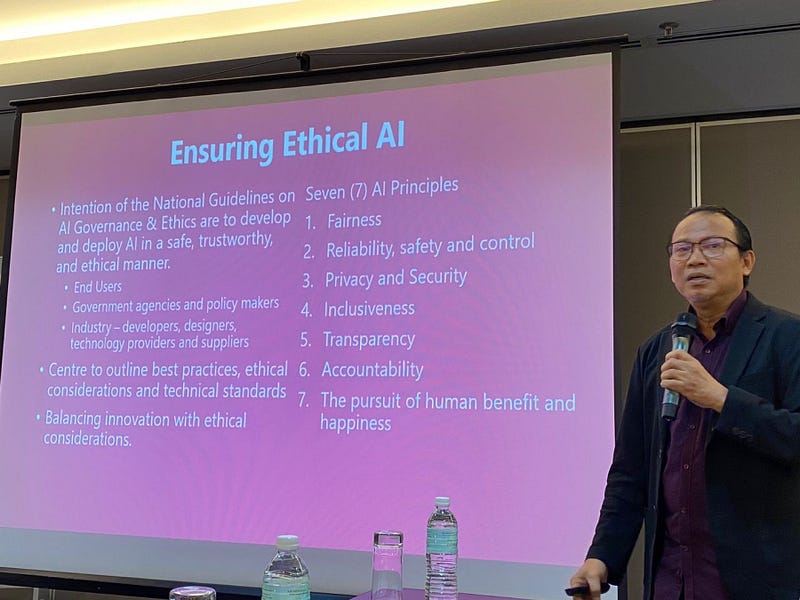
AI ETHICS

Building Trust in AI Software

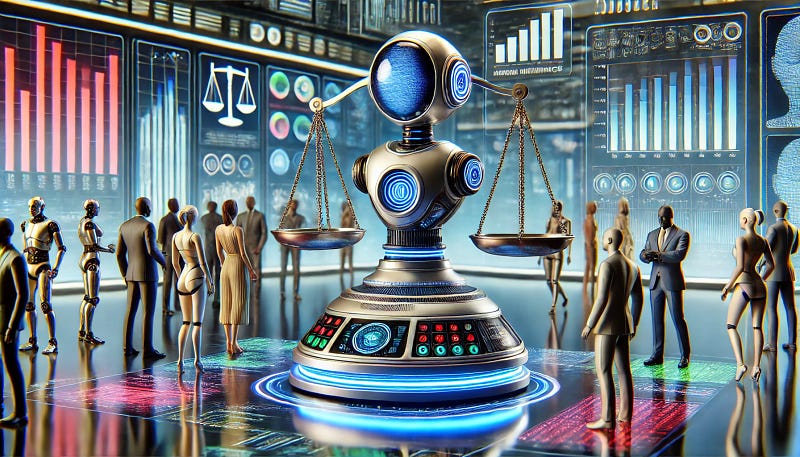
Image created using ChatGPT

I was fascinated by AI’s power to automate complex tasks, solve problems, and even make decisions that typically require human judgment.

But as I dug deeper into the mechanics of AI, one question kept coming to my mind: How do we ensure that AI is doing what it’s supposed to do?

More importantly, how do we ensure everyone affected by AI decisions understands what’s happening behind the scenes? That’s where the principle of transparency comes into play.

Transparency in AI isn’t just about ensuring the technical aspects are visible to a select group of developers or engineers. It’s about ensuring that the processes and decisions made by AI systems can be explained to all stakeholders — whether they’re technical experts, end users, or decision-makers.

AI must not be a “black box” where decisions are made, but no one understands how or why.

This idea of transparency is essential when AI makes decisions that impact people’s lives. Whether deciding who gets a loan, determining the outcome of a legal case, or even influencing hiring decisions, transparency allows stakeholders to evaluate the risks and address any issues.

Full Disclosure: When AI is Making Decisions

One key aspect of transparency is being upfront when AI is involved in decision-making.

Let’s consider a scenario in the hiring process.

Imagine applying for a job, going through an interview, and later finding out that the final decision on whether you were hired was made by an AI system instead of a human.

I often think about this: Wouldn’t it be frustrating if you didn’t know an AI was involved? That’s why it’s so crucial for companies and organizations to disclose when AI systems are being used in decision-making processes.

People have a right to know if an algorithm is influencing the decisions that affect their lives.

It’s not just a matter of ethics — it’s about trust.

Let’s say a company uses an AI system to screen job applicants. Full disclosure would mean informing applicants upfront that an AI tool is part of the selection process, explaining how it works, and outlining what data it considers.

With this transparency, candidates may feel confident in the outcome, especially if rejected without explanation.

Transparency gives people the opportunity to understand and even challenge decisions if needed.

The Purpose Behind the AI System

Another critical element of transparency is ensuring the AI system’s purpose is clear.

Take, for example, a facial recognition system used in security.

How many people understand the full extent of facial recognition’s purpose? Is it merely for security, or is it also used to track individuals for marketing purposes?

Stakeholders should always be aware of the purpose of the AI systems they interact with. For example, suppose a facial recognition system is used at an airport for security purposes. In that case, passengers must know precisely what the system is doing, what kind of data is being collected, and how it’s being used.

Without this clarity, there’s a risk of misuse or mistrust.

One real-world example is when social media platforms use AI to filter content.

If users are unaware that AI systems are screening and categorizing their posts, they might need to understand why specific posts are taken down or flagged. This lack of transparency can create confusion, making people feel their rights are being violated.

Understanding the Data: Bias and Quality Control

Whenever I think about AI transparency, the issue of training data comes to mind.

AI systems are only as good as the data they’re trained on, but often, the data contains biases that reflect historical or social inequalities. The data must be used in training AI to be disclosed and scrutinized to ensure fairness.

Take the example of AI systems used in the legal system.

Imagine an AI tool designed to predict the likelihood of someone reoffending after being released from prison. If the data used to train the AI is biased — perhaps it overrepresents specific communities — it could lead to unfair outcomes.

What if the AI system was unknowingly biased against a specific demographic? These biases could go unchecked without transparency about the training data, perpetuating discrimination.

In my view, transparency in AI isn’t just about disclosing that AI is being used — it’s also about being open about the data and processes behind it. Stakeholders need to know what historical and social biases might exist in the data, what procedures were used to ensure data quality, and how the AI system was maintained and assessed.

Maintaining and Assessing AI Systems

An often overlooked but equally important aspect of AI transparency is how these systems are maintained over time.

Just because an AI model works well today doesn’t mean it will work as expected tomorrow. What if the data changes or the system starts to degrade over time?

I always think of this in the context of healthcare. Imagine an AI system used to assist doctors in diagnosing patients. The system was trained on medical data several years ago, but medical knowledge and treatments have evolved rapidly. The AI could become updated with regular updates and assessments, leading to accurate diagnoses.

Transparency means informing users about how the AI system works now and keeping them updated on how it’s maintained and monitored over time. This ensures that AI systems remain effective and fair.

The Right to Challenge AI Decisions

Finally, AI transparency must include people’s ability to challenge decisions made by AI systems.

This is crucial for building trust.

If someone feels an AI system has unfairly treated them—say, by denying them a loan or flagging them incorrectly by a security system—they should have the right to question and appeal the decision.

I often ask myself, How would I feel if an AI decided for me, and I had no way to contest it? This is where transparency plays a pivotal role.

It’s not enough for people to know an AI system made a decision — they also need to know how to challenge that decision.

Transparency ensures that AI systems are accountable through a human review process or by providing clear channels for appeals.

Moving Forward with Transparent AI

It’s clear that transparency is not a luxury—it’s a necessity.

Without it, AI systems risk becoming tools people don’t trust or understand. AI must be practical and transparent in its processes, decisions, and data usage to succeed.

Transparency principles — whether they involve disclosing AI’s role in decision-making, clarifying its intended purpose, or allowing for challenges — are essential to building trust in AI systems.

This is the only way to ensure AI systems benefit everyone fairly and responsibly.

Why AI Must Be Fail-Safe: Ensuring Reliability and Human Oversight

PRINCIPLES OF AI

Building Trust in AI: The Power of Reliability, Safety, and Control

Image created using ChatGPT

The Importance of Reliability in AI

As someone who has worked extensively with technology, I’ve always emphasized the importance of reliability in AI systems. Reliability isn’t just a buzzword; it means that AI works as expected under normal and challenging circumstances.

Take the example of autonomous vehicles.

Imagine a self-driving car cruising down the highway on a sunny day — everything seems fine. But what happens when the weather suddenly changes? What if it starts raining heavily or if fog sets in? The car’s AI must remain reliable in identifying obstacles, following traffic rules, and ensuring passenger safety. If the system fails under these conditions, it’s not ready for real-world use.

“Would I trust this system if my safety depended on it?” Developers need to ask themselves this question. Reliability doesn’t mean perfection, but it means that the system does what it was designed to do under most circumstances.

When it encounters unexpected situations, it must still respond appropriately.

Safety in AI: More Than Just a Feature

Safety is crucial to AI, especially when human lives are at stake.

One simple yet powerful example of AI contributing to safety is found in modern vehicles — many now come equipped with AI features like automatic emergency braking.

Imagine you’re driving, and suddenly, the car in front of you stops abruptly. You might not have time to react, but the car’s AI does. It slams on the brakes to avoid a collision.

This shows how AI can enhance safety by making quick, life-saving decisions. However, this only works if the AI system has been thoroughly tested and proven to act reliably in such scenarios.

Fail-safe mechanisms are essential. If an AI system encounters an error or an unexpected situation, it must default to a state that avoids harm. A failure in high-risk environments like healthcare or transportation could lead to catastrophic outcomes. Fail-safe design ensures the system handles the situation without causing damage, even in the worst-case scenario.

I remember a colleague working on a project with industrial robots where safety was a huge concern. The question constantly on my mind was: “What happens if the robot misinterprets its task and causes an accident?”

The solution was to incorporate multiple layers of safety, including emergency stops and manual overrides. These features gave workers the confidence to operate near the robots, knowing they could intervene if necessary.

Controllability: Ensuring Human Oversight

Humans must maintain ultimate control over AI systems in high-risk areas like military applications or autonomous vehicles. While AI can make quick decisions, humans must be able to override the system if something goes wrong.

For example, AI might control drones or weapon systems in military applications. While these systems can make quick, efficient decisions, human judgment and oversight are still crucial.

I often remind myself, “Autonomy doesn’t mean lack of oversight.” AI should be autonomous but never beyond human control.

Maintaining control is not just about trusting the AI; it’s about ensuring that humans can manage and control these systems effectively. AI should work hand-in-hand with human operators, particularly in scenarios where lives are at stake.

The Role of Testing and Certification

Rigorous testing is one of the most critical steps to ensuring reliability, safety, and control in AI. This isn’t a one-time process; it must be ongoing. The real world constantly changes, and AI systems must adapt to new conditions and scenarios.

Developers and end-users should conduct regular certification and risk assessments. These assessments help identify potential weaknesses or vulnerabilities in the system, ensuring that AI meets the necessary reliability, safety, and control standards.

Without these steps, the systems we build won’t inspire trust; without trust, they can never reach their full potential.

Conclusion: Trust Through Testing

The future of AI depends on our ability to trust these systems.

Trust can only be built through robust testing, thoughtful design, and maintaining human control. As I often remind myself, “An AI system that cannot be trusted will never be used to its full potential.”

Trust comes from knowing these systems are reliable, safe, and controllable, even in critical situations.

Adhering to these core principles is essential for AI to thrive in healthcare, autonomous vehicles, or military applications.

Developers must prioritize testing, and users must be confident that they control these systems. Only then will AI be ready for widespread adoption in our everyday lives.

Protecting Your Future: Why AI Security and Privacy Matter

ABOUT ARTIFICIAL INTELLIGENCE (AI)

Security and Privacy — Principle of AI

When we talk about artificial intelligence (AI), one of the most important things to remember is that AI must be private and secure. It’s like driving a car.

You want the car to function properly, keep you safe, and always be in your control.

AI is no different.

These systems must perform as intended and resist tampering, especially by unauthorized parties.

In my experience working with IoT and smart cities, I have seen the risks and benefits of AI, and developers need to ensure that safety and security are built into every system from the beginning.

Let me explain with some simple examples.

Example 1: Self-driving Cars

One of the most exciting advancements in AI is the development of self-driving cars. Imagine a vehicle designed to drive itself from point A to point B.

The promise of these cars is enticing: fewer accidents, no need for human intervention, and efficient traffic management.

But what happens if the AI controlling the car is hacked? What if an unauthorized party can take control and steer the vehicle into danger?

This is where safety and reliability come into play.

The AI system must be designed to resist such interference. Developers must ensure that only authorized individuals can interact with the AI’s decision-making process.

If someone tries to hack into the system, the AI must be able to detect and prevent the intrusion. Without this security, the risk of accidents increases dramatically, and people may lose trust in AI technology.

In my experience with IoT and smart city solutions, we must design systems with these safeguards from the ground up.

AI systems should be tested rigorously under various scenarios to ensure they perform as intended, even in unexpected conditions.

For instance, just as we ensure an IoT device in a smart city responds safely during a power outage, a self-driving car should still behave responsibly if something goes wrong.

Example 2: AI-powered Healthcare Diagnostics

Another powerful application of AI is in healthcare.

AI systems are now being used to assist doctors in diagnosing diseases based on medical images or patient data. Consider how an AI system can analyze thousands of medical scans in seconds to identify potential problems like tumors or heart conditions.

But what if the AI system gives a wrong diagnosis? Or what if someone manipulates the data to favor certain patients while discriminating against others?

Here’s where privacy and data protection become crucial.

Developers must obtain consent before using someone’s personal health data to develop or run an AI system. Patients must know how their data is being used and should have the right to control it.

Data collected for these purposes should never be used to discriminate against patients based on race, gender, or other factors.

Incorporating security-by-design and privacy-by-design principles ensures that data is protected from misuse throughout the AI system’s entire lifecycle.

Developers should also adhere to international data protection standards so patients can trust that their health data is safe and won’t be used unlawfully. As someone who has worked with data from IoT systems, I know how easily personal data can be misused if not handled carefully.

Example 3: AI in Smart Home Devices

Now, let’s look at something more straightforward: smart home devices. Many people use AI-powered gadgets in their homes, like smart thermostats, voice-activated assistants, or security cameras.

These devices collect a lot of personal data.

Imagine if someone could access your security camera without your permission or your voice assistant recorded your conversations and shared them with companies you don’t know about.

Developers of these AI systems must obtain user consent before collecting and using this data. And once the data is collected, it must be protected.

The system should guarantee privacy, meaning the information stays confidential and cannot be accessed by unauthorized parties.

Moreover, the system must be transparent about how the data is used so that users can make informed decisions.

I often tell people that IoT and AI systems are like locks on a door. You wouldn’t leave your front door unlocked for anyone to walk in, right? In the same way, AI systems must lock down data and make sure only the right people have access.

A secure and privacy-conscious design helps build trust with users, which is essential for the widespread adoption of AI technologies.

Final Thoughts

For AI to truly succeed and be embraced by the masses, it must be trustworthy.

We can’t ignore the risks associated with it, but we can mitigate those risks by focusing on safety, security, and privacy. AI systems need to be reliable, and developers should always aim to meet the highest standards in protecting users’ data.

When AI is safe, secure, and controllable, we all stand to benefit from its incredible potential.

In every project I’ve been involved in, from IoT solutions to smart cities, this principle has been at the forefront: build systems that people can trust.

Only then can we realize AI’s full potential in transforming industries, healthcare, and our daily lives.

Understanding Fairness in AI

UNDERSTANDING ARTIFICIAL INTELLIGENCE

How to build trust in AI machines and software.

Image created using ChatGPT

As I explore Artificial Intelligence (AI), one principle resurfaces in almost every conversation: fairness. But what does fairness mean when we talk about AI?

AI systems should be designed and implemented to avoid bias and discrimination. It sounds simple, but the more I think about it, the more complex it becomes. How can we ensure that a machine, learning from data that may contain past biases, remains fair to everyone?

I’ve spent years working in technology, from telecommunications to IoT, and I’ve seen firsthand how tech can change lives.

But what happens when this powerful technology, which is supposed to serve everyone, starts favoring particular groups? That’s the real issue with biased AI. Unfortunately, it’s not just a hypothetical concern—it’s happening all around us.

Is AI fair?” I often ask myself. And the answer, unfortunately, isn’t always “yes.

Example 1: The Recruitment Algorithm

Let me start with an easy-to-grasp scenario. Imagine a company using AI to screen job applicants.

The goal is simple: the AI looks at resumes and selects the best candidates for the job.

It sounds efficient.

But what if the historical data fed into the system reflects past biases? What if, historically, the company has hired more men than women for tech roles?

The AI would begin to learn from this data, thinking that men are more likely to succeed in these roles. The result? The AI starts favoring male candidates, even if female candidates are equally or more qualified.

As I think about this, I realize the real danger isn’t just the immediate bias — it’s the fact that it can perpetuate and amplify over time.

What if this AI system continues being used for years?” I ponder. “How many qualified candidates will be unfairly rejected just because the AI absorbed a biased pattern from the past?

This is why fairness is critical in AI systems.

We need to ensure that the algorithms don’t just mimic the past but actively help us create a more equitable future.

Example 2: AI in Healthcare

Another troubling example is in healthcare.

Imagine an AI system that helps doctors decide who should receive life-saving treatment first. Ideally, it should be a neutral tool that analyzes medical data to determine who is in the most critical condition.

But what if the AI has been trained on data favoring one demographic over another, such as wealthier patients who typically have better access to healthcare?

The AI might then start recommending treatments to wealthier individuals while overlooking those from underprivileged backgrounds who may have just as critical a need.

How can we let this happen in healthcare?” I ask myself. The stakes are too high. It’s a matter of life and death, and if we can’t ensure fairness in these systems, we are failing those who need help the most.

This is why AI fairness isn’t just a technical issue — it’s a moral one.

We’re dealing with real people’s lives, and any bias, no matter how small, can have far-reaching consequences.

Example 3: Facial Recognition and Law Enforcement

Facial recognition technology is another area where fairness is crucial. Several studies have shown that facial recognition systems often struggle to identify people with darker skin tones accurately.

How is this possible?” I ask myself. With all our advancements, how can a system still make such glaring errors?

But then I realized—it all comes back to the data. If the AI were trained primarily on images of lighter-skinned individuals, identifying darker-skinned people would be less accurate. If law enforcement agencies rely on these systems, it can lead to unjust outcomes, such as wrongful arrests or misidentification.

Imagine being misidentified by an AI system just because it wasn’t trained properly,” I think.

The impact of such a failure is profound.

People’s lives can be turned upside down instantly, all because an algorithm wasn’t built with fairness in mind.

The Path Forward

So, how do we ensure fairness in AI?

It starts with the data. We need diverse and representative datasets to train these systems. But it also requires constant vigilance. Even with the best data, biases can creep in through the design or implementation of the AI system itself.

I often remind myself, “It’s not enough to trust that AI will ‘figure it out’ on its own. As developers and users, we have to be proactive in identifying and correcting biases.” It’s a responsibility that we must take seriously, especially as AI becomes more integrated into every aspect of our lives.

For me, fairness in AI is about ensuring that the technology we build serves everyone equally.

It’s about not allowing past biases to shape the future.

It’s about holding ourselves accountable to the highest ethical standards. Only then can we truly unlock AI’s potential in a way that benefits all of humanity.