How Google Works — Book Review

BOOK REVIEWS BY MAZLAN ABBAS

What drives one of the world’s most influential companies?

How Google Works

Not a member? Click here if you need to read the whole story.

As someone deeply fascinated by technology and business innovation, I eagerly dove into “How Google Works” by Eric Schmidt and Jonathan Rosenberg, hoping to glimpse the core machinery driving one of the world’s most influential companies.

This book, narrated by seasoned Google executives, extends beyond a corporate chronicle.

It is an excellent reference for aspiring entrepreneurs and established business leaders alike, illuminating the path to innovation and organizational success through the lens of Google’s remarkable journey.

The backdrop of this book is Google itself, a company that transformed from a fledgling startup into a global behemoth synonymous with innovation and disruptive technology.

Schmidt and Rosenberg, with their firsthand experiences, guide us through Google’s evolutionary trek, emphasizing the revolutionary management principles and business strategies that underpinned its growth.

How Google Works

Their narrative is not just informative but inspirational, demonstrating how a company can thrive by fostering a culture of creativity and innovation.

Central to the book’s thesis is the concept of the “smart creative” — a breed of employees who are not just adept at their tasks but are true innovators capable of driving monumental change.

This notion resonates with me as it echoes the environment I strive to cultivate in my ventures.

By valuing intelligence, creativity, and initiative above all, Google has succeeded in staying at the forefront of technological advancement, and I believe this model is worth emulating.

The insights into Google’s decision-making processes, talent acquisition strategies, and the nurturing of a dynamic corporate culture are particularly striking.

These elements are pivotal in understanding how Google consistently innovates and adapts in an industry where change is the only constant.

The book elucidates these aspects with practical examples and anecdotes, making the advice tangible and relatable.

Moreover, the authors address the challenge of scaling a business while maintaining a culture of innovation.

This is particularly pertinent for entrepreneurs like myself, who aim to grow their businesses without losing their innovative edge.

The principles of fostering open communication, encouraging dissenting opinions to reach consensus, and maintaining a focus on ambitious, long-term goals (“Think 10X, not 10%”) are potent reminders of how to sustain growth and innovation simultaneously.

How Google Works” also delves into the strategic aspects of Google’s success, such as its product development and market disruption approach.

The authors’ accounts of how Google navigated these fields provide invaluable strategic thinking and agility lessons, emphasizing the need to anticipate market shifts and adapt swiftly.

Schmidt and Rosenberg’s narrative style, enriched with personal experiences and insider anecdotes, makes the book not just an educational read but an engaging one.

It offers a rare peek behind the curtains of one of the most successful companies of our time, presented in a manner that is both accessible and compelling.

Essentially, “How Google Works” is more than a business book; it’s a manifesto for innovation and success in the modern digital era.

It has not only provided me with a deeper understanding of Google’s ethos and operational tactics but also inspired me to incorporate these insights into my business practices.

This book is an indispensable resource for anyone keen on understanding the intricacies of building and sustaining a successful, innovative company in today’s fast-paced world.

It reiterates the belief that at the heart of any successful venture lies the unyielding pursuit of innovation, a culture that cherishes bold ideas, and the relentless quest for improvement.


Get this book, “How Google Works,” from Amazon (Note: Affiliate links applicable.


More Book Reviews by Mazlan Abbas

1 — Building the Internet of Things — A Book Review

View at Medium.com

2 — Get Backed — Book Review

View at Medium.com

3 — Business Model You — Book Review

View at Medium.com

4 — The Samsung Way — A Book Review

View at Medium.com

Feeling of Being Ghosted — After Pouring Heart and Soul in Project

Startup Journey Stories

What will you do if you encounter this?

Where do I even begin with this one?

Picture this: you’re all jazzed up about a potential partnership, right?

You’ve got this IoT solution that’s like the Swiss Army knife of tech solutions — versatile, innovative, the whole nine yards.

You dive headfirst into the deep end, doing your homework, crunching the numbers, and basically bending over backwards to tailor-make this solution architecture.

You’re talking pricing, materials, the works. And not just any materials, but the crème de la crème, sourced after what feels like a million discussions with various companies who, bless their hearts, took the time to entertain our endless queries.

So there we were, practically oozing optimism, dreaming about the hundreds of sites we were going to revolutionize in 2024.

And then, out of nowhere, radio silence.

Crickets.

Photo by Wolfgang Hasselmann on Unsplash

It’s like sending a text to your crush and watching that ‘read’ notification mock you without a reply.

So, what do I do? I chase them down, of course, because hey, maybe they’re just playing hard to get, right?

Wrong.

Cue the next meeting, where I’m hit with the kind of plot twist you’d expect from a telenovela.

Not only have they not decided to go ahead with us, but they’ve also got their eye on other solutions, and — get this — our meticulously crafted, bespoke solution apparently doesn’t meet their ‘standards.’ I mean, ouch.

Talk about a blow to the ego.

But here’s the kicker: there was zero feedback.

Nada.

It’s like our proposal was a free sample they snagged while window shopping. And that’s when it hit me — our proposal was probably used as a bargaining chip or, worse, handed over to their preferred partner on a silver platter.

Talk about feeling used.

Trust me, the frustration was real.

It’s one thing to lose out on a project, but it’s a whole other ballgame to feel like your hard work was just a means to an end for someone else’s negotiations.

It felt like our proposal was hijacked, and not in a cool, action-movie kind of way.

Photo by Jose P. Ortiz on Unsplash

So, what’s the moral of the story? I’ve learned the hard way that not all partners are created equal.

Trust is like that favorite hoodie of yours — comfortable, hard to find, and easy to lose. And once it’s gone, well, it’s pretty darn hard to get back.

The experience was a wake-up call.

Sure, it’s a bummer to realize that not everyone plays fair in the sandbox, but it’s also a reminder to guard your sandbox a little more carefully.

And maybe, just maybe, to not get too attached to potential partners until they’ve proven they’re not just in it for a free ride on your coattails.

So, to all the would-be partners out there, let’s keep it classy, shall we?

Because nobody likes feeling like they’ve been ghosted after pouring their heart and soul into a project.

Photo by Šimom Caban on Unsplash

D.K.L.T.S — The Art of Selling

Discover — Know — Like — Trust — Sell (DKLTS)

Too Much Selling and You Chase Your Potential Customers Away — Let’s Do the Right Way!

D.K.L.T.S — The Art of Selling

I must confess — I’ve been down this road way too many times.

Every morning, as I’m driving to the office, there’s this little voice in my head going, “Hey, let’s get this show on the road, time to sell, sell, sell!

It’s like I’ve got this inner salesperson that just can’t wait to throw our latest and greatest in front of anyone with a pulse.

But, if I’ve learned anything, it’s that slamming the pedal to the metal on selling from the get-go is like trying to sprint before you’ve even tied your shoes.

You’re just gonna trip.

That’s where D.K.L.T.S comes in, a neat little acronym that’s become my north star in navigating the social media selling galaxy.

1 — First up, “Discover.” This is all about letting your audience find you, kinda like laying out breadcrumbs for them to follow. No sales pitch here, just “Hey, look at this cool thing I know or did!It’s like making a new friend at a party without immediately trying to sell them your grandma’s secret cookie recipe.

2 — Then, “Know.” This is where things get a bit more personal. You share your story, your why, and what makes you tick. It’s like letting them in on the secret handshake without asking for anything in return. They get to see the real you, not just the seller you.

3 — Moving on to “Like.It’s all about building that relationship. Think of it like watering a plant; you gotta do it regularly, but not too much or you’ll drown it. Here, it’s about sharing values, interests, and maybe a laugh or two, making sure they know you’re not just another faceless seller.

4 — “Trust” is next. This is the big one. It’s where your audience goes, “Hey, this person really knows their stuff, and they’ve been consistent and genuine. Maybe I can trust them with my needs.It’s like the moment in a friendship when you realize you can count on them to have your back.

5 — Finally, “Sell.” And only now do you bring out the goods. But it’s different, because by now, they’re not just buying a product or a service; they’re buying into you and what you stand for. It’s the culmination of all that hard work, like asking someone out after you’ve gotten to know them and they’ve hinted they might say yes.

And then?

You rinse and repeat.

But spending time on steps 1 to 4, that’s where the magic happens.

It’s tough, not gonna lie.

It takes time, patience, and a whole lot of creativity — things that are in short supply when you’re eager to make a quick buck.

But the truth is, skipping straight to selling is like proposing marriage on the first date. It’s too much, too soon.

Why do people skip ads on social media?

Because it feels like someone’s trying to sell them something right out of the gate.

But when you take the time to go through D.K.L.T.S., you’re not just selling; you’re creating a connection.

And that’s how you make selling on social media simple, or at least, simpler.

It’s not just about making a sale; it’s about making a relationship.

And who knows?

Maybe that’s the secret ingredient in grandma’s cookie recipe after all.

How to Build a Billion Dollar App — A Book Review

Make Money — Book Review by Mazlan Abbas

A must-read book if you want to start a mobile app business

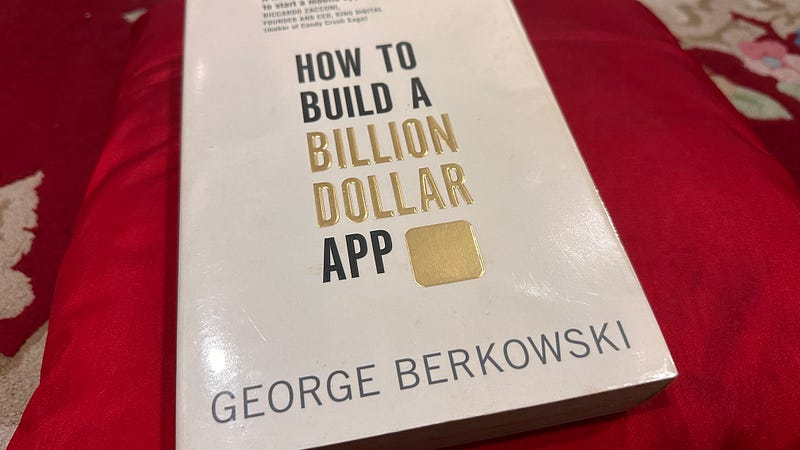
Alright, let’s dive into “How to Build a Billion Dollar App” by George Berkowski, a book that seems to promise the golden keys to the kingdom of app-based riches.

Initially, I was skeptical.

I mean, how many of us haven’t fantasized about ditching the daily grind to launch something groundbreaking?

Yet, the road from dream to a billion-dollar reality is notoriously fraught with pitfalls.

But here’s the kicker: Berkowski isn’t just spinning daydreams; he’s laying down a roadmap based on the journeys of giants like Instagram, WhatsApp, Snapchat, Candy Crush, and Uber.

First off, the book is an eye-opener.

It’s not just about coding an app; it’s about birthing a mobile business behemoth.

Berkowski takes you from the seed of an idea — literally, something you might scribble on a napkin — through the throes of co-founder dating, team building, user addiction creation, and the relentless pursuit of staying relevant in an industry that never sleeps.

It’s like having a mentor who’s seen it all, guiding you through the highs and lows of startup life.

What I appreciated most is the unvarnished truth Berkowski serves up. Building a billion-dollar app is not for the faint of heart.

It requires a concoction of vision, tenacity, and a dash of madness.

The book is peppered with insider stories that read like Silicon Valley drama, making it informative and hugely entertaining.

The practical advice is gold.

Whether you’re a coding novice or a seasoned entrepreneur, there’s something in here for you.

Berkowski doesn’t shy away from the gritty details — funding rounds, user acquisition strategies, the pivot (oh, the inevitable pivot) — making it invaluable for anyone serious about scaling their mobile app into the stratosphere of valuation.

However, it’s not just a cheerleading manual for app moguls in the making.

It’s a reality check that underscores the immense effort, strategic planning, and a bit of luck required to join the ranks of the billion-dollar app club.

Berkowski’s candidness about the challenges adds a layer of credibility that’s often missing in the ‘get rich quick’ narratives.

In summary, “How to Build a Billion Dollar App” is a must-read for anyone daring to dream big in the digital arena.

It’s a blend of inspiration, practical guidance, and real-world wisdom.

Sure, not every reader will go on to create a billion-dollar app, but with Berkowski’s blueprint in hand, you’ll certainly have a fighting chance.

So, if you’re toying with an app idea or ready to take the plunge into the mobile business ocean, this book might just be your ultimate guide.

Get this “How to Build a Billion App” book from Amazon. (Note: This is an affiliate link)

Try Audible Premium Plus and Get Up to Two Free Audiobooks

https://amzn.to/48k29g3

Book review by Mazlan Abbas

Lessons Learned as a First-Time CEO in an IoT Company

The image was created using Midjourney by the Author of Startup Journey.

Embarking on a journey as the CEO of an IoT company, especially when one has never envisioned reaching such a pinnacle, is an experience filled with unique challenges and valuable lessons.

My path to becoming a CEO was unconventional, as my career goal was always to become a CTO.

However, life had other plans, and I found myself at the helm of a new IoT company, a subsidiary of a publicly listed company.

This 2.5-year tenure was eye-opening and instrumental in shaping my professional insights.

Lesson 1: Understanding the Multifaceted Role of a CEO

My first revelation was the expansive scope of a CEO’s responsibilities.

Furthermore, this is a new subsidiary responsible for a new business venture.

And the business area is very new – the Internet of Things (IoT).

Unlike my previous technical-focused roles, being a CEO required a holistic approach, managing product development and technology and steering the business’s strategic direction.

Building a team of experienced professionals, we created Smart City Solutions, a venture that demanded a blend of technical understanding and business savvy.

Lesson 2: Navigating the Complexities of Selling IoT Solutions

One significant challenge was underestimating the complexity of selling IoT solutions to local councils.

Unlike typical products, IoT solutions involve navigating bureaucracy and complex decision-making processes.

The sales cycle was excruciatingly long, a factor I had initially overlooked.

Lesson 3: The Pitfall of a Singular Market Focus

Our strategy initially focused on a single market with a singular product line.

This approach was a miscalculation due to the lengthy sales cycle and the need for extensive customer validation.

In hindsight, pivoting earlier to a different product or a more competitive market segment would have been more effective.

Lesson 4: Establishing a Brand in a Nascent Industry

A silver lining in our journey was the ease of establishing ourselves as an IoT brand in Malaysia, one of the industry’s early players.

This positioning opened doors to numerous opportunities, including invitations to conferences globally, enhancing our brand visibility.

Lesson 5: Overlooking Synergies Within the Parent Company

A missed opportunity was not leveraging the strengths and networks of our parent company’s group.

Instead of venturing out to find new markets and customers, tapping into the existing network within the group would have been a strategic advantage.

Lesson 6: The Imbalance between Product Development and Market Outreach

Our focus leaned heavily toward product development, overshadowing the need for effective marketing and customer engagement.

This imbalance led to a lack of real-world feedback and potential partnerships, which could have significantly influenced our market presence.


Though my tenure as a CEO was brief, the lessons learned are invaluable.

They have enriched my professional outlook and laid a strong foundation for my future endeavors, particularly in building my own startup.

The journey taught me the importance of flexibility, understanding market dynamics, and the power of strategic partnerships, insights I eagerly carry forward into my next chapter.


View at Medium.comView at Medium.comView at Medium.com


You can also check out my personal Blog here or the latest eBooks I have recently published — here.

If We Face Another COVID-19 Pandemic in 2024, Use the T.O.U.G.H Strategy to Survive.

The image was created using Midjourney by the Author of Startup Journey.

The number of COVID-19 cases is rising as we approach the end of 2023.

Are we going to face another pandemic?

I don’t think any country or business can survive another lockdown. The price of a lockdown is very high, as we have faced in 2020–2021.

The COVID-19 pandemic has posed unprecedented challenges for businesses worldwide, mainly for startups that may need more financial cushion or market presence of larger companies.

Adopting a strategic approach is crucial for survival and growth in these turbulent times. The T.O.U.G.H strategy provides a roadmap for startups to navigate this crisis effectively.

T — Tighten Financial Controls

In the face of economic uncertainty, stringent financial management becomes the lifeline for startups. The first step is to conduct a thorough review of your financials. This means going beyond the usual budget checks and delving into a meticulous analysis of all expenditures.

  1. Cutting Non-Essential Costs: Begin by identifying and cutting back on non-essential expenses. This might include postponing major purchases or cutting back on discretionary spending.
  2. Cash Flow Management: Cash flow is the lifeblood of your business. Develop a cash flow forecast to anticipate incoming and outgoing cash and make informed decisions.
  3. Emergency Fund: Building an emergency fund can provide a buffer to help your startup weather unforeseen financial challenges.
  4. Exploring Funding Options: Investigate all available funding options, including government relief programs, grants, and loans designed to help businesses during the pandemic.

O — Optimize Operations

The following key area is optimizing operations to ensure maximum efficiency. This is a multifaceted approach that involves reevaluating your operational strategies.

  1. Adopting New Technologies: Embrace technologies that can automate and streamline processes, such as cloud computing, AI, or project management tools.
  2. Outsourcing: Outsourcing non-core activities can help reduce costs and allow your team to focus on critical business functions.
  3. Remote Work Models: Adopt flexible work arrangements to maintain productivity while ensuring the safety of your team.
  4. Lean Operations: Aim for a lean operational model that maximizes resources and minimizes waste in all forms.

U — Understand Your Customers’ Changing Needs

The pandemic has altered consumer behaviors and expectations. Adapting to these changes is crucial for maintaining relevance and competitiveness.

  1. Market Research: Conduct ongoing market research to understand how customer needs and behaviors evolve.
  2. Customer Engagement: Maintain open lines of communication with customers through social media, surveys, and direct outreach.
  3. Adapting Offerings: To align with current market demands, pivot your products or services. This could mean anything from tweaking your product features to completely overhauling your service delivery model.
  4. Value Proposition: Reevaluate your value proposition to ensure it aligns with your customer’s needs and pain points.

G — Go Digital

The pandemic has accelerated the digital transformation. For startups, this presents both a challenge and an opportunity.

  1. Enhancing Online Platforms: Invest in your website and e-commerce platforms to ensure they are user-friendly, secure, and capable of handling increased traffic.
  2. Digital Marketing: Leverage digital marketing tools and platforms to reach a wider audience. This includes SEO, content marketing, social media, and email marketing.
  3. Virtual Services: If applicable, transition to offering services virtually. This could involve online consultations, digital product delivery, or virtual events.
  4. Data Security: With increased digitalization, ensure your data security measures are robust to protect your business and customers.

H — Hold onto Your Core Values

In times of crisis, a company’s core values and culture become its guiding star.

  1. Mission and Vision: Reaffirm your company’s mission and vision. This helps in keeping the team focused and motivated.
  2. Transparency and Communication: Maintain transparency with your team and stakeholders. Open communication fosters trust and loyalty.
  3. Employee Well-being: Pay attention to the well-being of your employees. Supportive leadership can boost morale and productivity during challenging times.
  4. Community Engagement: Engage with your community. Whether supporting local initiatives or offering helpful services, community engagement can enhance your brand’s reputation and relevance.
The image was created using Midjourney by the Author of Startup Journey.

Conclusion

The T.O.U.G.H strategy offers a comprehensive approach for startups navigating the COVID-19 pandemic. By Tightening Financial Controls, Optimizing Operations, Understanding Customers’ Changing Needs, Going Digital, and Holding onto Core Values, startups can survive the current crisis and lay the groundwork for future resilience and success.

The pandemic, while challenging, also presents opportunities for innovation and growth.

Startups that adapt swiftly and effectively to these changing circumstances are well-positioned to emerge more substantially and resilient in the post-pandemic world.

Remember, resilience in business is not just about weathering the storm but also about being prepared to seize new opportunities in its aftermath.

Secrets You Need to Learn From Colonel Sanders Entrepreneurship Journey

Photo by Kim Wine on Unsplash

What’s the best age to become an entrepreneur?

With or without working experience?

If you too old, you might have less energy.

But you might not have the relevant experience if you are too young.

But in the entrepreneurship landscape, there’s a misleading notion that success is the domain of the young.

Stories of youthful prodigies and emerging entrepreneurs constantly reinforce this view.

However, the inspiring journey of Colonel Harland Sanders, the founder of KFC, shatters this stereotype.

Sanders embarked on his venture to create a global fast-food empire at 62 when many contemplate retirement.

His story isn’t just about late blooming; it’s a testament to lifelong perseverance and the falsity of the ‘overnight success’ myth.

Whether you’re 20 or 60, the entrepreneurial journey is about the courage to begin.

Colonel Sanders: A Lifetime Culminating into Success

Photo by iStrfry , Marcus on Unsplash

Sanders’ story often appears as a sudden success that occurred later in life.

Yet, a closer look reveals a rich tapestry of experiences. Sanders dabbled in various jobs from a young age, including running a restaurant at 40.

This means that before KFC became a global name, Sanders had accumulated two decades of experience in the food industry.

His venture into KFC wasn’t a leap into the unknown but resulted from years of learning, grit, and passion.

It’s never too late to be what you might have been. Age is no obstacle to starting your entrepreneurial dream.

The Entrepreneurial Essence: Starting from Scratch

Photo by Aleks Dorohovich on Unsplash

What’s particularly intriguing about Sanders’ story is his secret chicken recipe, which was popular among locals long before KFC was established.

This contrasts with many entrepreneurs, including myself, who often start with a blank canvas. We strive to build a brand identity and customer base from the ground up.

However, this challenge is what makes entrepreneurship so exhilarating.

Every entrepreneurial story is distinct and filled with unique challenges, risks, and rewards.

Don’t let the number of your years be a barrier to your entrepreneurial spirit.

Resilience: The Heart of Entrepreneurship

Photo by Marques Thomas on Unsplash

Sanders’ journey wasn’t a smooth sail to success; it was marked by persistence and numerous rejections before his recipe gained acceptance.

This aspect of his story is especially resonant for aspiring entrepreneurs.

It highlights that the essence of entrepreneurship isn’t about the timing of your start but the quality of your perseverance.

As I venture into the entrepreneurial world, doubts and fears are constant companions, particularly about starting at a later age.

However, stories like that of Colonel Sanders remind me that success isn’t age-bound. They emphasize the importance of determination, resilience, and adaptability.

Age is just a number. Dreams are timeless. Start now, start anytime.

In Conclusion: The True Essence of Entrepreneurial Success

Photo by Matteo Vistocco on Unsplash

Colonel Sanders’ legacy with KFC teaches us that success is not confined by age.

It’s about resilience, experience, and the unwavering spirit of never giving up.

His story is a beacon of hope for anyone considering entrepreneurship, affirming that it’s never too late to pursue your dreams.

Each entrepreneurial journey, irrespective of its outcome, imparts invaluable lessons that shape and enrich our lives.

Remember, the essence of entrepreneurship lies not in the destination but in the journey itself, the lessons learned, and the passion that propels us forward.

As I embark on my journey, I hold onto these truths, finding solace and inspiration in the paths tread by others like Colonel Sanders.

The best time to start was yesterday. The next best time is now, regardless of your age.


Critical Lessons for Aspiring Entrepreneurs:

  1. Age is Just a Number: Success in entrepreneurship is not age-dependent. Stories like Colonel Sanders prove that it’s never too late to start.
  2. Experience Counts: Leverage your past experiences. Every skill and lesson you’ve learned can be an asset in your entrepreneurial journey.
  3. Embrace the Unique Journey: Every entrepreneurial path is different. Embrace your unique journey with its distinct challenges and opportunities.
  4. Persistence Pays Off: Success often comes after numerous rejections and failures. Persistence and resilience are essential.
  5. Adaptability is Crucial: Adapting to changing circumstances and overcoming obstacles is vital in the entrepreneurial world.
  6. Learn Continuously: Stay open to learning – about your industry, your customers, and even from your mistakes. Continuous learning is crucial for growth.
  7. Passion Drives Success: Your passion is your fuel. It keeps you going through tough times and inspires innovation and dedication.
  8. Build a Strong Network: Relationships matter. Build a network of supporters, mentors, and peers who can provide advice, support, and opportunities.
  9. Balance Vision with Practicality: Dream big, but also be practical. Set achievable goals and create a realistic plan to reach them.
  10. Self-Belief is Key: Believe in yourself and your vision. Self-doubt is natural, but don’t let it hinder your progress or dampen your ambition.

These lessons, drawn from the inspiring story of Colonel Sanders and personal reflections, offer a roadmap for aspiring entrepreneurs.

They highlight that entrepreneurship is a journey of learning, resilience, and undying passion, regardless of when you start.

Your age does not define your ability to succeed; it’s your passion and perseverance that counts.

How To Overcome the Fear and Embrace the Unknown of Entrepreneurship

Photo by Joshua Sortino on Unsplash

Are you a Startup Founder?

How you do you start your entrepreneurial journey?

There’s always the first step to the unknown.

The important thing is to make that first step.

Embarking on the journey of building a startup can feel like venturing into uncharted territory.

It’s not just the practical hurdles that make it daunting but also the mental barricades we construct.

This narrative of my transition from a robotics enthusiast to a hesitant entrepreneur, and eventually a determined founder, encapsulates this complex experience.

Dreaming Big in Childhood: Beyond Science and Robots

Photo by Rock’n Roll Monkey on Unsplash

During my childhood, the realm of science was magnetic. My aim was clear: to become a scientist, innovate in robotics, and leave my mark on the tech world.

The notion of entrepreneurship was foreign to me then, seemingly reserved for a distinct class of dreamers.

Navigating Career Paths: Comfort in the Known

My professional journey meandered from academic corridors to the structured corporate world.

I harbored lofty ambitions, yet they were comfortably nestled within familiar landscapes. Climbing to a Chief Technology Officer position was my guiding star.

The leap to becoming a CEO? That seemed like a leap too far, a dream for the braver souls.

An Eye-Opening Encounter: Silicon Valley Inspirations

Photo by Greg Bulla on Unsplash

In 2016, a visit to Silicon Valley sparked a significant shift in perspective. Surrounded by innovators and trailblazers, age and background seemed inconsequential.

This environment brimmed with innovation and bravery.

However, even amidst this inspiring backdrop, doubts plagued me.

Could I, in my 50s and without prior experience in founding a company, truly embark on this path?

Facing the Unknown: Conquering Inner Doubts

The obstacles were numerous: lack of a product, team, market insight, and revenue.

Yet, overshadowing these tangible issues was a deeper fear of the unfamiliar.

I had convinced myself that entrepreneurship was a young person’s venture, and my opportunity had slipped by.

Nevertheless, embracing the wisdom of “Better late than never,” I mustered the courage to leap.

The Entrepreneurial Journey: Lessons from the Trenches

Photo by Justin Wilkens on Unsplash

This venture reshaped my world view.

Beyond the knowledge gained from books, it’s the real-life experiences – the difficult decisions, restless nights, and the rollercoaster of successes and setbacks – that truly enlighten one on the entrepreneurial journey.

It’s a path filled with challenges but also unparalleled opportunities for learning and growth.

In Conclusion: Saluting the Courageous

As a founder, my admiration has only grown for those who dare to dream and act against all odds.

It’s a demanding path, but to all entrepreneurs out there, remember you’re not in this alone.

And for those teetering on the edge, held back by self-imposed limits, bear in mind: the best time to start was yesterday, but the next best time is now.


Key Takeaways for Aspiring Entrepreneurs:

  1. Embrace the Unknown: Fear of the unknown is natural, but don’t let it deter you.
  2. Age is Just a Number: It’s never too late to start your entrepreneurial journey.
  3. Learn from Experience: Real-world experiences are invaluable; embrace every lesson.
  4. Break Mental Barriers: Challenge self-imposed limitations; they’re often unfounded.
  5. Persistence Pays Off: The journey is tough, but perseverance is key.
  6. Community Support: Remember, there’s a community of entrepreneurs to lean on.
  7. Just Start: The perfect time may never come; the best time is now.
Photo by Clemens van Lay on Unsplash

Top 10 Books on Entrepreneurship That You Have to Read

[Disclaimer: This article includes Affiliate Marketing links]

Embarking on an entrepreneurial journey is akin to setting sail on uncharted waters, where every challenge is an opportunity and every setback a lesson.

In this ever-evolving odyssey, books on entrepreneurship are not just resources; they are compasses that guide, mentors that inspire, and tools that equip.

This review is a curated exploration of the top 10 books in entrepreneurship, each a gem that shines a light on different facets of the entrepreneurial universe.

Imagine this: a collection where each book is a conversation with a thought leader, a masterclass from a seasoned entrepreneur, or a strategic session with a visionary venture capitalist.

These authors don’t just write; they speak from a place of profound experience and insight, offering a rich tapestry of knowledge that ranges from the grit of starting up to the finesse of innovative leadership.

In this analytical yet engaging journey, we will navigate through the core ideas of these groundbreaking works.

We’re not just listing books; we’re unraveling the wisdom within their pages, assessing their impact in the entrepreneurial sphere, and connecting their lessons to the pulsating rhythm of today’s business world.

Whether you’re sketching your first business plan or scaling new entrepreneurial heights, these books are more than just a read; they’re a transformative experience for any entrepreneur. Get ready to turn their pages and turn your entrepreneurial dreams into reality.

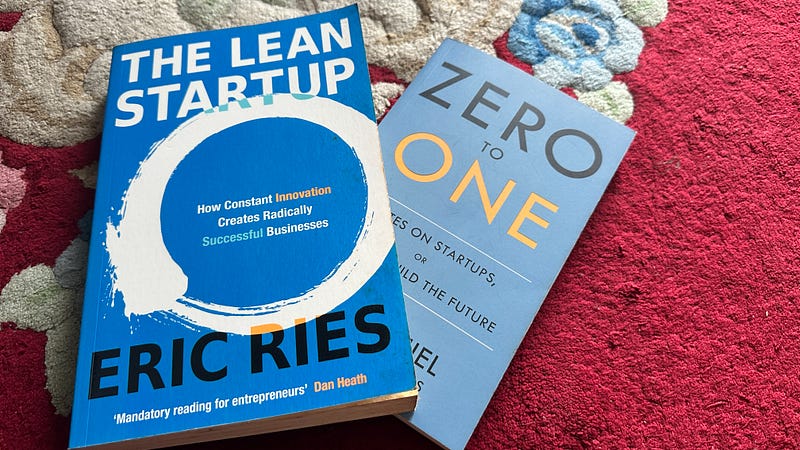
  1. “The Lean Startup” by Eric Ries: This book introduces the Lean Startup methodology, emphasizing the importance of agile development, minimum viable products, and iterative design in launching successful startups. Its approach to managing and scaling a startup is highly regarded for its practicality and efficiency.
  2. “Zero to One: Notes on Startups, or How to Build the Future” by Peter Thiel with Blake Masters: Thiel, a renowned venture capitalist, provides a contrarian viewpoint on building startups. He emphasizes creating something new and going from ‘zero to one’, rather than iterating on existing ideas. The book is celebrated for its thought-provoking take on innovation and competition.
  3. “The $100 Startup” by Chris Guillebeau: This book is praised for its approach to entrepreneurship as a reachable goal for anyone, even with minimal capital. Guillebeau shares insights from hundreds of entrepreneurs who have built successful businesses with modest investments, highlighting the accessibility of entrepreneurship.
  4. “The E-Myth Revisited” by Michael E. Gerber: Gerber challenges the myths surrounding starting your own business and shows how commonplace assumptions can get in the way of running a business. He outlines an effective business model that focuses on systems and scalability.
  5. “Start with Why: How Great Leaders Inspire Everyone to Take Action” by Simon Sinek: While not solely focused on entrepreneurship, Sinek’s book is crucial for understanding the importance of the ‘why’ behind a business. It’s about the inspiration that drives successful entrepreneurship.
  6. “The Hard Thing About Hard Things: Building a Business When There Are No Easy Answers” by Ben Horowitz: Horowitz shares wisdom from his experiences as a startup founder and venture capitalist, offering insights into the tough decisions entrepreneurs must make.
  7. “Rework” by Jason Fried and David Heinemeier Hansson: This book challenges traditional business practices and offers unconventional wisdom and practical advice for anyone looking to start a business. Its straightforward, no-nonsense approach is particularly appealing.
  8. “How to Win Friends and Influence People” by Dale Carnegie: Although not exclusively about entrepreneurship, Carnegie’s classic is fundamental for understanding business relationships and effective communication, skills every entrepreneur needs.
  9. “Lean In: Women, Work, and the Will to Lead” by Sheryl Sandberg: Sandberg’s book, while broader in its approach to career and leadership, offers critical insights into entrepreneurship from a female perspective, discussing challenges and providing advice for women in leadership and entrepreneurial roles.
  10. “The Innovator’s Dilemma” by Clayton M. Christensen: This book introduces the theory of disruptive innovation and its impact on industries and businesses. Christensen’s insights are crucial for entrepreneurs looking to innovate and disrupt existing markets.

Diversifying Revenue From a Single Product – Lessons for Aspiring Entrepreneurs

Photo by Karl Callwood on Unsplash

What if you can diversify your revenue streams from a single product?

What if you can come out with couple of new business models?

The Necessity of Diversifying Revenue

In the world of technology and business, diversification isn’t just a strategy, it’s a survival tool.

Our story with the Favoriot IoT platform exemplifies this.

We started with a simple, focused idea – a subscription-based IoT service.

What unfolded was a fascinating journey of expansion and discovery, leading to multiple revenue streams.

Starting with Subscriptions

Our initial model was simple: offer users a subscription for consistent access and updates to the Favoriot platform.

This straightforward approach proved effective, laying a solid foundation for our business.

Bridging Knowledge Gaps with IoT Training & Certification

As the IoT field grew, so did the knowledge gap among users.

We seized this opportunity by integrating educational services with our product.

Offering IoT training and Favoriot certifications, we used our platform as a teaching tool, enhancing its value and our brand’s credibility.

Customizing with On-Premise Licensing

The diverse needs of businesses led us to adapt.

We introduced an on-premise licensing model, offering a solution for firms wanting the platform within their own infrastructure, catering to a new segment of customers.

Creating Synergy with Hardware Bundling

The expanding IoT market revealed another opportunity – bundling hardware with our software.

This integration offered a more comprehensive, user-friendly experience, further enhancing our product’s value.

Tailoring Solutions for Specific Industries

Our final pivot was towards industry-specific solutions.

Tailoring our platform to meet unique challenges faced by different sectors, we opened new revenue channels and established Favoriot as a versatile and solution-focused entity.

Conclusion: The Evolution from a Single Product to Multiple Streams

What began as a singular IoT platform evolved into a multi-faceted business model.

Favoriot’s journey is a testament to the power of innovation and adaptability.

A single product, when viewed through a lens of creativity and responsiveness, can lead to diverse income avenues and immense value creation.


Photo by Alvaro Reyes on Unsplash

Lessons for Aspiring Entrepreneurs:

  1. Stay Open to Evolution: Your initial business model might evolve; be ready to adapt.
  2. Identify and Fill Knowledge Gaps: Educating your user base can become a valuable revenue stream.
  3. Meet Diverse Customer Needs: Flexibility in product delivery can open new markets.
  4. Synergize Products and Services: Look for complementary services or products to enhance value.
  5. Tailor Solutions to Industry Needs: Customizing your product for different sectors can significantly expand your business reach.

This journey illustrates how a single-product company can transform into a multi-revenue stream enterprise, emphasizing the importance of adaptability, market awareness, and continuous innovation in the entrepreneurial world.