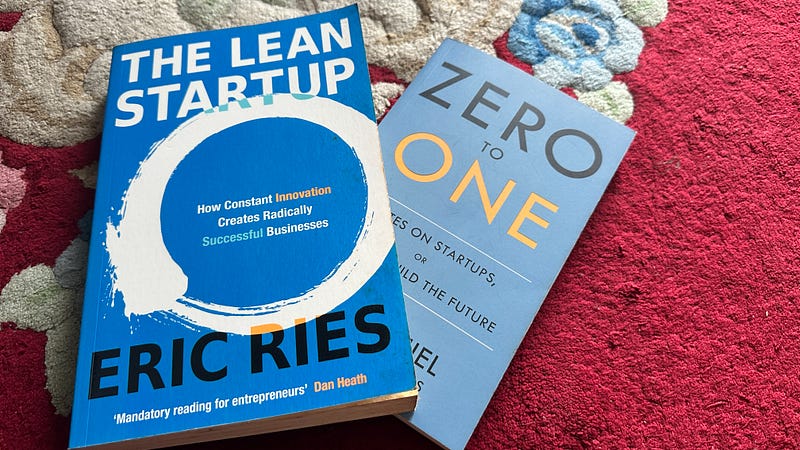
The Lean Startup — A Book Review

Great Startup Books — Book Review by Mazlan

I regretted not reading this before building my Startup
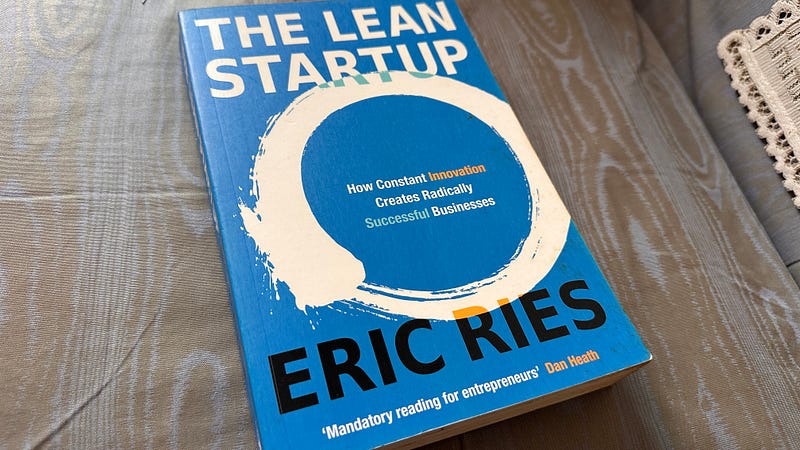
The Lean Startup by Eric Ries

Discovering “The Lean Startup” by Eric Ries was a revelation that arrived after I had already embarked on the challenging journey of founding a startup.

The insights it offered were akin to uncovering a guide after a solo navigation through the formidable entrepreneurial waters.

I implore those on the cusp of starting their own venture, or even considering it, to not repeat my oversight.

This book is more than a suggestion; it is an essential part of the entrepreneur’s toolkit.

Eric Ries goes beyond theoretical discourse, providing a pragmatic blueprint for operation.

His central premise?

Startups can heighten efficiency and speed up innovation by embracing a lean methodology, an approach informed by the principles of lean manufacturing.

This philosophy doesn’t equate to mere cost-cutting; it emphasizes maximizing learning and ensuring that each step is corroborated by tangible market feedback.

Prior to encountering “The Lean Startup,” I labored under the illusion that my initial product concept was a guaranteed success, only to confront the stark reality that it didn’t resonate with consumers.

Ries promotes a concept that could have shielded me from such disillusionment: validated learning.

Rather than investing heavily in a finished product, he suggests starting with a minimum viable product (MVP) to quickly gauge customer desires.

This involves stepping out, engaging directly with users, and evolving the product based on their input.

Ries’s book offers a wealth of tactics to sidestep the allure of vanity metrics — those misleading figures that may look impressive on reports but fail to indicate your venture’s true vitality.

He instructs on concentrating on actionable metrics that accurately reflect progress and genuine customer value.

One of the most empowering elements of the Lean Startup approach is its stance on failure.

Within this framework, a failed experiment is not a defeat but a crucial learning opportunity, facilitating quick iterations, rapid knowledge acquisition, and the flexibility to pivot when it’s called for.

This alteration in perspective is invaluable.

What resonates most profoundly with me, though, is the realization that the Lean Startup methodology unravels the enigma of launching a business.

It’s less about possessing an infallible initial plan and more about the process of continual learning, adapting, and navigating through the inevitable uncertainty that shrouds new endeavors.

In retrospect, had I consulted “The Lean Startup” prior to releasing my first product, I could have avoided many pitfalls.

Yet, the beauty of Ries’s philosophy is its timeless applicability; it’s never too late to adopt this lean approach.

Whether one is just beginning or strategizing within the upper echelons of a well-established corporation, the principles of the Lean Startup can direct you toward the creation of something of genuine merit.

Thus, I extend this advice to all emerging entrepreneurs and established innovators: do not overlook “The Lean Startup.

It is not merely literature; it is a fundamental resource.

For someone like myself, it has become the compass I wish I had from the start.

Do not release your vision into the market without it.


You can buy “The Lean Startup” book from Amazon (Note: This is an affiliate link).

Try Audible Premium Plus and Get Up to Two Free Audiobooks

Architectural Patterns and Techniques for Developing IoT Solutions — A Book Review

Internet of Things (IoT)— Book Review by Mazlan Abbas

Best and Practical IoT Book in the Market

Architectural Patterns and Techniques for Developing IoT Solutions

[Note: Click here to have FREE access to this member-only story]

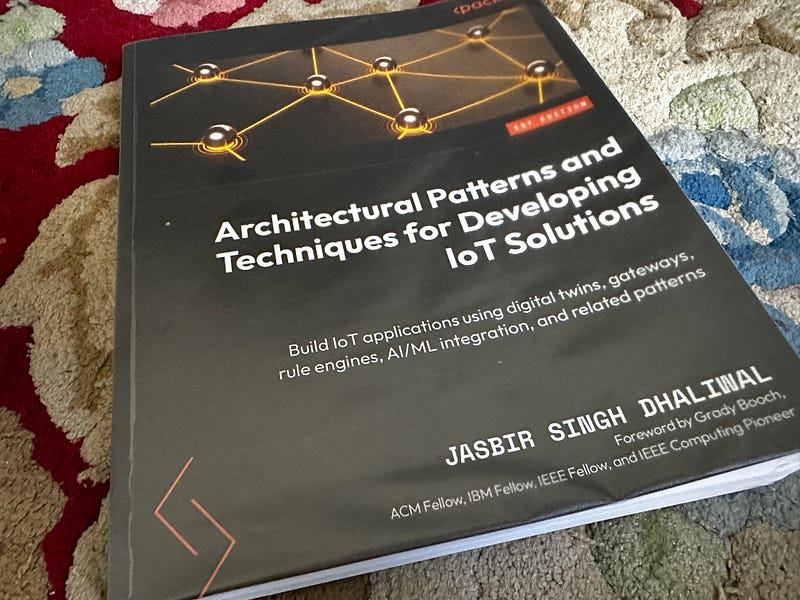
Big shoutout to Jasbir Singh Dhaliwal for dropping this gem: “Architectural Patterns and Techniques for Developing IoT Solutions: Build IoT applications using digital twins, gateways, rule engines, AI/ML integration, and related patterns.”

Architectural Patterns and Techniques for Developing IoT Solutions

Jasbir’s killing it in the IoT game and leading the way with some serious knowledge bombs.

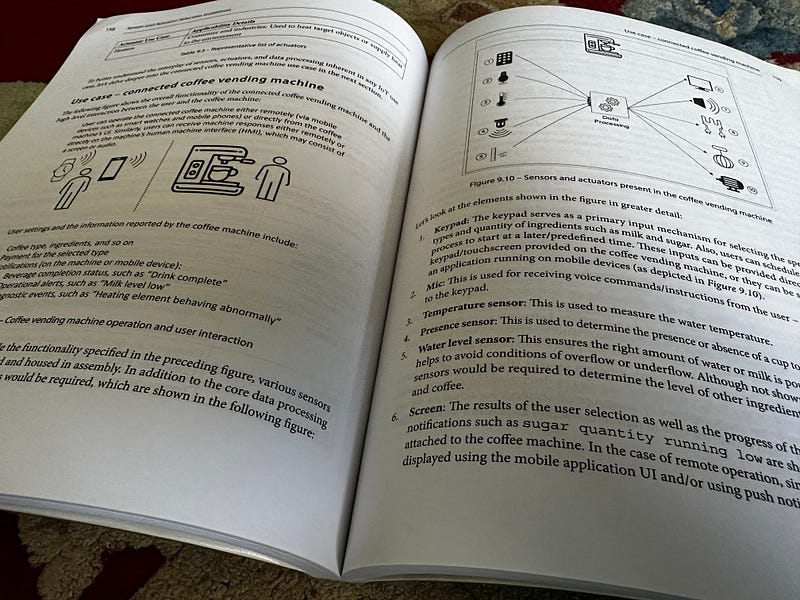
His book is the ultimate cheat sheet for getting into or leveling up in the IoT world. It’s written in plain English so you won’t get lost in tech babble, and it’s packed with insights that’ll give you a solid grip on IoT basics and beyond.

You’ll love how it dives into real-life examples to take you from just talking the talk to walking the IoT walk.

It’s all about making those techy concepts stick by seeing them in action.

Plus, it’s not just theory. Jasbir shows you how to roll up your sleeves and get your hands dirty with IoT, turning big ideas into real-world magic. It’s perfect for tech heads and biz folks looking to get in on the IoT action.

Architectural Patterns and Techniques for Developing IoT Solutions

Seriously, don’t sleep on this book.

It’s a must-have for anyone in the IoT sphere. And hey, if you’re keen to check it out, hit up the link below (yup, it’s an affiliate link, so you know).

This book is a total game-changer. Don’t miss out!

https://amzn.to/49xPkzZ

Try Audible Premium Plus and Get Up to Two Free Audiobooks

How I Managed to Publish My Third eBook Within 1 Month

I have never imagined in my life that I would be able to publish as many eBooks within a short timeframe.

For the past month, I have published three eBooks (including the third one today).

So, what’s the secret?

There’s no big secret at all. In fact — it’s an open secret.

I used the same formula as others. Using the published articles in our blogs, select the best ones and turn them into an eBook.

Even though I have published several before this, these three eBooks were published in a concise time frame (one month), it’s faster since I have work out the format and to make it into a good-looking eBook.

The first of the three books is “My Startup Survival,” which details my entrepreneurial journey.

View at Medium.com

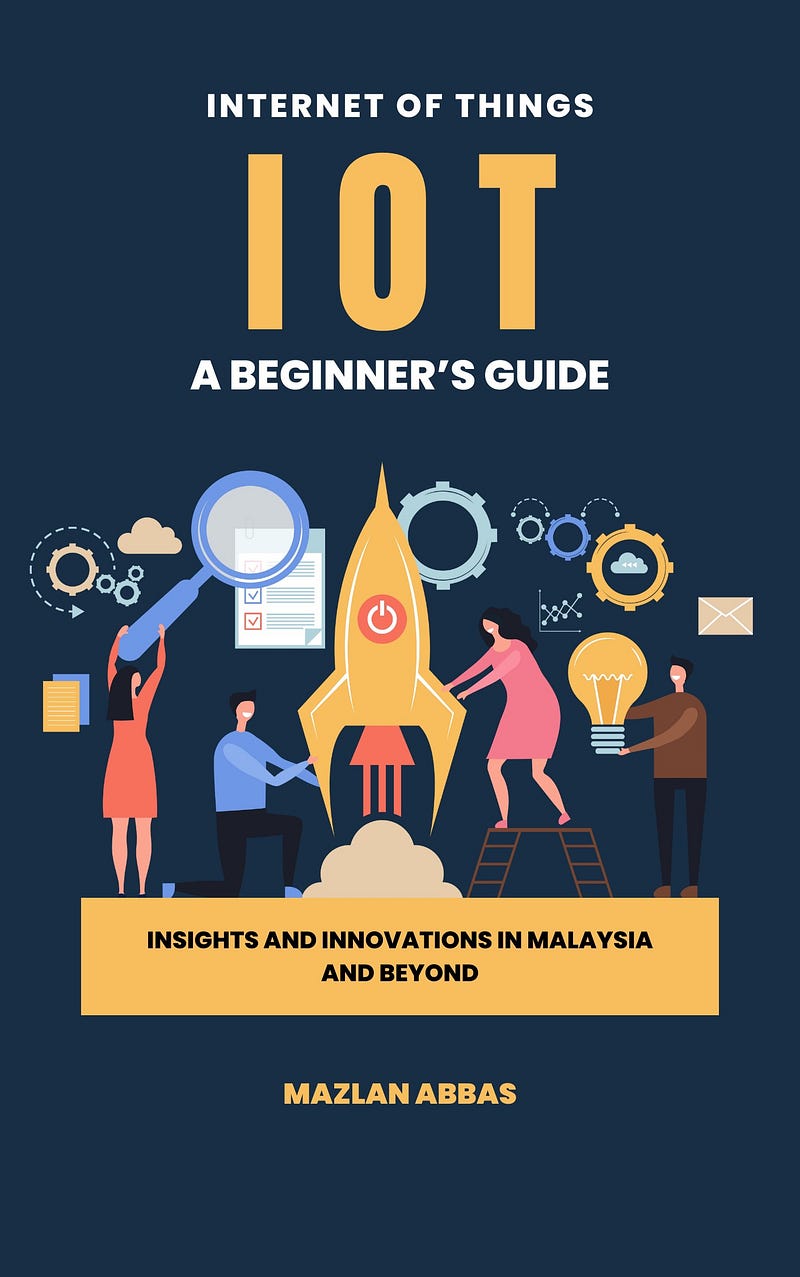
The second is “IoT: A Beginner’s Guide,” initially called “IoT Frontier”.

View at Medium.com

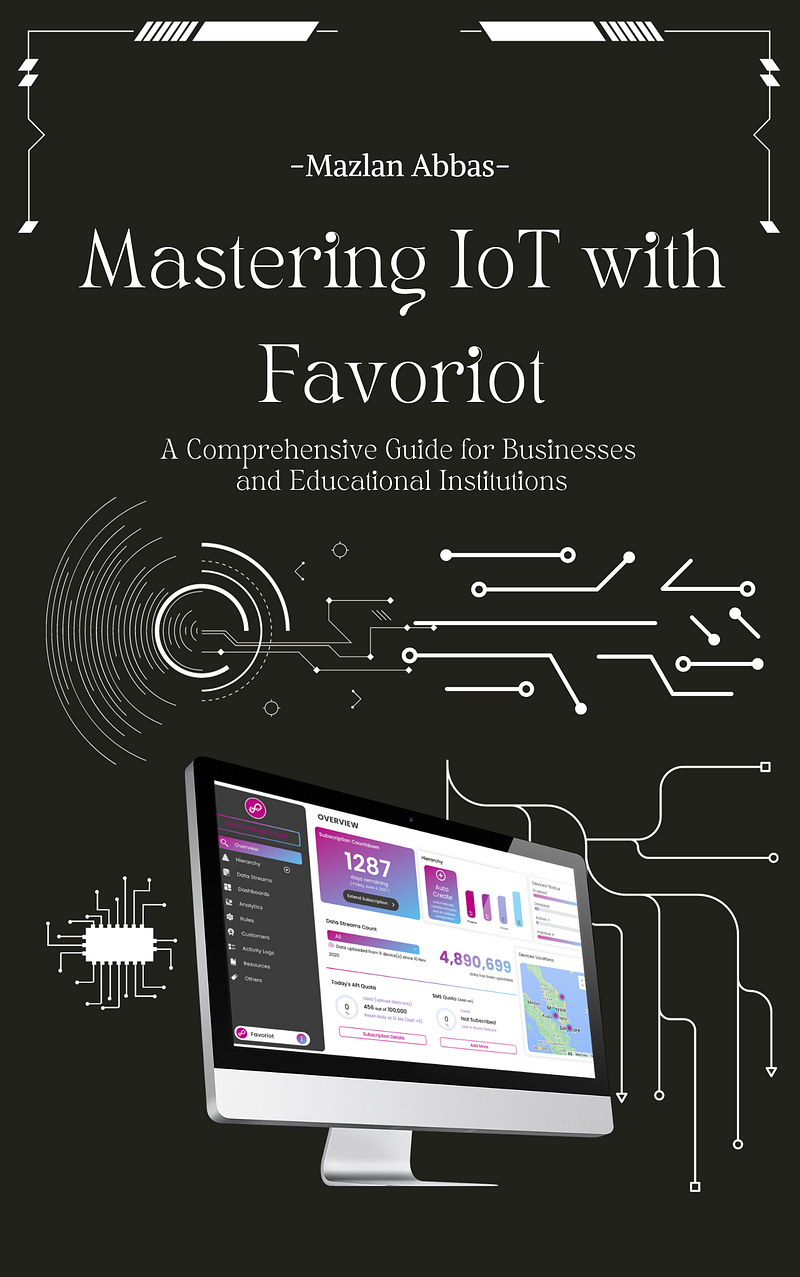
My latest one, published today, is “Mastering IoT with Favoriot: A Comprehensive Guide for Businesses and Educational Institutions.” I offered this one for free.

The latest eBook, which I published today. Get it from HERE.

What You’ll Learn:

  1. Foundational Understanding of IoT Platforms: The introduction and first part lay a strong foundation, enlightening readers about the significance and mechanics of IoT platforms. It skillfully explains the necessity of on-premise IoT platforms for efficient deployments and why universities should incorporate IoT platforms on campus.
  2. Comprehensive Analysis of IoT Platforms: The book provides a detailed comparative analysis of various IoT platforms, including Favoriot, AWS IoT, Microsoft Azure IoT, and others. This segment is invaluable for decision-makers contemplating the best fit for their needs.
  3. In-Depth Exploration of Favoriot IoT Platform: Part II is a deep dive into the Favoriot IoT Platform, detailing its various plans and capabilities. This section particularly benefits businesses and developers looking to leverage the Favoriot platform for their IoT projects.
  4. Practical Guidance on IoT Solutions: The third part addresses the practical aspects of building and tailoring IoT solutions. From converting a horizontal platform to a vertical solution to reducing build time, this section is rich with helpful advice and strategies.
  5. IoT in Education: Perhaps one of the most compelling sections, Part IV focuses on integrating IoT in higher education. It discusses how IoT can revolutionize learning and teaching and prepare the next generation of developers.
  6. Case Studies and Real-World Applications: Throughout the book, case studies and real-world applications are used effectively to illustrate the concepts, making the content relatable and more accessible.
  7. Concluding Insights: The conclusion does an excellent job of summarizing the impacts of IoT across various sectors, emphasizing the transformative power of the Favoriot platform.

The book’s strength lies in its clarity and comprehensive approach. Whether you’re a business leader, an IoT developer, or an educator, this guide offers valuable insights and practical knowledge. Its structured approach makes navigating complex topics easy, and the focus on Favoriot provides a unique perspective not found in other IoT literature.

In conclusion, “Mastering IoT with Favoriot” is a must-read for anyone interested in understanding and harnessing the power of IoT. Its blend of theoretical knowledge, practical guidance, and real-world applications makes it a standout resource in IoT.


You can also check out my personal Blog here or the latest eBooks I have recently published — here.

Why Book Titles Are Important and Why I Changed Twice

Book Cover by Author.

I wrote this book with little thought about the title.

Later, I regretted it – I changed the book title twice.

Understanding the Digital Marketplace

The title of a book is a critical component of its success.

This was a lesson I learned by renaming my eBook, initially titled “IoT Adventure.”

My experience underscores the significance of SEO (Search Engine Optimization) and strategic keyword use in book titles, particularly in the ever-expanding digital marketplace.

Initial Title: “IoT Adventure” – Capturing Excitement and Exploration

My foray into the publishing world began with the release of my eBook on the Internet of Things (IoT). Choosing “IoT Adventure” as the title, I aimed to encapsulate the excitement and exploration inherent in the burgeoning field of IoT.

The title was catchy, reflecting the pioneering spirit of the subject matter.

However, this title was more than just a creative expression; it was my first step in understanding the intricate dance between content and discoverability in the digital realm.

Transition to “IoT Frontier” – Embracing a Pioneering Spirit

After some reflection, I renamed the eBook to “IoT Frontier.”

This subtle yet significant shift in the title was meant to evoke a sense of pioneering, aligning with the innovative nature of IoT.

Despite this, I soon encountered a vital realization. In the digital age, where eBooks are adrift in a vast ocean of online content, a compelling title is a linchpin in the struggle for visibility.

The Power of SEO and Keywords: Finalizing “IoT: A Beginner’s Guide”

This realization brought me to the crux of digital marketing: the power of SEO and the meticulous choice of keywords. “IoT Adventure” was engaging, and “IoT Frontier” resonated with innovation, but were these titles optimized for the digital audience, specifically for those seeking knowledge in the IoT domain?

This led me to the final and most strategic title change: “IoT: A Beginner’s Guide.

This final title was more than a mere label; it was a deliberate and strategic choice.

Including “Beginner’s Guide” in the title, which is capitalized on a commonly searched phrase by novices across various fields.

This strategic incorporation significantly enhanced the eBook’s discoverability to my intended audience – those embarking on their IoT learning journey.

Aligning Title with Content: A Strategic and Pragmatic Approach

The choice of “IoT: A Beginner’s Guide” was not solely about leveraging popular search keywords.

It was a thoughtful alignment of the book’s title with its core offering – an accessible, comprehensive introduction to IoT for beginners.

This title clearly defined the book’s target audience and content scope, increasing the likelihood of reaching readers seeking a foundational understanding of IoT.

Reflecting on the Journey: Emotional Attachment vs. Market Realities

Looking back, the evolution of my eBook’s title reflects a deepened understanding of the dynamics of the digital marketplace.

While “IoT Adventure” and “IoT Frontier” were titles I held close to my heart, the final choice of “IoT: A Beginner’s Guide” was a decision driven by pragmatism, market insights, and a clear comprehension of my audience’s needs and search behaviors.

Key Lessons Learned: The Importance of Title in Digital Content Strategy

This journey in renaming my eBook has been illuminating, teaching me a crucial lesson about digital content strategy.

It emphasized that the success of written work in the digital age is not solely about the content but also how it is presented to the world. A compelling title is a beacon, directing the right readers to your work.

It is a harmonious blend of creativity and analytics, art and science.

Advice to Fellow Authors and Content Creators

To fellow authors and content creators, I offer this advice: When devising a title, consider its reflection of your content and its performance in the competitive online search landscape.

A title is more than just a name; it is a vital, and often the most crucial, marketing tool in your arsenal.

Balancing creative expression with strategic marketing considerations ensures your work finds its audience in the vast digital expanse.

Why You Should Not Give Up Writing When No One is Reading Your Articles

The image was created using Midjourney by Author of Startup Journey.

I almost gave up writing on Medium when virtually all my posts had no views or responses.

Not a single comment or clap.

As much as I tried posting daily and cracking my head, what topics should I write?

I focused on my passion — writing topics about my entrepreneurship journey. It’s easier to write because it’s based on my personal experience.

I even posted more than once daily. Although many have advised me to continue posting daily for 30 days, I still need something else. Why?

As I scratched my head, I tried to be more engaging with the rest of the writers on Medium — leaving comments and giving a lot of claps.

Although it works… slowly gaining more audience and followers, it still has not reached my expectations.

I wonder why others can immediately get 100s of followers within a short period.

Why is Medium boosting some of the articles but not mine?

Why is there only a trickling audience reading my articles?

What have I done wrong?

As I got more frustrated, checking the traffic statistics almost every hour and finding out that there was not much change — I began to feel very tired and hopeless.

I began to wonder whether my writing needed more quality or whether the topics I wrote about had no niche.

But again, the topics of entrepreneurship are popular with other writers, but why not mine?

The image was created using Midjourney by Author of Startup Journey.

Many times, I began to have the feeling of giving up.

But before giving up, I decided to take a short break from writing and focus more on analysis.

I began to read other people’s articles and analyze why they could get boosted and more engaged.

I returned to writing with a few more suggestions and improved my weaknesses.

This is what I did, and it has given me a lot of improvement in my articles and engagement:

  • Writing with emotion: Instead of writing endlessly, I write based on my emotions. Writing down my feelings throughout my journey. In this way, the writing will resonate with like-minded entrepreneurs, too.
  • Focused on other niches: I started to mix my topics besides entrepreneurship. One reason is to see the reaction from my followers or medium readers. For example, I began to write topics about my experience, reporting on Medium and journaling my progress. The statistics immediately have a big jump when I write these other topics.
  • Creating better headlines: I must admit that I am weak in making catchy headlines, but as I looked at other author’s examples, I began to mimic their way of creating headlines. Voila! It works!
  • Short bite articles: People prefer to read shorter sentences. I also want to use short sentences. It’s easier to read, and it’s full of emotion. Changing this strategy indeed has given better engagement. Some readers don’t prefer heavy stuff with so many facts. Sometimes, they like easy reading materials.
  • Engage with readers: When the articles involve the readers and even give them something to comment on, such as asking for their feedback or asking a question, it will provide an opportunity for better engagement.
  • Longer than 3-minute articles: This is important if you want to monetize your articles. I will have a better chance for the reading time to be beyond the standard 30-second rule. Take note: even though you have written a 3-minute article, the reader will typically skip most of the writing and focus more on particular portions. You must find ways to ensure the reader stops and reads for at least 30 seconds.

With the above improvements, I noticed a big jump in my views, follower counts, and engagements.

Thus, I decided to return to my Medium writing and not give up.

Success doesn’t come easy — it requires true grit and persistence.

The image was created using Midjourney by Author of Startup Journey.

If you would also like to learn about my entrepreneurship journey, check out the two eBooks I recently launched this month — (1) Startup Survival: The Journey of a Tech Entrepreneur (2) IoT Frontier: Insights and Innovations in Malaysia and Beyond.

View at Medium.com

Finally I Have Launched My Startup Survival Book!

The book cover was created using Canva by the Author of Startup Journey.

I have been procrastinating on launching my digital product for nearly a year.

I have targeted to launch a book on IoT, but somehow, things have changed – I published a Startup journey instead.

What encouraged me to publish this is when I read so many articles from Medium about their digital products.

If they can, why not me?

The book is destined to launch on Jan 1, 2024 however, I decided to do it much earlier (Dec. 3, 2023).

Check the below preface if you are interested in getting one.

Book Preface

In this preface, I invite you on a journey that began with a single step into the unknown realm of Silicon Valley and expanded into a voyage across the vast ocean of the Internet of Things (IoT). It is a tale not just of technology and innovation but of personal growth, perseverance, and the relentless pursuit of a vision.

Part 1: The Awakening unveils the transition from a techie to an entrepreneur. It chronicles the birth of our first IoT product designed to enhance the lives of senior citizens and delves into the struggles and successes of monetizing cutting-edge technology. This section is a candid exposition of the thrills and tribulations accompanying the early stages of a Startup’s life.

Part 2: The Evolution details the maturation of our venture, Favorsense, amidst the fiercely competitive market. It is a story of navigating through the turbulent waters of the IoT industry, marked by early missteps, eventual milestones, and the philosophical underpinnings that propelled our venture forward.

Part 3: Expansion and Growth reflect on scaling our enterprise with limited resources. Here, I share our exploration of diverse sectors – academia, industry, and government – and the invaluable insights they offered. This part also touches on the creative lulls and the investment of faith and funds into our dreams.

Part 4: Navigating Success chronicles the strategic moves towards the acquisition and the harmonious blend of academic rigor with entrepreneurial zeal. It is a testament to the hard-earned lessons in building products and the joys of witnessing a startup blossom.

Part 5: The Mastery explores the nuances of team dynamics, revealing how my fourth IoT product was a pivotal turning point. It stresses the importance of adaptability and the critical role of product-market fit in the survival and success of a startup.

Part 6: Perseverance and Innovation is a homage to the grit required to overcome a startup’s myriad challenges. It uncovers the stories behind product failures and the resilience needed to navigate a global crisis while fine-tuning the pricing of our products.

Part 7: Personal Growth and Strategy delves into every entrepreneur’s self-discovery journey. It discusses the individuality of the entrepreneurial experience, the quest for recognition, and the relentless pursuit of the perfect investor pitch.

Part 8: Branding and Marketing highlights the lessons learned in branding and marketing with a lean budget. It shares insights into the personal branding intertwined with the company’s image and the real-world lessons from business dealings.

Part 9: Reflection and Insights offers a retrospective look at why some entrepreneurs reach the pinnacle of success while others falter. It brings forward the collective wisdom gained from both the startup community and the giants of the industry.

Part 10: Building Foundations closes the narrative by emphasizing the importance of community support, the strategic use of mailing lists, brand building on a shoestring budget, and the diversification of revenue streams.

This book is more than a compilation of entrepreneurial lessons; it is a mosaic of experiences, a beacon for aspiring innovators, and a testament to the power of a shared dream. It is dedicated to the team at Favoriot, whose dedication and innovation have shaped not just the company but also the very future of IoT. Welcome to our story.

Get the book – HERE!

The image was created using Canva by the Author of Startup Journey.

Top 10 Books on Entrepreneurship That You Have to Read

[Disclaimer: This article includes Affiliate Marketing links]

Embarking on an entrepreneurial journey is akin to setting sail on uncharted waters, where every challenge is an opportunity and every setback a lesson.

In this ever-evolving odyssey, books on entrepreneurship are not just resources; they are compasses that guide, mentors that inspire, and tools that equip.

This review is a curated exploration of the top 10 books in entrepreneurship, each a gem that shines a light on different facets of the entrepreneurial universe.

Imagine this: a collection where each book is a conversation with a thought leader, a masterclass from a seasoned entrepreneur, or a strategic session with a visionary venture capitalist.

These authors don’t just write; they speak from a place of profound experience and insight, offering a rich tapestry of knowledge that ranges from the grit of starting up to the finesse of innovative leadership.

In this analytical yet engaging journey, we will navigate through the core ideas of these groundbreaking works.

We’re not just listing books; we’re unraveling the wisdom within their pages, assessing their impact in the entrepreneurial sphere, and connecting their lessons to the pulsating rhythm of today’s business world.

Whether you’re sketching your first business plan or scaling new entrepreneurial heights, these books are more than just a read; they’re a transformative experience for any entrepreneur. Get ready to turn their pages and turn your entrepreneurial dreams into reality.

  1. “The Lean Startup” by Eric Ries: This book introduces the Lean Startup methodology, emphasizing the importance of agile development, minimum viable products, and iterative design in launching successful startups. Its approach to managing and scaling a startup is highly regarded for its practicality and efficiency.
  2. “Zero to One: Notes on Startups, or How to Build the Future” by Peter Thiel with Blake Masters: Thiel, a renowned venture capitalist, provides a contrarian viewpoint on building startups. He emphasizes creating something new and going from ‘zero to one’, rather than iterating on existing ideas. The book is celebrated for its thought-provoking take on innovation and competition.
  3. “The $100 Startup” by Chris Guillebeau: This book is praised for its approach to entrepreneurship as a reachable goal for anyone, even with minimal capital. Guillebeau shares insights from hundreds of entrepreneurs who have built successful businesses with modest investments, highlighting the accessibility of entrepreneurship.
  4. “The E-Myth Revisited” by Michael E. Gerber: Gerber challenges the myths surrounding starting your own business and shows how commonplace assumptions can get in the way of running a business. He outlines an effective business model that focuses on systems and scalability.
  5. “Start with Why: How Great Leaders Inspire Everyone to Take Action” by Simon Sinek: While not solely focused on entrepreneurship, Sinek’s book is crucial for understanding the importance of the ‘why’ behind a business. It’s about the inspiration that drives successful entrepreneurship.
  6. “The Hard Thing About Hard Things: Building a Business When There Are No Easy Answers” by Ben Horowitz: Horowitz shares wisdom from his experiences as a startup founder and venture capitalist, offering insights into the tough decisions entrepreneurs must make.
  7. “Rework” by Jason Fried and David Heinemeier Hansson: This book challenges traditional business practices and offers unconventional wisdom and practical advice for anyone looking to start a business. Its straightforward, no-nonsense approach is particularly appealing.
  8. “How to Win Friends and Influence People” by Dale Carnegie: Although not exclusively about entrepreneurship, Carnegie’s classic is fundamental for understanding business relationships and effective communication, skills every entrepreneur needs.
  9. “Lean In: Women, Work, and the Will to Lead” by Sheryl Sandberg: Sandberg’s book, while broader in its approach to career and leadership, offers critical insights into entrepreneurship from a female perspective, discussing challenges and providing advice for women in leadership and entrepreneurial roles.
  10. “The Innovator’s Dilemma” by Clayton M. Christensen: This book introduces the theory of disruptive innovation and its impact on industries and businesses. Christensen’s insights are crucial for entrepreneurs looking to innovate and disrupt existing markets.