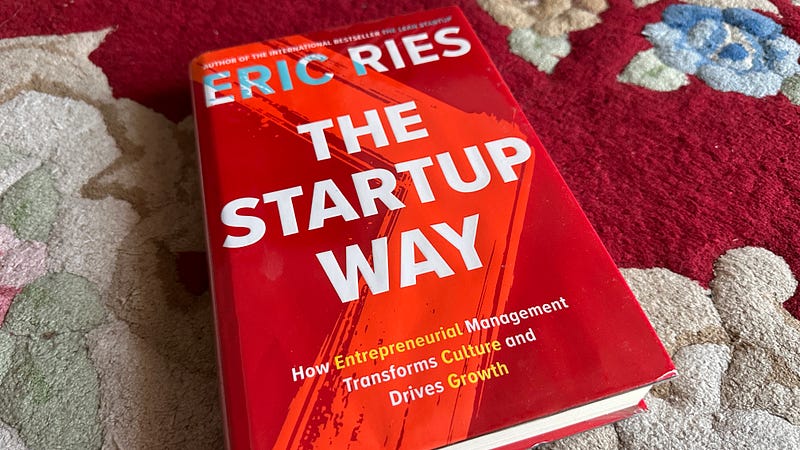
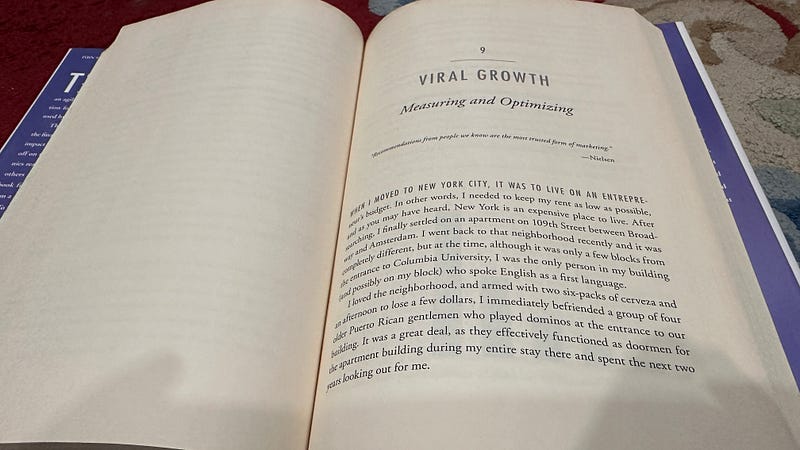
The author’s deep dive into the essence of entrepreneurial thinking struck me, illustrating how pivotal such an approach can be for traditional firms in today’s rapid market.
The book resonated deeply, highlighting the critical role of agility, innovation, and a customer-centric outlook for enduring success.
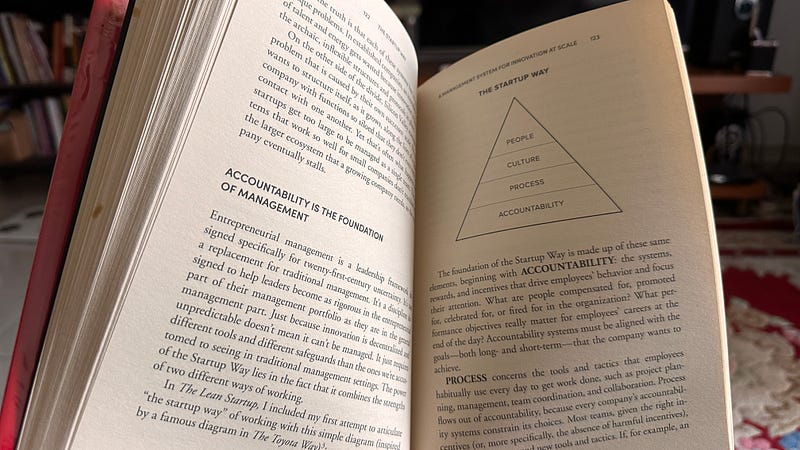
As I pored over the pages, I was particularly captivated by the practical blueprint for weaving entrepreneurial practices into the fabric of established companies.
The stories and case studies were compelling and enlightening, showcasing how varied organizations have embraced innovation and adaptability.
The advice on nurturing a culture open to experimentation and learning from missteps inspired me, reinforcing my belief in these principles as key drivers for any leader keen on cultivating a vibrant and forward-thinking business culture.
Tackling the book’s exploration of potential obstacles was also enlightening for me.
The author’s frank discussion about the resistance and hurdles that might crop up when transitioning to this innovative management style was invaluable.
The pragmatic strategies for navigating these issues and an emphasis on enduring growth and creativity broadened my perspective.
Finishing the book, I felt armed with richer insights into how entrenched companies can flourish by integrating the dynamism of startup culture, making “The Startup Way” an invaluable read for anyone determined to steer their organization toward a more inventive and prosperous horizon.
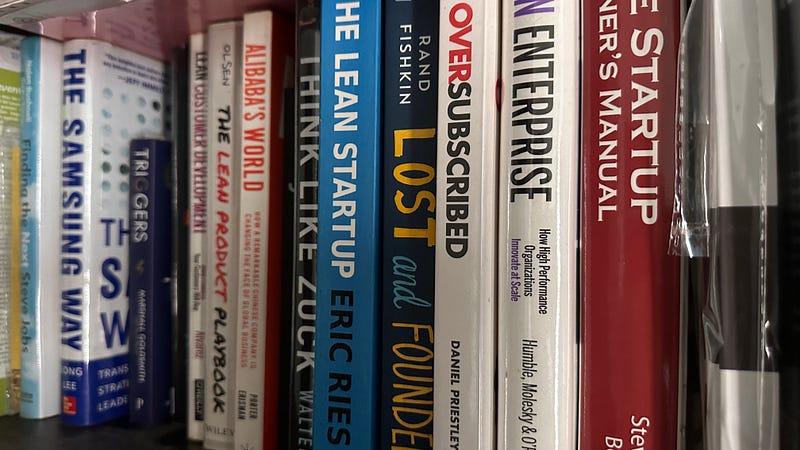
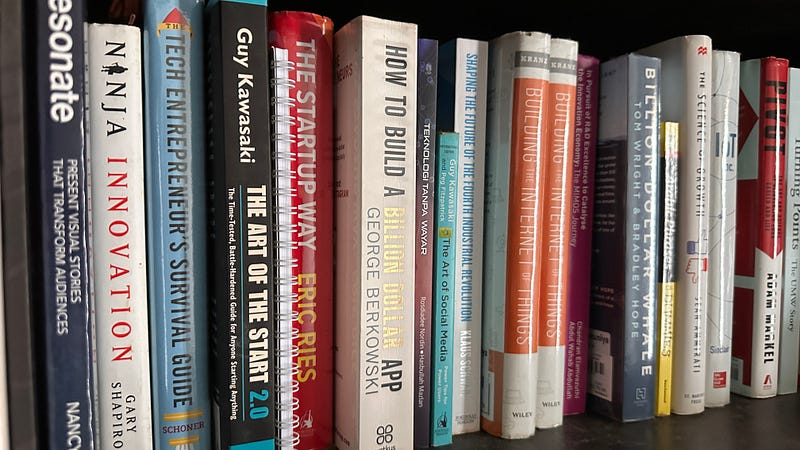
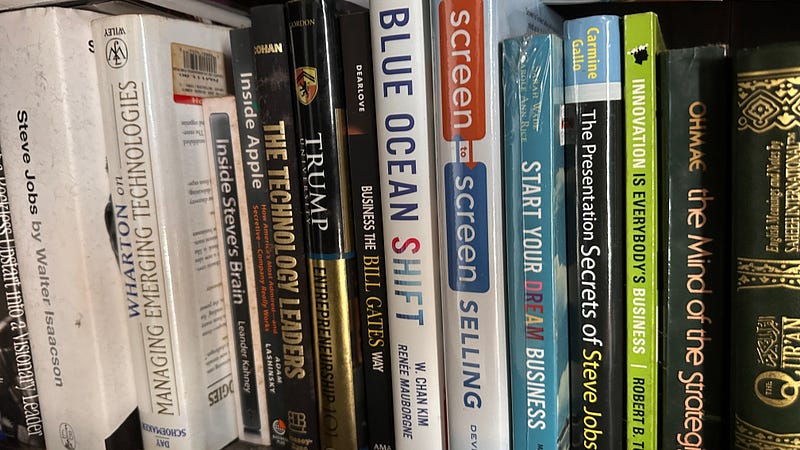
As someone who has cherished purchasing books for many years, I find a unique satisfaction in beholding the stacks of books lined up on my bookshelves.
The sight of them, standing there with their spines boasting a spectrum of colors and titles, offers a peculiar sense of accomplishment and anticipation.
Yet, paradoxically, my relationship with these books is tinged with a hint of failure — the failure to read them to completion.
Many of these books remain untouched after the initial excitement wears off, their contents partially explored or, in some cases, entirely undiscovered.
This narrative is a candid exploration of my love for acquiring books, the struggle to finish them, and an unexpected solution that rekindled my hope of conquering my ever-growing reading list.
The Joy of Collecting Books
Many remained on the bookshelf.
There’s an undeniable thrill in acquiring a new book — its fresh pages, the crispness of the cover, the promise of new knowledge, stories, and ideas within.
Buying books has always been more than a mere transaction; it’s a ritual.
Each book I purchase is a testament to my curiosity and never-ending quest for learning and entertainment.
The stacked books in my home are not just decor; they represent aspirational images of myself as someone who is well-read and informed.
However, this accumulation of books comes with its challenges.
Despite my initial enthusiasm, the reality of time constraints and diminishing attention spans often means that these books remain partially read or, even more dishearteningly, untouched.
The Struggle with Unfinished Books
Struggle to finish reading all of them
The pattern is all too familiar – I eagerly start a book, only to find it abandoned after a few chapters.
The reasons vary — a loss of interest, the lure of a new title, or simply the demands of daily life.
This cycle of unfulfilled reading endeavors leaves me with a sense of guilt and frustration.
The books I was once excited to dive into became silent reminders of my inability to follow through.
This pattern persisted until a serendipitous encounter with an Audible subscription, which arrived as a free perk with a book I purchased from Amazon. Initially overlooked, this subscription unwittingly became the key to a new world of ‘reading.’
The Audible Revelation
Amazon Audible
The discovery that I had been charged for an unused Audible subscription for three months initially annoyed me.
However, it prompted me to explore the service I had been unwittingly paying for.
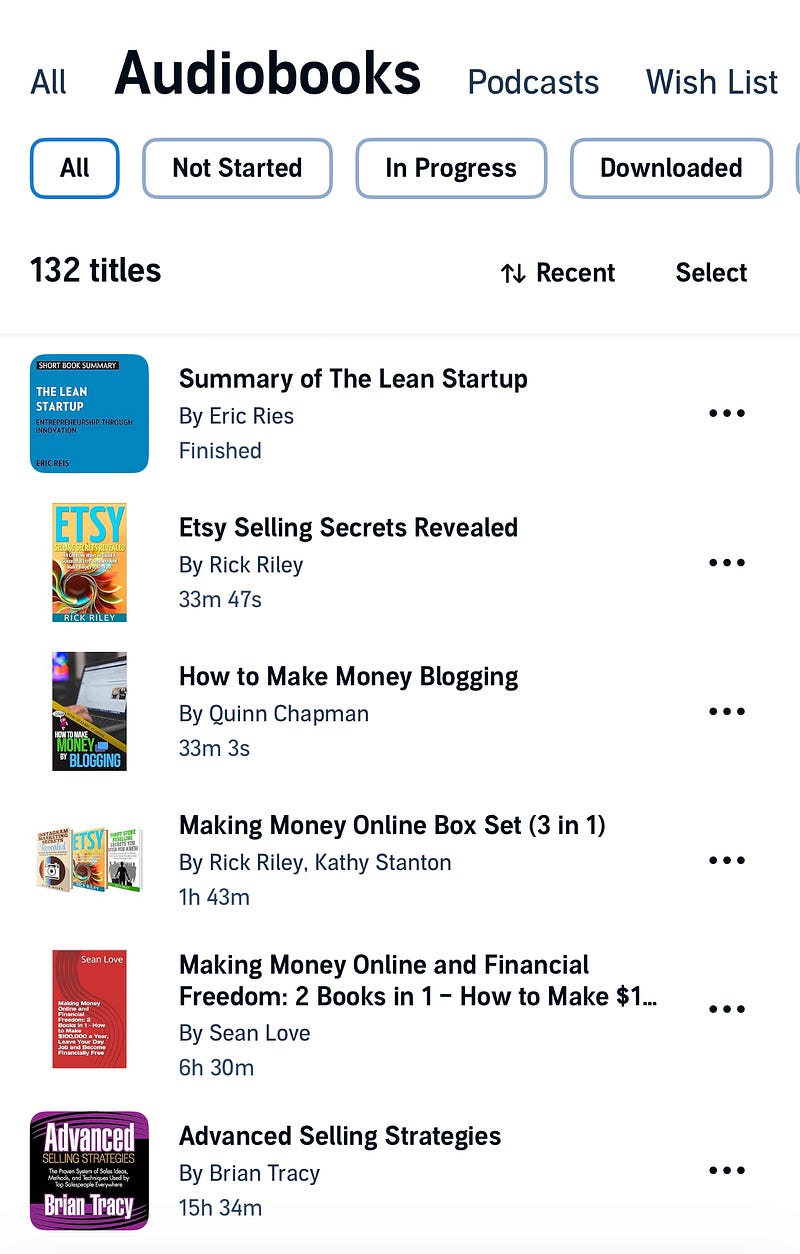
With a wealth of credits, I downloaded various titles, wondering whether this new format would resonate with me.
Surprisingly, integrating Audible into my daily commute transformed my reading habits.
The hours spent driving, previously filled with podcasts and music, became my new reading time.
Realizing that I could complete a book in just a few days was exhilarating.
Listening to audiobooks became a ritual that allowed me to consume books at an unprecedented pace.
The feature to speed up the narration further optimized my listening experience, enabling me to absorb content even more efficiently.
Embracing a New Form of Reading
Though I have since unsubscribed from Audible to prioritize listening to the titles I already own, the impact of this experience has been profound.
Audiobooks have allowed me to enjoy literature that fits my lifestyle, turning wasted time into productive and enjoyable moments.
The sense of accomplishment in finishing these books has reinvigorated my love for reading in all its forms.
Now, as I balance my time between physical books and their auditory counterparts, the piles on my shelves no longer represent unfinished business but opportunities for exploration, whether through the turn of a page or the press of a play button.
Just as I have navigated the evolving landscapes of IoT and smart cities, I have found a way to navigate my challenge of reading through technological means.
Audiobooks, like the advancements in my professional field, represent progress and adaptation.
They remind me that there are always new ways to learn, grow, and enjoy books’ wealth of knowledge and stories, even when traditional methods fall short.
In conclusion, while the stacks of unread books in my home might once have symbolized a failure to commit, they now represent a diverse array of possibilities waiting to be explored in whichever format suits me best.
My love for books remains undimmed, but now it is complemented by a practical approach to enjoying them fully, regardless of the medium.
Product Development Guide – A Book Review by Mazlan Abbas
This is for anyone interested in building applications or software.
[Note: Click here to have FREE access to this member-only story]
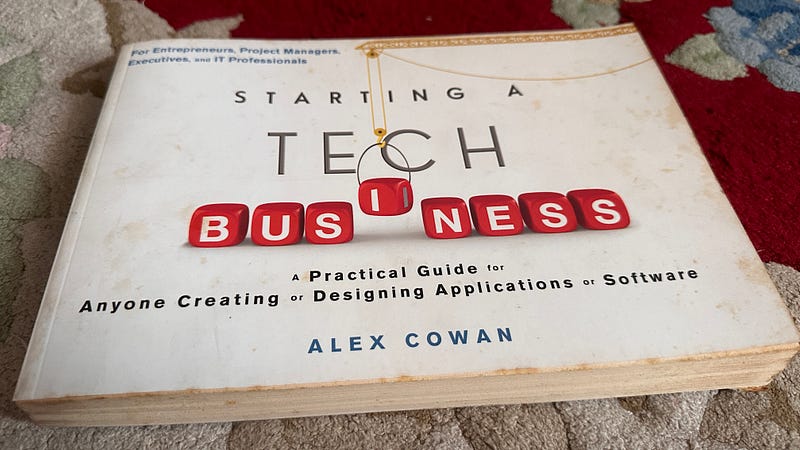
“Starting a Tech Business” by Alex Cowan emerges as an indispensable guide, meticulously demystifying the journey of initiating a technology-enabled enterprise.
This book is an invaluable resource for individuals keen on navigating the tech industry without the prerequisite of profound technical expertise.
Cowan elucidates the foundational steps essential for those aspiring to venture into or amplify their presence in the technological domain, irrespective of their coding proficiency.
Cowan adeptly elucidates the process of conceptualizing and validating innovative ideas, transforming them into tangible frameworks that resonate with technical teams.
He offers an in-depth understanding of crucial tech concepts, facilitating enhanced communication and collaboration with technical personnel.
The narrative extends beyond theoretical exposition, providing a comprehensive suite of practical tools, methodologies, and frameworks that readers can actively implement.
It is a pragmatic toolkit with strategies to translate visionary ideas into viable tech solutions.
A significant aspect covered by Cowan is the integration into agile or lean development teams, emphasizing the role of non-technical members as pivotal advocates for customer perspectives.
He encourages readers to explore programming if they are inclined, yet he underscores the utility of foundational tech knowledge for informed decision-making.
The book encapsulates the paradigm shift in today’s technological landscape, highlighting the lowered barriers to entry and the democratization of tech entrepreneurship.
Cowan delineates strategies for effective product development, judicious technology selection, and efficient resource allocation, all while fostering innovation.
Detailed checklists and frameworks are presented to avert prevalent pitfalls, ensuring a structured approach to tech business formulation.
The text delves into effective communication strategies, team composition, and reconciling business and technical objectives.
Moreover, Cowan discusses harmonizing process design with creative innovation, advocating a balanced approach that nurtures creativity while ensuring disciplined execution.
In summary, “Starting a Tech Business” is a critical read for individuals poised to enter the tech industry or augment their technological acumen.
It provides a thorough, insightful guide through the complexities of establishing and nurturing a tech-enabled business in an era brimming with opportunities.
Cowan’s book offers a comprehensive roadmap for entrepreneurs, professionals, or any tech-curious individuals, enabling them to translate tech business concepts into successful, tangible outcomes.
Practical Way to Learn Building IoT Solutions – A Book Review by Mazlan Abbas
Develop the skills essential for building IoT solutions.
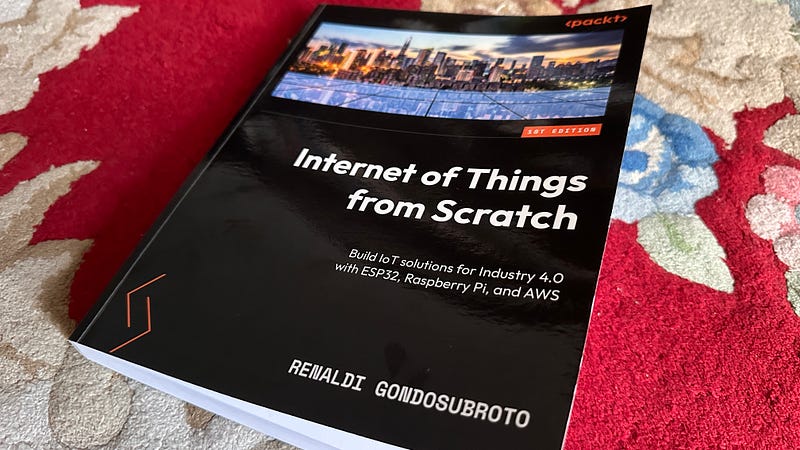
As someone keenly interested in technological advancements, I was naturally drawn to “Internet of Things From Scratch” by Renaldi Gondosubroto.
Far from being just another textbook, this work offers a clear and engaging introduction to the Internet of Things (IoT) for teachers, students, and hobbyists keen to explore this field through practical engagement.
Beyond the Surface
The title may suggest introductory content, but this book is a valuable resource for novices and experienced developers alike.
It thoroughly explores the IoT ecosystem, introducing fundamental ideas before progressing to more complex topics.
Renaldi’s engaging and narrative style makes the potentially daunting subject matter accessible and enjoyable, reminiscent of learning from an experienced guide.
Emphasis on Application
Practical and hands-on type of book.
What struck me most was the book’s focus on real-world usage.
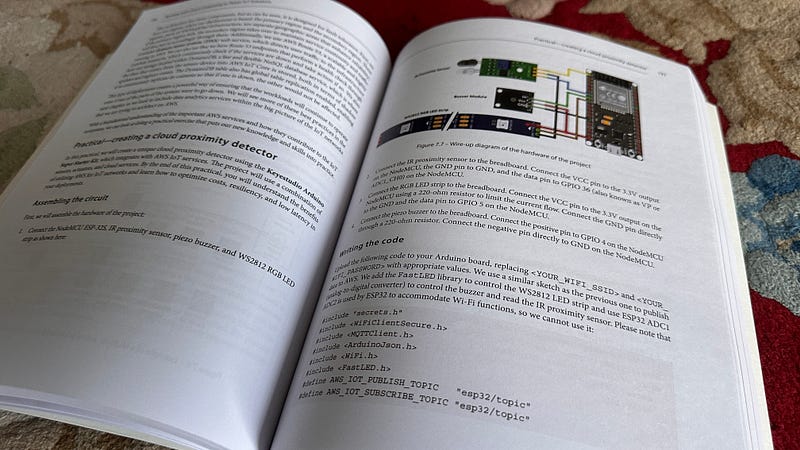
The blend of theory and hands-on coding examples encourages a proactive learning approach, allowing readers to apply what they learn effectively.
This method clarifies the complexities of IoT, enabling readers to apply their knowledge practically — an approach I firmly believe in for solid learning.
A Tool for Everyone
This book is an excellent resource for educators, offering a structured way to introduce IoT concepts to students.
Learners will appreciate the clear and insightful guidance, and enthusiasts will find a wealth of information and practical tips to deepen their engagement with the field.
Welcoming Readers to the IoT World
Includes software coding.
The book succeeds in demystifying IoT, encouraging readers to explore and innovate.
Renaldi doesn’t merely share knowledge; he motivates active participation in the IoT domain, preparing readers to make substantive contributions.
Final Reflections
“Internet of Things From Scratch” is more than just educational material; it’s an inspirational guide and a portal to technological advancement.
It provides direction, insight, and motivation for anyone determined to excel in IoT.
I highly recommend it and look forward to referencing it in my ongoing engagement with IoT.
Essential Insights for IoT Enthusiasts
Immerse yourself in an in-depth journey through IoT, advancing from basic concepts to intricate implementations.
Learn actively with practical exercises that bridge theory and application.
Access a versatile educational tool suitable for various audiences, from educators to hobbyists.
Navigate through complex information with the book’s organized, systematic approach.
Join the IoT community, equipped with the comprehensive understanding and skills acquired from this informative book.
“‘The Samsung Way’ is not just a roadmap to success; it’s a testament to how visionary leadership and strategic innovation can elevate any enterprise.”
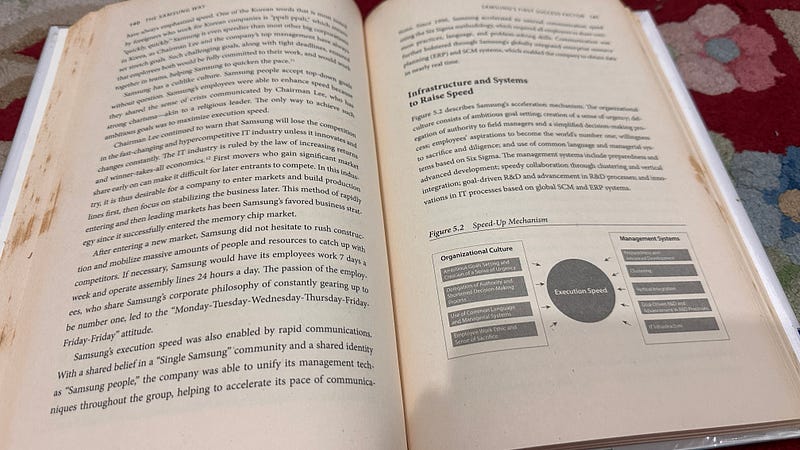
Immersing myself in “The Samsung Way,” authored by Jaeyong Song and Kyungmook Lee, was a revelatory experience that shed light on the foundational principles propelling Samsung from an underperforming electronics firm to a global colossus.
This book, underpinned by a decade of rigorous research and enriched by insights from over 80 top Samsung executives, serves as a compelling narrative and a blueprint for business excellence.
My fascination with Samsung’s transformative journey stems from its dramatic overhaul, a metamorphosis that not only reshaped its own destiny but also set a benchmark for organizational success worldwide.
“The Samsung Way” transcends being a mere publication; it is a profound elucidation of strategic acumen, a manual deciphering how Samsung harnessed nuanced decision-making, innovation, and cross-cultural integration.
Central to Samsung’s renaissance was Chairman Lee Kun-Hee’s visionary New Management Initiative, a cornerstone for the company’s revival.
Song and Lee meticulously unpack the “Three Paradoxes of Management,” strategic pillars that appear contradictory yet interlace to forge success.
“By harmonizing innovation with tradition, ‘The Samsung Way’ showcases how to achieve sustainable growth and a competitive edge in today’s dynamic business landscape.”
These include accelerating decision-making and execution, harmonizing convergence with competitive prowess in core domains, and blending Western and Eastern management philosophies — each a testament to practical wisdom validated through Samsung’s ascent.
The book compellingly navigates the dichotomy between Eastern and Western management paradigms, presenting Samsung’s model as an exemplary fusion that leverages global best practices.
This synthesis is especially resonant today, amidst the relentless pace of technological evolution and fierce international competition.
For leaders and business professionals across spectrums, “The Samsung Way” is a reservoir of actionable insights. It delineates strategies for streamlining decision processes, fostering interdisciplinary synergy, and embedding a culture of innovation.
The narrative provides a framework for realizing economies of scale while maintaining agility, a dual mandate vital for thriving in today’s hyper-competitive landscape.
For individuals like me, who seek wisdom from successful paradigms, the book is an affirmation of the enduring value of learning, adaptation, and visionary leadership.
It illustrates how to imbue every organizational stratum with innovation, ensuring that strategic thinking and creativity are not confined to the executive echelons.
In conclusion, “The Samsung Way” is not just a treatise on business strategy; it is an inspirational guide for those aiming to excel in the modern corporate milieu.
It champions a balanced approach, intertwining strategic foresight, operational excellence, and cultural depth.
For anyone eager to grasp the mechanics of Samsung’s success or to incorporate its tenets into their leadership repertoire, Song and Lee’s work is an essential compendium.
Reflecting on the insights shared by Song and Lee, I am invigorated with a renewed sense of purpose and determination. Samsung’s story, as articulated in this book, exemplifies the power of strategic clarity, relentless innovation, and purposeful leadership.
It’s an invigorating narrative that not only instructs but also inspires, prompting us to chart our courses to success, inspired by the pioneering ethos encapsulated in “The Samsung Way.”
“‘The Samsung Way’ is more than a book; it’s a manifesto for those who dare to dream big and are committed to turning those dreams into reality through relentless pursuit and strategic acumen.”
Get this book “The Samsung Way” from Amazon. (Note: Affiliate link)
[Note: Click here to have FREE access to this member-only story]
I’ve got a gem for you!
“The Science of Growth” by Sean Ammirati is like the GPS for scaling your business, and let me tell you, it’s spot-on and timely.
Now, I know we’ve all been bombarded with advice on growth, and you might be wondering, “Why this book?”
Well, for starters, Ammirati isn’t just throwing theories at you.
He’s walked the walk as a venture capitalist and educator, and this book is packed with real-world insights that get down to the nitty-gritty of scaling.
What really hooked me were the case studies – oh, the case studies! Imagine getting a behind-the-scenes look at why one company rockets to success while its counterpart stumbles.
It’s like being a fly on the wall in the boardrooms of LinkedIn, Facebook, and McDonald’s, witnessing the decisions that propelled them to stardom or doomed them to obscurity.
But it’s not just about the stories.
Ammirati digs into the “why” and “how” with a fine-tooth comb. He pinpoints the crucial decisions and strategies that can make or break your growth phase.
We’re talking partnerships, financing, data utilization – all the stuff that, let’s be honest, can get overwhelming.
This book breaks it down into digestible, actionable insights.
For me, the biggest takeaway was understanding that growth isn’t just about hustling harder; it’s about making smart, strategic choices.
And what’s more empowering than learning from those who’ve already played the game and won… or lost?
So, whether you’re knee-deep in your startup journey or just plotting your course, “The Science of Growth” should be on your reading list.
It’s not just a book; it’s a roadmap to scaling your business with intelligence and insight.
Trust me, you don’t want to miss out on this one.
It’s a read that could very well shape the future of your venture. Happy scaling!
It was like finding a treasure trove just when I needed it the most.
You see, the thought of doing my first TED Talk was exhilarating but, let’s be honest, equally terrifying.
I needed guidance, something or someone to hold my hand through this nerve-wracking process, and that’s exactly what this book “TED Talks” did for me.
First off, the insider perspective is just gold.
It’s not everyday you get a backstage pass into the minds of some of the most impactful speakers around the world.
Chris Anderson doesn’t just share tips; he shares a vision, a philosophy of what makes a talk not just good, but great, unforgettable even.
What struck me was this idea that there isn’t a one-size-fits-all formula for a successful talk.
It’s about authenticity, about bringing your unique perspective and experience to the table, which was incredibly reassuring.
The book demystifies the process of crafting a compelling talk, breaking it down into tangible steps that felt doable, even for a newbie like me.
Reading about the journeys of renowned speakers like Sir Ken Robinson and Amy Cuddy was not just inspiring; it was enlightening.
It made me realize that even the best were once beginners. And the practical tips – oh, they were a lifesaver!
From structuring your content to delivering it with confidence, the book covers it all.
But here’s the real kicker: it made me understand the power of a well-delivered talk.
The potential to ignite change, to connect deeply with an audience, to share something meaningful – it’s all there in the art of public speaking, and this book is your roadmap to harnessing that power.
By the time I closed the last page, I felt like I had been through an intensive workshop.
I wasn’t just more knowledgeable; I was more confident, ready to take the stage and share my ideas with the world.
So, to anyone standing at the precipice of their first TED Talk, or any public speaking opportunity for that matter, this isn’t just a recommendation – it’s a must-read. Trust me, it’s a game-changer.
Get this “TED Talks” book from Amazon. (Note: This is an affiliate link)
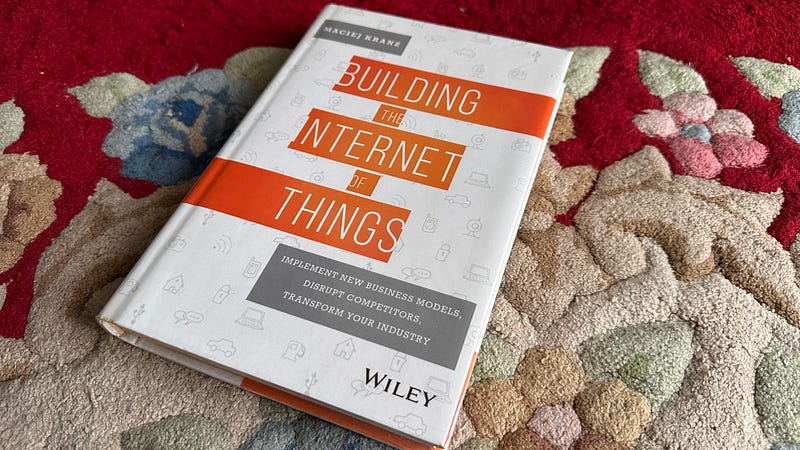
This book landed in my hands at a time when IoT was more of a buzzword to me than a clear-cut concept.
It was like finding a treasure map that promised to guide me through the maze of the Internet of Things.
Right off the bat, Kranz dives into the meat of IoT, not just skimming the surface with technical jargon that would fly over the heads of mere mortals like myself.
He’s talking business, strategy, and implementation, and my inner voice is like, “Finally, someone who gets it!”
The book isn’t just a handbook; it’s a narrative that spins around the potential of IoT in a language that speaks directly to business decision-makers.
You know, the ones who nod along in meetings but are secretly wondering how IoT fits into their quarterly plans.
Kranz has this way of breaking it down, making you realize the vast opportunities IoT brings to the table.
And there I was, thinking, “This is it. This is the blueprint to revolutionize our business.”
Kranz doesn’t stop at just selling you the dream.
He walks you through crafting a tangible IoT strategy that aligns with your company’s goals.
It’s not about jumping on the bandwagon; it’s about steering your ship with precision in the IoT sea.
The book made me pause and reflect, “Is my organization ready to embrace this? How can we not just participate but lead in this new frontier?”
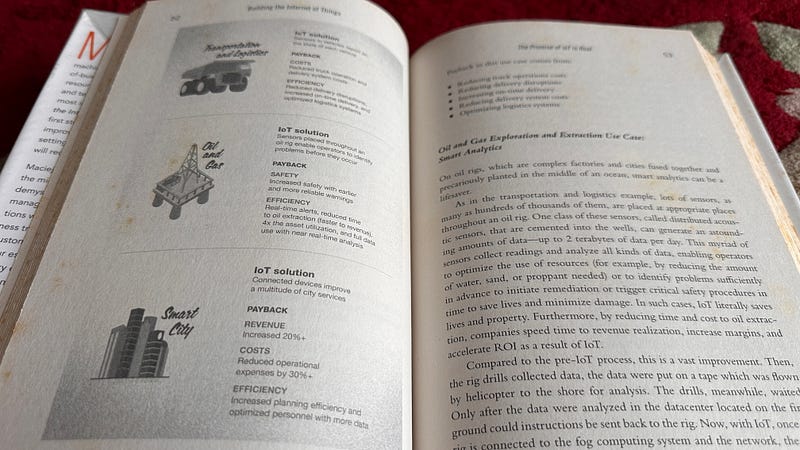
The use-cases sprinkled throughout the book are like mini lightbulb moments. T
hey’re not just hypothetical scenarios but real-world applications that show the ripple effect of IoT.
It’s as if Kranz is saying, “See, this isn’t just theory. It’s happening, and here’s how you can be a part of it.”
And let’s talk about the security aspect.
In an era where data breaches are more common than I’d like to admit, Kranz doesn’t shy away from the nitty-gritty of securing your IoT infrastructure.
It’s reassuring, to say the least.
My inner skeptic was like, “Ah, finally someone who’s not glossing over the potential pitfalls.”
Reading this book felt like having a mentor guiding me through the IoT landscape.
It’s not just about understanding IoT but about leveraging it to drive tangible business outcomes.
“Building the Internet of Things” isn’t just a read; it’s an action plan that prompts you to get up and start integrating IoT into your strategy now, not tomorrow.
To anyone hovering on the edges of IoT, wondering how to dive in, or even the seasoned professional looking to deepen their understanding, this book is a beacon.
It’s like Kranz is right there, cheering you on, saying, “You’ve got this. Here’s how you can turn disruption into profit.”
In conclusion, “Building the Internet of Things” is not just another book on my shelf. It’s a playbook that I find myself returning to, each time uncovering new insights.
It has shaped my approach to IoT in business, and I can’t help but think,
“What would I have done without this gem?”
If you’re in IoT or considering it, do yourself a favor and give this book a read. Trust me, your future self will thank you.
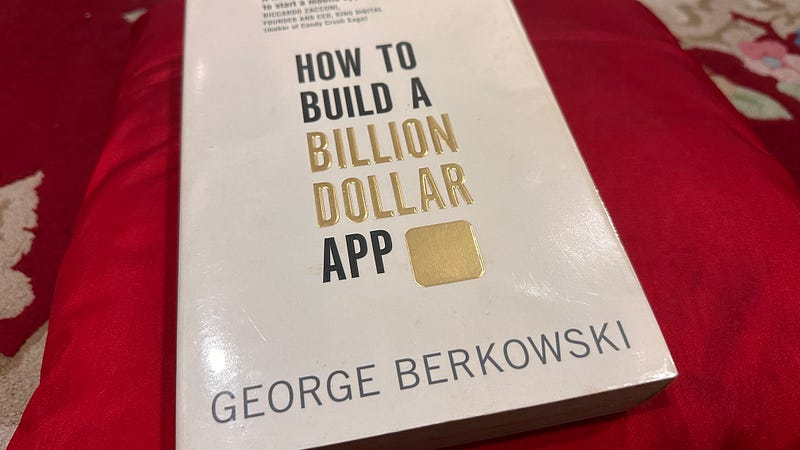
A must-read book if you want to start a mobile app business
Alright, let’s dive into “How to Build a Billion Dollar App” by George Berkowski, a book that seems to promise the golden keys to the kingdom of app-based riches.
Initially, I was skeptical.
I mean, how many of us haven’t fantasized about ditching the daily grind to launch something groundbreaking?
Yet, the road from dream to a billion-dollar reality is notoriously fraught with pitfalls.
But here’s the kicker: Berkowski isn’t just spinning daydreams; he’s laying down a roadmap based on the journeys of giants like Instagram, WhatsApp, Snapchat, Candy Crush, and Uber.
First off, the book is an eye-opener.
It’s not just about coding an app; it’s about birthing a mobile business behemoth.
Berkowski takes you from the seed of an idea — literally, something you might scribble on a napkin — through the throes of co-founder dating, team building, user addiction creation, and the relentless pursuit of staying relevant in an industry that never sleeps.
It’s like having a mentor who’s seen it all, guiding you through the highs and lows of startup life.
What I appreciated most is the unvarnished truth Berkowski serves up. Building a billion-dollar app is not for the faint of heart.
It requires a concoction of vision, tenacity, and a dash of madness.
The book is peppered with insider stories that read like Silicon Valley drama, making it informative and hugely entertaining.
The practical advice is gold.
Whether you’re a coding novice or a seasoned entrepreneur, there’s something in here for you.
Berkowski doesn’t shy away from the gritty details — funding rounds, user acquisition strategies, the pivot (oh, the inevitable pivot) — making it invaluable for anyone serious about scaling their mobile app into the stratosphere of valuation.
However, it’s not just a cheerleading manual for app moguls in the making.
It’s a reality check that underscores the immense effort, strategic planning, and a bit of luck required to join the ranks of the billion-dollar app club.
Berkowski’s candidness about the challenges adds a layer of credibility that’s often missing in the ‘get rich quick’ narratives.










 Dr. Mazlan Abbas