
BOOK REVIEWS BY MAZLAN ABBAS
Offering nuanced insights into how these changes will redefine humanity and your place within it.
Not a paid member? Click here to read the full review for free.
As you stand at the cusp of the Fourth Industrial Revolution, a transformative era that melds the physical, digital, and biological worlds, it’s imperative to understand the vast implications of this seismic shift.
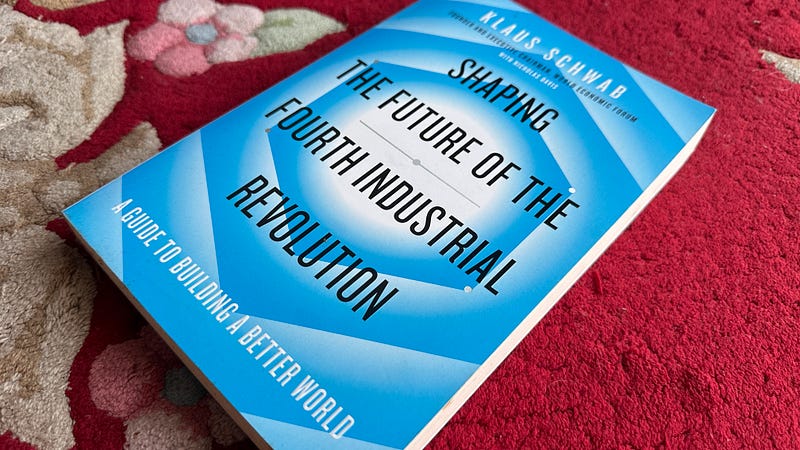
“Shaping the Future of the Fourth Industrial Revolution,” by Klaus Schwab with Nicholas Davis, serves as your compass in this uncharted territory, offering nuanced insights into how these changes will redefine humanity and your place.
Understanding the Fourth Industrial Revolution
At the heart of this revolution are breakthroughs that blur the lines between what’s human and technological, organic and artificial.
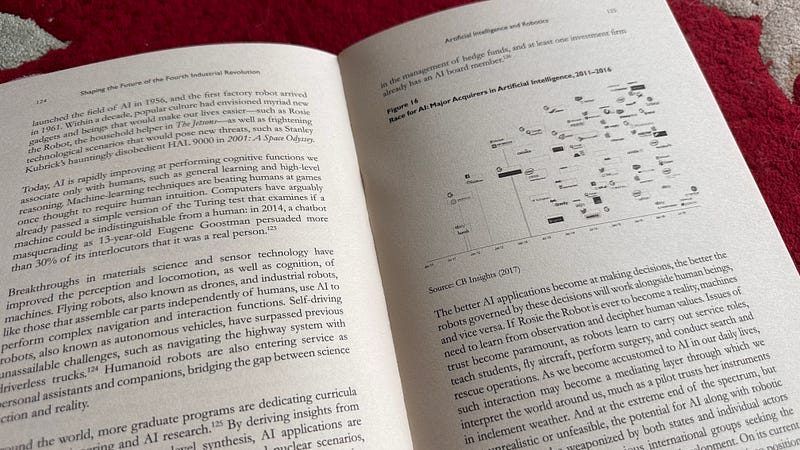
Schwab and Davis meticulously outline the driving forces behind these changes, emphasizing how intertwined advancements in artificial intelligence (AI), robotics, the Internet of Things (IoT), and biotechnology pave the way for unprecedented transformations.
But what does this mean for you?
The authors argue that these technologies are not mere tools but collaborators in shaping your reality, urging you to engage with these advancements proactively rather than passively observing them unfold.
The Human Element in Technological Evolution
One of the book’s core messages is maintaining the human element amidst rapid technological change.
Schwab and Davis encourage you to ponder ethical considerations, societal impacts, and the potential for human enhancement, stressing that technology should augment rather than diminish human values and capabilities.
This focus on humanity serves as a crucial reminder: while you may leverage technology to drive progress, preserving human dignity and values is paramount.
It’s a call to action for you to participate in shaping a future where technology amplifies the best of humanity.
Actionable Insights for Diverse Stakeholders
Whether you’re a business leader, policymaker, or citizen, the book delineates actionable steps for navigating and influencing the trajectory of technological advancement.
Schwab and Davis highlight the importance of interdisciplinary collaboration, emphasizing that contributions from across sectors are vital for a balanced and inclusive future.
The detailed exploration of technology areas — from AI to biotechnologies — equips you with a comprehensive understanding, enabling you to make informed decisions and advocate for responsible innovation in your respective fields.
The Role of Governance and Ethics
As you delve deeper into the book, you’ll encounter discussions on governance frameworks and ethical considerations, underscoring the necessity of robust policies to steer technological deployment for the common good.
Schwab and Davis advocate for agile governance — responsive yet responsible regulatory frameworks that adapt to fast-paced innovation while safeguarding societal values.
This emphasis on governance resonates deeply.
I urge you to consider how laws, regulations, and ethical guidelines can shape the development and application of emerging technologies, ensuring they serve humanity’s broader interests.
Empowering Yourself in a Transformative Era
“Shaping the Fourth Industrial Revolution” empowers you with knowledge and challenges you to take an active role in this era of transformation.
The authors inspire you to engage with technology thoughtfully, harnessing its potential to address global challenges while being mindful of its implications on the fabric of society.
The book is not just a guide but a clarion call to influence the future proactively.
By understanding the interplay of technologies and their societal impacts, you’re better equipped to contribute to a future that reflects collective aspirations and values.
Your Role in Shaping the Future
Ultimately, the book conveys a sense of agency and responsibility.
The Fourth Industrial Revolution offers a canvas on which the future will be painted.
Your actions, decisions, and advocacy can significantly influence how this future unfolds, ensuring a shared vision of prosperity, sustainability, and inclusivity shapes it.
In Conclusion
“Shaping the Future of the Fourth Industrial Revolution” is essential for anyone eager to understand the profound changes reshaping our world and keen to play a part in directing this transformation.
Klaus Schwab and Nicholas Davis provide a roadmap and a call to ethical action, urging you to engage with technology thoughtfully to craft a future that upholds and celebrates our shared humanity.
In this era of immense change, your awareness, engagement, and decision-making are pivotal.
The book equips you with the knowledge to navigate these shifts.
It advocates for a future where technology serves humanity, enhancing our lives while preserving our values.
As you turn the final page, remember that the future is not something that happens to you but something you can actively shape.

 Dr. Mazlan Abbas