Pahlawan – The Movie

In the verdant landscapes of a medieval Malay village, the tranquil rhythms of life were disrupted by an extraordinary event—an arrival from a future unknown. From the realms of advanced technology and boundless intelligence, a solitary figure emerged—a humanoid with unparalleled intellect and wisdom. This being, a harbinger of truths yet to unfold, was known as the “Pahlawan” or warrior.

The denizens of the village, steeped in the traditions and conflicts of their time, were locked in a bitter civil war. Fueled by misunderstandings, fear, and the thirst for power, they waged battles that tore at the very fabric of their existence. It was amidst this chaos that the Pahlawan appeared, bearing a dire warning that resonated deep within their hearts.

The Pahlawan, a vessel of knowledge transcending time, understood the imminent peril that loomed over the world. A malevolent force, arising from the future, sought to conquer and subjugate all realms of existence. Yet, this future threat remained shrouded in mystery, waiting to unleash its malefic presence upon an unsuspecting world.

With a solemn purpose and a compassionate heart, the Pahlawan endeavored to unite the warring factions of the medieval Malay village. They spoke of a common enemy, one that transcended their immediate conflicts—a foe that would reduce their struggles to insignificance if not confronted as one. It was a battle that required unity, strength, and the forsaking of old grudges.

Amidst skepticism and deep-rooted enmity, the Pahlawan sought to instill wisdom and understanding. They shared tales of the impending evil, urging the villagers to rise above their differences and embrace the bonds of camaraderie. The Pahlawan’s vast knowledge and insights served as a beacon of guidance, illuminating the path toward a shared destiny.

Gradually, whispers of hope began to weave through the village. The villagers, once consumed by the fires of conflict, were now touched by the seed of enlightenment. The realization dawned upon them that their petty battles would only pave the way for their own downfall, and the looming darkness from the future would prey upon their disunity.

As the sun set on a blood-stained horizon, the villagers, transformed by the wisdom imparted by the Pahlawan, came together as one. They set aside their grievances, embraced forgiveness, and forged a pact of solidarity. The once-warring factions became an unstoppable force, united in their determination to protect their lands, their heritage, and the very essence of their existence.

Guided by the Pahlawan, the village fortified itself, honing their skills and wisdom in preparation for the inevitable clash with the encroaching evil. They found strength in their diversity, for it was through their collective experiences, knowledge, and unwavering spirit that they would overcome the malevolence from the future.

The battlefield was set, the forces of darkness looming on the horizon. The Pahlawan stood shoulder to shoulder with the villagers, their presence igniting a flame of resilience within each heart. They were no longer divided by strife but united by a shared purpose—a purpose that surpassed their own lives, transcending the boundaries of time.

With unwavering determination and the indomitable spirit of the Malay warriors of old, the village rallied against the onslaught of the future’s malevolent shadow. They fought not only for their own survival but for the preservation of a world steeped in rich history and cultural heritage.

In the crucible of battle, the villagers unleashed their newfound unity, their valor rising as a beacon of resistance. The clash of steel, the thunderous war cries, and the undying resolve of the Pahlawan and their allies reverberated through the ages. The battle was not just against a physical enemy but a battle for the very essence of humanity—to preserve the values of courage, compassion, and unity that had defined the Malay village for generations.

As the dust settled and the echoes of conflict faded, the victorious villagers stood proud, having vanquished the malevolence that sought to consume their world. The Pahlawan, their purpose fulfilled, bid farewell, returning to their own time and leaving behind a legacy of unity and wisdom.

The village, forever transformed by their encounter with the Pahlawan, emerged from the crucible of war stronger, wiser, and united in their commitment to honor the lessons learned. Their triumph became a timeless testament—a testament to the power of unity, the strength of compassion, and the enduring spirit of the Pahlawan, whose wisdom guided them towards a future free from the shackles of strife and division.

Pahlawan

Starting The Next IoT Ebook — Mazlan Abbas

Starting The Next IoT Ebook

Today, I began my journey of writing my next eBook. After completing my last two eBooks, I realized the need for a more comprehensive guide on IoT. I want to provide readers with an enhanced version of my previous book, “Your IoT Journey,” with even more valuable content.

However, as I pondered the title, I started having second thoughts about the original one. I believe a captivating title is crucial for attracting readers and effectively conveying the book’s objectives. I decided to brainstorm some alternative titles that would encompass the book’s essence while sparking curiosity. Here are a few options I came up with:

  1. Start Your IoT Business
  2. Your IoT Guide
  3. IoT Journey Guide
  4. Transform into IoT

I’m open to any suggestions or feedback on these titles. Feel free to share your thoughts and help me choose the perfect title for my upcoming eBook. Stay tuned for the next update!


Remember to Subscribe to receive email updates on every post I publish.

You can also follow my Medium Publications Aspiring Writer’s Journey, Influencer’s Journey, Startup Survival Journey, and IoT World.

10 Things About Kore’s Acquisition of Twilio’s IoT Business Unit

Twilio is selling its IoT business unit to Kore, following a definitive signed agreement between the companies. Here’re ten things you need to know about Kore’s acquisition:

  1. An Expansion of KORE’s Portfolio: The acquisition of Twilio’s IoT business unit by KORE is a strategic move designed to bolster KORE’s portfolio in IoT solutions and services. This step will enhance their market presence and enable them to provide their customers with an integrated and comprehensive suite of IoT services.
  2. Acquisition Consideration: Twilio will receive 10 million shares of KORE’s common stock in return for its IoT business unit. This deal indicates an equity-based acquisition where Twilio will have a stake of about 11.5% in KORE’s issued and outstanding shares, creating a strategic alliance between the two companies.
  3. Powerful Connectivity Suite: This acquisition will bring a powerful connectivity suite to the market, including KORE’s OmniSIM and Twilio’s Super SIM, strengthening the overall product offering and delivering superior eSIM technologies to customers.
  4. The One-Stop-Shop Approach: With this acquisition, KORE intends to become a one-stop shop for building, deploying, managing, and scaling IoT operations. Leveraging both companies’ award-winning technologies and world-class facilities, they aim to simplify and expedite the IoT lifecycle for their clients.
  5. A Faster Time to Market: KORE will leverage Twilio’s digital experience, the collective IoT experience of both companies, and the global, 24/7 customer support to accelerate the market for their IoT solutions.
  6. Bringing Talent and Customers: Twilio’s IoT unit is not just a technology portfolio; it also includes a talented team and a solid customer base. The acquisition will integrate these assets into KORE’s operations, benefiting from their established relationships and technical expertise.
  7. Realizing the IoT Potential: Both KORE and Twilio recognize the enormous potential of IoT in various sectors. With this acquisition, KORE aims to advance the Fourth Industrial Revolution, support remote patient monitoring, optimize agriculture, and support sustainability, among other impactful applications of IoT.
  8. The Vision of an IoT Hyperscaler: This acquisition aims to create what KORE refers to as an ‘IoT Hyperscaler’ — the first of its kind in the world. This concept represents an entity that can handle the rapid, massive scale required for global IoT solutions and services.
  9. Twilio’s Continued Involvement: Although Twilio is selling its IoT unit, this deal allows Twilio to maintain a substantial stake in the IoT space. Twilio will remain invested in IoT’s future through its 11.5% share in KORE.
  10. Future Growth Strategy: Lastly, this acquisition is a significant step in KORE’s growth strategy. KORE is demonstrating a willingness to invest heavily in its mission to become a leading growth company in the IoT sector. Incorporating Twilio’s digital experience and developer community into its operations will contribute significantly to its future growth and success.

Remember to Subscribe to receive email updates on every post I publish.

You can also follow my Medium Publications Aspiring Writer’s Journey, Influencer’s Journey, Startup Survival Journey, and IoT World.

Fostering Future-Ready Professionals: A Collaborative Upskilling Strategy

In a professional landscape that never ceases to evolve, the criticality of upskilling and priming emerging talent for the rigors of the industry is a fact that bears repeating.

With the rise of digital metamorphosis and disruptive technologies, a collective effort becomes desirable and necessary to equip budding professionals with the requisite skills and know-how.

This article aims to delve into nurturing a collaborative ecosystem that upgrades future talent, paving the way to excel in a swiftly mutating professional world.

IUnveiling the Imperative for Upskilling

The launching pad for grooming future talent is raising awareness about the dynamic needs of the industry.

An alliance between employers, academicians, and industry cognoscenti is crucial for recognizing the upcoming skills and expertise needed to remain competitive.

Shedding light on the shifting landscape and the prospective growth trajectories, focus can be honed toward upskilling and readying the workforce for tomorrow’s challenges.

Igniting Enthusiasm and Motivation

With attention secured, the next task is to stir up interest among the talent of tomorrow.

This feat can be accomplished through engaging activities like workshops, seminars, and real-life case studies that reveal the pragmatic usage of fresh technologies and skills. I

nviting industry veterans as guest lecturers, mentors, or idols can ignite curiosity and drive, thereby nudging ambitious professionals to embark on their upskilling voyage.

Sculpting an Attractive Vision

Impelling future talent towards upskilling necessitates crafting an enticing vision of the awaiting benefits and opportunities.

Publicizing success tales of professionals who have reaped the rewards of fruitful upskilling initiatives can induce desire among budding talents.

Underscoring how upskilling can lead to enriched career paths, augmented job contentment, and the chance to partake in groundbreaking projects can motivate individuals to take the plunge.

Encouraging Collaborative Learning and Mentorship

Instilling conviction demands a cooperative learning milieu that encourages knowledge exchange and mentorship.

Educational establishments, industry associations, and businesses can team up to offer comprehensive upskilling courses that amalgamate theoretical comprehension with practical exposure.

Mentorship programs, where industry maestros guide aspiring professionals, provide direction, support, and invaluable insights, fostering conviction in the potency of the upskilling trajectory.

Realizing Upskilling Plans and Fostering Continuous Learning

The final stride in the collaborative approach is to empower future talent to execute their upskilling agendas.

This necessitates providing resources such as online tutorials, workshops, and hands-on learning opportunities.

Promoting a perpetual learning and professional growth culture within organizations and educational institutions underscores the importance of remaining flexible and evolving with industry progress.

A Collaborative Upskilling Strategy for Future-Ready Talent

Adopting a collaborative methodology for upskilling future talent is fundamental in equipping them for the swift currents of the professional world.

Through collaborative endeavors between employers, academicians, and industry connoisseurs, we can guarantee that the talent of tomorrow is armed with the skills, wisdom, and mindset to succeed in the dynamic and tech-savvy world of the future.


Remember to Subscribe to receive email updates on every post I publish.

You can also follow my Medium Publications Aspiring Writer’s Journey, Influencer’s Journey, Startup Survival Journey, and IoT World.

Starting The Next IoT Ebook

Today, I began my journey of writing my next eBook. After completing my last two eBooks, I realized the need for a more comprehensive guide on IoT. I want to provide readers with an enhanced version of my previous book, “Your IoT Journey,” with even more valuable content.

However, as I pondered over the title, I started to have second thoughts about the original one. I believe a captivating title is crucial for attracting readers and conveying the objectives of the book effectively. So, I decided to brainstorm some alternative titles that would encompass the essence of the book while sparking curiosity. Here are a few options I came up with:

  1. Start Your IoT Business
  2. Your IoT Guide
  3. IoT Journey Guide
  4. Transform into IoT

I’m open to any suggestions or feedback on these titles. Feel free to share your thoughts and help me choose the perfect title for my upcoming eBook. Stay tuned for the next update!

New IoT eBook

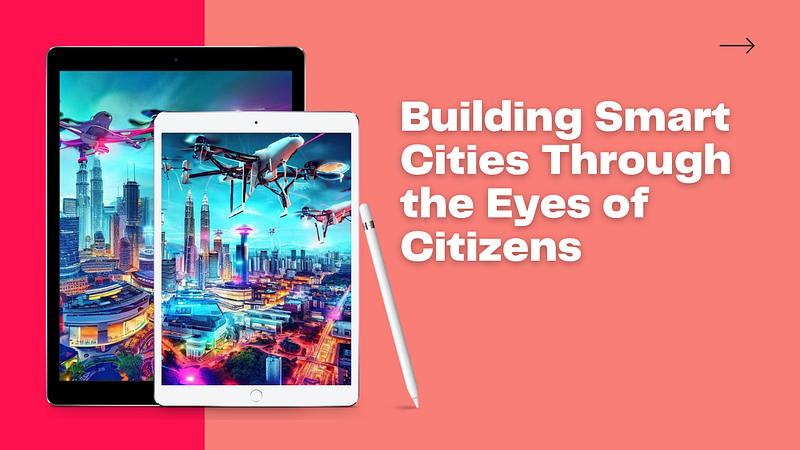
Building Smart Cities Through the Eyes of Citizens

Creating smart cities that cater to the needs and expectations of their citizens is crucial for long-term success and sustainability. By involving citizens in planning and developing smart cities, urban planners can ensure that the solutions address local needs and enhance the quality of life. Here are some strategies to build smart cities through the eyes of citizens:

  1. Engage citizens in planning: Involve residents in the early stages of smart city planning through public consultations, workshops, and surveys. Gather input on their needs, preferences, and concerns to shape the city’s development to reflect their values and aspirations.
  2. Leverage social media and mobile apps: Utilize social media platforms and mobile applications to gather citizens’ feedback, suggestions, and ideas. This can help city planners to understand the community’s concerns and prioritize projects accordingly.
  3. Implement participatory budgeting: Allow citizens to participate in the allocation of public funds for smart city projects. This can foster a sense of ownership and engagement among residents, ensuring their priorities are considered.
  4. Empower citizen-led initiatives: Encourage and support grassroots movements and citizen-led projects that align with the goals of the smart city. By fostering a sense of civic responsibility, citizens can contribute directly to the betterment of their community.
  5. Promote transparency and accountability: Keep citizens informed about the progress of smart city projects and the decision-making processes behind them. This can help to build trust and confidence in the system, as well as encourage further engagement.
  6. Use data to inform decisions: Collect and analyze data on various aspects of city life, such as transportation, energy usage, air quality, and public safety. Share this data with citizens and use it to inform decision-making processes, ensuring that solutions are grounded in evidence and address genuine issues.
  7. Design inclusive solutions: Ensure that smart city projects are accessible and beneficial to all citizens, regardless of age, income, or ability. This may involve implementing solutions that address the needs of marginalized or vulnerable populations, such as affordable housing, accessible transportation, and digital inclusion initiatives.
  8. Foster a culture of innovation: Encourage citizens to think creatively about how technology can be used to solve urban challenges. Support local startups, tech companies, and research institutions in developing and implementing innovative solutions for the city.
  9. Educate and inform citizens: Provide information and resources to help citizens understand the benefits of smart city solutions and how they can participate in their development. This can include educational campaigns, workshops, and public demonstrations of smart technologies.
  10. Continuously evaluate and adapt: Regularly assess the impact of smart city projects on citizens’ quality of life and adjust the strategies as needed. Gather feedback from residents to ensure the city’s development remains aligned with their needs and expectations.

By focusing on the needs and expectations of citizens, urban planners can create smart cities that are not only technologically advanced but also deeply connected to the communities they serve. This approach fosters a more inclusive, sustainable, and resilient urban environment that truly enhances the quality of life for all residents.


Remember to Subscribe to receive email updates on every post I publish.

You can also follow my Medium Publications Aspiring Writer’s Journey, Influencer’s Journey, Startup Survival Journey, and IoT World.

Develop IoT Project Using IoT Platform in the Era IR 4.0

Develop IoT Project Using IoT Platform in the Era IR 4.0

Many thought IoT implementations are very complex. Mainly due to its different technologies involved.

It’s not difficult to develop an IoT project if you know all the relevant steps.

Developing an IoT project using an IoT platform in the era of Industry 4.0 can lead to improved efficiency, cost savings, and enhanced decision-making.

Here is a step-by-step guide on how to develop an IoT project in this context:

  1. Define project objectives: Begin by defining the objectives of your IoT project. Determine the specific problem you want to solve or the process you want to optimize. For example, you may aim to reduce energy consumption in a manufacturing plant, monitor greenhouse environmental conditions, or enhance warehouse inventory management.
  2. Choose an IoT platform that aligns with your project’s goals and requirements. An IoT platform will provide the necessary tools and infrastructure to connect, manage, and analyze data from your IoT devices. Some popular IoT platforms include AWS IoT, Microsoft Azure IoT, Google Cloud IoT, Favoriot, and IBM Watson IoT.
  3. Select IoT devices and sensors: Identify the devices and sensors you will need for your project, considering functionality, cost, and compatibility with your chosen IoT platform. For example, you may need temperature sensors, humidity sensors, motion detectors, or RFID tags.
  4. Design the IoT architecture: Design the architecture of your IoT system, considering the devices, connectivity, data storage, and data processing components. Ensure that your architecture provides for data security, privacy, and scalability.
  5. Develop device firmware and software: Write the firmware and software for your IoT devices, ensuring they can communicate with your IoT platform and other devices in the network. This may involve programming microcontrollers, designing communication protocols, and implementing security measures.
  6. Implement connectivity: Establish a reliable and secure connection between your IoT devices and the IoT platform using technologies such as Wi-Fi, cellular, LoRaWAN, or Sigfox. Ensure that your chosen connectivity method aligns with your project requirements, such as range, power consumption, and data transmission rate.
  7. Integrate data storage and processing: Configure your IoT platform to store and process the data generated by your IoT devices. This may involve setting up databases, data lakes, or data warehouses and implementing data processing pipelines and analytics tools.
  8. Develop a user interface: Design a user-friendly interface for your IoT project, enabling users to interact with the system, visualize data, and make informed decisions. This interface could be a web application, mobile app, or dashboard.
  9. Test and validate: Thoroughly test your IoT system to ensure it functions as expected and meets your project objectives. Validate the accuracy of your sensors, the reliability of your connectivity, the security of your data, and the performance of your data processing and analytics tools.
  10. Deploy and monitor your IoT project in the target environment and continuously monitor its performance. Collect feedback from users and stakeholders and make any necessary adjustments to the system.
  11. Maintain and update: Regularly maintain and update your IoT system to ensure it remains secure, efficient, and effective. Keep track of software and firmware updates, replace faulty devices, and address any security vulnerabilities that may arise.

An Example: Implementation of IoT in a Manufacturing Company

Let’s take the example of a manufacturing company that wants to implement an IoT solution to improve operational efficiency and reduce downtime. Here’s how they would apply the formal but engaging guide I provided:

Establishing Clear Objectives: The company begins by setting clear goals: to decrease machine downtime by 20% and improve production efficiency by 15%. They aim to achieve this by implementing a predictive maintenance system using IoT technologies.

Selecting a Suitable IoT Platform: After evaluating several options, the company selects Favoriot for its robust infrastructure, advanced analytics capabilities, and strong security features. This platform is deemed well-suited for the industrial environment and the company’s needs.

Choosing Appropriate Devices and Sensors: The company selects high-quality vibration sensors, temperature sensors, and acoustic sensors that can detect early signs of equipment failure. These are chosen for their industrial-grade reliability and compatibility with Azure IoT.

Designing the IoT System Architecture: The company develops an architecture that includes sensor deployment on critical machinery, data transmission to the Favoriot platform via a secure network, and data processing in the cloud to identify potential issues.

Developing Firmware and Software: The company’s engineers develop custom sensor firmware to accurately capture data and software that enables secure communication between the devices and the Azure IoT platform.

Establishing Connectivity: They set up a secure Wi-Fi network within the manufacturing plant that provides stable and reliable connectivity for the IoT devices to communicate with the cloud platform.

Implementing Data Management: The company configures Favoriot to collect data streams from the sensors, stores this data in a structured format, and processes it using machine learning algorithms to predict equipment failures.

Creating a User Interface: A user interface is developed as a part of the company’s operational dashboard, which allows the maintenance team to monitor the health of the equipment in real time and receive alerts for predicted maintenance issues.

Rigorous Testing: Before full-scale implementation, the system is tested in a controlled environment to ensure accurate data collection, effective prediction of potential failures, and user-friendly interface functionality.

Deployment and Monitoring: The IoT solution is deployed across the company’s manufacturing lines. The system’s performance is closely monitored, and feedback is collected from the maintenance team to identify any areas for improvement.

Maintenance and Upgrades: The company establishes a protocol for regular system maintenance, updates the software as needed, and replaces any faulty sensors to maintain the integrity and accuracy of the IoT system.

Through this example, the company has demonstrated a structured and strategic approach to implementing an IoT solution in a

manufacturing environment, which is expected to lead to significant improvements in operational efficiency and a reduction in unexpected machine downtime.


By following these steps, you can successfully develop an IoT project using an IoT platform in the era of Industry 4.0, harnessing the power of connected devices and data-driven insights to drive innovation and improve processes.


More details

Remember to Subscribe to receive email updates on every post I publish.

You can also follow my Medium Publications Aspiring Writer’s Journey, Influencer’s Journey, Startup Survival Journey, and IoT World.

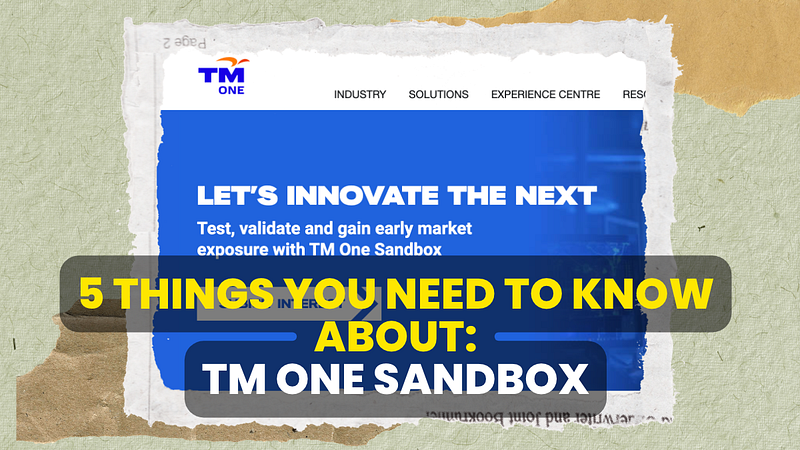
5 Things You Need to Know About TM ONE Sandbox

5 Things You Need to Know About TM ONE Sandbox

The TM One Sandbox initiative launched by TM One appears to have five several essential outcomes:

  1. Acceleration of Digital Transformation: The sandbox is designed to speed up the digitalization and automation of businesses, communities, and government entities. It aims to aggregate smart services and IR 4.0 solutions, advancing Malaysia’s push toward becoming a technologically advanced nation.
  2. Improved Tech Availability, Accessibility, and Affordability: The sandbox is set to enhance the availability, accessibility, and affordability of technology for enterprises and the public sector. This would drive long-term sustainability and digital progress in these sectors.
  3. Promotion of Collaborative Innovation: The TM One Sandbox has three key components — an innovation platform, an innovation lab, and market access. These elements foster collaborative innovation, enabling stakeholders to brainstorm, validate, test, and commercialize their solutions. The innovation lab, in particular, provides a co-creation space leveraging cutting-edge technology, resources, and expertise.
  4. Facilitation of Networking and Commercialisation: The market access feature of the sandbox promotes networking and branding opportunities, helping in the commercialization of solutions developed within the sandbox. It also facilitates stakeholders to work together towards sustainable and inclusive progress.
  5. Driving Industry-specific Use Cases and Adoption: The sandbox enables the development of specific use cases, especially around the 5G technology, across diverse sectors like smart cities, manufacturing, healthcare, and more. It also promotes a mindset change towards embracing new platforms, services, and applications to increase operational efficiency and delivery.

The TM One Sandbox is a strategic initiative to accelerate digital transformation, foster collaborative innovation, and drive industry-specific use cases, especially around 5G and other advanced technologies. This would contribute positively to the broader Malaysian society and the country’s aspiration to become a technologically advanced.


Remember to Subscribe to receive email updates on every post I publish.

You can also follow my Medium Publications Aspiring Writer’s Journey, Influencer’s Journey, Startup Survival Journey, and IoT World.

6 AI Tools You Can Start Using for Free