How I Earned More Money on G2.com Compared to Medium

Photo by Alexander Grey on Unsplash

Writing online has become an increasingly popular avenue for individuals seeking to express their thoughts, share their knowledge, and earn extra income.

Medium has positioned itself as a viable platform for writers of all kinds, offering an easy-to-use interface and a potentially broad audience.

However, as with any platform, earning substantial income can be challenging, and writers often seek more lucrative opportunities.

The Medium Experience

Recently, I decided to give Medium a try, hoping to monetize my passion for writing.

After 30 days of consistent effort, I earned a modest $6.

While the process was satisfying and provided a creative outlet, the financial return was minimal.

This experience led me to consider other writing-related income streams.

A Lucrative Alternative: G2.com Reviews

Concurrently, I stumbled upon G2.com, a platform that rewards users for writing software reviews.

In contrast to Medium, G2.com offered $10 Amazon gift cards per review, resulting in a potentially higher income.

Over a month, by reviewing eight different software products, I earned $80 in Amazon gift cards.

This rate of return was significantly higher than my earnings on Medium.

Imagine if you could review one software per day.

How much would you earn? $10 x 365 = $ 3,650 per year?

Pros and Cons

While the financial benefits of writing software reviews on G2.com are apparent, this approach has limitations.

The number of software applications one can genuinely review is finite, and sustaining this pace for an extended period is unrealistic for most individuals.

In contrast, writing on Medium offers a sustainable, long-term option for those looking to develop their writing skills and establish an online presence.

Finding the Right Balance

Given the limitations of both platforms, finding a balance that suits your lifestyle and goals is crucial.

Medium allows for creative expression and the potential for passive income over time as your articles continue to attract readers.

On the other hand, writing software reviews on G2.com provides immediate financial rewards, albeit with a finite limit.

Tips for Maximizing Earnings

If you’re looking to maximize your writing income, consider the following tips:

  1. Diversify Your Income Streams: Don’t rely solely on Medium or software reviews. Explore other writing platforms, freelance opportunities, and content creation gigs.
  2. Build Your Brand: A strong online presence can attract more readers to your Medium articles, potentially increasing your earnings.
  3. Focus on Quality: High-quality, engaging content is more likely to attract readers and generate income.
  4. Network: Connect with other writers and industry professionals to open up new opportunities and collaborations.
  5. Set Realistic Goals: Understand that building a substantial income through writing takes time and persistence.

Conclusion

Writing online offers a plethora of opportunities for creative expression and financial gain.

While Medium provides a sustainable platform for long-term growth, platforms like G2.com offer immediate financial rewards for software reviews.

By diversifying your income streams and focusing on quality, you can maximize your writing income and find a balance that suits your needs.

Remember, the key to success is persistence, networking, and a commitment to honing your craft.

Happy writing!


Remember to Subscribe to receive email updates on every post I publish.

Lessons Learned: When Building IoT Product Amidst a Global Pandemic Crisis

Photo by Nik on Unsplash

Our Startup almost closed down during the COVID-19 global crisis.

We have seen many others crumble.

It’s not easy.

There was a lot of sacrifice by all of the team members.

That’s the reality of a startup founder.

The road of startup life is often filled with unexpected twists and turns.

It’s a rollercoaster ride of thrilling peaks and disheartening troughs where success and failure intermingle.

Promising Product But Wrong Timing

Our tale unfolds with a promising product whose journey was marked by unfortunate timing and intertwined with the unforeseen global pandemic.

Our story began with a spark of innovation aimed at crafting an IoT solution for the safety and well-being of seniors called Raqib.

We saw a vast market awaiting as societies globally were aging.

Yet, the market response was slow, which left us disheartened and pushed us to rethink our target audience.

Photo by ibrahim uz on Unsplash

Pivoting Market Segment – Wrong Timing Again!

With hope in our hearts, we shifted our focus towards ensuring the safety and health of Umrah and Hajj pilgrims.

The essence of our product stayed the same, yet now, it offered solace to pilgrims during their sacred journeys.

The initial reactions during the trials in 2018 and 2019 were hopeful.

We even added a roaming SIM card feature, making the transition from home countries to Mecca smoother for the users.

Our hearts soared as all indicators hinted at a bright future awaiting our product.

Photo by Fusion Medical Animation on Unsplash

However, the winds changed in 2020 when the COVID-19 pandemic swept the globe, halting international travel.

Limited Mobility Killed Our Product!

Our product, heavily reliant on pilgrim mobility, faced an unforeseen challenge. As travel bans extended into 2021, our product lingered uncertainly, and our spirits sank.

When the world started moving again in 2022, reality hit us hard: our product needed more than we could provide to remain viable.

The financial burden of necessary hardware upgrades and additional research was too heavy.

The cruel timing forced us to decide to discontinue our cherished project.

This period, albeit painful, served as a turning point.

Through the storm, we tirelessly worked on diversifying our projects, crafting new paths to revenue.

Looking back, the adversity fueled our growth, pushing our startup to evolve.

Our expedition with this IoT solution is a vivid testimony to the uncertainties surrounding startup endeavors.

Adapt to Survive

Numerous external factors beyond our control play significant roles, with timing being a crucial player.

However, as startup founders, our journey also showcased our adaptability and resilience.

Our obstacles morphed into stepping stones, propelling us to learn, grow, and shift our sails toward success.


As we march ahead, we cradle the invaluable lessons from this expedition close to our hearts.

We’ve learned that:

  1. In the startup realm, timing is a significant factor, yet resilience is the cornerstone of navigating challenges.
  2. Adaptability is crucial when external circumstances shift dramatically.
  3. Diversifying projects can be a buoy in turbulent waters, keeping the startup afloat.
  4. Every hurdle carries a lesson, and each setback paves the path for growth and new opportunities.

Maybe you can also leave comments and share your story during the global pandemic. Thanks!


Remember to Subscribe to receive email updates on every post I publish.

My Three Product Failures: Unveiling Lessons for Startup Survival

Photo by the blowup on Unsplash

Creating something new is thrilling.

As startup founders, we’ve faced this excitement three times.

Each time, we stumbled upon failure.

This is our tale of three failed products and the lessons we learned.

Our products weren’t the only ones in the market. Yet, there was no clear benchmark to measure success.

Raqib was our first product that caters to the market for senior citizens.

Favorsense is the second product that should solve the problems of citizen engagement for local councils.

Our third product was an alternative to Raqib, a mobile app called Dscover that can track users’ locations. But it is also meant for family members or friends who track each other’s activities.

View at Medium.com

We invested time, effort, money, and belief. Acknowledging their failure was tough.

Identifying a failing product is challenging. For us, the first red flag was steady low revenue.

Despite marketing efforts, the income was just a trickle, far from our expectations.

Letting go of our creations was hard. We had to stop supporting the failed products.

This harsh reality taught us to accept, learn, and move forward.

Photo by Brett Jordan on Unsplash

Here are the crucial lessons we learned from our missteps:

  1. Minimal Viable Product (MVP) Importance: Having an MVP helps test market waters before a deep dive. It allows for initial response assessment and iteration, saving hefty upfront investment in a possibly unviable full-fledged product.
  2. Value of Early Users: Early adopters are like a compass, their feedback is instrumental in refining the product to meet market demands.
  3. Securing Paying Customers Early: Early paying customers validate your product’s value and kickstart revenue generation.
  4. Having Reference Sites: Success stories or reference sites boost prospective customers’ confidence and enhance product credibility.
  5. Flexible Pricing Model: A rigid pricing can deter potential customers. Experimenting with various pricing models helps find a balance that attracts and retains the target audience.

Looking back, our failed products were stepping stones towards success.

Photo by Ev on Unsplash

Each failure illuminated new startup aspects.

Though the journey was challenging, it molded us into resilient, well-informed founders ready for future entrepreneurial hurdles.


Our fourth product seems to be our savior, and it has been gaining market traction. Now, it’s about time for us to scale up.

View at Medium.com

Turning Pages to Dollars: My 2024 Plan to Earn Through Writing

Photo by Giorgio Trovato on Unsplash

Things about to change in 2024.

Beginning of the Journey – 2024

In the world of digital writing, my exploration commenced in 2016, turning ideas into blog posts.

The pure joy of expression was all I sought until an endeavor led me to bundle some posts into an eBook.

Transition to Monetization:

The real game-changer unfolded in September 2023 when I embraced the Medium Partner Program (MPP).

This transition wasn’t just about making money, but aligning my love for writing with a sustainable model.

The question, “Why not turn a hobby into an income source?” steered me towards Medium, a haven where quality content finds its value.

The stories of others earning through writing, were the breezes that fueled my sails.

The first month with MPP marked a tiny victory – it paid for its own monthly subscription.

Eyeing 2024 with Clear Goals:

As I cast my eyes towards 2024, I’ve mapped out clear goals.

The plan is straightforward: write almost every day and aim to rally 300 new followers each month.

The anticipation is to create a ripple with my words across the online realm, fostering more engagement and, hopefully, a steady flow of income.

Medium: A Platform and a Mentor:

To me, Medium transcends a mere platform – it’s a realm of learning.

The wisdom shared by fellow writers shines as guiding stars in my voyage.

Every article I devour, every piece of feedback I receive, sharpens my writing blade. The goal might not echo grandiosity, but it resonates with ambition and a zest for learning.

2024: Merging Passion with Earning:

The dawn of 2024 isn’t just a flip of the calendar; it’s a chapter where I yearn to intertwine the joy of writing with the thrill of earning.

It’s about unveiling the inherent value in my passion for writing and sharing this treasure with a broader audience.

Braving the Digital Seas:

The realm of online writing may pose as a labyrinth, but armed with a clear blueprint, a resolute heart, and the camaraderie from my Medium comrades, the excitement for the journey ahead burgeons.

It’s a narrative of growth, both personal and financial, one article at a time.

This tale isn’t about merely dreaming, but about the audacity to morph those dreams into reality, one word at a time.

Photo by Fuu J on Unsplash

Summary: My 2024 Action Plan:

  • Engage in daily writing to hone skill and generate consistent content.
  • Aim for a monthly follower growth of 300 on Medium to build a robust reader base.
  • Immerse in the Medium community, learning from others to refine my writing and monetization strategies.
  • Measure monthly earnings and engagement to track progress towards financial goals.
  • Explore and experiment with different writing styles and topics to keep the content engaging and to attract a diverse readership.
  • Continue the quest of blending passion with earning, one article, one follower, and one day at a time, steering through the digital waves towards a self-sustaining writing career.

Check out Mazlan Abbas’s Blog for my Entrepreneurship journey.

7 Tips How an Introvert Entrepreneur Can Survive in a Startup World

Photo by Quasi Misha on Unsplash

Networking is crucial in the startup world.

Many believe being extroverted is critical to success. My journey shows introverts can succeed, too.

Genesis: The Academic Cocoon

I come from an academic background. It didn’t require much social interaction.

Networking was new to me. Entering the startup world was socially challenging at first.

Catalysts of Change: Embracing the Dialogue

Things changed when I started giving talks. These events helped me share my ideas.

Working with our extroverted Business Development Director helped, too.

Together, we eased each other’s social anxieties at events.

The Revelation: Beyond Superficial Conversations

Over time, I learned networking was more than just talking.

It was about building meaningful relationships. Understanding people’s needs helped position our startup as a solution.

The Digital Frontier: Online Presence as a Catalyst

Having an active online presence helped.

Our digital footprint sparked conversations during in-person meetings. It helped people understand our work and vision.

The Perils of Inefficacy: The Broken Web

Bad networking can hinder a startup’s growth.

Like a spider with a broken web, it’s hard to catch opportunities. It’s essential to use your connections effectively in the startup ecosystem.

Reflection: Metamorphosis and Embracing the Startup Dynamics

My journey from a shy introvert to a networking founder was transformative. Networking doesn’t require changing who you are.

It’s about stepping out of your comfort zone.

Conclusion: The Unyielding Promise of Introverted Entrepreneurship

Introverted entrepreneurs, don’t be disheartened.

Your path might be different from extroverted founders. But the goal is the same: building a successful startup.

Embrace your uniqueness and leverage your strengths.

Inspiring Lessons for Aspiring Founders:

  1. Embrace Your Individuality: Introversion is a Unique Strength
    Introverts often possess qualities like deep thinking, empathy, and strong listening skills, which are invaluable in the entrepreneurial world. Embrace your introverted nature and use it to your advantage. By being authentic and showcasing your true self, you will attract like-minded individuals and build stronger, more meaningful connections in the business sphere.
  2. Step Outside Your Comfort Zone: Challenge Yourself to Network and Grow
     Venturing outside your comfort zone can be daunting, but it’s essential for personal and professional growth. Networking events, public speaking, or even initiating conversations can be great opportunities to challenge yourself. Each step outside your comfort zone is a step towards becoming a more confident and capable entrepreneur.
  3. Quality Over Quantity: Aim for Meaningful Relationships, Not Just Many Connections
    It’s not about how many business cards you collect but the meaningful relationships you build. Focus on creating a network of individuals who you can learn from, collaborate with, and who support your entrepreneurial journey. Meaningful relationships will offer more value and support compared to an extensive network of superficial connections.
  4. Digital Presence is a Catalyst: A Strong Online Presence Can Spark Conversations
    In this digital age, an online presence is imperative. A professional website, active social media profiles, and a blog can help establish your brand’s identity and values. It’s also a platform to share knowledge, interact with your audience, and engage with other entrepreneurs. Your online presence can be a conversation starter and allow others to learn about you and your startup before meeting in person.
  5. Seek Complementary Collaboration: Collaborate with People Who Balance Your Strengths and Weaknesses
     You don’t have to navigate the entrepreneurial journey alone. Collaborating with individuals who possess the skills you lack can be a game-changer. For instance, if you’re an introverted, tech-savvy founder, partnering with someone with strong marketing and people skills can be beneficial. Complementary collaborations can lead to a more robust and more well-rounded team.
  6. Listen and Understand: Networking is About Understanding Others’ Needs
     Effective networking goes beyond just talking about your startup. It involves listening to others, understanding their needs, and identifying ways your business can provide solutions. By showing genuine interest in others and offering value, you are more likely to build lasting relationships.
  7. Persistence Pays: Keep At It, Networking Gets More Comfortable and Rewarding Over Time
     Networking might feel uncomfortable initially, especially for introverts. However, with regular practice and genuine efforts, it becomes more comfortable and rewarding. Over time, you will develop your networking style, learn how to communicate your ideas effectively and build a valuable network that can provide support, advice, and business opportunities.

These lessons can act as a stepping stone toward entrepreneurial success.

By embracing your individuality, challenging yourself, focusing on quality relationships, establishing a robust online presence, seeking complementary collaborations, listening to understand, and persisting in your networking efforts, you can navigate the startup sphere as an introverted entrepreneur and achieve your business goals.

The Challenges of Startup Life: Coping with Burnout

Photo by Usman Yousaf on Unsplash

As a startup founder, burnout can be a real challenge.

In the fast-paced world of entrepreneurship, it’s easy to get caught up in the day-to-day tasks and lose sight of the bigger picture.

However, finding ways to cope with stress and achieve balance can help you overcome adversity and become more resilient.

In this blog post, we’ll explore the challenges of startup life and the strategies that can help you find solace and rejuvenation.

The Challenge of Wearing Multiple Hats

Being a startup founder is no easy task. As the co-founder of a bootstrapped startup, the responsibilities can feel colossal.

It’s common for founders to wear multiple hats and juggle a variety of roles, often stepping into domains that are unfamiliar to them.

This can lead to a sense of overwhelm and burnout, especially when the responsibilities seem never-ending.

Finding Balance in Sales and Marketing

One of the primary areas of focus for startup founders is sales and marketing.

This task can be herculean, involving branding a nascent product, creating an appealing image, and most importantly, meeting and networking with countless people.

This can be especially challenging for founders who are introverted or less experienced in sales and marketing.

As a result, it can be easy to fall into a cycle of stress and burnout when trying to keep up with the demands of the job.

Fiscal Discipline and Time Management

Fiscal discipline is the lifeblood of any startup, especially those on a shoestring budget.

Founders are constantly trying to balance the books and ensure that the company has enough cash to cover salaries and other expenses.

This can be a never-ending race against time, finding new customers, closing sales, and chasing payments.

It’s easy to get caught up in this cycle and forget to take care of oneself, leading to burnout.

The Pitfalls of Marketing Strategies

Not all marketing strategies work out the way we hope they will.

This can lead to frustration and desperation, especially when it feels like you’ve exhausted all possible avenues to generate business.

This can lead to burnout and a sense of hopelessness, making it difficult to continue pushing forward.

Recognizing Burnout and Finding Solace

Burnout is like a shadow in a founder’s life, a culmination of prolonged stress and frustration that can drain your energy and leave you feeling helpless.

It’s important to recognize the signs of burnout and take steps to prevent it.

This can involve taking a step back and reducing stress, finding therapeutic activities that help you shift your perspective, and investing in self-care.

Taking a Step Back and Shifting Perspective

Finding solace in solitude can be a powerful tool for combating burnout.

Taking a walk, observing the world around you, and shifting your perspective can help you step away from the consuming chaos of the startup and approach your challenges with a clear mind.

This can help you find tranquility in the midst of chaos and rejuvenate your energy for the challenges ahead.

Escapism and Uplifting Stories

Finding comfort in escapism can also help you combat burnout.

Watching TV shows or reading uplifting stories of other entrepreneurs and their struggles can provide a much-needed break from the stresses of startup life.

It can also provide tangible examples of overcoming adversity and give you hope for the future.

Overcoming Burnout with Resilience

As a founder, it’s important to remember that burnout is not a sign of weakness but a signal from your mind and body that it’s time to step back and regroup.

It’s a call to invest in self-care, find your unique strategies for overcoming stress, and achieving balance.

It’s about understanding that a startup founder’s journey is not just about relentless work, but also about finding moments of rest, rejuvenation, and ultimately, resilience.

By recognizing the signs of burnout and taking proactive steps to prevent it, you can become a more resilient and successful entrepreneur.


Summary

List of helpful tips:

  1. Acknowledge the Multifaceted Role: Understand that as a startup founder, you will wear multiple hats and juggle various responsibilities. Recognize this challenge and find ways to manage it effectively to prevent burnout.
  2. Strive for Balance in Sales and Marketing: Focus on building a strong brand and network, but ensure you maintain a balance to prevent stress and burnout, especially if sales and marketing are not your innate strengths.
  3. Maintain Fiscal Discipline and Master Time Management: Keep a close eye on your finances and manage your time efficiently to ensure the sustainability of your startup, while also making self-care a priority.
  4. Be Prepared for Marketing Setbacks: Understand that not all marketing strategies will yield success. Learn from failures, adjust your strategies, and stay resilient to overcome challenges without burning out.
  5. Recognize and Address Burnout: Stay vigilant for signs of burnout and take immediate action to address it. This could involve reducing workload, engaging in stress-reducing activities, and investing in self-care.
  6. Take Time to Reflect and Shift Perspective: Incorporate moments of solitude into your routine to reflect, shift your perspective, and find tranquility amidst the chaos of startup life.
  7. Find Comfort in Escapism and Uplifting Stories: Engage in activities that provide a mental break from work, such as watching TV shows or reading stories of other entrepreneurs who have overcome adversity.
  8. Build Resilience and Embrace Self-Care: Understand that burnout is a signal to take a step back and focus on your well-being. Invest in building resilience and practice self-care to navigate the startup journey successfully.
  9. Foster a Support Network: Build a strong support network of friends, family, and fellow entrepreneurs to share experiences, seek advice, and gain emotional support.
  10. Set Realistic Goals and Expectations: Establish achievable goals and maintain realistic expectations about the startup journey to prevent unnecessary stress and burnout.
  11. Celebrate Small Wins: Acknowledge and celebrate small achievements along the way to stay motivated and maintain a positive outlook.
  12. Prioritize Health and Well-Being: Make your physical and mental health a priority, ensuring you get adequate rest, exercise, and engage in activities that bring you joy.
  13. Stay Adaptable and Open to Learning: Embrace a growth mindset, stay adaptable to change, and remain open to learning from both successes and failures.
  14. Practice Mindfulness and Relaxation Techniques: Incorporate mindfulness practices and relaxation techniques into your daily routine to manage stress and prevent burnout.
  15. Seek Professional Help if Needed: Don’t hesitate to seek help from mental health professionals if you feel overwhelmed and unable to cope with burnout on your own.

By adopting these strategies, startup founders can navigate the challenges of entrepreneurship, manage stress, prevent burnout, and pave the way for a successful and fulfilling startup journey.

Overcoming Entrepreneurial Hurdles: The Importance of Maintaining Focus

Photo by Zachary Keimig on Unsplash

As the founders of a budding startup, we found ourselves at this crossroad, grappling with the challenges of maintaining focus while being inundated with an array of opportunities.

This blog delves into our journey, elucidating the pitfalls of a lack of focus, our venture into product diversification, and how rediscovering our focus became our beacon of hope.

It’s painful journey. Almost lost all our resources.

Spend too much on the “wrong” products. Really a pain to let go of our “baby”.

Here’s my story and hopefully you can learn from this journey too.


“Concentrate all your thoughts upon the work at hand. The sun’s rays do not burn until brought to a focus.” – Alexander Graham Bell


The Initial Spark: A Unified Vision

In the infancy of our startup, enthusiasm ran high as we directed all our energies toward developing a single product.

This product was not just a business venture; it was a passion project, a brainchild that we believed had the potential to revolutionize the market.

The allure of staying true to this initial offering seemed like the most logical path to success. We were unwavering in our belief that by nurturing this single seed, we could cultivate a garden of opportunities.

Despite the lucrative offers that came our way, particularly in the domain of IoT training, we held our ground, firmly believing that our product was our ticket to success.

Navigating Troubled Waters: The Reality of Product-Market Fit

As time marched on, we found ourselves navigating through the turbulent waters of the market.

We were steadfast in our belief, but the market response was not as we had anticipated. Our product, though innovative and well-crafted, struggled to find its footing, and we were confronted with the harsh reality of a lack of product-market fit.

It was a daunting realization, but we were not ready to throw in the towel just yet.

We believed that we could pivot, explore new opportunities, and carve out a niche for ourselves.

The Diverging Paths: The Sirens of Product Diversification

With renewed vigor and a desire to establish our presence in the market, we embarked on the treacherous path of product diversification.

Our product portfolio expanded, and before we knew it, we were juggling four different products.

On the surface, this seemed like a strategic move, a way to hedge our bets and increase our chances of success.

However, this diversification came at a cost. Our resources were stretched thin, and the clarity of our mission began to blur.

Managing a Symphony of Narratives

As we delved deeper into the realm of multiple products, our marketing messages became muddled.

Each product addressed distinct problems and catered to different customer segments.

In an attempt to create order out of chaos, we established separate social media channels for each product.

However, this only added to our woes, as we found ourselves overwhelmed with the task of managing multiple narratives.

The simplicity of our pitch was lost, and when asked about our company, articulating a coherent response became a Herculean task.

Rediscovering Focus: The Light at the End of the Tunnel

Amidst the chaos and confusion, a moment of clarity dawned upon us.

We realized that diversification was not the panacea we thought it would be.

It was time to recalibrate and refocus our energies on our core offering.

We decided to leverage training as a tool to educate our users, to build a strong and compelling narrative around our single product.

Slowly but surely, the fog began to lift, and we could see the light at the end of the tunnel.

Photo by Bradley Dunn on Unsplash

Consolidation and Carving an Identity

With a renewed sense of purpose, we streamlined our efforts and consolidated our social media presence.

Our brand identity underwent a metamorphosis, emerging stronger and more focused than ever before.

Our IoT platform, Favoriot, became synonymous with innovation and excellence in the IoT domain.

The public now recognized our logo not just as a symbol but as an embodiment of our company’s mission and values.

Embracing the Lessons: A Journey of Self-Discovery

Our journey through the quagmire of a lack of focus taught us invaluable lessons.

It underscored the importance of staying true to our vision, of having the courage to say no, and the wisdom to understand that less is often more.

By channeling our energies toward a single product, we were able to build a stronger brand identity, establish ourselves as thought leaders in the IoT domain, and create a product that resonated with our target audience.

Conclusion: Lessons for Aspiring Entrepreneurs

The entrepreneurial voyage is fraught with challenges, and a lack of focus can be a formidable adversary.

Our journey taught us that the key to overcoming this challenge lies in maintaining focus, staying true to our core values, and having the courage to pivot when necessary.

As we continue our journey with Favoriot as our flagship, we are more committed than ever to pursuing excellence and making a mark in the IoT domain.

For aspiring entrepreneurs, our journey offers a trove of lessons:

  1. Stay True to Your Vision: Never lose sight of your core vision, even when faced with enticing opportunities.
  2. Embrace Focus: A laser-like focus can help navigate through the tumultuous waters of entrepreneurship.
  3. Learn to Say No: Not every opportunity is worth pursuing; learn to distinguish the wheat from the chaff.
  4. Pivot with Purpose: Be willing to pivot when necessary, but ensure that it aligns with your core values and mission.
  5. Build a Strong Brand Identity: A focused approach helps in building a strong and recognizable brand identity.
  6. Educate Your Users: Leverage training and education as tools to create awareness and build a compelling narrative around your product.
  7. Manage Your Resources Wisely: Diversification can lead to dilution of resources; ensure that your expansion plans are sustainable.
  8. Streamline Your Efforts: Consolidation can lead to clarity and efficiency, ensuring that your efforts are directed toward achieving your goals.
  9. Learn from the Journey: Every challenge presents an opportunity to learn and grow; embrace the journey with an open heart and a willing mind.
  10. Stay Committed: Success is a marathon, not a sprint; stay committed to your vision, and success will follow.

By adhering to these principles, aspiring entrepreneurs can navigate the entrepreneurial seas with confidence, overcoming challenges and steering their ventures toward success.

“Focus is not just about being able to concentrate on one thing for a long time, it’s also about saying no to other seemingly urgent things.” – Cal Newport

Photo by Margot RICHARD on Unsplash

“The successful warrior is the average man, with laser-like focus.” – Bruce Lee

The Dilemma of Letting Go: Is It Time to Close My IoT World Blog?

Blogging is not just about sharing thoughts. It’s about passion, dedication, and commitment. I have poured all of this into my “IoT World Blog” since 2016. However, I’m now at a crossroads, pondering whether it’s time to bid farewell to this chapter of my blogging journey.

The Stats:
It’s not that the IoT World Blog is unsuccessful. Quite the opposite! It boasts a substantial 2K-3K views per month. But numbers aren’t the only determinant of whether to keep a blog alive.

The Factors:

  1. Multiple Blogs, One Blogger: Managing four active blogs is a challenge. It’s a constant juggle, and while I have been keeping up with it, there’s a looming question: Is it sustainable in the long run?
  2. The Allure of Medium: My newest venture on Medium not only offers a platform for written articles but also has a monetization aspect through the Partner Program. A month into publishing consistently, and the returns seem promising.
  3. The Weight of Research: The IoT World Blog, given its technical nature, requires thorough research to keep it current. It’s a time-consuming endeavor and maintaining this standard is becoming tiring.
  4. Alternative Outlets: I still have the avenue of my personal “Mazlan Abbas Blog” for sharing content. Additionally, the “Favoriot Blog,” associated with my company, is also an option. Both provide platforms to share without the pressure of extensive research.

The Transition:
If I decide to close the IoT World Blog, it’s crucial to ensure a smooth transition for my dedicated readers. A suggestion could be to keep the blog running for another year. During this time, I can inform and redirect my followers to my other blogs. It provides them with continuity and ample time to adjust.

Seeking Suggestions:
This decision isn’t an easy one. I seek your thoughts and opinions. Do you think closing the blog is a wise choice? How can I make the transition smoother for my readers? Your feedback is invaluable.

In conclusion, while the thought of closing down a blog is emotionally taxing, it might be a necessary step for personal growth and to focus energy on platforms that are more aligned with my current goals and capabilities. It’s all about evolving and adapting in the dynamic world of digital content. Whatever the decision, the journey of the “IoT World Blog” has been incredible, and I’m grateful for every reader who’s been a part of it.

Key to Startup Survival : The Paramount Significance of Product-Market Fit

Photo by Ronnel Ramos on Unsplash

The challenges have been abundant throughout my six years as an entrepreneur, but the lessons learned have been transformative.

The journey has been filled with highs and lows, and among the invaluable lessons learned, one stands out prominently:

The pivotal role of product-market fit.

Without this, efforts can be likened to navigating a ship without a compass – directionless and fraught with potential pitfalls.

This piece delves into my narrative on the transformative power of product-market fit and the crucial insights I’ve garnered.

The Genesis: Enthralled by Product Creation

In the nascent phases of my entrepreneurial journey, our team, like countless other budding enterprises, was consumed with product development.

Too much time was focused on trying to develop the perfect product.

Too much research and self-assumptions have been formed internally.

The thrill of creation was intoxicating, but it overshadowed a paramount truth: understanding the audience.

While feedback from prospective customers provided a glimmer of hope, it was a stark realization that this wasn’t the ultimate validation.

Proper validation rested in gaining commitment from genuine customers ready to invest in our solution.

Transitioning to Authentic Customer Dialogues

This realization led to a paradigm shift. Instead of being swayed by positive affirmations, we ventured deeper, seeking interactions with customers for whom our product would solve real problems.

These engagements provided invaluable insights, helping us fine-tune our offering to be more aligned with genuine market needs.

This only happens when we start to pivot.

Deciphering the Customer Avatar: Marketing’s North Star

However, another hurdle lay ahead.

Our marketing efforts seemed disjointed, failing to resonate with our intended audience.

The epiphany?

We hadn’t accurately decoded our customer avatar.

Most probably because we developed several products with different market segments, and we got confused in conveying our company’s message.

Recognizing the essence of our target audience became the cornerstone, enabling us to tailor our communication strategies effectively.

Balancing Patience with Adaptability

Every product’s journey to market is marked by time, effort, and dedication.

Yet, an entrepreneur’s Achilles heel is channeling resources into a product that needs a solid product-market fit.

Adaptability emerged as our watchword.

We sidestepped many a potential setback by remaining agile, receptive to customer feedback, and willing to pivot when required.

Narratives Over Numbers: The Emotional Connect

Initially, our marketing approach bordered on aggressive selling – a strategy that fell flat.

Too much hard selling somehow does not resonate, and in fact, most of our social media postings never got much attention.

The game-changer was adopting storytelling.

Relatable narratives that struck a chord with prospective customers’ challenges fostered a more profound sense of connection and trust.

Harnessing Artificial Intelligence: Elevating Marketing

AI tools such as ChatGPT have transformed our marketing endeavors in our interconnected, digital-first era.

We have to use AI tools to craft better copywriting.

We can no longer generate ideas continuously without any help. Thus, ChatGPT has become our savior.

By tapping into the power of AI, our messages became more tailored, resonating with specific segments of our audience on digital platforms fostering greater brand affinity and engagement.

In Retrospect: The Unwavering Influence of Product-Market Fit

Reflecting upon my six-year odyssey as an entrepreneur, the salient takeaway remains the unmatched significance of product-market fit.

Grasping the nuanced needs of genuine customers, accurately mapping out customer personas, and staying nimble in our approach have been instrumental in our quest for this fit.

With the amalgamation of poignant storytelling and advanced AI tools, our outreach strategies have radically transformed.


My entrepreneurial narrative underscores the intrinsic challenges in attaining product-market fit, but the dividends, once achieved, are unparalleled.

Crafting a solution that seamlessly aligns with customer desires remains the bedrock of a triumphant entrepreneurial endeavor.

As my voyage continues, the relentless pursuit of product-market fit remains our journey’s beacon.

Key Takeaways from My Entrepreneurial Chronicle:

  1. Product development, though crucial, must be balanced with understanding the target audience.
  2. Genuine customer interactions offer invaluable insights for product refinement.
  3. An accurate customer persona is the linchpin for effective marketing.
  4. Agility and adaptability can save resources and guide more effective product iterations.
  5. Storytelling fosters deeper connections than aggressive selling.
  6. Modern AI tools can amplify and personalize marketing efforts.
  7. Achieving product-market fit is a continuous journey, but the rewards are profound.

View at Medium.com

Join my Newsletter to receive notifications of my latest article.

My Most Important Milestone in Medium — How I Planned to Earn $100K with My First Dollar

Medium Writing Experience

You can learn this too!

Photo by 金 运 on Unsplash

Earning my first dollar in Medium is like winning a giant lottery.

People said the first dollar is the first step towards the next $100 or next $100K or next $1 Million.

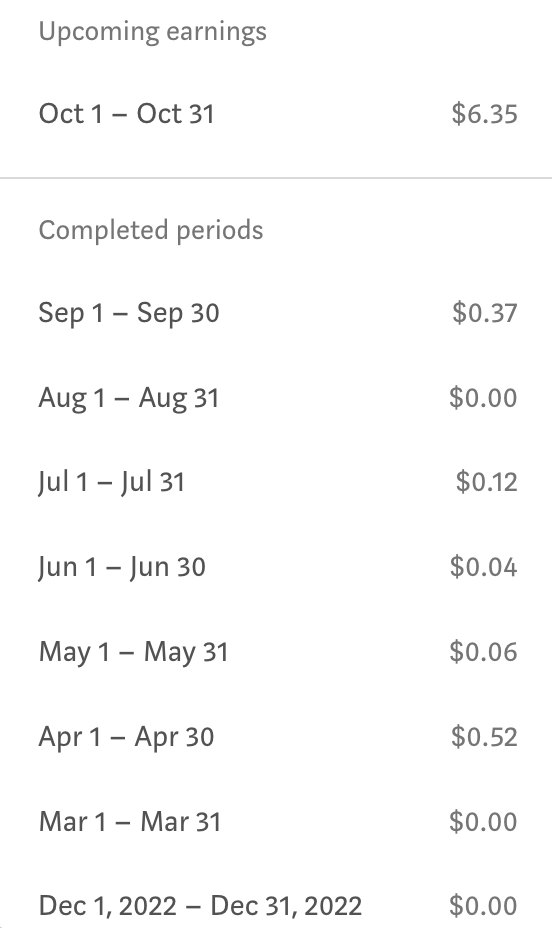
In reality, not one dollar but actually $6.35 in October 2023!

As you can see, I have only once reached one dollar. But on Sept 23, 2023, I joined the Medium Partner Program and got seriously in writing.

Before this date, things had stayed the same for many years.

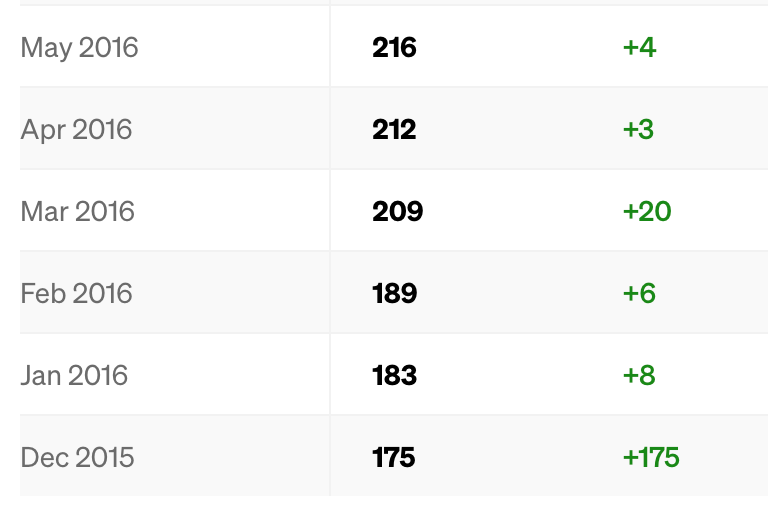
I have never considered earning anything from my writing since I joined Medium in December 2015.

I enjoyed writing my usual casual write-ups about technology, and most of the time, I will republish my articles from one of my technical blogs called IoT World.

The first six months when I first joined Medium (2015–2016)
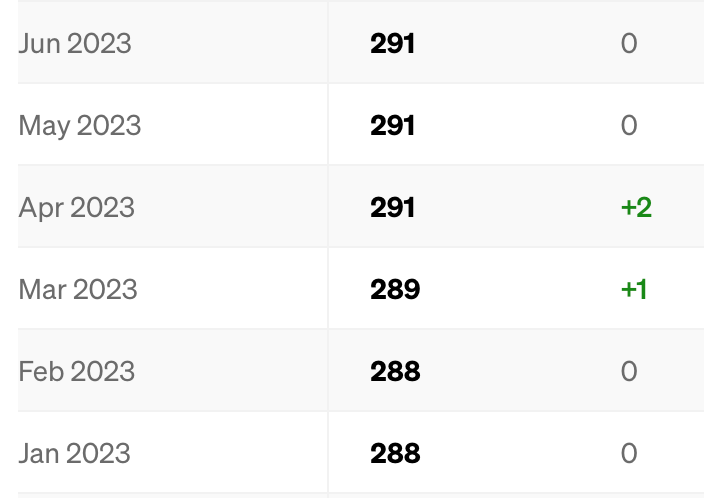
Things have not changed much after several years into 2023

However, in early 2023, I noticed a sudden surge of Generative AI articles about ChatGPT and Midjourney, but as a non-paid Medium Partner, I can’t read most of the articles.

Paid or Free Medium User?

That’s when I wondered — should I become a Medium Partner Program and be able to read all the best writings, tips, and tutorials from these writers?

I kept asking myself whether paying that $5 monthly subscription was worth it.

But the catchy titles of the articles always intrigued me, and I decided to find out by joining the Partner Program on Sept 23, 2023.

But with one condition — it should pay by itself!

And how do we achieve this? I decided that while reading, I should also start writing on my own and ensure the earnings I received will be able to pay by itself.

Slow Progress but It’s a Big Milestone

As of today, Oct 24, 2023, it has been one month and voila! I managed to earn more than the subscription, i.e., $6.35!

I may need to celebrate this as my first achievement. But then, I also need to know exactly what I have done right.

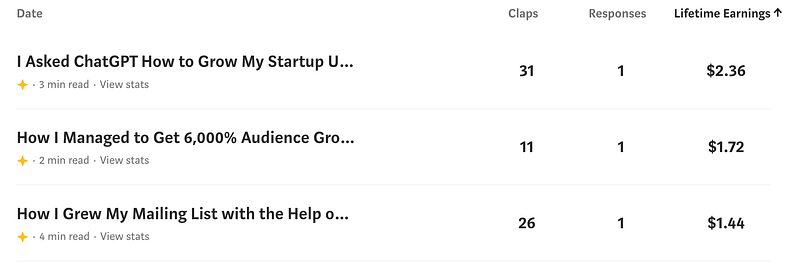
I have to refer back to the articles which have attracted the most. Significantly, the first top three earner articles.

The Top 3 articles

View at Medium.comView at Medium.comView at Medium.com

Study the Stats

However, I still couldn’t figure out why — the number of claps received doesn’t correlate much.

But I have my assumptions about what I do differently that translate to this.

  • I have consistently written almost every day. Sometimes twice a day.
  • Continuous engagement with other readers — giving claps or responding to or highlighting their articles
  • Increased the number of subscribers on my Medium mailing list.
  • Write articles with shorter sentences
  • Give catchy titles (although I need to become more familiar with SEO).

What I will Do Differently

What I will do more in the future will be to write longer articles. Currently, most of my pieces are about 2–3 minutes of reading time, which is too short to gain any monetisation since Medium needs more than 3 seconds of reading time.

View at Medium.comView at Medium.com

This blog article serves as a reminder to me in the future about what I do in Medium, and within 6 to 12 months, I can see an enormous difference and improvement.

Till then, I wish to learn more from fellow writers. Thanks for your inspiration and tips!