The stories I listed generally revolve around personal achievements, career advancements, insights into earnings on different platforms, and significant decisions impacting professional direction.
These topics tend to resonate with readers for a few specific reasons:
Relatable Themes: Many people aspire to achieve personal and professional success. Articles that discuss overcoming fears, achieving financial success, or making significant career moves offer inspiration and relatable scenarios that many readers may find themselves aspiring to or empathizing with.
Authority and Expertise: Articles written by individuals who have achieved notable success or recognition carry weight because they come from a place of authority and experience. Readers will likely trust and value insights from someone considered a thought leader, especially given his extensive background and recognition in IoT and telecommunications.
Actionable Insights and Results: Stories that include specific outcomes, such as “I Earned 200X More on Medium Than on YouTube,” provide tangible results that can motivate readers. They offer a sense of potential financial or personal gains that can be achieved by following similar paths or methods, making these articles appealing to those looking for success stories or blueprints.
Transitions and Transformations: Readers are often drawn to stories of change and growth, such as moving from fear to confidence in public speaking or shifting a publication back to WordPress from Medium. These stories encapsulate journeys many find inspiring and can learn from, especially when contemplating similar changes in their lives or careers.
Engagement Mechanisms: One of the titles mentions claps and comments, suggesting a focus on Medium’s interactive aspects. Articles that explain or demystify platform-specific features tend to engage readers looking to optimize their use of these platforms.
Personal Stories: Personal narratives like “About Me (Part-6) — Mazlan Abbas” provide a human element that helps readers connect more personally. These stories often share challenges, insights, and personal milestones that add depth to the professional achievements and advice being presented.
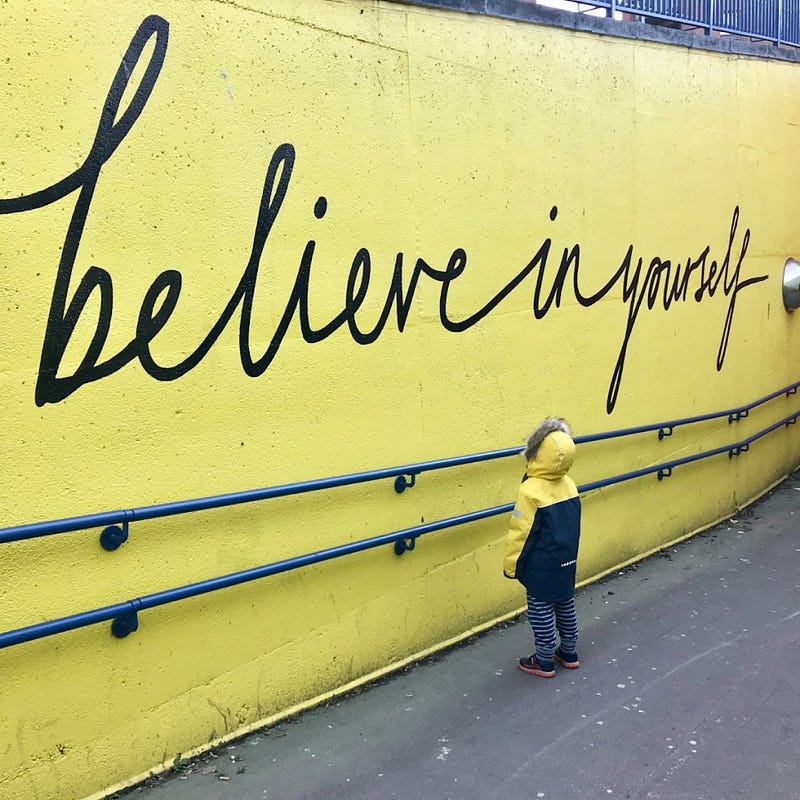
Photo by Afif Ramdhasuma on Unsplash
Common Traits of these articles include:
Utility: They provide practical advice or insights that readers can apply in their contexts.
Inspiration: They offer motivational content encouraging readers to pursue their goals or make significant changes.
Authority: The author’s expertise and background lend credibility to the content.
Personal Connection: They often include personal anecdotes or experiences, making them more relatable and engaging.
These factors combined make these articles likely to be top-performing pieces on platforms like Medium, where readers often look for inspiration and practical advice to boost their personal and professional lives.
Selling eBooks can be a fulfilling and profitable venture, especially when you find the right platform that aligns with your goals and needs as an author.
After experimenting with various options, I chose Gumroad as my platform of choice for distributing my eBooks. Here, I’ll share my personal journey and the five main reasons why Gumroad became my go-to for eBook sales.
Photo by Markus Spiske on Unsplash
Introduction to Gumroad
Before diving into the specifics, it’s essential to understand what Gumroad is.
Gumroad is a straightforward, user-friendly e-commerce platform designed for creators of all types — from filmmakers and musicians to writers like myself.
It simplifies the process of selling directly to consumers, bypassing many of the hurdles that traditional or more complex platforms present.
Reason 1: Ease of Use
The primary reason I gravitated towards Gumroad is its incredible ease of use. When I first decided to sell my eBooks, I was looking for a platform that wouldn’t require a steep learning curve.
I wanted to focus on writing and content creation, not on navigating complicated software.
Setting up my Gumroad account was a breeze. Within a few clicks, I was able to upload my first eBook, set a price, and prepare it for sale. The interface is intuitive, clean, and direct. There’s no clutter or unnecessary features to wade through, which made it incredibly easy for someone like me, who prioritizes simplicity in digital tools.
Reason 2: Customer Connection
Another significant factor in my decision was the ability to connect directly with my customers. Gumroad offers tools that allow creators to engage with their audience in a more personal way.
Through Gumroad, I can send updates, discounts, and newsletters directly to the people who have purchased my eBooks.
This direct line of communication is invaluable. It helps me build a community around my work and receive immediate feedback from my readers. Such interactions are crucial for improving my eBooks and tailoring future content to meet the needs and interests of my audience.
Reason 3: Flexibility in Pricing
Gumroad provides remarkable flexibility in how I price my products, which is not as prevalent on other platforms. I can set standard prices, or I can use a “pay what you want” model, which has been incredibly effective for reaching a broader audience.
This model allows buyers to pay more than the base price if they feel the content is worth more, which some of my readers appreciate and take advantage of.
Moreover, running promotions and discounts is straightforward on Gumroad. These strategies are essential for driving sales during specific periods, such as holidays or the launch of a new eBook.
Gumroad’s flexible pricing capabilities enable me to experiment with different strategies to see what works best for my market and genre.
Reason 4: Analytics and Insights
Understanding who buys your eBooks and how they find them is key to growing your sales. Gumroad offers a comprehensive set of analytics tools that help me track sales, visitor traffic, and conversion rates. These insights are critical for refining my marketing strategies.
With Gumroad’s analytics, I can see which of my marketing efforts are working and which aren’t, allowing me to invest more wisely in ads and promotional activities.
This data-driven approach helps me maximize my return on investment and continuously grow my reader base.
Reason 5: Minimal Fees and Transparent Policies
Finally, the fee structure and transparency of Gumroad are crucial reasons why I stick with the platform. Gumroad charges a reasonable fee for each sale, and there are no hidden costs or unexpected charges.
This transparency allows me to plan my finances and understand exactly how much I will earn from each sale.
In comparison to other platforms that might charge monthly fees or have complex fee structures that vary by product type or sales volume, Gumroad’s straightforward approach is refreshingly simple and economical.
Conclusion
Choosing where to sell your eBooks is as significant as writing them. For me, Gumroad has proven to be the best platform due to its ease of use, direct customer connection, flexible pricing options, valuable analytics, and clear fee structure.
It has not only facilitated the sales of my eBooks but also helped me grow as a writer and marketer.
Whether you’re just starting or looking to switch platforms, consider what aspects of eBook selling are most important to you and see how Gumroad might meet those needs.
In my experience, it has been an indispensable tool for connecting with readers and building a sustainable writing career.
Several years ago, I made a pivotal decision to transform my mindset and actions.
Photo by Katrina Wright on Unsplash
I stopped:
complaining
hoping
wishing
Instead, I began to:
innovate
construct
realize
I committed to being consistent, persistent, and patient.
No matter how tough the journey got, how many heartaches I endured, or how daunting the challenges appeared.
Even in moments when it seemed there was no end in sight, when the storms outnumbered the sunny days, and the setbacks outnumbered the victories, I persevered.
My vision and purpose were larger than any obstacle.
Remember, no one understands your vision better than you.
No one else can construct it as effectively as you can.
Only you can turn it into reality.
Stay resilient on your entrepreneurial path.
The journey is not meant to be easy; if it were, everyone would succeed at it.
You are on the right path, and in time, you will reach your destination.
Stop being too hard on yourself; your startup journey is on the right track!
Photo by Mario Gogh on Unsplash
This article is a chance to pause and reflect. Take a deep breath and allow yourself a moment to appreciate your progress and what you’ve achieved in your startup so far.
Here are 19 indicators, some clear and others more subtle, that suggest you’re doing better than you might think:
You frequently second-guess decisions. Doubt isn’t a sign of weakness; it indicates you’re open to growth and self-improvement. Reevaluating decisions means you’re thoughtful and forward-thinking.
You’ve secured some funding. Whether it’s from savings, angel investors, or a venture capital round, securing funding means someone believes in your vision. Celebrate that vote of confidence.
Your team is growing. Even if it’s just hiring your first employee or a co-founder joining you, growth in your team is a sure sign of startup success.
You’ve evolved from your original idea. Pivoting doesn’t mean failure; it shows you’re learning from interactions with the market and adjusting accordingly. That’s innovation at work.
You’ve experienced failure. Each failure is a lesson that refines your business model. If you’ve failed but kept going, you’re in the resilient minority.
You don’t worry about immediate shutdown. Having enough runway to plan beyond the next few months is a small luxury in the startup world. If you’re not in survival mode every day, you’re doing something right.
You have loyal customers. Even if it’s just a handful of loyal customers who love what you do, their continued support is a sign you’re adding real value.
You’ve received unsolicited customer feedback. Whether it’s praise or constructive criticism, feedback means customers care about your product enough to want to see it improve.
You’ve declined opportunities. Saying no to wrong fits, whether potential clients, hires, or partnerships, means you’re focusing on what truly aligns with your mission.
Your product has iterated several times. Each iteration means you’re closer to finding the best market fit. Continuous improvement is a cornerstone of successful startups.
You understand your market better than when you started Insight into your market is invaluable. If you know your customer well, you’re leaps ahead of many startups.
You’ve survived more than one “make-or-break” scenario. Getting through tough challenges means your startup has the resilience to face the ups and downs of the business world.
You have a dedicated workspace. Having a specific place where your team can focus and collaborate is a sign of establishing a solid foundation.
You’ve let go of what doesn’t work. Knowing when to cut losses is as important as knowing when to push forward. This ability to adapt is crucial for long-term success.
You’re excited by challenges. Seeing challenges as opportunities rather than obstacles is a sign of a positive mindset, crucial for entrepreneurial success.
You know how to manage stress Balancing the high pressures of startup life is no small feat. If you’ve developed coping mechanisms, you’re setting yourself up for sustained effort.
You’re thinking about scaling. Planning for growth, even if it’s just preliminary, means looking towards the future with optimism.
You’ve established a brand identity. Having a clear brand identity helps in making your startup memorable and recognizable. This is key in crowded markets.
You’re still passionate. Continuing to have passion for your venture is perhaps the most telling sign that you’re on the right path. Many lose this spark, but if you’ve still got it, you’re more than on track.
You’re laying down the tracks for future success, so keep pushing forward and stay grounded in your own progress, not someone else’s.
Your journey is unique, and you’re doing better than you think!
A Journey Through Dreams: From Childhood Fantasies to Technological Innovations
My childhood ambition — To become a scientist
Ever since childhood, I’ve harbored a dream almost as whimsical as the fictional stories I loved to lose myself in.
Growing up, I wanted nothing more than to become a scientist, one who could possibly invent robots.
This dream was fueled by my voracious reading habits — my days were often spent buried in science fiction novels and DC comics, all of which opened up worlds of possibilities in my young mind.
Childhood Cartoons
As a child, one of my favorite pastimes was watching cartoons.
I was particularly fond of “The Jetsons,” a show depicting a family living in a futuristic society where daily life was made easy through various robots and gadgets. I remember thinking how wonderful it would be if our real world were as innovative and technologically advanced as the Jetsons’ world.
Shows like “Land of the Giants” further captivated my imagination, presenting scenarios where everyday characters faced extraordinary situations. These narratives sparked endless hours of self-dialogue, where I imagined myself inventing something that could change the world.
Entrepreneurship Spirit
In those early years, I even took a stab at entrepreneurship.
After reading my comics, I set up a small table in front of my house, hoping to sell them to other neighborhood kids.
Unfortunately, no one bought them. It’s funny now to think about it — I didn’t know the first thing about marketing back then!
I can still hear my youthful voice, filled with naive confidence, telling myself, “Next time, it will be better.
Maybe I just need a better sign or a catchier sales pitch!”
Aside from my dreams of science and fleeting business ventures, I had other hobbies too.
A Hobby Long Lost
A guitarist and singer — Hobby no longer exists.
I loved playing the guitar and singing.
Although I never won any competitions, I took great joy in singing along to the Bee Gees, especially their song “Words.” Those melodious sessions, though just for my own pleasure, were moments where I felt completely free and joyful.
Sports were another area where I shone, particularly badminton.
I proudly represented my school, Sekolah Menengah Seri Ampang, and even played for the Ampang Jaya Group 2 team.
We were unbeatable against other local groups.
I even had the chance to play against Razif Sidek in a tournament once. The score? 0–15, 0–15.
Yes, I lost spectacularly, but the thrill of playing against a renowned athlete was exhilarating. It’s moments like these that often lead me down memory lane, chuckling to myself about the audacity and the sheer joy of those experiences.
Childhood Education
Born in Johor Bahru, I briefly attended Sekolah Kebangsaan Ngee Heng before moving to Sekolah Jalan Raja Muda in Kg Baru, Kuala Lumpur.
It’s interesting to think about the history of the places and institutions we’ve been a part of.
Did you know that Ngee Heng was once attended by many notable figures such as the late Sultan Iskandar of Johor and Malaysia’s third Prime Minister, Tun Hussein Onn? It makes one ponder the legacy of the educational paths we walk and the silent, inspiring stories the walls of our schools could tell.
The Growing Pains
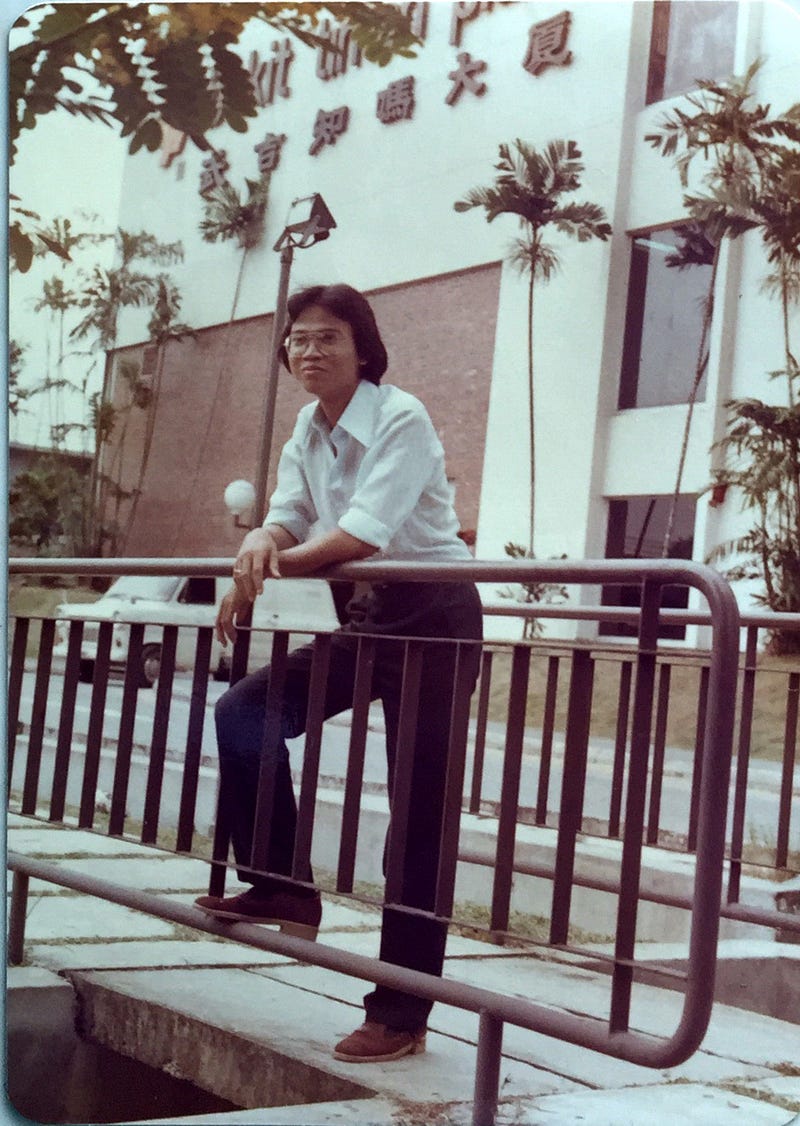
Teenager days.
Despite these vibrant and joyful aspects of my childhood, not all memories are without pain.
After finishing Form 5, I was devastated when I didn’t get the opportunity to study abroad. It was one of those moments where the future I had envisioned for myself seemed to crumble.
Alone in my room, I remember shedding tears over the rejection letter, feeling as though all my plans had come to a sudden halt.
Yet, looking back, I find myself engaging in a quiet dialogue, reminding myself that every disappointment also led to a new direction, a new opportunity that perhaps was better suited for me.
Life, as I’ve learned, is a meticulous blend of highs and lows, and it’s beautifully orchestrated by a higher power.
Each moment of sweetness and every bitter disappointment has its own significance and teaches us valuable lessons.
Childhood Reflections
Reflecting on my journey, I often converse with my younger self, encouraging him to see the wisdom in those seemingly random twists and turns.
As I grew older, I realized that perhaps the prayers of my parents, wife, children, or friends had shaped the course of my life in ways I couldn’t immediately understand.
Each step, whether filled with joy or soaked in tears, was a part of a grander plan meant for my ultimate good.
This journey of introspection and self-dialogue reminds me always to remain grateful and aware that our placement in life serves a specific purpose.
It is these reflections that have guided me through life, continually inspiring me to dream big, just like when I envisioned myself as a young scientist creating robots.
Who knows? Maybe those childhood dreams were not just flights of fancy but a preview of the path I was meant to explore.
Follow the six (6) steps to become a better writer.
Photo by Chase Clark on Unsplash
As a writer who has penned hundreds of articles through blogging and writing technical journals, I’ve had my fair share of learning curves when crafting engaging content.
The journey from a novice scribbler to an adept wordsmith has been both challenging and rewarding. Through it, I’ve gathered some insights that I believe can benefit any aspiring writer.
Today, I’d like to share my personal experience and the tips I’ve developed for writing more focused and engaging articles.
When I first started writing, I was overwhelmed by the desire to say everything at once.
My drafts were often a jumble of thoughts, anecdotes, and data that, while individually interesting, did not cohesively support a single point. This lack of focus not only diluted the impact of my writing but also confused my readers.
Photo by Stephen Kraakmo on Unsplash
I remember one particular instance where an editor told me, “You’ve lost track of what you’re saying. This could be two or three articles.”
That feedback was a turning point for me. It made me realize the importance of narrowing my focus and sticking to one subject at a time to avoid turning my articles into mazes filled with dead ends.
Here’s how I started refining my approach:
Step 1: Structuring My Writing
Initially, revisiting the basic structure of essays and articles felt like a step backward.
But I quickly realized that even a casual piece needs a skeleton to support it. Each article starts with an introduction, in which I introduce the topic and explain why it matters.
This is followed by the body, where I delve into the details, using subheadings and paragraphs to organize my thoughts and make the content digestible.
Finally, I conclude by tying all my points together, referring back to the introduction, and leaving the reader with a final thought. This structure organizes my writing and helps the reader follow along easily.
Step 2: Knowing My Audience
One of the key lessons I learned early on was the importance of understanding my audience.
Who are they? What do they care about? How can my article add value to their lives?
Answering these questions before I start writing helps me tailor my content to the people most likely to read it.
Step 3: Paring Down My Ideas
Having too many ideas is more problematic than having too few.
I learned to be ruthless in cutting out or setting aside ideas that don’t directly support my main topic.
This streamlines the article and saves those “extra” ideas for future pieces, effectively building up a stockpile of content to draw from.
Step 4: Adding Personal Touches
While structure and focus are crucial, injecting personal anecdotes and emotions into my writing makes it resonate on a human level.
Whether it’s a touching moment shared with a grandchild or a frustrating day trying to master verb conjugations, these snippets bring my narrative to life and engage readers on a deeper level.
Step 5: Research and Validation
As much as personal stories enrich an article, facts, data, and expert opinions bolster credibility. I always take the time to research my topics thoroughly, ensuring that every claim I make can be backed up.
This is particularly important when writing about topics like health, finance, or technology, where misinformation can have real-world consequences.
Step 6: Editing with Precision
Finally, no article is ready for publication without a thorough edit.
This process involves proofreading for grammar and spelling and revising sentences and paragraphs for clarity and impact. I read my drafts aloud to catch awkward phrasings and ensure natural flow.
After consistently implementing these steps, I noticed a significant improvement in the engagement and clarity of my articles.
Seeing readers respond positively is gratifying, especially when an editor sends a piece through with few or no revisions.
Photo by Slim Emcee on Unsplash
To encapsulate, here are the essential tips for writing focused and engaging articles that I’ve shared:
Structure Your Writing: Use a clear introduction, body, and conclusion.
Understand Your Audience: Tailor your content to their interests and needs.
Focus Your Topic: Limit your scope to maintain clarity and depth.
Inject Personal Stories: Make your writing resonate more deeply with readers.
Back-Up Claims: Use research and data to lend credibility to your article.
Edit Thoroughly: Never underestimate the power of revision for enhancing readability and impact.
Writing is more than a mechanical task; it’s a form of communication that requires empathy, clarity, and, most importantly, a connection with your reader.
As writers, our goal is to share information and invite our audience into an enriching and enlightening conversation.
By continually honing our craft and focusing on these principles, we improve our skills and enhance the reader’s experience.
While the process can sometimes feel daunting, creating a well-received article is immensely rewarding.
Each piece is a learning experience, an opportunity to connect with others and share a part of ourselves.
This iterative process of writing and feedback makes a writer’s journey so uniquely fulfilling.
Remember, the art of writing is not just about adhering to techniques; it’s about evolving and adapting.
The more we write, the more we learn about ourselves and our audience, and the better we communicate our thoughts and ideas effectively. This beautiful growth cycle fuels personal and professional development.
I encourage you to embrace the process, cherish your unique voice, and continue to share your insights with the world.
The path may be lined with challenges but also rich with rewards.
Keep writing, keep learning, and most importantly, keep engaging your readers with every word you write.
What a year it has been! From the highs of success to the lows of unexpected hurdles, the journey of my earnings on Medium in April 2024 has been nothing short of a rollercoaster ride — 107 times more exhilarating than last April, to be precise!
So, grab your favorite cup of coffee and settle in as I describe the twists and turns of this incredible story from my personal perspective.
Let’s start with a bit of background.
Last year, I remember staring at my earnings report in disbelief. The numbers were dismal, barely a blip on the financial radar.
April 2023 — Only 52 cents!
I pondered, “How can this be? I’ve been pouring my heart and soul into every post!”
It was frustrating, to say the least.
But then, as I often remind myself in moments of doubt, necessity really is the mother of invention.
I needed a game changer, and I needed it fast.
Here’s where the magic began.
I revamped my entire approach.
No stone was left unturned — strategy, engagement, content.
You name it, I tweaked it.
But more than anything, it was about connecting on a deeper level with my readers and fellow writers.
1 — Building a Vibrant Network
First up, I decided to build a more vibrant network.
It wasn’t just about increasing numbers, but about fostering meaningful interactions.
I targeted active Medium writers who were not just contributors but engaged community members.
I liken it to joining a buzzing hive of activity and positioning myself right at the center.
The energy was contagious, and it paid off in spades.
2 — Engaging on a Deeper Level
Then, I took engagement up a notch.
Instead of generic comments, I initiated genuine conversations.
Imagine this: you comment on a post and the author dives deep into a discussion with you.
It’s thrilling, right?
That’s what I aimed for — real connections that went beyond the surface.
This wasn’t just about increasing my visibility; it was about building a community, a place where everyone felt heard and valued.
I often found myself deep in thought, pondering, “What makes an interaction truly meaningful?”
It’s the personal touch, the effort to engage on a human level, not just as a writer but as a fellow enthusiast of life’s myriad stories.
3 — A Gesture of Appreciation: Clapping for Comments
Appreciation goes a long way.
On Medium, claps are more than just applause — they’re a show of gratitude.
I made it a point to clap for comments, acknowledging each person’s contribution.
This small gesture helped transform casual readers into loyal followers. It felt like every clap sent a ripple of positivity across my network.
4 — Continuous Improvement and Crafting Catchy Headlines
But let’s not forget the backbone of any writing endeavor — content.
I experimented with styles, explored different genres, and sharpened my voice.
Each article was a new journey.
And headlines? They were my secret weapon.
Crafting an irresistible headline became an art form in itself, one that could captivate and intrigue with just a few words.
So, what was the result of all these efforts?
My Medium profile didn’t just grow; it soared.
107 times more in April 2024
Followers multiplied, views skyrocketed, and, yes, earnings increased — a whopping 107 times the previous April! It felt like striking digital gold.
Now, you might wonder, “Is there a secret recipe to this success?” Honestly, it’s about more than just strategies and techniques.
It’s about connecting authentically, engaging sincerely, and never stopping the quest for improvement.
As I wrap up this tale of transformation, I can’t help but reflect on the broader implications.
It’s not just about boosting numbers or earning more — it’s about the journey, the connections made, and the growth experienced along the way.
If you’re looking to amplify your presence on any platform, not just Medium, why not try these strategies?
Dive into the deep end of engagement, cherish every interaction, and always, always keep your content dynamic.
You never know — you might find yourself penning your own success story.
Remember, in the world of content creation, it’s not just the destination that counts — it’s the vibrant, sometimes challenging, but always enriching journey.
So, embrace it fully, with all its ups and downs, because that’s where the real magic happens.
Happy writing, and here’s to a journey filled with discovery and success!
My recent trip to Dubai, from April 17 to 19, 2024, was an adventure I’ll never forget. It was supposed to be a straightforward business trip for a conference and MOU signing, but it quickly turned into a saga defined by an unusual wardrobe malfunction.
As I stood at the Kuala Lumpur International Airport, the attendant at the check-in counter informed me of our flight’s delay due to severe weather and flooding in Dubai.
Little did I know, this was just the beginning of an unexpected journey that would test my adaptability and sense of humor.
Upon arriving in Dubai, my first hint that this trip would be out of the ordinary came when our baggage failed to appear on the carousel. “We’ll just head to the hotel and pick it up tomorrow,” I reassured my fellow delegates from Cybersecurity Malaysia, Malaysia Airports Holdings, and a journalist from Bernama.
We were optimistic, not yet realizing the full extent of the chaos caused by the flood’s aftermath at Dubai International Airport.
The true challenge began the next morning.
making an attempt the next day to pick our bags.
When we returned to the airport, the scene at the Lost and Found was chaotic, to say the least. Despite assurances that our luggage would be available shortly, the minutes turned into hours with no resolution in sight.
The delay meant I had no choice but to attend the conference in the same clothes I had worn since leaving Malaysia — a bright red shirt that made me stand out starkly against a backdrop of white robes and formal business attire.
Signing an MOU but wearing the same shirt.
Standing there in my red shirt, I couldn’t help but feel a mix of embarrassment and amusement. “Of all the days to be a walking fashion emergency,” I mused to myself, trying to inject some humor into the situation.
As I walked into the conference room, feeling every eye on me, I found myself grappling with a whirlwind of emotions — self-consciousness, frustration, but also a reluctant acceptance of my predicament.
As I prepared to speak, I took a moment to gather my thoughts. “Here goes nothing,” I whispered under my breath, stepping up to the podium. The room was filled with dignitaries and professionals, all impeccably dressed.
I couldn’t help but feel like a sore thumb, glaringly out of place.
Remember the colour.
However, their warmth eased my anxiety, and I found myself relaxing into the talk, my initial discomfort slowly ebbing away.
What followed was a surprising twist; my bright red shirt, initially a source of embarrassment, became a talking point.
Post-event discussions weren’t just about cybersecurity and collaborations; they included light-hearted banter about the resilience needed not just in our professional tasks but in handling life’s unpredictable challenges.
“You’ve certainly made this event memorable,” chuckled a friend of mine, a comment that sparked a series of friendly exchanges that might not have occurred had I blended in seamlessly.
Returning to the airport that night, and after another long wait and a battle through a disorganized system, we finally managed to retrieve our bags.
The relief of being reunited with my luggage was profound, yet the ordeal had left an indelible mark on my experience.
It was a relief to be able to change our clothes before returning to Malaysia on April 19, 2024.
Reflecting on the events, I realized that this trip was more than just a business engagement; it was a testament to the human spirit’s adaptability.
The discomfort of wearing the same, uncharacteristically casual attire in a formal setting forced me to confront and overcome my insecurities about appearance and professionalism.
The ordeal taught me that while clothes might contribute to a first impression, it’s resilience and the ability to maintain composure under pressure that truly define one’s character.
This trip, with its unexpected trials, highlighted the importance of embracing the unexpected with grace and humor, making it a truly unforgettable experience.
Actually I regretted one thing — I should have bought a pair of clothes just before the event but then, it would not be any exciting story to tell, eh?























 Dr. Mazlan Abbas