Flying the Skies of Entrepreneurship

FOUNDER’S STORIES

Parallels Between a Pilot and an Entrepreneur

Photo by Westwind Air Service on Unsplash

When I first stepped into the world of entrepreneur, I never anticipated how much it would resemble the experiences of a pilot navigating through the skies. As someone who has spent years immersed in technology and innovation, the parallels between these two seemingly distinct fields are increasingly evident.

Both roles require a unique blend of vision, precision, and adaptability.

I’ll share my reflections on the striking similarities between piloting an airplane and steering a startup, drawing from my own experiences and insights.

The Pre-Flight Check: Preparation is Key

Photo by Wenhao Ruan on Unsplash

A meticulous pre-flight check is essential before a pilot even sets foot in the cockpit. This process involves inspecting the aircraft, reviewing weather conditions, and ensuring all systems function correctly.

Similarly, in entrepreneurship, thorough preparation is crucial.

When I co-founded FAVORIOT, the initial phase was akin to performing a pre-flight check. We meticulously researched the market, analyzed potential challenges, and developed a comprehensive business plan.

Every successful venture starts with a solid foundation,” I often remind myself. “Skipping the preparation phase can lead to unforeseen complications.

The importance of preparation cannot be overstated in both aviation and entrepreneurship.

Just as a pilot would never take off without a thorough check, an entrepreneur should never launch a business without a well-thought-out strategy.

The Takeoff: The Thrill of the Launch

Photo by Daniel Eledut on Unsplash

Taking off is one of the most exhilarating phases of a flight. The moment the plane leaves the ground, excitement and apprehension are mixed. The same can be said for launching a startup.

When FAVORIOT was officially launched, the adrenaline rush was palpable.

There’s nothing quite like seeing months, or even years, of hard work finally take flight.

This is it,” I told myself during our launch. “We’re finally airborne.

However, just as a pilot must maintain control and ensure a smooth ascent, an entrepreneur must manage the initial stages of the business carefully.

The thrill of the launch must be balanced with a keen eye on the instruments and the venture’s trajectory.

Navigating Turbulence: Dealing with Challenges

Photo by Eva Darron on Unsplash

No flight is without turbulence.

Pilots are trained to handle unexpected challenges, whether sudden weather changes or technical issues. Turbulence comes in many forms in entrepreneurship: market fluctuations, competitive pressures, or internal company struggles.

During FAVORIOT’s early years, we faced numerous obstacles.

There were moments when it felt like we were flying through a storm.

One particular instance (Covid-19 period) is a sudden market shift that threatened our business model.

We need to stay calm and adjust our course,” I remember thinking. “Panic won’t help us. We have to navigate through this carefully.

In these moments, remaining composed and making informed decisions is critical. Just as pilots trust their training and instincts, entrepreneurs must rely on their knowledge and experience to steer the company through rough patches.

The Crew: Building and Leading a Team

Photo by Avel Chuklanov on Unsplash

An airplane pilot doesn’t operate alone. They rely on a co-pilot and a crew to ensure a successful flight. Similarly, an entrepreneur needs a strong team to build a successful business.

At FAVORIOT, assembling a team of skilled and dedicated individuals was one of my top priorities.

Leadership in both contexts involves clear communication, trust, and collaboration.

We’re all in this together,” I often tell my team. “Our success depends on our ability to work as a cohesive unit.

Just as a pilot must lead their crew through the flight, an entrepreneur must inspire and guide their team through the business journey.

The synergy between team members can make or break the mission.

The Flight Plan: Strategic Vision

Photo by Kristopher Allison on Unsplash

Every flight begins with a flight plan—a detailed outline of the route, altitude, and timing that provides a clear path to the destination. In entrepreneurship, having a strategic vision is akin to having a flight plan.

It’s about knowing where you want to go and how you plan to get there.

When we started FAVORIOT, our vision was clear: to become a leading IoT solutions provider.

This vision guided our decisions and strategies like a flight plan guides a pilot’s course.

Stay focused on the destination,” I remind myself during challenging times. “The journey may be unpredictable, but our end goal remains the same.

A well-defined vision helps navigate the business through uncertainties and keeps the team aligned and motivated.

Mid-Flight Adjustments: Flexibility and Adaptability

Photo by Kora Xian on Unsplash

Pilots often need to make mid-flight adjustments even with a solid flight plan due to changing conditions. Entrepreneurship requires a similar level of flexibility.

The business landscape is dynamic, and the ability to pivot and adapt is crucial.

There was a time when FAVORIOT had to pivot our approach due to emerging technologies and changing market demands.

Initially, this was daunting, but it proved to be a turning point for our company’s growth.

We need to adapt or risk falling behind,” I realized. “Flexibility is not a sign of weakness, but a strength.

Being open to change and willing to adjust strategies can lead to new opportunities and innovations.

The Landing: Successful Execution

Photo by Nick Sarvari on Unsplash

A smooth landing is the culmination of a successful flight. It requires precision, skill, and careful execution. In entrepreneurship, bringing a project or a business to a successful conclusion mirrors the landing process.

It’s about delivering on promises, achieving goals, and ensuring customer satisfaction.

When FAVORIOT completed its first major project, it felt like a successful landing.

The sense of accomplishment and the positive feedback from clients were gratifying.

We did it,” I thought. “All the hard work has paid off.

Just as a pilot takes pride in a smooth landing, an entrepreneur finds fulfillment in successful execution and positive outcomes.

The Journey Never Ends

Photo by Chris Leipelt on Unsplash

Both pilots and entrepreneurs understand that the journey of learning never truly ends. Pilots undergo continuous training and simulations to stay sharp and prepared for any situation.

Similarly, entrepreneurs must continually educate themselves, stay updated with industry trends, and learn from their experiences.

I’ve always believed in the power of continuous learning.

Whether attending conferences, reading industry publications, or engaging with other thought leaders, staying informed and adaptable is critical to sustained success.

Never stop learning,” I tell myself. “Every day brings new opportunities to grow and improve.”


The parallels between being an airplane pilot and an entrepreneur are profound.

Both roles demand preparation, adaptability, leadership, and a clear vision.

My journey with FAVORIOT has been a testament to these similarities.

As I continue flying the skies of entrepreneurship, I carry the lessons learned from both worlds.

Each day is an opportunity to soar to new heights, face challenges head-on, and embrace the thrill of the journey.

“Keep flying, keep striving,” I remind myself. “The sky is not the limit; it’s just the beginning.”

How Badminton Taught Me to Write with Passion

MASTERING THE SERVE

Drawing Parallels Between Badminton and Writing

Photo by Mahmur Marganti on Unsplash

When I think about my journey as a writer on Medium, I can’t help but draw parallels to my experience playing badminton.

It’s a comparison that might seem odd at first, but stick with me, and you’ll see the connections I’ve made.

I remember the first time I picked up a badminton racket.

I was just a kid, filled with excitement and nervousness.

I had no idea how to play, but the thrill of learning something new was enough to keep me going.

Writing, especially on Medium, felt the same way.

The first time I published an article, my heart raced with anticipation and fear.

Would people read it? Would they like it?

These questions swirled in my mind, just as they did when I stepped onto the badminton court for the first time.

The Serve: Starting with an Idea

Photo by Saif71.com on Unsplash

In badminton, the serve is the starting point of every match.

Getting it right is crucial because it sets the tone for the game.

Similarly, every article begins with an idea.

I often find myself staring at a blank page, much like I used to stand at the edge of the court, ready to serve.

What should I write about?” I ask myself. “Will this topic resonate with my readers?

One day, while reminiscing about my childhood badminton matches, I had an epiphany.

Writing and badminton are not so different after all.

Both require strategy, practice, and a deep understanding of the basics.

Practice and Patience

Photo by Jackie Hutchinson on Unsplash

When I first started playing badminton, I wasn’t perfect.

I missed shots, fumbled my serves, and lost more matches than I care to admit.

But with each game, I learned.

I practiced tirelessly, honing my skills, and gradually, I improved.

Writing on Medium is no different.

My early articles could have been better.

I made mistakes, struggled with writer’s block, and sometimes doubted my abilities.

But I kept writing. Each article was a lesson, each comment a piece of feedback that helped me grow.

I recall one evening when I was particularly frustrated with my writing.

I had spent hours crafting an article, only to receive minimal engagement.

Why am I even doing this?” After a tough loss, I asked myself the same question I had asked countless times on the badminton court.

But then I remembered why I started playing badminton in the first place: for the love of the game.

Writing, too, was something I loved.

The process, the challenge, and the joy of expressing my thoughts were my reasons for writing, just as the thrill of a well-placed shot was my reason for playing badminton.

Strategy and Adaptability

Photo by Siora Photography on Unsplash

In badminton, strategy is vital.

You have to anticipate your opponent’s moves, adapt your playstyle, and sometimes, take risks.

Writing is no different.

Each article is a game, requiring a strategy tailored to the topic and the audience.

I often think, “How can I uniquely approach this subject? What angle will capture my readers’ attention?

There was a time when I wrote an article about IoT (Internet of Things), a topic I’m deeply passionate about.

I had written extensively on the subject before, but I wanted to try something different this time.

I incorporated personal anecdotes and self-dialogues to make the article more relatable.

It was a risk, much like attempting a tricky shot in badminton.

But to my surprise, the article resonated with my readers.

The feedback was overwhelmingly positive and reminded me of a victorious moment on the badminton court.

Overcoming Challenges

Photo by Vinh Thang on Unsplash

Both writing and badminton come with their fair share of challenges.

There are days when my writing feels stagnant, much like a losing streak in badminton.

I remember a particularly rough patch when I struggled to develop new ideas.

Every topic seemed mundane, every sentence forced.

It was a frustrating time, and I felt like giving up.

One evening, as I sat staring at the blue skies, I thought about my badminton training.

My coach once told me, “Focus on the basics during a difficult period. When things get tough, return to what you know best.”

This advice had helped me countless times on the court, and I decided to apply it to my writing.

I returned to the basics: writing about what I knew and loved. I wrote about my experiences, journey, and passion for IoT. Slowly, the words started to flow again, and I found my rhythm.

The Importance of Feedback

Photo by Muktasim Azlan on Unsplash

In badminton, feedback is crucial.

Coaches, teammates, and even opponents provide insights that help you improve.

Writing is no different.

Comments, likes, and shares are forms of feedback that guide my writing journey. I remember when a reader’s comment changed my perspective on a topic I had written about. It was a simple comment, but it made me see things differently and inspired me to write a follow-up article.

Engaging with my readers has been one of the most rewarding aspects of writing on Medium.

Their feedback has been invaluable, much like the advice of a coach. It’s helped me grow as a writer and motivated me to keep improving.

Finding Joy in the Process

Photo by ochimax studio on Unsplash

Ultimately, the most important lesson I’ve learned from writing and badminton is to find joy.

It’s easy to get caught up in the numbers — the views, the likes, the comments. But true fulfillment comes from writing, just as the joy of badminton comes from playing the game, not just winning matches.

I often remind myself of this when I sit down to write. “Enjoy the process,” I tell myself. “Focus on the writing, not the outcome.

This mindset has helped me stay motivated and passionate, even when the results aren’t what I hoped for.


Conclusion

Reflecting on my journey as a Medium writer, I realize how much it mirrors my experience as a badminton player.

Both have taught me the value of practice, patience, strategy, and resilience.

They’ve shown me the importance of feedback and the joy of the process. And most importantly, they’ve reminded me that success is not just about the destination but the journey itself.

So, the next time I pick up my racket or write, I’ll remember my lessons and continue to find joy.

After all, whether on the court or on the keyboard, the love of the game truly matters.

Building a Successful Startup

STARTUP STORIES

The Unseen Element Every Entrepreneur Should Know

Photo by Louis Reed on Unsplash

I vividly remember the early days of FAVORIOT. It was a time of excitement, sleepless nights, and relentless hustle.

My team and I were driven by the dream of creating a revolutionary IoT platform that would bridge the gap between technology and practical applications.

However, as we navigated the tumultuous waters of the startup world, I realized that there was one critical factor for success that many entrepreneurs, including myself, often overlooked.

Understanding the Importance of Timing

Photo by Amanda Jones on Unsplash

In the early stages of FAVORIOT, I was deeply immersed in product development.

My team and I were convinced that building the best IoT platform would guarantee our success.

We spent countless hours perfecting the features, ensuring robustness, and creating a seamless user experience. But despite our best efforts, the market response was lukewarm.

It was perplexing and disheartening.

Why aren’t people flocking to our platform?” I asked myself repeatedly.

That’s when I stumbled upon an insightful advice: timing is crucial for startup success.

It wasn’t just about having the best product but about launching it at the right time.

Reflecting on this, I realized that our initial launch coincided with a period when the IoT market was still nascent.

Businesses and consumers were not yet ready to fully embrace IoT solutions.

Learning from Mistakes

Photo by Santa Barbara on Unsplash

Our initial struggle was a tough pill to swallow but also a valuable learning experience.

I started paying more attention to market trends and the readiness of our target audience.

Instead of aggressively promoting our product, we focused on educating the market about IoT’s potential.

We conducted workshops and webinars and participated in industry conferences to raise awareness.

Maybe we were too early,” I thought. “But that doesn’t mean we can’t create the demand.

This strategic pivot proved to be a game-changer.

Slowly but surely, we saw a shift in the market’s perception.

Companies began to see the value in IoT, and our efforts to position FAVORIOT as a thought leader in the space started to pay off.

The Role of Flexibility

Photo by Wesley Tingey on Unsplash

Another key lesson I learned was the importance of flexibility.

Startups are often associated with innovation and disruption, but this should also extend to their business strategies.

Sticking rigidly to a plan can be detrimental, especially when the market dynamics constantly evolve.

I recall a specific instance where we had to pivot our approach.

We had developed a solution tailored for smart cities, but the adoption rate was slower than anticipated. Instead of abandoning the project, we adapted the solution for a different sector — agriculture.

This flexibility allowed us to find a more receptive audience and build a case study showcasing our platform’s versatility.

Adapt or perish,” I reminded myself constantly.

The ability to pivot without losing sight of the overarching vision was crucial in navigating the uncertainties of the startup world.

Building the Right Team

Photo by Hannah Busing on Unsplash

As an entrepreneur, it’s easy to fall into the trap of believing you can do everything.

I certainly did at the beginning.

However, I soon realized that building a successful startup requires a diverse team with complementary skills.

I remember the day I met Zura Huzali, our Business Development Director. Her enthusiasm for integrating IoT into various businesses was contagious.

Her insights and efforts were instrumental in driving our business development strategy.

I often told my colleagues, “Having the right people in the right roles can make all the difference.

A team that shares the vision but brings different strengths can propel a startup forward in ways one person alone cannot.

Customer-Centric Approach

Photo by Jon Tyson on Unsplash

One overlooked aspect of startup success is understanding and prioritizing customer needs.

In the initial phase, I was so engrossed in what we thought was the perfect product that I should have sought sufficient customer feedback.

A turning point for us was when we decided to engage more closely with our early adopters.

We conducted surveys, sought feedback, and, most importantly, listened.

This direct interaction with users provided invaluable insights that helped us refine our product and address pain points we hadn’t initially considered.

Our customers are our best teachers,” I realized.

By adopting a customer-centric approach, we built a product that truly resonated with the market.

Persistence Pays Off

Photo by Brett Jordan on Unsplash

The journey of a startup is fraught with challenges.

There were moments when the future seemed uncertain, and the weight of setbacks felt overwhelming.

But one thing that kept me going was my belief in our vision and my persistence in seeing it through.

I often drew inspiration from my experiences in the telecom industry and my lifelong fascination with technology.

The dream of creating a platform to transform industries kept the flame of perseverance burning bright.

Success doesn’t come overnight,” I reminded myself and my team.

It results from relentless effort, learning from failures, and constantly evolving.

The Impact of Networking

Photo by Antenna on Unsplash

Networking is another crucial factor that many entrepreneurs overlook. Building relationships within the industry can open doors to opportunities that might otherwise remain closed.

I connected with thought leaders, potential partners, and investors through conferences and industry events.

These connections not only provided valuable insights but also helped in building credibility for FAVORIOT.

A strong network can act as a support system, providing guidance, mentorship, and even collaborations that can accelerate growth.


Final Thoughts

Reflecting on my journey with FAVORIOT, I realize that the path to success is multifaceted.

While having a great product is essential, understanding the market, being flexible, building the right team, prioritizing customers, staying persistent, and networking are equally crucial.

Entrepreneurs often overlook the most important indicator of startup success, which is not a single factor but a combination of these elements working in harmony.

It’s about being attuned to the market, ready to adapt, and constantly learning and evolving.

The lessons have shaped FAVORIOT into what it is today and will continue to guide us as we strive to make a lasting impact in the IoT space.

Success is a journey, not a destination,” I remind myself. And with each step, we move closer to realizing our vision of a connected world.

My Life Before TikTok

MY SOCIAL MEDIA JOURNEY

An Unexpected Journey

Photo by Solen Feyissa on Unsplash

It’s been a long road as a content creator, beginning long before the rise of TikTok. Allow me to take you on a journey through my life before TikTok, when YouTube was my primary platform, and creativity was my guiding light.

The Early Days of Content Creation

My journey as a content creator started on YouTube, a platform that allowed me to express my creativity and share my passions with the world.

It all began with a simple idea: to create content that informs, entertains, and inspires others. With that goal in mind, I launched several YouTube channels, each linked to a unique Gmail account and dedicated to a specific theme.

It was like painting with vibrant colors on a vast canvas, each channel representing a different facet of my interests.

The Diverse World of YouTube

My channels covered various topics, from the latest tech gadgets to travel adventures, personal vlogs, and deep dives into entrepreneurship and technology.

This variety allowed me to connect with a diverse audience, each with their unique tastes and preferences.

Looking back, it’s remarkable how most of these channels continue to thrive.

They are monuments to their continued relevance and my dedication to keeping them alive.

My Gadget Channel: A Labor of Love

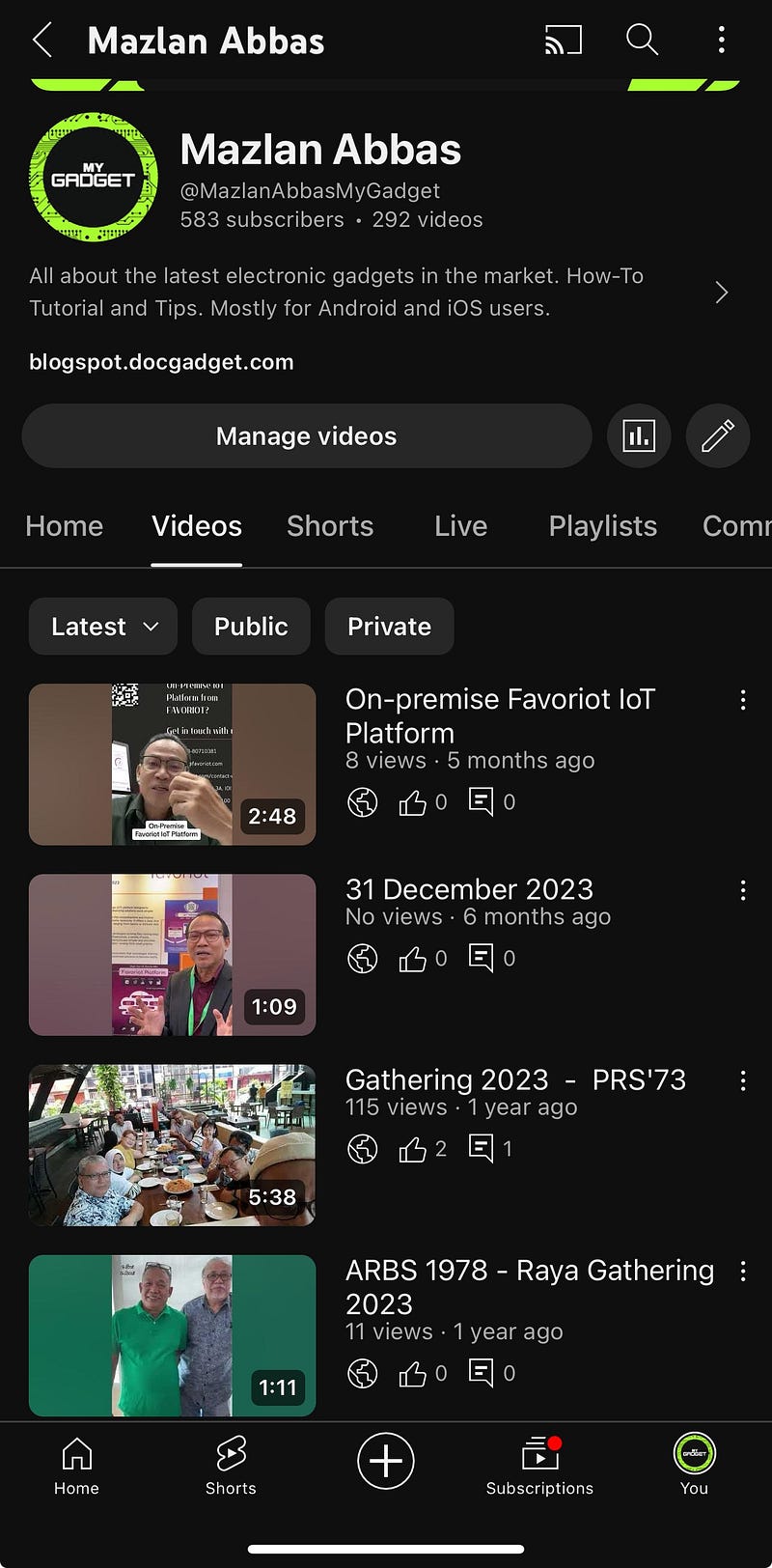
One channel with a special place in my heart is ‘My Gadget.’

Launched 14 years ago, it became a beacon in the tech world, offering the latest news, how-to guides, and insights for Android and iOS users.

It was an exciting time, coinciding with significant technological breakthroughs in smartphones and tablets.

As the world welcomed iPhones and Android devices, I immersed myself in this new world and shared every discovery and insight with my audience.

A Journey Beyond Reviews

My engagement with the tech community went beyond mere reviews.

I delved into the heart of these devices, exploring their capabilities and sharing my findings with a tech-hungry audience.

Jailbreaking iPhones to explore new apps became a staple on my channel, captivating my viewers and offering them a glimpse into their devices’ limitless possibilities.

Expanding Horizons

As my journey expanded, so did the scope of my content.

Travel soon wove into my narrative, allowing me to share the world’s beauty through my lens.

This added a rich, vibrant layer to my digital collection and gave my audience a window into my adventures.

The Birth of Favoriot

The birth of my startup, Favoriot, marked a new era in my life and, consequently, in my content journey.

This venture opened doors to opportunities like interviews and TV and radio appearances, enriching my content with tech talks and adding a new depth to my digital storytelling.

The Challenges of Content Creation

Juggling content creation across various platforms was a colossal task.

It demanded time, meticulous editing, and a never-ending flow of creative ideas.

Eventually, I embraced a more natural, spontaneous approach to video posting.

This approach lightened the editing burden and brought my work a genuine, relatable touch.

The Rise of TikTok

Then came TikTok, a platform that redefined how we create and consume content.

It was an unexpectedly different form of creativity.

I remember my first TikTok video, which quickly garnered attention.

The format was perfect for my spontaneous style, allowing me to share snippets of my life and insights more casually and engagingly.

Discovering the Power of TikTok

As I embraced TikTok, I discovered its power to reach a new audience.

The platform’s algorithm and user-friendly interface made it easy for my content to go viral.

I shared tech tips, travel adventures, and glimpses into my daily life, all within the constraints of a 60-second video.

The response was overwhelming, and I soon found myself with a growing following of engaged viewers.

The Shift to Spontaneity

TikTok encouraged me to be more spontaneous and authentic in my content.

I no longer had to spend hours editing videos; instead, I could capture moments as they happened and share them with my audience.

This shift brought a new level of authenticity to my content, allowing my viewers to connect with me more personally.

The Emergence of Podcasting

As the digital landscape continued to transform, so did my methods of connecting with my audience.

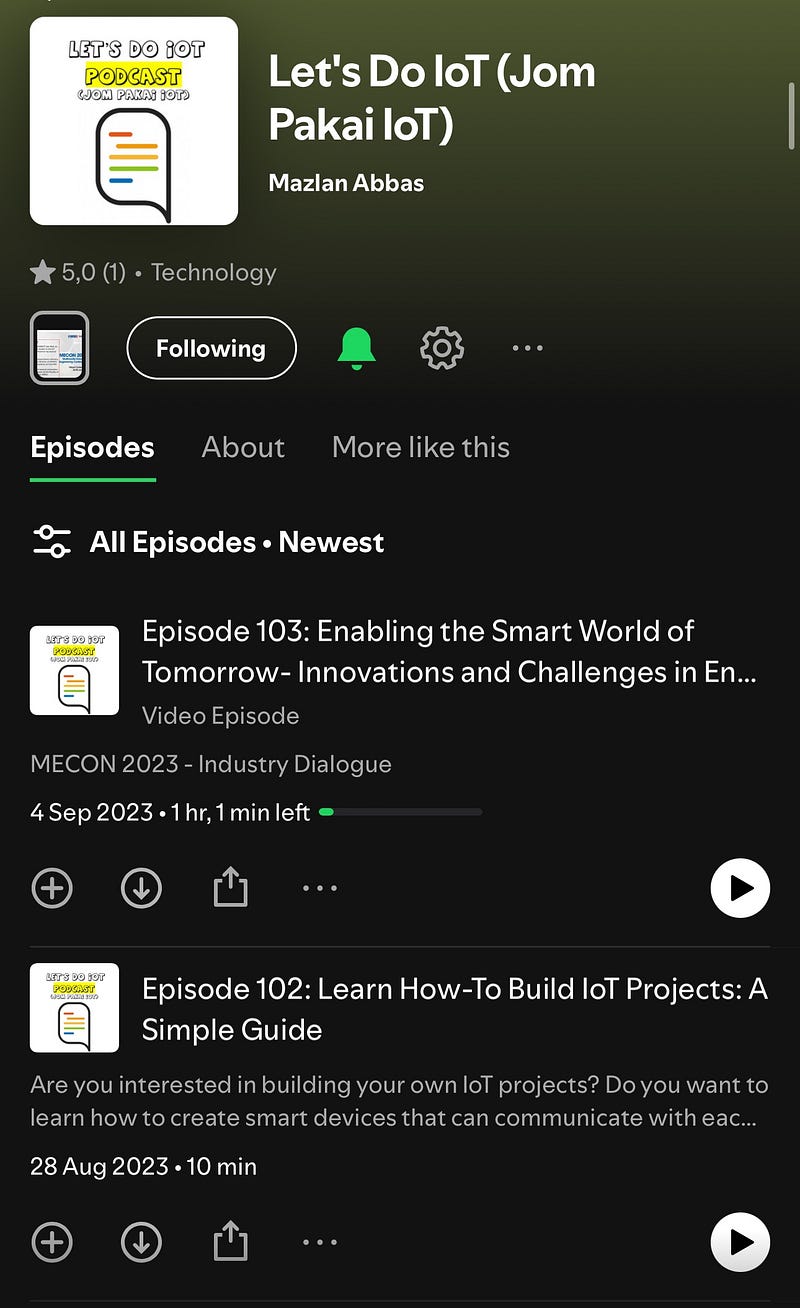
Podcasting emerged as the new frontier, and I set sail in this exciting direction.

With podcasts, I could delve deeper into topics, share stories, and engage in meaningful conversations with my audience.

A Digital Journey

Reflecting on this digital journey, I’m awed by the incredible transformation of technology and social media.

They’ve reshaped our ways of creating, consuming, and sharing content.

From the early days of YouTube to the dynamic world of TikTok and the emerging realm of podcasting, my journey has been a testament to learning, adaptability, and a relentless pursuit of passion.


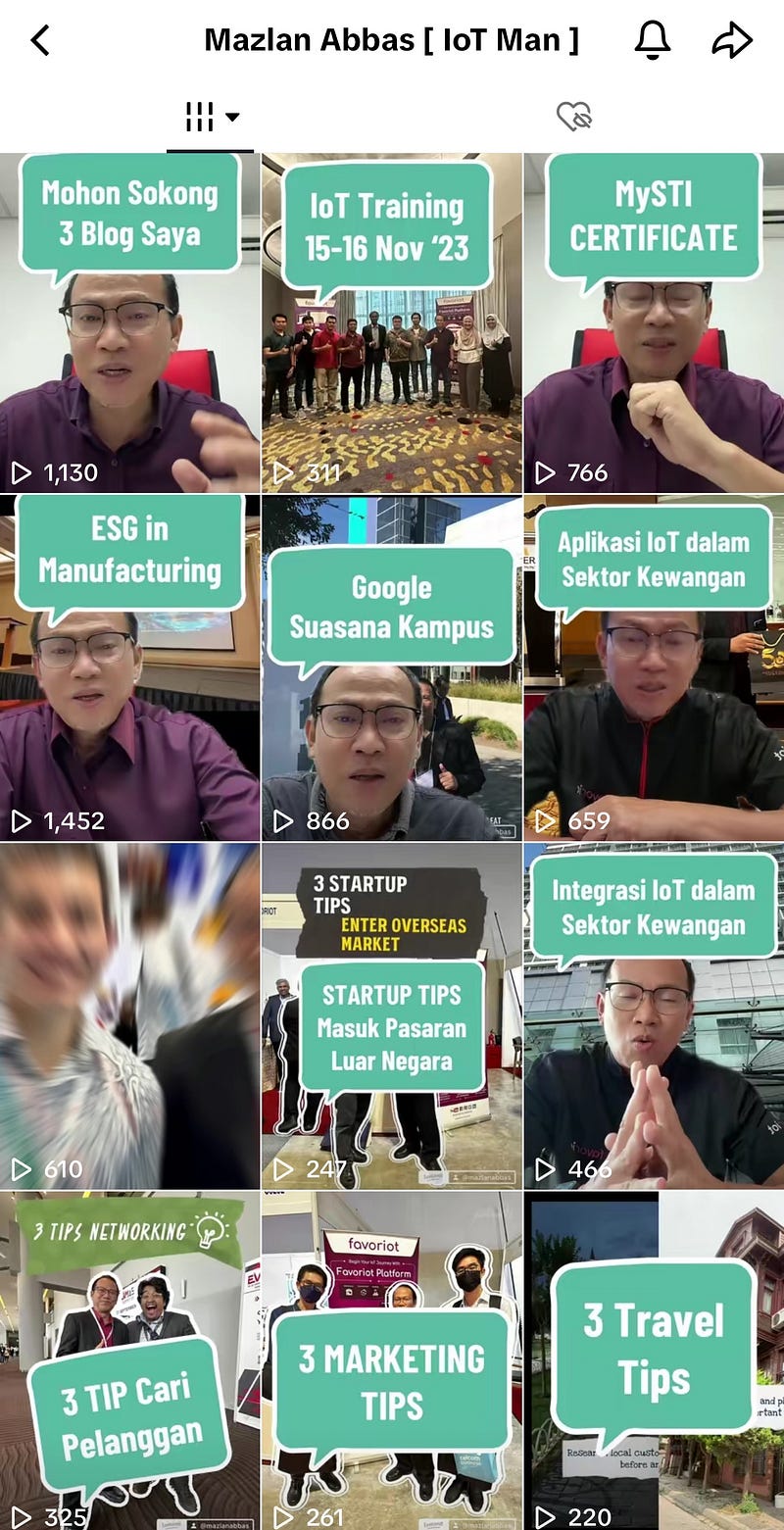
Feel free to check out my TikTok content at IoTMan2030 for more insights into my life and journey as a content creator.

Additionally, you can explore my YouTube channels for a deeper dive into tech, travel, and entrepreneurship.

Thank you for being a part of this incredible journey.

Your support and engagement mean the world to me.

Here’s to more adventures and the endless possibilities of digital content creation.


If you enjoyed this article, don’t forget to check out my books and blog for more content on technology, entrepreneurship, and life as a content creator.

Nurturing Dreams — Founder’s Firsts

STARTUP POEM

Whispers of Hope: A Startup Saga

Photo by Ameer Basheer on Unsplash

In the heart of the night, 
when dreams take flight, 
A founder sits with a vision bright, 
Sketching futures in the silent hours, 
With courage blooming like wildflowers.

First steps on a path, uncertain and new, 
Building dreams with a passionate crew, 
Whispers of hope in every breath, 
Chasing success with all they have left.

A beacon of light in the founder’s eyes, 
Sparkling stars in the boundless skies, 
Their startup dream, a flicker, a spark, 
Burning brightly through the night so dark.

Photo by Mohamed Nohassi on Unsplash

The first customer, a dream’s embrace, 
A smile reflected on the founder’s face, 
A milestone crossed, a promise fulfilled, 
An echo of joy, their heart is thrilled.

The first dollar earned, a symbol of trust, 
In the journey ahead, it’s a must, 
From zero to one, the revenue grows, 
A river of dreams, in steady flows.

A million dollars, a dream come true, 
A testament to what belief can do, 
Each dollar a story, a chapter begun, 
A tale of triumph in the rising sun.

Photo by Natalie Pedigo on Unsplash

The first investor, a partner in dreams, 
Believing in the founder’s schemes, 
With faith and funds, they join the ride, 
Together they’ll conquer the rising tide.

Media’s glare, the first spotlight, 
A founder’s story in the morning light, 
From humble beginnings to headlines bold, 
A journey of passion, of dreams retold.

World recognition, a dream unfurled, 
A founder’s vision, embraced by the world, 
Applause and acclaim, a resonant cheer, 
Echoing the dreams that brought them here.

Photo by Rohan Makhecha on Unsplash

But in the quiet, when lights grow dim, 
The founder knows the journey’s hymn, 
It’s not just the milestones, not the fame, 
But the love for the journey, the enduring flame.

Each step, each fall, a story to tell, 
Of resilience, of rising after they fell, 
The startup dream, a relentless quest, 
A founder’s spirit, forever blessed.

What 90% of Successful Medium Writers Do Differently

WRITER’S JOURNEY

3 Tips for New Authors

Photo by Santa Barbara on Unsplash

While reviewing some of the most successful articles on Medium the other day, I stumbled upon an intriguing piece titled “What 90% of the Successful Medium Writers Do Differently.

It made me think about my journey and what has worked for me. I want to share my experiences and insights, especially for new authors.

When I first started writing, I didn’t know what to expect. The world of Medium was vast, and I was just another voice among millions. But over time, I found my footing.

Three essential tips can make a significant difference in your writing journey.


1 — Find Your Niche and Stick to It

Photo by Liam Read on Unsplash

“Mazlan, you need to focus,” I often told myself.

In the early days, I wrote about everything under the sun—technology, personal development, business, you name it. But then something clicked. I realized that my true passion was IoT and smart cities. This was my niche.

Finding a niche doesn’t mean you can’t write about other topics, but having a primary focus helps establish your authority in a particular area. For me, it was IoT. I started to share my insights, experiences, and knowledge about IoT, and gradually, people began to notice.

“Stick to what you know best, Mazlan,” I reminded myself.

Consistency is key.

By consistently writing about IoT, I built a following of readers who were genuinely interested in the topic.

They knew what to expect from me, and that’s crucial in building a loyal audience.

2 — Engage with Your Readers

Photo by freestocks on Unsplash

I still remember the first comment I received on my article. It was a simple question about a concept I had explained, and that interaction was a turning point for me.

“Engage with your readers, Mazlan,” I told myself. “They’re your community.”

Responding to comments, answering questions, and acknowledging criticisms helped me connect with my audience more deeply.

It showed them that I valued their opinions and was open to discussions.

Engagement goes beyond just replying to comments.

It’s about creating a dialogue.

I started asking questions at the end of my articles, encouraging readers to share their thoughts. This boosted engagement and gave me new perspectives and ideas for future articles.

“Every reader is a potential friend,” I reminded myself.

Building relationships with your readers fosters a sense of community.

It makes them feel valued and more likely to return to your future writings.

3 — Be Authentic and Vulnerable

Photo by Brett Jordan on Unsplash

Writing isn’t just about sharing information; it’s about sharing yourself. Some of my most successful articles were the ones where I was open about my struggles and failures.

“Be real, Mazlan. Share your story,” I often reminded myself.

I wrote about my challenges while building FAVORIOT, my mistakes, and the lessons I learned.

These personal stories resonated with readers because they were relatable. People appreciate authenticity. They want to know that the person behind the words is natural and human.

Vulnerability is a strength in writing.

It allows you to connect with your readers on an emotional level.

When I shared my journey, including the setbacks and triumphs, readers could see themselves in my stories, making my articles more impactful and memorable.

“Your experiences are your greatest asset,” I told myself.


Reflecting on my journey, these three tips have been instrumental in my success on Medium.

They helped me grow as a writer and build a dedicated readership.

But more importantly, they reminded me why I started writing in the first place — to share my passion and connect with others.

Writing is a journey, and every writer’s path is unique.

But by finding your niche, engaging with your readers, and being authentic, you can create a meaningful and impactful presence on Medium.

Connected World Song

MUSIC BY AI

Song & Lyrics

Connected World Song — Dedicated to IoT Enthusiasts

I generated this beautiful song, “Connected World,” using an app called Suno AI. Use a prompt to create the lyrics and describe the style of music you like.


[Verse] 
Wires crossing 
Signals talk 
In a world that never sleeps 
Tech is here 
Future walks

[Verse 2] 
Smart cities 
Bright and clear 
IoT AI blend 
Transformations 
Drawing near

[Chorus] 
Connected world 
Flying high 
Data streams that paint the sky 
In our hands 
Change is nigh 
Future dreams can never die

[Verse 3] 
Sensors pulse 
Code ignite 
Every moment is aligned 
Nodes that sparkle in the night

[Bridge] 
Artificial 
Brings to life 
Possibilities so wide 
Changing minds 
In every stride

[Chorus] 
Connected world 
Flying high 
Data streams that paint the sky 
In our hands 
Change is nigh 
Future dreams can never die


Listen to this song — Connected World

From Zero to One Engagement on Medium

WRITER’S JOURNEY

Using these three (3) essential steps

Photo by Scott Rodgerson on Unsplash

When I started writing on Medium, I was eager to share my insights on IoT, smart cities, and entrepreneurship. However, like many new writers, I struggled to gain traction.

It was frustrating to see my articles receive little to no engagement despite the effort I put into them.

Over time, I realized that successful Medium writers often adopt specific strategies that set them apart. Drawing from my personal experiences, I’ll share three essential tips that helped transform my writing journey.

1 — Consistency is Key

Photo by Maria Ziegler on Unsplash

When I began, I wrote sporadically, sometimes posting two articles in a week and then disappearing for a month.

This inconsistency was one of the main reasons my audience didn’t grow as I had hoped.

Successful Medium writers, I discovered, are remarkably consistent.

They show up regularly, daily, weekly, or bi-weekly.

Building a Routine

Okay, Mazlan, you need a writing schedule,” I told myself one evening after noticing a particularly inactive month on my blog.

I decided to treat writing like any other important task in my life – something that required discipline and commitment.

I set a goal to write at least three articles a week.

Initially, it was challenging.

There were days when inspiration was elusive, and the words wouldn’t flow.

But I pushed through, reminding myself of the importance of consistency. Over time, writing became a habit, almost second nature.

Embracing the Grind

Sometimes, I felt like giving up, questioning if my efforts were worth it. “Is anyone even reading this?” I’d wonder aloud.

But then I remembered the advice of successful writers: consistency pays off. It’s a marathon, not a sprint.

Slowly but surely, my audience began to grow.

People started to recognize my name, and my articles received more engagement.

2 — Write for Your Audience, Not for Yourself

Photo by Melanie Deziel on Unsplash

One of the biggest mistakes I made initially was writing articles that I found interesting without considering what my audience wanted.

Successful Medium writers understand their readers deeply and create content tailored to their interests and needs.

Understanding My Audience

To better understand my audience, I started paying close attention to the comments on my articles, the questions people asked, and the topics that resonated most with my readers.

I realized that while I loved diving deep into the technical aspects of IoT, my readers were more interested in practical applications and real-world case studies.

Why don’t you write more about how IoT can solve everyday problems?” a reader once commented.

It was a lightbulb moment for me.

Adapting My Content

With this new understanding, I shifted my focus.

Instead of writing purely technical articles, I started sharing stories of how IoT technology was being used innovatively to improve lives.

I wrote about smart cities implementing IoT solutions to reduce traffic congestion or farmers using IoT devices to optimize crop yields.

This shift made a significant difference.

My articles started to resonate more with my audience.

They found value in my content because it addressed their interests and provided practical insights they could relate to.

3 — Engage with the Community

Photo by Leighann Blackwood on Unsplash

Writing on Medium isn’t just about posting articles and hoping for the best. It’s about being part of a community.

Successful Medium writers actively engage with other writers and readers.

They comment on others’ posts, respond to comments on their articles, and participate in discussions.

Building Relationships

I realized that I needed to be more active in the Medium community to grow as a writer.

I started reading more articles from other writers, leaving thoughtful comments, and engaging in conversations.

This helped me learn from others and increased my visibility on the platform.

One day, I left a comment on an article about the future of smart cities.

The author responded, and we ended up having a lengthy discussion about the potential of IoT in urban planning.

This interaction led to a collaboration on a co-authored article, bringing new readers to our profiles.

Responding to Feedback

Engaging with my readers also meant responding to their comments and feedback.

Initially, I would just hit the “like” button on comments, but I soon realized that taking the time to respond thoughtfully made a big difference.

It showed my readers that I valued their input and appreciated their engagement.

Thank you for this insight! Have you considered writing about IoT in healthcare?” a reader once asked.

This led to an entire series of articles exploring the use of IoT in different sectors, which became some of my most popular posts.

Reflections and Growth

Looking back, these three tips – consistency, writing for my audience, and engaging with the community – have been crucial in my growth as a writer on Medium.

They transformed my approach and helped me connect with readers more deeply.

The Road Ahead

As I continue my writing journey, I remain committed to these principles.

There’s always room for improvement, and I constantly seek ways to refine my craft.

Writing is a continuous learning process; each article is an opportunity to grow and connect with my audience.


Photo by Mahdi Dastmard on Unsplash

If you’re a new writer on Medium, remember that success doesn’t happen overnight.

It takes time, effort, and a willingness to adapt and learn.

Be consistent, understand your audience, and engage with the community.

These strategies won’t just help you grow as a writer – they’ll help you build meaningful connections and create content that resonates.

As I write my next article, I remind myself of my journey.

The struggles, the small victories, and the lessons learned along the way.

And with each keystroke, I’m one step closer to becoming the writer I aspire to be.


Writing on Medium has been a rewarding experience filled with challenges and growth.

By adopting the strategies of successful writers, I’ve learned to navigate this journey with a clearer sense of direction and purpose.

Pivoting Your Products to Find Success

STARTUP STORIES

A Personal Account

Photo by Jorge Ramirez on Unsplash

What’s the best strategy for building a business? Should we focus on a single product or diversify our offerings? Is it wiser to invest all our resources in a single endeavor or spread them across multiple ventures?

These questions have haunted me since the inception of FAVORIOT. As an entrepreneur in the IoT (Internet of Things), I’ve learned that no one-size-fits-all answer exists.

The journey of building products is fraught with uncertainty, and pivots are an inevitable part of the process.

Allow me to take you through our experience at FAVORIOT, where each product we developed taught us valuable lessons and shaped our path forward.

The First Step: Raqib

Photo by Vlad Sargu on Unsplash

Our first product, Favorwatch, was envisioned as a solution for elderly care. The idea was to provide a device that could monitor the health and safety of senior citizens, allowing their families to have peace of mind. The market seemed promising, and we were excited about the potential impact Raqib could have.

But things didn’t go as planned.

Dr. Mazlan, the initial feedback isn’t as positive as we hoped,” my colleague mentioned one day. The product was functional, but the adoption rate was not meeting our expectations.

It became clear that our vision needed adjustment.

Let’s rethink our target market,” I suggested during a team meeting. “What if we pivot Raqib for Hajj pilgrims instead? They face unique challenges and could benefit from a similar monitoring solution.

This pivot breathed new life into Raqib.

By targeting Hajj pilgrims, we found a market that genuinely needed our product.

It was a critical lesson in the importance of flexibility and market understanding.

Expanding Horizons: Favorsense

Photo by ben o’bro on Unsplash

After the experience with Raqib, we were more cautious and confident in our ability to pivot when necessary.

Our second product, Favorsense, aimed to help local authorities manage public complaints. The idea was to create a platform to collect data, identify pain points, and help build smarter cities.

Do you think this will work?” I asked my team during one of our brainstorming sessions. “We must ensure Favorsense is versatile enough to adapt to different needs.

The initial target was local authorities, but as we developed Favorsense, we saw its potential applications expand.

Universities, housing developers, and enforcement agencies showed interest in using the platform to manage their data and complaints.

Look at this feedback from the campus trial,” one of my team members said, handing me a report.

The response was overwhelmingly positive.

It was clear that Favorsense could serve various markets, not just local authorities.

This flexibility in application became a cornerstone of Favorsense’s success.

We learned that building a product with adaptability in mind could open doors to markets we hadn’t initially considered.

The Game Changer: Favoriot IoT Platform

Our third product, the Favoriot IoT platform, was conceived to be the backbone of IoT applications.

We offered it as a Platform-as-a-Service (PaaS), enabling developers to build and manage their IoT solutions easily.

This is our chance to make a significant impact,” I told my team. “The IoT platform will be essential for any IoT deployment, and we want Favoriot to be the go-to choice.

The response was incredible.

Over 8,200 users from 121 countries started using the platform, and the numbers kept growing.

Our Favoriot IoT platform quickly became more successful than our previous products.

Dr. Mazlan, the traction is beyond what we expected,” my business development lead said, showing me the user growth charts.

It was a testament to the platform’s utility and the global need for such a solution.

The success of the Favoriot IoT platform reinforced the idea that a core, indispensable product could drive significant growth.

Every IoT deployment needs a robust platform, and we positioned Favoriot as that essential component.

Reflections on Strategy

So, what’s the best strategy to build a business?

Through my journey with FAVORIOT, I’ve realized that the answer lies in a balance between focus and flexibility.

Starting with a single product allows for concentrated effort and resource allocation, but being open to pivots and diversification can lead to broader opportunities and increased resilience.

Dr. Mazlan, do you think we should develop another product?” one of my team members asked recently.

We should always be open to new ideas,” I replied. “But we must ensure that each new product aligns with our core vision and leverages our existing strengths.

Building a successful business is a continuous learning, adapting, and innovating process.

Our journey with Raqib, Favorsense, and the Favoriot IoT platform has taught us that while the first product might not always hit the mark, the ability to pivot and expand can lead to unforeseen success.

The Road Ahead

As we move forward, FAVORIOT remains committed to developing solutions that address real-world problems and drive the adoption of IoT technologies.

Each product we create is a step towards a smarter, more connected world.

I believe our best work is still ahead of us,” I often tell my team. “Let’s keep pushing boundaries and exploring new possibilities.

The journey is as important as the destination.

At FAVORIOT, we’re excited to continue this journey, one innovative product at a time.

How Responding to Comments Boosted My Writing Output

WRITER’S STORIES

Four (4) Practical Steps to Engagement

Photo by Jon Tyson on Unsplash

Why does it feel so hard to keep up with my writing?” I muttered to myself. It was a question that had been nagging me for years.

As a writer and IoT thought leader, I knew the value of consistency in writing.

Yet, I found myself needing help maintaining a steady output.

I tried various strategies—setting strict schedules, finding quiet places, and changing my writing medium—but nothing seemed to work.

During one of these frustrating moments, I stumbled upon an unexpected solution: responding to comments on my articles.

The Turning Point

Photo by Roger Bradshaw on Unsplash

One evening, after posting an article on IoT innovations, I received a notification that a reader had left a thoughtful comment asking about the practical applications of IoT in developing countries.

I had a choice: I could ignore the comment, as I had done many times before, or engage. “Why not give it a try?” I thought.

I typed a detailed response, sharing insights and linking to relevant resources.

The reader replied almost immediately, expressing gratitude and asking more questions. This interaction sparked something within me.

This feels… invigorating,” I realized.

It wasn’t just about sharing knowledge but about connecting with my audience on a deeper level.

Engagement Equals Inspiration

Photo by Muhammad Haikal Sjukri on Unsplash

From that day forward, I made it a point to respond to comments on my articles.

Each interaction provided new perspectives and ideas.

Why didn’t I do this sooner?” I often asked myself. The feedback and questions from readers became a wellspring of inspiration.

When someone asked about the future of smart cities, it prompted me to write a detailed piece on urban IoT trends.

Another comment about the challenges of IoT implementation in small businesses led to a series of articles on practical IoT solutions for entrepreneurs.

Every comment was a potential article topic, a seed waiting to be nurtured.

It’s like brainstorming with my readers,” I smiled. The more I engaged, the more ideas flowed.

Writing no longer felt like a solitary endeavor; it was a collaborative effort with my audience.

Building a Community

Photo by Kylie Lugo on Unsplash

Responding to comments did more than increase my writing output; it helped build a community.

My readers felt valued and heard, which encouraged more interaction.

Thank you for taking the time to respond,” one reader wrote. “I look forward to your next article.” These words were more than just feedback; they fueled my writing journey.

I began recognizing familiar names in the comment sections and regular readers who engaged with my content consistently.

This is more than just writing; this is building relationships,” I realized.

These interactions transformed my perception of writing from a one-way broadcast to a two-way conversation.

Practical Steps to Engagement

Photo by Jake Hills on Unsplash

As I immersed myself in this new approach, I developed a few practical steps to maximize the benefits of responding to comments:

  1. Be Prompt and Consistent: I made it a habit to check comments regularly and respond promptly. This showed my readers that I valued their time and input.
  2. Be Genuine and Thoughtful: A simple “Thank you” might suffice for a compliment, but detailed and thoughtful responses to questions or critiques demonstrated my commitment to the topic and my readers.
  3. Ask Questions: Engaging with my readers wasn’t just about answering their questions but also sparking further dialogue. “What do you think about this?” became a common question in my responses.
  4. Use Feedback as Fuel: I kept a notebook of reader comments and ideas. Whenever I felt stuck, I would refer to this list for inspiration.

Overcoming Challenges

Photo by Towfiqu barbhuiya on Unsplash

Of course, this approach wasn’t without its challenges.

There were times when negative comments or criticism could have quickly dampened my spirits.

How should I handle this?” I often wondered. I decided to view every comment, positive or negative, as an opportunity for growth.

When faced with criticism, I took a deep breath and approached it with an open mind.

What can I learn from this?” I would ask myself. Constructive criticism became a tool for refining my ideas and improving my writing.

I turned critical comments into opportunities for deeper exploration in subsequent articles on several occasions.

The Ripple Effect

Photo by Izzy Gibson on Unsplash

The impact of responding to comments went beyond just increasing my writing output. It enhanced my overall writing quality and broadened my perspective.

This is more than just writing,” I reflected. “This is a continuous learning process.” Engaging with my readers exposed me to diverse viewpoints and new information that enriched my understanding of various topics.

Moreover, this practice had a ripple effect on my other endeavors.

The insights gained from reader interactions informed my conference talks, my discussions with industry peers, and my approach to business at FAVORIOT.

It was as if engaging with my readers created a feedback loop that amplified my knowledge and influence.


Reflecting on this journey, I am grateful for that initial decision to respond to a reader’s comment.

It transformed my writing practice and opened up new avenues for growth and connection. “Who knew that something as simple as engaging with readers could have such a profound impact?” I wondered.

To my fellow writers, I offer this advice: Embrace the dialogue.

Responding to comments isn’t just about increasing your writing output and enriching your writing experience.

It’s about building a community, gaining new insights, and growing as a writer.

So, the next time you receive a comment on your article, take a moment to respond. You never know where that conversation might lead.

Ultimately, writing is not just about putting words on paper; it’s about connecting with people.

And sometimes, the best ideas come from the simplest interactions.