About Favoriot — Part 15: Experience in Giving Lectures and Pitching

ABOUT FAVORIOT SERIES
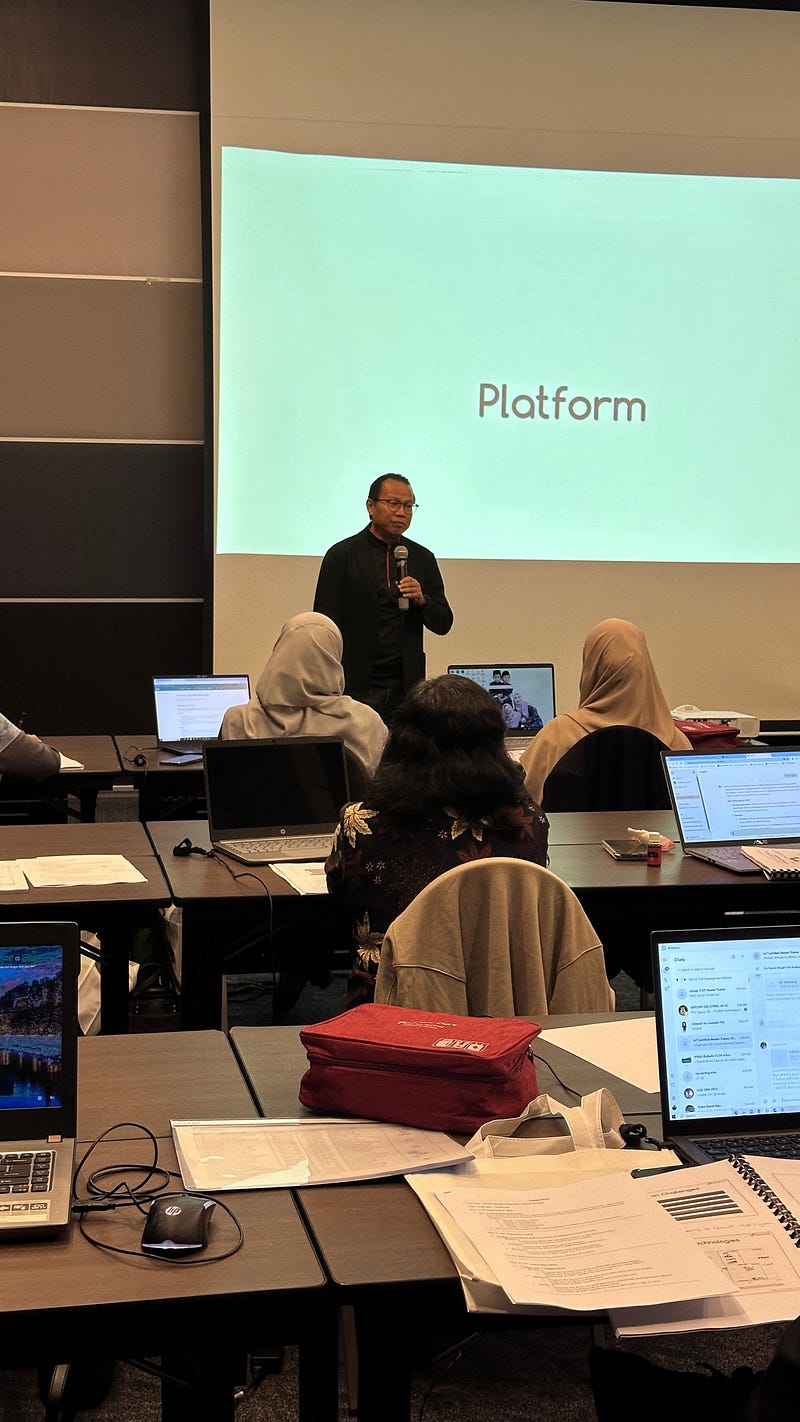
Public speaking has become a career for me throughout my life. Since I started working, I’ve often stood in front of an audience, speaking and sharing knowledge or ideas.

However, I realize that not everyone is comfortable with this. Many people view it as a nightmare—standing in front of a large group, delivering something they might already know or, more dauntingly, something new that requires their acceptance.

My journey into public speaking began when I became a lecturer. Every day, I had to stand before students, delivering lectures between one and two hours.

At first, I was pretty nervous. “What if the students don’t understand what I’m saying?” I often asked myself.

But over time, lecturing became a routine. I started learning to understand my students, grasping their learning styles, and adjusting how I delivered information to make it more effective.

Being a lecturer taught me a lot about communication.

I needed to ensure that students didn’t just listen but also understood and applied what they learned. I found that how I presented information was crucial in keeping the students engaged. “Am I too serious? Or should I be more relaxed?” I would often ask myself after each class.
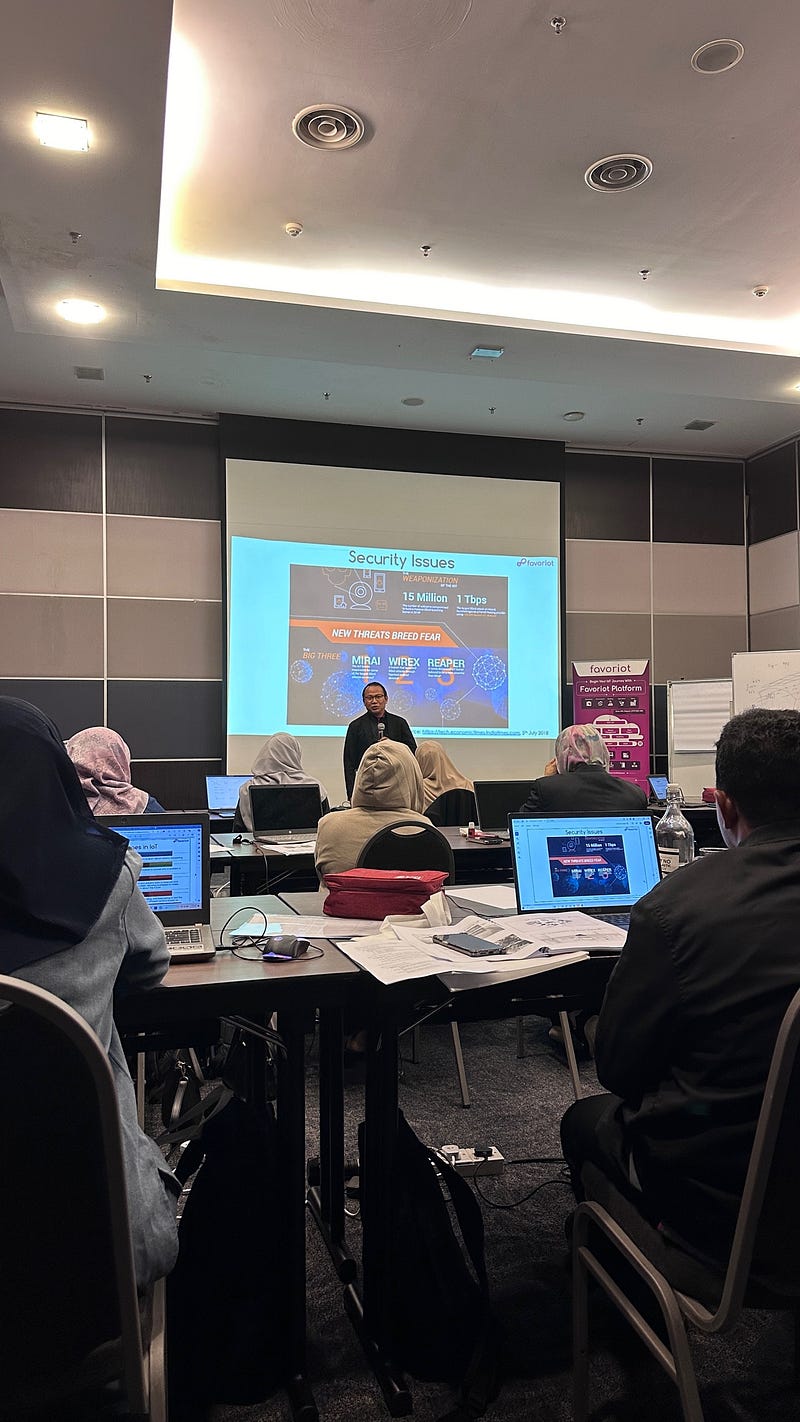
After many years in academia, I received invitations to speak at conferences and seminars. This was a new level for me. Unlike in the classroom, where I was facing students familiar with me, conferences and seminars introduced me to a diverse audience – from industry experts to beginners who were just getting acquainted with my field.

Every time I was invited, I was given different amounts of time, sometimes up to 40 minutes, sometimes just 15 minutes. I had to learn to adapt quickly.

How can I convey important information in this short amount of time?” I often thought before each session.

This was challenging, but it also taught me to be more focused and concise in my delivery.

I learned that in conferences, starting with something that grabs the audience’s attention is crucial. An anecdote, a provocative question, or even a surprising fact can be a good opener.

This made me realize that how we start a speech can determine how the audience will pay attention throughout the session.

However, one of the biggest challenges in public speaking came when I began receiving invitations to speak at workshops.
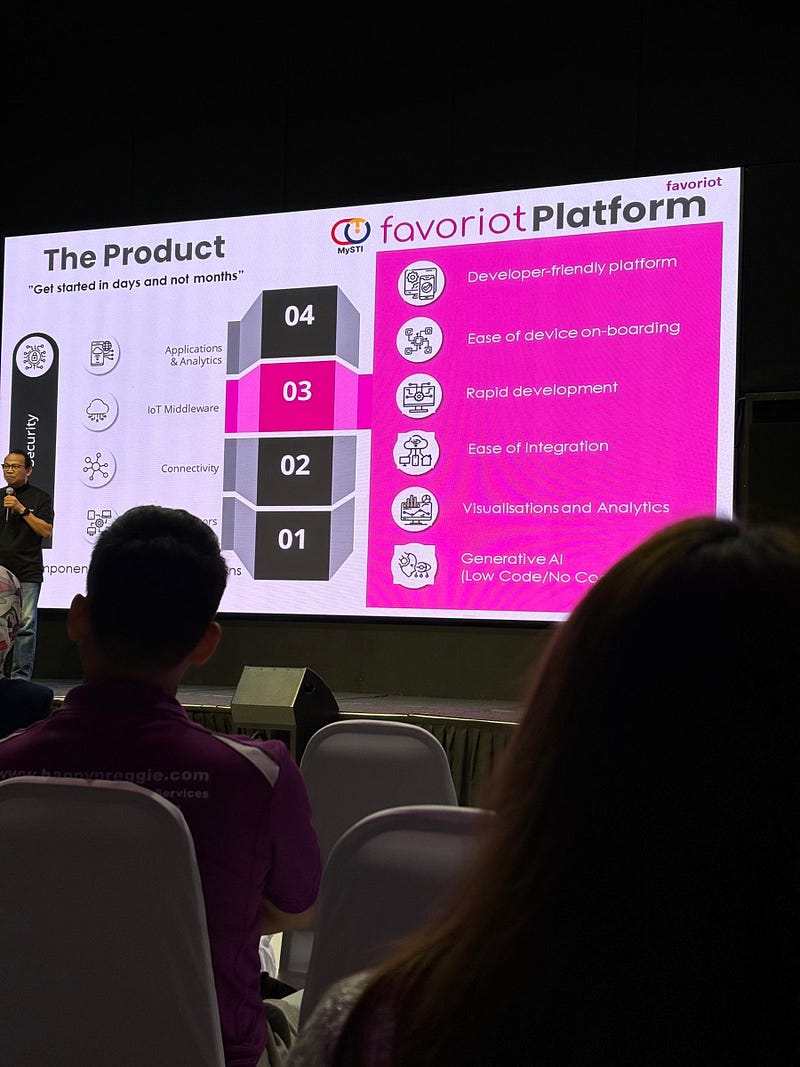
Here, the time allocated for me to speak was much longer—sometimes up to one or two days—and I spoke alone. Imagine, I had to ensure the audience stayed interested the entire time.

How can I keep their attention?” This question often swirled in my mind.

I found that interaction is key in workshops. Unlike lectures or seminars, where the delivery is more one-way, workshops require more two-way discussions.

I started involving the audience in discussions, allowing them to share their opinions and experiences. This helped maintain their focus and gave me new perspectives on the issues being discussed.

Every workshop is an opportunity for me to learn something new,” I often reminded myself.

After transitioning into the corporate and technology world, my role in public speaking also changed. I was no longer just sharing knowledge but also selling products and ideas. “Product Talk” became a routine in our marketing efforts at Favoriot.

Here, I had to present the benefits of our products in a convincing but moderate manner.

Another big challenge was, “How can I make the audience believe in our products without making it feel like I’m just trying to sell them? “

I learned that in Product Talks, it’s essential to focus on how our products can solve the problems faced by the audience. I didn’t just talk about the product’s features but more about the benefits they could gain.

I also started using success stories as examples because I found them more accessible and convincing.

Recently, I’ve started transitioning to pitching to investors, which is an even more challenging level.

Unlike lectures, seminars, or Product Talks, pitching requires me to present all the important information in a very limited time—sometimes only three to five minutes.

How can I include all the important points in such a short time?” I often ask myself before each pitching session.

I found that clarity and confidence are key in pitching.

I needed to ensure that the investors understood what I was trying to convey, and I had to do it confidently.

I also learned that the slides must be simple but packed with information. There’s no room for unimportant details. “Every slide needs to have a clear purpose,” this is the principle I hold onto.

My experience in various types of public speaking has taught me that each situation requires a different approach.

The duration, type of audience, purpose of the speech, and method of delivery all play a role in determining its effectiveness. I also realized that we often criticize seminar presenters or those giving a pitch—their confusing style, boring slides, or unengaging delivery.

But when it’s our turn to stand in front, sometimes we make the same mistakes.

I learned that the most important things in public speaking are to speak confidently, convey information in a way that’s easy to understand, use an approach that engages the audience, and ensure that the slides used are not boring.

I also learned that we must constantly strive to improve because every public speaking session allows us to learn and grow.

What about you?” I often ask myself after each session.

Public speaking is a skill that can always be improved. The more we do it, the more confident we become.

Ultimately, I realize that public speaking isn’t just about what we say but how we make the audience feel it.

If we can deliver our message in a way that makes the audience feel connected, then we have succeeded in public speaking.

And that’s something I always strive to achieve.

About Favoriot — Part 14: The Acquisition Journey as a Startup Founder

ABOUT FAVORIOT SERIES

Creating Synergy: How Startups Can Prepare for the Perfect Acquisition

As a startup founder, one of the most intriguing questions that constantly lurks in my mind is: “Should we exit through an acquisition?” This question carries with it not just the weight of financial considerations but also the emotional and strategic implications for the company’s future.

As the CEO of Favoriot, I’ve been through this mental tug-of-war many times. I often find myself contemplating our embarked journey and where it might lead.

Guess what? As a startup founder, you either expand your business through investors, or you might want to find a strategic merger or acquisition. And trust me, the decision isn’t as straightforward as it might seem.

When I co-founded Favoriot, our primary goal was to create an IoT platform that could help businesses and communities integrate IoT solutions seamlessly. We were passionate about the possibilities, potential impact, and innovation that we could bring to the market.

But as we grew, so did the challenges, and the question of whether to exit through an acquisition became more pertinent.

Understanding the Potential Acquirers

One of the first steps in considering an acquisition is to understand who your potential acquirers might be. This isn’t just about identifying companies with the financial capability to buy you out. It’s about understanding their business models, strategies, and focus areas.

I remember a time when a large telecommunications company showed interest in Favoriot. Our platform seemed perfect because they were looking to expand their IoT services. However, as I dug deeper, I realized their primary focus was consumer IoT solutions, while we were more geared towards industrial applications.

Does this align with our vision? I asked myself.

Ensuring that the acquiring company’s strategy aligns with yours is crucial. Although the financial offer was tempting, the strategic misalignment was too significant to ignore. We decided to walk away, knowing that while it might have been a lucrative exit, it wasn’t suitable for us.

Aligning Your Product/Service

Aligning your products or services with their needs is essential to making your startup attractive to potential acquirers. This doesn’t mean you should change your core offerings; rather, develop them to complement the potential acquirer’s portfolio.

At Favoriot, we started focusing on creating modular solutions within our platform that could be easily integrated with other systems.

This approach made our platform more versatile and appealing to larger companies looking for quick and seamless integration.

What if our platform could fill a gap in their product line? I pondered during one of our strategy sessions.

This led to a shift in our development strategy. We began focusing on compatibility and complementarity rather than just innovating for the sake of innovation.

Targeting the Same Customer Base

Another critical consideration is whether your startup serves the same customer base as a potential acquirer. This can significantly increase your strategic fit, allowing the acquiring company to cross-sell or upsell their services to your customers and vice versa.

For us, this meant expanding our market reach into sectors that were already being served by potential acquirers.

We examined the industries that were most active in adopting IoT solutions and tailored our marketing efforts to those sectors.

Could our customers benefit from the additional services a larger company offers? I often wondered.

By targeting the same customer base, we increased our value proposition and made ourselves more attractive to companies looking to expand their market share.

Adapting to Their Technology

In today’s tech-driven world, ensuring your technology is compatible with potential acquirers is crucial. This can significantly reduce the cost and complexity of integration post-acquisition, making your startup a more attractive proposition.

At Favoriot, we invested heavily in ensuring that our platform was built on open standards, making it easier for other systems to integrate with ours.

This wasn’t just about making our platform more versatile but about positioning ourselves as a strategic acquisition target.

What if we could make the integration process as smooth as possible? This thought guided many of our technical decisions, from the choice of programming languages to the design of our APIs.

Focusing on Shared Values and Culture

One aspect of acquisitions that is often overlooked is cultural fit.

I’ve seen acquisitions fail not because the financials didn’t add up but because the merging companies had fundamentally different values and corporate cultures.

At Favoriot, we prided ourselves on our innovative and collaborative culture. We knew that any potential acquirer would need to share these values for the acquisition to be successful.

Can we thrive in a different corporate culture? I asked myself during one particularly challenging negotiation.

The answer was no, and we walked away from the deal.

It’s important to remember that being acquired shouldn’t mean losing your identity as a company. Instead, it should be about aligning your unique strengths with the needs and strategy of a potential acquirer.

Addressing Market Gaps

One of the most effective ways to position your startup for acquisition is to address a market gap that a potential acquirer cannot currently fill. This could be anything from a specific technology to a niche market segment.

For Favoriot, this meant focusing on the industrial IoT sector, where we saw a significant gap in the market.

By developing solutions that specifically addressed the needs of this sector, we made ourselves an attractive target for companies looking to expand into this space.

What if we could offer something that no one else could? This question drove much of our product development and market strategy.

Providing Strategic Advantages

Finally, to make your startup a strategic fit for acquisition, you need to offer something that gives the acquiring company a strategic advantage.

This could be unique intellectual property, a strong market presence, key partnerships, or anything else that could give them a competitive edge.

At Favoriot, we focused on building solid partnerships with key players in the IoT ecosystem.

These partnerships helped us grow our business and made us more attractive to potential acquirers.

How can we position ourselves as a must-have in their portfolio? I kept asking myself this question as we expanded our network of partners and collaborators.

The Transformative Possibilities of Acquisition

In the end, the actual value of an acquisition lies not in the transaction itself but in the transformative possibilities it creates.

A great acquisition isn’t just about combining businesses but about igniting new possibilities and empowering both companies to reach their full potential.

Can we create something bigger than ourselves? This is the ultimate question that every startup founder should ask when considering an acquisition.

It’s not just about the financials or immediate benefits but about the long-term vision and the combined entity’s impact on the market.

For Favoriot, the journey is still ongoing.

We’ve had our fair share of offers, and while none have been the right fit so far, I know that the day will come when the stars align and we find a partner who shares our vision and values.

Until then, we continue to build, innovate, and position ourselves for that perfect opportunity.

In the end, being a strategic fit isn’t about losing your identity as a business but instead aligning your unique strengths with the needs and strategy of a potential acquirer.

Acquiring a startup isn’t about taking over another company; it’s about empowering it to reach its full potential.

And that, to me, is the ultimate goal of any acquisition.

About Favoriot — Part 13: Does Winning Awards Help a Startup Succeed?

About Favoriot Series

Which is more critical — customers or awards?

The Early Days and Initial Recognition

Since Favoriot’s inception, we’ve won numerous awards. One notable example is being named Malaysia’s Best IoT Startup in 2019. I remember the excitement and pride that came with that achievement.

It felt like a validation of all the hard work and sleepless nights we had put into building the company. “This is it,” I thought. “We’re finally being recognized.

The Surge in Exposure

After winning that award, we received invitations to appear on podcasts, TV shows, and radio interviews.

The exposure was immense.

This kind of publicity was gold for a startup like ours, where getting the word out is half the battle. “Maybe this is what we needed to push us to the next level,” I mused as I prepared for another interview.

The Tough Questions Begin

But as the excitement of the award began to settle, I asked some tough questions. “Is this making a difference? Is this award going to translate into tangible results for Favoriot?” The reality, as I soon discovered, was more sobering.

Customers: The Missing Link

Did the award bring in customers? No, not really.

Despite all the exposure, we didn’t see a significant uptick in clients knocking on our door. “Surely, people have heard of us by now,” I would tell myself.

But recognition doesn’t always equate to sales.

The truth is, getting your name out there is just one piece of the puzzle. It’s not enough to be known; you must be trusted, which takes more than an award.

Investors: The Harsh Reality

What about investors? Did the award make them come running? Again, the answer was no.

How can they not see the potential in us?” I wondered, frustrated.

But investors are looking for more than just accolades.

They want a solid business model, a clear path to profitability, and, most importantly, evidence that your startup can scale.

No matter how prestigious, an award isn’t going to convince them on its own.

Big Projects: The Elusive Prize

And then there’s the question of projects.

Did we land any big contracts because of the award?

Unfortunately, no.

What’s the point of all this recognition if it doesn’t lead to real opportunities?” I found myself asking. It was a tough pill to swallow, but the fact remained: while awards are nice, they don’t necessarily open doors to significant deals.

The Importance of Merit

At Favoriot, we’ve always believed that if you’re going to give out awards, they should be based on merit.

Too often, I’ve seen awards handed out to those who can afford to pay for a fancy dinner or an editorial spot.

What’s the value of an award if it’s just bought and paid for?” I questioned. We’ve never been interested in that kind of recognition.

If we’re going to win something, we want it to be because we’ve earned it, not because we’ve paid for it.

Shifting Focus: Beyond Awards

So, where does that leave us now?

The truth is, we’re no longer chasing awards. They’ve lost their luster for us.

What’s more important,” I remind myself, “is attracting customers who believe in our product and are willing to pay for it.” That’s the real measure of success for a startup – not the trophies on the shelf but the customers who keep returning.

Aiming for Global Impact

We’ve shifted our focus to the international market.

Let the world see what we can do,” I often think. Our aim now is to be recognized globally, not just for the awards we’ve won but for our impact in the IoT space. We want the world to see the value we bring, not because we’ve won an award but because we’ve delivered real results.

The Road Ahead: Challenges and Hopes

Of course, this journey isn’t easy.

It’s filled with challenges, setbacks, and moments of doubt. But it’s also filled with hope, determination, and a belief that what we’re doing matters.

May our journey be made easier with the prayers of our friends,” I often reflect. And for those who have supported us, I can only say thank you.

Your belief in us means more than any award ever could.

The True Measure of Success

In the end, I’ve come to realize that awards are just that – awards.

They’re a nice pat on the back, but they don’t define success.

What matters more is the work we do daily, the relationships we build, and our impact on the world.

That’s the legacy I want Favoriot to leave behind, and that’s what we’re working towards, one step at a time.

About Favoriot – Part 12: The Dream of M&A Exit

About Favoriot Series

Understanding why many startups opt for an M&A exit and what factors drive this decision.

I’ve often found myself reflecting on the ultimate goal many of us have when we start a company: the dream of a grand exit, perhaps through an IPO, where our company becomes publicly listed and the rewards are beyond anything we’ve imagined.

The reality, though, is much more complex, and for most of us, reaching that point requires navigating a winding path filled with challenges, decisions, and often, compromises.

When I first started out, the vision was clear – build something valuable, scale it, and eventually take it public.

I remember the excitement of those early days, the endless discussions about Series A, B, C funding rounds, and the belief that if we just worked hard enough, smart enough, we’d be among the fortunate few to make it to an IPO.

But as time passed, I realised that this dream, while achievable, was far from guaranteed.

Many companies don’t make it to that stage, and instead, find themselves considering other options, like mergers and acquisitions (M&A).

The reality is, getting to an IPO isn’t just about having a good idea or even a great product. It’s about building a company that generates substantial revenue, has a stable income, and has operations that can scale globally.

This requires not just innovation, but consistent execution over many years, often under immense pressure from investors and competitors. And even then, the odds are still slim.

I’ve seen many founders, myself included, face the tough decision of whether to continue pushing toward an IPO or to consider selling the company.

Selling, especially to a larger corporate entity, can be a very attractive option, particularly when the pressures of scaling become overwhelming. But selling is not just about cashing out; it’s about finding the right buyer who sees value in what you’ve built – whether that’s your technology, your team, or your market presence.

One of the first things you learn when you start exploring M&A options is that the reasons companies acquire startups are varied.

Often, they’re interested in your technology because it’s something they don’t have the resources or expertise to develop in-house. Building new products, especially in cutting-edge fields, is incredibly challenging.

It requires not just technical knowledge, but the ability to iterate quickly, learn from failures, and pivot when necessary.

Large corporations, with their layers of bureaucracy, often struggle with this, and for them, acquiring a startup that’s already proven itself can be a much easier path to innovation.

I’ve also seen companies acquire startups primarily for their talent. In today’s world, finding skilled people – those who not only have the technical chops but also the startup mindset – is incredibly difficult.

Big companies know this, and sometimes the quickest way to bring in fresh talent is to acquire a startup where that talent already exists. This is often referred to as “acqui-hiring,” and while it might not be the dream exit every founder imagines, it can be a viable and profitable option.

Another reason companies might acquire a startup is to gain access to a market they’re not currently serving. Startups, by nature, are nimble. We can pivot quickly, explore niche markets, and move into spaces that larger corporations might overlook or deem too risky.

But once a startup proves that a market is viable, larger companies often want in, and buying a startup can be their fastest route.

On the darker side, there’s also the possibility that a company might acquire a startup simply to shut it down. This might sound counterintuitive, but in highly competitive industries, it’s not uncommon.

A large corporation might see a startup as a potential threat, not because it’s currently taking market share, but because it could do so in the future. By acquiring the startup and then closing it, they eliminate the competition before it becomes a real problem.

Reflecting on these possibilities, I find myself asking, “What would I do if I were in that position again? Would I hold out for the IPO, or would I sell to the highest bidder?” The answer isn’t straightforward.

It depends on so many factors – the state of the market, the strength of the company, the offers on the table, and personal circumstances.

There’s no one-size-fits-all answer, and each founder must make that decision based on their unique situation.

I remember a time when I was approached by a large corporation interested in acquiring my startup.

They were impressed by our technology and saw it as a perfect fit for their portfolio.

Was this really the right move? Would selling mean giving up control over something I had poured my heart and soul into? And would I be happy working within a large corporation, where decisions might be made by people who didn’t share my vision?

Looking back, I realise that exits, whether through an IPO or an acquisition, are just one part of the startup journey.

They’re milestones, not the end goal.

The real value lies in the experiences, the lessons learned, and the impact you make along the way.

If I had to give advice to other founders contemplating their own exit strategies, I’d say this: don’t rush the decision.

Consider all your options carefully, think about what you want not just in terms of financial rewards, but in terms of your personal and professional growth.

And most importantly, be true to your vision and your values.

The right exit will come when the time is right, and when it does, you’ll know it.

In the end, whether you exit through an IPO, an acquisition, or simply by moving on to your next venture, what matters most is that you’ve built something meaningful, something that made a difference.

And that’s something no exit strategy can ever take away from you.

About Favoriot — Part 11 : Smart Cities Idealism to Realism

ABOUT FAVORIOT SERIES

The Rocky Road of Smart Cities: My Journey from Idealism to Realism.

The Allure of Smart Cities

In 2015, I embarked on a journey into the world of Smart Cities.

The idea was electrifying — technology had the potential to revolutionize urban living, making cities more efficient, sustainable, and responsive to the needs of their citizens. The possibilities seemed endless, and I was eager to participate in this transformation.

However, the reality I encountered was far from the idealistic vision I had in mind. Breaking into the Smart Cities market was a monumental challenge, fraught with unforeseen obstacles and harsh lessons.

The Birth of an Idea: A Reporting App for Citizens

It started with a simple yet powerful concept: a reporting app that allows citizens to easily file complaints about city infrastructure.

The app would let people report issues like potholes, broken streetlights, or uncollected trash directly to local councils. We believed we had a killer app on our hands. The system also allows citizens to track the progress of their complaints, bringing transparency and accountability to local governance.

We planned to roll out the service via the cloud to all local councils across Malaysia, transforming city management.

Initial Optimism: “How Hard Can It Be?”

As we prepared for the launch, I was optimistic. Surely, local councils would jump at the chance to improve their services and engage with citizens more effectively, I thought.

After all, who wouldn’t want to streamline their operations and make their cities more responsive to the needs of their residents? But as it turns out, the road to innovation is often paved with unexpected obstacles.

The Harsh Reality: An Open Can of Worms

The first major hurdle was getting local councils to pay for the service. It wasn’t that they didn’t see the value in it; the problem was more complex.

For one, the app was like an open can of worms.

It exposed the inefficiencies and shortcomings of local government, and not everyone was eager to highlight those issues. Additionally, some councils expressed a sense of pride—or perhaps stubbornness.

We can build this ourselves, they’d say, and some of them did try. But more often than not, these homegrown solutions fell short.

A Sobering Realisation: “Why Isn’t Anyone Using It?”

After the launch, they were left scratching their heads. Why isn’t anyone using it? This question haunted us.

Despite their efforts, nobody seemed to realize that their city had such an app. It was a frustrating experience. They had assumed that the ease of filing complaints and tracking progress would be enough to drive adoption.

But it wasn’t. The app was met with a collective shrug, and the uptake was dismal.

Copycats and a Tough Decision

To add insult to injury, we soon noticed copycat apps popping up. Others had taken our idea and run with it, often with the same lukewarm results.

It was disheartening.

After some time, we made the tough decision to ditch the application. It was a painful lesson in the harsh realities of the Smart Cities market and a sobering reminder that not every good idea translates into success.

The Long Haul: Nine Years of Persistence

Fast forward nearly nine years, and my company, Favoriot, is still trying to penetrate the Smart Cities segment. It’s been a tough nut to crack, and the challenges haven’t gotten any easier.

We even joined the Malaysia Smart City Alliance Association (MSCA) to gain easier market access. I thought being part of this collective would open doors, but the reality was more complicated.

The Complexity of Building Smart Cities in Malaysia

I’ve understood that building smart cities in Malaysia is a tedious and complex process fraught with challenges.

Where do you even start? I’ve heard this question countless times from city planners and local councils. Without clear Smart City Indicators to guide them, many cities simply don’t know how to begin their Smart City journey.

There’s a lot of confusion, a lack of vision, and an overwhelming sense of inertia.

Talent Gap and Slow Decision-Making

One of the biggest challenges is the talent gap. There aren’t enough skilled professionals in local councils who understand the nuances of Smart Cities.

Vision is blurred, and decision-making is painfully slow — like a snail inching its way forward.

And then there’s the politics, which adds another layer of complexity to an already complicated process.

The Funding Dilemma: A Major Roadblock

But perhaps the biggest killer of all is funding — or rather, the lack thereof. How can we afford this?. The reality is that many local councils don’t have the budget to implement Smart City solutions.

And when they do seek funding, they often turn to solutions providers with an unreasonable expectation: a 100% Private Finance Initiative (PFI). We need you to front all the costs, they say, and maybe, just maybe, you’ll see some return on your investment down the line.

The Reality of Local Council Services

However, not all local council services are meant to generate money. Most of them aren’t.

The real value of these services lies in cost savings, operational efficiency, and improved quality of life for citizens.

But try explaining that to someone holding the purse strings and looking for immediate financial returns.

It’s a tough sell.

Greenfield vs. Brownfield Cities: Different Challenges

I’ve also learned that not all cities are equal regarding Smart Cities.

Greenfield cities — newly built from the ground up — have different challenges than brownfield cities, which are older and already developed. The pain points are different, and so is the decision-making process.

What works for one city might not work for another, making scaling Smart City solutions daunting.

The Frustration of Trials

And then there’s the issue of trials.

Let’s start with a proof of concept, they say.

But all too often, these trials go nowhere. They don’t lead to commercial agreements or full-scale deployments.

Instead, they fizzle out, leaving everyone involved feeling frustrated and disillusioned.

The Reality of Smart Cities in Malaysia

So the next time you hear someone touting the number of Smart Cities launched in Malaysia, take it with a grain of salt.

Many of these so-called Smart Cities are little more than proof-of-concept projects — limited trials that never see the light of day beyond the initial launch.

A Strategic Shift: Diversifying Beyond Smart Cities

Given this challenging landscape, we at Favoriot have made some tough decisions.

While we’re still involved in Smart Cities, we’re no longer putting all our eggs in that basket.

We’ve diversified our focus, taking on other IoT projects unrelated to Smart Cities.

It’s a matter of survival.

As much as I believe in the potential of Smart Cities, I’ve realized that it’s not a silver bullet.

It’s a sexy concept, sure, but it can also be a business killer if you’re not careful.

Balancing Ambition with Practicality

It’s all about balancing ambition with practicality.

Yes, I’m still passionate about Smart Cities, and I’ll continue to support the development of smarter, more sustainable urban environments.

But I’m also realistic about the challenges.

We need to be smart about where we invest our time, energy, and resources. After all, there’s a lot more to IoT than just Smart Cities, and exploring all the possibilities is crucial if we want to stay in the game.

Conclusion: Reflecting on the Journey

As I reflect on this journey, I can’t help but think about how far we’ve come and how much we’ve learned.

The Smart Cities market may have been more complex than I initially imagined.

Still, it’s been an invaluable experience that has shaped how I approach business and innovation.

And who knows?

The next big breakthrough may be around the corner.

About Favoriot — Part X: Age Does Not Matter in Business

What is the Best Age to Become an Entrepreneur?

Is There an Ideal Age?

What is the best age to become an entrepreneur? Should you start with work experience or without any at all?

This question often affected my mind when I embarked on my entrepreneurial journey with Favoriot. As someone who has been involved in the tech world for a long time, I frequently wondered whether age plays a significant role in an entrepreneur’s success.

Some might argue that starting a business at a young age is the best option.

You have plenty of energy, new ideas always emerge, and the courage to take risks is high. However, if you are too young, you may lack relevant experience.

Conversely, you might have more experience and knowledge as you get older, but your energy and willingness to take significant risks might diminish.

The Misconception of Youthful Success

In the entrepreneurial world, there’s a common misconception that success belongs to the young.

Stories of young entrepreneurs who achieve great success often reinforce this view. However, the inspiring story of Colonel Harland Sanders, the founder of KFC, proves that age is not a barrier to achieving great success.

Colonel Sanders started his venture to create a global fast-food empire at the age of 62, at a time when many people were considering retirement. His story isn’t just about achieving success later in life; it’s also about unwavering perseverance and debunking the myth of ‘overnight success.’

His success didn’t come overnight but resulted from a lifetime of experiences filled with challenges and valuable lessons.

Experience as a Valuable Asset

I often reflect on my journey with Favoriot. I started this venture at an age that some might consider late. However, I knew that the experience I had accumulated over the years in the tech industry was my most valuable asset.

I recall working at various companies and gaining experience in telecommunications and technology, which ultimately helped me develop Favoriot.

Much like how Colonel Sanders started KFC with two decades of experience in the food industry, I also began Favoriot with years of experience in technology and IoT.

This wasn’t a leap into the unknown but the result of continuous learning, courage, and a deep passion for technology.

I often tell myself, “It’s never too late to become what you want to be. Age is no obstacle to starting your entrepreneurial dream.

Building From Scratch

One of the most fascinating aspects of Colonel Sanders’ story is how his secret chicken recipe was popular among locals even before KFC was established. This contrasts with many entrepreneurs, including myself, who often start with a blank canvas.

We strive to build brand identity and a customer base from the ground up. However, this challenge is also what makes the entrepreneurial journey so exciting.

Every entrepreneurial story is unique and has challenges, risks, and rewards.

I remember how I started Favoriot without any customers or major recognition. My team and I worked hard to build a name in the market.

Every day, we struggled to gain attention and convince customers of the value we offered. I recall how we frequently faced rejection, but like Colonel Sanders, we never gave up.

I often remind myself, “Resilience is the key in the world of entrepreneurship. Don’t let age or challenges stop you from achieving your dreams.

Courage to Start

The courage to start something new is crucial, no matter your age.

From experience, I’ve learned that success in entrepreneurship doesn’t come from how early you start but from how strongly you persevere. Colonel Sanders’ story gives me the strength and confidence to keep fighting, even as I grow older.

I often tell myself, “Age is just a number. Dreams are timeless. Start now, start anytime.

The Importance of Resilience

In the world of entrepreneurship, every step is a lesson. Every failure brings us closer to success. Like Colonel Sanders, who faced many rejections before his recipe was accepted, I, too, have faced various challenges and failures.

However, every time I fall, I get back up stronger.

This is the biggest lesson I’ve learned on this journey — resilience and perseverance are at the heart of an entrepreneur’s success.

Age is No Barrier

Colonel Sanders’ story also reminds me that age does not limit success. It’s about experience, resilience, and an unwavering spirit.

His story inspires anyone considering starting an entrepreneurial journey, regardless of age. Irrespective of the outcome, every entrepreneurial journey imparts invaluable lessons that shape and enrich our lives.

As I embark on this journey, I hold on to these truths, finding solace and inspiration in the paths tread by others like Colonel Sanders.

I realize that the best time to start was yesterday. The next best time is now, regardless of your age.

Critical Lessons for Aspiring Entrepreneurs

The critical lesson I’ve learned from Colonel Sanders’ story and my experience with Favoriot is that age is just a number.

Success in entrepreneurship is not age-dependent; it relies on resilience, experience, and the passion we bring.

Every life experience and skill we’ve learned along the way is a valuable asset in our entrepreneurial journey.

I’ve also learned that every entrepreneur’s journey is unique. We must embrace our journey with all the challenges and opportunities that come our way. Success doesn’t come easy, but with strong resilience and determination, it will eventually be achieved.

Adaptability is also crucial.

In a constantly changing world, we must always be ready to adapt to new circumstances and overcome any obstacles that arise.

Most importantly, we must believe in ourselves and our vision. I always remind myself that self-doubt is natural, but we cannot let it hinder our progress or dampen our spirits.

With solid confidence, burning passion, and unwavering perseverance, we can achieve anything we dream of in the world of entrepreneurship.

Entrepreneurship is a Journey of Learning

In conclusion, the entrepreneurial journey is about learning, resilience, and an undying passion.

No matter your age, you can succeed if you dare to start and continue with high spirits.

Success in entrepreneurship is not defined by age but by the resilience, experience, and passion we bring to every step.

About Favoriot — Part IX: Leaving the Comfort Zone

How Leaving a 30-Year Career to Build FAVORIOT Taught Me the True Meaning of Resilience, Adaptability, and Personal Growth.

I never thought the day would come when I’d leave behind the comfort of a stable paycheck and a corporate career spanned over three decades. For over 30 years, I climbed the ladder, navigating the structured world of management, cushioned by the perks that came with it.

It was a good life.

I had the luxury of business-class flights, expensive hotel stays, and the security of a regular, sizeable income. Yet, despite the success, something gnawed at me.

For years, I had nurtured a vision, an idea to revolutionize industries with the Internet of Things (IoT). FAVORIOT was the manifestation of that dream.

But, like many dreams, the reality of turning it into a viable business came with sacrifices that I hadn’t fully anticipated.

And boy, there have been plenty of those.

The Financial Rollercoaster

The first thing that hits you when you leap into entrepreneurship after decades in the corporate world is the financial shock. Imagine trading in the safety of a consistent income for the erratic, unpredictable rollercoaster of a startup’s finances.

One month, you might have some cash flow; the next, you’re staring at empty accounts, unsure how you’ll cover basic expenses.

It wasn’t long before the reality of the situation sunk in. I wasn’t drawing a salary. The reliable, monthly inflow I had been accustomed to was replaced by uncertainty.

This wasn’t the life I had envisioned. “What have I done?” I’d mutter to myself, looking at the financial spreadsheets in disbelief.

There were days I wondered if I had made the right decision if I had underestimated the financial challenges of running a startup.

But it was too late to turn back.

FAVORIOT had become my mission.

I was no longer just Mazlan Abbas, the corporate executive. I was now Mazlan Abbas, the entrepreneur responsible for my team and the vision we had set out to achieve.

Adjusting to New Realities

With the financial uncertainty came a drastic shift in my lifestyle. Gone were the days of business-class flights and luxury hotels. My new reality involved budgeting carefully, stretching every ringgit, and reconsidering what I once deemed essential.

I vividly remember a moment when I was about to upgrade my laptop. It was something I wouldn’t have thought twice about before.

But now, standing in the store, I had to pause. “Do I need this?” I asked myself.

The answer was no.

I could make do with the one I had for a little longer. Every ringgit saved could go back into the business.

Vacations became a thing of the past, too.

We scaled back overseas trips and made do with local getaways when possible. I had to remind myself that these sacrifices were temporary, all part of the bigger picture.

But that didn’t make it any easier.

When you’ve spent years living a certain way, adjusting to a more frugal lifestyle can be difficult.

Cutting Back on Personal Luxuries

Starting a business from scratch means cutting back on personal luxuries. I had to say goodbye to spontaneous upgrades of gadgets like phones and computers.

The days of regularly splurging on the latest tech were behind me. Instead, I evaluated every potential purchase, asking, “Is this essential?” more times than I could count.

I missed the freedom I once had to spend money on what I wanted when I wanted. But there is something humbling about scaling back. It teaches you discipline and forces you to focus on what truly matters.

My priorities shifted.

Gadgets and luxuries became less important as I poured my energy, time, and resources into growing FAVORIOT.

It wasn’t easy. I won’t lie.

There were moments of frustration when I wanted to throw my hands in the air and shout, “Why am I doing this?” But deep down, I knew why. I believe in FAVORIOT and its potential to make a significant impact.

And that belief was enough to keep me going.

Navigating Uncertainty and Isolation

The sacrifices weren’t just financial or material. Entrepreneurship has an emotional toll, one that I hadn’t fully anticipated.

You’re constantly navigating uncertainty, making decisions with no guarantees of success. Every day felt like a tightrope, and you were unsure if the next step would bring progress or disaster.

And then there’s the isolation.

Running a startup can be a lonely endeavor. Sure, I had a team, but responsibility was mine to carry. There were moments when I felt utterly alone, questioning whether the sacrifices were worth it.

Is this what I want?” I’d ask myself during sleepless nights, staring at the ceiling. The answer wasn’t always straightforward.

But in those moments of doubt, you learn the most about yourself.

You discover your resilience, your ability to push through even when the path ahead seems uncertain. I slowly realized that this journey wasn’t just about building a business. It was about building myself, too.

Perseverance and Growth

Over time, I started to see the challenges not as obstacles but as opportunities for growth. Each setback, every moment of doubt, taught me something.

I learned to adapt, persevere, and trust in the process.

I remember one particular instance when we struggled to secure a deal that could have made a vast difference for FAVORIOT. Days turned into weeks, and the uncertainty weighed heavily on me.

I was frustrated and anxious and started to second-guess everything. But then, a colleague said something that stuck with me: “Mazlan, every ‘no’ gets us one step closer to the right ‘yes.’

That shifted my perspective.

I stopped seeing rejections and setbacks as failures and started seeing them as part of the journey.

They were lessons in disguise, pushing me to refine our approach, strengthen our offerings, and grow as a leader.

Reflecting on the Sacrifices

So, is it worth it? The financial uncertainty, the lifestyle changes, the emotional toll — is the entrepreneurial journey worth the sacrifices?

For me, the answer is yes.

But it’s a profoundly personal question every entrepreneur must answer for themselves.

I’ve had to give up more than I ever anticipated.

But in return, I’ve gained something far more valuable. I’ve learned resilience, adaptability, and the importance of perseverance. I’ve experienced personal growth in ways I never imagined possible. And I’ve had the privilege of building something from the ground up, watching FAVORIOT evolve from an idea into a reality.

But more than that, I’ve realized entrepreneurship isn’t just about financial success or personal achievement. It’s about impacting, creating something that matters, and leaving a legacy beyond yourself.

FAVORIOT is more than just a business to me.

It’s a mission, a purpose, and a testament to what’s possible when you’re willing to take risks and make sacrifices.

The Entrepreneur’s Mindset

One of the most important lessons I’ve learned on this journey is the importance of embracing uncertainty.

As an entrepreneur, you step into a world where nothing is guaranteed. Success is not promised, and failure is always lurking around the corner.

But that’s what makes it so exciting.

Every day is a new challenge and opportunity to grow, learn, and adapt. It’s not always easy, but it’s gratifying. And if there’s one thing I’ve learned, resilience is the backbone of entrepreneurship.

You must pick yourself up after every setback, learn from your mistakes, and keep moving forward.

The Power of Community and Support

On this journey, I’ve come to deeply appreciate the importance of community and support. Entrepreneurship can be isolating, but it doesn’t have to be.

Surrounding yourself with mentors, fellow entrepreneurs, friends, and family who believe in your vision is crucial.

They provide not only emotional support but also fresh perspectives and opportunities.

I’ve been fortunate to have a robust support system, and it’s made all the difference.

They’ve been there to celebrate the victories, no matter how small, and to offer a listening ear during the tough times.

It’s a reminder that while entrepreneurship can feel like a solo journey, it’s a collective effort.

The Entrepreneurial Journey is Yours to Define

As I reflect on my journey with FAVORIOT, I recognize the sacrifices I’ve made and the immense growth I’ve experienced. It’s been a rollercoaster of highs and lows, but I wouldn’t change a thing.

The challenges, the setbacks, and the sacrifices have all shaped me into the entrepreneur I am today.

For those considering this path, know that it’s not easy.

The sacrifices are real, and the journey is fraught with uncertainty.

But if you’re willing to embrace the challenges, learn from every experience, and keep pushing forward, the personal and professional rewards are worth it.

Entrepreneurship is more than just a career choice.

It’s a mindset, a way of life, and a journey of self-discovery.

Despite all the sacrifices, it’s been one of the most fulfilling experiences of my life.


View at Medium.comView at Medium.comView at Medium.com

About Favoriot — Part VIII: Missed Opportunities

How Overcoming the Frustration of Unanswered Emails and Missed Opportunities Shaped My Entrepreneurial Journey

Regenerated using Glam

In the early days of building FAVORIOT, I would wake up every morning excitedly. I was fuelled by the vision of what we could achieve with the Internet of Things (IoT).

The endless possibilities of how IoT could revolutionize industries danced in my mind, and I was eager to bring these visions to life. It was an exhilarating time filled with the hope and energy of starting something new.

I remember those initial days vividly.

Every meeting felt like an opportunity to make a difference. I would sit across from potential customers and partners, passionately sharing FAVORIOT’s vision.

Their faces lit up with interest, and I could see the wheels turning in their heads. They nodded along, asked insightful questions, and expressed genuine enthusiasm for what we were doing. I would leave those meetings on a high, thinking, “This is it. They see the potential just like I do.”

Regenerated using Glam

But my excitement waned as the days turned weeks and weeks into months. I checked my inbox repeatedly, waiting for that follow-up email that never seemed to come. The silence was deafening. It wasn’t just disappointing; it was maddening.

I had poured my heart into those presentations and shared our vision with all the enthusiasm I could muster, and yet, I was still waiting for a response.

Why can’t they just say no?” I would grumble to myself, pacing the floor of my office.

It seemed so simple.

A clear rejection would be far better than this agonizing uncertainty. I could move on, refocus my efforts, and find other opportunities. But this silence? It was like being stuck in limbo, unsure whether to wait or to move on.

Regenerated using Glam

I wasn’t just sitting idly by, though. I made countless follow-up calls, sent numerous emails, and tried every way I knew to reignite the interest we had once shared.

But more often than not, these efforts were met with continued silence. It felt like I was shouting into a void, hoping for an echo that never came. The optimism that had fuelled me initially was slowly replaced by frustration and doubt.

The worst was when the silence was eventually broken, not by a response to my follow-ups but by news that stung even more. I would discover that the same potential partners or customers who had once shown interest in FAVORIOT had partnered with someone else. It wasn’t just a professional setback; it felt like a personal betrayal.

How could they?” I would mutter, shaking my head in disbelief. “We had something good here. Why didn’t they give us a chance?

Regenerated using Glam

This cycle of initial excitement, followed by prolonged silence and eventual rejection, was a bitter pill to swallow. Each instance reminded me of the unpredictable nature of business and the often-unspoken dynamics that influence decisions.

It was tough, really tough.

There were days when I questioned everything. Was it me? Was it the product? Was it something I said or didn’t say? Self-doubt crept in, gnawing away at my confidence.

Amidst these frustrations, I sought advice from other entrepreneurs who had walked this path before me.

One conversation stands out.

I was speaking with a seasoned business owner who had faced similar challenges in his early days.

Mazlan,” he said, looking me straight in the eye, “this is part of the game. You’ll face many who won’t have the courtesy to say no outright. It’s not about you or your product; sometimes, they’re just not ready, or they’ve found something that fits their immediate needs better.

His words were both comforting and sobering. On one hand, it was a relief to know that I wasn’t alone in this experience. On the other hand, it reinforced the harsh reality of the business world — people won’t always be upfront, and not every opportunity will pan out.

Regenerated using Glam

It was a harsh lesson, but one that I needed to learn.

Reflecting on those early experiences, I realized how much I had grown since then. The frustrations that once seemed overwhelming were now seen in a different light. Each rejection and moment of silence taught me valuable lessons in patience and perseverance.

During these quiet times, I learned to refine our offerings, improve our pitch, and, most importantly, never take rejections personally.

I began to change my approach. Instead of waiting passively for responses, I became more proactive during initial meetings.

What are your primary concerns?” I would ask. How can we better meet your needs?” This shift in strategy not only helped gauge genuine interest but also provided valuable insights into potential customers’ minds.

Regenerated using Glam

I learned to identify the signals of genuine interest versus polite engagement, allowing me to focus my efforts more effectively.

This new approach paid off. Instead of chasing every opportunity, I focused on building a more robust network of reliable partners who understood and appreciated our vision.

These partnerships, while fewer in number, were far more fruitful. They led to significant breakthroughs for FAVORIOT, and we began to collaborate on projects showcasing IoT’s real potential.

Gradually, we started building our reputation and credibility in the industry.

One particularly memorable project was collaborating with a city council on a smart city initiative. It was a long shot, but our persistence paid off. The project was a resounding success and was proof of concept for many who doubted us.

Regenerated using Glam

It was a turning point, not just for FAVORIOT, but for me. It validated the sleepless nights, the endless follow-ups, and the resilience required to get us to that point.

Looking back, I realize that those early frustrations were a necessary part of the journey. They tested my commitment to FAVORIOT’s vision and forced me to develop a thicker skin.

More importantly, they taught me the value of perseverance and the importance of learning from every positive or negative experience.

Today, as I stand on the other side of those challenges, I often share these lessons with budding entrepreneurs. I tell them that the path to success is rarely straightforward.

It’s filled with unexpected twists and turns, moments of doubt, and frustration.

But each challenge is an opportunity to grow, learn, and improve.

If I could give you one piece of advice,” I often say, “it’s never to let silence discourage you. Use it to reflect, improve, and prepare for the next opportunity. Because, trust me, there will always be another opportunity.

Regenerated using Glam

Ultimately, the journey of building FAVORIOT has been as much about personal growth as it has been about professional achievement.

The early frustrations, the silent rejections, and the moments of doubt have all shaped me into the entrepreneur I am today.

And for that, I am grateful.

The road ahead remains challenging, but with each step, I carry the lessons of the past, ready to face whatever comes next.

I now approach each new opportunity cautiously and optimistically, knowing that the silence that once frustrated me is another part of the process.

This process has made me stronger, more resilient, and more determined than ever to see FAVORIOT succeed.


View at Medium.comView at Medium.comView at Medium.comView at Medium.comView at Medium.comView at Medium.comView at Medium.com

About Favoriot – Part VII: The Task of Finding the First 10 Customers

ABOUT FAVORIOT SERIES

The Challenges of Securing Favoriot’s First 10 Customers

Many say that the first breakthrough for a startup is when you get 10 paying customers. This saying holds true.

Every startup developing a product feels the pressure when struggling to get those first 10 customers, and even the very first customer can be challenging.

I still remember the moment when Favoriot received its first paid subscription. “Finally, we did it!” I exclaimed to my team with joy. We were overjoyed, envisioning continuous success. Unfortunately, the joy was short-lived.

Why Is It So Difficult?

I sat pondering, “Is our product not satisfying the customers? Or maybe it doesn’t solve their problems? Or is the price too high?” Many questions ran through my mind. I knew I had to find the answers. “We need to make this product more appealing,” I told myself.

We tried improving the product and experimented with different pricing, but the results were the same.

I found myself puzzled, “Why do ThingSpeak and Blynk have so many users?” We also offered free subscriptions like they did, but the outcome was not satisfactory.

On average, only 5% of free users would convert to paid. Although we achieved this percentage, it still did not meet our revenue targets.

A New Strategy

I began thinking of other strategies. “How about we bundle the product?” I suggested to my team.

We started combining the Favoriot platform with our IoT courses. This approach began to show success. I told myself, “This is a good start, but we can do better.”

Then, we introduced the Enterprise Favoriot IoT platform with a perpetual license. This new package attracted a lot of interest from System Integrators.

I felt this was the right move. “I hope this will bring more success to Favoriot,” I silently prayed.

Lessons Learned

This experience taught me many things. First of all, I learned that getting the first customers is indeed tough, but it is a crucial step. I always tell my team, “Never give up. Every small step is a big achievement.”

I also learned that a good product alone is not enough. “We need to understand the customers’ needs and ensure our product truly solves their problems,” I constantly remind myself.

We strive to understand our customers’ desires and requirements.

Pricing plays a crucial role as well. “A price that’s too high might scare off customers,” I realized.

We tried to find a balance between reasonable pricing and the value we offer.

Moving Forward

Now, with the new Enterprise Favoriot IoT package, we are more confident moving forward. I told my team, “This is a new beginning for Favoriot. We’ve faced many challenges, but we’ve overcome them.”

I also believe that success does not come easily. “It requires continuous effort and persistence,” I always remind myself.

We will keep working to improve our product and find new ways to attract more customers.

Hopes for the Future

I have great hopes for Favoriot. I always think, “How can we make Favoriot a leading IoT platform?” I believe with effort and dedication, we can achieve it.

Whenever I look back at our journey, I feel proud of what we have accomplished. “We’ve faced many challenges, but we never gave up,” I tell myself.

I am confident that with continuous spirit and effort, Favoriot will keep growing and achieving greater success.

Finally, I want to thank everyone who has supported us throughout this journey. “Without your support, we wouldn’t be where we are today,” I say sincerely.

We will keep striving to deliver the best and achieve more successes in the future.

This is the story behind Favoriot – a journey full of challenges, but also full of hope and opportunities. I believe that with effort and dedication, we can achieve anything we dream of.

About Favoriot – Part VI: Expanding the Business Models

The Evolution of Favoriot from B2C to B2B and Global Reach

Regenerated by Glam

When we first launched the Favoriot IoT platform, we envisioned it as a B2C service.

The idea was simple – create a platform that anyone, from students to hobbyists, could use to build IoT applications.

By targeting individuals, we could generate widespread interest and slowly build a community around our platform. I remember thinking, “If we can get people talking about Favoriot, the rest will follow.

With that mindset, we set out to promote the platform. Social media was the obvious choice. Everyone was on Facebook, YouTube was the go-to for tutorials, and newer platforms like TikTok were quickly gaining popularity.

So, we took the plunge. I took charge of the promotion, using my social media channels to spread the word. I posted on Facebook, made videos for YouTube, wrote blog posts, and even tried my hand at TikTok.

Regenerated by Glam

At first, it was exciting to see the initial reactions. People were interested; they were curious about what Favoriot could do.

But as the weeks went by, I started to feel a sense of unease. Sure, there were some engagements – likes, shares, comments – but it wasn’t translating into actual usage of the platform. I kept asking myself, “Why isn’t this working? What are we missing?

I realized that while social media was great for generating buzz, it wasn’t enough to convince people to take the next step.

I needed something more tangible that would tell people about Favoriot and show them how it could be valuable to them.

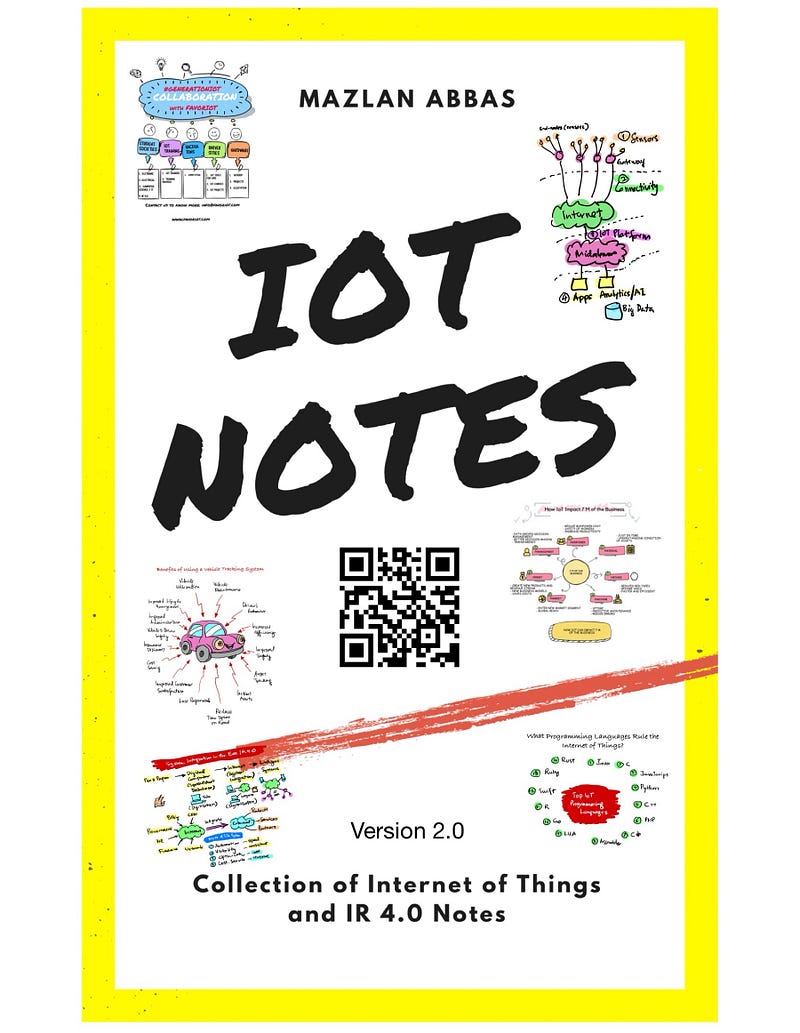
That’s when the idea of writing an eBook came to me. I’ve always enjoyed writing, so why not use that skill to create something that could educate people about IoT and subtly introduce them to Favoriot simultaneously?

IoT eBook

So, I got to work. The eBook wasn’t just about the technical aspects of IoT; it was about the broader picture – how IoT transforms industries, what it means for the future, and where Favoriot fits into this. Throughout the book, I weaved in information about the Favoriot platform, highlighting its features and how it could help users in their IoT projects.

Once the eBook was ready, we decided to offer it for free. I thought that if we could get the book into as many hands as possible, it would naturally lead to more people trying out the platform.

And it worked. The eBook started getting downloaded, not just locally, but internationally. I was amazed to see the download statistics – people from almost 120 countries had downloaded the book!

I remember sitting at my desk, looking at the numbers, and thinking, “This is it. This is the breakthrough we’ve been waiting for.

But with this new wave of international interest came a new set of challenges. The platform was designed for a general audience, but now we have users worldwide, each with unique needs.

We started receiving feedback from users who wanted more advanced features, better scalability, and the ability to use the platform in a more professional setting. It was clear that the B2C model had its limitations.

Around this time, we began exploring the idea of pivoting to a B2B model. The thought of shifting our focus was daunting, but I knew it was something we had to consider seriously.

We had to evolve if we wanted Favoriot to grow and thrive. I spent many sleepless nights pondering over the decision. “Is this the right move? What if it doesn’t work out?

Eventually, after much deliberation and discussion with the team, we decided to go for it. We introduced a B2B model where the Favoriot platform could be installed on-premise or on a private cloud.

This shift allowed us to cater to System Integrators – companies that needed a robust IoT platform to develop complex projects, manage high data transmissions, and ensure that all data was securely stored within their infrastructure.

Another critical decision was the introduction of the “perpetual” license. Unlike traditional subscription models, which required customers to pay recurring fees, this license was a one-time purchase.

Regenerated by Glam

It provided lifetime access to the platform, making it a more cost-effective option for long-term projects. I remember thinking, “This could be a game-changer.” Our customers’ cost savings were substantial, allowing them to offer end-to-end IoT solutions more quickly and at a lower cost.

This shift to B2B didn’t just open up new revenue streams for Favoriot; it also solidified our position in the market.

We were addressing a significant pain point in the industry by providing a reliable and scalable platform that didn’t require customers to build their own IoT infrastructure from scratch.

Developing an IoT platform is no small feat – it requires time, money, and expertise many companies don’t have. By offering Favoriot as a ready-made solution, we were able to fill that gap.

Since 2017, the Favoriot IoT platform has undergone many changes. What started as a simple B2C platform has evolved into a versatile solution catering to individual developers and large enterprises.

And along the way, we’ve achieved some significant milestones. One of my proudest moments was when Favoriot received MySTI certification from MOSTI, officially marking it as a Malaysian local product.

This recognition validated our efforts and positioned Favoriot as a credible and reliable IoT platform on a national level.

Looking back, I can see how far we’ve come. The journey hasn’t been easy, and there were moments when I doubted whether we would ever get to this point.

But through perseverance, adaptability, and a willingness to listen to our users, we’ve built something that we can truly be proud of.

But the story doesn’t end here. There are still many challenges ahead, primarily as we work to penetrate the Malaysian market further.

In Part VII, I’ll share more about those challenges and how we plan to overcome them.

The road ahead is long, but I’m confident that with the lessons we’ve learned and the team we have, Favoriot will continue to grow and make an impact in the IoT industry.

So, stay tuned. The journey of Favoriot is far from over, and I’m excited to see where it will take us next.

Past Stories to Read:

View at Medium.comView at Medium.comView at Medium.comView at Medium.comView at Medium.com