A Seamless Journey Through Seoul’s Intelligent Public Transit System

Smart Cities Stories

Smart Transportation

On my recent trip to the World Smart Cities Expo in South Korea, I was deeply impressed by their public transportation system. South Korea has truly embraced the concept of a smart, citizen-centric city.

Their intelligent and integrated public transportation system is a remarkable example of how technology can enhance daily life and solve common challenges.

As I stood at a bus stop, staring at the digital monitor showing bus schedules, weather, air quality, and even the next bus’s arrival time, I couldn’t help but compare it to our system back in Malaysia.

In Seoul, everything is interconnected. The buses and subways are seamlessly linked, making it incredibly easy to move around the city.

I have been using the KakaoMap mobile app to plan my journey. This app has all the features one could hope for when navigating a bustling city. It provides real-time information about bus and train schedules and shows walking distances between locations.

The most impressive feature? The app even tells you how many seats are available on the bus you’re waiting for.

I couldn’t help but think, “Why don’t we have this level of convenience in Kuala Lumpur?

As I stood there, watching the minutes tick down on the bus monitor, I thought about the benefits of real-time updates like this. Imagine standing at a bus stop in the rain, unsure when the bus will arrive.

In Kuala Lumpur, many bus stops lack real-time information, leaving passengers guessing. Here in Seoul, the technology gives passengers peace of mind. You know exactly when the bus will arrive and how crowded it will be—no more guessing or anxiety.

As the bus approached, I glanced at the app again. It showed that there were still seats available.

The bus pulled up on time, and I tapped my Tmoney card to pay as I got on. This card is another great example of convenience in South Korea. You can use it not only for public transportation – buses and subways – but also for purchases in convenience stores.

It’s a truly integrated payment system that further streamlines daily life in the city.

Sitting on the bus, I noticed how smooth the ride was. The onboard display would show the next stop and estimated arrival time every few minutes, keeping passengers informed.

I thought back to when I’d been on buses in Kuala Lumpur, especially during peak hours, and had no idea how long the journey would take.

If we had something similar in Malaysia, it would completely change how people commute, making public transportation more attractive.

I began thinking about the infrastructure behind this smart transportation system.

It’s not just about installing digital screens or launching a mobile app. It’s about creating an ecosystem where data from different modes of transport – subways, buses, taxis – are integrated into one unified system.

In Seoul, I noticed that every part of the transportation system seemed to communicate with each other. Whether on a subway or a bus, the information is consistent and accessible.

This kind of integration is what makes a city truly smart. It’s not just about fancy technology or big infrastructure projects; it’s about making everyday life more efficient and convenient for its citizens. Seoul’s transportation system has achieved that.

The air quality display was another feature that caught my attention. South Korea’s commitment to ensuring a comfortable and safe environment for its people extends even to real-time monitoring of air quality.

Sitting on the bus, I thought about how this feature could benefit our cities. Imagine having this in Kuala Lumpur, where haze and pollution are frequent concerns.

Real-time air quality updates could help people make informed decisions about their day.

When I got off the bus, I was already thinking about how this smart transportation model could be adapted for Kuala Lumpur.

Could we create a similar experience for our commuters?

Could we have real-time bus and train schedules displayed at every stop, with integrated payment systems like the Tmoney card?

As I walked to my next destination, I couldn’t stop thinking about the future of public transportation.

In Malaysia, we often talk about upgrading our infrastructure, but we sometimes overlook the smaller yet equally important aspects – like how easy it is for a person to plan their daily commute.

In South Korea, it’s clear that they’ve thought through every detail. From real-time updates to integrated payment systems, they’ve created a public transportation network that prioritizes the needs of the people.

Reflecting on this, I realized that smart transportation is not just about technology—it’s about creating a better experience for everyone. It’s about reducing uncertainty, saving time, and making city life more convenient and enjoyable.

South Korea has shown me what’s possible when technology is used thoughtfully in the service of its citizens.

As I made my way to my final destination, I kept thinking: This is what we need—a reliable, connected, and easy-to-use transportation system where the buses and trains don’t just get you from point A to point B but also provide a seamless, stress-free experience.

Can we bring this kind of intelligent transportation to Kuala Lumpur now? Do we have the capacity to create a similarly connected system that benefits everyone?

If South Korea can do it, I believe we can too.

It’s just a matter of prioritizing the right solutions and ensuring that we focus on what matters most: the people who use these systems every day.

Lessons Learned Before and After Joining Medium Partner

I joined Medium and have been writing articles since July 2016.

But I could have been more active and serious about writing on Medium. I was more involved in writing for my blogs — Mazlan Abbas, IoT World, and others.

Sometimes, I would come back to Medium and republish my blog articles on Medium, thinking people would be able to read them, too.

I was wrong! Only a handful of people are reading and following my republished articles.

I joined the Medium Partner Program (MPP) at the end of September 2023. Because I wanted to read the articles behind the paywall, I couldn’t resist the temptation of reading all the great and catchy headlines.

But I also made a target that I should be active and ensure that the money earned from my writing can pay for the subscription.

Below is the traffic stats from August to November 2023. You will notice that the traffic (views and reads) was very low before the end of September 2023. It was much quieter since July 2016.

Screenshot August 2023 Traffic Stats (Author)
Screenshot September 2023 Traffic Stats (Author)
Screenshot October 2023 Traffic Stats (Author)
Screenshot November 2023 Traffic Stats (Author)
Screenshot December 2023 Traffic Stats (Author)

The stats gave me a view of my performance and made me understand what works and what doesn’t.

Read/Views Ratio:

August: 12/27 = 44.44% = ($0.00)
September: 21/85 = 24.7% ($0.37)
October: 90/317 = 28.39% ($8.63)
November: 244/635 = 38.42% ($6.89)
December: 428/1000 = 42.8% ($55.62)

Screenshot Earnings Stats (August — December 2023) (Author)

In August 2023, although I had one of the highest read ratios, I earned nothing, probably because of other factors such as low views and reads. I was not engaging with other writers. I’m only busy republishing my old content.

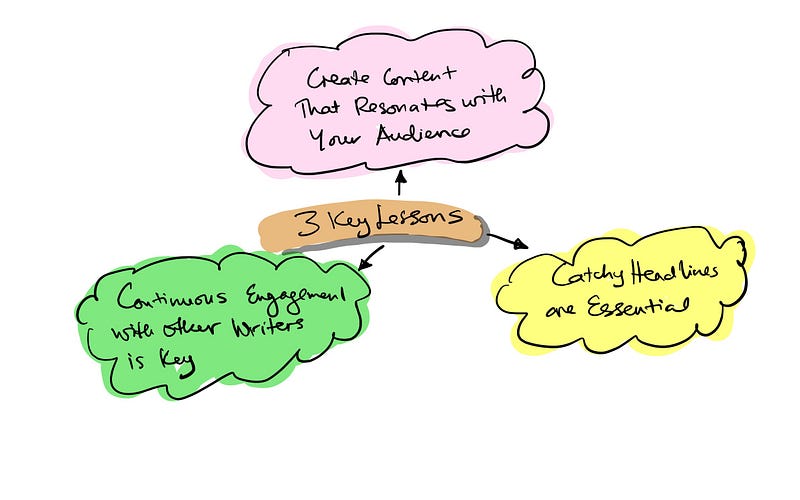
Reflecting on your experience before and after joining the Medium Partner Program, several valuable lessons can be drawn from your writing journey. Here are three key lessons:

  1. Create Content That Resonates with Your Audience: Your experience highlights the importance of crafting articles that genuinely resonate with your audience. While republishing blog content on Medium seemed like a good idea, it didn’t yield the expected results regarding reader engagement. This suggests that understanding the preferences and interests of the Medium audience is crucial. Tailoring your content to meet these preferences, whether it’s through topic selection, writing style, or presentation, can significantly increase reader engagement and following.
  2. Catchy Headlines Are Essential: Your observation about being drawn to articles with great and catchy headlines on Medium is a crucial lesson. A compelling headline is often the first point of contact with potential readers. It can make the difference between someone deciding to read your article or scrolling past it. Investing time crafting engaging, intriguing, or thought-provoking headlines can significantly increase the likelihood of attracting more readers.
  3. Continuous Engagement with Other Writers is Key: One of the most important lessons from my journey is the value of engaging with other writers on the platform. Initially, I focused more on republishing existing content than actively engaging with the Medium community. However, engagement with other writers helps build a network and provides insights into what works well on the platform. This engagement can take many forms, such as commenting on other articles, participating in discussions, or collaborating with other writers. Such interactions increase my visibility and provide opportunities for learning and growth as a writer.

These lessons are valuable for writing on Medium, as well as for content creation and audience engagement in general.

They underscore the importance of understanding your audience, the power of first impressions through headlines, and the benefits of active participation in a writing community.

How I Take G.I.A.N.T Steps to Boost My Readership and Engagement by 20X

The image was created using Midjourney by the Author of Startup Journey.

Nothing is impossible.

How frustrated can you be when you get less than 30 views or less than 15 reads almost every month?

I have tried many strategies, and finally, I found one that can help me increase my traffic multiple times.

The challenge for writers and content creators is producing articles and crafting pieces that captivate, educate, and resonate with their audience.

The G.I.A.N.T strategy offers a robust framework to enhance readership and engagement. Let’s dive into each element of this approach, transforming your articles from words on a page to powerful narratives that grab attention and leave a lasting impact.

View at Medium.com

G – Grab Attention

The internet is a bustling marketplace of ideas and information, where your article competes with thousands of others for attention.

The key to standing out? A magnetic opening. Your headline is your first, and sometimes only, shot at grabbing the reader’s attention.

It should be compelling, clear, and concise, offering a glimpse into your article’s value.

But grabbing attention goes beyond the headline.

The opening lines of your article are equally crucial. Start with a provocative question, an interesting fact, or a compelling story.

This initial hook pulls the reader in and sets the tone for the rest of the article.

I – Inform and Inspire

Content that resonates with readers often strikes a balance between informing and inspiring.

Your article should present facts and figures and weave them into a narrative that speaks to the reader on a deeper level.

Use your content to enlighten your audience about new ideas, challenge their preconceptions, or offer fresh perspectives.

Incorporate real-life examples, case studies, or personal anecdotes to make your points more relatable and memorable.

By combining information with inspiration, you create content that is read, remembered, and shared.

A – Audience-Centric Approach

Understanding your audience is the cornerstone of effective content creation.

Who are your readers?

What are their interests, challenges, and desires?

Tailoring your content to your audience’s specific needs and preferences makes it more relevant and engaging.

Conduct audience research through surveys, social media interactions, or analytics tools.

Use this information to craft content that speaks directly to your audience, using language and examples they can relate to.

An audience-centric approach increases engagement and fosters loyalty among your readers.

N – Navigable and Neat Layout

In the digital age, the layout of your content is as important as the content itself.

Readers often scan articles before deciding to read them thoroughly.

A navigable and neat layout helps in capturing and retaining their attention.

Use headings and subheadings to structure your content logically.

Break text into short, digestible paragraphs and use bullet points or numbered lists for clarity.

Include relevant images or infographics to break the monotony of text and enhance understanding.

A well-organized article looks more appealing and makes the reading experience more enjoyable.

T – Timely and Trending Topics

Staying abreast of current events and trends is crucial for creating content that resonates with the times.

Writing about timely and trending topics can significantly increase the relevance and shareability of your articles.

Monitor news feeds, social media trends, and industry developments.

However, it’s not just about jumping on the bandwagon.

Offer unique insights or fresh angles on these topics.

This captures the interest of readers looking for current content and positions you as a thought leader in your field.

The image was created using Midjourney by the Author of Startup Journey.

Take That G.I.A.N.T Steps Now

Implementing the G.I.A.N.T strategy in your content creation process can significantly enhance the appeal and impact of your articles.

By focusing on Grabbing Attention with compelling headlines and openings, Informing and Inspiring your readers with insightful content, adopting an Audience-Centric Approach, ensuring a Navigable and Neat Layout, and covering Timely and Trending Topics, you can create articles that not only attract a wider audience but also engage and resonate with them deeply.

Remember, the goal is to not just attract clicks but to create a memorable reading experience that encourages sharing, discussion, and return visits.

With the G.I.A.N.T strategy, your content goes beyond mere information dissemination – it becomes a tool for connection, education, and inspiration.