
FOUNDER’S STORIES
Parallels Between a Pilot and an Entrepreneur

When I first stepped into the world of entrepreneur, I never anticipated how much it would resemble the experiences of a pilot navigating through the skies. As someone who has spent years immersed in technology and innovation, the parallels between these two seemingly distinct fields are increasingly evident.
Both roles require a unique blend of vision, precision, and adaptability.
I’ll share my reflections on the striking similarities between piloting an airplane and steering a startup, drawing from my own experiences and insights.
The Pre-Flight Check: Preparation is Key
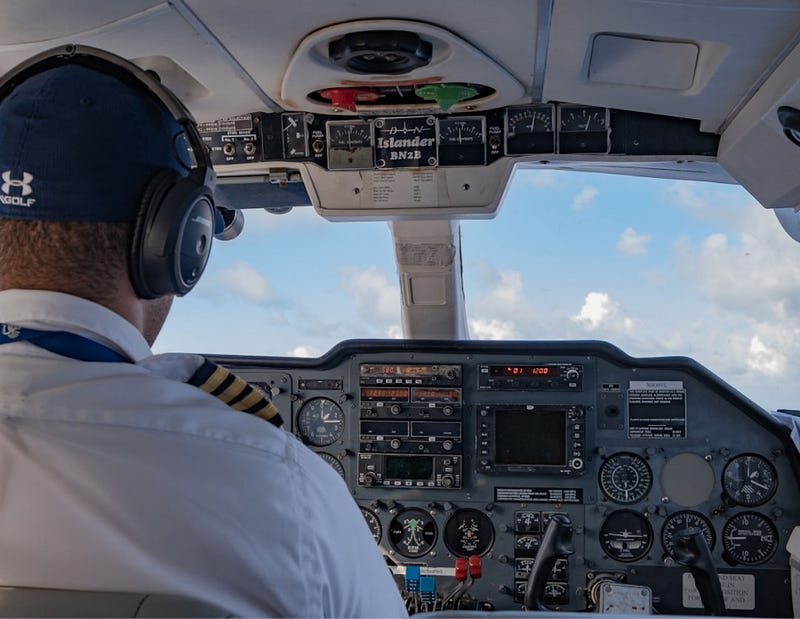
A meticulous pre-flight check is essential before a pilot even sets foot in the cockpit. This process involves inspecting the aircraft, reviewing weather conditions, and ensuring all systems function correctly.
Similarly, in entrepreneurship, thorough preparation is crucial.
When I co-founded FAVORIOT, the initial phase was akin to performing a pre-flight check. We meticulously researched the market, analyzed potential challenges, and developed a comprehensive business plan.
“Every successful venture starts with a solid foundation,” I often remind myself. “Skipping the preparation phase can lead to unforeseen complications.”
The importance of preparation cannot be overstated in both aviation and entrepreneurship.
Just as a pilot would never take off without a thorough check, an entrepreneur should never launch a business without a well-thought-out strategy.
The Takeoff: The Thrill of the Launch

Taking off is one of the most exhilarating phases of a flight. The moment the plane leaves the ground, excitement and apprehension are mixed. The same can be said for launching a startup.
When FAVORIOT was officially launched, the adrenaline rush was palpable.
There’s nothing quite like seeing months, or even years, of hard work finally take flight.
“This is it,” I told myself during our launch. “We’re finally airborne.”
However, just as a pilot must maintain control and ensure a smooth ascent, an entrepreneur must manage the initial stages of the business carefully.
The thrill of the launch must be balanced with a keen eye on the instruments and the venture’s trajectory.
Navigating Turbulence: Dealing with Challenges

No flight is without turbulence.
Pilots are trained to handle unexpected challenges, whether sudden weather changes or technical issues. Turbulence comes in many forms in entrepreneurship: market fluctuations, competitive pressures, or internal company struggles.
During FAVORIOT’s early years, we faced numerous obstacles.
There were moments when it felt like we were flying through a storm.
One particular instance (Covid-19 period) is a sudden market shift that threatened our business model.
“We need to stay calm and adjust our course,” I remember thinking. “Panic won’t help us. We have to navigate through this carefully.”
In these moments, remaining composed and making informed decisions is critical. Just as pilots trust their training and instincts, entrepreneurs must rely on their knowledge and experience to steer the company through rough patches.
The Crew: Building and Leading a Team

An airplane pilot doesn’t operate alone. They rely on a co-pilot and a crew to ensure a successful flight. Similarly, an entrepreneur needs a strong team to build a successful business.
At FAVORIOT, assembling a team of skilled and dedicated individuals was one of my top priorities.
Leadership in both contexts involves clear communication, trust, and collaboration.
“We’re all in this together,” I often tell my team. “Our success depends on our ability to work as a cohesive unit.”
Just as a pilot must lead their crew through the flight, an entrepreneur must inspire and guide their team through the business journey.
The synergy between team members can make or break the mission.
The Flight Plan: Strategic Vision
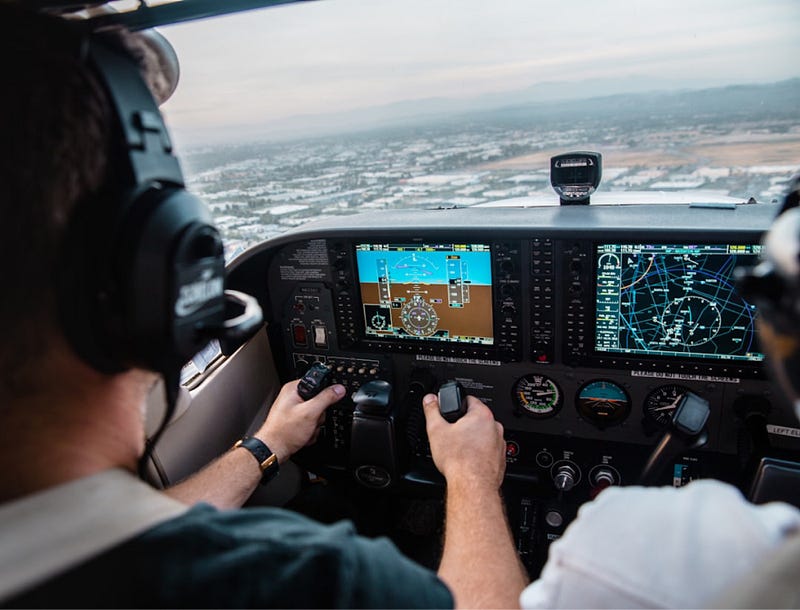
Every flight begins with a flight plan—a detailed outline of the route, altitude, and timing that provides a clear path to the destination. In entrepreneurship, having a strategic vision is akin to having a flight plan.
It’s about knowing where you want to go and how you plan to get there.
When we started FAVORIOT, our vision was clear: to become a leading IoT solutions provider.
This vision guided our decisions and strategies like a flight plan guides a pilot’s course.
“Stay focused on the destination,” I remind myself during challenging times. “The journey may be unpredictable, but our end goal remains the same.”
A well-defined vision helps navigate the business through uncertainties and keeps the team aligned and motivated.
Mid-Flight Adjustments: Flexibility and Adaptability
Pilots often need to make mid-flight adjustments even with a solid flight plan due to changing conditions. Entrepreneurship requires a similar level of flexibility.
The business landscape is dynamic, and the ability to pivot and adapt is crucial.
There was a time when FAVORIOT had to pivot our approach due to emerging technologies and changing market demands.
Initially, this was daunting, but it proved to be a turning point for our company’s growth.
“We need to adapt or risk falling behind,” I realized. “Flexibility is not a sign of weakness, but a strength.”
Being open to change and willing to adjust strategies can lead to new opportunities and innovations.
The Landing: Successful Execution

A smooth landing is the culmination of a successful flight. It requires precision, skill, and careful execution. In entrepreneurship, bringing a project or a business to a successful conclusion mirrors the landing process.
It’s about delivering on promises, achieving goals, and ensuring customer satisfaction.
When FAVORIOT completed its first major project, it felt like a successful landing.
The sense of accomplishment and the positive feedback from clients were gratifying.
“We did it,” I thought. “All the hard work has paid off.”
Just as a pilot takes pride in a smooth landing, an entrepreneur finds fulfillment in successful execution and positive outcomes.
The Journey Never Ends

Both pilots and entrepreneurs understand that the journey of learning never truly ends. Pilots undergo continuous training and simulations to stay sharp and prepared for any situation.
Similarly, entrepreneurs must continually educate themselves, stay updated with industry trends, and learn from their experiences.
I’ve always believed in the power of continuous learning.
Whether attending conferences, reading industry publications, or engaging with other thought leaders, staying informed and adaptable is critical to sustained success.
“Never stop learning,” I tell myself. “Every day brings new opportunities to grow and improve.”
The parallels between being an airplane pilot and an entrepreneur are profound.
Both roles demand preparation, adaptability, leadership, and a clear vision.
My journey with FAVORIOT has been a testament to these similarities.
As I continue flying the skies of entrepreneurship, I carry the lessons learned from both worlds.
Each day is an opportunity to soar to new heights, face challenges head-on, and embrace the thrill of the journey.
“Keep flying, keep striving,” I remind myself. “The sky is not the limit; it’s just the beginning.”




 Dr. Mazlan Abbas